
Brush and Go Oily Problematic Skin Titanium Dioxide, Octinoxate, Octocrylene, Octisalate, Avobenzone, and Oxybenzone 1.25 g/5g; .236 g/5g; .225 g/5g; .135 g/5g; .075 g/5g; .075 g/5g Powder, 5 g
🆔 Identity & classification
Where does this data come from?
🏭 Manufacturer & labeler
Where does this data come from?
🩺 Clinical
Brush and Go Oily Problematic Skin is an over-the-counter powder product applied to the skin that contains multiple sun-protective ingredients. Avobenzone, octinoxate, octisalate, octocrylene, and oxybenzone are chemical UV filters typically used to absorb ultraviolet radiation. Titanium dioxide is a mineral sun filter that works by reflecting UV rays. Together, these ingredients function as a sunscreen product intended for topical use on oily or acne-prone skin types.
Patient education
Supplement & herbal interactions
Where does this data come from?
Ask a licensed pharmacist directly — free, answered by our team.
💊 What it looks like
Where does this data come from?
🧪 Inactive Ingredients / Excipients
Inactive ingredients, also called excipients, are components of the drug product other than the active ingredient. They may include fillers, dyes, coatings, preservatives, flavors, or other formulation ingredients.
💡 Tap an ingredient (hover on desktop) to see what it is and why it’s used.
-
UNII 1P9D0Z171K
BHT is a synthetic antioxidant that prevents fats and oils in medicines from breaking down and becoming rancid. It helps keep the product stable and effective during storage.
-
UNII 00YIU5438U
Caprylyl glycol is a clear liquid derived from coconut oil. In medicines, it acts as a humectant to retain moisture, a preservative booster to prevent microbial growth, and a solvent to help dissolve or mix other ingredients.
-
UNII 72T9EZC2VX
Eucalyptus gum is a natural plant resin extracted from eucalyptus trees. It acts as a binder and thickening agent to hold tablet or capsule ingredients together and improve texture in liquid formulations.
-
UNII 1K09F3G675
Ferric oxide red is an inorganic iron compound used as a colorant in medicines. It gives tablets, capsules, or other dosage forms a red or reddish tint for identification and appearance.
-
UNII EX438O2MRT
Ferric oxide yellow is a naturally occurring iron compound used as a colorant in medications. It gives tablets, capsules, and other forms a yellow or golden hue for identification and appearance.
-
UNII XM0M87F357
A dark iron oxide compound that gives medicines their black or dark color. It's used as a colorant in tablets and capsules to help identify the product and make it visually distinctive.
-
UNII WB5K9Y35Y9
A synthetic crosslinked polymer made by combining hexamethylene diisocyanate with trimethylol hexyllactone. It's used as a film-former and binder to help create protective coatings on tablets or capsules and improve product stability.
-
UNII KEH0A3F75J
Hexylene glycol is a clear liquid alcohol used as a solvent and preservative in medicines. It helps dissolve other ingredients and keeps the product stable during storage.
-
UNII Y9H1V576FH
Honey is a natural sweetener made by bees from flower nectar. In medicines, it adds sweetness to improve taste and may help soothe throat irritation in lozenges or syrups.
-
UNII H1109Z9J4N
A natural emulsifier derived from soybean oil. It helps mix oil and water-based ingredients together, ensuring even distribution of active ingredients throughout the medicine.
-
UNII 4PW41QCO2M
Indian frankincense is a natural resin extracted from trees native to India. It is used in medicines as a binder and thickening agent to help hold ingredients together and improve texture.
-
UNII EG97988M5Q
A synthetic plastic polymer that forms a three-dimensional network. It's used as a coating on tablets and capsules to control how fast the medicine releases into the body, or as a binder to hold pill ingredients together.
-
UNII V8A1AW0880
Mica is a naturally occurring mineral that's ground into fine powder. It's used in medicines as a colorant and anti-caking agent to improve appearance and prevent clumping in tablets or powders.
-
UNII Q46328TRNK
A short-chain protein fragment made of 10 amino acids linked together. Used in formulations as a skin-conditioning agent or penetration enhancer to help active ingredients absorb into skin or improve product texture.
-
UNII HIE492ZZ3T
Phenoxyethanol is a synthetic preservative and antimicrobial agent used to prevent bacterial and fungal growth in medicines and cosmetic products, extending shelf life and maintaining product safety.
-
UNII 59Z907ZB69
A synthetic silicone polymer used as a glidant and anti-caking agent. It reduces friction between particles, helping powders and tablets flow smoothly during manufacturing and use.
-
UNII 1VPU26JZZ4
Potassium sorbate is a salt derived from sorbic acid, a naturally occurring preservative. It prevents growth of mold, yeast, and some bacteria, extending the medicine's shelf life.
-
UNII ETJ7Z6XBU4
Silicon dioxide is a naturally occurring mineral used as a glidant and anti-caking agent. It helps powder ingredients flow smoothly and prevents clumping during manufacturing and storage.
-
UNII 3M4G523W1G
Silver is a metallic element used in some medications as an antimicrobial agent in topical formulations. It helps prevent bacterial growth on wound dressings and certain skin preparations.
-
UNII VIF565UC2G
Tea tree oil is an essential oil extracted from the leaves of the Australian tea tree plant. In medicines, it typically serves as a flavoring agent, fragrance, or antimicrobial component in topical formulations.
-
UNII 18L31PSR28
Trimyristin is a fatty substance derived from plant or animal sources. It acts as a lubricant and binder in tablets and capsules, helping the medicine hold together and move smoothly through manufacturing equipment.
-
UNII 856YO1Z64F
Turmeric is a natural spice derived from the turmeric plant root. It serves as a colorant in medicines, giving products a yellow or golden appearance, and may also provide mild flavoring.
22 inactive ingredients listed in the exact product block matched to this NDC.
Label-section wording can be broader than the structured product block and may mention additional formulation ingredients.
Where does this data come from?
ingredient classCode="IACT" elements from the exact product block matched by this NDC. Label-section narrative from DailyMed / the openFDA label index is shown separately when available.Inactive ingredient FAQ
Are inactive ingredients the same for every manufacturer?
Why might an inactive ingredient be missing?
Can inactive ingredients matter?
💲 Pricing
A drug doesn't have one price. Each row is a different public payment system, and none is what you'd pay at the counter — that depends on your insurance. The ⓘ on each row explains what it measures.
| Price system | Per g | Per package |
|---|---|---|
| Retail pharmacies payNADAC · weekly | Not in the retail survey — common for institutional, discontinued, or low-volume packs. | |
| Medicaid paysCMS SDUD · 12 mo | No recent Medicaid claims on file for this NDC — rare and low-volume NDCs are suppressed in the public data. | |
| Medicare drug plans payPart D · quarterly | No Part D plan price is available for this NDC in our data. | |
Where does this data come from?
🔁 Therapeutic equivalents
| Product | Labeler | Pack | NADAC/unit | TE | Status | Price vs. this |
|---|---|---|---|---|---|---|
| Brush and Go All Skin types 1.25 g/5g; .236 g/5g; .225 g/5g; .135 g/5g; .075 g/5g; .075 g/5g 78863-1010-01 | Noon | 5 g | — | — | FDA listed | — |
| Brush and Go All Skin types Matte Finish Tone 1 1.25 g/5g; .236 g/5g; .225 g/5g; .135 g/5g; .075 g/5g; .075 g/5g 78863-1011-01 | Noon | 2 bottles | — | — | FDA listed | — |
| Brush and Go Oily Problematic Skin 1.25 g/5g; .236 g/5g; .225 g/5g; .135 g/5g; .075 g/5g; .075 g/5gthis 78863-1012-02 | Noon | 5 g | — | — | FDA listed | — |
| Brush and Go All Skin types Matte Finish Tone 2 1.25 g/5g; .236 g/5g; .225 g/5g; .135 g/5g; .075 g/5g; .075 g/5g 78863-1013-01 | Noon | 2 bottles | — | — | FDA listed | — |
| Brush and Go Oily Problematic Skin Matte Finish Tone 1 1.25 g/5g; .236 g/5g; .225 g/5g; .135 g/5g; .075 g/5g; .075 g/5g 78863-1016-02 | Noon | 2 bottles | — | — | FDA listed | — |
| Brush and Go Oily Problematic Skin Matte Finish Tone 2 1.25 g/5g; .236 g/5g; .225 g/5g; .135 g/5g; .075 g/5g; .075 g/5g 78863-1017-02 | Noon | 2 bottles | — | — | FDA listed | — |
Where does this data come from?
⏳ Availability & generic status
We did not find an FDA-approved generic match for this exact strength, form and route.
Where does this data come from?
📦 Packaging — all sizes for this product
| Package NDC | Description | Marketing start | Status |
|---|---|---|---|
| 78863-1012-02 You're viewing this | 5 g in 1 BOTTLE, WITH APPLICATOR (78863-1012-2) | 2020-05-01 | Active |
🧭 About this NDC listing & data coverage
What data is (and isn’t) available for this NDC — tap to expand
| NDC identity (package / product / labeler codes) | ✓ Available |
| Labeler | ✓ Available |
| Product & package description | ✓ Available |
| Marketing category & status | ✓ Available |
| Active ingredient / dosage form / route | ✓ Available |
| FDA label (SPL via DailyMed) | ✓ Available |
| Package photos | ✓ Available |
| Inactive ingredients (structured) | ✓ Available |
| NADAC pharmacy acquisition price (CMS) | — Not published for this NDC CMS publishes NADAC only for NDCs reported in its retail-pharmacy survey. |
| Orange Book / therapeutic-equivalence data | — Not published for this NDC Applies only to products approved under an NDA/ANDA; many listings are out of scope. |
| HCPCS J-code billing crosswalk | — Not published for this NDC Most self-administered / retail products have no J-code — that is normal. |
| Medicaid utilization (CMS SDUD) | — Not published for this NDC CMS reports utilization only for NDCs with Medicaid claims above its privacy threshold. |
Questions about this listing
Is this NDC FDA-approved?
Why is there no price listed?
Is the NDC printed on the package the same as the 11-digit billing NDC?
What do the three segments of this NDC mean?
Is this package still being marketed?
Who lists this product with the FDA?
Do I need a prescription for this product?
Where does this data come from?
📄 FDA label — Drug Facts FDA SPL
🎯 Indications and Usage ▾
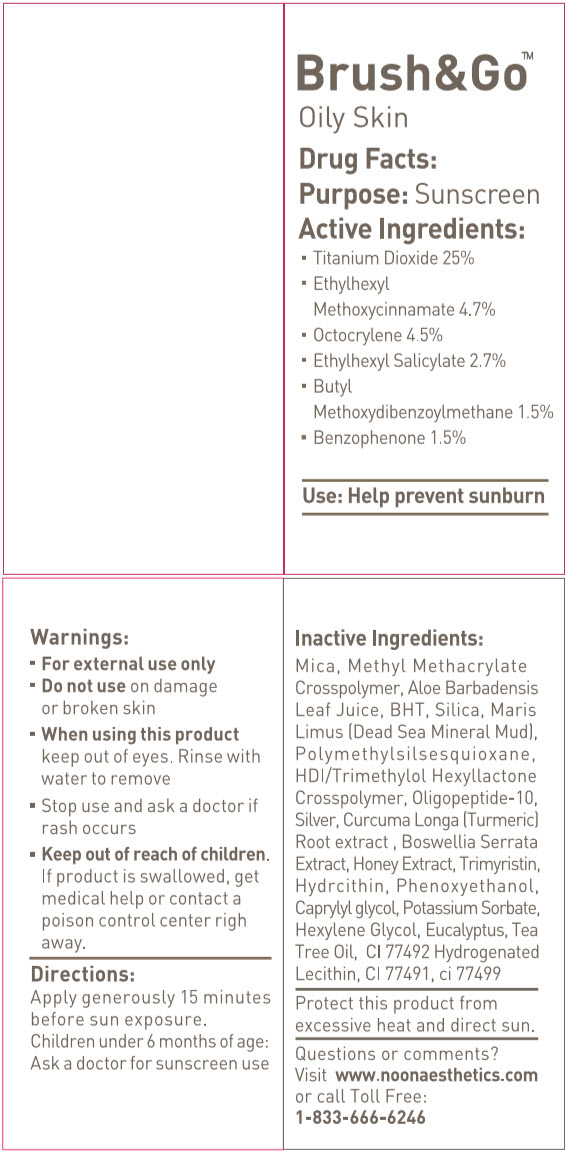
Use Help prevent sunburn
⏱️ Dosage and Administration ▾
Directions Apply generously 15 minutes before sun exposure. Children under 6 months of age: Ask a doctor for sunscreen use
⚠️ Warnings ▾
Warnings For external use only Do not use on damage or broken skin When using this product keep out of eyes. Rinse with water to remove Stop use and ask a doctor if rash occurs Keep out of reach of children . If product is swallowed, get medical help or contact a poison control center right away.
📦 Storage and Handling ▾
Other information Protect this product from excessive heat and direct sun.
🧪 Active Ingredient ▾
Active Ingredients Titanium Dioxide 25% Ethylhexyl Methoxycinnamate 4.7% Octocrylene 4.5% Ethylhexyl Salicylate 2.7% Butyl Methoxydibenzoylmethane 1.5% Benzophenone 1.5%
🧪 Inactive Ingredients ▾
Inactive Ingredients Mica, Methyl Methacrylate Crosspolymer, Aloe Barbadensis Leaf Juice, BHT, Silica, Maris Limus (Dead Sea Mineral Mud), Polymethylsilsesquioxane, HDI/Trimethylol Hexyllactone Crosspolymer, Oligopeptide-10,Silver, Curcuma Longa (Turmeric) Root extract , Boswellia Serrata Extract, Honey Extract, Trimyristin, Hydrogenated Lecithin, Phenoxyethanol, Caprylyl glycol, Potassium Sorbate, Hexylene Glycol, Eucalyptus, Tea Tree Oil, CI 77492,Hydrogenated Lecithin, CI 77491, ci 77499.
🎯 Purpose ▾
Purpose Sunscreen