
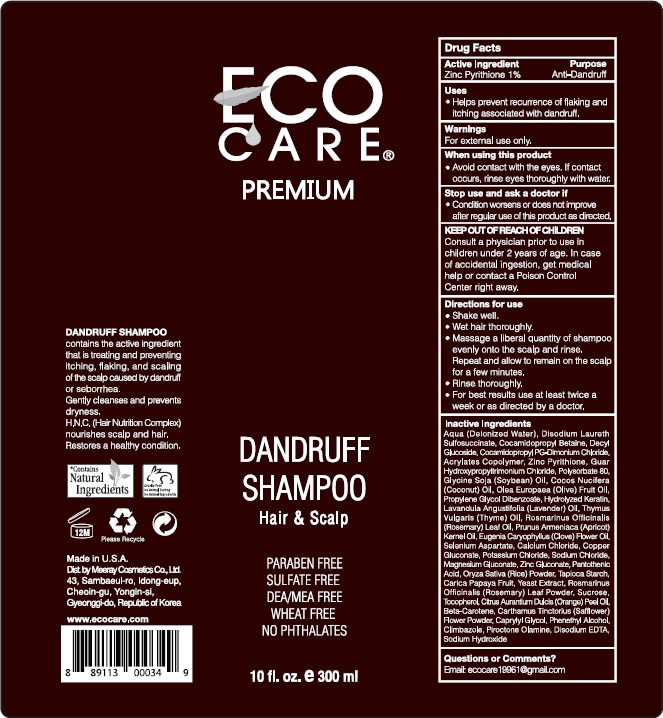
Anti-Dandruff Zinc Pyrithione 10 mg/100mL Shampoo, 1000 mL
🆔 Identity & classification
Where does this data come from?
🏭 Manufacturer & labeler
Where does this data come from?
🩺 Clinical
This is a topical shampoo product marketed under FDA's over-the-counter monograph rules for anti-dandruff treatments. It contains pyrithione zinc, an active ingredient typically used in hair-care products to help reduce flaking and itching associated with dandruff and seborrheic dermatitis of the scalp. The product is applied to the scalp and hair during shampooing. Pyrithione zinc functions as an antimicrobial agent commonly found in dandruff shampoos.
Patient education
Supplement & herbal interactions
Where does this data come from?
Ask a licensed pharmacist directly — free, answered by our team.
🧪 Inactive Ingredients / Excipients
Inactive ingredients, also called excipients, are components of the drug product other than the active ingredient. They may include fillers, dyes, coatings, preservatives, flavors, or other formulation ingredients.
💡 Tap an ingredient (hover on desktop) to see what it is and why it’s used.
-
UNII GG36R9LNV8
A synthetic organic compound used as a fragrance or flavoring agent in medications. It adds pleasant smell or taste to make the medicine more acceptable to take.
-
UNII JU3XHR8VWK
A synthetic plastic polymer used as a film-coating agent. It forms a protective layer around tablets or capsules to control how and where the medicine dissolves in your digestive system.
-
UNII G46579QK1M
A protein-derived ingredient made from keratin, the natural structural protein found in hair. It functions as a film-former and conditioner in topical products, helping to coat and soften the skin or hair.
-
UNII 01YAE03M7J
Beta carotene is a naturally occurring orange pigment found in plants. In medicines, it serves as a colorant to make tablets or capsules appear orange or yellow.
-
UNII M4I0D6VV5M
Calcium chloride is a salt compound that acts as a firming agent and source of calcium ions in medications. It's used in formulations to help maintain tablet structure, improve texture, or serve as a buffering agent.
-
UNII 00YIU5438U
Caprylyl glycol is a clear liquid derived from coconut oil. In medicines, it acts as a humectant to retain moisture, a preservative booster to prevent microbial growth, and a solvent to help dissolve or mix other ingredients.
-
UNII S0U63B0Q51
A plant extract from the papaya fruit, used as a natural flavoring and coloring agent in medicines. It may also provide enzymes that aid tablet breakdown and nutrient absorption.
-
UNII DSO12WL7AU
A salt derived from citric acid, this ingredient acts as a buffer and pH regulator in medicines. It helps maintain stable acidity levels and may improve taste or aid preservation.
-
UNII 9N42CW7I54
Climbazole is a synthetic antifungal compound used as a preservative in topical medications and cosmetic products. It helps prevent the growth of fungi and bacteria, extending the shelf life and stability of the formulation.
-
UNII VCA5491KVF
A fragrant oil extracted from clove leaves, used as a flavoring and aromatic agent to mask unpleasant tastes or add pleasant scent to medicines.
-
UNII 5OCF3O11KX
A plant-derived surfactant made from coconut oil. It helps mix oil and water ingredients together in the formulation and can improve how the medicine spreads or feels on the skin.
-
UNII 205Z54J075
A cleansing and conditioning agent derived from coconut oil. It helps reduce static, improve texture, and keep ingredients evenly mixed in shampoos, conditioners, and other personal care products.
-
UNII Q9L0O73W7L
Coconut oil is a natural fat extracted from coconut fruit. It's used in medicines as a lubricant, emollient, or carrier to help dissolve or deliver active ingredients smoothly through the formulation.
-
UNII RV823G6G67
Copper gluconate is a salt combining copper and gluconic acid. It serves as a mineral supplement ingredient and color agent in some formulations, providing trace copper content to the medication.
-
UNII Z17H97EA6Y
A plant-derived mild cleanser made from natural sugars and oils. It acts as an emulsifier and surfactant to help mix water and oil-based ingredients together in the medicine.
-
UNII 0A13NT4QUI
A sulfosuccinate surfactant derived from lauryl alcohol. It acts as an emulsifier and solubilizer in liquid formulations, helping to blend oil and water-based ingredients and improve the product's stability and texture.
-
UNII 6V475AX06U
A chelating agent derived from ethylenediaminetetraacetic acid (EDTA) combined with copper. It binds metals in formulations to prevent discoloration and degradation, helping preserve the medicine's stability and appearance.
-
UNII B16G315W7A
A plant-derived thickener made from guar gum that has been chemically modified to carry a positive charge. It's used in medicines as a thickening agent and to help keep ingredients evenly mixed throughout the product.
-
UNII 19AH1RAF4M
A plant extract from lavender flowers used as a flavoring and fragrance agent in medicines. It adds taste and aroma to make the product more pleasant to take.
-
UNII T42NAD2KHC
A mineral salt derived from magnesium and gluconic acid. It's used as a binder and filler to help hold tablet or capsule ingredients together and add bulk to the formulation.
-
UNII 9YY2F980SV
Manganese gluconate is a mineral compound that combines manganese with gluconic acid. It may be used as a nutritional supplement or processing aid in formulations.
-
UNII U20N87188F
A plant extract from myrtle leaves used as a natural flavoring agent and preservative in medications. It adds taste and helps protect the medicine from spoilage.
-
UNII 8E7358CX1J
A fragrant oil extracted from olive fruit, used as a flavoring agent and to improve the taste and smell of the medicine.
-
UNII 6UYK2W1W1E
A natural oil extracted from olives. It acts as an emollient and lubricant in formulations, helping to soften ingredients and improve how the medicine spreads or flows.
-
UNII TI9T76XD44
A natural flavoring derived from orange fruit peel. It adds orange taste and aroma to the medicine, making it more pleasant to take, while also providing natural color.
-
UNII 84IVV0906Z
A plant-based powder made from whole rice grains. It serves as a filler and binder to give the tablet or capsule its shape and structure.
-
UNII 19F5HK2737
Pantothenic acid is a B vitamin used in some formulations as a nutritional supplement or to support stability. It may also serve as a buffer or pH adjuster in the medicine.
-
UNII A4V5C6R9FB
Piroctone olamine is a antimicrobial compound used in medicines as a preservative or antifungal agent. It helps prevent bacterial and fungal growth in topical formulations like shampoos and skin products.
-
UNII 6OZP39ZG8H
Polysorbate 80 is a synthetic emulsifier derived from sorbitol and oleic acid. It helps mix oil and water-based ingredients together in medications and improves how the product disperses in the body.
-
UNII 660YQ98I10
Potassium chloride is a mineral salt used in medicines as a buffer and to help maintain the proper pH balance and stability of the formulation during storage and use.
-
UNII 3F6OA94EER
A chelating agent derived from an organic acid compound. It binds minerals and metals in the formulation to improve stability and prevent discoloration or degradation of the active ingredient.
-
UNII EQY32Z1AN4
A synthetic compound derived from propylene glycol and benzoic acid. It serves as a plasticizer and solvent in medicines, helping dissolve active ingredients and improve the flexibility and texture of liquid formulations.
-
UNII 0X5YG5R83N
A plant extract from apricot leaves used as a natural flavoring agent or ingredient to add taste or aroma to the medicine.
-
UNII NR1A27F29O
A plant extract from rosemary flowers used as a natural preservative and antioxidant. It helps prevent oils and fats in the medicine from spoiling, keeping the product fresh during storage.
-
UNII OXN0D3N28L
A plant oil derived from rosemary flowering tops used as a flavoring agent and preservative in medicines. It adds aroma and may help protect the product from spoilage.
-
UNII 4VBL71TY4Y
Safflower is a plant-derived ingredient used as a natural colorant and flavoring agent in medicines. It may also serve as a filler to add bulk to the formulation.
-
UNII 48JCS720FN
Salvia officinalis flowering top is a plant-derived ingredient commonly known as sage. It's used in formulations for its flavoring and potential soothing properties in topical or oral products.
-
UNII 451W47IQ8X
Sodium chloride is common table salt. It's used in medicines as a buffer to maintain proper pH, as a filler to add bulk, or to adjust the osmotic balance in liquid formulations.
-
UNII 55X04QC32I
A strong alkaline chemical used to adjust and maintain the pH balance of liquid medicines. It helps keep the medicine stable and ensures it stays effective during storage.
-
UNII 241ATL177A
Soybean oil is a natural plant oil derived from soybean seeds. It's used in medicines as a solvent and carrier to help dissolve or suspend active ingredients and improve how the body absorbs them.
-
UNII 24SC3U704I
A powdery carbohydrate extracted from tapioca plant roots. It acts as a binder to hold tablet ingredients together and as a disintegrant to help the tablet break apart in your digestive system.
-
UNII C151H8M554
A natural sugar derived from sugar cane or sugar beets. It's used as a sweetener, filler, and binder to improve taste, add bulk, and help hold tablet or capsule ingredients together.
-
UNII W2T4YRA9AD
A protein enzyme derived from baker's yeast that breaks down harmful oxygen molecules. In medicines, it may act as an antioxidant to help protect the product's stability during storage.
-
UNII GRX3499643
A plant extract from common thyme used as a natural flavoring agent and preservative in medicines. It adds taste and helps prevent spoilage of the product.
-
UNII R0ZB2556P8
Tocopherol is a form of vitamin E derived from plant oils. It acts as an antioxidant in medicines to prevent oils and fats from breaking down and spoiling during storage.
-
UNII 059QF0KO0R
Water is a liquid solvent that dissolves and mixes ingredients together in liquid medicines, syrups, and injections. It helps distribute the active drug evenly throughout the product.
-
UNII 3NY3SM6B8U
A microorganism used as a natural source of B vitamins and proteins. In medications, yeast serves as a nutrient supplement and may help with tablet binding or act as a filler to give the product proper form and stability.
-
UNII U6WSN5SQ1Z
Zinc gluconate is a form of zinc, a mineral, combined with gluconic acid. It's used as a supplement ingredient to provide zinc content in the formulation.
48 inactive ingredients listed in the exact product block matched to this NDC.
Label-section wording can be broader than the structured product block and may mention additional formulation ingredients.
Where does this data come from?
ingredient classCode="IACT" elements from the exact product block matched by this NDC. Label-section narrative from DailyMed / the openFDA label index is shown separately when available.Inactive ingredient FAQ
Are inactive ingredients the same for every manufacturer?
Why might an inactive ingredient be missing?
Can inactive ingredients matter?
💲 Pricing
A drug doesn't have one price. Each row is a different public payment system, and none is what you'd pay at the counter — that depends on your insurance. The ⓘ on each row explains what it measures.
| Price system | Per g | Per package |
|---|---|---|
| Retail pharmacies payNADAC · weekly | Not in the retail survey — common for institutional, discontinued, or low-volume packs. | |
| Medicaid paysCMS SDUD · 12 mo | No recent Medicaid claims on file for this NDC — rare and low-volume NDCs are suppressed in the public data. | |
| Medicare drug plans payPart D · quarterly | No Part D plan price is available for this NDC in our data. | |
Where does this data come from?
🔁 Therapeutic equivalents
| Product | Labeler | Pack | NADAC/unit | TE | Status | Price vs. this |
|---|---|---|---|---|---|---|
| Anti-Dandruff 10 mg/100mLthis 83080-0121-02 | MEERAY | 1000 ml | — | — | FDA listed | — |
Where does this data come from?
⏳ Availability & generic status
We did not find an FDA-approved generic match for this exact strength, form and route.
Where does this data come from?
🔬 Reported adverse events (FAERS)
Top reported reactions
Age at onset
Reporter sex
Serious outcomes
Where does this data come from?
📦 Packaging — all sizes for this product
| Package NDC | Description | Marketing start | Status |
|---|---|---|---|
| 83080-0121-01 | 300 mL in 1 BOTTLE, PUMP (83080-121-01) | 2023-03-01 | Active |
| 83080-0121-02 You're viewing this | 1000 mL in 1 BOTTLE, PUMP (83080-121-02) | 2023-03-01 | Active |
You're viewing the largest of 2 pack sizes for this product.
Pack size FAQ
What quantity is in NDC 83080-0121-02?
What is the difference between NDC 83080-0121-02 and NDC 83080-0121-01?
What NDC number is used to bill for this package of Anti-Dandruff Zinc Pyrithione 10 mg/100mL Shampoo?
🧭 About this NDC listing & data coverage
What data is (and isn’t) available for this NDC — tap to expand
| NDC identity (package / product / labeler codes) | ✓ Available |
| Labeler | ✓ Available |
| Product & package description | ✓ Available |
| Marketing category & status | ✓ Available |
| Active ingredient / dosage form / route | ✓ Available |
| FDA label (SPL via DailyMed) | ✓ Available |
| Package photos | ✓ Available |
| Inactive ingredients (structured) | ✓ Available |
| NADAC pharmacy acquisition price (CMS) | — Not published for this NDC CMS publishes NADAC only for NDCs reported in its retail-pharmacy survey. |
| Orange Book / therapeutic-equivalence data | — Not published for this NDC Applies only to products approved under an NDA/ANDA; many listings are out of scope. |
| HCPCS J-code billing crosswalk | — Not published for this NDC Most self-administered / retail products have no J-code — that is normal. |
| Medicaid utilization (CMS SDUD) | — Not published for this NDC CMS reports utilization only for NDCs with Medicaid claims above its privacy threshold. |
Questions about this listing
Is this NDC FDA-approved?
Why is there no price listed?
Is the NDC printed on the package the same as the 11-digit billing NDC?
What do the three segments of this NDC mean?
Is this package still being marketed?
Does this product come in other package sizes?
Who lists this product with the FDA?
Do I need a prescription for this product?
Where does this data come from?
📄 FDA label — Drug Facts FDA SPL
🎯 Indications and Usage ▾
Indications Helps prevent recurrance of flaking and itching associated with dandruff.
⏱️ Dosage and Administration ▾
Dosage and Administration Shake well. Wet hair thoroughly. Massage a liberal quantity of shampoo evenly onto the scalp and rinse. Repeat and allow to remain on the scalp for a few minutes. Rinse throroughly. For best results use at least twice a week or as directed by a doctor.
⚠️ Warnings ▾
Warnings FOR EXTERNAL USE ONLY
🧪 Active Ingredient ▾
Drug Facts Active Ingredients Purpose Zinc Pyrithione 1.00 %.........................................................Anti-Dandruff
🧪 Inactive Ingredients ▾
Inactive Ingredients Aqua (Deionized Water), Decyl Glucoside, Lauryl Glucoside, Coco Glucoside, Hydrolyzed Soy Protein, Guar Hydroxypropyltrimonium Chloride, Hydrolyzed Keratin, Tocopherol, Pantothenic Acid, Saccharomyces/Selenium Ferment, Calcium Chloride, Copper Gluconate, Potassium Chloride, Managanese Gluconate, Magnesium Gluconate, Zinc Gluconate, Sodium Chloride, Olea Europaea Fruit Oil, Myrtus Comunis Oil, Lavandula Angustifolia Oil, Thymus Vulgaris Oil, Rosmarinus Officinalis Leaf Oil, Prunus Armeniaca Kernal Oil, Eugenia Caryophyllus Flower Oil, Oryza Sativa Powder, Tapioca Starch, Carica Papayan Fruit, Yeast Extract, Rosmarinus Officinalis Leaf Powder, Salvia Officinalis Leaf Extract, Sucrose, Phenethyl Alcohol, Caprylyl Glycol, Citric Acid, Tetrasodium EDTA, Essential Oils Blend
🎯 Purpose ▾
Purpose Uses: Helps prevent recurrence of flaking and itching associated with dandruff.