
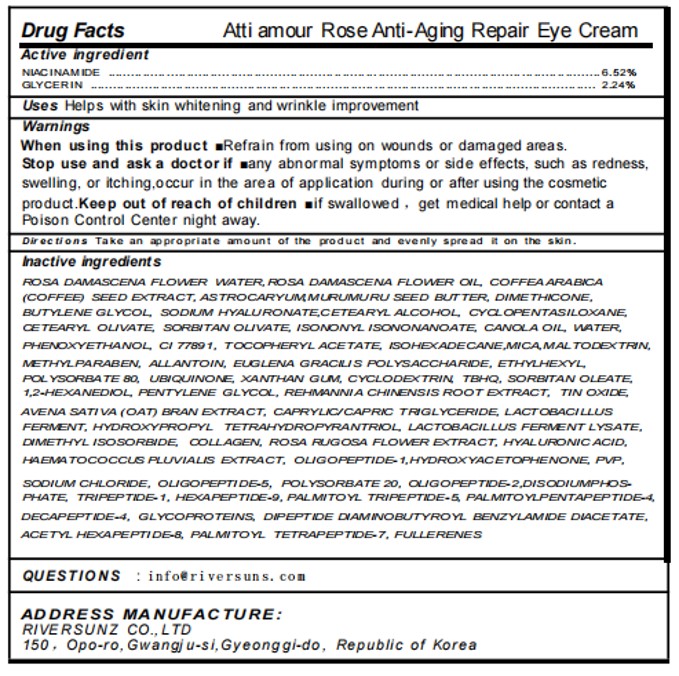
Atti amour Rose Anti-Aging Repair Eye Cream NIACINAMIDE, GLYCERIN 6.52 g/100g; 2.24 g/100g Cream, 20 g
🆔 Identity & classification
Where does this data come from?
🏭 Manufacturer & labeler
Where does this data come from?
🩺 Clinical
Atti amour Rose Anti-Aging Repair Eye Cream is a topical cream product marketed as an over-the-counter monograph drug. It contains niacinamide and glycerin as active ingredients. Niacinamide is commonly included in skincare products for its role in supporting skin barrier function, while glycerin functions as a humectant to help retain moisture in the skin. This product is intended for topical application around the eye area.
Patient education
Supplement & herbal interactions
Where does this data come from?
Ask a licensed pharmacist directly — free, answered by our team.
🧪 Inactive Ingredients / Excipients
Inactive ingredients, also called excipients, are components of the drug product other than the active ingredient. They may include fillers, dyes, coatings, preservatives, flavors, or other formulation ingredients.
💡 Tap an ingredient (hover on desktop) to see what it is and why it’s used.
-
UNII TR046Y3K1G
A liquid alcohol derived from petroleum or plant sources. It acts as a solvent and humectant in medicines, helping dissolve active ingredients and retain moisture in the formulation.
-
UNII L4EL31FWIL
A synthetic peptide (short chain of amino acids) used as a conditioning or texture-enhancing agent in topical formulations. It helps improve product feel and skin compatibility in creams and lotions.
-
UNII 344S277G0Z
Allantoin is a naturally derived compound that helps soften and soothe skin. In medicines, it works as a skin-conditioning agent and may help support wound healing and reduce irritation in topical formulations.
-
UNII 9E8X80D2L0
A synthetic form of vitamin E used as an antioxidant and preservative in medications. It helps prevent the active ingredients from degrading when exposed to oxygen or light.
-
UNII 3SW678MX72
A natural flavoring derived from roasted arabica coffee beans. It adds coffee taste and aroma to the medicine, making it more palatable for patients who need to swallow or chew the product.
-
UNII 12V64UPU6R
A plant-based fat extracted from murumuru palm seeds. It acts as an emollient and thickener in topical formulations, helping create smooth texture and improve skin feel in creams and lotions.
-
UNII NP9U26B839
A form of carbon consisting of 60 atoms arranged in a sphere-like structure. It may be used as an antioxidant to help protect the medicine from degradation during storage.
-
UNII 3XUS85K0RA
Butylene glycol is a clear liquid derived from petroleum or plants that acts as a humectant, solvent, and preservative booster in medicines. It helps keep formulations stable, dissolve active ingredients, and maintain moisture in topical products.
-
UNII 331KBJ17RK
Canola oil is a plant-based oil derived from rapeseed. It's used in medicines as a solvent and carrier to help dissolve or suspend active ingredients, and may improve how the body absorbs certain medications.
-
UNII 58B69Q84JO
A plant-derived emulsifier made from olive oil and fatty alcohols. It helps blend oil and water ingredients together and stabilizes the product's texture in creams, lotions, and similar formulations.
-
UNII 2DMT128M1S
A waxy solid derived from plant or animal sources. It acts as an emulsifier to blend oil and water components, and also thickens the medicine to give it the right texture and consistency.
-
UNII 8JC99XGU4W
Soluble fish skin collagen is a protein derived from fish skin that acts as a binder and thickening agent in medicines. It helps hold ingredients together and gives the product the right texture or consistency.
-
UNII 7E6SK9QDT8
Cyclodextrins are ring-shaped sugar molecules derived from starch. They're used in medicines as solubilizers to help poorly dissolving drugs dissolve better, and sometimes as binders or stabilizers.
-
UNII 0THT5PCI0R
A silicone-based liquid that helps distribute active ingredients evenly throughout topical products. It acts as a solvent and emollient, allowing medicines to spread smoothly on skin while improving texture and absorption.
-
UNII 92RU3N3Y1O
Dimethicone is a silicone-based oil that acts as an anti-foaming agent and lubricant in medicines. It reduces gas bubbles in liquid formulations and helps coat and protect the stomach lining when ingested.
-
UNII H895X08VNQ
A silicone-based polymer that forms small, hard particles. It acts as a glidant and anti-caking agent to improve powder flow and prevent clumping in tablets and capsules.
-
UNII SA6A6V432S
Dimethyl isosorbide is a clear liquid solvent derived from natural sugar sources. It helps dissolve active ingredients and improve their absorption in liquid medicines and topical products.
-
UNII 38H206R00R
A synthetic compound used as a skin-conditioning agent and preservative booster in topical formulations. It helps maintain product stability and may enhance the skin feel of creams or lotions.
-
UNII 147D247K3P
Ethylhexylglycerin is a synthetic preservative used to prevent bacteria and mold from growing in medicines and personal care products. It helps keep the product safe and stable throughout its shelf life.
-
UNII T426JJ26WB
A single-celled green algae used as a natural colorant and nutritional additive in medications. It provides green color to tablets and capsules while contributing vitamins and minerals to the formulation.
-
UNII 31T0FF0472
A red microalgae used as a natural colorant and source of astaxanthin pigment in medications and supplements. It adds color to tablets and capsules.
-
UNII L25414IE41
A synthetic peptide made of six amino acids linked together. It functions as a conditioning agent in topical formulations to help improve skin texture and appearance.
-
UNII YSE9PPT4TH
Hyaluronate sodium is a natural carbohydrate that holds moisture. It's used in medicines as a lubricant, thickener, and moisture-retaining agent to improve texture and delivery of the active ingredient.
-
UNII S270N0TRQY
Hyaluronic acid is a naturally occurring substance found in skin and joints. In medicines, it acts as a moisturizer and thickening agent to improve texture and help the product spread smoothly.
-
UNII J2S07SB0YL
A protein derived from wheat that has been broken down into smaller pieces using enzymes. It's used in formulations as a film-former and texturizer to help bind ingredients together and improve product consistency.
-
UNII G1L3HT4CMH
A synthetic compound used in medicines as a preservative and antimicrobial agent. It helps prevent bacterial and fungal growth, extending the product's shelf life.
-
UNII 4U3GMG1OT1
A humectant and skin-conditioning agent derived from cellulose or similar plant sources. It helps retain moisture in the formulation and may improve texture or spreadability in topical products.
-
UNII 918X1OUF1E
Isohexadecane is a synthetic hydrocarbon oil used as an emollient and solvent in topical medicines. It helps dissolve active ingredients and improves spreadability and absorption through the skin.
-
UNII S4V5BS6GCX
A synthetic oily liquid used as an emollient and solvent in topical medications. It helps dissolve active ingredients and creates a smooth, spreadable texture on the skin.
-
UNII 3K209OP33H
A beneficial bacterium added to support gut health and digestion. It acts as a probiotic, helping maintain healthy intestinal bacteria balance in the product formulation.
-
UNII 7CVR7L4A2D
A starch-derived carbohydrate produced by breaking down corn, potato, or tapioca starch. It functions as a filler and binder to give the medicine bulk and texture, and sometimes as a mild sweetener or texture enhancer in powders and tablets.
-
UNII C9H2L21V7U
A fat derived from coconut or palm oil containing shorter fatty acid chains. It serves as a solvent and carrier to help dissolve or suspend active ingredients, improving absorption and stability in liquid formulations.
-
UNII A2I8C7HI9T
Methylparaben is a preservative derived from benzoic acid that prevents growth of bacteria, fungi, and mold in medicines. It extends the product's shelf life and maintains safety during storage.
-
UNII V8A1AW0880
Mica is a naturally occurring mineral that's ground into fine powder. It's used in medicines as a colorant and anti-caking agent to improve appearance and prevent clumping in tablets or powders.
-
UNII KQX236OK4U
A fine powder made from the outer layer of oat grain. It acts as a filler and binder to give the medicine its form and texture, and may also help the tablet or capsule break down properly in the digestive system.
-
UNII KK181SM5JG
A synthetic peptide derived from amino acids. In medications and cosmetic formulations, it functions as an active conditioning agent to help maintain skin texture and firmness in topical products.
-
UNII Q41S464P1R
A synthetic peptide (short protein-like molecule) used in skincare and cosmetic formulations as an active conditioning ingredient to help improve skin texture and appearance. It may function as a humectant or skin-conditioning agent in topical products.
-
UNII 2A3916MQHO
A synthetic peptide derived from palm oil that functions as a skin-conditioning agent and emollient. In formulations, it helps soften and smooth the product texture while providing moisturizing properties to topical preparations.
-
UNII 50C1307PZG
Pentylene glycol is a humectant and preservative helper derived from petroleum or plant sources. It draws moisture into the product and helps prevent bacterial growth, keeping medicines stable during storage.
-
UNII HIE492ZZ3T
Phenoxyethanol is a synthetic preservative and antimicrobial agent used to prevent bacterial and fungal growth in medicines and cosmetic products, extending shelf life and maintaining product safety.
-
UNII 7T1F30V5YH
A synthetic emulsifier derived from sorbitol and oleic acid. It helps mix oil and water-based ingredients together and keeps them from separating in liquid formulations.
-
UNII 6OZP39ZG8H
Polysorbate 80 is a synthetic emulsifier derived from sorbitol and oleic acid. It helps mix oil and water-based ingredients together in medications and improves how the product disperses in the body.
-
UNII FZ989GH94E
Povidone is a synthetic polymer made from a plastic-like material. It acts as a binder to hold tablet ingredients together and as a disintegrant to help the tablet break apart in your stomach so the medicine can be absorbed.
-
UNII 39TG2H631E
A short-chain protein fragment made of three amino acids linked together. It is used in cosmetic and skincare formulations as a conditioning or skin-soothing agent.
-
UNII 1BEM3U6LQQ
A plant extract from rehmannia root, traditionally used in herbal medicine. In pharmaceutical products, it may serve as an active botanical ingredient or functional additive, though its specific role depends on the formulation type.
-
UNII 18920M3T13
Rosa damascena flower oil is a fragrant plant oil extracted from damask rose petals. It's used in medicines as a flavoring and aromatic agent to improve taste and scent.
-
UNII 969IQC5YJU
A natural plant extract from the rugosa rose flower. It's used in formulations as a fragrance, flavor, or natural colorant to improve the taste, smell, or appearance of the medicine.
-
UNII 451W47IQ8X
Sodium chloride is common table salt. It's used in medicines as a buffer to maintain proper pH, as a filler to add bulk, or to adjust the osmotic balance in liquid formulations.
-
UNII 22ADO53M6F
A mineral salt derived from phosphoric acid, used as a buffer to maintain the pH balance of the medication and help stabilize the active ingredients.
-
UNII 06XEA2VD56
Sorbitan oleate is an emulsifier derived from sorbitol and oleic acid. It helps mix oil and water-based ingredients together and keeps them from separating in the medicine.
-
UNII MDL271E3GR
Sorbitan olivate is an emulsifier derived from sorbitol and olive oil. It helps blend water and oil ingredients together to maintain consistent texture and appearance throughout the medicine.
-
UNII KM7N50LOS6
Tin oxide is an inorganic mineral compound used in medicines as a colorant and opacifying agent. It provides white or off-white color to tablets, capsules, and coatings while helping make formulations less transparent.
-
UNII C12674942B
A synthetic antioxidant used to prevent oils and fats in medicines from breaking down and becoming rancid. It extends the shelf life and stability of products containing lipids.
-
UNII 15FIX9V2JP
Titanium dioxide is a bright white mineral powder commonly used as a colorant and opacifying agent. It makes pills and tablets white or lighter in color and helps make coatings non-transparent.
-
UNII EJ27X76M46
Ubidecarenone is a naturally occurring compound found in cells that helps produce energy. In medicines, it acts as an antioxidant and may help stabilize the product while supporting cellular function in the body.
-
UNII 059QF0KO0R
Water is a liquid solvent that dissolves and mixes ingredients together in liquid medicines, syrups, and injections. It helps distribute the active drug evenly throughout the product.
-
UNII TTV12P4NEE
Xanthan gum is a thickening and stabilizing ingredient made from fermented corn or other sugars. It's added to medicines to improve texture, prevent separation of liquids and solids, and help the product stay consistent.
57 inactive ingredients listed in the exact product block matched to this NDC.
Label-section wording can be broader than the structured product block and may mention additional formulation ingredients.
Where does this data come from?
ingredient classCode="IACT" elements from the exact product block matched by this NDC. Label-section narrative from DailyMed / the openFDA label index is shown separately when available.Inactive ingredient FAQ
Are inactive ingredients the same for every manufacturer?
Why might an inactive ingredient be missing?
Can inactive ingredients matter?
💲 Pricing
A drug doesn't have one price. Each row is a different public payment system, and none is what you'd pay at the counter — that depends on your insurance. The ⓘ on each row explains what it measures.
| Price system | Per g | Per package |
|---|---|---|
| Retail pharmacies payNADAC · weekly | Not in the retail survey — common for institutional, discontinued, or low-volume packs. | |
| Medicaid paysCMS SDUD · 12 mo | No recent Medicaid claims on file for this NDC — rare and low-volume NDCs are suppressed in the public data. | |
| Medicare drug plans payPart D · quarterly | No Part D plan price is available for this NDC in our data. | |
Where does this data come from?
🔁 Therapeutic equivalents
| Product | Labeler | Pack | NADAC/unit | TE | Status | Price vs. this |
|---|---|---|---|---|---|---|
| Atti amour Rose Anti-Aging Repair Eye Cream 6.52 g/100g; 2.24 g/100gthis 84601-0003-01 | RIVER | 20 g | — | — | FDA listed | — |
Where does this data come from?
⏳ Availability & generic status
We did not find an FDA-approved generic match for this exact strength, form and route.
Where does this data come from?
📦 Packaging — all sizes for this product
| Package NDC | Description | Marketing start | Status |
|---|---|---|---|
| 84601-0003-01 You're viewing this | 20 g in 1 BOTTLE (84601-003-01) | 2024-08-05 | Active |
🧭 About this NDC listing & data coverage
What data is (and isn’t) available for this NDC — tap to expand
| NDC identity (package / product / labeler codes) | ✓ Available |
| Labeler | ✓ Available |
| Product & package description | ✓ Available |
| Marketing category & status | ✓ Available |
| Active ingredient / dosage form / route | ✓ Available |
| FDA label (SPL via DailyMed) | ✓ Available |
| Package photos | ✓ Available |
| Inactive ingredients (structured) | ✓ Available |
| NADAC pharmacy acquisition price (CMS) | — Not published for this NDC CMS publishes NADAC only for NDCs reported in its retail-pharmacy survey. |
| Orange Book / therapeutic-equivalence data | — Not published for this NDC Applies only to products approved under an NDA/ANDA; many listings are out of scope. |
| HCPCS J-code billing crosswalk | — Not published for this NDC Most self-administered / retail products have no J-code — that is normal. |
| Medicaid utilization (CMS SDUD) | — Not published for this NDC CMS reports utilization only for NDCs with Medicaid claims above its privacy threshold. |
Questions about this listing
Is this NDC FDA-approved?
Why is there no price listed?
Is the NDC printed on the package the same as the 11-digit billing NDC?
What do the three segments of this NDC mean?
Is this package still being marketed?
Who lists this product with the FDA?
Do I need a prescription for this product?
Where does this data come from?
📄 FDA label — Drug Facts FDA SPL
🎯 Indications and Usage ▾
Helps with skin whitening and wrinkle improvement
⏱️ Dosage and Administration ▾
Take an appropriate amount of medication and apply it evenly to the desired area
⚠️ Warnings ▾
When using this product mRefrain from using on wounds or damaged areas.Stop use and ask a doctorif many abnormal symptoms or side effects, such as redness.swvelling, or itching,occur in the area of applicatlon during or after using the cosmeticproduct.Keep out of reach of children if swallowed , get medical help or contact aPoison Control Center night away.
🧪 Active Ingredient ▾
NIACINAMIDE 6.52% GLYCERIN 2.24%
🧪 Inactive Ingredients ▾
SODIUM HYALURONATE ROSA DAMASCENA FLOWER WATER ROSA DAMASCENA FLOWER OIL COFFEA ARABICA (COFFEE) SEED EXTRACT ASTROCARYUM MURUMURU SEED BUTTER DIMETHICONE BUTYLENE GLYCOL CETEARYL OLIVATE SORBITAN OLIVATE CETEARYL ALCOHOL CYCLOPENTASILOXANE ISONONYL ISONONANOATE MICA CI 77891 TIN OXIDE WATER REHMANNIA CHINENSIS ROOT EXTRACT CANOLA OIL TBHQ OLIGOPEPTIDE-1 OLIGOPEPTIDE-5 OLIGOPEPTIDE-2 TOCOPHERYL ACETATE METHYLPARABEN PENTYLENE GLYCOL AVENA SATIVA (OAT) BRAN EXTRACT ALLANTOIN EUGLENA GRACILIS POLYSACCHARIDE UBIQUINONE LACTOBACILLUS FERMENT LACTOBACILLUS FERMENT LYSATE ROSA RUGOSA FLOWER EXTRACT HYDROXYACETOPHENONE COLLAGEN HYALURONIC ACID HAEMATOCOCCUS PLUVIALIS EXTRACT CAPRYLIC/CAPRIC TRIGLYCERIDE SODIUM CHLORIDE POLYSORBATE 20 TRIPEPTIDE-1 HEXAPEPTIDE-9 PALMITOYL TRIPEPTIDE-5 PALMITOYL PENTAPEPTIDE-4 PALMITOYL TETRAPEPTIDE-7 HYDROXYPROPYL TETRAHYDROPYRANTRIOL DECAPEPTIDE-4 GLYCOPROTEINS DISODIUM PHOSPHATE DIPEPTIDE DIAMINOBUTYROYL BENZYLAMIDE DIACETATE ACETYL HEXAPEPTIDE-8 DIMETHYL ISOSORBIDE FULLERENES PVP ISOHEXADECANE POLYSORBATE 80 SORBITAN OLEATE PHENOXYETHANOL ETHYLHEXYLGLYCERIN MALTODEXTRIN XANTHAN GUM CYCLODEXTRIN 1,2-HEXANEDIOL
🎯 Purpose ▾
Helps with skin whitening and wrinkle improvement