
Accidentally Took Benadryl Along With Tylenol PM
A reader asks about the effects of taking Tylenol PM and Benadryl together.
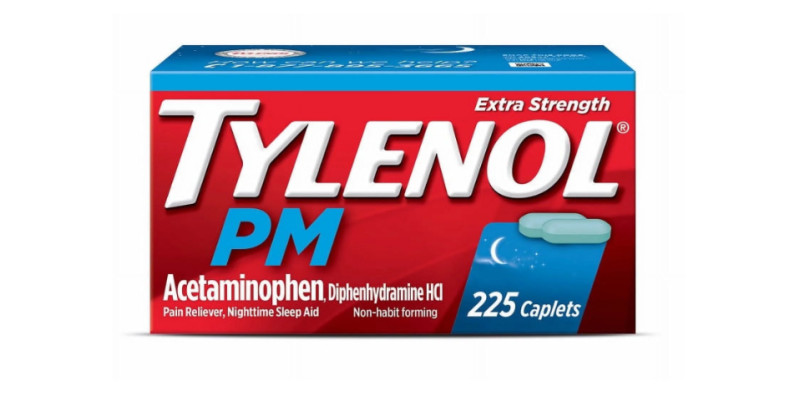

I took 2 Benadryl capsules with 2 Tylenol PM last night, because I was attacked by some fire ants. I also take Cymbalta 60 mg. Will it wear off after awhile? It has been 12 hours, and I still feel drowsy.
Jul 21, 2026- Taking Benadryl and Tylenol PM together gave you a double dose of diphenhydramine, which is why you're experiencing drowsiness that may last into the next day or longer.
- Avoid driving, operating machinery, or doing anything requiring alertness until the drowsiness completely wears off, and do not take any more products containing diphenhydramine.
- Contact Poison Control at 1-800-222-1222 for personalized guidance since you took a double dose of the same ingredient, even though your symptoms seem mild.
Hello, and thank you for following up with us!
The drowsiness you are experiencing is most likely from taking a larger-than-recommended amount of diphenhydramine, the active ingredient in Benadryl.
You stated in your question you took both Benadryl and Tylenol PM. Tylenol PM also contains diphenhydramine, so the two products should not be taken together.
Assuming you took the standard products, two Benadryl capsules provided 50 mg of diphenhydramine, while two Tylenol PM caplets provided another 50 mg. That would be a total of approximately 100 mg of diphenhydramine, along with 1,000 mg of acetaminophen from the Tylenol PM.
Will the Drowsiness Wear Off?
Yes, it should gradually wear off as your body clears the diphenhydramine. However, feeling drowsy 12 hours later is certainly possible after taking that amount. Diphenhydramine has an average elimination half-life of around nine hours in adults, meaning a meaningful amount can still be in your body the following morning. It may take the rest of the day, and occasionally longer, for you to feel completely back to normal.
Cymbalta can also cause sleepiness or dizziness in some people, so it may be adding to the sedating effects. The primary concern with this combination is increased drowsiness, impaired coordination, and slower reaction time.
What You Should Do Now
Do not take any more Benadryl, Tylenol PM, or other products containing diphenhydramine today. Be sure to avoid alcohol, sleep medications, and any other medicines that make you drowsy. You also should not drive, operate machinery, or do anything requiring alertness until you feel completely normal.
Because you took two products containing the same sedating ingredient and are still symptomatic, I recommend contacting Poison Control at 1-800-222-1222. Now, your situation likely is not life-threatening or overly serious since you are only feeling some lingering sedation as a side effect, but regardless, they can give you individualized guidance based on your age, weight, exact products, medical history, and current symptoms.
Poison Control specifically recommends contacting them after medication double-dosing, even when the symptoms seem relatively mild.
For the future, always check the “active ingredients” section before combining Benadryl with any nighttime or “PM” product. Diphenhydramine is included in many combination sleep and pain products, even when the product name does not make that obvious.
Final Words
Thanks for reaching out and I hope you start to feel better soon!
References & sources
Glossary — Terms in This Answer
- Diphenhydramine
- An antihistamine medication that causes drowsiness and is commonly used in over-the-counter cold, allergy, and sleep products.
- Active ingredient
- The substance in a medication that produces the intended therapeutic effect.
- Elimination half-life
- The time it takes for the body to reduce the amount of a drug in the bloodstream to half its original level.
- Acetaminophen
- A common over-the-counter pain reliever and fever reducer found in products like Tylenol.
- Sedating effects
- The calming or sleep-inducing actions that a medication produces on the body.
- Impaired coordination
- A reduced ability to control muscles and movements in a smooth and controlled manner.
- Poison Control
- A medical resource available 24/7 that provides expert guidance and advice after accidental medication overdoses or poisonings.
- Symptomatic
- Experiencing noticeable symptoms or signs of illness or a drug effect.
Dr. Brian Staiger, PharmD
Doctor of Pharmacy, board certified clinical pharmacist (BCPS), American Herbalist Guild, Medication Therapy Management certified
Brian Staiger, PharmD, BCPS, is a licensed pharmacist with more than 13 years of experience across retail pharmacy, clinical pharmacy, medication safety, pharmacy program development, and healthcare administration. He is the founder of HelloPharmacist.com, where he helps patients...
More answers from Brian →