
Can Beetroot Interfere With Hydroxyurea?
In our latest question and answer, the pharmacist discusses the safety of combining beetroot and hydroxyurea.
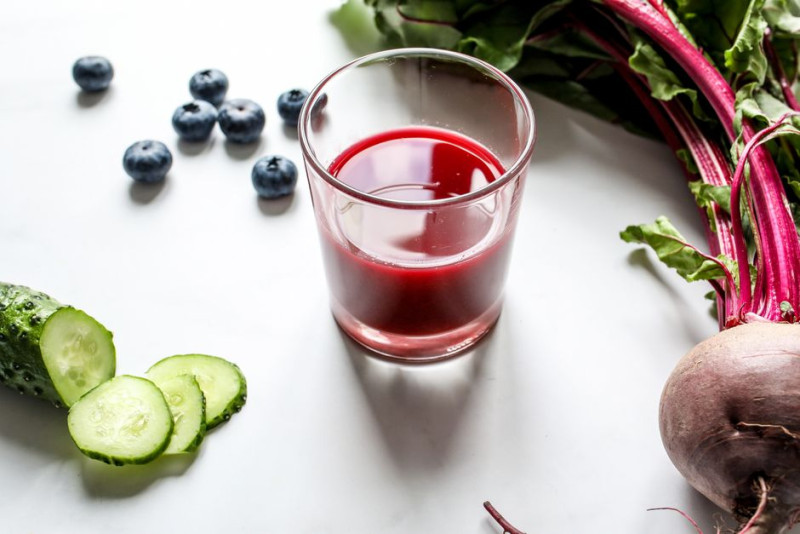

Will beetroot interfere with hydroxyurea prescribed for essential thrombocytosis treatment?
Jul 31, 2026- Beetroot is not known to interfere with hydroxyurea because the medication is not heavily dependent on the liver enzymes responsible for most food and herb interactions. Beetroot hasn't been shown to affect how hydroxyurea is absorbed, processed, or eliminated from your body. It's still a good idea to mention beetroot use to your hematologist since some laboratory research suggests it may have mild effects on platelet activity, though this hasn't been well studied in humans. Beetroot can harmlessly cause urine or stool discoloration.
Hello! Beetroot is not known to interfere with hydroxyurea, and eating beets or taking a beetroot supplement isn't expected to change how well the medication controls your platelet counts.
How Hydroxyurea Keeps Platelet Counts in Check
Hydroxyurea works by gently slowing down how quickly your bone marrow produces blood cells.
In essential thrombocythemia, where the marrow makes too many platelets, that effect brings platelet counts down toward a safer range and lowers the risk of clotting complications. It's a medication with decades of use behind it, and it's also FDA approved for other blood conditions such as sickle cell anemia.
One reassuring point for your question is that hydroxyurea is not heavily dependent on the liver enzymes (like the CYP450 family) that are behind most herb and food interactions, and a significant portion of the drug is cleared through the kidneys.
That leaves very little pathway for a food like beetroot to raise or lower hydroxyurea levels in your body.
Where Beetroot Fits Into the Picture
Beetroot is a root vegetable that's also sold as a supplement, usually in powdered or juice form, and its claim to fame is being naturally rich in dietary nitrates that the body converts to nitric oxide. That's the main reason it's marketed for lowering blood pressure and boosting exercise performance.
Beetroot isn't known to affect the way hydroxyurea is absorbed, processed, or eliminated, so no meaningful interaction is expected there.
One point worth mentioning for your specific situation: there is some laboratory research suggesting nitrate-rich beetroot may have a mild effect on platelet activity, but this hasn't been well characterized in humans.
Since many people with essential thrombocythemia also take low-dose aspirin alongside hydroxyurea, it's a good idea to mention beetroot to your hematologist so they can consider your full regimen. And if you take blood pressure medication, keep in mind that beetroot's blood-pressure-lowering effect could add to it slightly.
Final Words
Overall, beetroot isn't expected to interfere with hydroxyurea or your essential thrombocythemia treatment, though the pairing hasn't been directly studied. Mention it to your hematologist at your next visit, keep up with your regular blood count monitoring, and know that beets can harmlessly redden urine or stool.
Feel free to reach back out if you have any follow-up questions. We're always happy to help!
You may also find these related HelloPharmacist resources helpful: Beet drug interactions and safety information.
References & sources
Dr. Brian Staiger, PharmD
Doctor of Pharmacy, board certified clinical pharmacist (BCPS), American Herbalist Guild, Medication Therapy Management certified
Brian Staiger, PharmD, BCPS, is a licensed pharmacist with more than 13 years of experience across retail pharmacy, clinical pharmacy, medication safety, pharmacy program development, and healthcare administration. He is the founder of HelloPharmacist.com, where he helps patients...
More answers from Brian →