
Can You Pierce a Prenatal Softgel and Take the Liquid Inside?
Whether it's okay to open a large prenatal vitamin softgel with folic acid and DHA and swallow the liquid inside when the capsule itself is hard to get down.
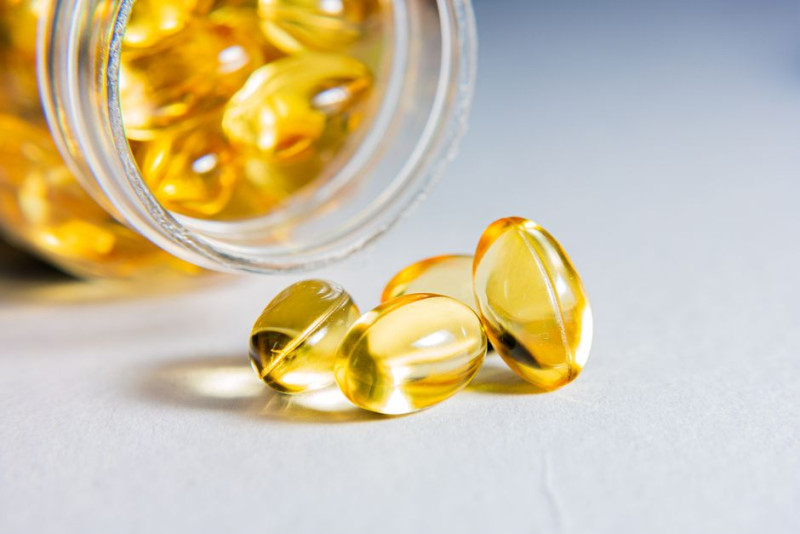

Hi, I have been having trouble taking Nature Made's Prenatal Vitamins with Folic Acid and DHA. It is a large softgel. Is it safe to pierce it and drink the liquid inside?
Sep 02, 2026- Piercing a prenatal softgel is not dangerous but comes with practical problems like difficulty extracting all the contents and an unpleasant fishy taste combined with the metallic flavor of iron.
- You won't get a reliable full dose each day because the thick fish oil suspension clings to the inside of the capsule and doesn't pour cleanly, so meaningful portions are left behind over time.
- If you do pierce the softgel, mix the contents immediately into applesauce, yogurt, or a smoothie to make it easier to consume and to help carry out the sticky contents.
- Better alternatives like a smaller prenatal tablet plus separate DHA softgel, chewable or gummy prenatals, or liquid prenatal vitamins are worth discussing with your pharmacist or doctor.
Piercing a prenatal softgel and taking the contents isn't necessarily dangerous, and it's something I'm sure plenty of people end up doing when a liquid filled capsule or liquid filled softgel is just too big to swallow comfortably.
The real issues are practical rather than safety related. A fish oil containing product will smell and taste strongly of fish. Additionally, I imagine it would be pretty difficult to get all the liquid out of the softgel simply by piercing it.
So, I suppose you could do this and it can work as a stopgap, but it's not the most reliable way to get the full dose every day, and there are usually better options worth asking your pharmacist or doctor about.
Why the Softgel Is Built the Way It Is
The reason these prenatal softgels are so large is that they pack two very different things into one capsule. One is a standard prenatal multivitamin (folic acid, iron, iodine, vitamin D, B vitamins, and other minerals), and the other is DHA, an omega-3 fat that is oily by nature and can't be pressed into a dry tablet. DHA is included because it supports the developing baby's brain and eyes, and folic acid is the key nutrient for preventing neural tube defects, so both belong in there.
The gelatin shell is just a container, not a timed-release system, which is why opening it doesn't change how the nutrients are absorbed the way cutting an extended-release tablet would.
What Actually Happens When You Pierce It
When you puncture the shell, what comes out is a thick fish oil suspension with the vitamin and mineral powder mixed through it, and that texture is the first problem.
It doesn't pour cleanly, so a meaningful portion clings to the inside of the capsule, and squeezing gets some of it but rarely all of it. Over weeks, that adds up to a smaller dose of iron, folic acid, and DHA than the label promises.
The taste is the second problem, because the fishy oil combined with the metallic flavor of iron is unpleasant for most people, and iron in liquid form can also temporarily darken teeth if it sits in the mouth. The third problem is freshness. DHA is a delicate fat that oxidizes when exposed to air and light, so if you go this route, open the capsule and take it right away rather than preparing it ahead of time, and mixing it into a spoonful of applesauce, yogurt, or a smoothie can make it easier to get down and help carry the sticky contents with it.
Folic acid itself is very forgiving here. The synthetic form used in supplements is almost completely absorbed whether it arrives inside a capsule or mixed into food, so the folate part of the dose isn't the concern. The concern is simply making sure you're actually getting all of it out of the shell.
Easier Options Worth Discussing With Your Pharmacist or Doctor
Before settling on piercing the softgel every day, it's worth trying a couple of swallowing tricks first.
Most softgels float, so the lean-forward method tends to work better than tilting your head back. Put the capsule on your tongue, take a sip of water, tuck your chin toward your chest, and swallow. Taking it with a mouthful of thick food like applesauce or a smoothie also helps because the capsule rides along with the food.
If none of that works, there are formulations designed for exactly this situation, and your pharmacist or doctor can help you pick one that still covers what you need:
- A smaller prenatal multivitamin tablet or capsule taken alongside a separate DHA softgel, which splits the bulk into two easier pieces.
- A chewable or gummy prenatal paired with a DHA supplement, keeping in mind that most gummies contain little or no iron, so your provider may want to address iron separately.
- A liquid prenatal vitamin, which sidesteps swallowing pills entirely.
Any of these changes should be run past your doctor or pharmacist rather than made on your own, since they'll want to be sure the replacement still delivers the folic acid, iron, and iodine amounts they intended for your pregnancy.
Final Words
Opening the softgel won't hurt you, but it's messy, it tastes bad, and it's hard to be sure you're getting the whole dose, so I'd treat it as a temporary workaround rather than a long-term plan.
Feel free to write back if you'd like help comparing specific products, and congratulations on your pregnancy.
References & sources
Dr. Brian Staiger, PharmD
Doctor of Pharmacy, board certified clinical pharmacist (BCPS), American Herbalist Guild, Medication Therapy Management certified
Brian Staiger, PharmD, BCPS, is a licensed pharmacist with more than 13 years of experience across retail pharmacy, clinical pharmacy, medication safety, pharmacy program development, and healthcare administration. He is the founder of HelloPharmacist.com, where he helps patients...
More answers from Brian →