
Can You Take Red Yeast Rice With Repatha (Evolocumab)?
Red yeast rice is a popular over-the-counter supplement for cholesterol, and Repatha (evolocumab) is a prescription injectable that lowers cholesterol too. This reader wants to know whether it's okay to use both at the same time.
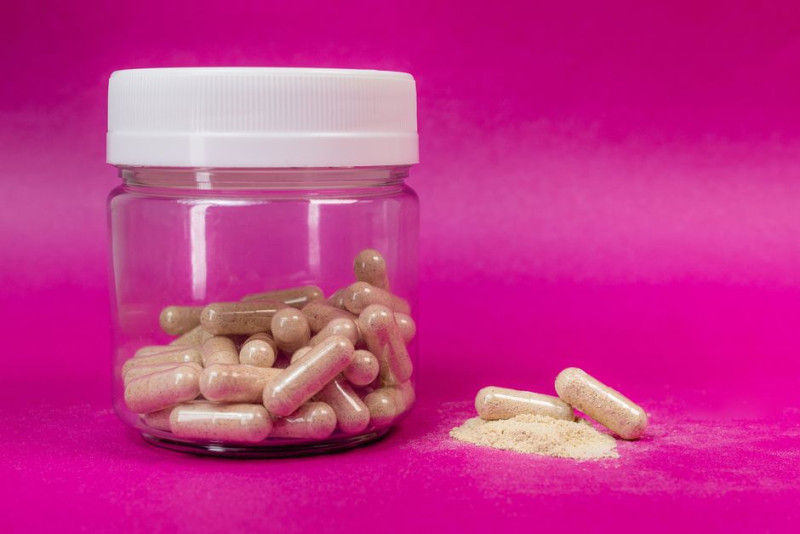

Can I take red yeast rice while I'm on Repatha (evolocumab) injections?
Jul 31, 2026- There is no known direct drug interaction between red yeast rice and Repatha, but red yeast rice acts like a low-dose statin so taking both means doubling up on cholesterol-lowering therapy that your doctor should approve.
- Red yeast rice contains monacolin K, which is chemically identical to the statin lovastatin and lowers cholesterol the same way, though its actual strength varies unpredictably between brands.
- Doctors commonly combine Repatha with prescription statins, but your doctor should decide whether you need the extra cholesterol-lowering effect and may prefer a statin with a consistent dose over a supplement.
- Anyone taking red yeast rice should report new muscle pain, weakness, or unusual fatigue to their doctor promptly.
Thanks for writing us!
There is no known direct drug interaction between red yeast rice and Repatha (evolocumab), and the two lower cholesterol in completely different ways.
The more important point, though, is that red yeast rice behaves essentially like a low-dose statin, so taking it alongside Repatha means you'd be doubling up on cholesterol-lowering therapies, and that's something your prescriber should know about and agree with.
How Repatha Lowers Your Cholesterol
Repatha is an injectable monoclonal antibody known as a PCSK9 inhibitor. It works by blocking the PCSK9 protein, which normally breaks down the LDL receptors on your liver.
With PCSK9 blocked, your liver keeps more of those receptors and pulls more LDL ('bad') cholesterol out of your blood. Since Repatha is an antibody rather than a traditional pill, it isn't processed by the liver enzymes (like CYP450) that cause most drug and supplement interactions, which is a big part of why it plays well with other cholesterol therapies.
Why Red Yeast Rice Acts Like a Statin
Red yeast rice is fermented rice that naturally contains monacolin K, a compound that is chemically the same as the prescription statin lovastatin.
It lowers cholesterol the same way statins do, by partially blocking the enzyme your liver uses to make cholesterol, and well-standardized products can lower LDL meaningfully within a couple of months.
That also means it carries statin-like risks, including the potential for muscle aches and elevated liver enzymes, and the actual monacolin K content varies quite a bit from brand to brand, so the 'dose' you're getting isn't always predictable. You can read more on our red yeast rice supplement page.
What Combining Them Really Means
If an interaction checker flags this pair, it's usually what pharmacists call a therapeutic duplication, a note that both products treat the same thing, rather than a warning that they chemically clash.
In fact, doctors very commonly prescribe Repatha alongside a prescription statin, so combining a statin-like agent with Repatha is not an unusual strategy in itself.
The difference here is that your doctor should be the one deciding whether you need that extra LDL lowering, and if so, they may prefer a prescription statin with a known, consistent dose over a supplement whose potency can vary. There's also a monitoring piece, since anyone taking a statin-like product should mention new muscle pain, weakness, or unusual fatigue to their doctor promptly.
Final Words
Red yeast rice isn't expected to interact directly with Repatha, but think of adding it the same way you'd think of adding a statin: it should be a decision made with your doctor, who knows your cholesterol goals, your liver health, and your history with statins. Bring it up at your next visit or ask your pharmacist to help you weigh it, and feel free to write back if you have any follow-up questions!
You may also find these related HelloPharmacist resources helpful:
References & sources
Dr. Brian Staiger, PharmD
Doctor of Pharmacy, board certified clinical pharmacist (BCPS), American Herbalist Guild, Medication Therapy Management certified
Brian Staiger, PharmD, BCPS, is a licensed pharmacist with more than 13 years of experience across retail pharmacy, clinical pharmacy, medication safety, pharmacy program development, and healthcare administration. He is the founder of HelloPharmacist.com, where he helps patients...
More answers from Brian →