
Red Yeast Rice vs. Bergamot for Cholesterol: Which Works Better?
Red yeast rice and bergamot are two of the most popular natural products people turn to for cholesterol support, and it's common to wonder which one has the stronger track record before choosing between them.

Is a red yeast rice supplement a better choice to control cholesterol levels than bergamot?
Jul 22, 2026- Red yeast rice has stronger scientific evidence for lowering LDL cholesterol compared to bergamot, but its effectiveness depends heavily on product quality and brand choice. Bergamot offers a gentler option with more modest cholesterol-lowering effects and less robust research behind it. Red yeast rice can cause statin-like side effects and drug interactions, so you should talk with your doctor or pharmacist before starting either supplement, especially if you take other medications.
Great question, and thanks for bringing it to HelloPharmacist.
If we're going strictly by the strength of the evidence, red yeast rice has the more robust and consistent data for lowering LDL ("bad") cholesterol, while bergamot's effects appear more modest and the research behind it is thinner.
Having said that, "better" isn't quite that simple here, because red yeast rice comes with some real quality-control and safety caveats that bergamot doesn't, so the right choice really depends on your situation and a conversation with your doctor.
How Red Yeast Rice Lowers Cholesterol
Red yeast rice is a fermented rice product that naturally contains a compound called monacolin K, which is chemically identical to the prescription statin lovastatin.
It works the same way statins do, by partially blocking the enzyme your liver uses to make cholesterol.
In studies of people with mild to moderate cholesterol elevation, well-standardized red yeast rice products have lowered LDL cholesterol on the order of 15% to 25% or more within a couple of months, an effect comparable to a low-dose statin.
The catch is that its effectiveness depends heavily on how much monacolin K a given product actually contains, so brand and specific product choice are important.
Where Bergamot Fits in
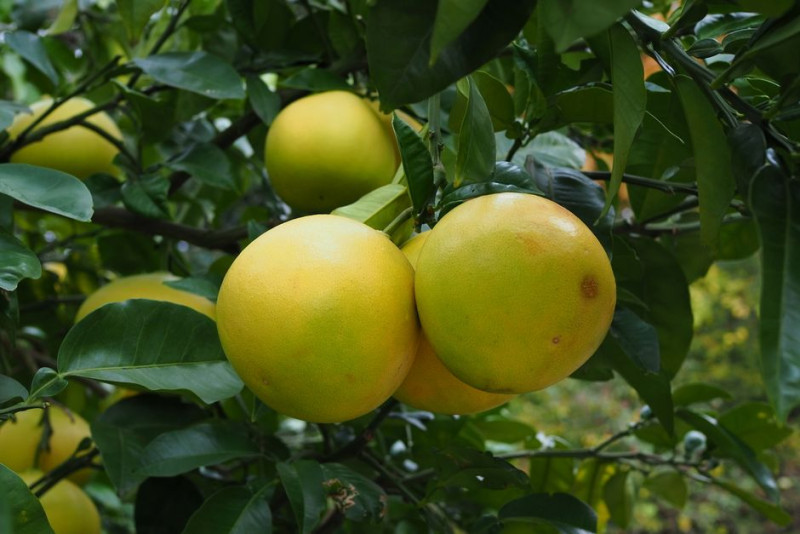
Bergamot is a Mediterranean citrus fruit, and its extracts are rich in polyphenols like naringin, neoeriocitrin, and neohesperidin.
These compounds are thought to modestly reduce cholesterol production in the liver and support cholesterol removal through the digestive tract.
Some human studies have shown improvements in lipid profiles with standardized bergamot extract, but the trials tend to be smaller and less consistent than the red yeast rice research, and the exact mechanisms are still being worked out.
In practice, bergamot may offer a milder benefit with generally good tolerability, but there's less certainty about how much of an LDL reduction any individual can expect. Our bergamot supplement page covers its known interactions and safety points.
Important Caveats With Red Yeast Rice Products
Before assuming red yeast rice is the clear winner, keep two things in mind.
First, product quality varies enormously. Monacolin K content differs widely between brands, and in a well-designed clinical trial that compared several popular supplements against a low-dose prescription statin, the red yeast rice product tested (along with the other supplements) did not lower LDL any better than placebo, while the statin dropped it by roughly 35%.
Second, because monacolin K is essentially lovastatin, red yeast rice can carry statin-like side effects such as muscle aches, and it shares statin drug interactions too.
It also shouldn't be combined with a prescription statin. Neither supplement is a substitute for prescription therapy when your cardiovascular risk calls for it.
Final Words
If you're comparing the two head to head, red yeast rice has the stronger evidence for meaningfully lowering LDL cholesterol, provided you choose a reputable, standardized product, while bergamot is the gentler option with more modest and less certain effects.
Since elevated cholesterol is ultimately about your overall heart risk, I'd encourage you to loop in your doctor or pharmacist before starting either one, especially if you take other medications.
You may also find these related HelloPharmacist resources helpful:
- Red Yeast Rice drug interactions and safety information
- Bergamot drug interactions and safety information.
Thanks for contacting us!
References & sources
Glossary — Terms in This Answer
- LDL cholesterol
- A type of cholesterol in your blood that can build up in arteries and increase heart disease risk, often called 'bad' cholesterol.
- Monacolin K
- A naturally occurring compound in red yeast rice that works like the prescription drug lovastatin to help lower cholesterol.
- Statin
- A type of prescription medication that lowers cholesterol by blocking an enzyme your liver needs to make cholesterol.
- Fermented
- A process where microorganisms break down food or other substances to create new compounds and flavors.
- Polyphenols
- Plant compounds with antioxidant properties that may help protect cells and support heart health.
- Lipid profiles
- A blood test that measures different types of fats and cholesterol in your bloodstream.
- Standardized
- A product that has been tested and guaranteed to contain a specific, consistent amount of its active ingredient.
- Cardiovascular risk
- Your personal likelihood of developing heart disease or stroke based on factors like cholesterol, blood pressure, and family history.
Dr. Brian Staiger, PharmD
Doctor of Pharmacy, board certified clinical pharmacist (BCPS), American Herbalist Guild, Medication Therapy Management certified
Brian Staiger, PharmD, BCPS, is a licensed pharmacist with more than 13 years of experience across retail pharmacy, clinical pharmacy, medication safety, pharmacy program development, and healthcare administration. He is the founder of HelloPharmacist.com, where he helps patients...
More answers from Brian →