
Why Does My New Generic Hydrocodone/Acetaminophen Feel Weaker?
Our pharmacist discusses switching between two different manufacturers of generic hydrocodone/acetaminophen 10-325 mg tablets.
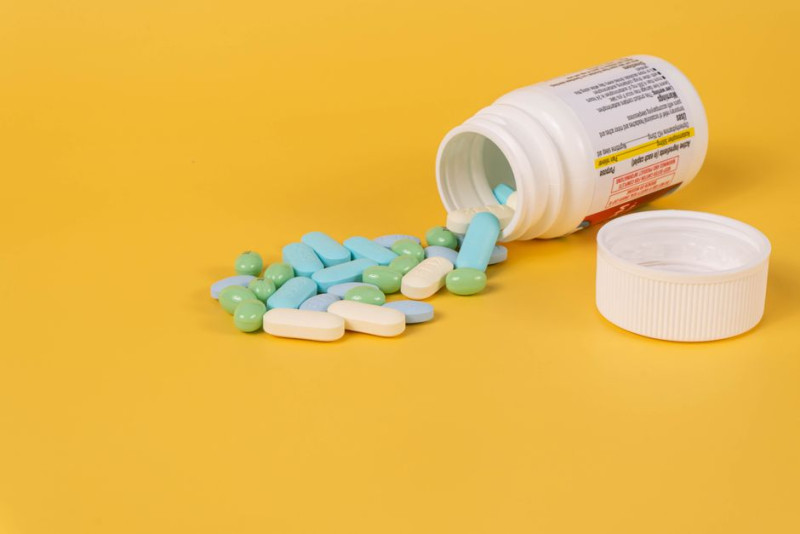

I normally take hydrocodone with acetaminophen 10-325 mg tablets (MALL) every 8 hours as needed for severe back pain. Recently, my partner prescribed hydrocodone-acetaminophen 10-325 mg tablets (STRI). The pill most recently prescribed has an imprint P 3601. The most recent one prescribed does not seem to be nearly as effective. My back begins hurting badly within 2 hours of taking it. Am I crazy? Please respond. Thank you.
Sep 28, 2026- The two generic tablets contain identical active ingredients at the same strength, but different manufacturers use different inactive ingredients that can affect how quickly the drug is absorbed and peaks in your body.
- Your perception of a weaker effect may be influenced by genetics, other medications, changes in your pain level, tolerance from long-term use, or simply paying closer attention to a pill that looks different.
- Ask your pharmacist whether they can special order your previous manufacturer, and keep a log of when you take doses and when pain returns so your doctor can evaluate whether the tablets or your underlying condition has changed.
- Do not increase your dose or take doses closer together on your own, as both hydrocodone and acetaminophen carry real risks at higher amounts.
Thanks for contacting HelloPharmacist! You are not crazy, and you are far from the first person to complain about a difference in effectiveness after a pharmacy switched generic manufacturers.
Both tablets you describe are the same medication, hydrocodone 10 mg with acetaminophen 325 mg, and the FDA does require every approved generic to deliver its active ingredients into the bloodstream in essentially the same amount and at essentially the same rate as the reference product. In other words, the two should work the same.
Still, a real person's experience with pain does not always line up neatly with what the studies say, and there are a few legitimate reasons why one product can feel different from the next.
What Actually Changes When the Manufacturer Changes
The abbreviations on your label (MALL and STRI) are the pharmacy's shorthand for the company that made the tablets, and the imprint code on each tablet is how manufacturers mark their own product. Your pharmacist can look up any imprint and confirm exactly which company made it and that it is the 10-325 mg strength you were prescribed, which is worth doing whenever a pill looks unfamiliar.
The active ingredients and their amounts are identical from one manufacturer to another. What differs are the inactive ingredients, meaning the fillers, binders, and dyes that hold the tablet together and give it its shape and color.
Those inactive ingredients can change how quickly a tablet breaks apart in the stomach, and bioequivalence testing allows a modest range of variation in absorption rather than demanding a perfect match. For most people and most medicines that range is not noticeable, but with a fast-acting pain reliever taken as needed, a small shift in how quickly the drug peaks and fades is the kind of thing an attentive patient can sometimes feel.
Why Pain Relief Can Vary Even at the Same Dose
Hydrocodone is a semisynthetic opioid, and how strongly and how long it works varies quite a bit from person to person because of genetics, other medications, and the nature of the pain itself.
A switch in manufacturer often happens to coincide with other changes, such as a flare in your back pain, more activity, a new medication that affects how hydrocodone is metabolized, or gradually building tolerance to a dose you have taken for a while.
Expectations also play a genuine role.
When a pill looks different, people naturally pay closer attention to whether it is working, and that scrutiny alone can make relief feel shorter or weaker. None of that means what you are feeling is imaginary, only that the tablet may not be the sole explanation.
One more possibility is worth mentioning because it is easy to overlook. Long-term opioid use can occasionally lead to a condition called opioid-induced hyperalgesia, where the nervous system becomes more sensitive to pain and the medicine seems to stop working as well.
The hydrocodone prescribing information specifically advises patients not to increase their dose on their own and to seek medical attention for worsening pain, increased sensitivity to pain, or new pain. I am not suggesting that is what is happening to you, but if the shorter relief persists, it is something your doctor can help sort out.
Steps You Can Take
Please do not take an extra tablet or shorten the interval between doses to make up the difference. Both hydrocodone and acetaminophen carry real risks at higher amounts, and your prescription is written the way it is for good reason. Instead, start with your pharmacist.
Pharmacies switch generic suppliers based on cost and availability, but many can special order a specific manufacturer if you ask, and some will note a manufacturer preference on your profile so it carries forward to future fills. Since this is a controlled substance, the pharmacy may have some limits on how it handles that, but it never hurts to ask. It also helps to keep a simple log for a week or two noting when you take a dose and when the pain returns.
That record gives your prescriber something concrete to work with if the pattern continues, and it helps separate a true difference in the tablets from a change in your underlying back pain.
Final Words
Generic hydrocodone/acetaminophen tablets from different manufacturers are meant to be interchangeable, but noticing a difference does not make you crazy. Bring the bottle to your pharmacist, confirm the imprint, and ask whether your previous manufacturer can be ordered, and let your doctor know if the pain keeps breaking through early so they can take a fresh look at your plan.
Thanks again for reaching out to us!
References & sources
- DailyMed. Hysingla ER prescribing information — DailyMed
- Endogenous and iatrogenic sources of variability in response to opioid therapy in Post-Surgical and injured orthopedic patients — PubMed
- Analgesic efficacy of a hydrocodone with ibuprofen combination compared with ibuprofen alone for the treatment of acute postoperative pain — PubMed
- The clinical and Practice Dilemma of Frequent Switching Among Generic Medications: Magnitude and Patient Safety Prospective — PubMed
- Comparison of outcomes following a switch from a brand to an authorized vs. independent generic drug — PubMed
Dr. Brian Staiger, PharmD
Doctor of Pharmacy, board certified clinical pharmacist (BCPS), American Herbalist Guild, Medication Therapy Management certified
Brian Staiger, PharmD, BCPS, is a licensed pharmacist with more than 13 years of experience across retail pharmacy, clinical pharmacy, medication safety, pharmacy program development, and healthcare administration. He is the founder of HelloPharmacist.com, where he helps patients...
More answers from Brian →