
Can You Use Cyperus Rotundus (Nut Grass) Oil With Xarelto?
Whether an essential oil made from Cyperus rotundus (nut grass, often written as cypress rotunda) can be used safely by someone taking the blood thinner Xarelto.
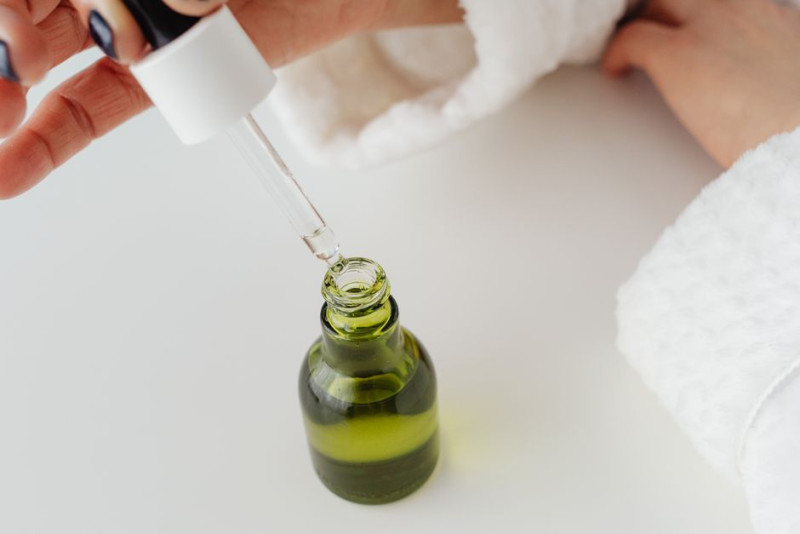

Is it safe to use 'cypress rotunda' oil when taking Xarelto?
Sep 03, 2026- Using Cyperus rotundus oil for aromatherapy or diluted on your skin is unlikely to meaningfully interact with Xarelto. Taking this oil as an oral supplement is not well studied and should be discussed with your pharmacist or doctor before use. Watch for signs of extra bleeding such as easy bruising, nosebleeds, bleeding gums, or blood in urine or stool, and report these to your doctor right away.
Hello!
Using this oil (Cyperus rotundus) for aromatherapy or diluted on the skin is unlikely to have any meaningful interaction with Xarelto (rivaroxaban). If you plan on taking this as an oral supplement however, that is something that is not well studied.
Which Oil You Most Likely Mean
"Cypress rotunda" is almost always a spelling of Cyperus rotundus, the plant known as nut grass, purple nutsedge, or nagarmotha. Its oil is popular in Ayurvedic practice and in perfumery, and it's distilled from the plant's underground tubers rather than from a cypress tree.
If you actually meant cypress essential oil (Cupressus sempervirens, from the evergreen tree), that's a separate oil, often marketed for circulation and varicose veins.
Either way, my advice below is the same, and it would help to double-check the botanical name on your bottle so your pharmacist knows exactly what you're using.
How Xarelto Works and Why Supplements Come Up
Xarelto is a direct factor Xa inhibitor, meaning it blocks one of the key proteins your blood needs to form a clot, and bleeding is its most important side effect.
Your body clears it partly through a liver enzyme called CYP3A4 and a transporter called P-glycoprotein, so most of its meaningful interactions come from products that strongly block or speed up those pathways, or from products that thin the blood on their own and stack with it.
Cyperus rotundus hasn't been studied against those pathways in people. There is some laboratory and animal work suggesting extracts of the plant may have mild antiplatelet or anticoagulant activity, which in theory could add a little to Xarelto's effect, but that hasn't been shown in humans and we simply don't have good data on how much of the oil would even reach your bloodstream.
That uncertainty is why I'd describe any interaction as 'unlikely' rather than either safe or dangerous.
Why the Route of Use Matters Most
Diffusing the oil or applying a few drops diluted in a carrier oil to the skin delivers a very small amount of the plant's compounds to your body, far less than you'd get from an oral extract or capsule.
For that kind of use, a clinically important effect on Xarelto isn't expected. Swallowing essential oils is another story.
They are highly concentrated, can irritate the stomach and liver, and the amounts absorbed are unpredictable, so oral use of any essential oil is generally discouraged unless a knowledgeable clinician is guiding it, and that goes double when you're on an anticoagulant.
Whatever way you use it, keep an eye out for the usual signs of extra bleeding, such as easy bruising, nosebleeds, bleeding gums, cuts that take longer to stop, or blood in the urine or stool, and report anything like that to your doctor promptly.
It's also worth knowing that undiluted essential oils can cause skin irritation, and if a patch of skin becomes raw or broken, small bleeds there may be more noticeable while you're on Xarelto.
Final Words
To sum it up, occasional aromatherapy or diluted topical use of Cyperus rotundus oil isn't likely to interfere with Xarelto, but there's no real research on the combination.
Taking the oil by mouth is something to hold off on until your pharmacist or doctor has weighed in.
References & sources
Dr. Brian Staiger, PharmD
Doctor of Pharmacy, board certified clinical pharmacist (BCPS), American Herbalist Guild, Medication Therapy Management certified
Brian Staiger, PharmD, BCPS, is a licensed pharmacist with more than 13 years of experience across retail pharmacy, clinical pharmacy, medication safety, pharmacy program development, and healthcare administration. He is the founder of HelloPharmacist.com, where he helps patients...
More answers from Brian →