
How Can I Improve Myrbetriq Absorption After Gastric Surgery?
Myrbetriq (mirabegron) is an extended-release tablet for overactive bladder, and questions come up about how well it's absorbed in people who have had stomach or intestinal surgery, such as a partial gastrectomy with a duodenal switch.
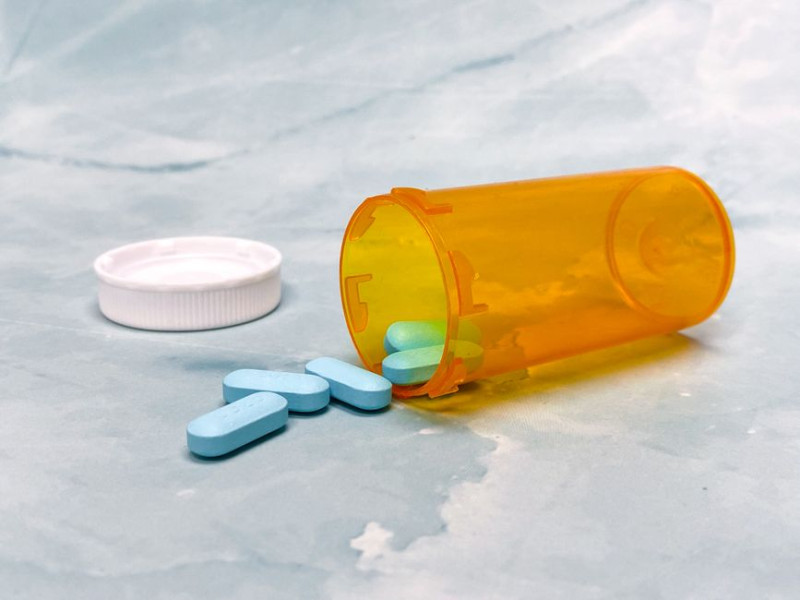

I need suggestions to improve absorption of the Myrbetriq 25 mg caplet, which is hard and enteric coated. I've had a partial gastrectomy with a duodenal switch and am not having much effect from my doses. I've tried chewing them. Any suggestions for increasing the effect and absorption? I did a 30-day trial of Gemtesa and had a good effect, but Part D won't pay for that one.
Jul 27, 2026- Chewing Myrbetriq destroys its slow-release design and won't reliably improve absorption, particularly given your surgically altered anatomy.
- After gastric surgery with a duodenal switch, extended-release tablets like Myrbetriq have less time and surface area to release their drug, making them a poor fit for your situation.
- Gemtesa is an immediate-release formulation that worked better for you because it doesn't depend on a slow-release matrix and is better suited to your anatomy.
- Ask your prescriber to file a formulary exception for Gemtesa coverage, citing your surgical history and documented successful trial of the medication.
Hello, and thank you for bringing this to us! This is a great question given your surgical history.
Unfortunately, there isn't a safe way to "boost" absorption of the Myrbetriq tablet, and chewing it actually works against you rather than for you. That said, there are some realistic paths forward here, including a real shot at getting Gemtesa covered through your insurance, since you already have documented proof that it works for you and that the formulary alternative doesn't (and the covered options don't appear medically appropriate for you).
Why You Should Not Be Chewing Myrbetriq
Myrbetriq isn't enteric coated in the traditional sense; it's an extended-release tablet built on a slow-release matrix (Astellas calls it an oral controlled absorption system) designed to release mirabegron gradually over many hours as it travels through the intestines.
The prescribing information specifically instructs patients to swallow the tablet whole and not to chew, divide, or crush it.
When you chew it, you destroy that release system, and mirabegron when absorbed all at once behaves unpredictably. It has fairly low bioavailability to begin with (roughly a third of the dose is absorbed even in people with normal anatomy), so disrupting the formulation doesn't reliably get more drug into you, and it can change side effect risk, particularly blood pressure increases, which the label already warns about.
How Your Surgery Changes Drug Absorption
Your instinct about absorption is very likely correct.
After a partial gastrectomy with a duodenal switch, a long stretch of the small intestine is bypassed, so drug products have less absorptive surface and less transit time to work with.
Extended-release products are generally the worst fit for this...because they're designed to release drug slowly over 12 to 24 hours, and in a shortened gut a good portion of the dose can pass through before it's ever released.
The general guidance after bariatric-type surgery is to favor immediate-release or liquid formulations when possible. The catch with mirabegron is that no immediate-release version exists.
There is a Myrbetriq granules product (mirabegron for extended-release oral suspension), though it's still an extended-release formulation and is approved for pediatric use, so whether it would behave any better in your situation is something your doctor and pharmacist would need to weigh, not something I'd assume.
It's also worth knowing that 25 mg is the starting dose and mirabegron can take up to 8 weeks to show its full effect, with many patients ultimately needing 50 mg, so dose is another conversation to have with your prescriber.
Why Gemtesa Worked and How To Pursue Coverage
It makes complete pharmacologic sense that Gemtesa helped you.
Gemtesa works on the same beta-3 receptor in the bladder, but it's supplied as a regular immediate-release, film-coated 75 mg tablet with no slow-release matrix to depend on, and its labeling even permits crushing the tablet and mixing it with applesauce. In other words, it's the formulation far better suited to your anatomy, which is probably exactly why you felt a difference in 30 days.
On the coverage side, a Part D denial is not necessarily the end of the road.
Every Part D plan is required to have a formulary exception process. Your prescriber can submit an exception request (typically known as an appeal) with a letter of medical necessity explaining that your surgically altered GI anatomy makes the extended-release formulary option (Myrbetriq) clinically inappropriate, and that you had a documented, successful trial of Gemtesa. That's exactly the kind of case these exceptions exist for. If the first request is denied, you can appeal, and denials are frequently overturned when the clinical rationale is this specific.
I don't have visibility to your formulary so I do want to say that there may be other preferred drugs they would require you to try first (such as oxybutynin).
It's also worth asking about the manufacturer's patient assistance program (income-based help is sometimes available to Medicare patients), and comparing plan formularies at the next open enrollment.
Final Words
To reiterate, please don't chew the Myrbetriq, there's no safe workaround that will make an extended-release tablet perform well after a duodenal switch.
Your best next step is to ask your prescriber to file a formulary exception (appeal) for Gemtesa, backed by your surgical history and your successful prior trial of the drug.
Feel free to write back and let us know how it goes!
References & sources
- MYRBETRIQ Structured Product Labeling — DailyMed
Dr. Brian Staiger, PharmD
Doctor of Pharmacy, board certified clinical pharmacist (BCPS), American Herbalist Guild, Medication Therapy Management certified
Brian Staiger, PharmD, BCPS, is a licensed pharmacist with more than 13 years of experience across retail pharmacy, clinical pharmacy, medication safety, pharmacy program development, and healthcare administration. He is the founder of HelloPharmacist.com, where he helps patients...
More answers from Brian →