
Is Fluconazole Safe In Those With Bigeminy?
In our latest question and answer, the pharmacist discusses the safety of using fluconazole in someone being treated for bigeminy.
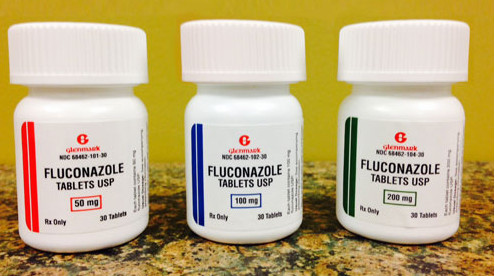

I am a 50-year-old female with bigeminy and taking 1.25mg bisoprolol daily to manage this. I bought a fluconazole 150mg tablet for mild positive candida but it has warnings for heart rhythm patients. Is this safe to take for me?
Aug 24, 2021- Fluconazole can cause QT prolongation on the heart's electrical activity, which may increase the risk of serious heart rhythm problems in people being treated for bigeminy. While there is no direct drug interaction between fluconazole and bisoprolol, fluconazole is generally not ideal for those with bigeminy since both can increase the risk of abnormal heart rhythms. Topical antifungal medications like miconazole, terconazole, or clotrimazole may be safer alternatives for treating mild yeast infections in people with bigeminy.
Hello and thank you for your question! There is no specific guidance regarding the use of fluconazole in those with bigeminy, a type of abnormal heart rhythm where an irregular timed heartbeat (too early) follows a regular one. It is also described as two heartbeats close together.
In many individuals, these are isolated cases and generally do not require treatment. In fact, most people experience premature heartbeats at some point in their lives.
However, in those in which this is a common occurrence, are experiencing negative symptoms associated with it, or have an underlying heart condition, treatment may be recommended.
The most common treatment is with a class of medications known as beta-blockers, like the drug you mentioned in your question (bisoprolol).
Bisoprolol With Fluconazole
There is no known drug interaction with bisoprolol and fluconazole. They are considered safe to take together.
However, beta-blockers are used to treat a variety of health conditions, including several ones that involve the heart. In many people with these heart conditions, fluconazole may not represent the best option due to the risk the drug could worsen them.
Fluconazole & QT-Prolongation
Fluconazole is associated with causing 'QT prolongation', an abnormality seen on an ECG (electrocardiogram) where the 'QT interval' is prolonged, as shown in the image below.
QT prolongation increases the risk of a rare, but serious (sometimes life-threatening), type of arrhythmia known as torsades de pointes.
The prescribing information for fluconazole warns about this:
Some azoles, including fluconazole, have been associated with prolongation of the QT interval on the electrocardiogram. During post-marketing surveillance, there have been rare cases of QT prolongation and torsade de pointes in patients taking fluconazole. Most of these reports involved seriously ill patients with multiple confounding risk factors, such as structural heart disease, electrolyte abnormalities, and concomitant medications that may have been contributory.
Fluconazole & Bigeminy
As mentioned at the beginning of this answer, there is no specific guidance regarding fluconazole use and those with bigeminy.
While most people experience premature heartbeats at some time or another, if you are being treated for bigeminy, that means it is happening often, you are having symptoms or you have some sort of underlying heart condition. However, since fluconazole carries a warning about QT prolongation and torsade de pointes, its use is generally avoided in those taking other drugs that can cause similar problems, or in those at risk already at risk for arrhythmias.
There is a lot of data out there showing that certain individuals who experience bigeminy are more at risk for developing an arrhythmia, like atrial fibrillation, and even increase your risk of heart failure.
Due to this, fluconazole may not be the ideal choice in those being treated for bigeminy. It may further increase your risk of serious heart arrhythmias, since both fluconazole and bigeminy are associated with it.
Alternatives?
You mentioned you are treating a mild yeast infection.
There are certainly other therapies that may be alternative options for use, including topical products, like miconazole, terconazole, or clotrimazole.
Fluconazole may still be an option for you, but be sure that you let your doctor know of your complete medical history, and other medications you are taking, so the best therapy can be recommended/prescribed for you.
Thank you again for your question!
References & sources
- Clinical Significance of Idiopathic Frequent Premature Ventricular Complexes — USC Journal
- Prognostic significance of PVCs and resting heart rate — PubMed
- Premature ventricular complexes: Clinical presentation and diagnostic evaluation — UpToDate (Subscription Required)
- Diflucan Prescribing Information — Pfizer
Glossary — Terms in This Answer
- Bigeminy
- A type of abnormal heart rhythm where an irregular, early heartbeat is followed by a regular heartbeat, creating pairs of beats close together.
- Beta-blockers
- A class of medications used to treat various heart conditions and abnormal heart rhythms by slowing the heart rate.
- QT prolongation
- An abnormality seen on a heart monitor (ECG) where a specific electrical interval in the heart's rhythm is longer than normal.
- Electrocardiogram
- A test that records the electrical activity of the heart, abbreviated as ECG.
- Torsades de pointes
- A rare but serious type of dangerous heart rhythm disturbance that can be life-threatening.
- Arrhythmia
- An abnormal heart rhythm where the heart beats irregularly, too fast, or too slowly.
- Azoles
- A class of antifungal medications that includes fluconazole and similar drugs used to treat yeast infections.
- Atrial fibrillation
- A type of abnormal heart rhythm where the upper chambers of the heart beat rapidly and irregularly.
Dr. Brian Staiger, PharmD
Doctor of Pharmacy, board certified clinical pharmacist (BCPS), American Herbalist Guild, Medication Therapy Management certified
Brian Staiger, PharmD, BCPS, is a licensed pharmacist with more than 13 years of experience across retail pharmacy, clinical pharmacy, medication safety, pharmacy program development, and healthcare administration. He is the founder of HelloPharmacist.com, where he helps patients...
More answers from Brian →