
Is It Safe to Drink Chamomile Tea While Taking Xarelto?
Chamomile tea is a popular calming drink, and it's smart to check whether whether combining it with a prescription blood thinner like Xarelto (rivaroxaban) is safe.
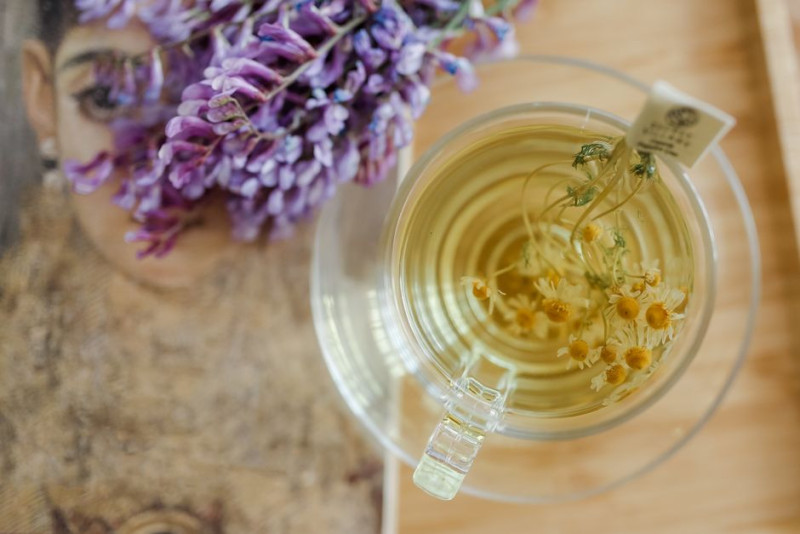

Is it safe to drink chamomile tea while taking Xarelto?
Jul 23, 2026- Occasional cups of chamomile tea are generally considered safe with Xarelto, though there is a theoretical interaction that has only been observed in lab studies and not reported to cause problems in people.
- If you drink chamomile tea daily in large amounts or use concentrated chamomile supplements or extracts, you should discuss this with your doctor since these forms are much stronger than brewed tea.
- Watch for signs of increased bleeding like easy bruising, nosebleeds, bleeding gums, or blood in urine or stool, and report any of these to your doctor right away.
Thanks for bringing this one to HelloPharmacist!
For most people, an occasional cup of chamomile tea isn't expected to cause a problem with Xarelto (rivaroxaban). That said, there is a theoretical interaction between chamomile and Xarelto that's worth understanding, especially if you drink it every day or are thinking about taking concentrated chamomile supplements rather than the tea itself.
How Chamomile Could Theoretically Affect Xarelto Levels
Xarelto is an anticoagulant, a blood thinner, used to prevent and treat blood clots.
Your body clears it partly through a liver enzyme called CYP3A4, and this enzyme is where the theoretical concern comes in.
Laboratory studies have found that chamomile extracts and chamomile essential oil can inhibit CYP3A4, which in theory could slow the breakdown of drugs that rely on that enzyme and nudge their levels up.
In one screening study of commercial herbal extracts, chamomile was among the products that showed meaningful CYP3A4 inhibition in the lab, and a separate study of chamomile oil found several of its constituents were active against this enzyme.
Our HelloPharmacist interaction database classifies this pairing as a moderate, theoretical interaction (German Chamomile with Rivaroxaban). It's important to put this in context though. The effect has only been seen in lab (in vitro) studies, and it has not been reported to actually cause problems in people.
What This Means for a Cup of Tea
A brewed cup of chamomile tea is far more dilute than the extracts and essential oils used in those lab studies, which is a big part of why moderate tea drinking is generally considered low risk here.
The situation deserves a bit more thought if you drink several strong cups daily or use concentrated chamomile capsules or extracts. One other point worth knowing is that chamomile has been suggested to have very mild blood-thinning properties of its own, though this isn't well studied.
Since Xarelto already raises bleeding risk on its own, it's sensible to stay alert for anything unusual, such as easy bruising, nosebleeds, bleeding gums, or blood in the urine or stool, and to report those to your doctor promptly regardless of what you're drinking.
Final Words
Thanks again for contacting us!
References & sources
- An in vitro evaluation of human cytochrome P450 3A4 inhibition by selected commercial herbal extracts and tinctures. — PubMed
- Inhibitory effects of the essential oil of chamomile (Matricaria recutita L.) and its major constituents on human cytochrome P450 enzymes — PubMed
- Xarelto Prescribing Information — AccessFDA
Glossary — Terms in This Answer
- Xarelto
- A prescription blood thinner medication used to prevent and treat blood clots.
- Anticoagulant
- A medication that prevents blood from clotting or thickening.
- CYP3A4
- A liver enzyme that helps break down many medications, including Xarelto.
- Inhibit
- To block or slow down the action of something, such as an enzyme's ability to work.
- In vitro
- Scientific tests performed in a laboratory setting outside of a living organism.
- Constituents
- Individual chemical components that make up a substance like chamomile oil.
- Extracts
- Concentrated forms of a plant or herb created by removing active ingredients from the original material.
- Dilute
- Made weaker or less concentrated by mixing with liquid, as when chamomile flowers are steeped in water.
Dr. Brian Staiger, PharmD
Doctor of Pharmacy, board certified clinical pharmacist (BCPS), American Herbalist Guild, Medication Therapy Management certified
Brian Staiger, PharmD, BCPS, is a licensed pharmacist with more than 13 years of experience across retail pharmacy, clinical pharmacy, medication safety, pharmacy program development, and healthcare administration. He is the founder of HelloPharmacist.com, where he helps patients...
More answers from Brian →