
Is Melatonin Appropriate for a 15-Year-Old to Take for Sleep?
Whether a 1 mg over-the-counter melatonin gummy is a reasonable option for a 15-year-old who can't fall asleep, plus directions, side effects, and safety.
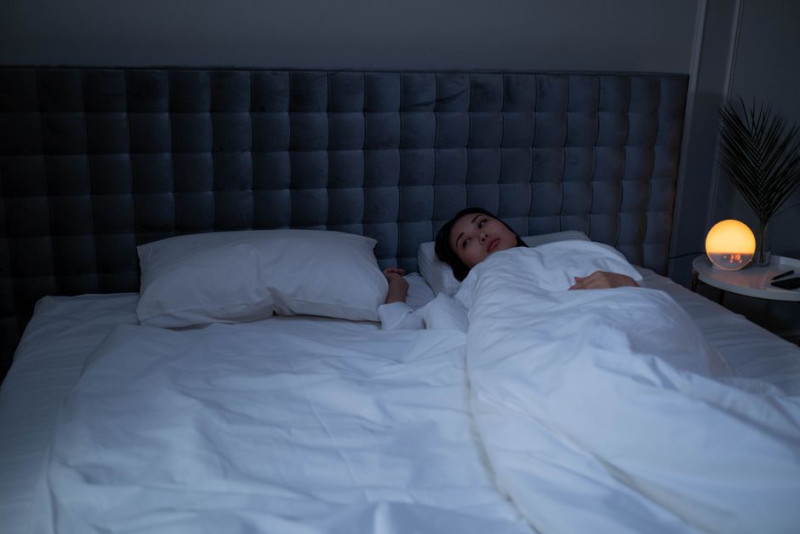

Hi, I'm 15 and I'm having a really hard time falling asleep lately. I'm often awake very late even when I'm not using my phone, and I'm exhausted the next day. I'm considering getting an over-the-counter melatonin product. I was looking at CVS Health Children's Melatonin Gummies, which contain 1 mg of melatonin per serving. My dad previously told me I might be too young for melatonin, so I want to make sure it's actually appropriate for someone my age before I take it. Could you tell me whether this type of product is appropriate for a 15-year-old, and what I should know about the directions, side effects, and safety? I don't take any medications and I don't have any known allergies. Thank you.
Sep 01, 2026- Melatonin at a low dose like 1 mg is commonly used in teenagers and not off-limits at age 15, but you should discuss it with your dad and pediatrician first since it's a hormone and long-term effects in developing bodies aren't well studied. Melatonin works best as a timing cue to help reset a body clock that's naturally shifted late in the teen years rather than as a sedative, and a pediatrician can help figure out whether that's what you're dealing with or if something else like stress or caffeine is the issue. Take it about 30 minutes before bed as labeled, stick to the low dose since more isn't more effective, and look for products with third-party testing marks like USP Verified to ensure you're getting what the label says. Most people tolerate melatonin well with only mild side effects like next-day grogginess or headache, and it's not habit-forming, but pediatric sleep specialists recommend keeping doses low and using it for a defined period paired with good sleep habits rather than as a nightly fix.
Thanks for reaching out to us!
Melatonin is one of the more commonly used sleep supplements in teenagers, and the 1 mg gummies you're looking at sit at the low, conservative end of what's typically used at your age, so there isn't anything about being 15 that makes melatonin off limits. Your dad's hesitation isn't misplaced either, though.
Melatonin is a hormone rather than a vitamin, and we don't have much long-term data on what regular use does in someone whose body is still developing. Since you're under 18, the right move is to loop your dad in and run it by your pediatrician before you take it, and I think you'll find that's an easy conversation to have.
I really appreciate that you're asking these questions before buying the bottle.
Why Teen Sleep Timing Matters Here
Melatonin is a hormone your pineal gland releases in the evening as it gets dark, and it acts as a signal to the rest of your body that it's time to wind down. In the teen years, that release tends to drift later, which is a big part of why so many high schoolers feel wide awake at 11 p.m. and not-so-awake at 7 in the morning.
A melatonin supplement works more like a timing cue than a sedative. It isn't going to knock you out the way a prescription sleep medicine would, and it tends to be most helpful when your own melatonin levels are still low.
That's also why the evidence for melatonin is strongest in people whose body clock is shifted late (delayed sleep phase) rather than in every kind of insomnia.
A pediatrician can help sort out whether what you're describing is a shifted clock, plain difficulty settling down, or something else in the mix like stress, anxiety, or caffeine, and each of those gets handled a little differently.
Directions and Picking a Trustworthy Bottle
Children's melatonin products like the CVS one are generally labeled to be taken about 30 minutes before bedtime, and for a body clock that runs late, some sleep doctors prefer an earlier timing, a few hours before your target bedtime. That's a good specific question for your pediatrician, along with how many nights in a row it makes sense to use it.
Whatever you and your doctor decide, stick to the package directions and don't take more than the label says. More melatonin isn't more effective, and low doses often work just as well as higher ones with fewer next-day effects. Read the full ingredient list too, since some gummies also include extras like L-theanine, chamomile, or added sugar.
One thing worth knowing about melatonin in the United States is that it's sold as a dietary supplement, so the FDA doesn't test it before it reaches the shelf, and independent testing has found the actual melatonin content in some products can differ noticeably from what the label claims.
Looking for a USP Verified mark or another third-party testing seal is a simple way to improve your odds of getting what's on the label. For common brands, I tend to recommend ones like Nature Made, which do carry that USP verified mark.
Side Effects and Safety Points to Know
Most people tolerate melatonin well. The most common complaints are next-day sleepiness or grogginess, headache, dizziness, nausea, and sometimes vivid dreams, and these are usually mild and tend to be more noticeable at higher doses.
It isn't habit forming the way prescription sleep medicines can be. The honest uncertainty in your age group is long-term use. Melatonin plays a role in reproductive hormone signaling, and while the studies we have in kids and teens haven't shown a problem with puberty or development, they've been small and short.
That's the real reason pediatric sleep specialists like to keep the dose low, use it for a defined stretch rather than indefinitely, and pair it with good sleep habits instead of treating it as a nightly fix.
Final Words
A low-dose melatonin product like the one you're considering is a reasonable thing to ask about at 15, and it's used in teenagers often, but because it's a hormone and you're still growing, it belongs in a conversation with your dad and your pediatrician rather than a solo decision.
Bring the bottle or a photo of the label to that appointment, ask about timing and how long to use it, and pair it with steady sleep habits.
Feel free to write back if anything comes up along the way!
References & sources
Dr. Brian Staiger, PharmD
Doctor of Pharmacy, board certified clinical pharmacist (BCPS), American Herbalist Guild, Medication Therapy Management certified
Brian Staiger, PharmD, BCPS, is a licensed pharmacist with more than 13 years of experience across retail pharmacy, clinical pharmacy, medication safety, pharmacy program development, and healthcare administration. He is the founder of HelloPharmacist.com, where he helps patients...
More answers from Brian →