
Is Tulsi Tea Safe for Blood Pressure and Is It Caffeine-Free?
Tulsi, also known as holy basil, is a popular herb used in teas and Ayurvedic medicine. People managing high blood pressure often want to know whether tulsi blends are safe for them and whether they contain any caffeine from tea or coffee.
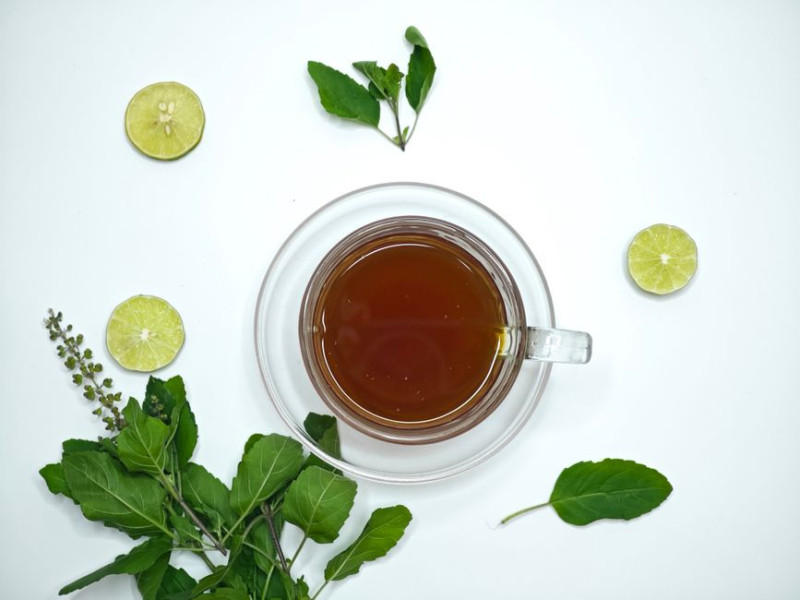

Is tulsi safe for blood pressure? Does it contain tea or coffee?
Jul 18, 2026- Tulsi tea is generally safe for people with high blood pressure and is not known to raise blood pressure.
- The Organic India Tulsi Honey Chamomile blend is caffeine-free because it contains no true tea or coffee ingredients.
- If you take blood pressure medication, mention the tea to your doctor or pharmacist and monitor your blood pressure readings when you start drinking it.
Thank you for using HelloPharmacist for this one!
Tulsi is generally considered safe for people with blood pressure concerns, and the Organic India Tulsi Honey Chamomile blend you asked about is an herbal infusion that does not contain caffeine (I confirmed on their website).
There are a couple of details about tulsi and blood pressure that are worth understanding, especially if you take blood pressure medication, so I do want to briefly walk through them.
How Tulsi Affects Blood Pressure
Tulsi, also called holy basil (Ocimum sanctum or Ocimum tenuiflorum), is an adaptogenic herb with a long history of use in Ayurvedic medicine for stress, anxiety, and respiratory complaints.
Importantly for your question, tulsi is not known to raise blood pressure.
If anything, the research points in the other direction: some studies suggest it may help normalize blood pressure, blood sugar, and cholesterol levels, though these effects appear mild and the evidence isn't strong enough to consider tulsi a treatment for hypertension.
For most people drinking a cup or two of tulsi tea, no meaningful change in blood pressure is expected.
If you take blood pressure medication, it's still smart to mention the tea to your doctor or pharmacist and keep an eye on your home readings when you start it, since even a mild additive effect is worth knowing about in your specific case.
Caffeine Content of Tulsi Honey Chamomile
This is a common point of confusion because the product is sold as a "tea," but it is actually an herbal infusion.
Based on its label, the blend contains tulsi (holy basil), East Indian basil, chamomile, and fennel, with honey chamomile flavoring. None of these ingredients are true tea (Camellia sinensis) or coffee, and none of them naturally contain caffeine, so the blend is caffeine-free. That makes it a reasonable choice for someone with high blood pressure who is trying to limit caffeine, and it's also why many people find it relaxing to drink in the evening.
Final Words
Overall, tulsi is not expected to be a problem for someone with blood pressure concerns, and this particular blend contains no tea or coffee, so you won't be getting any caffeine from it.
If you take blood pressure medication, just let your doctor or pharmacist know you're drinking it regularly and keep up with your usual blood pressure checks.
You may also find these related HelloPharmacist resources helpful:
References & sources
- Tulsi - Ocimum sanctum: A herb for all reasons. — PubMed
Glossary — Terms in This Answer
- Adaptogenic herb
- A plant substance that helps your body manage and adapt to stress.
- Ayurvedic medicine
- A traditional system of medicine that originated in India and focuses on balancing the body.
- Hypertension
- High blood pressure, a condition where blood pushes too hard against artery walls.
- Herbal infusion
- A drink made by steeping herbs in hot water, rather than true tea leaves.
- Camellia sinensis
- The plant species that produces true tea leaves used to make black, green, and white tea.
- Caffeine-free
- Containing no caffeine, the stimulant naturally found in tea and coffee.
Dr. Brian Staiger, PharmD
Doctor of Pharmacy, board certified clinical pharmacist (BCPS), American Herbalist Guild, Medication Therapy Management certified
Brian Staiger, PharmD, BCPS, is a licensed pharmacist with more than 13 years of experience across retail pharmacy, clinical pharmacy, medication safety, pharmacy program development, and healthcare administration. He is the founder of HelloPharmacist.com, where he helps patients...
More answers from Brian →