
Is Hibiscus Tea Safe With Metoprolol, Losartan, and Aspirin?
An 88-year-old taking metoprolol succinate, losartan potassium, and a daily baby aspirin wants to know whether a daily cup of hibiscus tea is safe, and whether it can help clear plaque buildup in the arteries.
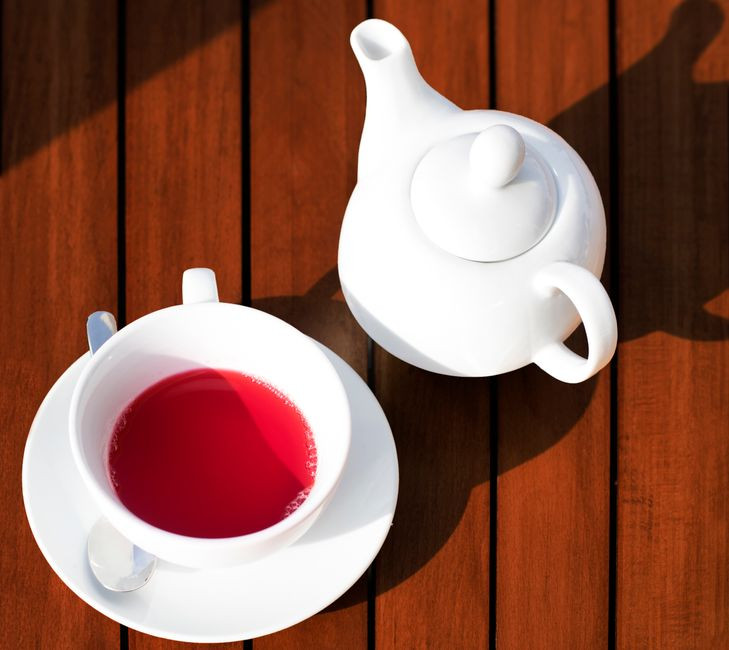

Is it safe to drink a cup of hibiscus tea while taking metoprolol succinate 25 mg, losartan potassium 25 mg, and one baby aspirin once a day? I have a buildup in my arteries and I am 88 years old. Outside of that, I am in pretty good health. I walk every day and watch my diet pretty carefully, but I want to get my arteries cleaned out.
Jul 24, 2026- A single cup of hibiscus tea daily is generally safe with metoprolol, losartan, and low dose aspirin. Hibiscus can lower blood pressure on its own, and since your medications already do this, the combined effect may cause dizziness or lightheadedness, so monitor your blood pressure readings when you start and stand up slowly. Hibiscus has no documented interaction with baby aspirin and won't interfere with its blood clot protection. Let your doctor know if you develop new dizziness, lightheadedness, or unusual fatigue after starting the tea.
Hello, thanks for contacting us!
A single cup of hibiscus tea each day is generally considered fine alongside metoprolol succinate, losartan, and low dose aspirin. The one thing you really need to know is that hibiscus can lower blood pressure a bit on its own, and since both of your prescription medications are already doing that job, the effects can stack.
At 88, that mostly matters because a blood pressure dip can show up as dizziness or lightheadedness, which raises the risk of a fall.
How Hibiscus Tea Affects Blood Pressure Alongside Your Medications
Hibiscus (Hibiscus sabdariffa) is one of the better studied herbal teas, and clinical research suggests it can produce modest reductions in blood pressure when consumed regularly.
Metoprolol succinate is a beta blocker that slows the heart and lowers blood pressure, and losartan relaxes blood vessels by blocking a hormone called angiotensin II, so hibiscus is essentially pulling in the same direction as both.
With just one cup a day, any added effect to blood pressure is expected to be mild, and for many people it's actually a bit of a bonus rather than a problem.
Still, given your age, it's smart to keep an eye on your home blood pressure readings for the first week or two after you start, and to stand up slowly, especially first thing in the morning.
If you notice new dizziness, lightheadedness, or unusual fatigue, mention it to your doctor, since your medication doses may deserve a second look.
Where Your Baby Aspirin Fits In
Hibiscus tea has no well-documented interaction with low dose aspirin, and it isn't known to meaningfully increase bleeding risk the way some other supplements (fish oil at high doses, for example) can.
One cup a day isn't expected to interfere with the protective, anti-clotting effect your baby aspirin provides.
Can Hibiscus Tea Clean Out Your Arteries?
Although there are plenty of products marketed towards artery health, there is no tea, supplement, or food that has proven or scrub away plaque that has already built up in your arteries.
Hibiscus does contain antioxidant compounds, and some small studies suggest it may have modest effects on cholesterol, but that is a long way from clearing out existing buildup.
The good news is that what you're already doing, walking every day, watching your diet, and taking your medications as prescribed, is exactly what the evidence supports for keeping plaque from getting worse.
Final Words
Enjoy your cup of hibiscus tea. At one cup a day, it's a reasonable choice with your medications, and honestly, at 88 with a daily walk and a careful diet, you're doing a lot of things right. Just watch your home blood pressure readings when you start and let your doctor or pharmacist know you've added it.
References & sources
NDC Codes for the Medications in This Answer
Every package, labeler and price for each medication in the FDA's National Drug Code directory.
Dr. Brian Staiger, PharmD
Doctor of Pharmacy, board certified clinical pharmacist (BCPS), American Herbalist Guild, Medication Therapy Management certified
Brian Staiger, PharmD, BCPS, is a licensed pharmacist with more than 13 years of experience across retail pharmacy, clinical pharmacy, medication safety, pharmacy program development, and healthcare administration. He is the founder of HelloPharmacist.com, where he helps patients...
More answers from Brian →