
Can You Take Mullein Drops With Mucinex for COPD?
A reader who is managing COPD and already takes Mucinex wonders whether adding mullein drops is safe, and whether the herb can really help with breathing and clearing the lungs.

I have COPD and take Mucinex. Is it okay to take mullein drops too? I'm trying to help my breathing and cleanse my lungs.
Jul 21, 2026- Mullein drops aren't known to interact with Mucinex, so taking them together is not expected to cause problems for most people.
- Mullein is traditionally used as a mild respiratory remedy, but its actual benefits for COPD haven't been well studied in humans, so results may be modest.
- No supplement can truly cleanse or detox the lungs, and mullein should only be used alongside your prescribed COPD medications and treatment plan, never as a replacement for them.
I'm glad you brought this question to HelloPharmacist! We appreciate you trusting us here.
Mullein isn't known to interact with Mucinex (guaifenesin), and taking the two around the same time isn't expected to cause a problem for most people.
That said, the combination hasn't been formally studied, and there are a few things worth understanding about what each one can do for you (especially since you mentioned you have been diagnosed with COPD).
How Mucinex Helps Loosen Mucus
Mucinex contains guaifenesin, an expectorant that works by thinning and loosening mucus in your airways so it's easier to cough up.
For someone with COPD who deals with thick secretions, that can make a cough more productive and your chest feel less congested.
It's a very well-tolerated medication with essentially no clinically significant drug interactions, which is part of why adding mullein on top of it isn't a major concern.
Just remember to swallow the extended-release tablets whole with a full glass of water, and stay within the labeled dosing.
Why People Use Mullein for Breathing
Mullein is a flowering plant with a long history in folk medicine as a respiratory remedy.
It contains mucilage, flavonoids, and saponins, and it's traditionally used as a mild expectorant and soothing agent for the airways. In other words, people reach for it hoping it does something similar to what guaifenesin already does.
The honest picture is that mullein is generally considered safe, but its benefits in COPD haven't been well studied in human trials, so we can't say with confidence how much it will actually help your breathing. Regardless, this is one of those situations where it can be beneficial to try something if there is very little to no likelihood of harm.
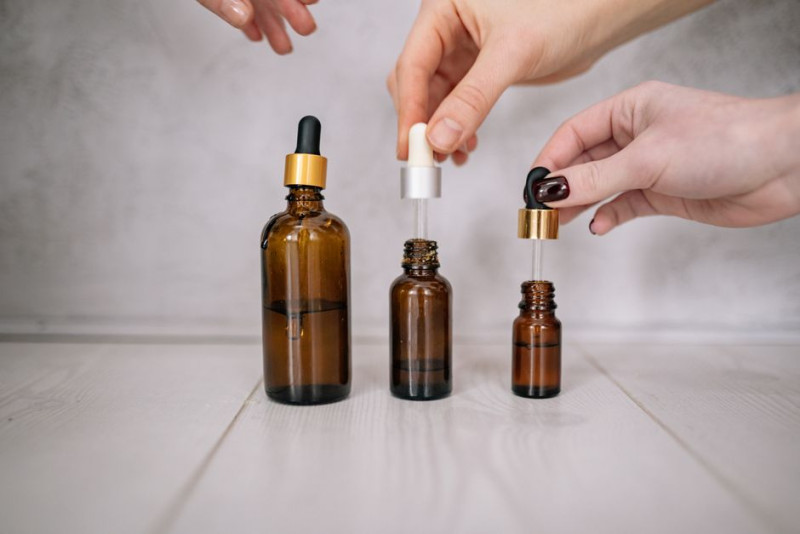
One practical note for you is that mullein drops are very often alcohol-based tinctures, so check the label if you need to avoid alcohol for any reason.
Using Mullein and Mucinex Together
As mentioned, there's no known interaction between mullein and guaifenesin, and since both are aimed at loosening mucus rather than working against each other, combining them isn't expected to cause trouble.
Since herbal products aren't studied the way prescription drugs are, it's still worth mentioning the mullein drops to the doctor who manages your COPD, particularly since they know your full medication list, just so you can be monitored.
A Note on 'Cleansing' the Lungs
I do want to gently set expectations here since you specifically said in your question 'cleansing'.
No supplement, tea, or drop can truly cleanse or detox the lungs. With COPD, the things that genuinely help breathing are staying on your prescribed inhalers, not smoking, keeping up with vaccinations, staying well hydrated (which also helps guaifenesin work better), and asking your doctor about pulmonary rehabilitation if you haven't tried it.
Mullein may offer some soothing comfort, but it should sit alongside your COPD treatment plan, never in place of it.
Final Words
Overall, mullein drops aren't known to interact with Mucinex, so trying them alongside it is a reasonable, low-risk choice, just keep expectations modest about what they can do.
You may also find these related HelloPharmacist resources helpful:
References & sources
Glossary — Terms in This Answer
- Expectorant
- A medication that helps thin and loosen mucus so it's easier to cough up.
- Guaifenesin
- The active ingredient in Mucinex that works as an expectorant to help clear mucus from airways.
- COPD
- Chronic Obstructive Pulmonary Disease, a serious lung condition that makes breathing difficult and causes thick mucus buildup.
- Mucilage
- A thick, slippery substance found in plants that has a soothing effect on irritated tissues.
- Flavonoids
- Plant compounds with antioxidant and anti-inflammatory properties found in many herbs and foods.
- Saponins
- Natural compounds found in plants that can create a foamy texture and may have immune-supporting properties.
- Tincture
- A concentrated herbal extract made by soaking plant material in alcohol or another liquid.
- Pulmonary rehabilitation
- A structured program of exercise, education, and breathing techniques designed to help people with lung disease improve their breathing and quality of life.
Dr. Brian Staiger, PharmD
Doctor of Pharmacy, board certified clinical pharmacist (BCPS), American Herbalist Guild, Medication Therapy Management certified
Brian Staiger, PharmD, BCPS, is a licensed pharmacist with more than 13 years of experience across retail pharmacy, clinical pharmacy, medication safety, pharmacy program development, and healthcare administration. He is the founder of HelloPharmacist.com, where he helps patients...
More answers from Brian →