
Should You Take Prozac (Fluoxetine) In The Morning Or At Night?
Morning dosing is recommended when started for multiple reasons.
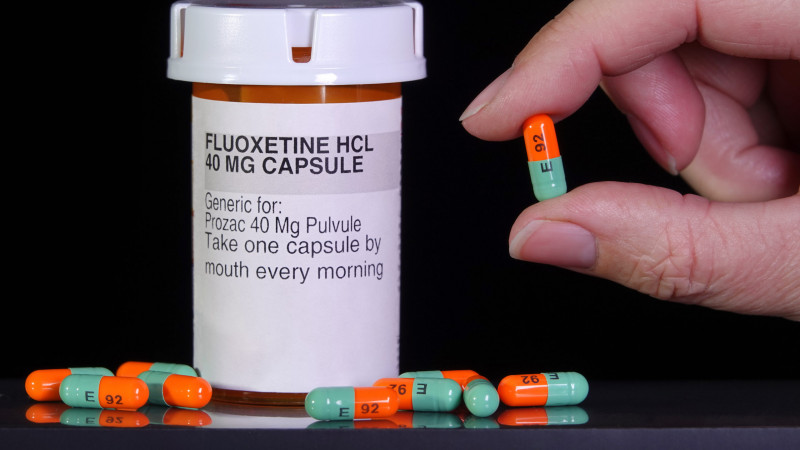

I recently got fluoxetine (pill form) for depression. I don't know when to take it. I am under 18 and have no clue if it works better to take it in the morning or at night.
Oct 09, 2022- Prozac is recommended to be taken in the morning because the clinical studies that proved its effectiveness used morning dosing and insomnia is a common side effect that morning administration helps reduce. Prozac typically takes 4 to 6 weeks to start working, so it's important to be patient when starting the medication. You can take Prozac with or without food, and it can be taken at a different time if morning dosing doesn't work for your situation, though morning is the standard recommendation.
Answer
The prescribing information for Prozac (fluoxetine) recommends taking it in the morning, with or without meals.
Morning administration is recommended for a few reasons:
- Prozac was dosed in the morning in the initial clinical trials for the drug, and effectiveness/side effect data is based on that.
- Insomnia is a common side effect of Prozac, with some studies reporting an incidence rate as high as 33%. Taking it in the morning is thought to decrease the risk of sleeping problems. In fact, when Prozac is first started, or when you increase your dose, many individuals experience feeling somewhat energized.
Per the prescribing information:
In controlled trials used to support the efficacy of fluoxetine, patients were administered morning doses ranging from 20 to 80 mg/day. Prozac Prescribing Information
About Prozac
Prozac (fluoxetine) is a selective serotonin reuptake inhibitor (SSRI) and is most commonly used for the treatment of major depressive disorder. It is also used to treat panic disorder, bulimia, OCD (Obsessive Compulsive Disorder), and PMDD (premenstrual dysphoric disorder).
Prozac works by increasing the amount of the neurotransmitter serotonin in the brain. Like all antidepressant medications, the effects of the drug typically take 4-6 weeks to be realized.
Prozac is associated with a number of potential side effects, including:
- Weight fluctuations (gain and loss)
- Headache
- Sedation
- Insomnia
- Dizziness
- QT prolongation
- Sexual dysfunction
If you need to discontinue Prozac, it is recommended to slowly taper the medication to avoid withdrawal reactions. However, Prozac has an extremely long half-life, around 4 to 6 days, and is associated with fewer withdrawal reactions than most other antidepressants with shorter half-lives.
Final Words
Thanks for contacting us! Please do so again anytime.
References & sources
Glossary — Terms in This Answer
- SSRI
- A class of antidepressant medications that work by increasing serotonin levels in the brain by blocking its reabsorption.
- Serotonin
- A chemical messenger in the brain that affects mood, sleep, and emotions.
- Neurotransmitter
- A chemical in the brain that transmits signals between nerve cells.
- Reuptake
- The process by which neurotransmitters are reabsorbed by nerve cells after delivering their message.
- Half-life
- The amount of time it takes for half of a drug dose to be eliminated from your body.
- QT prolongation
- A change in the heart's electrical activity that can potentially increase the risk of irregular heartbeats.
- Efficacy
- The ability of a medication to produce the desired therapeutic effect.
- Incidence rate
- The percentage or proportion of people who experience a particular side effect or condition.
Dr. Brian Staiger, PharmD
Doctor of Pharmacy, board certified clinical pharmacist (BCPS), American Herbalist Guild, Medication Therapy Management certified
Brian Staiger, PharmD, BCPS, is a licensed pharmacist with more than 13 years of experience across retail pharmacy, clinical pharmacy, medication safety, pharmacy program development, and healthcare administration. He is the founder of HelloPharmacist.com, where he helps patients...
More answers from Brian →