
Ignatius Bean Drug Interactions, Uses, Safety & More
What is this page for?
First and foremost: how Ignatius Bean interacts with medications. The heart of this page is the interaction list — every drug Ignatius Bean is known to interact with, and how serious each one is.
But these pages have grown well beyond that into a full monograph — what Ignatius Bean is, what people use it for and how strong the evidence is, its safety and side effects, and answers to the questions we’re asked most — written and reviewed by the clinical staff at HelloPharmacist. It’s educational information from our licensed clinical databases, not medical advice, and we don’t sell or endorse products. Our editorial policy
Check Ignatius Bean against your medication
Add one medicationDrugs that interact with Ignatius Bean
0 medications have a known interaction with Ignatius Bean, graded by severity. Select any drug for the full evidence-based detail.
We don’t currently list any known drug interactions for Ignatius Bean. This doesn’t guarantee none exist — always confirm with your pharmacist before combining supplements with your medications.
What Severity, Likelihood & Evidence Mean
Severity — How Serious It Can Be
- Major. Clinically significant; generally best avoided, or used only under direct professional supervision.
- Moderate. May need monitoring, a dose adjustment, or separating the times you take each one.
- Minor. Generally not clinically significant, but still worth noting and mentioning to your pharmacist.
- No known interaction. Checked against our sources with nothing documented — not the same as proven safety.
Likelihood — How Well It’s Documented
- Likely. Well-controlled human studies have demonstrated the likely existence of this interaction
- Probable. Interaction has not been documented in well-controlled studies, however, the interaction has been demonstrated in some small human studies or in controlled animal studies in conjunction with multiple case reports.
- Possible. Interaction has been documented in animal or in lab research, or the interaction has been documented in humans but is limited to case reports or conflicting clinical research exists
- Unlikely. Interaction has been demonstrated in animal or in lab research but has been shown not to occur in humans.
Where This Data Comes From
- Interaction records are evidence-graded and sourced from the Natural Medicines database (TRC Healthcare), the same reference used by pharmacists and hospitals.
- Each drug listed above links to the full report for that exact Ignatius Bean combination — clinical detail, likelihood, evidence level, and citations.
- Content is reviewed by licensed HelloPharmacist pharmacists — see our data sources and editorial standards.
Ignatius Bean: Uses, Safety & Side Effects
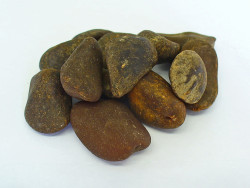
Ignatius bean is a seed that naturally contains strychnine and brucine, which are highly toxic poisons. The raw seed or crude extracts should never be taken because even small amounts can cause dangerous muscle spasms and death. Today it is mainly seen in highly diluted homeopathic products (Ignatia), and you should talk to a pharmacist or doctor before using anything made from this plant.
- Scientific name
- Strychnos ignatii
- Family
- Loganiaceae
- Part used
- Seed (the dried ripe seed, called the bean)
- Common forms
- Homeopathic pellets and dilutions (Ignatia amara); raw seed is not used as a regular supplement
- Grief, sadness, and emotional upset (homeopathic use)
- Anxiety and stress (homeopathic use)
- Mood swings
- Digestive complaints (traditional use)
- Historically used as a stimulant or for paralysis
Popular and traditional uses — not proof it works. See “Uses & effectiveness” below for the evidence.
The seed contains strychnine and brucine and is poisonous if taken in crude form.
Pregnancy & breastfeeding ratings are from Natural Medicines (Therapeutic Research Center). Safety guidance is general; always confirm with your pharmacist or doctor for your situation.
Overview
Ignatius bean comes from Strychnos ignatii, a climbing shrub or vine native to the Philippines and other parts of Southeast Asia. The plant produces a fruit that contains hard, seed-like "beans" named after Saint Ignatius.
These seeds are closely related to the plant that gives us strychnine, and they naturally contain that same poison along with a related compound called brucine. Because of this, the raw seed has a long history as a poison as well as a folk medicine.
In traditional medicine the seed was used for things like digestive problems, paralysis, and as a stimulant. Today, the most common product you may see is homeopathic Ignatia (Ignatia amara), which is so heavily diluted that little or none of the original plant remains.
Uses & effectiveness
People have traditionally used Ignatius bean for digestive issues, low energy, and nervous system complaints. In homeopathy, Ignatia is most often promoted for grief, sadness, anxiety, mood swings, and emotional shock.
The scientific evidence for these uses is very weak. There are no high-quality human studies showing that Ignatius bean safely treats any health condition. Homeopathic products are diluted so much that, by mainstream science, they are not expected to have a measurable medicinal effect, and good evidence of benefit is lacking.
Because the raw seed is poisonous and the homeopathic use is unproven, there is no use for which this herb can be recommended as both safe and effective.
How it works
The main active compounds in the seed are strychnine and brucine. Strychnine is a powerful nervous system stimulant. It blocks signals in the spinal cord that normally calm and control muscle movement.
When those calming signals are blocked, muscles can fire out of control. This causes severe stiffness, twitching, and whole-body spasms. These effects are how strychnine acts as a poison, not as a gentle medicine.
In homeopathic Ignatia, the seed is diluted to the point that these chemicals are present in tiny amounts or not at all, so any proposed effect is based on homeopathic theory rather than measurable drug action.
Safety & precautions
Crude Ignatius bean, its powders, and its extracts are considered unsafe and poisonous. Swallowing even a small amount of the seed can cause life-threatening poisoning. Symptoms can include restlessness, anxiety, heightened senses, stiff and painful neck and back, jaw clenching, muscle twitching, and severe spasms.
Severe poisoning can lead to muscle breakdown, kidney damage with dark urine, breathing failure from chest muscle spasms, and death. If poisoning is suspected, this is a medical emergency — call your local poison control center or emergency services right away.
Children, older adults, and anyone with seizure disorders, liver, or kidney problems are especially at risk. Pregnant and breastfeeding people should avoid it entirely. Always speak with a pharmacist or doctor before using any product made from this plant.
Side effects
From the crude seed, "side effects" are really signs of poisoning and can be serious. They include restlessness, anxiety, heightened sensitivity to light and sound, increased reflexes, balance problems, painful muscle stiffness, jaw and neck spasms, and convulsions.
Severe reactions can include breakdown of muscle tissue, discolored urine, kidney failure, and trouble breathing. These can be fatal.
Highly diluted homeopathic Ignatia is generally low in the original toxin, but it is not proven to help, and quality can vary between products. Any unexpected symptoms should be reported to a healthcare provider.
Ignatius Bean: Reported Adverse Effects
Documented safety reports on Ignatius Bean from the evidence-graded Natural Medicines (TRC Healthcare) database, shown word-for-word from the licensed record.
Orally, Ignatius bean is generally regarded as unsafe for use. Any benefits of therapy may not outweigh the risk of toxicity. Ignatius bean 30-50 mg, which contains approximately 5 mg of strychnine, can cause restlessness, anxiety, heightened sense perception, enhanced reflexes, equilibrium disorders, painful back and neck stiffness, twitching, spasms of jaw and neck muscles, myoglobinuric renal failure, rhabdomyolysis, extreme muscle tension, and agitation and difficulty breathing after respiratory spasms. Seizures have been reported to occur within 15 minutes of Ignatius bean ingestion. Taking Ignatius bean at a dose of 1-2 grams can be fatal. Most deaths occur within 3-6 hours of ingestion and are due to respiratory and subsequent cardiac arrest, anoxic brain damage, or multiple organ failure secondary to hyperthermia.
Long-term consumption of Ignatius bean can cause strychnine accumulation, particularly in individuals with liver damage. Chronic use can cause death after a period of weeks.
By inhalation, Ignatius bean has been reported to cause seizures.
- Ellenhorn M. Ellenhorn's Medical Toxicology: Diagnoses and Treatment of Human Poisoning. Baltimore, MD: Williams & Wilkins, 1997.
- Ellenhorn MJ, et al. Ellenhorn's Medical Toxicology: Diagnoses and Treatment of Human Poisoning. 2nd ed. Baltimore, MD: Williams & Wilkins, 1997.
- Gruenwald J, Brendler T, Jaenicke C. PDR for Herbal Medicines. 1st ed. Montvale, NJ: Medical Economics Company, Inc., 1998.
- Hardman JG, Limbird LL, Molinoff PB, eds. Goodman and Gillman's The Pharmacological Basis of Therapeutics, 9th ed. New York, NY: McGraw-Hill, 1996.
Anxiety Neurologic/CNS
Orally, Ignatius bean 30-50 mg, which contains approximately 5 mg of strychnine, has been reported to cause restlessness, anxiety, heightened sense perception, enhanced reflexes, and twitching. It has also been reported to cause seizures within 15 minutes of ingestion. Taking 1-2 grams of Ignatius bean has been reported to cause death due to anoxic brain damage.
By inhalation, Ignatius bean has been reported to cause seizures within 5 minutes.
- Ellenhorn M. Ellenhorn's Medical Toxicology: Diagnoses and Treatment of Human Poisoning. Baltimore, MD: Williams & Wilkins, 1997.
- Gruenwald J, Brendler T, Jaenicke C. PDR for Herbal Medicines. 1st ed. Montvale, NJ: Medical Economics Company, Inc., 1998.
- Hardman JG, Limbird LL, Molinoff PB, eds. Goodman and Gillman's The Pharmacological Basis of Therapeutics, 9th ed. New York, NY: McGraw-Hill, 1996.
- Ellenhorn MJ, et al. Ellenhorn's Medical Toxicology: Diagnoses and Treatment of Human Poisoning. 2nd ed. Baltimore, MD: Williams & Wilkins, 1997.
Cardiac arrest Cardiovascular
Orally, Ignatius bean 1-2 grams has been reported to cause fatal cardiac arrest within 3-6 hours of ingestion.
- Hardman J, Limbird L. Goodman and Gillman's The Pharmacological Basis of Therapeutics, 9th ed. New York, NY: McGraw-Hill, 1996.
- Gruenwald J. PDR for Herbal Medicines. 1st ed ed. Montvale, NJ: Medical Economics Company, Inc., 1998.
Cardiac arrest Other
Orally, Ignatius bean 1-2 grams can be fatal. Most deaths occur 3-6 hours after exposure and occur from respiratory and cardiac arrest, anoxic brain damage, or multiple organ failure due to hyperthermia. Chronic use of lower doses of Ignatius bean has been reported to cause death after a period of weeks.
- Hardman J, Limbird L. Goodman and Gillman's The Pharmacological Basis of Therapeutics, 9th ed. New York, NY: McGraw-Hill, 1996.
Kidney failure Renal
Orally, Ignatius bean has been associated with myoglobinuric renal failure.
- Ellenhorn M. Ellenhorn's Medical Toxicology: Diagnoses and Treatment of Human Poisoning. Baltimore, MD: Williams & Wilkins, 1997.
Muscle breakdown Musculoskeletal
Orally, Ignatius bean 30-50 mg, which contains approximately 5 mg of strychnine, has been reported to cause rhabdomyolysis, painful back and neck stiffness, spasms of jaw and neck muscles, and extreme muscle tension.
- Ellenhorn M. Ellenhorn's Medical Toxicology: Diagnoses and Treatment of Human Poisoning. Baltimore, MD: Williams & Wilkins, 1997.
Myasthenia gravis Pulmonary/Respiratory
Orally, Ignatius bean 30-50 mg, which contains approximately 5 mg of strychnine, has been reported to cause respiratory acidosis and difficulty breathing due to respiratory spasms.
- Ellenhorn M. Ellenhorn's Medical Toxicology: Diagnoses and Treatment of Human Poisoning. Baltimore, MD: Williams & Wilkins, 1997.
Adverse-effects data: Natural Medicines, Therapeutic Research Center
Dosing
There is no safe established dose of crude Ignatius bean. Because the seed contains strychnine, taking measured amounts of the raw plant is dangerous and is not recommended under any circumstances.
Homeopathic Ignatia products come in their own dilutions and pellet strengths, with directions on the label. If you choose to use a homeopathic product, follow the package instructions exactly and check with a pharmacist first.
Never try to make your own preparation from the raw seed, and keep any such product away from children and pets.
Ignatius Bean & Pregnancy
Ignatius Bean & Breastfeeding
© 2026 Therapeutic Research Center
Pregnancy & lactation ratings: Natural Medicines, Therapeutic Research Center
References & further reading
The 6 references that drive our Ignatius Bean monograph and interaction data, from the evidence-graded Natural Medicines (TRC Healthcare) database. Citations with a link open the study on PubMed or the publisher’s site.
- Ellenhorn MJ, et al. Ellenhorn's Medical Toxicology: Diagnoses and Treatment of Human Poisoning. 2nd ed. Baltimore, MD: Williams & Wilkins, 1997.
- Gruenwald J, Brendler T, Jaenicke C. PDR for Herbal Medicines. 1st ed. Montvale, NJ: Medical Economics Company, Inc., 1998.
- Hardman JG, Limbird LL, Molinoff PB, eds. Goodman and Gillman's The Pharmacological Basis of Therapeutics, 9th ed. New York, NY: McGraw-Hill, 1996.
- Hardman J, Limbird L. Goodman and Gillman's The Pharmacological Basis of Therapeutics, 9th ed. New York, NY: McGraw-Hill, 1996.
- Ellenhorn M. Ellenhorn's Medical Toxicology: Diagnoses and Treatment of Human Poisoning. Baltimore, MD: Williams & Wilkins, 1997.
- Gruenwald J. PDR for Herbal Medicines. 1st ed ed. Montvale, NJ: Medical Economics Company, Inc., 1998.
This information is for education only and is not a substitute for professional medical advice. Always check with your pharmacist or doctor before starting, stopping, or combining supplements and medications.
Parts of this content are provided by the Therapeutic Research Center, LLC.
DISCLAIMER: Currently this does not check for drug-drug interactions. This is not an all-inclusive comprehensive list of potential interactions and is for informational purposes only. Not all interactions are known or well-reported in the scientific literature, and new interactions are continually being reported. Input is needed from a qualified healthcare provider including a pharmacist before starting any therapy. Application of clinical judgment is necessary.
© 2021 Therapeutic Research Center, LLC
Brands that make products with Ignatius Bean
2 brands in our database make a supplement containing Ignatius Bean.
Supplement products with Ignatius Bean
2 products in our database contain Ignatius Bean. Open any to see its full ingredient list and every drug interaction we check.
Ignatius Bean: Common Questions
Does Ignatius Bean interact with prescription medications?
How are Ignatius Bean interactions rated?
Is it safe to take Ignatius Bean with my medications?
Where does this Ignatius Bean interaction information come from?
Is Ignatius Bean safe to take?
What is the difference between the bean and homeopathic Ignatia?
Can I use Ignatius Bean while pregnant or breastfeeding?
What should I do if someone swallows the seed?
Written and reviewed by the HelloPharmacist editorial staff. Our editorial policy
Products that contain Ignatius Bean
A rotating sample of real supplements in our database that list Ignatius Bean — open any to see its full ingredients and every drug interaction we check.
Have a question about Ignatius Bean?
Our pharmacists answer your medication & supplement questions — free.