
Oak Moss Drug Interactions, Uses, Effectiveness, Safety & More
What is this page for?
First and foremost: how Oak Moss interacts with medications. The heart of this page is the interaction list — every drug Oak Moss is known to interact with, and how serious each one is.
But these pages have grown well beyond that into a full monograph — what Oak Moss is, what people use it for and how strong the evidence is, its safety and side effects, and answers to the questions we’re asked most — written and reviewed by the clinical staff at HelloPharmacist. It’s educational information from our licensed clinical databases, not medical advice, and we don’t sell or endorse products. Our editorial policy
Check Oak Moss against your medication
Add one medicationDrugs that interact with Oak Moss
0 medications have a known interaction with Oak Moss, graded by severity. Select any drug for the full evidence-based detail.
We don’t currently list any known drug interactions for Oak Moss. This doesn’t guarantee none exist — always confirm with your pharmacist before combining supplements with your medications.
What Severity, Likelihood & Evidence Mean
Severity — How Serious It Can Be
- Major. Clinically significant; generally best avoided, or used only under direct professional supervision.
- Moderate. May need monitoring, a dose adjustment, or separating the times you take each one.
- Minor. Generally not clinically significant, but still worth noting and mentioning to your pharmacist.
- No known interaction. Checked against our sources with nothing documented — not the same as proven safety.
Likelihood — How Well It’s Documented
- Likely. Well-controlled human studies have demonstrated the likely existence of this interaction
- Probable. Interaction has not been documented in well-controlled studies, however, the interaction has been demonstrated in some small human studies or in controlled animal studies in conjunction with multiple case reports.
- Possible. Interaction has been documented in animal or in lab research, or the interaction has been documented in humans but is limited to case reports or conflicting clinical research exists
- Unlikely. Interaction has been demonstrated in animal or in lab research but has been shown not to occur in humans.
Where This Data Comes From
- Interaction records are evidence-graded and sourced from the Natural Medicines database (TRC Healthcare), the same reference used by pharmacists and hospitals.
- Each drug listed above links to the full report for that exact Oak Moss combination — clinical detail, likelihood, evidence level, and citations.
- Content is reviewed by licensed HelloPharmacist pharmacists — see our data sources and editorial standards.
Oak Moss: Uses, Safety & Side Effects
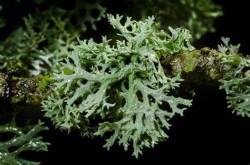
Oak moss is a lichen that grows on oak and other trees and is best known as a perfume ingredient prized for its earthy, woody scent. There is very little human evidence to support taking it for any health condition, and it is a well-known skin allergen, so it is mainly used externally in fragrances rather than as a dietary supplement.
- Scientific name
- Evernia prunastri
- Family
- Parmeliaceae
- Part used
- Whole lichen (thallus) and its extract/absolute
- Common forms
- Essential oil, absolute, extract, fragrance ingredient; occasionally tinctures
- Perfume base note and scent fixative
- Aromatherapy and fragrance
- Traditional antimicrobial use
- Soaps and cosmetics fragrance
Popular and traditional uses — not proof it works. See “Uses & effectiveness” below for the evidence.
Oak moss is a recognized skin allergen and is not well studied as an oral supplement.
When used orally. The constituent thujone shows evidence of uterine stimulant activity.
Read the full pregnancy detailWhen used orally. The constituent thujone shows evidence of uterine stimulant activity.
Read the full breastfeeding detailPregnancy & breastfeeding ratings are from Natural Medicines (Therapeutic Research Center). Safety guidance is general; always confirm with your pharmacist or doctor for your situation.
Overview
Oak moss is not actually a moss. It is a type of lichen, which is a combination of a fungus and an alga living together. It grows on the bark and branches of oak trees and sometimes other trees, mostly in forests and woodlands across Europe, North America, and other temperate regions.
Oak moss is most famous in the perfume world. Its extract has a deep, earthy, woody smell and helps fragrances last longer on the skin. You will find it as a base note in many colognes, perfumes, soaps, and cosmetics.
Although it has a long history in traditional practices, oak moss is rarely used today as a dietary supplement. Most modern use is external, in fragrance and skin-care products.
How it works
Oak moss contains natural compounds such as atranorin, evernic acid, and other lichen acids. These substances are responsible for much of its scent and have shown some activity in laboratory studies.
In test-tube research, certain lichen compounds appear to slow the growth of some bacteria and fungi and may act as antioxidants. However, these are early, preliminary findings. We do not have good evidence that swallowing or applying oak moss produces meaningful effects in people.
Some of these same compounds, including atranorin and chloroatranorin, are also the main reasons oak moss can cause allergic skin reactions.
Does Oak Moss work?
How to read these evidence grades
Natural Medicines’ 7-point scale. We show each rating’s label word-for-word.
For Oak Moss, current evidence isn’t strong enough to rate any specific use. The conditions it has been studied for are listed below.
Also studied for 1 condition — evidence insufficient to rate
Insufficient Reliable Evidence To Rate Cough
Although there has been interest in using oral oak moss for cough, there is insufficient reliable information about the clinical effects of cough for this purpose.<br/><nb> More evidence is needed to rate oak moss for this use.
Source & disclaimer. Effectiveness ratings and evidence summaries are provided by Natural Medicines (Therapeutic Research Center) and shown as licensed. Where Natural Medicines hasn’t rated a use, HelloPharmacist’s pharmacists may add their own reviewed rating and evidence (each such entry is labeled). This is educational information, not medical advice — talk with your pharmacist or doctor before starting, stopping, or changing a supplement.
Safety & precautions
Oak moss is widely used in perfumes, but it is a well-known skin allergen. In many regions, the amount allowed in cosmetics is limited because it can trigger allergic contact dermatitis (an itchy, red skin rash) in sensitive people.
Because oak moss is rarely used as an oral supplement, its safety when swallowed is not well studied. People with known fragrance or lichen allergies should be especially careful and may want to avoid it entirely.
Pregnancy and breastfeeding: There is no reliable safety information for taking oak moss during pregnancy or while breastfeeding. To be safe, avoid using it as a supplement during these times. If you use perfumes containing oak moss, that is generally a different and lower-level exposure, but talk with your doctor if you have concerns.
Always check with a pharmacist or doctor before using any new supplement, especially if you have allergies, a medical condition, or take other medicines.
Side effects
The most common problem with oak moss is allergic skin reactions. These can include redness, itching, rash, and irritation where a product touched the skin. People allergic to fragrances or other lichens are more likely to react.
Because oak moss is not commonly taken by mouth, side effects from swallowing it are not well documented. As with many lichen products, there is a theoretical risk of stomach upset or irritation.
If you develop a rash, swelling, trouble breathing, or other signs of an allergic reaction, stop using the product and seek medical care right away.
Oak Moss: Reported Adverse Effects
Documented safety reports on Oak Moss from the evidence-graded Natural Medicines (TRC Healthcare) database, shown word-for-word from the licensed record.
Orally, oak moss seems to be well tolerated when taken in small amounts, short-term. However, a high-quality assessment of safety has not been conducted. When oak moss is used long-term, in large amounts of tea, or as a hot alcoholic extract, it may be unsafe due to various constituents, including thujone and usnic acid.
Most Common Adverse Effects:
Topically: Oak moss may cause contact sensitivity and allergic reactions in people with lichen and moss allergy. Usnic acid, a constituent of oak moss, also can cause conjunctivitis, contact dermatitis, and local irritation.
Serious Adverse Effects (Rare):
Orally: Large amounts or long-term use of oak moss may cause convulsions, kidney damage, liver damage, restlessness, tremors, vertigo, and vomiting.
Allergic rhinitis (hay fever) Dermatologic
Topically, use of oak moss may cause contact sensitivity and allergic reactions in people with lichen and moss allergy. In patch testing, very late reactions have occurred, some as late as 27 days after application. Usnic acid, a constituent of oak moss, also can cause allergic contact dermatitis with respiratory symptoms.
- Dahlquist I, Fregert S. Contact allergy to atranorin in lichens and perfumes. Contact Dermatitis 1980;6:111-9.
- Goncalo S. Contact sensitivity to lichens and compositae in Frullania dermatitis. Contact Dermatitis 1987;16:84-6.
- Goncalo S, Cabral F, Goncalo M. Contact sensitivity to oak moss. Contact Dermatitis 1988;19:355-7.
- Thune P, Solberg Y, McFadden N, et al. Perfume allergy due to oak moss and other lichens. Contact Dermatitis 1982;8:396-400.
- Schubert S, Schnuch A, Bauer A, et al. Very late reactions in the patch test with fragrance mix I and oak moss absolute (Evernia prunastri, INCI): Data of the Information Network of Departments of Dermatology (IVDK). Contact Dermatitis 2022;86(1):54-57.
- Ingolfsdottir K. Usnic acid. Phytochemistry 2002;61:729-36.
- Mitchell, J. C. Allergy to lichens. Allergic contact dermatitis from usnic acid produced by lichenized fungi. Arch Dermatol 1965;92(2):142-146.
- Rafanelli, S., Bacchilega, R., Stanganelli, I., and Rafanelli, A. Contact dermatitis from usnic acid in vaginal ovules. Contact Dermatitis 1995;33(4):271-272.
Conjunctivitis Ocular/Otic
Topically, usnic acid, a constituent of oak moss, can cause conjunctivitis.
Fatigue Hepatic
Orally, usnic acid, a constituent of oak moss, has been associated with reports of hepatotoxicity. From July to December 2000 there were at least seven cases of acute hepatotoxicity in patients taking LipoKinetix, a product containing usnic acid as sodium usniate. Symptoms including nausea, weakness and fatigue, abdominal pain, and yellowing of the skin usually developed from 2 weeks to 3 months after starting LipoKinetix and resolved upon discontinuation. It is unclear if the sodium usniate ingredient is the cause of these adverse events. There are also individual case reports suggesting the development of hepatotoxicity related to the use of other weight loss products containing usnic acid.
- Favreau JT, Ryu Ml, Braunstein G, et al. Severe hepatotoxicity associated with the dietary supplement LipoKinetix. Ann Intern Med 2002;136:590-5.
- Durazo, F. A., Lassman, C., Han, S. H., Saab, S., Lee, N. P., Kawano, M., Saggi, B., Gordon, S., Farmer, D. G., Yersiz, H., Goldstein, R. L., Ghobrial, M., and Busuttil, R. W. Fulminant liver failure due to usnic acid for weight loss. Am.J Gastroenterol.
- Neff, G. W., Reddy, K. R., Durazo, F. A., Meyer, D., Marrero, R., and Kaplowitz, N. Severe hepatotoxicity associated with the use of weight loss diet supplements containing ma huang or usnic acid. J Hepatol. 2004;41(6):1062-1064.
- Hsu, L. M., Huang, Y. S., Chang, F. Y., and Lee, S. D. 'Fat burner' herb, usnic Acid, induced acute hepatitis in a family. J Gastroenterol.Hepatol. 2005;20(7):1138-1139.
- Arneborn, P., Jansson, A., and Bottiger, Y. [Acute hepatitis in a woman after intake of slimming pills bought via Internet]. Lakartidningen 7-11-2005;102(28-29):2071-2072.
- Sanchez, W., Maple, J. T., Burgart, L. J., and Kamath, P. S. Severe hepatotoxicity associated with use of a dietary supplement containing usnic acid. Mayo Clin Proc 2006;81(4):541-544.
Nausea and vomiting Gastrointestinal
Orally, large amounts or long-term use of thujone-containing products may cause vomiting.
- McGuffin M, Hobbs C, Upton R, Goldberg A, eds. American Herbal Products Association's Botanical Safety Handbook. Boca Raton, FL: CRC Press, LLC 1997.
Vertigo Neurologic/CNS
Orally, large amounts or long-term use of thujone-containing products, such as oak moss, may cause convulsions, restlessness, tremors, and vertigo.
- McGuffin M, Hobbs C, Upton R, Goldberg A, eds. American Herbal Products Association's Botanical Safety Handbook. Boca Raton, FL: CRC Press, LLC 1997.
Adverse-effects data: Natural Medicines, Therapeutic Research Center
Dosing
There is no established safe or effective oral dose for oak moss. It is not a standard dietary supplement, and reliable dosing information from human studies does not exist.
If you come across an oak moss product, follow the directions on the label and do not exceed them. For fragrance and cosmetic use, manufacturers follow regulatory limits on how much oak moss can be included.
Before using any oak moss product internally, check with a pharmacist or doctor. Given the lack of safety data, oral use is generally not recommended.
Oak Moss & Pregnancy
Oak Moss & Breastfeeding
© 2026 Therapeutic Research Center
Pregnancy & lactation ratings: Natural Medicines, Therapeutic Research Center
References & further reading
The 16 references that drive our Oak Moss monograph and interaction data, from the evidence-graded Natural Medicines (TRC Healthcare) database. Citations with a link open the study on PubMed or the publisher’s site.
- McGuffin M, Hobbs C, Upton R, Goldberg A, eds. American Herbal Products Association's Botanical Safety Handbook. Boca Raton, FL: CRC Press, LLC 1997.
- Brinker F. Herb Contraindications and Drug Interactions. 2nd ed. Sandy, OR: Eclectic Medical Publications, 1998.
- Dahlquist I, Fregert S. Contact allergy to atranorin in lichens and perfumes. Contact Dermatitis 1980;6:111-9. PubMed
- Goncalo S. Contact sensitivity to lichens and compositae in Frullania dermatitis. Contact Dermatitis 1987;16:84-6. PubMed
- Goncalo S, Cabral F, Goncalo M. Contact sensitivity to oak moss. Contact Dermatitis 1988;19:355-7. PubMed
- Thune P, Solberg Y, McFadden N, et al. Perfume allergy due to oak moss and other lichens. Contact Dermatitis 1982;8:396-400. PubMed
- Favreau JT, Ryu Ml, Braunstein G, et al. Severe hepatotoxicity associated with the dietary supplement LipoKinetix. Ann Intern Med 2002;136:590-5. PubMed
- Ingolfsdottir K. Usnic acid. Phytochemistry 2002;61:729-36.
- Mitchell, J. C. Allergy to lichens. Allergic contact dermatitis from usnic acid produced by lichenized fungi. Arch Dermatol 1965;92(2):142-146.
- Durazo, F. A., Lassman, C., Han, S. H., Saab, S., Lee, N. P., Kawano, M., Saggi, B., Gordon, S., Farmer, D. G., Yersiz, H., Goldstein, R. L., Ghobrial, M., and Busuttil, R. W. Fulminant liver failure due to usnic acid for weight loss. Am.J Gastroenterol. PubMed
- Neff, G. W., Reddy, K. R., Durazo, F. A., Meyer, D., Marrero, R., and Kaplowitz, N. Severe hepatotoxicity associated with the use of weight loss diet supplements containing ma huang or usnic acid. J Hepatol. 2004;41(6):1062-1064. PubMed
- Hsu, L. M., Huang, Y. S., Chang, F. Y., and Lee, S. D. 'Fat burner' herb, usnic Acid, induced acute hepatitis in a family. J Gastroenterol.Hepatol. 2005;20(7):1138-1139. PubMed
- Arneborn, P., Jansson, A., and Bottiger, Y. [Acute hepatitis in a woman after intake of slimming pills bought via Internet]. Lakartidningen 7-11-2005;102(28-29):2071-2072.
- Sanchez, W., Maple, J. T., Burgart, L. J., and Kamath, P. S. Severe hepatotoxicity associated with use of a dietary supplement containing usnic acid. Mayo Clin Proc 2006;81(4):541-544. PubMed
- Rafanelli, S., Bacchilega, R., Stanganelli, I., and Rafanelli, A. Contact dermatitis from usnic acid in vaginal ovules. Contact Dermatitis 1995;33(4):271-272. PubMed
- Schubert S, Schnuch A, Bauer A, et al. Very late reactions in the patch test with fragrance mix I and oak moss absolute (Evernia prunastri, INCI): Data of the Information Network of Departments of Dermatology (IVDK). Contact Dermatitis 2022;86(1):54-57.
This information is for education only and is not a substitute for professional medical advice. Always check with your pharmacist or doctor before starting, stopping, or combining supplements and medications.
Parts of this content are provided by the Therapeutic Research Center, LLC.
DISCLAIMER: Currently this does not check for drug-drug interactions. This is not an all-inclusive comprehensive list of potential interactions and is for informational purposes only. Not all interactions are known or well-reported in the scientific literature, and new interactions are continually being reported. Input is needed from a qualified healthcare provider including a pharmacist before starting any therapy. Application of clinical judgment is necessary.
© 2021 Therapeutic Research Center, LLC
Oak Moss: Common Questions
What is Oak Moss used for, and does it work?
Does Oak Moss interact with prescription medications?
How are Oak Moss interactions rated?
Is it safe to take Oak Moss with my medications?
Where does this Oak Moss interaction information come from?
What is Oak Moss used for?
Is Oak Moss safe to use?
Can I use Oak Moss if I'm pregnant or breastfeeding?
Why does Oak Moss sometimes cause a rash?
Written and reviewed by the HelloPharmacist editorial staff. Our editorial policy
Have a question about Oak Moss?
Our pharmacists answer your medication & supplement questions — free.