
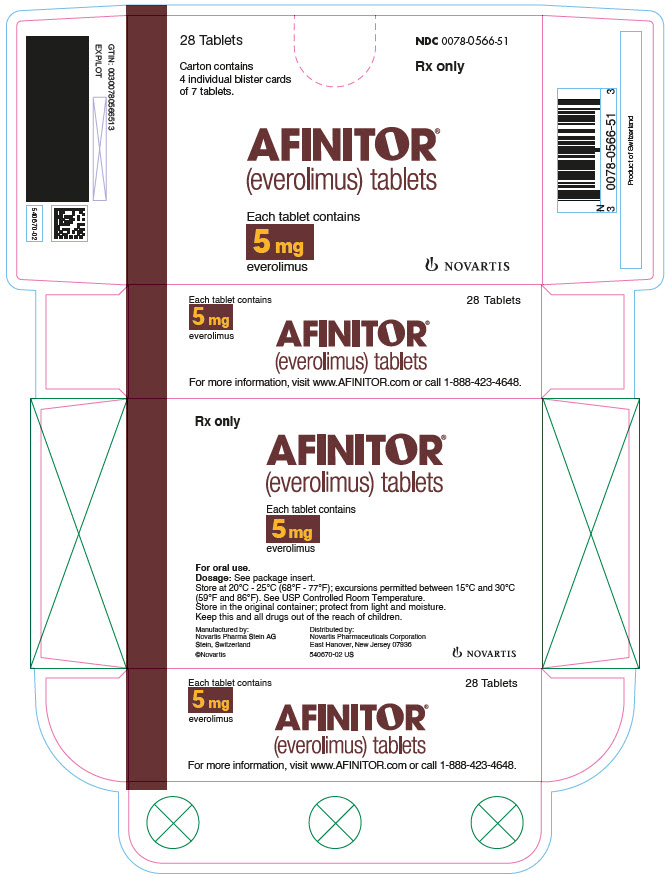
Afinitor everolimus 5 mg Tablet, 28-count
🆔 Identity & classification
Where does this data come from?
🏷️ RxNorm drug class
This medicine belongs to the Kinase Inhibitor class.
Where does this data come from?
🏭 Manufacturer & labeler
Where does this data come from?
🩺 Clinical
- Great question. Think of a pathway inside cells that acts like a gas pedal for growth — in cancer and tuberous sclerosis, that pedal gets stuck down and cells grow out of control....
- What exactly is everolimus treating — how does it actually fight cancer or help with TSC?
- Yes — but the key isn't which you choose, it's being consistent. Food — especially a high-fat meal — can significantly lower the peak blood concentration of everolimus. That's not...
- Does it matter if I take everolimus with food or on an empty stomach?
Patient education
Supplement & herbal interactions
Some supplements/herbs that may interact with Everolimus — tap one for details:
Where does this data come from?
Ask a licensed pharmacist directly — free, answered by our team.
💊 What it looks like
Where does this data come from?
🧪 Inactive Ingredients / Excipients
Inactive ingredients, also called excipients, are components of the drug product other than the active ingredient. They may include fillers, dyes, coatings, preservatives, flavors, or other formulation ingredients.
💡 Tap an ingredient (hover on desktop) to see what it is and why it’s used.
-
UNII 3SY5LH9PMK
Anhydrous lactose is a milk sugar with no water content. It acts as a filler and binder in tablets and capsules, adding bulk and helping ingredients stick together.
-
UNII 1P9D0Z171K
BHT is a synthetic antioxidant that prevents fats and oils in medicines from breaking down and becoming rancid. It helps keep the product stable and effective during storage.
-
UNII 68401960MK
Crospovidone is a synthetic polymer made from polyvinylpyrrolidone. It acts as a disintegrant, helping tablets break apart quickly in the stomach so the medicine dissolves and absorbs into the body.
-
UNII 3NXW29V3WO
Hypromellose is a plant-based thickener made from cellulose. It's used in medicines as a binder to hold ingredients together, a coating for tablets, and a thickener for liquids.
-
UNII EWQ57Q8I5X
Lactose monohydrate is a natural sugar derived from milk. It serves as a filler and binder in tablets and capsules, helping create the proper size, texture, and consistency of the medicine.
-
UNII 70097M6I30
Magnesium stearate is a salt made from magnesium and stearic acid, a fatty substance. It's used in tablets and capsules as a lubricant and glidant to help ingredients flow smoothly during manufacturing and prevent sticking.
6 inactive ingredients listed in the exact product block matched to this NDC.
Where does this data come from?
ingredient classCode="IACT" elements from the exact product block matched by this NDC. Label-section narrative from DailyMed / the openFDA label index is shown separately when available.Inactive ingredient FAQ
Are inactive ingredients the same for every manufacturer?
Why might an inactive ingredient be missing?
Can inactive ingredients matter?
💲 Pricing
A drug doesn't have one price. Each row is a different public payment system, and none is what you'd pay at the counter — that depends on your insurance. The ⓘ on each row explains what it measures.
| Price system | Per each | Per package |
|---|---|---|
| Retail pharmacies payNADAC · weekly | Not in the retail survey — common for institutional, discontinued, or low-volume packs. | |
| Medicaid paysCMS SDUD · 12 mo | $682.82 | $19,118.87 / 28 tablet |
| Medicare drug plans payPart D · Q2 2026 | $718.81 | $20,126.56 / 28 tablet |
Where does this data come from?
🔁 Therapeutic equivalents
| Product | Labeler | Pack | NADAC/unit | TE | Status | Price vs. this |
|---|---|---|---|---|---|---|
| Everolimus 5 mg 00054-0481-13 | Hikma | 30 tablets | $14.771 | AB | Availability likely | — |
| Everolimus 5 mg 00093-7767-24 | Teva | 28 tablets | $14.771 | AB | Availability likely | — |
| Torpenz 5 mg 00245-0823-04 | Upsher-Smith | 28 tablets | $14.771 | AB | Availability likely | — |
| Everolimus 5 mg 49884-0125-91 | Par | 28 tablets | $14.771 | — | Discontinued | — |
| Everolimus 5 mg 51991-0822-28 | Breckenridge | 28 tablets | $14.771 | AB | Availability likely | — |
| Everolimus 5 mg 70377-0011-22 | Biocon | 28 tablets | $14.771 | AB | Availability likely | — |
| Everolimus 5 mg 72603-0255-01 | NorthStar | 30 tablets | $14.771 | AB | Availability likely | — |
| Yulithira 5 mg 82249-0611-30 | CivicaScript, | 30 tablets | $14.771 | AB | Availability likely | — |
| Afinitor 5 mgthis 00078-0566-51 | Novartis | 28 tablets | — | AB | FDA listed | — |
| Everolimus 5 mg 63850-0059-01 | Natco | 28 tablets | — | AB | FDA listed | — |
| everolimus 5 mg 82293-0031-10 | Novugen | 28 tablets | — | AB | FDA listed | — |
| Everolimus 5 mg 60219-2281-02 | Amneal | 7 tablets | — | AB | FDA listed | — |
| Everolimus 5 mg 51991-0992-28 | Breckenridge | 7 tablets | — | AB | FDA listed | — |
| Afinitor Disperz 5 mg 00078-0628-51 | Novartis | 1 tablet | — | AB | FDA listed | — |
| Everolimus 5 mg 70377-0092-11 | Biocon | 28 tablets | — | AB | FDA listed | — |
Where does this data come from?
⏳ Availability & generic status
FDA-approved generic versions are listed, and recent pricing/market data suggests they may be available — see Therapeutic equivalents.
Why the date isn’t exact: Generic timing can change because patents may be challenged, settled, licensed, added, removed, or worked around with a narrower label — and FDA approval does not always mean a pharmacy can get the generic today.
🛈 What do these terms mean?
- Patent
- Legal protection listed in the Orange Book that may delay generic approval or launch. Issued by the U.S. Patent & Trademark Office.
- Substance patent
- Covers the active drug molecule itself — the hardest to design around. A generic generally can’t launch until it expires.
- Formulation (product) patent
- Covers a specific formulation or dosage form. A generic can sometimes work around it with a different formulation.
- Method-of-use patent
- A patent covering one specific approved use of the drug — not necessarily the whole molecule. A generic can sometimes launch with a “skinny label” that carves out the protected use and keeps the others.
- Skinny label
- A generic label that omits a still-patented use when the FDA allows it — letting a generic reach the market for the unprotected uses.
- Exclusivity
- FDA-granted marketing protection, separate from patents — e.g. 5-yr new chemical entity, 7-yr orphan drug, or a +6-month pediatric extension.
- Paragraph IV
- A generic applicant’s formal challenge to a listed patent. It can potentially lead to earlier generic entry, but often involves litigation or a settlement.
- RLD / RS
- Reference Listed Drug — the brand product the FDA uses as the reference for generic applications. Reference Standard — the product the FDA expects generics to compare against in bioequivalence testing.
- TE / AB rating
- FDA therapeutic-equivalence rating. An AB rating generally means the FDA considers a generic therapeutically equivalent to — and substitutable for — the brand.
- LOE (loss of exclusivity)
- The latest patent or exclusivity currently listed — the loss-of-exclusivity / latest-listed-protection date shown on this page. Paragraph-IV challenges and settlements can move the real date earlier; FDA approval and a manufacturer’s decision to market can move it later.
Built from the FDA Orange Book. The bars above are scaled to each protection’s expiry; the red LOE marker is the last one to lapse.
| Patent | Type | Use code | Expires |
|---|---|---|---|
| US 9006224 ↗ | Method of use | U-1681 | Jul 1, 2028 |
| US 9006224 ↗ | Method of use | U-1681 | Jul 1, 2028 |
| US 9006224 ↗ | Method of use | U-1681 | Jul 1, 2028 |
| US 9006224 ↗ | Method of use | U-1681 | Jul 1, 2028 |
| US 8410131 ↗ | Method of use | U-1368 | Nov 1, 2025 |
| US 8410131 ↗ | Method of use | U-1368 | Nov 1, 2025 |
| US 8410131 ↗ | Method of use | U-1368 | Nov 1, 2025 |
| US 8410131 ↗ | Method of use | U-1368 | Nov 1, 2025 |
| US 8410131*PED ↗ | Drug product | — | May 1, 2026 |
| US 8410131*PED ↗ | Drug product | — | May 1, 2026 |
| US 8410131*PED ↗ | Drug product | — | May 1, 2026 |
| US 8410131*PED ↗ | Drug product | — | May 1, 2026 |
Is there a generic version of AFINITOR 5 MG TABLET?
The FDA approved a generic — why can’t I get it at my pharmacy yet?
Why do different websites show different generic release dates?
What does “FDA listed” mean?
What does a patent or protection date mean here?
What does “current Orange Book estimate” mean?
Can a generic come out before the last patent expires?
Can a generic come out after the listed dates?
What is the difference between patents and exclusivity?
Why are there multiple patent dates?
Where does this data come from?
🗺️ Medicaid utilization & spend
📊 Medicare Part D spend CMS · PART D · 2026 (Q1)
🔬 Reported adverse events (FAERS)
Top reported reactions
Age at onset
Reporter sex
Serious outcomes
Where does this data come from?
📦 Packaging — all sizes for this product
| Package NDC | Description | Marketing start | Status |
|---|---|---|---|
| 00078-0566-51 You're viewing this | 28 BLISTER PACK in 1 CARTON (0078-0566-51) / 1 TABLET in 1 BLISTER PACK (0078-0566-61) | 2009-03-31 | Active |
🧭 About this NDC listing & data coverage
What data is (and isn’t) available for this NDC — tap to expand
| NDC identity (package / product / labeler codes) | ✓ Available |
| Labeler | ✓ Available |
| Product & package description | ✓ Available |
| Marketing category & status | ✓ Available |
| Active ingredient / dosage form / route | ✓ Available |
| FDA label (SPL via DailyMed) | ✓ Available |
| Package photos | ✓ Available |
| Inactive ingredients (structured) | ✓ Available |
| NADAC pharmacy acquisition price (CMS) | — Not published for this NDC CMS publishes NADAC only for NDCs reported in its retail-pharmacy survey. |
| Orange Book / therapeutic-equivalence data | ✓ Available |
| HCPCS J-code billing crosswalk | — Not published for this NDC Most self-administered / retail products have no J-code — that is normal. |
| Medicaid utilization (CMS SDUD) | ✓ Available |
Questions about this listing
Why is there no price listed?
Is the NDC printed on the package the same as the 11-digit billing NDC?
What do the three segments of this NDC mean?
Is this package still being marketed?
Who lists this product with the FDA?
Do I need a prescription for this product?
Where does this data come from?
📄 Full prescribing information FDA SPL
🎯 Indications and Usage ▾
1 INDICATIONS AND USAGE AFINITOR is a kinase inhibitor indicated for the treatment of: Postmenopausal women with advanced hormone receptor-positive, HER2-negative breast cancer in combination with exemestane after failure of treatment with letrozole or anastrozole. ( 1.1 ) Adults with progressive neuroendocrine tumors of pancreatic origin (PNET) and adults with progressive, well-differentiated, non-functional neuroendocrine tumors (NET) of gastrointestinal (GI) or lung origin that are unresectable, locally advanced or metastatic.
Limitations of Use: AFINITOR is not indicated for the treatment of patients with functional carcinoid tumors. ( 1.2 ) Adults with advanced renal cell carcinoma (RCC) after failure of treatment with sunitinib or sorafenib. ( 1.3 ) Adults with renal angiomyolipoma and tuberous sclerosis complex (TSC), not requiring immediate surgery.
( 1.4 ) AFINITOR and AFINITOR DISPERZ are kinase inhibitors indicated for the treatment of adult and pediatric patients aged 1 year and older with TSC who have subependymal giant cell astrocytoma (SEGA) that requires therapeutic intervention but cannot be curatively resected. ( 1.5 ) AFINITOR DISPERZ is a kinase inhibitor indicated for the adjunctive treatment of adult and pediatric patients aged 2 years and older with TSC-associated partial-onset seizures. ( 1.6 )
1.1Hormone Receptor-Positive, HER2-Negative Breast Cancer AFINITOR ® is indicated for the treatment of postmenopausal women with advanced hormone receptor-positive, HER2-negative breast cancer in combination with exemestane, after failure of treatment with letrozole or anastrozole.
1.2Neuroendocrine Tumors (NET) AFINITOR is indicated for the treatment of adult patients with progressive neuroendocrine tumors of pancreatic origin (PNET) with unresectable, locally advanced or metastatic disease. AFINITOR is indicated for the treatment of adult patients with progressive, well-differentiated, non-functional NET of gastrointestinal (GI) or lung origin with unresectable, locally advanced or metastatic disease. Limitations of Use: AFINITOR is not indicated for the treatment of patients with functional carcinoid tumors [see Clinical Studies (14.2)] .
1.3Renal Cell Carcinoma (RCC) AFINITOR is indicated for the treatment of adult patients with advanced RCC after failure of treatment with sunitinib or sorafenib.
1.4Tuberous Sclerosis Complex (TSC)-Associated Renal Angiomyolipoma AFINITOR is indicated for the treatment of adult patients with renal angiomyolipoma and TSC, not requiring immediate surgery.
1.5Tuberous Sclerosis Complex (TSC)-Associated Subependymal Giant Cell Astrocytoma (SEGA) AFINITOR and AFINITOR DISPERZ ® are indicated in adult and pediatric patients aged 1 year and older with TSC for the treatment of SEGA that requires therapeutic intervention but cannot be curatively resected.
1.6Tuberous Sclerosis Complex (TSC)-Associated Partial-Onset Seizures AFINITOR DISPERZ is indicated for the adjunctive treatment of adult and pediatric patients aged 2 years and older with TSC-associated partial-onset seizures.
⏱️ Dosage and Administration ▾
2 DOSAGE AND ADMINISTRATION Do not combine AFINITOR and AFINITOR DISPERZ to achieve the total daily dose. ( 2.1 ) Breast Cancer : 10 mg orally once daily. ( 2.2 ) NET : 10 mg orally once daily.
( 2.3 ) RCC : 10 mg orally once daily. ( 2.4 ) TSC-Associated Renal Angiomyolipoma : 10 mg orally once daily. ( 2.5 ) TSC-Associated SEGA : 4.5 mg/m 2 orally once daily; adjust dose to attain trough concentrations of 5-15 ng/mL.
( 2.6 , 2.8 ) TSC-Associated Partial-Onset Seizures : 5 mg/m 2 orally once daily; adjust dose to attain trough concentrations of 5-15 ng/mL. ( 2.7 , 2.8 )
2.1Important Dosage Information AFINITOR and AFINITOR DISPERZ are two different dosage forms. Select the recommended dosage form based on the indication [see Indications and Usage (1)] . Do not combine AFINITOR and AFINITOR DISPERZ to achieve the total dose.
2.2Recommended Dosage for Hormone Receptor-Positive, HER2-Negative Breast Cancer The recommended dosage of AFINITOR is 10 mg orally once daily until disease progression or unacceptable toxicity.
2.3Recommended Dosage for Neuroendocrine Tumors (NET) The recommended dosage of AFINITOR is 10 mg orally once daily until disease progression or unacceptable toxicity.
2.4Recommended Dosage for Renal Cell Carcinoma (RCC) The recommended dosage of AFINITOR is 10 mg orally once daily until disease progression or unacceptable toxicity.
2.5Recommended Dosage for Tuberous Sclerosis Complex (TSC)-Associated Renal Angiomyolipoma The recommended dosage of AFINITOR is 10 mg orally once daily until disease progression or unacceptable toxicity.
2.6Recommended Dosage for Tuberous Sclerosis Complex (TSC)-Associated Subependymal Giant Cell Astrocytoma (SEGA) The recommended starting dosage of AFINITOR/AFINITOR DISPERZ is 4.5 mg/m 2 orally once daily until disease progression or unacceptable toxicity [see Dosage and Administration (2.8)] .
2.7Recommended Dosage for Tuberous Sclerosis Complex (TSC)-Associated Partial-Onset Seizures The recommended starting dosage of AFINITOR DISPERZ is 5 mg/m 2 orally once daily until disease progression or unacceptable toxicity [see Dosage and Administration (2.8)] .
2.8Therapeutic Drug Monitoring (TDM) and Dose Titration for Tuberous Sclerosis Complex (TSC)-Associated Subependymal Giant Cell Astrocytoma (SEGA) and TSC-Associated Partial-Onset Seizures Monitor everolimus whole blood trough concentrations at time points recommended in Table 1. Titrate the dose to attain trough concentrations of 5 ng/mL to 15 ng/mL. Adjust the dose using the following equation: New dose * = current dose x (target concentration divided by current concentration) * The maximum dose increment at any titration must not exceed 5 mg.
Multiple dose titrations may be required to attain the target trough concentration. When possible, use the same assay and laboratory for TDM throughout treatment. Table 1: Recommended Timing of Therapeutic Drug Monitoring Abbreviation: P-gp, P-glycoprotein.
Event When to Assess Trough Concentrations After Event Initiation of AFINITOR/AFINITOR DISPERZ 1 to 2 weeks Modification of AFINITOR/AFINITOR DISPERZ dose 1 to 2 weeks Switch between AFINITOR and AFINITOR DISPERZ 1 to 2 weeks Initiation or discontinuation of moderate CYP3A inhibitor and P-gp inhibitor 2 weeks Initiation or discontinuation of cannabidiol oral solution 2 weeks Initiation or discontinuation of strong CYP3A inducer and P-gp inducer 2 weeks Change in hepatic function 2 weeks Stable dose with changing body surface area (BSA) Every 3 to 6 months Stable dose with stable BSA Every 6 to 12 months
2.9Dosage Modifications for Adverse Reactions Table 2 summarizes recommendations for dosage modifications of AFINITOR/AFINITOR DISPERZ for the management of adverse reactions. Table 2: Recommended Dosage Modifications for AFINITOR/AFINITOR DISPERZ for Adverse Reactions Adverse Reaction Severity Dosage Modification Non-infectious pneumonitis [see Warnings and Precautions (5.1)] Grade 2 Withhold until improvement to Grade 0 or 1. Res…
💊 Dosage Forms and Strengths ▾
3 DOSAGE FORMS AND STRENGTHS AFINITOR Tablets, white to slightly yellow and elongated with a bevelled edge: 2.5 mg: engraved with “LCL” on one side and “NVR” on the other. 5 mg: engraved with “5” on one side and “NVR” on the other. 7.5 mg: engraved with “7P5” on one side and “NVR” on the other.
10 mg: engraved with “UHE” on one side and “NVR” on the other. AFINITOR DISPERZ Tablets for oral suspension, white to slightly yellowish, round, and flat with a bevelled edge: 2 mg: engraved with “D2” on one side and “NVR” on the other. 3 mg: engraved with “D3” on one side and “NVR” on the other.
5 mg: engraved with “D5” on one side and “NVR” on the other. AFINITOR: 2.5 mg, 5 mg, 7.5 mg, and 10 mg tablets ( 3 ) AFINITOR DISPERZ: 2 mg, 3 mg, and 5 mg tablets ( 3 )
⛔ Contraindications ▾
4 CONTRAINDICATIONS AFINITOR/AFINITOR DISPERZ is contraindicated in patients with clinically significant hypersensitivity to everolimus or to other rapamycin derivatives [see Warnings and Precautions (5.3)] . Clinically significant hypersensitivity to everolimus or to other rapamycin derivatives. ( 4 )
⚠️ Warnings and Cautions ▾
5 WARNINGS AND PRECAUTIONS Non-Infectious Pneumonitis : Monitor for clinical symptoms or radiological changes. Withhold or permanently discontinue based on severity. ( 2.9 , 5.1 ) Infections : Monitor for signs and symptoms of infection.
Withhold or permanently discontinue based on severity. ( 2.9 , 5.2 ) Severe Hypersensitivity Reactions : Permanently discontinue for clinically significant hypersensitivity. ( 5.3 ) Angioedema : Patients taking concomitant angiotensin-converting-enzyme (ACE) inhibitors may be at increased risk for angioedema.
Permanently discontinue for angioedema. ( 5.4 , 7.2 ) Stomatitis : Initiate dexamethasone alcohol-free mouthwash when starting treatment. ( 5.5 , 6.1 ) Renal Failure : Monitor renal function prior to treatment and periodically thereafter.
( 5.6 ) Risk of Impaired Wound Healing : Withhold for at least 1 week prior to elective surgery. Do not administer for at least 2 weeks following major surgery and until adequate wound healing. The safety of resumption of treatment after resolution of wound healing complications has not been established.
( 5.7 ) Geriatric Patients : Monitor and adjust dose for adverse reactions. ( 5.8 ) Metabolic Disorders : Monitor serum glucose and lipids prior to treatment and periodically thereafter. Withhold or permanently discontinue based on severity.
( 2.9 , 5.9 ) Myelosuppression : Monitor hematologic parameters prior to treatment and periodically thereafter. Withhold or permanently discontinue based on severity. ( 2.9 , 5.10 ) Risk of Infection or Reduced Immune Response with Vaccination : Avoid live vaccines and close contact with those who have received live vaccines.
Complete recommended childhood vaccinations prior to starting treatment. ( 5.11 ) Radiation Sensitization and Radiation Recall : Severe radiation reactions may occur. ( 5.12 , 6.2 ) Embryo-Fetal Toxicity : Can cause fetal harm.
Advise patients of reproductive potential of the potential risk to a fetus and to use effective contraception. ( 5.13 , 8.1 , 8.3 )
5.1Non-infectious Pneumonitis Non-infectious pneumonitis is a class effect of rapamycin derivatives. Non-infectious pneumonitis was reported in up to 19% of patients treated with AFINITOR/AFINITOR DISPERZ in clinical trials, some cases were reported with pulmonary hypertension (including pulmonary arterial hypertension) as a secondary event. The incidence of Grade 3 and 4 non-infectious pneumonitis was up to 4% and up to 0.2%, respectively [see Adverse Reactions (6.1)] .
Fatal outcomes have been observed. Consider a diagnosis of non-infectious pneumonitis in patients presenting with non-specific respiratory signs and symptoms. Consider opportunistic infections, such as pneumocystis jiroveci pneumonia (PJP) in the differential diagnosis.
Advise patients to report promptly any new or worsening respiratory symptoms. Continue AFINITOR/AFINITOR DISPERZ without dose alteration in patients who develop radiological changes suggestive of non-infectious pneumonitis and have few or no symptoms. Imaging appears to overestimate the incidence of clinical pneumonitis.
For Grade 2 to 4 non-infectious pneumonitis, withhold or permanently discontinue AFINITOR/AFINITOR DISPERZ based on severity [see Dosage and Administration (2.9)] . Corticosteroids may be indicated until clinical symptoms resolve. Administer prophylaxis for PJP when concomitant use of corticosteroids or other immunosuppressive agents are required.
The development of pneumonitis has been reported even at a reduced dose.
5.2Infections AFINITOR/AFINITOR DISPERZ has immunosuppressive properties and may predispose patients to bacterial, fungal, viral, or protozoal infections, including infections with opportunistic pathogens [see Adverse Reactions (6.1)] . Localized and systemic infections, including pneumonia, mycobacterial infections, other bacterial infections, invasive fungal infections (e.g., aspergillosis, candidiasis, or PJP), and viral infections (e.g., reactivation of hepatitis B virus)…
🤒 Adverse Reactions ▾
6 ADVERSE REACTIONS The following serious adverse reactions are described elsewhere in the labeling: Non-Infectious Pneumonitis [see Warnings and Precautions (5.1)] Infections [see Warnings and Precautions (5.2)] Severe Hypersensitivity Reactions [see Warnings and Precautions (5.3)] Angioedema with Concomitant Use of ACE inhibitors [see Warnings and Precautions (5.4)] Stomatitis [see Warnings and Precautions (5.5)] Renal Failure [see Warnings and Precautions (5.6)] Impaired Wound Healing [see Warnings and Precautions (5.7)] Metabolic Disorders [see Warnings and Precautions (5.9)] Myelosuppression [see Warnings and Precautions (5.10)] Radiation Sensitization and Radiation Recall [see Warnings and Precautions (5.12)] Breast cancer, NET, RCC : Most common adverse reactions (incidence ≥ 30%) include stomatitis, infections, rash, fatigue, diarrhea, edema, abdominal pain, nausea, fever, asthenia, cough, headache, and decreased appetite.
( 6.1 ) TSC-Associated Renal Angiomyolipoma : Most common adverse reaction (incidence ≥ 30%) is stomatitis. ( 6.1 ) TSC-Associated SEGA : Most common adverse reactions (incidence ≥ 30%) are stomatitis and respiratory tract infection. ( 6.1 ) TSC-Associated Partial-Onset Seizures : Most common adverse reaction (incidence ≥ 30%) is stomatitis.
( 6.1 ) To report SUSPECTED ADVERSE REACTIONS, contact Novartis Pharmaceuticals Corporation at 1-888-669-6682 or FDA at 1-800-FDA-1088 or www.fda.gov/medwatch .
6.1Clinical Trials Experience Because clinical trials are conducted under widely varying conditions, the adverse reaction rates observed cannot be directly compared to rates in other trials and may not reflect the rates observed in clinical practice. Hormone Receptor-Positive, HER2-Negative Breast Cancer The safety of AFINITOR (10 mg orally once daily) in combination with exemestane (25 mg orally once daily) (n = 485) vs. placebo in combination with exemestane (n = 239) was evaluated in a randomized, controlled trial (BOLERO-2) in patients with advanced or metastatic hormone receptor-positive, HER2-negative breast cancer.
The median age of patients was 61 years (28 to 93 years), and 75% were white. The median follow-up was approximately 13 months. The most common adverse reactions (incidence ≥ 30%) were stomatitis, infections, rash, fatigue, diarrhea, and decreased appetite.
The most common Grade 3-4 adverse reactions (incidence ≥ 2%) were stomatitis, infections, hyperglycemia, fatigue, dyspnea, pneumonitis, and diarrhea. The most common laboratory abnormalities (incidence ≥ 50%) were hypercholesterolemia, hyperglycemia, increased aspartate transaminase (AST), anemia, leukopenia, thrombocytopenia, lymphopenia, increased alanine transaminase (ALT), and hypertriglyceridemia. The most common Grade 3-4 laboratory abnormalities (incidence ≥ 3%) were lymphopenia, hyperglycemia, anemia, hypokalemia, increased AST, increased ALT, and thrombocytopenia.
Fatal adverse reactions occurred in 2% of patients who received AFINITOR. The rate of adverse reactions resulting in permanent discontinuation was 24% for the AFINITOR arm. Dose adjustments (interruptions or reductions) occurred in 63% of patients in the AFINITOR arm.
Adverse reactions reported with an incidence of ≥ 10% for patients receiving AFINITOR vs. placebo are presented in Table 7. Laboratory abnormalities are presented in Table 8. The median duration of treatment with AFINITOR was 23.9 weeks; 33% were exposed to AFINITOR for a period of ≥ 32 weeks.
Table 7: Adverse Reactions Reported in ≥ 10% of Patients With Hormone Receptor-Positive Breast Cancer in BOLERO-2 Grading according to NCI CTCAE Version 3.0. a Includes stomatitis, mouth ulceration, aphthous stomatitis, glossodynia, gingival pain, glossitis, and lip ulceration. b Includes all reported infections, including but not limited to, urinary tract infections, respiratory tract (upper and lower) infections, skin infections, and gastrointestinal tract infections. c Includes pneumonitis, interstitial lung…
🔄 Drug Interactions ▾
7 DRUG INTERACTIONS Strong CYP3A inhibitor and P-gp inhibitor : Avoid coadministration. ( 2.11 , 7.1 ) Moderate CYP3A inhibitor and P-gp inhibitor : Reduce the dosage as recommended. ( 2.11 , 7.1 ) Cannabidiol oral solution : Reduce the dosage as recommended. ( 2.11 , 7.1 ) Strong CYP3A inducer and P-gp inducer : Increase the dosage as recommended. ( 2.11 , 7.1 )
7.1Effect of Other Drugs on AFINITOR/AFINITOR DISPERZ Strong or Moderate CYP3A Inhibitor and P-gp Inhibitor Avoid the coadministration of a strong CYP3A inhibitor and P-gp inhibitor [see Dosage and Administration (2.11), Clinical Pharmacology (12.3)] . Reduce the dosage for AFINITOR/AFINITOR DISPERZ with a moderate CYP3A inhibitor and Pg-p inhibitor as recommended [see Dosage and Administration (2.11), Clinical Pharmacology (12.3)] . Cannabidiol Oral Solution Reduce the dosage of AFINITOR/AFINITOR DISPERZ when coadministered with cannabidiol oral solution [see Dosage and Administration (2.11)] .
Coadministration with cannabidiol oral solution increases everolimus exposure [see Clinical Pharmacology (12.3)] , which may increase the risk of everolimus adverse reactions. The effects of other cannabidiol products on everolimus exposure are unknown. Strong CYP3A Inducer and P-gp Inducer Increase the dosage for AFINITOR/AFINITOR DISPERZ with a strong CYP3A inducer and Pg-p inducer as recommended [see Dosage and Administration (2.11), Clinical Pharmacology (12.3)] .
7.2Effects of Combination Use of Angiotensin Converting Enzyme (ACE) Inhibitors Patients taking concomitant ACE inhibitors with AFINITOR/AFINITOR DISPERZ may be at increased risk for angioedema. Avoid the concomitant use of ACE inhibitors with AFINITOR/AFINITOR DISPERZ [see Warnings and Precautions (5.4)] .
👥 Use in Specific Populations ▾
8 USE IN SPECIFIC POPULATIONS For breast cancer, NET, RCC, or TSC-associated renal angiomyolipoma patients with hepatic impairment , reduce the dose. ( 2.10 , 8.6 ) For patients with TSC-associated SEGA or TSC-associated partial-onset seizures and severe hepatic impairment , reduce the starting dose and adjust dose to attain target trough concentrations. ( 2.8 , 2.10 , 8.6 )
8.1Pregnancy Risk Summary Based on animal studies and the mechanism of action [see Clinical Pharmacology (12.1)] , AFINITOR/AFINITOR DISPERZ can cause fetal harm when administered to a pregnant woman. There are limited case reports of AFINITOR use in pregnant women; however, these reports are not sufficient to inform about risks of birth defects or miscarriage. In animal studies, everolimus caused embryo-fetal toxicities in rats when administered during the period of organogenesis at maternal exposures that were lower than human exposures at the recommended dose of AFINITOR 10 mg orally once daily (see Data) .
Advise pregnant women of the potential risk to the fetus. In the U.S. general population, the estimated background risk of major birth defects and miscarriage is 2% to 4% and 15% to 20% of clinically recognized pregnancies, respectively. Data Animal Data In animal reproductive studies, oral administration of everolimus to female rats before mating and through organogenesis induced embryo-fetal toxicities, including increased resorption, pre-implantation and post-implantation loss, decreased numbers of live fetuses, malformation (e.g., sternal cleft), and retarded skeletal development.
These effects occurred in the absence of maternal toxicities. Embryo-fetal toxicities in rats occurred at doses ≥ 0.1 mg/kg (0.6 mg/m 2 ) with resulting exposures of approximately 4% of the human exposure at the recommended dose of AFINITOR 10 mg orally once daily based on area under the curve (AUC). In rabbits, embryo-toxicity evident as an increase in resorptions occurred at an oral dose of 0.8 mg/kg (9.6 mg/m 2 ), approximately 1.6 times the recommended dose of AFINITOR 10 mg orally once daily or the median dose administered to patients with tuberous sclerosis complex (TSC)-associated subependymal giant cell astrocytoma (SEGA), and 1.3 times the median dose administered to patients with TSC-associated partial-onset seizures based on BSA.
The effect in rabbits occurred in the presence of maternal toxicities. In a pre- and post-natal development study in rats, animals were dosed from implantation through lactation. At the dose of 0.1 mg/kg (0.6 mg/m 2 ), there were no adverse effects on delivery and lactation or signs of maternal toxicity; however, there were reductions in body weight (up to 9% reduction from the control) and in survival of offspring (~5% died or missing).
There were no drug-related effects on the developmental parameters (morphological development, motor activity, learning, or fertility assessment) in the offspring.
8.2Lactation Risk Summary There are no data on the presence of everolimus or its metabolites in human milk, the effects of everolimus on the breastfed infant or on milk production. Everolimus and its metabolites passed into the milk of lactating rats at a concentration 3.5 times higher than in maternal serum. Because of the potential for serious adverse reactions in breastfed infants from everolimus, advise women not to breastfeed during treatment with AFINITOR/AFINITOR DISPERZ and for 2 weeks after the last dose.
8.3Females and Males of Reproductive Potential Pregnancy Testing Verify the pregnancy status of females of reproductive potential prior to starting AFINITOR/AFINITOR DISPERZ [see Use in Specific Populations (8.1)] . Contraception AFINITOR/AFINITOR DISPERZ can cause fetal harm when administered to pregnant women [see Use in Specific Populations (8.1)] . Females: Advise female patients of reproductive potential to use effective contraception during treatment with AFINITOR/AFINITOR DISPERZ and for 8 weeks after the last dose.
Mal…
🤰 Pregnancy ▾
8.1Pregnancy Risk Summary Based on animal studies and the mechanism of action [see Clinical Pharmacology (12.1)] , AFINITOR/AFINITOR DISPERZ can cause fetal harm when administered to a pregnant woman. There are limited case reports of AFINITOR use in pregnant women; however, these reports are not sufficient to inform about risks of birth defects or miscarriage. In animal studies, everolimus caused embryo-fetal toxicities in rats when administered during the period of organogenesis at maternal exposures that were lower than human exposures at the recommended dose of AFINITOR 10 mg orally once daily (see Data) .
Advise pregnant women of the potential risk to the fetus. In the U.S. general population, the estimated background risk of major birth defects and miscarriage is 2% to 4% and 15% to 20% of clinically recognized pregnancies, respectively. Data Animal Data In animal reproductive studies, oral administration of everolimus to female rats before mating and through organogenesis induced embryo-fetal toxicities, including increased resorption, pre-implantation and post-implantation loss, decreased numbers of live fetuses, malformation (e.g., sternal cleft), and retarded skeletal development.
These effects occurred in the absence of maternal toxicities. Embryo-fetal toxicities in rats occurred at doses ≥ 0.1 mg/kg (0.6 mg/m 2 ) with resulting exposures of approximately 4% of the human exposure at the recommended dose of AFINITOR 10 mg orally once daily based on area under the curve (AUC). In rabbits, embryo-toxicity evident as an increase in resorptions occurred at an oral dose of 0.8 mg/kg (9.6 mg/m 2 ), approximately 1.6 times the recommended dose of AFINITOR 10 mg orally once daily or the median dose administered to patients with tuberous sclerosis complex (TSC)-associated subependymal giant cell astrocytoma (SEGA), and 1.3 times the median dose administered to patients with TSC-associated partial-onset seizures based on BSA.
The effect in rabbits occurred in the presence of maternal toxicities. In a pre- and post-natal development study in rats, animals were dosed from implantation through lactation. At the dose of 0.1 mg/kg (0.6 mg/m 2 ), there were no adverse effects on delivery and lactation or signs of maternal toxicity; however, there were reductions in body weight (up to 9% reduction from the control) and in survival of offspring (~5% died or missing).
There were no drug-related effects on the developmental parameters (morphological development, motor activity, learning, or fertility assessment) in the offspring.
🧒 Pediatric Use ▾
8.4Pediatric Use TSC-Associated SEGA The safety and effectiveness of AFINITOR/AFINITOR DISPERZ have been established in pediatric patients age 1 year and older with TSC-associated SEGA that requires therapeutic intervention but cannot be curatively resected. Use of AFINITOR/AFINITOR DISPERZ for this indication is supported by evidence from a randomized, double-blind, placebo-controlled trial in adult and pediatric patients (EXIST-1); an open-label, single-arm trial in adult and pediatric patients (Study 2485); and additional pharmacokinetic data in pediatric patients [see Adverse Reactions (6.1), Clinical Pharmacology (12.3), Clinical Studies (14.5)] .
The safety and effectiveness of AFINITOR/AFINITOR DISPERZ have not been established in pediatric patients less than 1 year of age with TSC-associated SEGA. In EXIST-1, the incidence of infections and serious infections were reported at a higher frequency in patients < 6 years of age. Ninety-six percent of 23 AFINITOR-treated patients < 6 years had at least one infection compared to 67% of 55 AFINITOR-treated patients ≥ 6 years.
Thirty-five percent of 23 AFINITOR-treated patients < 6 years of age had at least 1 serious infection compared to 7% of 55 AFINITOR-treated patients ≥ 6 years. Although a conclusive determination cannot be made due to the limited number of patients and lack of a comparator arm in the open label follow-up periods of EXIST-1 and Study 2485, AFINITOR did not appear to adversely impact growth and pubertal development in the 115 pediatric patients treated with AFINITOR for a median duration of 4.1 years. TSC-Associated Partial-Onset Seizures The safety and effectiveness of AFINITOR DISPERZ has been established for the adjunctive treatment of pediatric patients aged 2 years and older with TSC-associated partial-onset seizures.
Use of AFINITOR DISPERZ for this indication is supported by evidence from a randomized, double-blind, placebo-controlled trial in adult and pediatric patients (EXIST-3) with additional pharmacokinetic data in pediatric patients [see Adverse Reactions (6.1), Clinical Pharmacology (12.3), Clinical Studies (14.6)] . The safety and effectiveness of AFINITOR DISPERZ and AFINITOR have not been established for the adjunctive treatment of pediatric patients less than 2 years of age with TSC-associated partial-onset seizures.
The incidence of infections and serious infections were reported at a higher frequency in patients < 6 years of age compared to patients ≥ 6 years old. Seventy-seven percent of 70 AFINITOR DISPERZ-treated patients < 6 years had at least one infection, compared to 53% of 177 AFINITOR DISPERZ-treated patients ≥ 6 years. Sixteen percent of 70 AFINITOR DISPERZ-treated patients < 6 years of age had at least 1 serious infection, compared to 4% of 177 AFINITOR DISPERZ-treated patients ≥ 6 years of age.
Two fatal cases due to infections were reported in pediatric patients. Other Indications The safety and effectiveness of AFINITOR/AFINITOR DISPERZ in pediatric patients have not been established in: Hormone receptor-positive, HER2-negative breast cancer Neuroendocrine tumors (NET) Renal cell carcinoma (RCC) TSC-associated renal angiomyolipoma
🧓 Geriatric Use ▾
8.5Geriatric Use In BOLERO-2, 40% of patients with breast cancer treated with AFINITOR were ≥ 65 years of age, while 15% were ≥ 75 years of age. No overall differences in effectiveness were observed between elderly and younger patients. The incidence of deaths due to any cause within 28 days of the last AFINITOR dose was 6% in patients ≥ 65 years of age compared to 2% in patients < 65 years of age.
Adverse reactions leading to permanent treatment discontinuation occurred in 33% of patients ≥ 65 years of age compared to 17% in patients < 65 years of age. In RECORD-1, 41% of patients with renal cell carcinoma treated with AFINITOR were ≥ 65 years of age, while 7% were ≥ 75 years of age. In RADIANT-3, 30% of patients with PNET treated with AFINITOR were ≥ 65 years of age, while 7% were ≥ 75 years of age.
No overall differences in safety or effectiveness were observed between elderly and younger patients.
🧬 Clinical Pharmacology ▾
12 CLINICAL PHARMACOLOGY
12.1Mechanism of Action Everolimus is an inhibitor of mammalian target of rapamycin (mTOR), a serine-threonine kinase, downstream of the PI3K/AKT pathway. The mTOR pathway is dysregulated in several human cancers and in tuberous sclerosis complex (TSC). Everolimus binds to an intracellular protein, FKBP-12, resulting in an inhibitory complex formation with mTOR complex 1 (mTORC1) and thus inhibition of mTOR kinase activity.
Everolimus reduced the activity of S6 ribosomal protein kinase (S6K1) and eukaryotic initiation factor 4E-binding protein (4E-BP1), downstream effectors of mTOR, involved in protein synthesis. S6K1 is a substrate of mTORC1 and phosphorylates the activation domain 1 of the estrogen receptor which results in ligand-independent activation of the receptor. In addition, everolimus inhibited the expression of hypoxia-inducible factor (e.g., HIF-1) and reduced the expression of vascular endothelial growth factor (VEGF).
Inhibition of mTOR by everolimus has been shown to reduce cell proliferation, angiogenesis, and glucose uptake in in vitro and/or in vivo studies. Constitutive activation of the PI3K/Akt/mTOR pathway can contribute to endocrine resistance in breast cancer. In vitro studies show that estrogen-dependent and HER2+ breast cancer cells are sensitive to the inhibitory effects of everolimus, and that combination treatment with everolimus and Akt, HER2, or aromatase inhibitors enhances the anti-tumor activity of everolimus in a synergistic manner.
Two regulators of mTORC1 signaling are the oncogene suppressors tuberin-sclerosis complexes 1 and 2 ( TSC1, TSC2 ). Loss or inactivation of either TSC1 or TSC2 leads to activation of downstream signaling. In TSC, a genetic disorder, inactivating mutations in either the TSC1 or the TSC2 gene lead to hamartoma formation throughout the body as well as seizures and epileptogenesis.
Overactivation of mTOR results in neuronal dysplasia, aberrant axonogenesis and dendrite formation, increased excitatory synaptic currents, reduced myelination, and disruption of the cortical laminar structure causing abnormalities in neuronal development and function. Treatment with an mTOR inhibitor in animal models of mTOR dysregulation in the brain resulted in seizure suppression, prevention of the development of new-onset seizures, and prevention of premature death.
12.2Pharmacodynamics Exposure-Response Relationship In patients with TSC-associated subependymal giant cell astrocytoma (SEGA), the magnitude of the reduction in SEGA volume was correlated with the everolimus trough concentration. In patients with TSC-associated partial-onset seizures, the magnitude of the reduction in absolute seizure frequency was correlated with the everolimus trough concentration. Cardiac Electrophysiology In a randomized, placebo-controlled, cross-over study, 59 healthy subjects received a single oral dose of AFINITOR (20 mg and 50 mg) and placebo.
AFINITOR at single doses up to 50 mg did not prolong the QT/QTc interval.
12.3Pharmacokinetics Absorption After administration of AFINITOR in patients with advanced solid tumors, peak everolimus concentrations are reached 1 to 2 hours after administration of oral doses ranging from 5 mg to 70 mg. Following single doses, C max is dose-proportional with daily dosing between 5 mg and 10 mg. With single doses of 20 mg and higher, the increase in C max is less than dose-proportional; however, AUC shows dose-proportionality over the 5 mg to 70 mg dose range.
Steady-state was achieved within 2 weeks following once-daily dosing. In patients with TSC-associated SEGA, everolimus C min was approximately dose-proportional within the dose range from 1.35 mg/m 2 to 14.4 mg/m 2 . Effect of Food: In healthy subjects, a high-fat meal (containing approximately 1000 calories and 55 grams of fat) reduced systemic exposure to AFINITOR 10 mg (as measured by AUC) by 22% and the peak blood concentration C max by 54%.
Light-fat meals (containing approxim…
🧬 Mechanism of Action ▾
12.1Mechanism of Action Everolimus is an inhibitor of mammalian target of rapamycin (mTOR), a serine-threonine kinase, downstream of the PI3K/AKT pathway. The mTOR pathway is dysregulated in several human cancers and in tuberous sclerosis complex (TSC). Everolimus binds to an intracellular protein, FKBP-12, resulting in an inhibitory complex formation with mTOR complex 1 (mTORC1) and thus inhibition of mTOR kinase activity.
Everolimus reduced the activity of S6 ribosomal protein kinase (S6K1) and eukaryotic initiation factor 4E-binding protein (4E-BP1), downstream effectors of mTOR, involved in protein synthesis. S6K1 is a substrate of mTORC1 and phosphorylates the activation domain 1 of the estrogen receptor which results in ligand-independent activation of the receptor. In addition, everolimus inhibited the expression of hypoxia-inducible factor (e.g., HIF-1) and reduced the expression of vascular endothelial growth factor (VEGF).
Inhibition of mTOR by everolimus has been shown to reduce cell proliferation, angiogenesis, and glucose uptake in in vitro and/or in vivo studies. Constitutive activation of the PI3K/Akt/mTOR pathway can contribute to endocrine resistance in breast cancer. In vitro studies show that estrogen-dependent and HER2+ breast cancer cells are sensitive to the inhibitory effects of everolimus, and that combination treatment with everolimus and Akt, HER2, or aromatase inhibitors enhances the anti-tumor activity of everolimus in a synergistic manner.
Two regulators of mTORC1 signaling are the oncogene suppressors tuberin-sclerosis complexes 1 and 2 ( TSC1, TSC2 ). Loss or inactivation of either TSC1 or TSC2 leads to activation of downstream signaling. In TSC, a genetic disorder, inactivating mutations in either the TSC1 or the TSC2 gene lead to hamartoma formation throughout the body as well as seizures and epileptogenesis.
Overactivation of mTOR results in neuronal dysplasia, aberrant axonogenesis and dendrite formation, increased excitatory synaptic currents, reduced myelination, and disruption of the cortical laminar structure causing abnormalities in neuronal development and function. Treatment with an mTOR inhibitor in animal models of mTOR dysregulation in the brain resulted in seizure suppression, prevention of the development of new-onset seizures, and prevention of premature death.
📦 How Supplied / Storage and Handling ▾
16 HOW SUPPLIED/STORAGE AND HANDLING AFINITOR 2.5 mg tablets: White to slightly yellow, elongated tablets with a bevelled edge and engraved with “LCL” on one side and “NVR” on the other; available in: Blisters of 28 tablets………………………………………………………………………………NDC 0078-0594-51 Each carton contains 4 blister cards of 7 tablets each 5 mg tablets: White to slightly yellow, elongated tablets with a bevelled edge and engraved with “5” on one side and “NVR” on the other; available in: Blisters of 28 tablets………………………………………………………………………………NDC 0078-0566-51 Each carton contains 4 blister cards of 7 tablets each 7.5 mg tablets: White to slightly yellow, elongated tablets with a bevelled edge and engraved with “7P5” on one side and “NVR” on the other; available in: Blisters of 28 tablets………………………………………………………………………………NDC 0078-0620-51 Each carton contains 4 blister cards of 7 tablets each 10 mg tablets: White to slightly yellow, elongated tablets with a bevelled edge and engraved with “UHE” on one side and “NVR” on the other; available in: Blisters of 28 tablets………………………………………………………………………………NDC 0078-0567-51 Each carton contains 4 blister cards of 7 tablets each AFINITOR DISPERZ 2 mg tablets for oral suspension: White to slightly yellowish, round, flat tablets with a bevelled edge and engraved with “D2” on one side and “NVR” on the other; available in: Blisters of 28 tablets………………………………………………………………………………NDC 0078-0626-51 Each carton contains 4 blister cards of 7 tablets each 3 mg tablets for oral suspension: White to slightly yellowish, round, flat tablets with a bevelled edge and engraved with “D3” on one side and “NVR” on the other; available in: Blisters of 28 tablets………………………………………………………………………………NDC 0078-0627-51 Each carton contains 4 blister cards of 7 tablets each 5 mg tablets for oral suspension: White to slightly yellowish, round, flat tablets with a bevelled edge and engraved with “D5” on one side and “NVR” on the other; available in: Blisters of 28 tablets………………………………………………………………………………NDC 0078-0628-51 Each carton contains 4 blister cards of 7 tablets each Store at 20°C to 25°C (68°F to 77°F); excursions permitted between 15°C and 30°C (59°F and 86°F).
See USP Controlled Room Temperature. Store in the original container, protect from light and moisture. Follow special handling and disposal procedures for anti-cancer pharmaceuticals.
1
📋 Description ▾
11 DESCRIPTION AFINITOR (everolimus) and AFINITOR DISPERZ (everolimus tablets for oral suspension) are kinase inhibitors. The chemical name of everolimus is (1R,9S,12S,15R,16E,18R,19R,21R,23S,24E,26E,28E,30S,32S,35R)-1,18- dihydroxy-12-{(1R)-2-[(1S,3R,4R)-4-(2-hydroxyethoxy)-3-methoxycyclohexyl]-1-methylethyl}-19,30-dimethoxy-15,17,21,23,29,35-hexamethyl-11,36-dioxa-4-aza-tricyclo[30.3.1.0 4,9 ]hexatriaconta-16,24,26,28-tetraene-2,3,10,14,20-pentaone. The molecular formula is C 53 H 83 NO 14 and the molecular weight is 958.2 g/mol.
The structural formula is: AFINITOR for oral administration contains 2.5 mg, 5 mg, 7.5 mg, or 10 mg of everolimus and the following inactive ingredients: anhydrous lactose, butylated hydroxytoluene, crospovidone, hypromellose, lactose monohydrate, and magnesium stearate. AFINITOR DISPERZ for oral administration contains 2 mg, 3 mg, or 5 mg of everolimus and the following inactive ingredients: butylated hydroxytoluene, colloidal silicon dioxide, crospovidone, hypromellose, lactose monohydrate, magnesium stearate, mannitol, and microcrystalline cellulose. everolimus structural formula
💬 Information for Patients ▾
17 PATIENT COUNSELING INFORMATION Advise the patient to read the FDA-approved patient labeling (Patient Information and Instructions for Use). Non-infectious Pneumonitis Advise patients of the risk of developing non-infectious pneumonitis and to immediately report any new or worsening respiratory symptoms to their healthcare provider [see Warnings and Precautions (5.1)] . Infections Advise patients that they are more susceptible to infections and that they should immediately report any signs or symptoms of infections to their healthcare provider [see Warnings and Precautions (5.2)] .
Hypersensitivity Reactions Advise patients of the risk of clinically significant hypersensitivity reactions and to promptly contact their healthcare provider or seek emergency care for signs of hypersensitivity reaction, including rash, itching, hives, difficulty breathing or swallowing, flushing, chest pain, or dizziness [see Contraindications (4), Warnings and Precautions (5.3)] . Angioedema with Concomitant Use of ACE Inhibitors Advise patients to avoid ACE inhibitors and to promptly contact their healthcare provider or seek emergency care for signs or symptoms of angioedema [see Warnings and Precautions (5.4)] .
Stomatitis Advise patients of the risk of stomatitis and to use alcohol-free mouthwashes during treatment [see Warnings and Precautions (5.5)] . Renal Impairment Advise patients of the risk of developing kidney failure and the need to monitor their kidney function periodically during treatment [see Warnings and Precautions (5.6)] . Risk of Impaired Wound Healing Advise patients that AFINITOR/AFINITOR DISPERZ may impair wound healing.
Advise patients to inform their healthcare provider of any planned surgical procedure [see Warnings and Precautions (5.7)] . Geriatric Patients Inform patients that in a study conducted in patients with breast cancer, the incidence of deaths and adverse reactions leading to permanent discontinuation was higher in patients ≥ 65 years compared to patients < 65 years [see Warnings and Precautions (5.8), Use in Specific Populations (8.5)] . Metabolic Disorders Advise patients of the risk of metabolic disorders and the need to monitor glucose and lipids periodically during therapy [see Warnings and Precautions (5.9)] .
Myelosuppression Advise patients of the risk of myelosuppression and the need to monitor CBCs periodically during therapy [see Warnings and Precautions (5.10)] . Risk of Infection or Reduced Immune Response with Vaccination Advise patients to avoid the use of live vaccines and close contact with those who have received live vaccines [see Warnings and Precautions (5.11)] . Embryo-Fetal Toxicity Advise females of reproductive potential of the potential risk to a fetus.
Advise females of reproductive potential to use effective contraception during treatment and for 8 weeks after the last dose. Advise patients to inform their healthcare provider of a known or suspected pregnancy. Advise males with female partners of reproductive potential to use effective contraception during treatment and for 4 weeks after the last dose [see Warnings and Precautions (5.13), Use in Specific Populations (8.1, 8.3)] .
Radiation Sensitization and Radiation Recall Radiation sensitization and recall can occur in patients treated with radiation prior to, during, or subsequent to AFINITOR/AFINITOR DISPERZ treatment. Advise patients to inform their healthcare provider if they have had or are planning to receive radiation therapy [see Warnings and Precautions (5.12)] . Lactation Advise women not to breastfeed during treatment with AFINITOR/AFINITOR DISPERZ and for 2 weeks after the last dose [see Use in Specific Populations (8.2)] .
Infertility Advise males and females of reproductive potential of the potential risk for impaired fertility [see Use in Specific Populations (8.3)] . Distributed by: Novartis Pharmaceuticals Corporation East Hanover, New Jersey 07936 T2026-15