
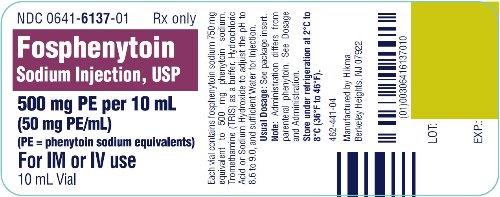
Fosphenytoin Sodium 50 mg/mL Injection — NDC 0641-6137-10 (Billing 00641-6137-10)
This is a package of Fosphenytoin Sodium 50 mg/mL Injection from Hikma Pharmaceuticals USA Inc., marketed since Aug 2007 and currently FDA-listed. It is this product's only package size.
NDC database record
One package, one record: these facts belong to NDC 0641-6137-10 alone.
- Record
- FDA NDC Directory package listing · Human prescription drug
- Code segments
- 0641 labeler · 6137 product · 10 package
- Package marketed since
- Aug 6, 2007
- Sample package
- No — commercial package
- Listing certified through
- Dec 31, 2026
- Barcode (UPC-A, from the NDC)
- 3 0641613710 2
- FDA record last changed
- Oct 8, 2026
Identity & classification
Regulatory identifiers FDA, NLM and CMS codes for this package
Drug-database identifiers Medi-Span GPI and First Databank GCN / HICL / AHFS classification
- GSN (GCN sequence number): 063664
- GCN: 99385
- GPI-14 (Medi-Span): 72200013102028
- HICL (First Databank): 011679
- AHFS class code: 28:12.12.00
- RxCUI (RxNorm): 1670195
Where does this data come from?
- FDA openFDA NDC Directory · synced Oct 8, 2026
- FDA label on DailyMed · label index refreshed Oct 6, 2026
- RxNorm (NLM RxNav) · catalog refreshed Oct 1, 2026
- Medi-Span GPI (licensed)
- First Databank (licensed) · refreshed Oct 8, 2026
RxNorm drug class
This medicine belongs to the Hydantoin derivatives class.
Where does this data come from?
- RxClass (NLM) · catalog refreshed Oct 1, 2026
Clinical
Fosphenytoin injection is used to treat primary generalized tonic-clonic seizures (formerly known as a grand mal seizure; seizure that involves the entire body) and to treat and prevent seizures that may begin during or after surgery to the brain or nervous system. Fosphenytoin injection may also be used to control certain type of seizures in people who cannot take oral phenytoin. Fosphenytoin is in a class of medications called anticonvulsants. It works by decreasing abnormal electrical activity in the brain.
Read the full MedlinePlus article ↗- Fosphenytoin Injection treats generalized tonic-clonic status epilepticus, a prolonged seizure emergency. It also prevents and treats seizures during neurosurgery. It can stand in...
- A healthcare professional gives it, usually through an IV after diluting it. Sometimes it is given into a muscle. The team watches your heart, blood pressure and breathing during a...
- Itching, dizziness, sleepiness, unsteadiness and eye movements called nystagmus are common. Itching or tingling, often in the groin, can happen during the infusion and usually fade...
- Tell your care team about a racing or very slow heartbeat, lightheadedness, fainting, or chest discomfort. Report any rash, facial swelling, trouble breathing, fever with swollen g...
Patient education
Supplement & herbal interactions
Some supplements/herbs that may interact with Fosphenytoin Sodium — tap one for details:
Fosphenytoin Sodium may be associated with lower levels of 1 nutrient — worth a chat with your pharmacist, not a cause for alarm.
Where does this data come from?
- MedlinePlus (NLM) · refreshed Oct 1, 2026
- FDA label on DailyMed · label index refreshed Oct 6, 2026
Ask a licensed pharmacist directly — free, answered by our team.
Pricing
A drug doesn't have one price. Each row is a different public payment system, and none is what you'd pay at the counter — that depends on your insurance. The ⓘ on each row explains what it measures.
| Price system | Per each | Per package |
|---|---|---|
| Retail pharmacies payNADAC · weekly | Not in the retail survey — common for institutional, discontinued, or low-volume packs. | |
| Medicaid paysCMS SDUD · 12 mo | No recent Medicaid claims on file for this NDC — rare and low-volume NDCs are suppressed in the public data. | |
| Medicare drug plans payPart D · quarterly | No Part D plan price is available for this NDC in our data. | |
Where does this data come from?
- CMS NADAC weekly file
- CMS ASP pricing files · refreshed Sep 20, 2026
- CMS Medicaid State Drug Utilization Data · refreshed Oct 8, 2026
- CMS Part D plan pricing files · refreshed Sep 24, 2026
- VA National Acquisition Center price file
Packaging — all sizes for this product
| Package NDC | Description | Marketing start | Marketing end | Status |
|---|---|---|---|---|
| 00641-6137-10 You're viewing this Main listing | 10 VIAL in 1 CARTON / 10 mL in 1 VIAL | 2007-08-06 | — | Active |
Therapeutic equivalents
| Product | Labeler | Pack | NADAC/unit | TE | Status | Price vs. this |
|---|---|---|---|---|---|---|
| Cerebyx 50 mg/mL 00069-5474-02 | Pfizer | 10 vials | — | AP | FDA listed | — |
| Cerebyx 50 mg/mL 00069-6001-21 | Pfizer | 10 vials | — | AP | FDA listed | — |
| Fosphenytoin Sodium 50 mg/mL 00143-9782-10 | West-Ward | 10 vials | — | AP | FDA listed | — |
| Fosphenytoin Sodium 50 mg/mLthis 00641-6137-10 | Hikma | 10 vials | — | AP | FDA listed | — |
| Fosphenytoin Sodium 50 mg/mL 25021-0798-02 | Sagent | 25 vials | — | AP | FDA listed | — |
| Fosphenytoin 50 mg/mL 63323-0403-02 | Fresenius | 25 vials | — | AP | FDA listed | — |
| Fosphenytoin Sodium 50 mg/mL 65162-0999-10 | Amneal | 10 vials | — | — | FDA listed | — |
| Fosphenytoin sodium 50 mg/mL 68083-0461-10 | Gland | 10 vials | — | AP | FDA listed | — |
| Fosphenytoin sodium 50 mg/mL 68462-0622-10 | GLENMARK | 10 vials | — | AP | FDA listed | — |
| Fosphenytoin sodium 50 mg/mL 68462-0945-64 | GLENMARK | 10 vials | — | AP | FDA listed | — |
| Fosphenytoin Sodium 50 mg/mL 00143-9788-25 | West-Ward | 25 vials | — | AP | FDA listed | — |
| Fosphenytoin sodium 50 mg/mL 68083-0460-25 | Gland | 25 vials | — | AP | FDA listed | — |
| Fosphenytoin Sodium 50 mg/mL 00641-6136-25 | Hikma | 25 vials | — | AP | FDA listed | — |
| Cerebyx 50 mg/mL 00069-5471-02 | Pfizer | 25 vials | — | AP | FDA listed | — |
| Fosphenytoin sodium 50 mg/mL 68462-0621-02 | GLENMARK | 25 vials | — | AP | FDA listed | — |
| Fosphenytoin Sodium 50 mg/mL 65162-0998-25 | Amneal | 25 vials | — | — | FDA listed | — |
Where does this data come from?
- FDA openFDA NDC Directory · synced Oct 8, 2026
- FDA Orange Book · refreshed Oct 3, 2026
- CMS NADAC weekly file
Availability & generic status
This product is an FDA-approved generic. Other versions of the same drug are listed under Therapeutic equivalents, least expensive first.
Where does this data come from?
- FDA Orange Book · refreshed Oct 3, 2026
Inactive Ingredients / Excipients
Inactive ingredients, also called excipients, are components of the drug product other than the active ingredient. They may include fillers, dyes, coatings, preservatives, flavors, or other formulation ingredients.
🧪 Avoiding an ingredient? See Fosphenytoin Injection inactive ingredients by manufacturer: every current product's list side by side, so you can ask your pharmacy for the version that does not list it.
💡 Tap an ingredient (hover on desktop) to see what it is and why it’s used.
-
UNII QTT17582CB
A strong acid used to adjust and maintain the proper pH level in liquid medicines, ensuring stability and preventing breakdown of active ingredients.
-
UNII 55X04QC32I
A strong alkaline chemical used to adjust and maintain the pH balance of liquid medicines. It helps keep the medicine stable and ensures it stays effective during storage.
-
UNII 023C2WHX2V
Tromethamine is a chemical buffer that helps maintain the proper acidity level in liquid medicines. It neutralizes acids and stabilizes the solution so the medication remains effective and safe throughout its shelf life.
-
UNII 059QF0KO0R
Water is a liquid solvent that dissolves and mixes ingredients together in liquid medicines, syrups, and injections. It helps distribute the active drug evenly throughout the product.
4 inactive ingredients listed in the exact product block matched to this NDC.
Where does this data come from?
ingredient classCode="IACT" elements from the exact product block matched by this NDC. Label-section narrative from DailyMed / the openFDA label index is shown separately when available.- FDA label on DailyMed · label index refreshed Oct 6, 2026
- FDA openFDA NDC Directory · synced Oct 8, 2026
Inactive ingredient FAQ
Are inactive ingredients the same for every manufacturer?
Why might an inactive ingredient be missing?
Can inactive ingredients matter?
Manufacturer & labeler
More NDCs from Hikma Pharmaceuticals USA Inc. labeler code 00641
- Morphine Sulfate 4 mg/mL Injection NDC 0641-6125-25
- Morphine Sulfate 8 mg/mL Injection NDC 0641-6126-25
- Morphine Sulfate 10 mg/mL Injection NDC 0641-6127-25
- Naloxone Hydrochloride Nalxone .4 mg/mL Injection NDC 0641-6132-25
- Prochlorperazine Edisylate 5 mg/mL Injection NDC 0641-6135-25
- Fosphenytoin Sodium 50 mg/mL Injection NDC 0641-6136-25
- Phenytoin Sodium 50 mg/mL Injection NDC 0641-6138-25
- Phenytoin Sodium 50 mg/mL Injection NDC 0641-6139-10
- Phenylephrine Hydrochloride 10 mg/mL Injection NDC 0641-6142-25
- Sodium Chloride 9 mg/mL Injection NDC 0641-6144-25
- Dexamethasone Sodium Phosphate 4 mg/mL Injection NDC 0641-6145-25
- Dexamethasone Sodium Phosphate 4 mg/mL Injection NDC 0641-6146-10
Where does this data come from?
- FDA openFDA NDC Directory · synced Oct 8, 2026
- Drugs@FDA
Full prescribing information FDA SPL
🚨 Boxed Warning ▾
WARNING: CARDIOVASCULAR RISK ASSOCIATED WITH RAPID INFUSION RATES The rate of intravenous fosphenytoin sodium injection administration should not exceed 150 mg phenytoin sodium equivalents (PE) per minute in adults and 2 mg PE/kg/min (or 150 mg PE/min, whichever is slower) in pediatric patients because of the risk of severe hypotension and cardiac arrhythmias. Careful cardiac monitoring is needed during and after administering intravenous fosphenytoin sodium injection. Although the risk of cardiovascular toxicity increases with infusion rates above the recommended infusion rate, these events have also been reported at or below the recommended infusion rate.
Reduction in rate of administration or discontinuation of dosing may be needed [see Dosage and Administration (2.3 , 2.4) and Warnings and Precautions (5.2) ]. WARNING: CARDIOVASCULAR RISK ASSOCIATED WITH RAPID INFUSION RATES See full prescribing information for complete boxed warning. The rate of intravenous f osphenytoin sodium injection administration should not exceed 150 mg phenytoin sodium equivalents (PE) per minute in adults and 2 mg PE/kg/min (or 150 mg PE/min, whichever is slower) in pediatric patients because of the risk of severe hypotension and cardiac arrhythmias.
Careful cardiac monitoring is needed during and after administering intravenous f osphenytoin sodium injection . Reduction in rate of administration or discontinuation of dosing may be needed ( 2.3 , 2.4 , 5.2 ).
🎯 Indications and Usage ▾
1 INDICATIONS AND USAGE Fosphenytoin sodium injection is indicated for the treatment of generalized tonic-clonic status epilepticus and prevention and treatment of seizures occurring during neurosurgery. Fosphenytoin sodium injection can also be substituted, short-term, for oral phenytoin. Fosphenytoin sodium injection should be used only when oral phenytoin administration is not possible [see Dosage and Administration (2.4) and Warnings and Precautions (5.2) ].
Fosphenytoin sodium injection is indicated for the treatment of generalized tonic-clonic status epilepticus and prevention and treatment of seizures occurring during neurosurgery. Fosphenytoin sodium injection can also be substituted, as short-term use, for oral phenytoin. Fosphenytoin sodium injection should be used only when oral phenytoin administration is not possible.
( 1 )
⏱️ Dosage and Administration ▾
2 DOSAGE AND ADMINISTRATION The dose, concentration, and infusion rate of fosphenytoin sodium injection should always be expressed as phenytoin sodium equivalents (PE) ( 2.1 ) For Status Epilepticus: Adult loading dose is 15 to 20 mg PE/kg at a rate of 100 to 150 mg PE/min ( 2.3 ) Pediatric loading dose is 15 to 20 mg PE/kg at a rate of 2 mg PE/kg/min (or 150 mg PE/min, whichever is slower) ( 2.3 ) For Non-emergent Loading and Maintenance Dosing: Adult loading dose is 10 to 20 mg PE/kg given IV or IM; initial maintenance dose is 4 to 6 mg PE/kg/day in divided doses ( 2.4 ) Pediatric loading dose is 10 to 15 mg PE/kg at a rate of 1 to 2 mg PE/kg/min (or 150 mg PE/min, whichever is slower); initial maintenance dose is 2 to 4 mg PE/kg every 12 hours at a rate of 1 to 2 mg PE/kg/min (or 100 mg PE/min, whichever is slower) ( 2.4 ) Intramuscular Administration : Fosphenytoin sodium injection should ordinarily not be given intramuscularly ( 2.3 , 2.4 )
2.1Important Administration Instructions to Avoid Dosing Errors Use caution when administering fosphenytoin sodium injection because of the risk of dosing errors [see Warnings and Precautions (5.1) ]. Phenytoin Sodium Equivalents (PE) The dose, concentration, and infusion rate of fosphenytoin sodium injection should always be expressed as phenytoin sodium equivalents (PE). There is no need to perform molecular weight-based adjustments when converting between fosphenytoin and phenytoin sodium doses.
Fosphenytoin sodium injection should always be prescribed and dispensed in phenytoin sodium equivalent units (PE). The amount and concentration of fosphenytoin is always expressed in terms of mg of phenytoin sodium equivalents (mg PE). Concentration of 50 mg PE/mL Do not confuse the concentration of fosphenytoin sodium injection with the total amount of drug in the vial.
Errors, including fatal overdoses, have occurred when the concentration of the vial (50 mg PE/mL) was misinterpreted to mean that the total content of the vial was 50 mg PE. These errors have resulted in two- or ten-fold overdoses of fosphenytoin sodium injection since each of the vials actually contains a total of 100 mg PE (2 mL vial) or 500 mg PE (10 mL vial). Ensure the appropriate volume of fosphenytoin sodium injection is withdrawn from the vial when preparing the dose for administration.
Attention to these details may prevent some fosphenytoin sodium injection medication errors from occurring.
2.2Preparation Prior to intravenous (IV) infusion, dilute fosphenytoin sodium injection in 5% Dextrose Injection or 0.9% Sodium Chloride Injection to a concentration ranging from 1.5 to 25 mg PE/mL. The maximum concentration of fosphenytoin sodium injection in any solution should be 25 mg PE/mL. When fosphenytoin sodium injection is given as an IV infusion, fosphenytoin sodium injection needs to be diluted and should only be administered at a rate not exceeding 150 mg PE/min.
Parenteral drug products should be inspected visually for particulate matter and discoloration prior to administration, whenever solution and container permit. For single-dose only. After opening, any unused product should be discarded.
2.3Status Epilepticus Because of the risk of hypotension and cardiac arrhythmias, the rate of administration for IV fosphenytoin sodium injection should be no greater than 150 mg PE/min in adults and 2 mg PE/kg/min (or 150 mg PE/min, whichever is slower) in pediatric patients [see Warnings and Precautions (5.2) ] . Continuous monitoring of the electrocardiogram, blood pressure, and respiratory function is essential, and the patient should be observed throughout the period where maximal serum phenytoin concentrations occur, approximately 10 to 20 minutes after the end of fosphenytoin sodium injection infusions.
Because the full antiepileptic effect of phenytoin, whether given as fosphenytoin sodium injection or parenteral phenytoin, is not immediate, other measures, including concomitant administration of an IV benzodiazep… [Excerpted — this section continues on DailyMed.]
💊 Dosage Forms and Strengths ▾
3 DOSAGE FORMS AND STRENGTHS Fosphenytoin sodium injection is a clear, colorless to pale yellow solution available as 50 mg phenytoin sodium equivalents (PE) per mL in: 10 mL single-dose injection vials, each containing 500 mg PE/10 mL (50 mg PE/mL) 2 mL single-dose injection vials, each containing 100 mg PE/2 mL (50 mg PE/mL) Injection: 50 mg phenytoin sodium equivalents (PE)/mL available as: 10 mL single-dose injection vials, each containing 500 mg PE/10 mL (50 mg PE/mL) ( 3 ) 2 mL single-dose injection vials, each containing 100 mg PE/2 mL (50 mg PE/mL) ( 3 )
⛔ Contraindications ▾
4 CONTRAINDICATIONS Fosphenytoin sodium injection is contraindicated in patients with: A history of hypersensitivity to fosphenytoin sodium injection or its inactive ingredients, or to phenytoin or other hydantoins [see Warnings and Precautions (5.6) ] . Reactions have included angioedema. Sinus bradycardia, sino-atrial block, second and third degree A-V block, or Adams-Stokes syndrome because of the effect of parenteral phenytoin or fosphenytoin sodium injection on ventricular automaticity.
A history of prior acute hepatotoxicity attributable to fosphenytoin sodium injection or phenytoin [see Warnings and Precautions (5.8) ] . Coadministration with delavirdine because of the potential for loss of virologic response and possible resistance to delavirdine or to the class of non-nucleoside reverse transcriptase inhibitors. Hypersensitivity to fosphenytoin sodium injection, its ingredients, phenytoin, hydantoins ( 4 ) Sinus bradycardia, sino-atrial block, second and third degree A-V block, and Adams-Stokes syndrome ( 4 ) A history of prior acute hepatotoxicity attributable to fosphenytoin sodium injection or phenytoin ( 4 , 5.8 ) Coadministration with delavirdine ( 4 )
⚠️ Warnings and Cautions ▾
5 WARNINGS AND PRECAUTIONS Dosing Errors : Do not confuse the amount of drug to be given in PE with the concentration of the drug in the vial. Ensure the appropriate volume is withdrawn from the vial when preparing for administration. ( 5.1 ) Withdrawal Precipitated Seizure : May precipitate status epilepticus.
Dose reductions or discontinuation should be done gradually. ( 5.3 ) Serious Dermatologic Reactions : Discontinue at the first sign of a rash, unless clearly not drug-related. If signs or symptoms suggest SJS/TEN, fosphenytoin sodium injection should not be resumed; consider alternative therapy.
( 5.4 ) Drug Reaction with Eosinophilia and Systemic Symptoms (DRESS)/Multiorgan hypersensitivity : If signs or symptoms of hypersensitivity are present, evaluate the patient immediately. Discontinue if an alternative etiology cannot be established. ( 5.5 ) Angioedema: Discontinue immediately if symptoms of angioedema such as facial, perioral, or upper airway swelling occur.
( 5.7 ) Hematopoietic Complications : If occurs, follow-up observation is indicated and an alternative antiepileptic treatment should be used. ( 5.9 )
5.1Dosing Errors Phenytoin Sodium Equivalents (PE) Do not confuse the amount of drug to be given in PE with the concentration of the drug in the vial. Doses of fosphenytoin sodium injection are always expressed in terms of milligrams of phenytoin sodium equivalents (mg PE). 1 mg PE is equivalent to 1 mg phenytoin sodium.
Do not, therefore, make any adjustment in the recommended doses when substituting fosphenytoin sodium injection for phenytoin sodium or vice versa. For example, if a patient is receiving 1000 mg PE of fosphenytoin sodium injection, that is equivalent to 1000 mg of phenytoin sodium. Concentration of 50 mg PE/mL Medication errors associated with fosphenytoin sodium injection have resulted in patients receiving the wrong dose of fosphenytoin.
Fosphenytoin sodium injection is marketed in 2 mL vials containing a total of 100 mg PE and 10 mL vials containing a total of 500 mg PE. The concentration of each vial is 50 mg PE/mL. Errors have occurred when the concentration of the vial (50 mg PE/mL) was misinterpreted to mean that the total content of the vial was 50 mg PE.
These errors have resulted in two- or ten-fold overdoses of fosphenytoin sodium injection since each vial actually contains a total of 100 mg PE or 500 mg PE. In some cases, ten-fold overdoses were associated with fatal outcomes. To help minimize confusion, the prescribed dose of fosphenytoin sodium injection should always be expressed in milligrams of phenytoin equivalents (mg PE) [see Dosage and Administration (2.1) ] .
Additionally, when ordering and storing fosphenytoin sodium injection, consider displaying the total drug content (i.e., 100 mg PE/2 mL or 500 mg PE/10 mL) instead of concentration in computer systems, pre-printed orders, and automated dispensing cabinet databases to help ensure that total drug content can be clearly identified. Care should be taken to ensure the appropriate volume of fosphenytoin sodium injection is withdrawn from the vial when preparing the drug for administration. Attention to these details may prevent some fosphenytoin sodium injection medication errors from occurring.
5.2Cardiovascular Risk Associated with Rapid Infusion Rapid intravenous administration of fosphenytoin sodium injection increases the risk of adverse cardiovascular reactions, including severe hypotension and cardiac arrhythmias. Cardiac arrhythmias have included bradycardia, heart block, QT interval prolongation, ventricular tachycardia, and ventricular fibrillation which have resulted in asystole, cardiac arrest, and death. Severe complications are most commonly encountered in critically ill patients, elderly patients, and patients with hypotension and severe myocardial insufficiency.
However, cardiac events have also been reported in adults and children without underlying cardiac disease or comorbidities and at recommended dos… [Excerpted — this section continues on DailyMed.]
🤒 Adverse Reactions ▾
6 ADVERSE REACTIONS The following serious adverse reactions are described elsewhere in the labeling: Cardiovascular Risk Associated with Rapid Infusion [see Warnings and Precautions (5.2) ] Withdrawal Precipitated Seizure, Status Epilepticus [see Warnings and Precautions (5.3) ] Serious Dermatologic Reactions [see Warnings and Precautions (5.4) ] Drug Reaction with Eosinophilia and Systemic Symptoms (DRESS)/Multiorgan Hypersensitivity [see Warnings and Precautions (5.5) ] Hypersensitivity [see Warnings and Precautions (5.6) ] Angioedema [see Warnings and Precautions (5.7) ] Hepatic Injury [see Warnings and Precautions (5.8) ] Hematopoietic Complications [see Warnings and Precautions (5.9) ] Sensory Disturbances [see Warnings and Precautions (5.10) ] Local Toxicity (Including Purple Glove Syndrome) [see Warnings and Precautions (5.11) ] Exacerbation of Porphyria [see Warnings and Precautions (5.14) ] Teratogenicity and Other Harm to the Newborn [see Warnings and Precautions (5.15) ] Hyperglycemia [see Warnings and Precautions (5.16) ] Most common adverse reactions (incidence ≥10%) are: Adults : pruritus, nystagmus, dizziness, somnolence, and ataxia Pediatrics : vomiting, nystagmus, and ataxia ( 6.1 ) To report SUSPECTED ADVERSE REACTIONS, contact Hikma Pharmaceuticals USA Inc. at 1-877-845-0689 or FDA at 1-800-FDA-1088 or www.fda.gov/medwatch .
6.1Clinical Trials Experience Because clinical trials are conducted under widely varying conditions, adverse reaction rates observed in the clinical trials of a drug cannot be directly compared to rates in the clinical trials of another drug and may not reflect the rates observed in practice. The more important adverse clinical reactions caused by the IV use of fosphenytoin sodium injection or phenytoin are cardiovascular collapse and/or CNS depression. Hypotension can occur when either drug is administered rapidly by the IV route.
The rate of administration is very important; for fosphenytoin sodium injection, it should not exceed 150 mg PE/min [see Warnings and Precautions (5.2) ] . The adverse reactions most commonly observed with the use of fosphenytoin sodium injection in clinical trials were nystagmus, dizziness, pruritus, somnolence, and ataxia. With one exception, these reactions are commonly associated with the administration of IV phenytoin.
Pruritus, however, was seen much more often following fosphenytoin sodium injection administration and occurred more often with IV fosphenytoin sodium injection administration than with IM fosphenytoin sodium injection administration. These reactions were dose and rate related; most alert patients (41 of 64; 64%) administered doses of ≥15 mg PE/kg at 150 mg PE/min experienced discomfort of some degree. These sensations, generally described as itching, burning, or tingling, were usually not at the infusion site.
The location of the discomfort varied with the groin mentioned most frequently as a site of involvement. The paresthesia and pruritus were transient events that occurred within several minutes of the start of infusion and generally resolved within 10 minutes after completion of fosphenytoin sodium injection infusion. Some patients experienced symptoms for hours.
These reactions did not increase in severity with repeated administration. Concurrent adverse events or clinical laboratory change suggesting an allergic process were not seen [see Warnings and Precautions (5.10) ] . Approximately 2% of the 859 patients who received fosphenytoin sodium injection in premarketing clinical trials discontinued treatment because of an adverse event.
The adverse events most commonly associated with withdrawal were pruritus (0.5%), hypotension (0.3%), and bradycardia (0.2%). Dose and Rate Dependency of Adverse Reactions Following IV Fosphenytoin Sodium Injection : The incidence of adverse reactions tended to increase as both dose and infusion rate increased. In particular, at doses of ≥15mg PE/kg and rates ≥150 mg PE/min, transient pruritus, tinnit… [Excerpted — this section continues on DailyMed.]
🔄 Drug Interactions ▾
7 DRUG INTERACTIONS Fosphenytoin is extensively bound to human plasma proteins. Drugs highly bound to albumin could increase the unbound fraction of fosphenytoin. Although, it is unknown whether this could result in clinically significant effects, caution is advised when administering fosphenytoin sodium injection with other drugs that significantly bind to serum albumin.
The most significant drug interactions following administration of fosphenytoin sodium injection are expected to occur with drugs that interact with phenytoin. Phenytoin is extensively bound to serum plasma proteins and is prone to competitive displacement. Phenytoin is primarily metabolized by the hepatic cytochrome P450 enzyme CYP2C9 and to a lesser extent by CYP2C19 and is particularly susceptible to inhibitory drug interactions because it is subject to saturable metabolism.
Inhibition of metabolism may produce significant increases in circulating phenytoin concentrations and enhance the risk of drug toxicity. Monitoring of phenytoin serum levels is recommended when a drug interaction is suspected. Phenytoin or fosphenytoin sodium injection is a potent inducer of hepatic drug-metabolizing enzymes.
Multiple drug interactions because of extensive plasma protein binding, saturable metabolism, and potent induction of hepatic enzymes ( 7.1 , 7.2 )
7.1Drugs that Affect Phenytoin or Fosphenytoin Sodium Injection Table 6 includes commonly occurring drug interactions that affect phenytoin (the active metabolite of fosphenytoin sodium injection) concentrations. However, this list is not intended to be inclusive or comprehensive. Individual prescribing information from relevant drugs should be consulted.
The addition or withdrawal of these agents in patients on phenytoin therapy may require an adjustment of the phenytoin dose to achieve optimal clinical outcome. Table 6. Drugs That Affect Phenytoin Concentrations Interacting Agent Examples Drugs that may increase phenytoin serum levels Antiepileptic drugs Ethosuximide, felbamate, oxcarbazepine, methsuximide, topiramate Azoles Fluconazole, ketoconazole, itraconazole, miconazole, voriconazole Antineoplastic agents Capecitabine, fluorouracil Antidepressants Fluoxetine, fluvoxamine, sertraline Gastric acid reducing agents H 2 antagonists (cimetidine), omeprazole Sulfonamides Sulfamethizole, sulfaphenazole, sulfadiazine, sulfamethoxazole-trimethoprim Other Acute alcohol intake, amiodarone, chloramphenicol, chlordiazepoxide, disulfiram, estrogen, fluvastatin, isoniazid, methylphenidate, phenothiazines, salicylates, ticlopidine, tolbutamide, trazodone, warfarin Drugs that may decrease phenytoin serum levels Antineoplastic agents usually in combination Bleomycin, carboplatin, cisplatin, doxorubicin, methotrexate Antiviral agents Fosamprenavir, nelfinavir, ritonavir Antiepileptic drugs Carbamazepine, vigabatrin Other Chronic alcohol abuse, diazepam, diazoxide, folic acid, reserpine, rifampin, St.
John's wort, a theophylline Drugs that may either increase or decrease phenytoin serum levels Antiepileptic drugs Phenobarbital, valproate sodium, valproic acid a The induction potency of St. John's wort may vary widely based on preparation.
7.2Drugs Affected by Phenytoin or Fosphenytoin Sodium Injection Table 7 includes commonly occurring drug interactions affected by phenytoin (the active metabolite of fosphenytoin sodium injection). However, this list is not intended to be inclusive or comprehensive. Individual drug package inserts should be consulted.
The addition or withdrawal of phenytoin during concomitant therapy with these agents may require adjustment of the dose of these agents to achieve optimal clinical outcome. Table 7: Drugs Affected by Phenytoin Interacting Agent Examples Drugs whose efficacy is impaired by phenytoin Azoles Fluconazole, ketoconazole, itraconazole, posaconazole, voriconazole Antineoplastic agents Irinotecan, paclitaxel, teniposide Delavirdine Phenytoin can substantially reduce the concentrations of d… [Excerpted — this section continues on DailyMed.]
👥 Use in Specific Populations ▾
8 USE IN SPECIFIC POPULATIONS Pregnancy: Phenytoin (the active metabolite of fosphenytoin sodium injection) prenatal exposure may increase risks for congenital malformations and other adverse developmental outcomes ( 5.15 , 8.1 ) Renal and/or Hepatic Impairment or Hypoalbuminemia: Monitor unbound phenytoin concentrations in these patients ( 8.6 )
8.1Pregnancy Pregnancy Exposure Registry There is a pregnancy exposure registry that monitors pregnancy outcomes in women exposed to antiepileptic drugs (AEDs), such as fosphenytoin sodium injection, during pregnancy. Physicians are advised to recommend that pregnant patients taking fosphenytoin sodium injection enroll in the North American Antiepileptic Drug (NAAED) Pregnancy Registry. This can be done by calling the toll free number 1-888-233-2334, and must be done by patients themselves.
Information on the registry can also be found at the website http://www.aedpregnancyregistry.org/. Risk Summary In humans, prenatal exposure to phenytoin (the active metabolite of fosphenytoin sodium injection) may increase the risks for congenital malformations and other adverse developmental outcomes. Prenatal phenytoin exposure is associated with an increased incidence of major malformations, including orofacial clefts and cardiac defects.
In addition, the fetal hydantoin syndrome, a pattern of abnormalities including dysmorphic skull and facial features, nail and digit hypoplasia, growth abnormalities (including microcephaly), and cognitive deficits has been reported among children born to epileptic women who took phenytoin alone or in combination with other antiepileptic drugs during pregnancy [see Data ] . There have been several reported cases of malignancies, including neuroblastoma, in children whose mothers received phenytoin during pregnancy. Administration of phenytoin to pregnant animals resulted in an increased incidence of fetal malformations and other manifestations of developmental toxicity (including embryofetal death, growth impairment, and behavioral abnormalities) in multiple species at clinically relevant doses [see Data ].
In the U.S. general population, the estimated background risk of major birth defects and of miscarriage in clinically recognized pregnancies is 2 to 4% and 15 to 20%, respectively. The background risk of major birth defects and miscarriage for the indicated population is unknown. Clinical Considerations Disease-associated maternal risk An increase in seizure frequency may occur during pregnancy because of altered phenytoin pharmacokinetics.
Periodic measurement of serum phenytoin concentrations may be valuable in the management of pregnant women as a guide to appropriate adjustment of dosage [see Dosage and Administration (2.5 , 2.9) ] . However, postpartum restoration of the original dosage will probably be indicated. Fetal/Neonatal adverse reactions A potentially life-threatening bleeding disorder related to decreased levels of vitamin K-dependent clotting factors may occur in newborns exposed to phenytoin in utero .
This drug-induced condition can be prevented with vitamin K administration to the mother before delivery and to the neonate after birth. Data Human Data Meta-analyses using data from published observational studies and registries have estimated an approximately 2.4-fold increased risk for any major malformation in children with prenatal phenytoin exposure compared to controls. An increased risk of heart defects, facial clefts, and digital hypoplasia has been reported.
The fetal hydantoin syndrome is a pattern of congenital anomalies including craniofacial anomalies, nail and digital hypoplasia, prenatal-onset growth deficiency, and neurodevelopmental deficiencies. Animal Data Administration of phenytoin to pregnant rats, rabbits, and mice during organogenesis resulted in embryofetal death, fetal malformations, and decreased fetal growth. Malformations (including craniofacial, cardiovascular, neural, limb, and digit abnormalities) were observ… [Excerpted — this section continues on DailyMed.]
🤰 Pregnancy ▾
8.1Pregnancy Pregnancy Exposure Registry There is a pregnancy exposure registry that monitors pregnancy outcomes in women exposed to antiepileptic drugs (AEDs), such as fosphenytoin sodium injection, during pregnancy. Physicians are advised to recommend that pregnant patients taking fosphenytoin sodium injection enroll in the North American Antiepileptic Drug (NAAED) Pregnancy Registry. This can be done by calling the toll free number 1-888-233-2334, and must be done by patients themselves.
Information on the registry can also be found at the website http://www.aedpregnancyregistry.org/. Risk Summary In humans, prenatal exposure to phenytoin (the active metabolite of fosphenytoin sodium injection) may increase the risks for congenital malformations and other adverse developmental outcomes. Prenatal phenytoin exposure is associated with an increased incidence of major malformations, including orofacial clefts and cardiac defects.
In addition, the fetal hydantoin syndrome, a pattern of abnormalities including dysmorphic skull and facial features, nail and digit hypoplasia, growth abnormalities (including microcephaly), and cognitive deficits has been reported among children born to epileptic women who took phenytoin alone or in combination with other antiepileptic drugs during pregnancy [see Data ] . There have been several reported cases of malignancies, including neuroblastoma, in children whose mothers received phenytoin during pregnancy. Administration of phenytoin to pregnant animals resulted in an increased incidence of fetal malformations and other manifestations of developmental toxicity (including embryofetal death, growth impairment, and behavioral abnormalities) in multiple species at clinically relevant doses [see Data ].
In the U.S. general population, the estimated background risk of major birth defects and of miscarriage in clinically recognized pregnancies is 2 to 4% and 15 to 20%, respectively. The background risk of major birth defects and miscarriage for the indicated population is unknown. Clinical Considerations Disease-associated maternal risk An increase in seizure frequency may occur during pregnancy because of altered phenytoin pharmacokinetics.
Periodic measurement of serum phenytoin concentrations may be valuable in the management of pregnant women as a guide to appropriate adjustment of dosage [see Dosage and Administration (2.5 , 2.9) ] . However, postpartum restoration of the original dosage will probably be indicated. Fetal/Neonatal adverse reactions A potentially life-threatening bleeding disorder related to decreased levels of vitamin K-dependent clotting factors may occur in newborns exposed to phenytoin in utero .
This drug-induced condition can be prevented with vitamin K administration to the mother before delivery and to the neonate after birth. Data Human Data Meta-analyses using data from published observational studies and registries have estimated an approximately 2.4-fold increased risk for any major malformation in children with prenatal phenytoin exposure compared to controls. An increased risk of heart defects, facial clefts, and digital hypoplasia has been reported.
The fetal hydantoin syndrome is a pattern of congenital anomalies including craniofacial anomalies, nail and digital hypoplasia, prenatal-onset growth deficiency, and neurodevelopmental deficiencies. Animal Data Administration of phenytoin to pregnant rats, rabbits, and mice during organogenesis resulted in embryofetal death, fetal malformations, and decreased fetal growth. Malformations (including craniofacial, cardiovascular, neural, limb, and digit abnormalities) were observed in rats, rabbits, and mice at doses as low as 100, 75, and 12.5 mg/kg, respectively.
🧒 Pediatric Use ▾
8.4Pediatric Use Fosphenytoin sodium injection is indicated for the treatment of generalized tonic-clonic status epilepticus and prevention and treatment of seizures occurring during neurosurgery in all pediatric age groups [see Indications and Usage (1) and Dosage and Administration (2.3 , 2.4) ] . Because rapid intravenous administration of fosphenytoin sodium injection increases the risk of adverse cardiovascular reactions, the rate of administration should not exceed 2 mg PE/kg/min (or 150 mg PE/min, whichever is slower) in pediatric patients [see Dosage and Administration (2.3 , 2.4 ) and Warnings and Precautions (5.2) ] .
🧓 Geriatric Use ▾
8.5Geriatric Use No systematic studies in geriatric patients have been conducted. Phenytoin clearance tends to decrease with increasing age [see Clinical Pharmacology (12.3) ] . Lower or less frequent dosing may be required [see Clinical Pharmacology (12.3) and Dosage and Administration (2.8) ].
🆘 Overdosage ▾
10 OVERDOSAGE Nausea, vomiting, lethargy, tachycardia, bradycardia, asystole, cardiac arrest, hypotension, syncope, hypocalcemia, metabolic acidosis, and death have been reported in cases of overdosage with fosphenytoin sodium injection. Because fosphenytoin sodium injection is a prodrug of phenytoin, the following information about phenytoin overdosage may be helpful. Initial symptoms of acute phenytoin toxicity are nystagmus, ataxia, and dysarthria.
Other signs include tremor, hyperreflexia, lethargy, slurred speech, nausea, vomiting, coma, and hypotension. Death is caused by respiratory and circulatory depression. The lethal dose of phenytoin in adults is estimated to be 2 to 5 grams.
The lethal dose in pediatrics is not known. There are marked variations among individuals with respect to serum phenytoin concentrations where toxicity occurs. Lateral gaze nystagmus usually appears at 20 µg/mL, ataxia at 30 µg/mL, and dysarthria and lethargy appear when the serum concentration is over 40 µg/mL.
However, phenytoin concentrations as high as 50 µg/mL have been reported without evidence of toxicity. As much as 25 times the therapeutic phenytoin dose has been taken, resulting in serum phenytoin concentrations over 100 µg/mL, with complete recovery. Irreversible cerebellar dysfunction and atrophy have been reported after overdosage.
Formate and phosphate are metabolites of fosphenytoin sodium injection and therefore may contribute to signs of toxicity following overdosage. Signs of formate toxicity are similar to those of methanol toxicity and are associated with severe anion-gap metabolic acidosis. Large amounts of phosphate, delivered rapidly, could potentially cause hypocalcemia with paresthesia, muscle spasms, and seizures.
Ionized free calcium levels can be measured and, if low, used to guide treatment. Treatment: Treatment is nonspecific since there is no known antidote to fosphenytoin sodium injection or phenytoin overdosage. The adequacy of the respiratory and circulatory systems should be carefully observed, and appropriate supportive measures employed.
Hemodialysis can be considered since phenytoin (the active metabolite of fosphenytoin sodium injection) is not completely bound to plasma proteins. Total exchange transfusion has been used in the treatment of severe intoxication in children. In acute overdosage the possibility of other CNS depressants, including alcohol, should be borne in mind.
🧬 Clinical Pharmacology ▾
12 CLINICAL PHARMACOLOGY
12.1Mechanism of Action Fosphenytoin is a prodrug of phenytoin and accordingly, its anticonvulsant effects are attributable to phenytoin. The precise mechanism by which phenytoin exerts its therapeutic effect has not been established but is thought to involve the voltage-dependent blockade of membrane sodium channels resulting in a reduction in sustained high-frequency neuronal discharges.
12.3Pharmacokinetics Fosphenytoin Absorption Intravenous: When fosphenytoin sodium injection is administered by IV infusion, maximum plasma fosphenytoin concentrations are achieved at the end of the infusion. I ntramuscular : Fosphenytoin is completely bioavailable following IM administration of fosphenytoin sodium injection. Peak concentrations occur at approximately 30 minutes postdose.
Plasma fosphenytoin concentrations following IM administration are lower but more sustained than those following IV administration due to the time required for absorption of fosphenytoin from the injection site. Distribution Fosphenytoin is extensively bound (95% to 99%) to human plasma proteins, primarily albumin. Binding to plasma proteins is saturable with the result that the percent bound decreases as total fosphenytoin concentrations increase.
Fosphenytoin displaces phenytoin from protein binding sites. The volume of distribution of fosphenytoin increases with fosphenytoin sodium injection dose and rate, and ranges from 4.3 to 10.8 liters. Elimination The conversion half-life of fosphenytoin to phenytoin is approximately 15 minutes.
Metabolism Following parenteral administration of fosphenytoin sodium injection, fosphenytoin is converted to the anticonvulsant phenytoin. The mechanism of fosphenytoin conversion has not been determined, but phosphatases probably play a major role. Fosphenytoin is metabolized to phenytoin, phosphate, and formate.
For every mmol of fosphenytoin administered, one mmol of phenytoin is produced. The hydrolysis of fosphenytoin to phenytoin yields two metabolites, phosphate and formaldehyde. Formaldehyde is subsequently converted to formate, which is in turn metabolized via a folate dependent mechanism.
Although phosphate and formaldehyde (formate) have potentially important biological effects, these effects typically occur at concentrations considerably in excess of those obtained when fosphenytoin sodium injection is administered under conditions of use recommended in this labeling. Excretion Fosphenytoin is not excreted in urine. Phenytoin (after Fosphenytoin Sodium Injection administration) In general, IM administration of fosphenytoin sodium injection generates systemic phenytoin concentrations that are similar enough to oral phenytoin sodium to allow essentially interchangeable use.
The pharmacokinetics of fosphenytoin following IV administration of fosphenytoin sodium injection, however, are complex, and when used in an emergency setting (e.g., status epilepticus), differences in rate of availability of phenytoin could be critical. Studies have therefore empirically determined an infusion rate for fosphenytoin sodium injection that gives a rate and extent of phenytoin systemic availability similar to that of a 50 mg/min phenytoin sodium infusion. A dose of 15 to 20 mg PE/kg of fosphenytoin sodium injection infused at 100 to 150 mg PE/min yields plasma free phenytoin concentrations over time that approximate those achieved when an equivalent dose of phenytoin sodium (e.g., parenteral DILANTIN ® ) is administered at 50 mg/min [see Dosage and Administration (2.3) and Warnings and Precautions (5.2) ] .
FIGURE 1. Mean plasma unbound phenytoin concentrations following IV administration of 1200 mg PE fosphenytoin sodium injection infused at 100 mg PE/min (triangles) or 150 mg PE/min (squares) and 1200 mg Dilantin infused at 50 mg/min (diamonds) to healthy subjects (N = 12). Inset shows time course for the entire 96-hour sampling period.
Following administration of single IV fosphenytoin sodium injecti… [Excerpted — this section continues on DailyMed.]
🧬 Mechanism of Action ▾
12.1Mechanism of Action Fosphenytoin is a prodrug of phenytoin and accordingly, its anticonvulsant effects are attributable to phenytoin. The precise mechanism by which phenytoin exerts its therapeutic effect has not been established but is thought to involve the voltage-dependent blockade of membrane sodium channels resulting in a reduction in sustained high-frequency neuronal discharges.
📦 How Supplied / Storage and Handling ▾
16 HOW SUPPLIED/STORAGE AND HANDLING
16.1How Supplied Fosphenytoin Sodium Injection, USP is a clear, colorless to pale yellow solution supplied as follows: mg phenytoin sodium equivalents (PE) per vial Volume per vial (mL) Package Configuration NDC 500 mg PE/10 mL vial 10 mL per vial Package contains 10 vials NDC 0641-6137-10 100 mg PE/2 mL vial 2 mL per vial Package contains 25 vials NDC 0641-6136-25 Both sizes of vials contain Tromethamine, USP (TRIS), Hydrochloric Acid, NF, or Sodium Hydroxide, NF, and Water for Injection, USP. Fosphenytoin sodium injection should always be prescribed in phenytoin sodium equivalents (PE) [see Dosage and Administration (2.1 ) and Warnings and Precautions (5.1) ] .
1.5mg of fosphenytoin sodium is equivalent to 1 mg phenytoin sodium, and is referred to as 1 mg PE. The amount and concentration of fosphenytoin is always expressed in terms of mg of phenytoin sodium equivalents (PE). Fosphenytoin’s weight is expressed as phenytoin sodium equivalents to avoid the need to perform molecular weight-based adjustments when substituting fosphenytoin for phenytoin or vice versa.
16.2Storage and Handling Store under refrigeration at 2°C to 8°C (36°F to 46°F). The product should not be stored at room temperature for more than 48 hours. Vials that develop particulate matter should not be used. Vials are single-dose only. After opening, any unused product should be discarded. Not made with natural rubber latex. Brands listed are the trademarks of their respective owners.
📋 Description ▾
11 DESCRIPTION Fosphenytoin Sodium Injection, USP is a prodrug intended for parenteral administration; its active metabolite is phenytoin. 1.5 mg of fosphenytoin sodium is equivalent to 1 mg phenytoin sodium, and is referred to as 1 mg phenytoin sodium equivalents (PE). The amount and concentration of fosphenytoin is always expressed in terms of mg PE.
The pharmacological class of fosphenytoin sodium is hydantoin derivative, and the therapeutic class is anticonvulsant. Fosphenytoin sodium injection is marketed in 2 mL vials containing a total of 100 mg PE/2 mL (50 mg PE/mL) and 10 mL vials containing a total of 500 mg PE/10 mL (50 mg PE/mL), for intravenous or intramuscular administration. The concentration of each vial is 50 mg PE/mL.
Fosphenytoin sodium injection is supplied in vials as a ready-mixed solution in Water for Injection, USP, and Tromethamine, USP (TRIS), buffer adjusted to pH 8.6 to 9.0 with either Hydrochloric Acid, NF, or Sodium Hydroxide, NF. Fosphenytoin sodium injection is a clear, colorless to pale yellow, sterile solution. The chemical name of fosphenytoin is 5,5-diphenyl-3-[(phosphonooxy)methyl]-2,4- imidazolidinedione disodium salt.
The molecular structure of fosphenytoin is: The molecular weight of fosphenytoin is 406.24. structure
💬 Information for Patients ▾
17 PATIENT COUNSELING INFORMATION Cardiovascular Risk Associated with Rapid Infusion Inform patients that rapid intravenous administration of fosphenytoin sodium injection increases the risk of adverse cardiovascular reactions, including severe hypotension and cardiac arrhythmias. Cardiac arrhythmias have included bradycardia, heart block, ventricular tachycardia, and ventricular fibrillation which have resulted in asystole, cardiac arrest, and death. Patients should report cardiac signs or symptoms to their healthcare provider [see Warnings and Precautions (5.2) ] .
Withdrawal of Antiepileptic Drugs Advise patients not to discontinue use of fosphenytoin sodium injection without consulting with their healthcare provider. Fosphenytoin sodium injection should normally be gradually withdrawn to reduce the potential for increased seizure frequency and status epilepticus [see Warnings and Precautions (5.3) ] . Serious Dermatologic Reactions Advise patients of the early signs and symptoms of severe cutaneous adverse reactions and to report any occurrence immediately to a physician [see Warnings and Precautions (5.4) ] .
Potential Signs of Drug Reaction with Eosinophilia and Systemic Symptoms (DRESS) and Other Systemic Reactions Advise patients of the early toxic signs and symptoms of potential hematologic, dermatologic, hypersensitivity, or hepatic reactions. These symptoms may include, but are not limited to, fever, sore throat, rash, ulcers in the mouth, easy bruising, lymphadenopathy, facial swelling, and petechial or purpuric hemorrhage, and in the case of liver reactions, anorexia, nausea/vomiting, or jaundice. Advise the patient that, because these signs and symptoms may signal a serious reaction, that they must report any occurrence immediately to a physician.
In addition, advise the patient that these signs and symptoms should be reported even if mild or when occurring after extended use [see Warnings and Precautions (5.4 , 5.5 , 5.6 , 5.8 , 5.9 )] . Angioedema Advise patients to discontinue fosphenytoin sodium injection and seek immediate medical care if they develop signs or symptoms of angioedema such as facial, perioral, or upper airway swelling [see Warnings and Precautions (5.7) ] . Hyperglycemia Advise patients that fosphenytoin sodium injection may cause an increase in blood glucose levels [ see Warnings and Precautions (5.16) ] .
Effects of Alcohol Use and Other Drugs and Over-the-Counter Drug Interactions Caution patients against the use of other drugs or alcoholic beverages without first seeking their physician's advice [see Drug Interactions (7.1 , 7.2) ] . Inform patients that certain over-the-counter medications (e.g., cimetidine and omeprazole), vitamins (e.g., folic acid), and herbal supplements (e.g., St. John's wort) can alter their phenytoin levels.
Use in Pregnancy Inform pregnant women and women of childbearing potential that use of fosphenytoin sodium injection during pregnancy can cause fetal harm, including an increased risk for cleft lip and/or cleft palate (oral clefts), cardiac defects, dysmorphic skull and facial features, nail and digit hypoplasia, growth abnormalities (including microcephaly), and cognitive deficits. When appropriate, counsel pregnant women and women of childbearing potential about alternative therapeutic options. Advise women of childbearing potential who are not planning a pregnancy to use effective contraception while using fosphenytoin sodium injection, keeping in mind that there is a potential for decreased hormonal contraceptive efficacy [see Drug Interactions (7.2) ] .
Instruct patients to notify their physician if they become pregnant or intend to become pregnant during therapy, and to notify their physician if they are breastfeeding or intend to breastfeed during therapy [see Use in Specific Populations (8.1, 8.2) ] . Encourage patients to enroll in the North American Antiepileptic Drug (NAAED) Pregnancy Registry if they become pregnant. This registry is collecting info… [Excerpted — this section continues on DailyMed.]
🧬 Pharmacokinetics ▾
12.3Pharmacokinetics Fosphenytoin Absorption Intravenous: When fosphenytoin sodium injection is administered by IV infusion, maximum plasma fosphenytoin concentrations are achieved at the end of the infusion. I ntramuscular : Fosphenytoin is completely bioavailable following IM administration of fosphenytoin sodium injection. Peak concentrations occur at approximately 30 minutes postdose.
Plasma fosphenytoin concentrations following IM administration are lower but more sustained than those following IV administration due to the time required for absorption of fosphenytoin from the injection site. Distribution Fosphenytoin is extensively bound (95% to 99%) to human plasma proteins, primarily albumin. Binding to plasma proteins is saturable with the result that the percent bound decreases as total fosphenytoin concentrations increase.
Fosphenytoin displaces phenytoin from protein binding sites. The volume of distribution of fosphenytoin increases with fosphenytoin sodium injection dose and rate, and ranges from 4.3 to 10.8 liters. Elimination The conversion half-life of fosphenytoin to phenytoin is approximately 15 minutes.
Metabolism Following parenteral administration of fosphenytoin sodium injection, fosphenytoin is converted to the anticonvulsant phenytoin. The mechanism of fosphenytoin conversion has not been determined, but phosphatases probably play a major role. Fosphenytoin is metabolized to phenytoin, phosphate, and formate.
For every mmol of fosphenytoin administered, one mmol of phenytoin is produced. The hydrolysis of fosphenytoin to phenytoin yields two metabolites, phosphate and formaldehyde. Formaldehyde is subsequently converted to formate, which is in turn metabolized via a folate dependent mechanism.
Although phosphate and formaldehyde (formate) have potentially important biological effects, these effects typically occur at concentrations considerably in excess of those obtained when fosphenytoin sodium injection is administered under conditions of use recommended in this labeling. Excretion Fosphenytoin is not excreted in urine. Phenytoin (after Fosphenytoin Sodium Injection administration) In general, IM administration of fosphenytoin sodium injection generates systemic phenytoin concentrations that are similar enough to oral phenytoin sodium to allow essentially interchangeable use.
The pharmacokinetics of fosphenytoin following IV administration of fosphenytoin sodium injection, however, are complex, and when used in an emergency setting (e.g., status epilepticus), differences in rate of availability of phenytoin could be critical. Studies have therefore empirically determined an infusion rate for fosphenytoin sodium injection that gives a rate and extent of phenytoin systemic availability similar to that of a 50 mg/min phenytoin sodium infusion. A dose of 15 to 20 mg PE/kg of fosphenytoin sodium injection infused at 100 to 150 mg PE/min yields plasma free phenytoin concentrations over time that approximate those achieved when an equivalent dose of phenytoin sodium (e.g., parenteral DILANTIN ® ) is administered at 50 mg/min [see Dosage and Administration (2.3) and Warnings and Precautions (5.2) ] .
FIGURE 1. Mean plasma unbound phenytoin concentrations following IV administration of 1200 mg PE fosphenytoin sodium injection infused at 100 mg PE/min (triangles) or 150 mg PE/min (squares) and 1200 mg Dilantin infused at 50 mg/min (diamonds) to healthy subjects (N = 12). Inset shows time course for the entire 96-hour sampling period.
Following administration of single IV fosphenytoin sodium injection doses of 400 to 1200 mg PE, mean maximum total phenytoin concentrations increase in proportion to dose, but do not change appreciably with changes in infusion rate. In contrast, mean maximum unbound phenytoin concentrations increase with both dose and rate. Absorption: Fosphenytoin is completely converted to phenytoin following IV administration, with a half-life of approximately 15 minutes.
Fosphenytoin is also… [Excerpted — this section continues on DailyMed.]
🔬 Clinical Studies ▾
14 CLINICAL STUDIES Infusion tolerance was evaluated in clinical studies. One double-blind study assessed infusion-site tolerance of equivalent loading doses (15 to 20 mg PE/kg) of fosphenytoin sodium injection infused at 150 mg PE/min or phenytoin infused at 50 mg/min. The study demonstrated better local tolerance (pain and burning at the infusion site), fewer disruptions of the infusion, and a shorter infusion period for fosphenytoin sodium injection-treated patients (Table 8).
TABLE 8. Infusion Tolerance of Equivalent Loading Doses of IV Fosphenytoin Sodium Injection and IV Phenytoin IV Fosphenytoin Sodium Injection N=90 IV Phenytoin N=22 Local Intolerance Infusion Disrupted Average Infusion Time 9% a 21% 13 min 90% 67% 44 min a Percent of patients Fosphenytoin sodium injection-treated patients, however, experienced more systemic sensory disturbances [see Warnings and Precautions (5.10) ] . Infusion disruptions in fosphenytoin sodium injection-treated patients were primarily due to systemic burning, pruritus, and/or paresthesia while those in phenytoin-treated patients were primarily due to pain and burning at the infusion site (see Table 8).
In a double-blind study investigating temporary substitution of fosphenytoin sodium injection for oral phenytoin, IM fosphenytoin sodium injection was as well-tolerated as IM placebo. IM fosphenytoin sodium injection resulted in a slight increase in transient, mild to moderate local itching (23% of fosphenytoin sodium injection-treated patients vs. 11% of IM placebo-treated patients at any time during the study).
This study also demonstrated that equimolar doses of IM fosphenytoin sodium injection may be substituted for oral phenytoin sodium with no dosage adjustments needed when initiating IM or returning to oral therapy. In contrast, switching between IM and oral phenytoin requires dosage adjustments because of slow and erratic phenytoin absorption from muscle.
🧪 Nonclinical Toxicology ▾
13 NONCLINICAL TOXICOLOGY
13.1Carcinogenesis, Mutagenesis, Impairment of Fertility Carcinogenesis [ see Warnings and Precautions (5.9) ] The carcinogenic potential of fosphenytoin has not been assessed. In carcinogenicity studies, phenytoin (active metabolite of fosphenytoin) was administered in the diet to mice (10, 25, or 45 mg/kg/day) and rats (25, 50, or 100 mg/kg/day) for 2 years. The incidences of hepatocellular tumors were increased in male and female mice at the highest dose.
No increases in tumor incidence were observed in rats. The highest doses tested in these studies were associated with peak plasma phenytoin levels below human therapeutic concentrations. In carcinogenicity studies reported in the literature, phenytoin was administered in the diet for 2 years at doses up to 600 ppm (approximately 160 mg/kg/day) to mice and up to 2400 ppm (approximately 120 mg/kg/day) to rats.
The incidences of hepatocellular tumors were increased in female mice at all but the lowest dose tested. No increases in tumor incidence were observed in rats. Mutagenesis An increase in structural chromosome aberrations were observed in cultured V79 Chinese hamster lung cells exposed to fosphenytoin in the presence of metabolic activation.
No evidence of mutagenicity was observed in bacteria (Ames test) or Chinese hamster lung cells in vitro , and no evidence for clastogenic activity was observed in an in vivo mouse bone marrow micronucleus assay. Impairment of Fertility Fosphenytoin was administered to male and female rats during mating and continuing in females throughout gestation and lactation at doses of 50 mg PE/kg or higher. No effects on fertility were observed in males.
In females, altered estrous cycles, delayed mating, prolonged gestation length, and developmental toxicity were observed at all doses, which were associated with maternal toxicity. The lowest dose tested is approximately 40% of the maximum human loading dose on a mg/m 2 basis.
📄 Carcinogenesis, Mutagenesis, Impairment of Fertility ▾
13.1Carcinogenesis, Mutagenesis, Impairment of Fertility Carcinogenesis [ see Warnings and Precautions (5.9) ] The carcinogenic potential of fosphenytoin has not been assessed. In carcinogenicity studies, phenytoin (active metabolite of fosphenytoin) was administered in the diet to mice (10, 25, or 45 mg/kg/day) and rats (25, 50, or 100 mg/kg/day) for 2 years. The incidences of hepatocellular tumors were increased in male and female mice at the highest dose.
No increases in tumor incidence were observed in rats. The highest doses tested in these studies were associated with peak plasma phenytoin levels below human therapeutic concentrations. In carcinogenicity studies reported in the literature, phenytoin was administered in the diet for 2 years at doses up to 600 ppm (approximately 160 mg/kg/day) to mice and up to 2400 ppm (approximately 120 mg/kg/day) to rats.
The incidences of hepatocellular tumors were increased in female mice at all but the lowest dose tested. No increases in tumor incidence were observed in rats. Mutagenesis An increase in structural chromosome aberrations were observed in cultured V79 Chinese hamster lung cells exposed to fosphenytoin in the presence of metabolic activation.
No evidence of mutagenicity was observed in bacteria (Ames test) or Chinese hamster lung cells in vitro , and no evidence for clastogenic activity was observed in an in vivo mouse bone marrow micronucleus assay. Impairment of Fertility Fosphenytoin was administered to male and female rats during mating and continuing in females throughout gestation and lactation at doses of 50 mg PE/kg or higher. No effects on fertility were observed in males.
In females, altered estrous cycles, delayed mating, prolonged gestation length, and developmental toxicity were observed at all doses, which were associated with maternal toxicity. The lowest dose tested is approximately 40% of the maximum human loading dose on a mg/m 2 basis.
📄 Recent Major Changes ▾
Warnings and Precautions ( 5.9 ) 1/2023
📄 Package Label / Principal Display Panel ▾
PRINCIPAL DISPLAY PANEL NDC 0641- 6136 -01 Rx only Fosphenytoin Sodium Injection, USP 100 mg PE per 2 mL (50 mg PE/mL) (PE = phenytoin sodium equivalents) For IM or IV use 2 mL Vial NDC 0641- 6136 -25 Rx only Fosphenytoin Sodium Injection, USP 100 mg PE per 2 mL (50 mg PE/mL) (PE = phenytoin sodium equivalents) For IM or IV use 25 x 2 mL Single Dose Vials vial sp
PRINCIPAL DISPLAY PANEL NDC 0641- 6137 -01 Rx only Fosphenytoin Sodium Injection, USP 500 mg PE per 10 mL (50 mg PE/mL) (PE = phenytoin sodium equivalents) For IM or IV use 10 mL Vial NDC 0641- 6137 -10 Rx only Fosphenytoin Sodium Injection, USP 500 mg PE in 10 mL (50 m g PE/mL) (PE = phenytoin sodium equivalents) For IM or IV use 10 x 10 mL Single Dose Vials vial sp
Medicare Part D spend CMS · PART D · 2025 (Q1-Q4)
Reported adverse events (FAERS)
Top reported reactions
Age at onset
Reporter sex
Serious outcomes
Where does this data come from?
About this NDC listing & data coverage
What data is (and isn’t) available for this NDC — tap to expand
| NDC identity (package / product / labeler codes) | ✓ Available |
| Labeler | ✓ Available |
| Product & package description | ✓ Available |
| Marketing category & status | ✓ Available |
| Active ingredient / dosage form / route | ✓ Available |
| FDA label (SPL via DailyMed) | ✓ Available |
| Package photos | ✓ Available |
| Inactive ingredients (structured) | ✓ Available |
| NADAC pharmacy acquisition price (CMS) | — Not published for this NDC CMS publishes NADAC only for NDCs reported in its retail-pharmacy survey. |
| Orange Book / therapeutic-equivalence data | ✓ Available |
| HCPCS J-code billing crosswalk | — Not published for this NDC Most self-administered / retail products have no J-code — that is normal. |
| Medicaid utilization (CMS SDUD) | — Not published for this NDC CMS reports utilization only for NDCs with Medicaid claims above its privacy threshold. |