
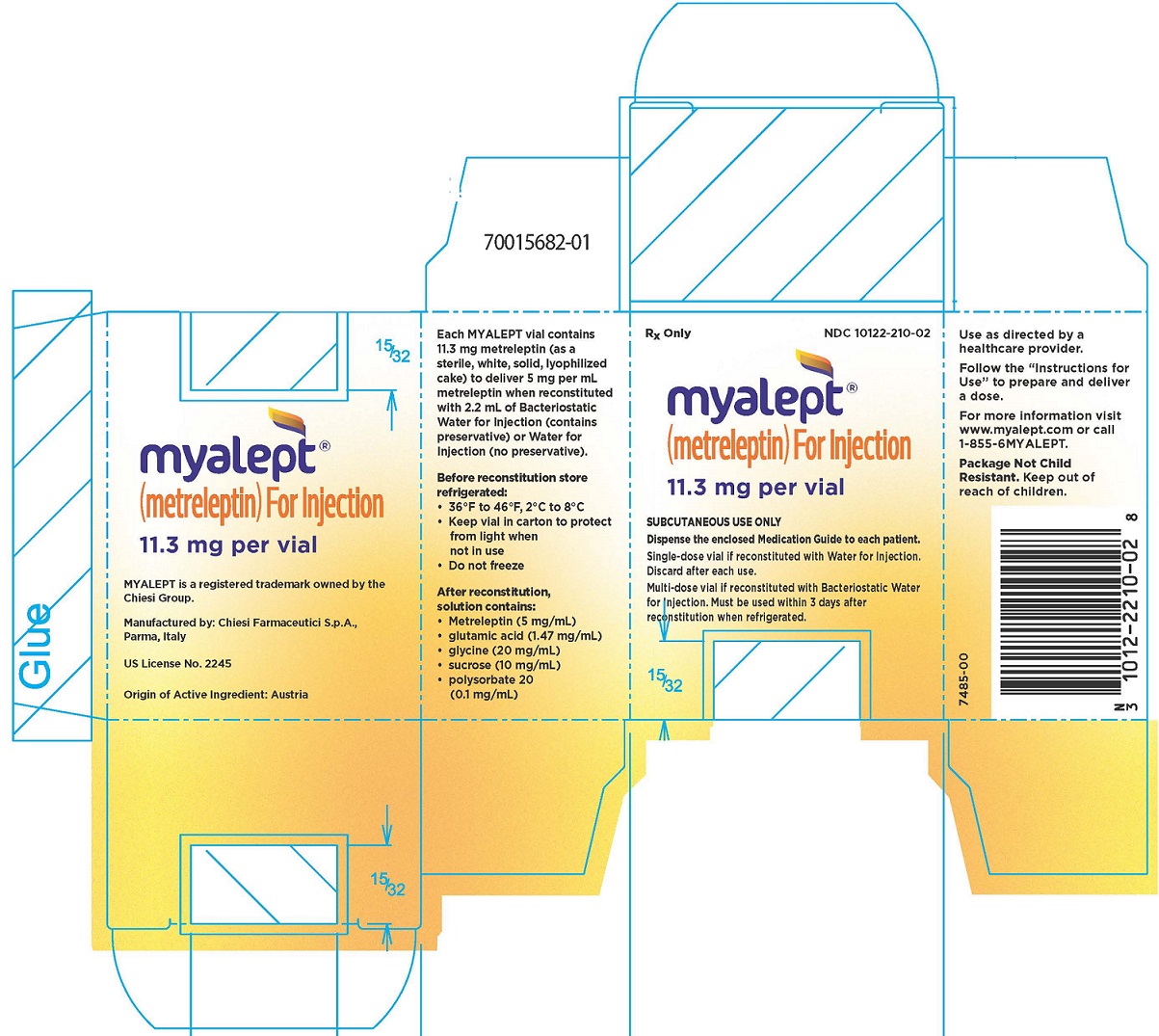
Myalept metreleptin 11.3 mg/2.2mL Injection, Powder, Lyophilized, For Solution, 1 vial
🆔 Identity & classification
Where does this data come from?
🏷️ RxNorm drug class
This medicine belongs to the Leptin Analog class.
Where does this data come from?
🏭 Manufacturer & labeler
Where does this data come from?
🩺 Clinical
Patient education
Supplement & herbal interactions
Where does this data come from?
Ask a licensed pharmacist directly — free, answered by our team.
🧪 Inactive Ingredients / Excipients
Inactive ingredients, also called excipients, are components of the drug product other than the active ingredient. They may include fillers, dyes, coatings, preservatives, flavors, or other formulation ingredients.
💡 Tap an ingredient (hover on desktop) to see what it is and why it’s used.
-
UNII 3KX376GY7L
Glutamic acid is an amino acid used in pharmaceuticals as a buffer and pH regulator. It helps maintain the medicine's chemical stability and proper acidity level.
-
UNII TE7660XO1C
Glycine is an amino acid used in medicines as a buffer to help stabilize pH and improve taste. It may also serve as a filler or binder to give the product proper form and consistency.
-
UNII 7T1F30V5YH
A synthetic emulsifier derived from sorbitol and oleic acid. It helps mix oil and water-based ingredients together and keeps them from separating in liquid formulations.
-
UNII C151H8M554
A natural sugar derived from sugar cane or sugar beets. It's used as a sweetener, filler, and binder to improve taste, add bulk, and help hold tablet or capsule ingredients together.
4 inactive ingredients listed in the exact product block matched to this NDC.
Where does this data come from?
ingredient classCode="IACT" elements from the exact product block matched by this NDC. Label-section narrative from DailyMed / the openFDA label index is shown separately when available.Inactive ingredient FAQ
Are inactive ingredients the same for every manufacturer?
Why might an inactive ingredient be missing?
Can inactive ingredients matter?
💲 Pricing
A drug doesn't have one price. Each row is a different public payment system, and none is what you'd pay at the counter — that depends on your insurance. The ⓘ on each row explains what it measures.
| Price system | Per mL | Per package |
|---|---|---|
| Retail pharmacies payNADAC · weekly | Not in the retail survey — common for institutional, discontinued, or low-volume packs. | |
| Medicaid paysCMS SDUD · 12 mo | $6,455.65 | $14,202.42 / 2.2 ml |
| Medicare drug plans payPart D · quarterly | No Part D plan price is available for this NDC in our data. | |
Where does this data come from?
🔁 Therapeutic equivalents
| Product | Labeler | Pack | NADAC/unit | TE | Status | Price vs. this |
|---|---|---|---|---|---|---|
| Myalept 11.3 mg/2.2mLthis 10122-0210-02 | Chiesi | 1 vial | — | — | FDA listed | — |
Where does this data come from?
⏳ Availability & biosimilar status
Biologics have no small-molecule generics; biosimilar competition is tracked in the FDA Purple Book.
Why the date isn’t exact: Biosimilar timing can change because patents may be challenged, settled, licensed, added or removed, and litigation can move the real date earlier or later.
🛈 What do these terms mean?
- Biologic patent
- A patent the reference product’s maker has publicly listed. A biosimilar generally can’t launch until these expire — unless they’re invalidated or resolved in a settlement.
- Reference-product exclusivity
- A flat 12 years of FDA market protection from the biologic’s first licensure (the BPCIA). No biosimilar can be licensed before it ends, regardless of patents.
- Interchangeable exclusivity
- The first interchangeable biosimilar can earn a period as the only interchangeable version (pharmacists can substitute it without the prescriber).
- Earliest biosimilar (LOE)
- The latest of all the dates above — the soonest a biosimilar can realistically reach the market. Litigation and settlements can move it earlier.
Biologics have no small-molecule “generics” — competition comes from FDA-licensed biosimilars, tracked in the FDA Purple Book.
| Code | What it grants | Expires |
|---|---|---|
| RefProduct | Reference-product exclusivity (12-year, BPCIA) — no biosimilar can be licensed before this date | Feb 24, 2026 |
Is there a biosimilar for MYALEPT 11.3 MG (5 MG/ML) VIAL?
Why do different websites show different biosimilar dates?
Can a biosimilar launch before the last patent expires?
What does “current Purple Book estimate” mean?
What does “FDA listed” mean?
What does a patent or protection date mean here?
Where does this data come from?
🗺️ Medicaid utilization & spend
📊 Medicare Part D spend CMS · PART D · 2026 (Q1)
🔬 Reported adverse events (FAERS)
Top reported reactions
Reporter sex
Serious outcomes
Where does this data come from?
📦 Packaging — all sizes for this product
| Package NDC | Description | Marketing start | Status |
|---|---|---|---|
| 10122-0210-02 You're viewing this | 1 VIAL, GLASS in 1 CARTON (10122-210-02) / 2.2 mL in 1 VIAL, GLASS | 2015-03-05 | Active |
🧭 About this NDC listing & data coverage
What data is (and isn’t) available for this NDC — tap to expand
| NDC identity (package / product / labeler codes) | ✓ Available |
| Labeler | ✓ Available |
| Product & package description | ✓ Available |
| Marketing category & status | ✓ Available |
| Active ingredient / dosage form / route | ✓ Available |
| FDA label (SPL via DailyMed) | ✓ Available |
| Package photos | ✓ Available |
| Inactive ingredients (structured) | ✓ Available |
| NADAC pharmacy acquisition price (CMS) | — Not published for this NDC CMS publishes NADAC only for NDCs reported in its retail-pharmacy survey. |
| Orange Book / therapeutic-equivalence data | ✓ Available |
| HCPCS J-code billing crosswalk | — Not published for this NDC Most self-administered / retail products have no J-code — that is normal. |
| Medicaid utilization (CMS SDUD) | ✓ Available |
Questions about this listing
Why is there no price listed?
Is the NDC printed on the package the same as the 11-digit billing NDC?
What do the three segments of this NDC mean?
Is this package still being marketed?
Who lists this product with the FDA?
Do I need a prescription for this product?
Where does this data come from?
📄 Full prescribing information FDA SPL
🚨 Boxed Warning ▾
WARNING: RISK OF ANTI-METRELEPTIN ANTIBODIES WITH NEUTRALIZING ACTIVITY AND RISK OF LYMPHOMA Anti-metreleptin antibodies with neutralizing activity have been identified in patients treated with MYALEPT. The consequences of these neutralizing antibodies are not well characterized but could include inhibition of endogenous leptin action and/or loss of MYALEPT efficacy. Severe infection and/or worsening metabolic control have been reported.
Test for anti-metreleptin antibodies with neutralizing activity in patients who develop severe infections or show signs suspicious for loss of MYALEPT efficacy during treatment. Contact Chiesi Farmaceutici S.p.A. at 1-866-216-1526 for neutralizing antibody testing of clinical samples [see Contraindications (4.1) and Warnings and Precautions (5.1) ]. T-cell lymphoma has been reported in patients with acquired generalized lipodystrophy, both treated and not treated with MYALEPT.
Carefully consider the benefits and risks of treatment with MYALEPT in patients with significant hematologic abnormalities and/or acquired generalized lipodystrophy [see Warnings and Precautions (5.2) ]. Because of these risks associated with the development of anti-metreleptin antibodies that neutralize endogenous leptin and/or MYALEPT and the risk for lymphoma, MYALEPT is available only through a restricted program under a Risk Evaluation and Mitigation Strategy (REMS) called the MYALEPT REMS PROGRAM [see Warnings and Precautions (5.3) ].
WARNING: RISK OF ANTI-METRELEPTIN ANTIBODIES WITH NEUTRALIZING ACTIVITY AND RISK OF LYMPHOMA See full prescribing information for complete boxed warning. Anti-metreleptin antibodies with neutralizing activity have been identified in patients treated with MYALEPT. The consequences are not well characterized but could include inhibition of endogenous leptin action and loss of MYALEPT efficacy.
Worsening metabolic control and/or severe infection have been reported. Test for anti-metreleptin antibodies with neutralizing activity in patients with severe infections or loss of efficacy during MYALEPT treatment. Contact Chiesi Farmaceutici S.p.A. at 1-866-216-1526 for neutralizing antibody testing.
( 4.1 ), ( 5.1 ) T-cell lymphoma has been reported in patients with acquired generalized lipodystrophy, both treated and not treated with MYALEPT. Carefully consider the benefits and risks of treatment with MYALEPT in patients with significant hematologic abnormalities and/or acquired generalized lipodystrophy. ( 5.2 ) MYALEPT is available only through a restricted program called the MYALEPT REMS PROGRAM.
( 5.3 )
🎯 Indications and Usage ▾
1 INDICATIONS AND USAGE MYALEPT is a leptin analog indicated as an adjunct to diet as replacement therapy to treat the complications of leptin deficiency in patients with congenital or acquired generalized lipodystrophy. ( 1 ) Limitations of Use The safety and effectiveness of MYALEPT for the treatment of complications of partial lipodystrophy have not been established. ( 1 ) The safety and effectiveness of MYALEPT for the treatment of liver disease, including nonalcoholic steatohepatitis (NASH), have not been established.
( 1 ) MYALEPT is not indicated for use in patients with HIV-related lipodystrophy. ( 1 ) MYALEPT is not indicated for use in patients with metabolic disease, without concurrent evidence of generalized lipodystrophy. ( 1 )
1.1Patients with Generalized Lipodystrophy MYALEPT (metreleptin) for injection is indicated as an adjunct to diet as replacement therapy to treat the complications of leptin deficiency in patients with congenital or acquired generalized lipodystrophy. Limitations of Use The safety and effectiveness of MYALEPT for the treatment of complications of partial lipodystrophy have not been established. The safety and effectiveness of MYALEPT for the treatment of liver disease, including nonalcoholic steatohepatitis (NASH), have not been established.
MYALEPT is not indicated for use in patients with HIV-related lipodystrophy. MYALEPT is not indicated for use in patients with metabolic disease, including diabetes mellitus and hypertriglyceridemia, without concurrent evidence of congenital or acquired generalized lipodystrophy.
⏱️ Dosage and Administration ▾
2 DOSAGE AND ADMINISTRATION Administer as a subcutaneous injection once daily after the lyophilized cake is reconstituted with Bacteriostatic Water for Injection (BWFI) or preservative-free sterile Water for Injection (WFI). ( 2.1 ) The recommended daily dosages are: Body weight 40 kg or less: starting dose 0.06 mg/kg/day, increase or decrease by 0.02 mg/kg to a maximum daily dose of 0.13 mg/kg. ( 2.1 ) Males greater than 40 kg body weight: starting dose 2.5 mg/day, increase or decrease by 1.25 mg to 2.5 mg/day to a maximum dose of 10 mg/day.
( 2.1 ) Females greater than 40 kg body weight: starting dose 5 mg/day, increase or decrease by 1.25 mg to 2.5 mg/day to a maximum dose of 10 mg/day. ( 2.1 )
2.1Recommended Dosing See Table 1 for the recommended daily dose and maximum recommended daily dose in adults and pediatric patients. Based on clinical response (e.g., inadequate metabolic control) or other considerations (e.g., tolerability issues, excessive weight loss [especially in pediatric patients]), MYALEPT dosage may be decreased or increased to the maximum dosage listed in Table 1. Table 1: MYALEPT Recommended Dosage Baseline weight Starting daily dose (injection volume) Dose adjustments (injection volume) Maximum daily dose (injection volume) Less than or equal to 40 kg (males and females) 0.06 mg/kg (0.012 mL/kg) 0.02 mg/kg (0.004 mL/kg) 0.13 mg/kg (0.026 mL/kg) Males greater than 40 kg 2.5 mg (0.5 mL) 1.25 mg (0.25 mL) to 2.5 mg (0.5 mL) 10 mg (2 mL) Females greater than 40 kg 5 mg (1 mL) 1.25 mg (0.25 mL) to 2.5 mg (0.5 mL) 10 mg (2 mL) In pediatric patients, small volumes for administration can result in medication errors when measured incorrectly [see Dosage and Administration (2.3) , Adverse Reactions (6.3) ] .
Table 2 provides example doses and volumes by weight . For patients using insulin syringes, the volume conversion is 100 Units/mL. Table 2: Example Dosing Chart for Patients Less than or Equal to 40 kg Weight Starting Dose Dose Adjustment Maximum Dose 5 kg 0.30 mg (0.06 mL or 6 Units) 0.10 mg (0.02 mL or 2 Units) 0.65 mg (0.13 mL or 13 Units) 10 kg 0.60 mg (0.12 mL or 12 Units) 0.20 mg (0.04 mL or 4 Units) 1.3 mg (0.26 mL or 26 Units) 15 kg 0.90 mg (0.18 mL or 18 Units) 0.30 mg (0.06 mL or 6 Units) 1.95 mg (0.39 mL or 39 Units) 20 kg 1.2 mg (0.24 mL or 24 Units) 0.40 mg (0.08 mL or 8 Units) 2.6 mg (0.52 mL or 52 Units) 25 kg 1.5 mg (0.3 mL or 30 Units) 0.50 mg (0.1 mL or 10 Units) 3.25 mg (0.65 mL or 65 Units) 30 kg 1.8 mg (0.36 mL or 36 Units) 0.60 mg (0.12 mL or 12 Units) 3.9 mg (0.78 mL or 78 Units) 35 kg 2.1 mg (0.42 mL or 42 Units) 0.70 mg (0.14 mL or 14 Units) 4.55 mg (0.91 mL or 91 Units) 40 kg 2.4 mg (0.48 mL or 48 Units) 0.80 mg (0.16 mL or 16 Units) 5.2 mg (1.03 mL or 103 Units) MYALEPT should be administered once daily at the same time every day.
MYALEPT can be administered any time of day without regard to the timing of meals. Instruct patients that if a dose is missed, administer the dose as soon as noticed, and resume the normal dosing schedule the next day.
2.2MYALEPT Preparation and Storage Healthcare practitioners should provide proper training to patients and caregivers regarding how to prepare and administer the correct dose of MYALEPT prior to self-use. The patients and caregivers should prepare and administer the first dose of MYALEPT under the supervision of a qualified healthcare professional. Instruct patients to store the vials of lyophilized powder in their carton in the refrigerator as soon as received [see How Supplied/Storage and Handling (16.2) ].
MYALEPT can be reconstituted aseptically with 2.2 mL of sterile Bacteriostatic Water for Injection (BWFI), USP (0.9% benzyl alcohol), or with 2.2 mL of sterile Water for Injection (WFI). When reconstituted in BWFI, MYALEPT solution can be used within 3 days when stored in the refrigerator between 36°F and 46°F (2°C and 8°C) and protected from light [see How Supplied/Storage and Handling (16.2) ]. Discard unused reconstituted solution a…
💊 Dosage Forms and Strengths ▾
3 DOSAGE FORMS AND STRENGTHS For Injection: 11.3 mg of metreleptin supplied in a vial as a sterile, white, solid, lyophilized cake (delivers 5 mg per mL of metreleptin when reconstituted with 2.2 mL of BWFI or WFI). MYALEPT is supplied as a sterile, white, solid, lyophilized cake of 11.3 mg metreleptin per vial to deliver 5 mg per mL when reconstituted in 2.2 mL of BWFI or WFI. ( 3 )
⛔ Contraindications ▾
4 CONTRAINDICATIONS General obesity not associated with congenital leptin deficiency. ( 4.1 ) Hypersensitivity to metreleptin. ( 4.2 )
4.1General Obesity MYALEPT is contraindicated in patients with general obesity not associated with congenital leptin deficiency. MYALEPT has not been shown to be effective in treating general obesity, and the development of anti-metreleptin antibodies with neutralizing activity has been reported in obese patients treated with MYALEPT [see Warnings and Precautions (5.1) ].
4.2Hypersensitivity MYALEPT is contraindicated in patients with prior severe hypersensitivity reactions to metreleptin or to any of the product components. Known hypersensitivity reactions have included anaphylaxis, urticaria and generalized rash [see Warnings and Precautions (5.6) ].
⚠️ Warnings and Cautions ▾
5 WARNINGS AND PRECAUTIONS Anti-metreleptin antibodies with neutralizing activity: Could inhibit endogenous leptin action and/or result in loss of MYALEPT efficacy. Test for neutralizing antibodies in patients with severe infections or loss of efficacy during MYALEPT treatment. ( 5.1 ) T-cell lymphoma: Carefully consider benefits and risks of treatment with MYALEPT in patients with significant hematologic abnormalities and/or acquired generalized lipodystrophy.
( 5.2 ) Hypoglycemia: A dose adjustment, including possible large reductions, of insulin or insulin secretagogue may be necessary. Closely monitor blood glucose in patients on concomitant insulin or insulin secretagogue therapy. ( 5.4 ) Autoimmunity: Autoimmune disorder progression has been observed in patients treated with MYALEPT.
Carefully consider benefits and risks of MYALEPT treatment in patients with autoimmune disease. ( 5.5 ) Hypersensitivity: Hypersensitivity reactions (e.g., anaphylaxis, urticaria or generalized rash) have been reported. Patient should promptly seek medical advice regarding suspected reactions.
( 5.6 ) Benzyl Alcohol Toxicity: Preservative-free sterile WFI recommended for neonates and infants. ( 5.7 )
5.1Risk for Development of Antibodies that Neutralize Endogenous Leptin and/or MYALEPT Anti-metreleptin antibodies with in vitro neutralizing activity to leptin associated with adverse events consistent with loss of endogenous leptin activity and/or loss of efficacy have been identified in two patients with generalized lipodystrophy treated with MYALEPT (severe infections, increases in HbA 1c and triglycerides), and in three patients without lipodystrophy who received MYALEPT in clinical studies (excessive weight gain, development of glucose intolerance or diabetes mellitus).
The clinical implications associated with development of anti-metreleptin antibodies with neutralizing activity are not well characterized at this time due to the small number of reports. Test for anti-metreleptin antibodies with neutralizing activity in patients who develop severe infections or show signs suspicious for loss of MYALEPT efficacy during treatment. Contact Chiesi Farmaceutici S.p.A. at 1-866-216-1526 for neutralizing antibody testing of clinical samples [see Adverse Reactions (6.2) ].
5.2Lymphoma Three cases of T-cell lymphoma have been reported in the MYALEPT lipodystrophy program; all three patients had acquired generalized lipodystrophy. Two of these patients were diagnosed with peripheral T-cell lymphoma while receiving MYALEPT. Both had immunodeficiency and significant hematologic abnormalities including severe bone marrow abnormalities before the start of MYALEPT treatment.
A separate case of anaplastic large cell lymphoma was reported in a patient receiving MYALEPT who did not have hematological abnormalities before treatment. Lymphoproliferative disorders, including lymphomas, have been reported in patients with acquired generalized lipodystrophy not treated with MYALEPT. A causal relationship between MYALEPT treatment and the development and/or progression of lymphoma has not been established.
Acquired lipodystrophies are associated with autoimmune disorders, and autoimmune disorders are associated with an increased risk of malignancies including lymphomas. The benefits and risks of MYALEPT treatment should be carefully considered in patients with acquired generalized lipodystrophy and/or those with significant hematologic abnormalities (including leukopenia, neutropenia, bone marrow abnormalities, lymphoma, and/or lymphadenopathy).
5.3MYALEPT REMS Program MYALEPT is available only through a restricted distribution program under a REMS, called the MYALEPT REMS Program, because of the risks associated with the development of anti-metreleptin antibodies that neutralize endogenous leptin and/or MYALEPT and the risk for lymphoma [see Warnings and Precautions (5.1, 5.2) ]. Notable requirements of the MYALEPT REMS Program include the following: Prescrib…
🤒 Adverse Reactions ▾
6 ADVERSE REACTIONS Most common in clinical trials (≥10%): headache, hypoglycemia, decreased weight, abdominal pain. ( 5.4 , 6.1 ) To report SUSPECTED ADVERSE REACTIONS, contact Chiesi Farmaceutici S.p.A. at 1-888-661-9260 or FDA at 1-800-FDA-1088 or www.fda.gov/medwatch.
6.1Clinical Trials Experience Because clinical trials are conducted under widely varying conditions, adverse reaction rates observed in the clinical trials of a drug cannot be directly compared to rates in the clinical trials of another drug and may not reflect the rates observed in practice. Open-Label, Single-Arm Study The safety of MYALEPT was evaluated in 48 patients with generalized lipodystrophy in a single-arm, open-label study [see Clinical Studies (14.1) ]. The median duration of exposure in this trial was 2.7 years with a range of 3.6 months to 10.9 years.
The most frequent adverse reactions are summarized in Table 3. Table 3: Adverse Reactions of 5% or Greater Incidence in Patients with Generalized Lipodystrophy Receiving MYALEPT in an Open-Label, Single-Arm Study All Subjects N=48 (%) 1. Hypoglycemic events were assessed as mild, moderate, severe, or life threatening based on the protocol specified definitions: Mild: Documentation of low plasma glucose values with no symptoms; Moderate: Presence of clinical symptoms requiring ingestion of glucose, self-alleviated; Severe: Presence of neuroglycopenic symptoms requiring assistance from others for alleviation; Life threatening: Loss of consciousness and/or requiring intervention by administration of intravenous glucose or intramuscular glucagon.
Headache 6 (13) Hypoglycemia 1 6 (13) Decreased weight 6 (13) Abdominal pain 5 (10) Arthralgia 4 (8) Dizziness 4 (8) Ear infection 4 (8) Fatigue 4 (8) Nausea 4 (8) Ovarian cyst 4 (8) Upper respiratory tract infection 4 (8) Anemia 3 (6) Back pain 3 (6) Diarrhea 3 (6) Paresthesia 3 (6) Proteinuria 3 (6) Pyrexia 3 (6) In patients with generalized lipodystrophy receiving MYALEPT in this study, less common adverse reactions included injection-site erythema and urticaria (N=2 [4%]). Six patients (13%) had 7 adverse reactions of hypoglycemia, 6 of which occurred in the setting of concomitant insulin use, with or without oral antihyperglycemic agents.
Two patients (4%) had events of pancreatitis, both of whom had a medical history of pancreatitis.
6.2Immunogenicity As with all therapeutic proteins, there is potential for immunogenicity. Anti-metreleptin antibodies were detected in 84% (36/43) of generalized lipodystrophy patients studied in the MYALEPT trials. Total anti-metreleptin antibody titers ranged between 1:5 and 1:1,953,125.
The incompleteness of the current immunogenicity database precludes understanding of the magnitude and persistence of the observed anti-drug antibody responses. Anti-metreleptin antibodies with neutralizing activity associated with adverse events consistent with loss of endogenous leptin activity and/or loss of MYALEPT efficacy were observed in 6% (2/33) of the patients with generalized lipodystrophy tested. Adverse events reported in these two patients included severe infections and worsening of metabolic control (increases in HbA 1c and/or triglycerides).
Test for anti-metreleptin antibodies with neutralizing activity in patients who develop severe infections or show signs suspicious for loss of MYALEPT efficacy during treatment. Contact Chiesi Farmaceutici S.p.A. at 1-866-216-1526 for testing of clinical samples. The detection of antibody formation is highly dependent on the sensitivity and specificity of the assay.
The immunogenicity assays utilized in clinical trials lacked sensitivity, resulting in potential underestimation of the number of samples positive for anti-metreleptin antibodies with neutralizing activity. Additionally, the observed incidence of antibody (including neutralizing antibody) positivity in an assay may be influenced by several factors including assay methodology, sample handling, timing of sample collection,…
🔄 Drug Interactions ▾
7 DRUG INTERACTIONS No formal drug interaction studies were performed. Leptin is a cytokine and may have the potential to alter the formation of cytochrome P450 (CYP450) enzymes. This should be taken into account when prescribing concomitant drugs metabolized by CYP450 (e.g., oral contraceptives and drugs with a narrow therapeutic index).
The effect of metreleptin on CYP450 enzymes may be clinically relevant for CYP450 substrates with narrow therapeutic index, where the dose is individually adjusted. Upon initiation or discontinuation of MYALEPT, in patients being treated with these types of agents, therapeutic monitoring of effect (e.g., warfarin) or drug concentration (e.g., cyclosporine or theophylline) should be performed and the individual dose of the agent adjusted as needed.
👥 Use in Specific Populations ▾
8 USE IN SPECIFIC POPULATIONS
8.1Pregnancy Pregnancy Exposure Registry There is a program that monitors outcomes in women exposed to MYALEPT during pregnancy. Women who become pregnant during MYALEPT treatment are encouraged to enroll. Patients or their physicians should call 1-855-669-2537 to enroll.
Risk Summary Available pharmacovigilance reports with the use of MYALEPT in pregnant women are insufficient to evaluate for any drug-associated risk for major birth defects, miscarriage, or adverse maternal or fetal outcomes. These reports describe similar adverse pregnancy outcomes as those documented in women with lipodystrophy (see Clinical Considerations ) . In an animal reproduction study, no adverse developmental effects were observed with subcutaneous administration of metreleptin to pregnant mice during organogenesis at doses 7- and 15-fold the maximum recommended clinical dose, based on body surface area of a 20- and 60-kg patient, respectively.
In a pre- and postnatal development study in mice, subcutaneous administration of metreleptin caused prolonged gestation and dystocia resulting in maternal death during parturition and lower survival of offspring in the immediate postnatal period at doses starting approximately at the maximum recommended clinical dose (see Data ) . MYALEPT contains benzyl alcohol when reconstituted with BWFI. MYALEPT contains no preservative when reconstituted with WFI.
Because benzyl alcohol is rapidly metabolized by a pregnant woman, benzyl alcohol exposure in the fetus is unlikely. However, adverse reactions have occurred in premature neonates and low birth weight infants who received intravenously administered benzyl alcohol-containing drugs [see Warnings and Precautions (5.7) and Use in Specific Populations (8.4) ]. Therefore, if therapy with MYALEPT is needed during pregnancy, consider using preservative-free WFI when reconstituting [see Dosage and Administration (2.2) ].
The estimated background risk of major birth defects and miscarriage for the indicated population is unknown. In the U.S. general population, the estimated background risks of major birth defects and miscarriage in clinically recognized pregnancies is 2-4% and 15-20%, respectively. Clinical Considerations Disease-Associated Maternal and Fetal Risk Lipodystrophy in pregnancy can result in an increased rate of gestational diabetes, macrosomia, eclampsia, intrauterine growth retardation, intrauterine death, and miscarriage.
Labor and Delivery The effects of MYALEPT on labor and delivery in pregnant women are unknown. In a published in vitro study of human myometrial tissue exposed to a recombinant leptin, human uterine contractility was inhibited. In animal studies with metreleptin, prolonged gestation and dystocia were observed (see Data ) .
Data Animal Data Metreleptin administered to pregnant mice during the period of organogenesis was not teratogenic at doses ranging between 7- and 15-fold the maximum recommended clinical dose, based on body surface area of a 20- and 60-kg patient, respectively. In a pre- and postnatal development study in mice, metreleptin administered at doses of 3, 10, and 30 mg/kg (approximately 1-, 5-, and 15-fold the clinical dose for a 60-kg subject, based on body surface area) from gestation day 6 to lactation day 21 caused prolonged gestation and dystocia at all doses, starting at approximately the maximum recommended clinical dose.
Prolonged gestation resulted in the death of some females during parturition and lower survival of offspring within the immediate postnatal period. Consistent with metreleptin pharmacology, decreased maternal body weight was observed from gestation throughout lactation at all doses and resulted in reduced weight of offspring at birth, which persisted into adulthood. However, no developmental abnormalities were observed and reproductive performance of the first or second generations was not affected at any dose.
Placental transfer of metreleptin into the fetus was low…
🤰 Pregnancy ▾
8.1Pregnancy Pregnancy Exposure Registry There is a program that monitors outcomes in women exposed to MYALEPT during pregnancy. Women who become pregnant during MYALEPT treatment are encouraged to enroll. Patients or their physicians should call 1-855-669-2537 to enroll.
Risk Summary Available pharmacovigilance reports with the use of MYALEPT in pregnant women are insufficient to evaluate for any drug-associated risk for major birth defects, miscarriage, or adverse maternal or fetal outcomes. These reports describe similar adverse pregnancy outcomes as those documented in women with lipodystrophy (see Clinical Considerations ) . In an animal reproduction study, no adverse developmental effects were observed with subcutaneous administration of metreleptin to pregnant mice during organogenesis at doses 7- and 15-fold the maximum recommended clinical dose, based on body surface area of a 20- and 60-kg patient, respectively.
In a pre- and postnatal development study in mice, subcutaneous administration of metreleptin caused prolonged gestation and dystocia resulting in maternal death during parturition and lower survival of offspring in the immediate postnatal period at doses starting approximately at the maximum recommended clinical dose (see Data ) . MYALEPT contains benzyl alcohol when reconstituted with BWFI. MYALEPT contains no preservative when reconstituted with WFI.
Because benzyl alcohol is rapidly metabolized by a pregnant woman, benzyl alcohol exposure in the fetus is unlikely. However, adverse reactions have occurred in premature neonates and low birth weight infants who received intravenously administered benzyl alcohol-containing drugs [see Warnings and Precautions (5.7) and Use in Specific Populations (8.4) ]. Therefore, if therapy with MYALEPT is needed during pregnancy, consider using preservative-free WFI when reconstituting [see Dosage and Administration (2.2) ].
The estimated background risk of major birth defects and miscarriage for the indicated population is unknown. In the U.S. general population, the estimated background risks of major birth defects and miscarriage in clinically recognized pregnancies is 2-4% and 15-20%, respectively. Clinical Considerations Disease-Associated Maternal and Fetal Risk Lipodystrophy in pregnancy can result in an increased rate of gestational diabetes, macrosomia, eclampsia, intrauterine growth retardation, intrauterine death, and miscarriage.
Labor and Delivery The effects of MYALEPT on labor and delivery in pregnant women are unknown. In a published in vitro study of human myometrial tissue exposed to a recombinant leptin, human uterine contractility was inhibited. In animal studies with metreleptin, prolonged gestation and dystocia were observed (see Data ) .
Data Animal Data Metreleptin administered to pregnant mice during the period of organogenesis was not teratogenic at doses ranging between 7- and 15-fold the maximum recommended clinical dose, based on body surface area of a 20- and 60-kg patient, respectively. In a pre- and postnatal development study in mice, metreleptin administered at doses of 3, 10, and 30 mg/kg (approximately 1-, 5-, and 15-fold the clinical dose for a 60-kg subject, based on body surface area) from gestation day 6 to lactation day 21 caused prolonged gestation and dystocia at all doses, starting at approximately the maximum recommended clinical dose.
Prolonged gestation resulted in the death of some females during parturition and lower survival of offspring within the immediate postnatal period. Consistent with metreleptin pharmacology, decreased maternal body weight was observed from gestation throughout lactation at all doses and resulted in reduced weight of offspring at birth, which persisted into adulthood. However, no developmental abnormalities were observed and reproductive performance of the first or second generations was not affected at any dose.
Placental transfer of metreleptin into the fetus was low (approximately 1%) following…
🧒 Pediatric Use ▾
8.4Pediatric Use The MYALEPT study included a total of 35 pediatric patients (73%) with an age range from 1 to 17 years [see Clinical Studies (14.1) ]. No clinically meaningful differences were observed in the efficacy and safety of MYALEPT between pediatric and adult patients. MYALEPT contains benzyl alcohol when reconstituted with BWFI.
MYALEPT contains no preservative when reconstituted with WFI. Preservative-free WFI is recommended for use in neonates and infants. The preservative benzyl alcohol has been associated with serious adverse events and death, particularly in pediatric patients.
The "gasping syndrome" (characterized by central nervous system depression, metabolic acidosis, gasping respirations, and high levels of benzyl alcohol and its metabolites found in the blood and urine) has been associated with benzyl alcohol dosages >99 mg/kg/day in neonates and low-birth weight infants. Additional symptoms may include gradual neurological deterioration, seizures, intracranial hemorrhage, hematologic abnormalities, skin breakdown, hepatic and renal failure, hypotension, bradycardia, and cardiovascular collapse.
Although normal therapeutic doses of this product deliver amounts of benzyl alcohol that are substantially lower than those reported in association with the "gasping syndrome," the minimum amount of benzyl alcohol at which toxicity may occur is not known. Premature and low-birth-weight infants, as well as patients receiving high dosages, may be more likely to develop toxicity. Practitioners administering this and other medications containing benzyl alcohol should consider the combined daily metabolic load of benzyl alcohol from all sources.
When reconstituted with 2.2 mL of BWFI, MYALEPT contains 1.76 mg of benzyl alcohol per mg of metreleptin or 9 mg of benzyl alcohol per mL of reconstituted product.
🧓 Geriatric Use ▾
8.5Geriatric Use Clinical trials of MYALEPT did not include sufficient numbers of subjects aged 65 and over (n=1) to determine whether they respond differently from younger subjects. In general, dose selection for an elderly patient should be cautious, usually starting at the low end of the dosing range, reflecting the greater frequency of decreased hepatic, renal, or cardiac function, and of concomitant disease or other drug therapy.
🆘 Overdosage ▾
10 OVERDOSAGE In one post-marketing case, a dose miscalculation resulted in an infant being exposed to a 10-fold overdose of metreleptin for 8 months. In this case, prolonged overdose was associated with severe anorexia causing vitamin and zinc deficiencies, iron deficiency anemia, protein calorie malnutrition, and poor weight gain, which resolved following supportive treatment and dose adjustment. In the event of an overdose, patients should be monitored and appropriate supportive treatment be initiated as dictated by the patient's clinical status.
🧬 Clinical Pharmacology ▾
12 CLINICAL PHARMACOLOGY
12.1Mechanism of Action Adipocytes store lipids to meet the fuel requirements of non-adipose tissues during fasting. In patients with generalized lipodystrophy, the deficiency of adipose tissue leads to hypertriglyceridemia and ectopic deposition of fat in non-adipose tissues such as liver and muscle, contributing to metabolic abnormalities including insulin resistance. Native leptin is a hormone predominantly secreted by adipose tissue that informs the central nervous system of the status of energy stores in the body.
In patients with generalized lipodystrophy, leptin deficiency, resulting from the loss of adipose tissue, contributes to excess caloric intake, which exacerbates the metabolic abnormalities. MYALEPT (metreleptin) for injection exerts its function by binding to and activating the human leptin receptor (ObR), which belongs to the Class I cytokine family of receptors that signals through the JAK/STAT transduction pathway.
12.2Pharmacodynamics Clinical studies in patients with generalized lipodystrophy suggest that MYALEPT increases insulin sensitivity and reduces food intake. Improvements in insulin sensitivity and reductions in food intake are consistent with lower HbA 1c , fasting glucose, and fasting triglyceride values that were seen in the MYALEPT clinical trial [see Clinical Studies (14) ].
12.3Pharmacokinetics There are limited data on the pharmacokinetics of metreleptin in patients with generalized lipodystrophy, and therefore, no formal exposure-response analysis has been performed. It should be noted that the leptin assay measures both endogenous leptin as well as exogenously administered metreleptin. Absorption Peak serum leptin concentration (C max ) occurred approximately 4.0 to 4.3 hours after subcutaneous administration of single doses ranging from 0.1 to 0.3 mg/kg in healthy subjects.
In a supportive trial in lipodystrophy patients, the median T max of metreleptin was 4 hours (range: 2 to 8 hours; N=5) following single-dose administration of metreleptin. Distribution In studies of healthy adult subjects, following intravenous administration of metreleptin, leptin volume of distribution was approximately 4 to 5 times plasma volume; volumes (Vz) (mean ± SD) were 370 ± 184 mL/kg, 398 ± 92 mL/kg, and 463 ± 116 mL/kg for 0.3, 1.0, and 3.0 mg/kg/day doses, respectively. Metabolism and Elimination No formal metabolism studies have been conducted with metreleptin.
Nonclinical data indicate renal clearance is the major route of metreleptin elimination, with no apparent contribution of systemic metabolism or degradation. Following single subcutaneous doses of 0.01 to 0.3 mg/mL metreleptin in healthy subjects, the half-life was 3.8 to 4.7 hours. The clearance of metreleptin is expected to be delayed in the presence of leptin antibodies [see Adverse Reactions (6.2) ].
Drug Interactions No drug interaction studies have been conducted in lipodystrophy patients [see Drug Interactions (7) ]. Specific Populations Renal Impairment No formal pharmacokinetic studies were conducted in patients with renal impairment. Nonclinical data indicate renal clearance is the major route of metreleptin elimination, with no apparent contribution of systemic metabolism or degradation.
Hence, the pharmacokinetics of metreleptin may be altered in subjects with renal impairment. Hepatic Impairment No formal pharmacokinetic studies were conducted in patients with hepatic impairment. Age, Gender, Race, Body Mass Index Specific clinical studies have not been conducted to assess the effect of age, gender, race, or body mass index on the pharmacokinetics of metreleptin in patients with generalized lipodystrophy.
🧬 Mechanism of Action ▾
12.1Mechanism of Action Adipocytes store lipids to meet the fuel requirements of non-adipose tissues during fasting. In patients with generalized lipodystrophy, the deficiency of adipose tissue leads to hypertriglyceridemia and ectopic deposition of fat in non-adipose tissues such as liver and muscle, contributing to metabolic abnormalities including insulin resistance. Native leptin is a hormone predominantly secreted by adipose tissue that informs the central nervous system of the status of energy stores in the body.
In patients with generalized lipodystrophy, leptin deficiency, resulting from the loss of adipose tissue, contributes to excess caloric intake, which exacerbates the metabolic abnormalities. MYALEPT (metreleptin) for injection exerts its function by binding to and activating the human leptin receptor (ObR), which belongs to the Class I cytokine family of receptors that signals through the JAK/STAT transduction pathway.
📦 How Supplied / Storage and Handling ▾
16 HOW SUPPLIED/STORAGE AND HANDLING
16.1How Supplied MYALEPT (metreleptin) for injection for subcutaneous administration is supplied in a single carton containing one vial for reconstitution (NDC 10122-210-02). Each vial contains 11.3 mg metreleptin (as a sterile, white, solid, lyophilized cake) to deliver 5 mg per mL of metreleptin when reconstituted with 2.2 mL of BWFI or WFI.
16.2Storage and Handling MYALEPT should be stored in the refrigerator at 36°F to 46°F (2°C to 8°C) and protected from light until preparing for use. Keep MYALEPT vials in the carton when not in use. MYALEPT should not be used past the expiration date.
Do not freeze MYALEPT. Do not use if the white lyophilized cake is discolored. Use with BWFI: when MYALEPT is reconstituted with BWFI, the vial can be used for multiple doses within 3 days when stored in the refrigerator at 36°F to 46°F (2°C to 8°C) and protected from light.
Use with WFI: when MYALEPT is reconstituted with WFI, the vial can be used for a single dose should be administered immediately. Unused reconstituted solution cannot be saved for later use and should be discarded. After reconstitution, the vials should not be frozen (below 0°C) or shaken vigorously.
If the reconstituted product is inadvertently frozen, it should be thrown away. After reconstitution, the mixture should be clear and colorless. Do not use if visible particulates are present in the solution.
Keep out of the reach of children.
📦 Storage and Handling ▾
16.2Storage and Handling MYALEPT should be stored in the refrigerator at 36°F to 46°F (2°C to 8°C) and protected from light until preparing for use. Keep MYALEPT vials in the carton when not in use. MYALEPT should not be used past the expiration date.
Do not freeze MYALEPT. Do not use if the white lyophilized cake is discolored. Use with BWFI: when MYALEPT is reconstituted with BWFI, the vial can be used for multiple doses within 3 days when stored in the refrigerator at 36°F to 46°F (2°C to 8°C) and protected from light.
Use with WFI: when MYALEPT is reconstituted with WFI, the vial can be used for a single dose should be administered immediately. Unused reconstituted solution cannot be saved for later use and should be discarded. After reconstitution, the vials should not be frozen (below 0°C) or shaken vigorously.
If the reconstituted product is inadvertently frozen, it should be thrown away. After reconstitution, the mixture should be clear and colorless. Do not use if visible particulates are present in the solution.
Keep out of the reach of children.
📋 Description ▾
11 DESCRIPTION MYALEPT (metreleptin) for injection is a recombinant human leptin analog for injection that binds to and activates the leptin receptor. Metreleptin (recombinant methionyl-human leptin) is produced in E. coli and differs from native human leptin by the addition of a methionine residue at its amino terminus. Metreleptin is a 147-amino acid, nonglycosylated, polypeptide with one disulfide bond between Cys-97 and Cys-147 and a molecular weight of approximately 16.15 kDa.
MYALEPT is supplied as a sterile, white, solid, lyophilized cake containing 11.3 mg that is reconstituted with 2.2 mL of BWFI or WFI to a final formulation of 5 mg/mL metreleptin for subcutaneous injection. Inactive ingredients are: glutamic acid (1.47 mg/mL), glycine (20 mg/mL), polysorbate 20 (0.1 mg/mL), and sucrose (10 mg/mL), pH 4.25.
💬 Information for Patients ▾
17 PATIENT COUNSELING INFORMATION See FDA-approved Patient Labeling ( Medication Guide ). Risk of Neutralizing Antibodies Advise patients that neutralizing antibodies may result in loss in activity of endogenous leptin or loss of efficacy of MYALEPT. Advise patients on symptoms or signs that would warrant antibody testing [see Warnings and Precautions (5.1) and Adverse Reactions (6.2) ].
Risk of Lymphoma Advise patients that lymphoma has been reported in patients both treated and not treated with MYALEPT. Advise patients on symptoms or signs that indicate changes in hematologic status and the importance of routine laboratory assessments and physician monitoring [see Warnings and Precautions (5.2) ]. Risk of Hypoglycemia Advise patients that the risk of hypoglycemia is increased when MYALEPT is used in combination with insulin or an insulin secretagogue (e.g., sulfonylurea).
Explain the symptoms, treatment, and conditions that predispose to development of hypoglycemia to the patient. Advise patients who are taking concomitant insulin, especially those on high doses, or an insulin secretagogue, to closely monitor blood glucose. Hypoglycemia management should be reviewed and reinforced when initiating MYALEPT therapy, particularly when concomitantly administered with insulin or an insulin secretagogue [see Warnings and Precautions (5.4) ].
Risk of Autoimmune Disease Advise patients that worsening of autoimmune disease has been reported during the clinical study of MYALEPT. Advise patients with a history of autoimmune disease on symptoms or signs that indicate exacerbation of underlying autoimmune disease and the importance of routine laboratory assessments and physician monitoring [see Warnings and Precautions (5.5) ]. Risk of Hypersensitivity Reactions Inform patients that hypersensitivity reactions have been reported during use of MYALEPT.
If symptoms of hypersensitivity reactions occur, patients should seek medical advice [see Warnings and Precautions (5.6) ]. Instructions Inform patients that each vial of MYALEPT requires reconstitution with BWFI or preservative-free WFI, and administration as subcutaneous injection using a syringe and needle. Injections can be given at any time of the day, with or without meals.
Patients and caregivers should receive proper training in how to prepare and administer the correct dose of MYALEPT prior to self-administration. The first dose of MYALEPT should be administered by the patient or caregiver under the supervision of a qualified healthcare professional. Advise patients on appropriate syringe for administration, dosing regimen, injection technique, and the importance of proper storage of MYALEPT.
Care should be taken to avoid intramuscular injection, especially in patients with minimal subcutaneous adipose tissue. Advise patients to read the Instructions for Use for complete administration instructions. The MYALEPT Medication Guide and Instructions for Use should be reviewed before starting therapy and each time the prescription is refilled.
When discontinuing MYALEPT in patients with a history of pancreatitis and/or severe hypertriglyceridemia, instruct patients to taper their dose over a one-week period. Advise patients that additional monitoring of triglyceride levels and possible initiation or dose adjustment of lipid-lowering medications may be considered [see Dosage and Administration (2.5) ].
💬 Medication Guide ▾
This Medication Guide has been approved by the U.S. Food and Drug Administration. Revised 03/2024 MYALEPT ® (MAI-uh-lept) (metreleptin) for injection, for subcutaneous use What is the most important information I should know about MYALEPT?
MYALEPT may cause serious side effects, including: risk for loss of endogenous leptin activity or loss of MYALEPT efficacy due to neutralizing antibodies. Some people who use MYALEPT make antibodies in their blood that may reduce how well the leptin in your body (endogenous) works or how well MYALEPT works. Side effects may include: infection problems with blood sugar, including diabetes an increase in the amount of fat in your blood (triglycerides) lymphoma (a type of blood cancer).
There may be an increased risk of getting lymphoma when you use MYALEPT. MYALEPT is only available through a restricted program called the MYALEPT Risk Evaluation and Mitigation Strategy (REMS) Program. For more information about the MYALEPT REMS Program go to www.myaleptrems.com or call 1-855-669-2537.
What is MYALEPT? MYALEPT is a prescription medicine used with a diet recommended by your healthcare provider to treat problems caused by not having enough leptin in your body (leptin deficiency) in people with congenital or acquired generalized lipodystrophy. It is not known if MYALEPT is safe and effective when used: to treat problems (complications) caused by partial lipodystrophy to treat liver disease, including non-alcoholic steatohepatitis (NASH) MYALEPT should not be used to treat: people with HIV-related lipodystrophy people with metabolic disease, including diabetes mellitus and hypertriglyceridemia, without signs or symptoms of congenital or acquired generalized lipodystrophy Do not use MYALEPT if you: have general obesity that is not caused by a congenital leptin deficiency. are allergic to metreleptin or any of the ingredients in MYALEPT.
See the end of this Medication Guide for a complete list of ingredients in MYALEPT. Talk to your healthcare provider right away if you have any symptoms of an allergic reaction including a rash or itching (hives). Symptoms of a severe allergic reaction may include: swelling of your face, lips, tongue, or throat problems breathing or swallowing severe rash or itching fainting or feeling dizzy very rapid heartbeat What should I tell my healthcare provider before using MYALEPT?
Before using MYALEPT, tell your healthcare provider if you: have or have had problems with your blood cells including low blood cell counts, especially white blood cells have or have had problems with your bone marrow have or have had swollen lymph nodes (lymphadenopathy) have or have had lymphoma use insulin or a sulfonylurea have or have had problems with your immune system (autoimmune disease) have or have had problems with your pancreas (pancreatitis) have high blood triglyceride levels have any other medical conditions are pregnant or plan to become pregnant.
It is not known if MYALEPT will harm your unborn baby If you become pregnant while using MYALEPT, talk to your healthcare provider about registering with a program to collect information about the outcomes of moms and babies exposed to MYALEPT during pregnancy. You can enroll in the MYALEPT program by calling 1-855-669-2537. are breastfeeding or plan to breastfeed. It is not known if MYALEPT passes into your breastmilk.
Talk to your healthcare provider about the best way to feed your baby while taking MYALEPT. Tell your healthcare provider about all the medicines you take, including prescription and over-the-counter medicines, vitamins, and herbal supplements. Know the medicines you take.
Keep a list of them with you to show your healthcare provider and pharmacist when you get a new medicine. How should I use MYALEPT? See the Instructions for Use that come with MYALEPT for detailed instructions on using MYALEPT the right way.
Use MYALEPT exactly as your healthcare provider tells you to. Your healthcare provider will tell you how much MY…