
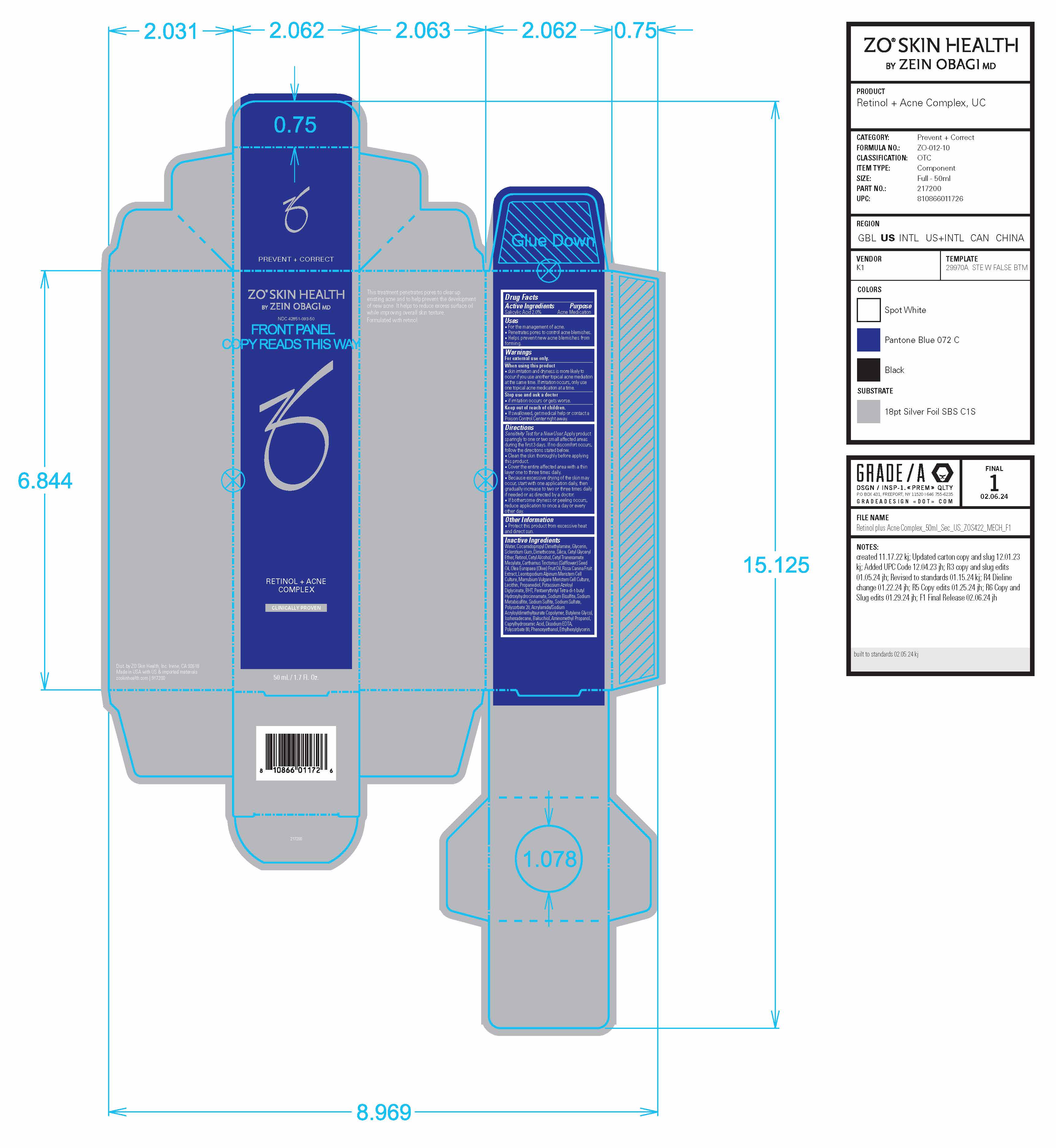
ZO Skin Health Retinol Plus Acne Complex Salicylic Acid 1 mg/50mL Lotion — NDC 42851-093-50 (Billing 42851-0093-50)
This is a package of ZO Skin Health Retinol Plus Acne Complex Salicylic Acid 1 mg/50mL Lotion from ZO Skin Health, Inc., marketed since Sep 2024 and currently FDA-listed. It is this product's only package size.
NDC database record
One package, one record: these facts belong to NDC 42851-093-50 alone.
- Record
- FDA NDC Directory package listing · Human OTC drug
- Code segments
- 42851 labeler · 093 product · 50 package
- Package marketed since
- Sep 12, 2024
- Sample package
- No — commercial package
- Listing certified through
- Dec 31, 2026
- Barcode (UPC-A, from the NDC)
- 3 4285109350 4
- FDA record last changed
- Jul 24, 2026
Identity & classification
Regulatory identifiers FDA, NLM and CMS codes for this package
Where does this data come from?
- FDA openFDA NDC Directory · synced Oct 8, 2026
- FDA label on DailyMed · label index refreshed Oct 8, 2026
- RxNorm (NLM RxNav) · catalog refreshed Oct 8, 2026
- Medi-Span GPI (licensed)
- First Databank (licensed) · refreshed Oct 8, 2026
Clinical
This is a topical lotion marketed as an OTC monograph drug product for skin care. The active ingredient, salicylic acid, is a beta hydroxy acid commonly used in over-the-counter acne and exfoliating products. Salicylic acid is typically included in such formulas to help exfoliate the skin and address oily or acne-prone skin concerns. This product is sold under OTC monograph rules, meaning it follows FDA's established standard for this category rather than undergoing individual product review.
Patient education
Supplement & herbal interactions
Where does this data come from?
- MedlinePlus (NLM) · refreshed Oct 8, 2026
- FDA label on DailyMed · label index refreshed Oct 8, 2026
Ask a licensed pharmacist directly — free, answered by our team.
Pricing
A drug doesn't have one price. Each row is a different public payment system, and none is what you'd pay at the counter — that depends on your insurance. The ⓘ on each row explains what it measures.
| Price system | Per g | Per package |
|---|---|---|
| Retail pharmacies payNADAC · weekly | Not in the retail survey — common for institutional, discontinued, or low-volume packs. | |
| Medicaid paysCMS SDUD · 12 mo | No recent Medicaid claims on file for this NDC — rare and low-volume NDCs are suppressed in the public data. | |
| Medicare drug plans payPart D · quarterly | No Part D plan price is available for this NDC in our data. | |
Where does this data come from?
- CMS NADAC weekly file
- CMS ASP pricing files · refreshed Sep 20, 2026
- CMS Medicaid State Drug Utilization Data · refreshed Oct 9, 2026
- CMS Part D plan pricing files · refreshed Sep 24, 2026
- VA National Acquisition Center price file
Packaging — all sizes for this product
| Package NDC | Description | Marketing start | Marketing end | Status |
|---|---|---|---|---|
| 42851-0093-50 You're viewing this Main listing | 1 TUBE in 1 CARTON / 50 mL in 1 TUBE | 2024-09-12 | — | Active |
Therapeutic equivalents
| Product | Labeler | Pack | NADAC/unit | TE | Status | Price vs. this |
|---|---|---|---|---|---|---|
| ZO Skin Health Retinol Plus Acne Complex 1 mg/50mLthis 42851-0093-50 | ZO | 1 tube | — | — | FDA listed | — |
Where does this data come from?
- FDA openFDA NDC Directory · synced Oct 8, 2026
- FDA Orange Book · refreshed Oct 3, 2026
- CMS NADAC weekly file
Availability & generic status
We did not find an FDA-approved generic match for this exact strength, form and route.
Where does this data come from?
- FDA Orange Book · refreshed Oct 3, 2026
Inactive Ingredients / Excipients
Inactive ingredients, also called excipients, are components of the drug product other than the active ingredient. They may include fillers, dyes, coatings, preservatives, flavors, or other formulation ingredients.
💡 Tap an ingredient (hover on desktop) to see what it is and why it’s used.
-
UNII LU49E6626Q
A synthetic organic compound used as a pH buffer and neutralizing agent in medicines. It helps maintain the proper acidity level in liquid formulations to improve stability and comfort.
-
UNII OT12HJU3AR
A plant-derived compound used as a skin-conditioning agent and antioxidant in topical formulations. It helps stabilize the product and may improve skin feel and texture in creams or lotions.
-
UNII 2X51AD1X3T
A fermented grain-derived polysaccharide used as a thickening and stabilizing agent in liquid formulations to improve texture and help maintain consistent suspension of active ingredients.
-
UNII 1P9D0Z171K
BHT is a synthetic antioxidant that prevents fats and oils in medicines from breaking down and becoming rancid. It helps keep the product stable and effective during storage.
-
UNII 3XUS85K0RA
Butylene glycol is a clear liquid derived from petroleum or plants that acts as a humectant, solvent, and preservative booster in medicines. It helps keep formulations stable, dissolve active ingredients, and maintain moisture in topical products.
-
UNII UPY805K99W
A synthetic compound derived from caprylic acid that works as a preservative and antimicrobial agent to help prevent bacterial and fungal growth in the medicine.
-
UNII 936JST6JCN
Cetyl alcohol is a waxy, fatty substance derived from plant or animal sources. It acts as an emulsifier and thickener in medicines, helping blend oil and water components and giving products a smooth, creamy texture.
-
UNII P9FNL3D0MN
A waxy emulsifier derived from coconut oil and glycerin. It helps blend oil and water-based ingredients together and thickens the medicine formulation.
-
UNII L36BM7DG2T
A foaming and cleansing agent derived from coconut oil. Used in topical medicines as a surfactant to help distribute active ingredients evenly and improve how the product feels on skin.
-
UNII 92RU3N3Y1O
Dimethicone is a silicone-based oil that acts as an anti-foaming agent and lubricant in medicines. It reduces gas bubbles in liquid formulations and helps coat and protect the stomach lining when ingested.
-
UNII 7FLD91C86K
Edetate disodium is a chemical compound that binds and removes certain metal ions. In medicines, it acts as a preservative and stabilizer by preventing metals like calcium from interfering with the product's shelf life and consistency.
-
UNII 147D247K3P
Ethylhexylglycerin is a synthetic preservative used to prevent bacteria and mold from growing in medicines and personal care products. It helps keep the product safe and stable throughout its shelf life.
-
UNII PDC6A3C0OX
Glycerin is a clear, thick liquid derived from plant oils or fats. It acts as a humectant to retain moisture, a sweetener, and a solvent in medications.
-
UNII 918X1OUF1E
Isohexadecane is a synthetic hydrocarbon oil used as an emollient and solvent in topical medicines. It helps dissolve active ingredients and improves spreadability and absorption through the skin.
-
UNII 834K0WOS5G
A natural fat extracted from sunflower seeds. It acts as an emulsifier and lubricant in medicines, helping mix ingredients that don't normally blend together and allowing the product to flow smoothly during manufacturing.
-
UNII 6UYK2W1W1E
A natural oil extracted from olives. It acts as an emollient and lubricant in formulations, helping to soften ingredients and improve how the medicine spreads or flows.
-
UNII 255PIF62MS
A synthetic antioxidant compound used to prevent oils and fats in medications from breaking down or becoming rancid during storage. It helps maintain the medicine's stability and shelf life.
-
UNII HIE492ZZ3T
Phenoxyethanol is a synthetic preservative and antimicrobial agent used to prevent bacterial and fungal growth in medicines and cosmetic products, extending shelf life and maintaining product safety.
-
UNII 7T1F30V5YH
A synthetic emulsifier derived from sorbitol and oleic acid. It helps mix oil and water-based ingredients together and keeps them from separating in liquid formulations.
-
UNII 6OZP39ZG8H
Polysorbate 80 is a synthetic emulsifier derived from sorbitol and oleic acid. It helps mix oil and water-based ingredients together in medications and improves how the product disperses in the body.
-
UNII N02RVN6NYP
A chelating compound derived from potassium, azelaic acid, and glycine. It's used in formulations as a preservative and to stabilize other active ingredients by binding to metal ions that might otherwise cause degradation.
-
UNII 5965N8W85T
Propanediol is a clear liquid organic compound derived from vegetable sources or synthesized chemically. It acts as a humectant to retain moisture, a solvent to dissolve active ingredients, and a preservative booster in liquid medications and supplements.
-
UNII G2SH0XKK91
Retinol is a form of vitamin A derived from animal sources or synthesized in a lab. In medicines, it may serve as an active therapeutic ingredient in some formulations, though when listed as an excipient it functions as a skin-conditioning agent or antioxidant to help stabilize the product.
-
UNII 3TNW8D08V3
Rosa canina fruit, also called rosehip, is a natural plant extract used in medicines as a filler and to add nutritional content. It may also help with texture or act as a mild flavoring agent in the formulation.
-
UNII 8FCL6A31TX
A natural oil extracted from safflower seeds. It acts as an emollient and skin-conditioning agent, helping to soften the product and improve how it feels or spreads on the skin.
-
UNII ETJ7Z6XBU4
Silicon dioxide is a naturally occurring mineral used as a glidant and anti-caking agent. It helps powder ingredients flow smoothly and prevents clumping during manufacturing and storage.
-
UNII TZX5469Z6I
Sodium bisulfite is a chemical salt used as a preservative and antioxidant in medicines. It prevents discoloration and degradation of active ingredients, especially in liquid formulations and injectables.
-
UNII 4VON5FNS3C
Sodium metabisulfite is a preservative derived from sulfur compounds. It prevents microbial growth and oxidation in medicines, helping extend shelf life and maintain product stability.
-
UNII 0YPR65R21J
Sodium sulfate is a mineral salt used in pharmaceuticals as a filler and diluent. It helps provide bulk and stability to tablets and capsules while remaining inert in the body.
-
UNII VTK01UQK3G
Sodium sulfite is a salt preservative derived from sulfur. It prevents discoloration and microbial growth in medicines, helping keep products stable during storage.
-
UNII 059QF0KO0R
Water is a liquid solvent that dissolves and mixes ingredients together in liquid medicines, syrups, and injections. It helps distribute the active drug evenly throughout the product.
31 inactive ingredients listed in the exact product block matched to this NDC.
Label-section wording can be broader than the structured product block and may mention additional formulation ingredients.
Where does this data come from?
ingredient classCode="IACT" elements from the exact product block matched by this NDC. Label-section narrative from DailyMed / the openFDA label index is shown separately when available.- FDA label on DailyMed · label index refreshed Oct 8, 2026
- FDA openFDA NDC Directory · synced Oct 8, 2026
Inactive ingredient FAQ
Are inactive ingredients the same for every manufacturer?
Why might an inactive ingredient be missing?
Can inactive ingredients matter?
Manufacturer & labeler
More NDCs from ZO Skin Health, Inc. labeler code 42851
- Sunscreen Plus Powder Broad-Spectrum SPF 45 Zinc Oxide .675 mg/2.7g Powder NDC 42851-069-27
- ZO Skin Health Oil Control Pads Acne Treatment Salicylic Acid 20 mg/mL Patch NDC 42851-085-30
- ZO Skin Health Acne Control Benzoyl Peroxide 100 mg/mL Cream NDC 42851-087-60
- ZO Skin Health Astringent Solution Aluminum Acetate 4866 mg/6g Powder NDC 42851-090-06
- ZO Skin Health Sheer Fluid Broad-Spectrum Sunscreen SPF 50 Zinc Oxide .225 g/50mL Lotion NDC 42851-091-50
- ZO Skin Health Gel Sunscreen Broad-Spectrum SPF 50 Avobenzone, Octisalate, Octocrylene 4.5 g/45g; 1.35 g/45g; 2.25 g/45g Gel NDC 42851-092-34
- ZO Skin Health Daily Sheer Broad-Spectrum Sunscreen SPF 50 Water Resistant (40 Minutes) Avobenzone, Homosalate, Octisalate, Octocrylene 3060 mg/45mL; 4500 mg/45mL; 2250 mg/45mL; 1350 mg/45mL Cream NDC 42851-095-45
- ZO Skin Health Smart Tone Broad-Spectrum Sunscreen SPF 50 Avobenzone, Homosalate, Octisalate, Octocrylene 50 mg/mL; 30 mg/mL; 100 mg/mL; 68 mg/mL Lotion NDC 42851-096-20
- ZO Skin Health Post Procedure Program ALUMINUM ACETATE Kit NDC 42851-187-06
- ZO Skin Health Post Procedure Recovery System Aluminum Acetate Kit NDC 42851-193-06
- ZO Skin Health Pigment Control Program Plus Hydroquinone Kit NDC 42851-200-60
- ZO Skin Health Daily Mineral Sunshade Broad-Spectrum Sunscreen SPF 45 Titanium Dioxide, Zinc Oxide 132 mg/mL; 54 mg/mL Lotion NDC 42851-201-45
Where does this data come from?
- FDA openFDA NDC Directory · synced Oct 8, 2026
- Drugs@FDA
FDA label — Drug Facts FDA SPL
🎯 Indications and Usage ▾
Drug Facts Active Ingredients Active Ingredients Purpose Salicylic Acid 2.0% Acne Medication Uses For the management of acne. Penetrates pores to control acne blemishes. Helps prevent new acne blemishes from forming.
Warnings For external use only. When using this product skin irritation and dryness is more likely to occur if you use another topical acne mediation at the same time. If irritation occurs, only use one topical acne medication at a time.
Stop use and ask a doctor if irritation occurs or gets worse. Keep out of reach of children. If swallowed, get medical help or contact a Poison Control Center right away.
Directions Sensitivity Test for a New User. Apply product sparingly to one or two small affected areas during the first 3 days. If no discomfort occurs, follow the directions stated below.
Clean the skin thoroughly before applying this product. Cover the entire affected area with a thin layer one to three times daily. Because excessive drying of the skin may occur, start with one application daily, then gradually increase to two or three times daily if needed or as directed by a doctor.
If bothersome dryness or peeling occurs, reduce application to once a day or every other day. Other Information Protect this product from excessive heat and direct sun. Inactive Ingredients Water, Cocamidopropyl Dimethylamine, Glycerin, Sclerotium Gum, Dimethicone, Silica, Cetyl Glyceryl Ether, Retinol, Cetyl Alcohol, Cetyl Tranexamate Mesylate, Carthamus Tinctorius (Safflower) Seed Oil, Olea Europaea (Olive) Fruit Oil, Rosa Canina Fruit Extract, Leontopodium Alpinum Meristem Cell Culture, Marrubium Vulgare Meristem Cell Culture, Lecithin, Propanediol, Potassium Azeloyl Diglycinate, BHT, Pentaerythrityl Tetra-di-t-butyl Hydroxyhydrocinnamate, Sodium Bisulfite, Sodium Metabisulfite, Sodium Sulfite, Sodium Sulfate, Polysorbate 20, Acrylamide/Sodium Acryloyldimethyltaurate Copolymer, Butylene Glycol, Isohexadecane, Bakuchiol, Aminomethyl Propanol, Caprylhydroxamic Acid, Disodium EDTA, Polysorbate 80, Phenoxyethanol, Ethylhexylglycerin.
⏱️ Dosage and Administration ▾
Directions Sensitivity Test for a New User. Apply product sparingly to one or two small affected areas during the first 3 days. If no discomfort occurs, follow the directions stated below.
Clean the skin thoroughly before applying this product. Cover the entire affected area with a thin layer one to three times daily. Because excessive drying of the skin may occur, start with one application daily, then gradually increase to two or three times daily if needed or as directed by a doctor.
If bothersome dryness or peeling occurs, reduce application to once a day or every other day.
⚠️ Warnings ▾
Warnings For external use only. When using this product skin irritation and dryness is more likely to occur if you use another topical acne mediation at the same time. If irritation occurs, only use one topical acne medication at a time. Stop use and ask a doctor if irritation occurs or gets worse. Keep out of reach of children. If swallowed, get medical help or contact a Poison Control Center right away.
📦 Storage and Handling ▾
Other Information Protect this product from excessive heat and direct sun.
🧪 Active Ingredient ▾
Active Ingredients Active Ingredients Purpose Salicylic Acid 2.0% Acne Medication
🧪 Inactive Ingredients ▾
Inactive Ingredients Water, Cocamidopropyl Dimethylamine, Glycerin, Sclerotium Gum, Dimethicone, Silica, Cetyl Glyceryl Ether, Retinol, Cetyl Alcohol, Cetyl Tranexamate Mesylate, Carthamus Tinctorius (Safflower) Seed Oil, Olea Europaea (Olive) Fruit Oil, Rosa Canina Fruit Extract, Leontopodium Alpinum Meristem Cell Culture, Marrubium Vulgare Meristem Cell Culture, Lecithin, Propanediol, Potassium Azeloyl Diglycinate, BHT, Pentaerythrityl Tetra-di-t-butyl Hydroxyhydrocinnamate, Sodium Bisulfite, Sodium Metabisulfite, Sodium Sulfite, Sodium Sulfate, Polysorbate 20, Acrylamide/Sodium Acryloyldimethyltaurate Copolymer, Butylene Glycol, Isohexadecane, Bakuchiol, Aminomethyl Propanol, Caprylhydroxamic Acid, Disodium EDTA, Polysorbate 80, Phenoxyethanol, Ethylhexylglycerin.
🎯 Purpose ▾
Uses For the management of acne. Penetrates pores to control acne blemishes. Helps prevent new acne blemishes from forming.
📄 When Using This Product ▾
When using this product skin irritation and dryness is more likely to occur if you use another topical acne mediation at the same time. If irritation occurs, only use one topical acne medication at a time.
📄 Stop Use and Ask a Doctor If ▾
Stop use and ask a doctor if irritation occurs or gets worse.
📄 Keep Out of Reach of Children ▾
Keep out of reach of children. If swallowed, get medical help or contact a Poison Control Center right away.
📄 Other Information ▾
For external use only.
📄 Package Label / Principal Display Panel ▾
Principal Display Panel ZO® SKIN HEALTH BY ZEIN OBAGI, MD NDC 42851-093-50 RETINOL + ACNE COMPLEX 50 mL /
1.7Fl. Oz. Dist. by ZO Skin Health, Inc. Irvine, CA 92618 Made in USA with US & imported materials zoskinhealth.com | 917200 Outer Label
Medicare Part D spend CMS · PART D · 2026 (Q1)
About this NDC listing & data coverage
What data is (and isn’t) available for this NDC — tap to expand
| NDC identity (package / product / labeler codes) | ✓ Available |
| Labeler | ✓ Available |
| Product & package description | ✓ Available |
| Marketing category & status | ✓ Available |
| Active ingredient / dosage form / route | ✓ Available |
| FDA label (SPL via DailyMed) | ✓ Available |
| Package photos | ✓ Available |
| Inactive ingredients (structured) | ✓ Available |
| NADAC pharmacy acquisition price (CMS) | — Not published for this NDC CMS publishes NADAC only for NDCs reported in its retail-pharmacy survey. |
| Orange Book / therapeutic-equivalence data | — Not published for this NDC Applies only to products approved under an NDA/ANDA; many listings are out of scope. |
| HCPCS J-code billing crosswalk | — Not published for this NDC Most self-administered / retail products have no J-code — that is normal. |
| Medicaid utilization (CMS SDUD) | — Not published for this NDC CMS reports utilization only for NDCs with Medicaid claims above its privacy threshold. |