
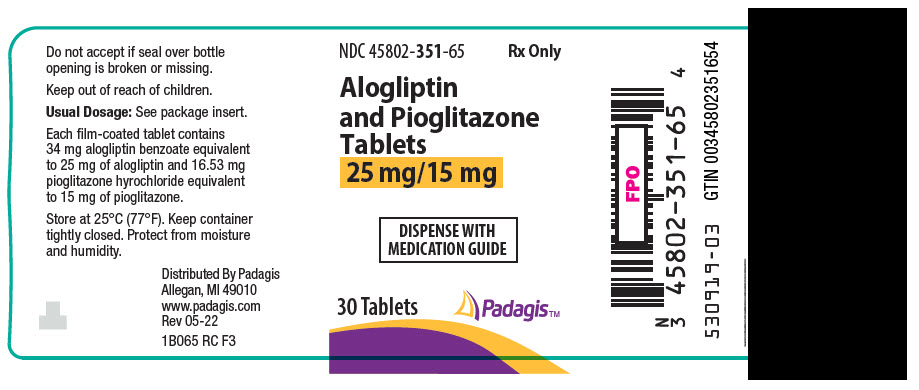
Alogliptin and Pioglitazone 25 mg; 45 mg Tablet, Film Coated, 30-count — NDC 45802-499-65 (Billing 45802-0499-65)
This is a package of 30 tablets of Alogliptin and Pioglitazone 25 mg; 45 mg Tablet, Film Coated from Padagis Israel Pharmaceuticals Ltd, marketed since Apr 2016 and currently FDA-listed. It is this product's only package size.
NDC database record
One package, one record: these facts belong to NDC 45802-499-65 alone.
- Record
- FDA NDC Directory package listing · Human prescription drug
- Code segments
- 45802 labeler · 499 product · 65 package
- Package marketed since
- Apr 8, 2016
- Sample package
- No — commercial package
- Listing certified through
- Dec 31, 2026
- Billing quantity
- 30 EA per package
- Barcode (UPC)
- 0345802260659, 0345802402653, 0345802351654, 0345802499653
- Medicaid fills, this package
- 193 prescriptions in the last four reported quarters
- FDA record last changed
- Oct 1, 2026
Identity & classification
Regulatory identifiers FDA, NLM and CMS codes for this package
Drug-database identifiers Medi-Span GPI and First Databank GCN / HICL / AHFS classification
- GSN (GCN sequence number): 070520
- GCN: 34079
- GPI-14 (Medi-Span): 27994002100350
- HICL (First Databank): 039967
- AHFS class code: 68:20.05.00
- RxCUI (RxNorm): 1368410
Where does this data come from?
- FDA openFDA NDC Directory · synced Oct 1, 2026
- FDA label on DailyMed · label index refreshed Oct 6, 2026
- RxNorm (NLM RxNav) · catalog refreshed Oct 1, 2026
- Medi-Span GPI (licensed)
- First Databank (licensed) · refreshed Oct 1, 2026
RxNorm drug class
This medicine belongs to the Dipeptidyl Peptidase 4 Inhibitor class.
Where does this data come from?
- RxClass (NLM) · catalog refreshed Oct 1, 2026
Clinical
- It helps lower blood sugar in adults with type 2 diabetes, together with diet and exercise. It is not for type 1 diabetes.
- It is a tablet taken by mouth, and you can take it with or without food. Follow your prescriber's directions and the pharmacy label. You'll have liver tests before starting.
- Common ones include cold-like symptoms such as stuffy nose or sore throat, back pain, headache and swelling. Low blood sugar is more likely if you also take insulin or a sulfonylur...
- Rapid weight gain, new swelling or shortness of breath can be heart failure. Also call for severe stomach pain, swelling of the face or throat, skin blisters, severe joint pain, vi...
Patient education
Supplement & herbal interactions
Where does this data come from?
- MedlinePlus (NLM) · refreshed Oct 1, 2026
- FDA label on DailyMed · label index refreshed Oct 6, 2026
Ask a licensed pharmacist directly — free, answered by our team.
Pricing
A drug doesn't have one price. Each row is a different public payment system, and none is what you'd pay at the counter — that depends on your insurance. The ⓘ on each row explains what it measures.
| Price system | Per each | Per package |
|---|---|---|
| Retail pharmacies payNADAC · weekly | Not in the retail survey — common for institutional, discontinued, or low-volume packs. | |
| Medicaid paysCMS SDUD · 12 mo | $6.60 | $198.14 / 30 tablets |
| Medicare drug plans payPart D · Q2 2026 | $6.22 | $186.62 / 30 tablets |
Where does this data come from?
- CMS NADAC weekly file
- CMS ASP pricing files · refreshed Sep 20, 2026
- CMS Medicaid State Drug Utilization Data · through Q1 2026
- CMS Part D plan pricing files · refreshed Sep 24, 2026
- VA National Acquisition Center price file
Packaging — all sizes for this product
| Package NDC | Description | Marketing start | Marketing end | Status |
|---|---|---|---|---|
| 45802-0499-65 You're viewing this Main listing | 30 TABLET, FILM COATED in 1 BOTTLE | 2016-04-08 | — | Active |
Therapeutic equivalents
| Product | Labeler | Pack | NADAC/unit | TE | Status | Price vs. this |
|---|---|---|---|---|---|---|
| Alogliptin and Pioglitazone 25 mg/1; 45 mgthis 45802-0499-65 | Padagis | 30 tablets | — | — | FDA listed | — |
| Oseni 25 mg/1; 45 mg 64764-0254-03 | Takeda | 30 tablets | — | — | FDA listed | — |
Where does this data come from?
- FDA openFDA NDC Directory · synced Oct 1, 2026
- FDA Orange Book · refreshed Oct 3, 2026
- CMS NADAC weekly file
Availability & generic status
We did not find an FDA-approved generic match for this exact strength, form and route. Patent/protection dates below may affect future generic timing.
Why the date isn’t exact: Generic timing can change because patents may be challenged, settled, licensed, added, removed, or worked around with a narrower label — and FDA approval does not always mean a pharmacy can get the generic today.
🛈 What do these terms mean?
- Patent
- Legal protection listed in the Orange Book that may delay generic approval or launch. Issued by the U.S. Patent & Trademark Office.
- Substance patent
- Covers the active drug molecule itself — the hardest to design around. A generic generally can’t launch until it expires.
- Formulation (product) patent
- Covers a specific formulation or dosage form. A generic can sometimes work around it with a different formulation.
- Method-of-use patent
- A patent covering one specific approved use of the drug — not necessarily the whole molecule. A generic can sometimes launch with a “skinny label” that carves out the protected use and keeps the others.
- Skinny label
- A generic label that omits a still-patented use when the FDA allows it — letting a generic reach the market for the unprotected uses.
- Exclusivity
- FDA-granted marketing protection, separate from patents — e.g. 5-yr new chemical entity, 7-yr orphan drug, or a +6-month pediatric extension.
- Paragraph IV
- A generic applicant’s formal challenge to a listed patent. It can potentially lead to earlier generic entry, but often involves litigation or a settlement.
- RLD / RS
- Reference Listed Drug — the brand product the FDA uses as the reference for generic applications. Reference Standard — the product the FDA expects generics to compare against in bioequivalence testing.
- TE / AB rating
- FDA therapeutic-equivalence rating. An AB rating generally means the FDA considers a generic therapeutically equivalent to — and substitutable for — the brand.
- LOE (loss of exclusivity)
- The latest patent or exclusivity currently listed — the loss-of-exclusivity / latest-listed-protection date shown on this page. Paragraph-IV challenges and settlements can move the real date earlier; FDA approval and a manufacturer’s decision to market can move it later.
Built from the FDA Orange Book. The bars above are scaled to each protection’s expiry; the red LOE marker is the last one to lapse.
| Patent | Type | Use code | Expires |
|---|---|---|---|
| US 7807689 ↗ | Drug substance | U-1337 | Jun 27, 2028 |
| US 7807689 ↗ | Drug substance | U-1337 | Jun 27, 2028 |
| US 7807689 ↗ | Drug substance | U-1337 | Jun 27, 2028 |
| US 7807689 ↗ | Drug substance | U-1337 | Jun 27, 2028 |
| US 7807689 ↗ | Drug substance | U-1337 | Jun 27, 2028 |
| US 7807689 ↗ | Drug substance | U-1337 | Jun 27, 2028 |
| US 8637079 ↗ | Drug product | — | Jun 4, 2029 |
| US 8637079 ↗ | Drug product | — | Jun 4, 2029 |
| US 8637079 ↗ | Drug product | — | Jun 4, 2029 |
| US 8637079 ↗ | Drug product | — | Jun 4, 2029 |
| US 8637079 ↗ | Drug product | — | Jun 4, 2029 |
| US 8637079 ↗ | Drug product | — | Jun 4, 2029 |
Is there a generic version of ALOGLIPTIN-PIOGLIT 25-45 MG TB?
The FDA approved a generic — why can’t I get it at my pharmacy yet?
Why do different websites show different generic release dates?
What does “FDA listed” mean?
What does a patent or protection date mean here?
What does “current Orange Book estimate” mean?
Can a generic come out before the last patent expires?
Can a generic come out after the listed dates?
What is the difference between patents and exclusivity?
Why are there multiple patent dates?
Where does this data come from?
- FDA Orange Book · refreshed Oct 3, 2026
What it looks like
Where does this data come from?
- FDA label on DailyMed · label index refreshed Oct 6, 2026
Inactive Ingredients / Excipients
Inactive ingredients, also called excipients, are components of the drug product other than the active ingredient. They may include fillers, dyes, coatings, preservatives, flavors, or other formulation ingredients.
🧪 Avoiding an ingredient? See Alogliptin / Pioglitazone inactive ingredients by manufacturer: every current product's list side by side, so you can ask your pharmacy for the version that does not list it.
💡 Tap an ingredient (hover on desktop) to see what it is and why it’s used.
-
UNII 3K9958V90M
A liquid solvent derived from fermentation or chemical synthesis. In medicines, alcohol dissolves active ingredients, helps preserve the product, and improves how the body absorbs certain drugs.
-
UNII 8PJ61P6TS3
Butyl alcohol is a clear liquid organic solvent derived from petroleum or natural sources. In medicines, it helps dissolve active ingredients and serves as a solvent in liquid formulations and some topical products.
-
UNII M28OL1HH48
Croscarmellose sodium is a plant-based substance derived from cellulose. It acts as a disintegrant, helping tablets and capsules break down quickly in the digestive system so the medicine can be absorbed.
-
UNII 1K09F3G675
Ferric oxide red is an inorganic iron compound used as a colorant in medicines. It gives tablets, capsules, or other dosage forms a red or reddish tint for identification and appearance.
-
UNII XM0M87F357
A dark iron oxide compound that gives medicines their black or dark color. It's used as a colorant in tablets and capsules to help identify the product and make it visually distinctive.
-
UNII UKE75GEA7F
Hydroxypropyl cellulose is a plant-based polymer used as a binder and thickener. It helps hold tablet ingredients together, controls how fast the medicine dissolves, and improves the texture of liquid formulations.
-
UNII 0WZ8WG20P6
Hypromellose 2910 is a plant-based cellulose derivative that acts as a thickener, binder, and film-coating agent. It helps control how quickly the medicine dissolves and protects the tablet or capsule from moisture and light.
-
UNII EWQ57Q8I5X
Lactose monohydrate is a natural sugar derived from milk. It serves as a filler and binder in tablets and capsules, helping create the proper size, texture, and consistency of the medicine.
-
UNII 70097M6I30
Magnesium stearate is a salt made from magnesium and stearic acid, a fatty substance. It's used in tablets and capsules as a lubricant and glidant to help ingredients flow smoothly during manufacturing and prevent sticking.
-
UNII 3OWL53L36A
A natural sugar alcohol derived from seaweed or synthesized in the lab. It's used as a filler to add bulk, a sweetener in sugar-free formulas, and a disintegrant to help tablets break apart in the stomach.
-
UNII OP1R32D61U
Microcrystalline cellulose is a purified form of cellulose, a natural fiber from plant sources. It acts as a binder and filler in tablets and capsules, helping hold ingredients together and give the medicine its shape and size.
-
UNII Q662QK8M3B
Polyethylene glycol 8000 is a synthetic polymer made from ethylene oxide. It acts as a binder and filler in tablets and capsules, helping hold ingredients together and add bulk to the medicine.
-
UNII 46N107B71O
Shellac is a natural resin secreted by the lac beetle. It's used as a coating on tablets and capsules to control how quickly the medicine dissolves and to improve appearance and stability.
-
UNII 7SEV7J4R1U
A powder made from a naturally occurring mineral. In medicines, talc works as a glidant and anti-caking agent, helping tablets and capsules flow smoothly during manufacturing and preventing clumping.
-
UNII 15FIX9V2JP
Titanium dioxide is a bright white mineral powder commonly used as a colorant and opacifying agent. It makes pills and tablets white or lighter in color and helps make coatings non-transparent.
15 inactive ingredients listed in the exact product block matched to this NDC.
Where does this data come from?
ingredient classCode="IACT" elements from the exact product block matched by this NDC. Label-section narrative from DailyMed / the openFDA label index is shown separately when available.- FDA label on DailyMed · label index refreshed Oct 6, 2026
- FDA openFDA NDC Directory · synced Oct 1, 2026
Inactive ingredient FAQ
Are inactive ingredients the same for every manufacturer?
Why might an inactive ingredient be missing?
Can inactive ingredients matter?
Manufacturer & labeler
More NDCs from Padagis Israel Pharmaceuticals Ltd labeler code 45802
- Docusate Sodium 100 mg Capsule, Liquid Filled NDC 45802-486-78
- Naproxen Sodium 220 mg Tablet, Film Coated NDC 45802-490-71
- cyanocobalamin 500 ug Spray NDC 45802-491-84
- Ammonium Lactate 12 g/100g Cream NDC 45802-493-26
- Desoximetasone 2.5 mg/g Cream NDC 45802-495-35
- desoximetasone 2.5 mg/g Ointment NDC 45802-496-14
- Betamethasone Dipropionate .5 mg/g Ointment NDC 45802-505-14
- Clindamycin and Benzoyl Peroxide Kit NDC 45802-507-02
- clindamycin and benzoyl peroxide Kit NDC 45802-509-01
- clindamycin and benzoyl peroxide Kit NDC 45802-510-03
- ketoconazole 2 g/100g Aerosol, Foam NDC 45802-532-32
- Clindamycin Phosphate 10 mg/mL Solution NDC 45802-562-01
Where does this data come from?
- FDA openFDA NDC Directory · synced Oct 1, 2026
- Drugs@FDA
Full prescribing information FDA SPL
🚨 Boxed Warning ▾
WARNING: CONGESTIVE HEART FAILURE Thiazolidinediones, including pioglitazone, which is a component of alogliptin and pioglitazone tablets, cause or exacerbate congestive heart failure in some patients [see Warnings and Precautions (5.1) ] . After initiation of alogliptin and pioglitazone tablets and after dose increases, monitor patients carefully for signs and symptoms of heart failure (e.g., excessive, rapid weight gain, dyspnea and/or edema). If congestive heart failure develops while taking alogliptin and pioglitazone tablets, consider discontinuation of alogliptin and pioglitazone tablets or dosage reduction of pioglitazone in alogliptin and pioglitazone tablets [see Warnings and Precautions (5.1) ] .
Alogliptin and pioglitazone tablets are not recommended in patients with symptomatic heart failure [see Warnings and Precautions (5.1) ] . Initiation of alogliptin and pioglitazone tablets in patients with established New York Heart Association (NYHA) Class III or IV heart failure is contraindicated [see Contraindications (4) and Warnings and Precautions (5.1) ] . WARNING: CONGESTIVE HEART FAILURE See full prescribing information for complete boxed warning Thiazolidinediones, including pioglitazone, which is a component of alogliptin and pioglitazone tablets, cause or exacerbate congestive heart failure in some patients.
( 5.1 ) After initiation of alogliptin and pioglitazone tablets and after dose increases, monitor patients carefully for signs and symptoms of heart failure (e.g., excessive, rapid weight gain, dyspnea and/or edema). If congestive heart failure develops while taking alogliptin and pioglitazone tablets, consider discontinuation of alogliptin and pioglitazone tablets or dosage reduction of pioglitazone in alogliptin and pioglitazone tablets. ( 5.1 ) Alogliptin and pioglitazone tablets are not recommended in patients with symptomatic heart failure.
( 5.1 ) Initiation of alogliptin and pioglitazone tablets in patients with established New York Heart Association (NYHA) Class III or IV heart failure is contraindicated. ( 4 , 5.1 )
🎯 Indications and Usage ▾
1 INDICATIONS AND USAGE Alogliptin and pioglitazone tablets are indicated as an adjunct to diet and exercise to improve glycemic control in adults with type 2 diabetes mellitus . Alogliptin and pioglitazone tablets are a combination of alogliptin, a dipeptidyl peptidase-4 inhibitor, and pioglitazone, a thiazolidinedione agonist of peroxisome proliferator receptor gamma, indicated as an adjunct to diet and exercise to improve glycemic control in adults with type 2 diabetes mellitus. ( 1 ) Limitations of Use: Alogliptin and pioglitazone tablets are not recommended for use in patients with type 1 diabetes mellitus.
( 1 ) Limitations of Use Alogliptin and pioglitazone tablets are not recommended for use in patients with type 1 diabetes mellitus.
⏱️ Dosage and Administration ▾
2 DOSAGE AND ADMINISTRATION Obtain liver tests prior to initiation. Alogliptin and pioglitazone tablets may be taken with or without food. ( 2.1 ) Individualize the starting dose of alogliptin and pioglitazone tablets based on the patient’s current regimen and concurrent medical condition but do not exceed a daily dose of alogliptin 25 mg and pioglitazone 45 mg.
( 2.2 ) The recommended starting dosage in patients with NYHA Class I or II congestive heart failure is 25 mg of alogliptin and 15 mg of pioglitazone ( 2.4 ) Prior to initiation, assess renal function with creatinine clearance (CrCl) ( 2.3 ) Mild renal impairment (creatinine clearance [CrCl] ≥60 mL/min): same as the recommended dosage in patients with normal renal function. Moderate renal impairment (CrCl ≥30 to <60 mL/min): 12.5 mg of alogliptin and 30 mg of pioglitazone once daily. Severe renal impairment (CrCl ≥15 to <30 mL/min) or ESRD (CrCl <15 mL/min or requiring hemodialysis): not recommended.
2.1Important Dosage and Administration Information Obtain liver tests (serum alanine and aspartate aminotransferases, alkaline phosphatase, and total bilirubin) prior to initiating alogliptin and pioglitazone tablets [see Warnings and Precautions (5.4) ] . Take alogliptin and pioglitazone tablets orally once daily. Do not split tablets.
Alogliptin and pioglitazone tablets may be taken with or without food [see Clinical Pharmacology (12.3) ] . If a dose is missed, do not double the next dose.
2.2Recommended Dosage and Administration Recommended Starting Dosage Based on Current Regimen Individualize the starting dosage of alogliptin and pioglitazone tablets based on the patient's current regimen and the available strengths of alogliptin and pioglitazone tablets (see Table 1 ). Table 1: Recommended Starting Dosage Based on the Patient’s Current Regimen Current Regimen Starting Dosage of Alogliptin and Pioglitazone Tablets For dosage recommendations for patients with renal impairment and/or congestive heart failure, [see Dosage and Administration (2.3 , 2.4) ] .
Not treated with either alogliptin or pioglitazone 25 mg/15 mg or 25 mg/30 mg Alogliptin 25 mg/15 mg or 25 mg/30 mg Pioglitazone 25 mg/15 mg, 25 mg/30 mg, or 25 mg/45 mg Alogliptin and pioglitazone Select a dosage that is as close as possible to the current dosage of alogliptin and pioglitazone Dosage Titration for Additional Glycemic Control Titrate the alogliptin and pioglitazone tablets dosage gradually, as needed, after assessing therapeutic response and tolerability, up to a maximum dosage of 25 mg of alogliptin and 45 mg of pioglitazone once daily.
2.3Recommended Dosage for Patients with Renal Impairment Assess renal function prior to initiation of alogliptin and pioglitazone tablets and periodically thereafter [see Use in Specific Populations (8.6) ] . The recommended dosage of alogliptin and pioglitazone tablets in patients with mild renal impairment (creatinine clearance [CrCl] ≥60 mL/min) is the same as the recommended dosage in patients with normal renal function [see Dosage and Administration (2.1) ] . The recommended dosage of alogliptin and pioglitazone tablets for patients with moderate renal impairment (CrCl ≥30 to <60 mL/min) is 12.5 mg of alogliptin and 30 mg of pioglitazone once daily.
Alogliptin and pioglitazone tablets are not recommended for patients with severe renal impairment (CrCl ≥15 to <30 mL/min) or ESRD (CrCl <15 mL/min or requiring hemodialysis) because these patients require a lower dosage of alogliptin than what is available in the fixed dose combination product, alogliptin and pioglitazone tablets [see Use in Specific Populations (8.6) and Clinical Pharmacology (12.3) ] .
2.4Recommendations for Congestive Heart Failure Starting Dosage in Patients with NYHA Class I or II Congestive Heart Failure For patients with preexisting NYHA Class I or II congestive heart failure, the recommended starting dosage of alogliptin and pioglitazone tablets is 25 mg of alogliptin and 15 mg of pioglita… [Excerpted — this section continues on DailyMed.]
💊 Dosage Forms and Strengths ▾
3 DOSAGE FORMS AND STRENGTHS Pharmaceutical form Strength (alogliptin/ pioglitazone) Color Shape Markings (on one side) film-coated tablets 12.5 mg/30 mg Pale peach Round biconvex “A/P” and “12.5/30” film-coated tablets 25 mg/15 mg Yellow Round biconvex “A/P” and “25/15” film-coated tablets 25 mg/30 mg Peach Round biconvex “A/P” and “25/30” film-coated tablets 25 mg/45 mg Red Round biconvex “A/P” and “25/45” Tablets: 25 mg alogliptin and 15 mg pioglitazone, 25 mg alogliptin and 30 mg pioglitazone, 25 mg alogliptin and 45 mg pioglitazone.
( 3 ) 12.5 mg alogliptin and 30 mg pioglitazone. ( 3 )
⛔ Contraindications ▾
4 CONTRAINDICATIONS Alogliptin and pioglitazone tablets are contraindicated in patients with: Established NYHA Class III or IV heart failure at the time of alogliptin and pioglitazone tablets initiation [see Boxed Warning ] . A history of serious hypersensitivity reaction to alogliptin, pioglitazone, or any of the excipients in alogliptin and pioglitazone tablets. Reactions such as anaphylaxis, angioedema and severe cutaneous adverse reactions have been reported [see Warnings and Precautions (5.3) , Adverse reactions (6.2) ] .
In patients with established NYHA Class III or IV heart failure at the time of alogliptin and pioglitazone tablets initiation. ( 4 ) In patients with a history of serious hypersensitivity reaction to alogliptin, pioglitazone, or any of the excipients in alogliptin and pioglitazone tablets. ( 4 )
⚠️ Warnings and Cautions ▾
5 WARNINGS AND PRECAUTIONS Congestive heart failure: Fluid retention may occur and can exacerbate or lead to congestive heart failure. Combination use with insulin and use in congestive heart failure NYHA Class I and II may increase risk. Consider the risks and benefits of alogliptin and pioglitazone tablets prior to initiating treatment in patients at risk for heart failure.
Monitor patients for signs and symptoms. ( 5.1 ) Pancreatitis: There have been postmarketing reports of acute pancreatitis. If pancreatitis is suspected, promptly discontinue alogliptin and pioglitazone tablets.
( 5.2 ) Hypersensitivity: There have been postmarketing reports of serious hypersensitivity reactions in patients treated with alogliptin such as anaphylaxis, angioedema and severe cutaneous adverse reactions, including Stevens-Johnson syndrome. In such cases, promptly discontinue alogliptin and pioglitazone tablets. ( 5.3 ) Hepatic effects: Postmarketing reports of hepatic failure, sometimes fatal.
Causality cannot be excluded. If liver injury is detected, promptly interrupt alogliptin and pioglitazone tablets and assess patient for probable cause, then treat cause if possible, to resolution or stabilization. Do not restart alogliptin and pioglitazone tablets if liver injury is confirmed and no alternative etiology can be found.
Use with caution in patients with liver disease. ( 5.4 ) Edema: Dose-related edema may occur. ( 5.5 ) Fractures: Increased incidence in female patients.
Apply current standards of care for assessing and maintaining bone health. ( 5.6 ) Urinary bladder tumors: May increase the risk of bladder cancer. Do not use in patients with active bladder cancer.
Use caution when using in patients with a prior history of bladder cancer. ( 5.7 ) Hypoglycemia: Consider a lower dose of insulin or insulin secretagogue to reduce risk of hypoglycemia when used in combination with alogliptin and pioglitazone tablets. ( 5.8 ) Macular edema: Postmarketing reports.
Recommend regular eye exams in all patients with diabetes according to current standards of care with prompt evaluation for acute visual changes. ( 5.9 ) Arthralgia: Severe and disabling arthralgia has been reported in patients taking DPP-4 inhibitors. Consider as a possible cause for severe joint pain and discontinue if appropriate.
( 5.10 ) Bullous pemphigoid: There have been postmarketing reports of bullous pemphigoid requiring hospitalization in patients taking DPP-4 inhibitors. Tell patients to report development of blisters or erosions. If bullous pemphigoid is suspected, discontinue alogliptin and pioglitazone tablets.
( 5.11 )
5.1Congestive Heart Failure Alogliptin In the EXAMINE trial which enrolled patients with type 2 diabetes mellitus and recent acute coronary syndrome, 106 (3.9%) of patients treated with alogliptin and 89 (3.3%) of patients treated with placebo were hospitalized for congestive heart failure. Pioglitazone Pioglitazone, like other thiazolidinediones, can cause dose-related fluid retention when used alone or in combination with other antidiabetic medications and is most common when pioglitazone is used in combination with insulin.
Fluid retention may lead to or exacerbate congestive heart failure [see Boxed Warning , Contraindications (4) and Adverse Reactions (6.1) ] . Consider the risks and benefits of alogliptin and pioglitazone tablets prior to initiating treatment in patients at risk for heart failure, such as those with a prior history of heart failure and a history of renal impairment. Observe these patients for signs and symptoms of congestive heart failure.
Advise patients about the symptoms of congestive heart failure and to immediately report such symptoms. If congestive heart failure develops while taking alogliptin and pioglitazone tablets, consider discontinuation of alogliptin and pioglitazone tablets or dosage reduction of pioglitazone in alogliptin and pioglitazone tablets ( 6.1 )] .
5.2Pancreatitis Acute pancreatitis has been reported in… [Excerpted — this section continues on DailyMed.]
🤒 Adverse Reactions ▾
6 ADVERSE REACTIONS The following serious adverse reactions are described below or elsewhere in the prescribing information: Congestive Heart Failure [see Boxed Warning and Warnings and Precautions (5.1) ] Pancreatitis [see Warnings and Precautions (5.2) ] Hypersensitivity Reactions [see Warnings and Precautions (5.3) ] Hepatic Effects [see Warnings and Precautions (5.4) ] Edema [see Warnings and Precautions (5.5) ] Fractures [see Warnings and Precautions (5.6) ] Urinary Bladder Tumors [see Warnings and Precautions (5.7) ] Hypoglycemia with Concomitant Use with Insulin or Insulin Secretagogues [see Warnings and Precautions (5.8) ] Macular Edema [see Warnings and Precautions (5.9) ] Severe and Disabling Arthralgia [see Warnings and Precautions (5.10) ] Bullous Pemphigoid [see Warnings and Precautions (5.11) ] The most common adverse reactions (4% or greater incidence) are nasopharyngitis, back pain and upper respiratory tract infection.
( 6.1 ) To report SUSPECTED ADVERSE REACTIONS, contact Takeda Pharmaceuticals America, Inc. at 1-877-TAKEDA-7 (1-877-825-3327) or FDA at 1-800-FDA-1088 or www.fda.gov/medwatch.
6.1Clinical Trials Experience Because clinical trials are conducted under widely varying conditions, adverse reaction rates observed in the clinical trials of a drug cannot be directly compared to rates in the clinical trials of another drug and may not reflect the rates observed in practice. Alogliptin and Pioglitazone Over 1,500 patients with type 2 diabetes mellitus have received alogliptin coadministered with pioglitazone in four large, randomized, double-blind, controlled clinical trials [see Clinical Studies (14) ] .
The mean exposure to alogliptin and pioglitazone was 29 weeks with more than 100 subjects treated for more than one year. The studies consisted of two placebo-controlled studies of 16 to 26 weeks in duration and two active-controlled studies of 26 weeks and 52 weeks in duration. In the alogliptin and pioglitazone arm, the mean duration of diabetes was approximately six years, the mean body mass index (BMI) was 31 kg/m 2 (54% of patients had a BMI ≥30 kg/m 2 ), and the mean age was 54 years (16% of patients ≥65 years of age).
In a pooled analysis of these four controlled clinical studies, the overall incidence of adverse reactions was 65% in patients treated with alogliptin and pioglitazone compared to 57% treated with placebo. Overall discontinuation of therapy due to adverse reactions was 2.5% with alogliptin and pioglitazone compared to 2.0% with placebo, 3.7% with pioglitazone or 1.3% with alogliptin. Adverse reactions reported in ≥4% of patients treated with alogliptin and pioglitazone and more frequently than in patients who received alogliptin, pioglitazone or placebo are summarized in Table 2 .
Table 2. Adverse Reactions Reported in ≥4% of Patients Treated with Alogliptin and Pioglitazone and More Frequently than in Patients Receiving Either Alogliptin, Pioglitazone or Placebo Number of Patients (%) Alogliptin and pioglitazone Alogliptin and pioglitazone – includes data pooled for patients receiving alogliptin 25 mg and 12.5 mg combined with pioglitazone 15 mg, 30 mg and 45 mg Alogliptin Alogliptin – includes data pooled for patients receiving alogliptin 25 mg and 12.5 mg Pioglitazone Pioglitazone – includes data pooled for patients receiving pioglitazone 15 mg, 30 mg and 45 mg Placebo N=1533 N=446 N=949 N=153 Nasopharyngitis 75 (4.9) 21 (4.7) 37 (3.9) 6 (3.9) Back Pain 64 (4.2) 9 (2.0) 32 (3.4) 5 (3.3) Upper Respiratory Tract Infection 63 (4.1) 19 (4.3) 26 (2.7) 5 (3.3) Alogliptin Add-On Therapy to a Thiazolidinedione In a 26 week, placebo-controlled, double-blind study, patients inadequately controlled on a thiazolidinedione alone or in combination with metformin or a sulfonylurea were treated with add-on alogliptin therapy or placebo; the adverse reactions reported in ≥5% of patients and more frequently than in patients who received placebo was influenza (alogliptin, 5.5%; placebo, 4.1%).
Hyp… [Excerpted — this section continues on DailyMed.]
🔄 Drug Interactions ▾
7 DRUG INTERACTIONS Strong CYP2C8 inhibitors (e.g., gemfibrozil) increase pioglitazone concentrations. Limit the pioglitazone dose to 15 mg daily. ( 7.2 ) CYP2C8 inducers (e.g., rifampin) may decrease pioglitazone concentrations. ( 7.3 ) Topiramate may decrease pioglitazone concentrations. ( 7.4 )
7.1Insulin Secretagogues and Insulin Insulin and insulin secretagogues are known to cause hypoglycemia. Coadministration of alogliptin and pioglitazone tablets with an insulin secretagogue (e.g., sulfonylurea) or insulin may require lower dosages of the insulin secretagogue and insulin to reduce the risk of hypoglycemia [see Warnings and Precautions (5.8) ] .
7.2Strong CYP2C8 Inhibitors An inhibitor of CYP2C8 (e.g., gemfibrozil) significantly increases the exposure (area under the concentration-time curve [AUC]) and half-life of pioglitazone. Therefore, the maximum recommended dosage of alogliptin and pioglitazone tablets is 25 mg of alogliptin and 15 mg of pioglitazone once daily if used in combination with gemfibrozil or other strong CYP2C8 inhibitors [see Dosage and Administration (2.5) and Clinical Pharmacology (12.3) ] .
7.3CYP2C8 Inducers An inducer of CYP2C8 (e.g., rifampin) may significantly decrease the exposure (AUC) of pioglitazone. Therefore, if an inducer of CYP2C8 is started or stopped during treatment with alogliptin and pioglitazone tablets, changes in diabetes treatment may be needed based on clinical response without exceeding the maximum recommended daily dose of alogliptin and pioglitazone tablets (25 mg of alogliptin and 45 mg of pioglitazone) [see Clinical Pharmacology (12.3) ] .
7.4Topiramate A decrease in the exposure of pioglitazone and its active metabolites were noted with concomitant administration of pioglitazone and topiramate [see Clinical Pharmacology (12.3) ] . The clinical relevance of this decrease is unknown; however, when alogliptin and pioglitazone tablets and topiramate are used concomitantly, monitor patients for adequate glycemic control.
👥 Use in Specific Populations ▾
8 USE IN SPECIFIC POPULATIONS Females and Males of Reproductive Potential: Advise premenopausal females of the potential for an unintended pregnancy. ( 8.3 ) Pediatrics: safety and effectiveness have not been established. ( 8.4 )
8.1Pregnancy Risk Summary Limited data with alogliptin and pioglitazone tablets in pregnant women are not sufficient to inform a drug-associated risk for major birth defects or miscarriage. There are risks to the mother and fetus associated with poorly controlled diabetes in pregnancy [see Clinical Considerations ]. In animal reproduction studies, no adverse developmental effects were observed when pioglitazone was administered to pregnant rats and rabbits during organogenesis at exposures up to 5 and 35 times the 45 mg clinical dose, respectively, based on body surface area.
No adverse developmental effects were observed when alogliptin was administered to pregnant rats and rabbits during organogenesis at exposures 180 and 149 times the 25 mg clinical dose, respectively, based on plasma drug exposure (AUC) [see Data ] . The estimated background risk of major birth defects is 6-10% in women with pre-gestational diabetes with a HbA1c >7 and has been reported to be as high as 20-25% in women with a HbA1c >10. The estimated background risk of miscarriage for the indicated population is unknown.
In the U.S. general population, the estimated background risk of major birth defects and miscarriage in clinically recognized pregnancies is 2-4% and 15-20%, respectively. Clinical Considerations Disease-associated Maternal and/or Embryo/Fetal risk Poorly controlled diabetes in pregnancy increases the maternal risk for diabetic ketoacidosis, pre-eclampsia, spontaneous abortions, preterm delivery, and delivery complications. Poorly controlled diabetes increases the fetal risk for major birth defects, still birth, and macrosomia related morbidity.
Data Animal Data Alogliptin and Pioglitazone Co-administration of 100 mg/kg alogliptin and 40 mg/kg pioglitazone (39 and 10 times the 25 mg and 45 mg clinical doses, respectively, based on body surface area) to pregnant rats during organogenesis slightly augmented pioglitazone-related fetal effects of delayed development and reduced fetal weights but did not result in embryofetal mortality or teratogenicity. Alogliptin Alogliptin administered to pregnant rabbits and rats during the period of organogenesis did not cause adverse developmental effects at doses of up to 200 mg/kg and 500 mg/kg, or 149 times and 180 times, the 25 mg clinical dose, respectively, based on plasma drug exposure (AUC).
Placental transfer of alogliptin into the fetus was observed following oral dosing to pregnant rats. No adverse developmental outcomes were observed in offspring when alogliptin was administered to pregnant rats during gestation and lactation at doses up to 250 mg/kg (~95 times the 25 mg clinical dose, based on AUC). Pioglitazone Pioglitazone administered to pregnant rats during organogenesis did not cause adverse developmental effects at a dose of 20 mg/kg (~5-times the 45 mg clinical dose), but delayed parturition and reduced embryofetal viability at 40 and 80 mg/kg, or ≥9-times the 45 mg clinical dose, by body surface area.
In pregnant rabbits administered pioglitazone during organogenesis, no adverse developmental effects were observed at 80 mg/kg (~35-times the 45 mg clinical dose), but reduced embryofetal viability at 160 mg/kg, or ~69-times the 45 mg clinical dose, by body surface area. When pregnant rats received pioglitazone during late gestation and lactation, delayed postnatal development, attributed to decreased body weight, occurred in offspring at maternal doses of 10 mg/kg and above or ≥2 times the 45 mg clinical dose, by body surface area.
8.2Lactation Risk Summary There is no information regarding the presence of pioglitazone or alogliptin in human milk, the effects on the breastfed infant, or the effects on milk production. Pioglitazone and alogliptin are present i… [Excerpted — this section continues on DailyMed.]
🤰 Pregnancy ▾
8.1Pregnancy Risk Summary Limited data with alogliptin and pioglitazone tablets in pregnant women are not sufficient to inform a drug-associated risk for major birth defects or miscarriage. There are risks to the mother and fetus associated with poorly controlled diabetes in pregnancy [see Clinical Considerations ]. In animal reproduction studies, no adverse developmental effects were observed when pioglitazone was administered to pregnant rats and rabbits during organogenesis at exposures up to 5 and 35 times the 45 mg clinical dose, respectively, based on body surface area.
No adverse developmental effects were observed when alogliptin was administered to pregnant rats and rabbits during organogenesis at exposures 180 and 149 times the 25 mg clinical dose, respectively, based on plasma drug exposure (AUC) [see Data ] . The estimated background risk of major birth defects is 6-10% in women with pre-gestational diabetes with a HbA1c >7 and has been reported to be as high as 20-25% in women with a HbA1c >10. The estimated background risk of miscarriage for the indicated population is unknown.
In the U.S. general population, the estimated background risk of major birth defects and miscarriage in clinically recognized pregnancies is 2-4% and 15-20%, respectively. Clinical Considerations Disease-associated Maternal and/or Embryo/Fetal risk Poorly controlled diabetes in pregnancy increases the maternal risk for diabetic ketoacidosis, pre-eclampsia, spontaneous abortions, preterm delivery, and delivery complications. Poorly controlled diabetes increases the fetal risk for major birth defects, still birth, and macrosomia related morbidity.
Data Animal Data Alogliptin and Pioglitazone Co-administration of 100 mg/kg alogliptin and 40 mg/kg pioglitazone (39 and 10 times the 25 mg and 45 mg clinical doses, respectively, based on body surface area) to pregnant rats during organogenesis slightly augmented pioglitazone-related fetal effects of delayed development and reduced fetal weights but did not result in embryofetal mortality or teratogenicity. Alogliptin Alogliptin administered to pregnant rabbits and rats during the period of organogenesis did not cause adverse developmental effects at doses of up to 200 mg/kg and 500 mg/kg, or 149 times and 180 times, the 25 mg clinical dose, respectively, based on plasma drug exposure (AUC).
Placental transfer of alogliptin into the fetus was observed following oral dosing to pregnant rats. No adverse developmental outcomes were observed in offspring when alogliptin was administered to pregnant rats during gestation and lactation at doses up to 250 mg/kg (~95 times the 25 mg clinical dose, based on AUC). Pioglitazone Pioglitazone administered to pregnant rats during organogenesis did not cause adverse developmental effects at a dose of 20 mg/kg (~5-times the 45 mg clinical dose), but delayed parturition and reduced embryofetal viability at 40 and 80 mg/kg, or ≥9-times the 45 mg clinical dose, by body surface area.
In pregnant rabbits administered pioglitazone during organogenesis, no adverse developmental effects were observed at 80 mg/kg (~35-times the 45 mg clinical dose), but reduced embryofetal viability at 160 mg/kg, or ~69-times the 45 mg clinical dose, by body surface area. When pregnant rats received pioglitazone during late gestation and lactation, delayed postnatal development, attributed to decreased body weight, occurred in offspring at maternal doses of 10 mg/kg and above or ≥2 times the 45 mg clinical dose, by body surface area.
🧒 Pediatric Use ▾
8.4Pediatric Use Safety and effectiveness of alogliptin and pioglitazone tablets in pediatric patients have not been established. Alogliptin and pioglitazone tablets are not recommended for use in pediatric patients based on adverse effects observed in adults, including fluid retention and congestive heart failure, fractures and urinary bladder tumors [see Warnings and Precautions (5.1 , 5.5 , 5.6 , 5.7) ] .
🧓 Geriatric Use ▾
8.5Geriatric Use Alogliptin and Pioglitazone Of the total number of patients (N=1,533) in clinical safety and efficacy studies treated with alogliptin and pioglitazone, 248 (16.2%) patients were 65 years and older and 15 (1%) patients were 75 years and older. No overall differences in safety or effectiveness were observed between patients 65 years of age and older and younger adult patients. Alogliptin Of the total number of patients (N=9,052) in clinical safety and efficacy studies treated with alogliptin, 2,257 (24.9%) patients were ≥65 years old and 386 (4.3%) patients were ≥75 years old.
No overall differences in safety or effectiveness were observed between patients 65 years of age and older and younger adult patients. Pioglitazone A total of 92 patients (15.2%) treated with pioglitazone in the three pooled, 16 to 26 week, double-blind, placebo-controlled, monotherapy trials were ≥65 years old and two patients (0.3%) were ≥75 years old. In the two pooled 16 to 24 week add-on to sulfonylurea trials, 201 patients (18.7%) treated with pioglitazone were ≥65 years old and 19 (1.8%) were ≥75 years old.
In the two pooled 16 to 24 week add-on to metformin trials, 155 patients (15.5%) treated with pioglitazone were ≥65 years old and 19 (1.9%) were ≥75 years old. In the two pooled 16 to 24 week add-on to insulin trials, 272 patients (25.4%) treated with pioglitazone were ≥65 years old and 22 (2.1%) were ≥75 years old. In PROactive, 1068 patients (41%) treated with pioglitazone were ≥65 years old and 42 (1.6%) were ≥75 years old.
In pharmacokinetic studies with pioglitazone, no significant differences were observed in pharmacokinetic parameters between elderly and younger patients. These clinical experiences have not identified differences in effectiveness and safety between the elderly (≥65 years) and younger patients although small sample sizes for patients ≥75 years old limit conclusions [see Clinical Pharmacology (12.3) ] .
🆘 Overdosage ▾
10 OVERDOSAGE In the event of an overdose, it is reasonable to institute the necessary clinical monitoring and supportive therapy as dictated by the patient's clinical status. Per clinical judgment, it may be reasonable to initiate removal of unabsorbed material from the gastrointestinal tract. Alogliptin is minimally dialyzable; over a three-hour hemodialysis session, approximately 7% of the drug was removed.
Therefore, hemodialysis is unlikely to be beneficial in an overdose situation. It is not known if alogliptin is dialyzable by peritoneal dialysis. In the event of an overdose, contact the Poison Help Line (1-800-222-1222) or a medical toxicologist for additional overdosage management recommendations.
🧬 Clinical Pharmacology ▾
12 CLINICAL PHARMACOLOGY
12.1Mechanism of Action Alogliptin and pioglitazone tablets combine two antihyperglycemic agents: alogliptin and pioglitazone. Alogliptin Increased concentrations of the incretin hormones such as glucagon-like peptide-1 (GLP-1) and glucose-dependent insulinotropic polypeptide (GIP) are released into the bloodstream from the small intestine in response to meals. These hormones cause insulin release from the pancreatic beta cells in a glucose-dependent manner but are inactivated by the dipeptidyl peptidase-4 (DPP-4) enzyme within minutes.
GLP-1 also lowers glucagon secretion from pancreatic alpha cells, reducing hepatic glucose production. In patients with type 2 diabetes mellitus, concentrations of GLP-1 are reduced but the insulin response to GLP-1 is preserved. Alogliptin is a DPP-4 inhibitor that slows the inactivation of the incretin hormones, thereby increasing their bloodstream concentrations and reducing fasting and postprandial glucose concentrations in a glucose-dependent manner in patients with type 2 diabetes mellitus.
Alogliptin selectively binds to and inhibits DPP-4 but not DPP-8 or DPP-9 activity in vitro at concentrations approximating therapeutic exposures. Pioglitazone Pioglitazone is a thiazolidinedione that depends on the presence of insulin for its mechanism of action. Pioglitazone decreases insulin resistance in the periphery and in the liver resulting in increased insulin-dependent glucose disposal and decreased hepatic glucose output.
Pioglitazone is not an insulin secretagogue. Pioglitazone is an agonist for peroxisome proliferator-activated receptor-gamma (PPARγ). PPAR receptors are found in tissues important for insulin action such as adipose tissue, skeletal muscle and liver.
Activation of PPARγ nuclear receptors modulates the transcription of a number of insulin- responsive genes involved in the control of glucose and lipid metabolism. In animal models of diabetes, pioglitazone reduces the hyperglycemia, hyperinsulinemia and hypertriglyceridemia characteristic of insulin-resistant states such as type 2 diabetes mellitus. The metabolic changes produced by pioglitazone result in increased responsiveness of insulin-dependent tissues and are observed in numerous animal models of insulin resistance.
Because pioglitazone enhances the effects of circulating insulin (by decreasing insulin resistance), it does not lower blood glucose in animal models that lack endogenous insulin.
12.2Pharmacodynamics Alogliptin and Pioglitazone In a 26 week, randomized, active-controlled study, patients with type 2 diabetes mellitus received alogliptin 25 mg coadministered with pioglitazone 30 mg, alogliptin 12.5 mg coadministered with pioglitazone 30 mg, alogliptin 25 mg alone or pioglitazone 30 mg alone. Patients who were randomized to alogliptin 25 mg with pioglitazone 30 mg achieved a 26.2% decrease in triglyceride levels from a mean baseline of 214.2 mg/dL compared to an 11.5% decrease for alogliptin alone and a 21.8% decrease for pioglitazone alone.
In addition, a 14.4% increase in HDL cholesterol levels from a mean baseline of 43.2 mg/dL was also observed for alogliptin 25 mg with pioglitazone 30 mg compared to a 1.9% increase for alogliptin alone and a 13.2% increase for pioglitazone alone. The changes in measures of LDL cholesterol and total cholesterol were similar between alogliptin 25 mg with pioglitazone 30 mg versus alogliptin alone and pioglitazone alone. A similar pattern of lipid effects was observed in a 26 week, placebo-controlled factorial study.
Alogliptin Single-dose administration of alogliptin to healthy subjects resulted in a peak inhibition of DPP-4 within two to three hours after dosing. The peak inhibition of DPP-4 exceeded 93% across doses of 12.5 mg to 800 mg. Inhibition of DPP-4 remained above 80% at 24 hours for doses greater than or equal to 25 mg.
Peak and total exposure over 24 hours to active GLP-1 were three- to four-fold greater with alogliptin (at doses of 25… [Excerpted — this section continues on DailyMed.]
🧬 Mechanism of Action ▾
12.1Mechanism of Action Alogliptin and pioglitazone tablets combine two antihyperglycemic agents: alogliptin and pioglitazone. Alogliptin Increased concentrations of the incretin hormones such as glucagon-like peptide-1 (GLP-1) and glucose-dependent insulinotropic polypeptide (GIP) are released into the bloodstream from the small intestine in response to meals. These hormones cause insulin release from the pancreatic beta cells in a glucose-dependent manner but are inactivated by the dipeptidyl peptidase-4 (DPP-4) enzyme within minutes.
GLP-1 also lowers glucagon secretion from pancreatic alpha cells, reducing hepatic glucose production. In patients with type 2 diabetes mellitus, concentrations of GLP-1 are reduced but the insulin response to GLP-1 is preserved. Alogliptin is a DPP-4 inhibitor that slows the inactivation of the incretin hormones, thereby increasing their bloodstream concentrations and reducing fasting and postprandial glucose concentrations in a glucose-dependent manner in patients with type 2 diabetes mellitus.
Alogliptin selectively binds to and inhibits DPP-4 but not DPP-8 or DPP-9 activity in vitro at concentrations approximating therapeutic exposures. Pioglitazone Pioglitazone is a thiazolidinedione that depends on the presence of insulin for its mechanism of action. Pioglitazone decreases insulin resistance in the periphery and in the liver resulting in increased insulin-dependent glucose disposal and decreased hepatic glucose output.
Pioglitazone is not an insulin secretagogue. Pioglitazone is an agonist for peroxisome proliferator-activated receptor-gamma (PPARγ). PPAR receptors are found in tissues important for insulin action such as adipose tissue, skeletal muscle and liver.
Activation of PPARγ nuclear receptors modulates the transcription of a number of insulin- responsive genes involved in the control of glucose and lipid metabolism. In animal models of diabetes, pioglitazone reduces the hyperglycemia, hyperinsulinemia and hypertriglyceridemia characteristic of insulin-resistant states such as type 2 diabetes mellitus. The metabolic changes produced by pioglitazone result in increased responsiveness of insulin-dependent tissues and are observed in numerous animal models of insulin resistance.
Because pioglitazone enhances the effects of circulating insulin (by decreasing insulin resistance), it does not lower blood glucose in animal models that lack endogenous insulin.
📦 How Supplied / Storage and Handling ▾
16 HOW SUPPLIED/STORAGE AND HANDLING Alogliptin and pioglitazone tablets are available in the following strengths and packages: 25 mg/15 mg tablet: yellow, round, biconvex and film-coated with both “A/P” and “25/15” printed on one side, available in: NDC 45802-351-65 Bottles of 30 tablets 25 mg/30 mg tablet: peach, round, biconvex and film-coated with both “A/P” and “25/30” printed on one side, available in: NDC 45802-402-65 Bottles of 30 tablets 25 mg/45 mg tablet: red, round, biconvex, film-coated and with both “A/P” and “25/45” printed on one side, available in: NDC 45802-499-65 Bottles of 30 tablets 12.5 mg/30 mg tablet: pale peach, round, biconvex and film-coated with both “A/P” and “12.5/30” printed on one side, available in: NDC 45802-260-65 Bottles of 30 tablets Storage Store at 25°C (77°F); excursions permitted to 15° to 30°C (59° to 86°F) [see USP Controlled Room Temperature].
Keep container tightly closed and protect from moisture and humidity.
📦 Storage and Handling ▾
Storage Store at 25°C (77°F); excursions permitted to 15° to 30°C (59° to 86°F) [see USP Controlled Room Temperature]. Keep container tightly closed and protect from moisture and humidity.
📋 Description ▾
11 DESCRIPTION Alogliptin and pioglitazone tablets contain two oral antihyperglycemic drugs used in the management of type 2 diabetes mellitus: alogliptin and pioglitazone. Alogliptin Alogliptin is a selective, orally bioavailable inhibitor of the enzymatic activity of dipeptidyl peptidase-4 (DPP-4). Chemically, alogliptin is prepared as a benzoate salt, which is identified as 2-({6-[(3 R )-3-aminopiperidin-1-yl]-3-methyl-2,4-dioxo-3,4-dihydropyrimidin-1(2 H )-yl}methyl)benzonitrile monobenzoate.
It has a molecular formula of C 18 H 21 N 5 O 2 ∙C 7 H 6 O 2 and a molecular weight of 461.51 daltons. The structural formula is: Alogliptin benzoate is a white to off-white crystalline powder containing one asymmetric carbon in the aminopiperidine moiety. It is soluble in dimethylsulfoxide, sparingly soluble in water and methanol, slightly soluble in ethanol and very slightly soluble in octanol and isopropyl acetate.
Chemical Structure Pioglitazone Chemically, pioglitazone is prepared as hydrochloride (HCl) salt, which is identified as (±)-5-[[4-[2-(5-ethyl-2-pyridinyl)ethoxy]phenyl]methyl]-2,4-thiazolidinedione monohydrochloride. It has a molecular formula of C 19 H 20 N 2 O 3 S∙HCl and a molecular weight of 392.90 daltons. The structural formula is: Pioglitazone HCl is an odorless white crystalline powder that contains one asymmetric carbon in the thiazolidinedione moiety.
The synthetic compound is a racemate and the two enantiomers of pioglitazone interconvert in vivo . It is soluble in N,N dimethylformamide, slightly soluble in anhydrous ethanol, very slightly soluble in acetone and acetonitrile, practically insoluble in water and insoluble in ether. Alogliptin and pioglitazone tablets are available as a fixed-dose combination tablet for oral administration containing 34 mg alogliptin benzoate equivalent to 25 mg alogliptin and any of the following strengths of pioglitazone HCl: 16.53 mg pioglitazone HCl equivalent to 15 mg pioglitazone (25 mg/15 mg) 33.06 mg pioglitazone HCl equivalent to 30 mg pioglitazone (25 mg/30 mg) 49.59 mg pioglitazone HCl equivalent to 45 mg pioglitazone (25 mg/45 mg) Alogliptin and pioglitazone tablets are also available as a fixed-dose combination tablet for oral administration containing 17 mg alogliptin benzoate equivalent to 12.5 mg alogliptin for the following strength of pioglitazone HCl: 33.06 mg pioglitazone HCl equivalent to 30 mg pioglitazone (12.5 mg/30 mg) Alogliptin and pioglitazone tablets contain the following inactive ingredients: croscarmellose sodium, hydroxypropyl cellulose, lactose monohydrate, magnesium stearate, mannitol, and microcrystalline cellulose; the tablets are film-coated with ferric oxide (yellow and/or red), hypromellose, polyethylene glycol, talc, titanium dioxide, and are marked with printing ink (Red A1 or Gray F1).
Chemical Structure
💬 Information for Patients ▾
17 PATIENT COUNSELING INFORMATION Advise the patient to read the FDA-approved patient labeling (Medication Guide). Congestive Heart Failure : Inform patients of the signs and symptoms of heart failure. Instruct patients who experience an unusually rapid increase in weight or edema, shortness of breath, or other symptoms of heart failure while on alogliptin and pioglitazone tablets to immediately report these symptoms to their healthcare provider [see Warnings and Precautions (5.1) ] .
Pancreatitis : Inform patients that acute pancreatitis has been reported during use of alogliptin and pioglitazone tablets. Educate patients that persistent, severe abdominal pain, sometimes radiating to the back, which may or may not be accompanied by vomiting, is the hallmark symptom of acute pancreatitis. Instruct patients to promptly discontinue alogliptin and pioglitazone tablets and contact their healthcare provider if persistent severe abdominal pain occurs [see Warnings and Precautions (5.2) ] .
Hypersensitivity Reactions : Inform patients that allergic reactions have been reported during use of alogliptin and pioglitazone. Instruct patients if symptoms of allergic reactions (including skin rash, hives and swelling of the face, lips, tongue and throat that may cause difficulty in breathing or swallowing) occur, patients should discontinue alogliptin and pioglitazone tablets and seek medical advice promptly [see Warnings and Precautions (5.3) ] . Hepatic Effects : Instruct patients to promptly stop taking alogliptin and pioglitazone tablets and seek immediate medical advice if they experience signs or symptoms of liver injury (e.g., unexplained nausea, vomiting, abdominal pain, fatigue, anorexia or dark urine) [see Warnings and Precautions (5.4) ] .
Edema : Inform patients that alogliptin and pioglitazone tablets use can lead to new-onset or worsening of edema. Instruct patients to immediately report symptoms of rapid weight increase or worsening edema to their healthcare provider [see Warnings and Precautions (5.5) ] . Fractures : Inform female patients about the risk of fractures while taking alogliptin and pioglitazone tablets.
Provide them with information on factors that may contribute to fracture risk [see Warnings and Precautions (5.6) ] . Urinary Bladder Tumors : Advise patients to promptly report any hematuria, dysuria, or urinary urgency that develops or increases during treatment, as these may be due to bladder cancer [see Warnings and Precautions (5.7) ] . Hypoglycemia with Concomitant Use with Insulin or Insulin Secretagogues: Inform patients that the risk of hypoglycemia is increased when alogliptin and pioglitazone tablets are used with insulin or insulin secretagogues (such as a sulfonylurea).
Educate patients on the signs and symptoms of hypoglycemia [see Warnings and Precautions (5.8) ] . Macular Edema : Educate patients on the signs and symptoms of macular edema and advise them to seek medical attention from an ophthalmologist if they experience symptoms of macular edema [see Warnings and Precautions (5.9) ] . Severe and Disabling Arthralgia : Inform patients that severe and disabling joint pain may occur with alogliptin and pioglitazone tablets.
The time to onset of symptoms can range from one day to years. Instruct patients to seek medical advice if severe joint pain occurs [see Warnings and Precautions (5.10) ] . Bullous Pemphigoid : Inform patients that bullous pemphigoid may occur with this alogliptin and pioglitazone tablets.
Instruct patients to seek medical advice if blisters or erosions occur [see Warnings and Precautions (5.11) ] . Females of Reproductive Age: Inform female patients that treatment with alogliptin and pioglitazone tablets may result in an unintended pregnancy in some premenopausal anovulatory females due to its effect on ovulation [see Use in Specific Populations (8.3) ] . Dosage and Administration : Instruct patients to take alogliptin and pioglitazone tablets with or without meals.
Instruct pa… [Excerpted — this section continues on DailyMed.]
💬 Medication Guide ▾
MEDICATION GUIDE Alogliptin and Pioglitazone Tablets This Medication Guide has been approved by the U.S. Food and Drug Administration. 6/2025 ALS333 R8 Read this Medication Guide carefully before you start taking alogliptin and pioglitazone tablets and each time you get a refill.
There may be new information. This information does not take the place of talking with your healthcare provider about your medical condition or your treatment. If you have any questions about alogliptin and pioglitazone tablets, ask your healthcare provider or pharmacist.
What is the most important information I should know about alogliptin and pioglitazone tablets? Alogliptin and pioglitazone tablets can cause serious side effects, including: 1. Heart failure: Alogliptin and pioglitazone tablets can cause heart failure and cause your body to keep extra fluid (fluid retention), which leads to swelling (edema) and weight gain.
Extra body fluid can make some heart problems worse or lead to heart failure. Heart failure means your heart does not pump blood well enough. Before you start taking alogliptin and pioglitazone tablets: Tell your healthcare provider if you have ever had heart failure or have problems with your kidneys.
Call your healthcare provider right away if you have any of the following symptoms: increasing shortness of breath or trouble breathing, especially when you lie down an unusually fast increase in weight swelling or fluid retention, especially in the feet, ankles, or legs unusual tiredness These may be symptoms of heart failure. 2. Inflammation of the pancreas (pancreatitis): Alogliptin, one of the medicines in alogliptin and pioglitazone tablets, may cause pancreatitis, which may be severe.
Certain medical conditions make you more likely to get pancreatitis. Before you start taking alogliptin and pioglitazone tablets: Tell your healthcare provider if you have ever had: pancreatitis high blood triglyceride levels kidney problems stones in your gallbladder (gall stones) liver problems a history of alcoholism Stop taking alogliptin and pioglitazone tablets and call your healthcare provider right away if you have pain in your stomach area (abdomen) that is severe and will not go away. The pain may be felt going from your abdomen through to your back.
The pain may happen with or without vomiting. These may be symptoms of pancreatitis. What are alogliptin and pioglitazone tablets?
Alogliptin and pioglitazone tablets are a prescription medicine that contain 2 diabetes medicines, alogliptin (NESINA) and pioglitazone (ACTOS). Alogliptin and pioglitazone tablets are used along with diet and exercise to improve blood sugar (glucose) control in adults with type 2 diabetes. Alogliptin and pioglitazone tablets are not for people with type 1 diabetes.
It is not known if alogliptin and pioglitazone tablets are safe and effective in children under the age of 18. Alogliptin and pioglitazone tablets are not recommended for use in children. Who should not take alogliptin and pioglitazone tablets?
Do not take alogliptin and pioglitazone tablets if you: have severe heart failure are allergic to alogliptin (NESINA), pioglitazone (ACTOS) or any ingredient in alogliptin and pioglitazone tablets or have had a serious allergic (hypersensitivity) reaction to alogliptin or pioglitazone. See the end of this Medication Guide for a complete list of the ingredients in alogliptin and pioglitazone tablets. Symptoms of a serious allergic reaction to alogliptin and pioglitazone tablets may include: swelling of your face, lips, throat and other areas on your skin raised, red areas on your skin (hives) difficulty with swallowing or breathing skin rash, itching, flaking or peeling If you have these symptoms, stop taking alogliptin and pioglitazone tablets and contact your healthcare provider or go to the nearest hospital emergency room right away.
What should I tell my healthcare provider before and during treatment with alogliptin and pioglitazone tablets? Before you st… [Excerpted — this section continues on DailyMed.]
🧬 Pharmacokinetics ▾
12.3Pharmacokinetics Absorption Alogliptin and Pioglitazone In bioequivalence studies of alogliptin and pioglitazone tablets, the area under the plasma concentration curve (AUC) and maximum concentration (C max ) of both the alogliptin and the pioglitazone component following a single dose of the combination tablet (12.5 mg/15 mg or 25 mg/45 mg) were bioequivalent to alogliptin (12.5 mg or 25 mg) concomitantly administered with pioglitazone (15 mg or 45 mg respectively) tablets under fasted conditions in healthy subjects.
Administration of alogliptin and pioglitazone tablets 25 mg/45 mg with food resulted in no significant change in overall exposure of alogliptin or pioglitazone. Alogliptin and pioglitazone tablets may therefore be administered with or without food. Alogliptin The absolute bioavailability of alogliptin is approximately 100%.
Administration of alogliptin with a high-fat meal results in no significant change in total and peak exposure to alogliptin. Alogliptin may therefore be administered with or without food. Pioglitazone Following oral administration of pioglitazone hydrochloride, peak concentrations of pioglitazone were observed within two hours.
Food slightly delays the time to peak serum concentration (T max ) to three to four hours but does not alter the extent of absorption (AUC). Distribution Alogliptin Following a single, 12.5 mg intravenous infusion of alogliptin to healthy subjects, the volume of distribution during the terminal phase was 417 L, indicating that the drug is well distributed into tissues. Alogliptin is 20% bound to plasma proteins.
Pioglitazone The mean apparent V d /F of pioglitazone following single-dose administration is 0.63 ± 0.41 (mean ± SD) L/kg of body weight. Pioglitazone is extensively protein bound (>99%) in human serum, principally to serum albumin. Pioglitazone also binds to other serum proteins, but with lower affinity.
Metabolites M-III and M-IV also are extensively bound (>98%) to serum albumin. Elimination Metabolism Alogliptin Alogliptin does not undergo extensive metabolism and 60% to 71% of the dose is excreted as unchanged drug in the urine. Two minor metabolites were detected following administration of an oral dose of [ 14 C] alogliptin, N -demethylated, M-I (less than 1% of the parent compound), and N -acetylated alogliptin, M-II (less than 6% of the parent compound).
M-I is an active metabolite and is an inhibitor of DPP-4 similar to the parent molecule; M-II does not display any inhibitory activity toward DPP-4 or other DPP-related enzymes. In vitro data indicate that CYP2D6 and CYP3A4 contribute to the limited metabolism of alogliptin. Alogliptin exists predominantly as the ( R )-enantiomer (more than 99%) and undergoes little or no chiral conversion in vivo to the ( S )-enantiomer.
The ( S )-enantiomer is not detectable at the 25 mg dose. Pioglitazone Pioglitazone is extensively metabolized by hydroxylation and oxidation; the metabolites also partly convert to glucuronide or sulfate conjugates. Metabolites M-III and M-IV are the major circulating active metabolites in humans.
Following once-daily administration of pioglitazone, steady-state serum concentrations of both pioglitazone and its major active metabolites, M-III (keto derivative of pioglitazone) and M-IV (hydroxyl derivative of pioglitazone), are achieved within seven days. At steady-state, M-III and M-IV reach serum concentrations equal to or greater than that of pioglitazone. At steady-state, in both healthy volunteers and patients with type 2 diabetes mellitus, pioglitazone comprises approximately 30% to 50% of the peak total pioglitazone serum concentrations (pioglitazone plus active metabolites) and 20% to 25% of the total AUC.
Maximum serum concentration (C max ), AUC and trough serum concentrations (C min ) for pioglitazone and M-III and M-IV, increased proportionally with administered doses of 15 mg and 30 mg per day. In vitro data demonstrate that multiple CYP isoforms are involved in the… [Excerpted — this section continues on DailyMed.]
🧬 Pharmacodynamics ▾
12.2Pharmacodynamics Alogliptin and Pioglitazone In a 26 week, randomized, active-controlled study, patients with type 2 diabetes mellitus received alogliptin 25 mg coadministered with pioglitazone 30 mg, alogliptin 12.5 mg coadministered with pioglitazone 30 mg, alogliptin 25 mg alone or pioglitazone 30 mg alone. Patients who were randomized to alogliptin 25 mg with pioglitazone 30 mg achieved a 26.2% decrease in triglyceride levels from a mean baseline of 214.2 mg/dL compared to an 11.5% decrease for alogliptin alone and a 21.8% decrease for pioglitazone alone.
In addition, a 14.4% increase in HDL cholesterol levels from a mean baseline of 43.2 mg/dL was also observed for alogliptin 25 mg with pioglitazone 30 mg compared to a 1.9% increase for alogliptin alone and a 13.2% increase for pioglitazone alone. The changes in measures of LDL cholesterol and total cholesterol were similar between alogliptin 25 mg with pioglitazone 30 mg versus alogliptin alone and pioglitazone alone. A similar pattern of lipid effects was observed in a 26 week, placebo-controlled factorial study.
Alogliptin Single-dose administration of alogliptin to healthy subjects resulted in a peak inhibition of DPP-4 within two to three hours after dosing. The peak inhibition of DPP-4 exceeded 93% across doses of 12.5 mg to 800 mg. Inhibition of DPP-4 remained above 80% at 24 hours for doses greater than or equal to 25 mg.
Peak and total exposure over 24 hours to active GLP-1 were three- to four-fold greater with alogliptin (at doses of 25 to 200 mg) than placebo. In a 16 week, double-blind, placebo-controlled study alogliptin 25 mg demonstrated decreases in postprandial glucagon while increasing postprandial active GLP-1 levels compared to placebo over an eight-hour period following a standardized meal. It is unclear how these findings relate to changes in overall glycemic control in patients with type 2 diabetes mellitus.
In this study, alogliptin 25 mg demonstrated decreases in two-hour postprandial glucose compared to placebo (-30 mg/dL versus 17 mg/dL respectively). Multiple-dose administration of alogliptin to patients with type 2 diabetes mellitus also resulted in a peak inhibition of DPP-4 within one to two hours and exceeded 93% across all doses (25 mg, 100 mg and 400 mg) after a single dose and after 14 days of once-daily dosing. At these doses of alogliptin, inhibition of DPP-4 remained above 81% at 24 hours after 14 days of dosing.
Cardiac Electrophysiology In a randomized, placebo-controlled, four-arm, parallel-group study, 257 subjects were administered either alogliptin 50 mg, alogliptin 400 mg, moxifloxacin 400 mg or placebo once daily for a total of seven days. No increase in corrected QT (QTc) was observed with either dose of alogliptin. At the 400 mg dose, peak alogliptin plasma concentrations were 19-fold higher than the peak concentrations following the maximum recommended clinical dose of 25 mg.
Pioglitazone Clinical studies demonstrate that pioglitazone improves insulin sensitivity in insulin-resistant patients. Pioglitazone enhances cellular responsiveness to insulin, increases insulin-dependent glucose disposal, and improves hepatic sensitivity to insulin. In patients with type 2 diabetes mellitus, the decreased insulin resistance produced by pioglitazone results in lower plasma glucose concentrations, lower plasma insulin concentrations and lower A1C values.
In controlled clinical trials, pioglitazone had an additive effect on glycemic control when used in combination with a sulfonylurea, metformin or insulin [see Clinical Studies (14) ] . Patients with lipid abnormalities were included in clinical trials with pioglitazone. Overall, patients treated with pioglitazone had mean decreases in serum triglycerides, mean increases in HDL cholesterol and no consistent mean changes in LDL and total cholesterol.
There is no conclusive evidence of macrovascular benefit with pioglitazone [see Warnings and Precautions (5.12) and Adverse Reactions… [Excerpted — this section continues on DailyMed.]
🔬 Clinical Studies ▾
14 CLINICAL STUDIES The effectiveness of alogliptin and pioglitazone tablets has been established based on four adequate and well-controlled Phase 3 trials of alogliptin and pioglitazone as adjunct to diet to improve glycemic control in adult patients with type 2 diabetes mellitus. In patients with type 2 diabetes mellitus, treatment with alogliptin and pioglitazone produced clinically meaningful and statistically significant improvements in A1C compared to either alogliptin or pioglitazone alone. As is typical for trials of agents to treat type 2 diabetes mellitus, the mean reduction in A1C with alogliptin and pioglitazone appears to be related to the degree of A1C elevation at baseline.
Alogliptin and Pioglitazone Coadministration in Patients with Type 2 Diabetes Mellitus Inadequately Controlled on Diet and Exercise In a 26-week, double-blind, active-controlled study, a total of 655 patients inadequately controlled on diet and exercise alone (mean baseline A1C=8.8%) were randomized to receive alogliptin 25 mg alone, pioglitazone 30 mg alone, alogliptin 12.5 mg with pioglitazone 30 mg or alogliptin 25 mg with pioglitazone 30 mg once daily. Coadministration of alogliptin 25 mg with pioglitazone 30 mg resulted in statistically significant improvements from baseline in A1C and FPG compared to either alogliptin 25 mg alone or to pioglitazone 30 mg alone (Table 10) .
Coadministration of alogliptin 25 mg with pioglitazone 30 mg once daily resulted in statistically significant reductions in fasting plasma glucose (FPG) starting from Week 2 through Week 26 compared to either alogliptin 25 mg or pioglitazone 30 mg alone. A total of 3% of patients receiving alogliptin 25 mg coadministered with pioglitazone 30 mg, 11% of those receiving alogliptin 25 mg alone, and 6% of those receiving pioglitazone 30 mg alone required glycemic rescue. Improvements in A1C were not affected by gender, age or baseline BMI.
The mean increase in body weight was similar between pioglitazone alone and alogliptin when coadministered with pioglitazone. Table 11. Glycemic Parameters at Week 26 in a Coadministration Study of Alogliptin and Pioglitazone in Patients Inadequately Controlled on Diet and Exercise Intent-to-treat population using last observation carried forward Alogliptin 25 mg Pioglitazone 30 mg Alogliptin 25 mg + Pioglitazone 30 mg A1C (%) N=160 N=153 N=158 Baseline (mean) 8.8 8.8
8.8Change from Baseline (adjusted mean Least squares means adjusted for treatment, geographic region and baseline value ) -1 -1.2 -1.7 Difference from alogliptin 25 mg (adjusted mean with 95% confidence interval) -0.8 p<0.01 compared to alogliptin 25 mg or pioglitazone 30 mg (-1, -0.5) Difference from pioglitazone 30 mg (adjusted mean with 95% confidence interval) -0.6 (-0.8, -0.3) % of Patients (n/N) achieving A1C ≤7% 24% (40/164) 34% (55/163) 63% (103/164) FPG (mg/dL) N=162 N=157 N=162 Baseline (mean) 189 189 185 Change from Baseline (adjusted mean ) -26 -37 -50 Difference from alogliptin 25 mg (adjusted mean with 95% confidence interval) -25 (-34, -15) Difference from pioglitazone 30 mg (adjusted mean with 95% confidence interval) -13 (-22, -4) Alogliptin and Pioglitazone Coadministration in Patients with Type 2 Diabetes Mellitus Inadequately Controlled on Metformin Alone In the second 26-week, double-blind, placebo-controlled study, a total of 1554 patients already on metformin (mean baseline A1C=8.5%) were randomized to one of 12 double-blind treatment groups: placebo; 12.5 mg or 25 mg of alogliptin alone; 15 mg, 30 mg or 45 mg of pioglitazone alone; or 12.5 mg or 25 mg of alogliptin in combination with 15 mg, 30 mg or 45 mg of pioglitazone.
Patients were maintained on a stable dose of metformin (median dose=1,700 mg) during the treatment period. Coadministration of alogliptin and pioglitazone provided statistically significant improvements in A1C and FPG compared to placebo, to alogliptin alone, or to pioglitazone alone when added to background metformin therapy (Ta… [Excerpted — this section continues on DailyMed.]
🧪 Nonclinical Toxicology ▾
13 NONCLINICAL TOXICOLOGY
13.1Carcinogenesis, Mutagenesis, Impairment of Fertility Alogliptin and Pioglitazone No carcinogenicity, mutagenicity or impairment of fertility studies have been conducted with alogliptin and pioglitazone tablets. The following data are based on findings in studies performed with alogliptin or pioglitazone individually. Alogliptin Rats were administered oral doses of 75, 400 and 800 mg/kg alogliptin for two years.
No drug-related tumors were observed up to 75 mg/kg or approximately 32 times the maximum recommended clinical dose of 25 mg, based on area under the plasma concentration curve (AUC) exposure. At higher doses (approximately 308 times the maximum recommended clinical dose of 25 mg), a combination of thyroid C-cell adenomas and carcinomas increased in male but not female rats. No drug-related tumors were observed in mice after administration of 50, 150 or 300 mg/kg alogliptin for two years, or up to approximately 51 times the maximum recommended clinical dose of 25 mg, based on AUC exposure.
Alogliptin was not mutagenic or clastogenic, with and without metabolic activation, in the Ames test with S. typhimurium and E. coli or the cytogenetic assay in mouse lymphoma cells. Alogliptin was negative in the in vivo mouse micronucleus study. In a fertility study in rats, alogliptin had no adverse effects on early embryonic development, mating or fertility at doses up to 500 mg/kg, or approximately 172 times the clinical dose based on plasma drug exposure (AUC).
Pioglitazone A two-year carcinogenicity study was conducted in male and female rats at oral doses up to 63 mg/kg (approximately 14 times the MRHD of 45 mg based on mg/m 2 ). Drug-induced tumors were not observed in any organ except for the urinary bladder. Benign and/or malignant transitional cell neoplasms were observed in male rats at 4 mg/kg and above (approximately equal to the MRHD based on mg/m 2 ).
A two-year carcinogenicity study was conducted in male and female mice at oral doses up to 100 mg/kg (approximately 11 times the MRHD based on mg/m 2 ). No drug-induced tumors were observed in any organ. Pioglitazone was not mutagenic in a battery of genetic toxicology studies, including the Ames bacterial assay, a mammalian cell forward gene mutation assay (CHO/HPRT and AS52/XPRT), an in vitro cytogenetics assay using CHL cells, an unscheduled DNA synthesis assay and an in vivo micronucleus assay.
No adverse effects upon fertility were observed in male and female rats at oral doses up to 40 mg/kg pioglitazone daily prior to and throughout mating and gestation (approximately nine times the MRHD based on mg/m 2 ).
13.2Animal Toxicology and/or Pharmacology Heart enlargement has been observed in mice (100 mg/kg), rats (4 mg/kg and above) and dogs (3 mg/kg) treated orally with pioglitazone (approximately 11, one, and two times the MRHD for mice, rats and dogs, respectively, based on mg/m 2 ). In a one-year rat study, drug-related early death due to apparent heart dysfunction occurred at an oral dose of 160 mg/kg (approximately 35 times the MRHD based on mg/m 2 ). Heart enlargement was seen in a 13-week study in monkeys at oral doses of 8.9 mg/kg and above (approximately four times the MRHD based on mg/m 2 ), but not in a 52-week study at oral doses up to 32 mg/kg (approximately 13 times the MRHD based on mg/m 2 ).
📄 Carcinogenesis, Mutagenesis, Impairment of Fertility ▾
13.1Carcinogenesis, Mutagenesis, Impairment of Fertility Alogliptin and Pioglitazone No carcinogenicity, mutagenicity or impairment of fertility studies have been conducted with alogliptin and pioglitazone tablets. The following data are based on findings in studies performed with alogliptin or pioglitazone individually. Alogliptin Rats were administered oral doses of 75, 400 and 800 mg/kg alogliptin for two years.
No drug-related tumors were observed up to 75 mg/kg or approximately 32 times the maximum recommended clinical dose of 25 mg, based on area under the plasma concentration curve (AUC) exposure. At higher doses (approximately 308 times the maximum recommended clinical dose of 25 mg), a combination of thyroid C-cell adenomas and carcinomas increased in male but not female rats. No drug-related tumors were observed in mice after administration of 50, 150 or 300 mg/kg alogliptin for two years, or up to approximately 51 times the maximum recommended clinical dose of 25 mg, based on AUC exposure.
Alogliptin was not mutagenic or clastogenic, with and without metabolic activation, in the Ames test with S. typhimurium and E. coli or the cytogenetic assay in mouse lymphoma cells. Alogliptin was negative in the in vivo mouse micronucleus study. In a fertility study in rats, alogliptin had no adverse effects on early embryonic development, mating or fertility at doses up to 500 mg/kg, or approximately 172 times the clinical dose based on plasma drug exposure (AUC).
Pioglitazone A two-year carcinogenicity study was conducted in male and female rats at oral doses up to 63 mg/kg (approximately 14 times the MRHD of 45 mg based on mg/m 2 ). Drug-induced tumors were not observed in any organ except for the urinary bladder. Benign and/or malignant transitional cell neoplasms were observed in male rats at 4 mg/kg and above (approximately equal to the MRHD based on mg/m 2 ).
A two-year carcinogenicity study was conducted in male and female mice at oral doses up to 100 mg/kg (approximately 11 times the MRHD based on mg/m 2 ). No drug-induced tumors were observed in any organ. Pioglitazone was not mutagenic in a battery of genetic toxicology studies, including the Ames bacterial assay, a mammalian cell forward gene mutation assay (CHO/HPRT and AS52/XPRT), an in vitro cytogenetics assay using CHL cells, an unscheduled DNA synthesis assay and an in vivo micronucleus assay.
No adverse effects upon fertility were observed in male and female rats at oral doses up to 40 mg/kg pioglitazone daily prior to and throughout mating and gestation (approximately nine times the MRHD based on mg/m 2 ).
📄 Recent Major Changes ▾
Dosage and Administration ( 2.1 , 2.2 , 2.3 , 2.4 , 2.5 ) 06/2024
📄 Package Label / Principal Display Panel ▾
PRINCIPAL DISPLAY PANEL - 12.5 mg/30 mg Tablet Bottle Label NDC 45802- 260 -65 Rx Only Alogliptin and Pioglitazone Tablets 12.5 mg/30 mg DISPENSE WITH MEDICATION GUIDE 30 Tablets Padagis ® PRINCIPAL DISPLAY PANEL - 12.5 mg/30 mg Tablet Bottle Label
PRINCIPAL DISPLAY PANEL - 25 mg/15 mg Tablet Bottle Label NDC 45802- 351 -65 Rx Only Alogliptin and Pioglitazone Tablets 25 mg/15 mg DISPENSE WITH MEDICATION GUIDE 30 Tablets Padagis ® PRINCIPAL DISPLAY PANEL - 25 mg/15 mg Tablet Bottle Label
PRINCIPAL DISPLAY PANEL - 25 mg/30 mg Tablet Bottle Label NDC 45802- 402 -65 Rx Only Alogliptin and Pioglitazone Tablets 25 mg/30 mg DISPENSE WITH MEDICATION GUIDE 30 Tablets Padagis ® PRINCIPAL DISPLAY PANEL - 25 mg/30 mg Tablet Bottle Label
PRINCIPAL DISPLAY PANEL - 25 mg/45 mg Tablet Bottle Label NDC 45802- 499 -65 Rx Only Alogliptin and Pioglitazone Tablets 25 mg/45 mg DISPENSE WITH MEDICATION GUIDE 30 Tablets Padagis ® PRINCIPAL DISPLAY PANEL - 25 mg/45 mg Tablet Bottle Label
Medicaid utilization & spend
About this NDC listing & data coverage
What data is (and isn’t) available for this NDC — tap to expand
| NDC identity (package / product / labeler codes) | ✓ Available |
| Labeler | ✓ Available |
| Product & package description | ✓ Available |
| Marketing category & status | ✓ Available |
| Active ingredient / dosage form / route | ✓ Available |
| FDA label (SPL via DailyMed) | ✓ Available |
| Package photos | ✓ Available |
| Inactive ingredients (structured) | ✓ Available |
| NADAC pharmacy acquisition price (CMS) | — Not published for this NDC CMS publishes NADAC only for NDCs reported in its retail-pharmacy survey. |
| Orange Book / therapeutic-equivalence data | ✓ Available |
| HCPCS J-code billing crosswalk | — Not published for this NDC Most self-administered / retail products have no J-code — that is normal. |
| Medicaid utilization (CMS SDUD) | ✓ Available |