
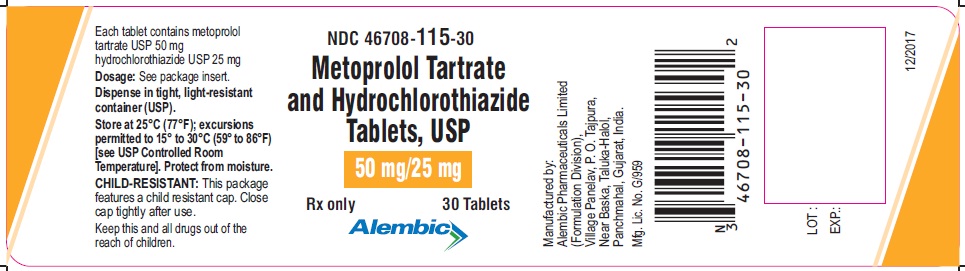
Metoprolol Tartrate and Hydrochlorothiazide 50 mg; 25 mg Tablet, 1,000-count
🆔 Identity & classification
Where does this data come from?
🏷️ RxNorm drug class
This medicine belongs to the Thiazide Diuretic class.
Where does this data come from?
🏭 Manufacturer & labeler
Where does this data come from?
🩺 Clinical
Hydrochlorothiazide is used alone or in combination with other medications to treat high blood pressure. Hydrochlorothiazide is used to treat edema (fluid retention; excess fluid held in body tissues) caused by various medical problems, including heart, kidney, and liver disease and to treat edema caused by using certain medications including estrogen and corticosteroids. Hydrochlorothiazide is in a class of medications called diuretics ('water pills'). It works by causing the kidneys to get rid of unneeded water and salt from the body into the urine. High blood pressure is a common condition...
Read the full MedlinePlus article ↗Patient education
Supplement & herbal interactions
Where does this data come from?
Ask a licensed pharmacist directly — free, answered by our team.
💊 What it looks like
Where does this data come from?
🧪 Inactive Ingredients / Excipients
Inactive ingredients, also called excipients, are components of the drug product other than the active ingredient. They may include fillers, dyes, coatings, preservatives, flavors, or other formulation ingredients.
💡 Tap an ingredient (hover on desktop) to see what it is and why it’s used.
-
UNII 3SY5LH9PMK
Anhydrous lactose is a milk sugar with no water content. It acts as a filler and binder in tablets and capsules, adding bulk and helping ingredients stick together.
-
UNII 70097M6I30
Magnesium stearate is a salt made from magnesium and stearic acid, a fatty substance. It's used in tablets and capsules as a lubricant and glidant to help ingredients flow smoothly during manufacturing and prevent sticking.
-
UNII OP1R32D61U
Microcrystalline cellulose is a purified form of cellulose, a natural fiber from plant sources. It acts as a binder and filler in tablets and capsules, helping hold ingredients together and give the medicine its shape and size.
-
UNII FZ989GH94E
Povidone is a synthetic polymer made from a plastic-like material. It acts as a binder to hold tablet ingredients together and as a disintegrant to help the tablet break apart in your stomach so the medicine can be absorbed.
-
UNII ETJ7Z6XBU4
Silicon dioxide is a naturally occurring mineral used as a glidant and anti-caking agent. It helps powder ingredients flow smoothly and prevents clumping during manufacturing and storage.
-
UNII 5856J3G2A2
A starch-based powder made from potatoes and processed with sodium. It acts as a disintegrant, helping the tablet or capsule break apart quickly in the stomach so the medicine can be absorbed.
-
UNII O8232NY3SJ
A plant-based carbohydrate derived from corn kernels. It acts as a filler to add bulk, a binder to hold ingredients together, and a disintegrant to help the tablet break apart in your stomach for absorption.
7 inactive ingredients listed in the exact product block matched to this NDC.
Where does this data come from?
ingredient classCode="IACT" elements from the exact product block matched by this NDC. Label-section narrative from DailyMed / the openFDA label index is shown separately when available.Inactive ingredient FAQ
Are inactive ingredients the same for every manufacturer?
Why might an inactive ingredient be missing?
Can inactive ingredients matter?
💲 Pricing
A drug doesn't have one price. Each row is a different public payment system, and none is what you'd pay at the counter — that depends on your insurance. The ⓘ on each row explains what it measures.
| Price system | Per each | Per package |
|---|---|---|
| Retail pharmacies payNADAC · weekly | Not in the retail survey — common for institutional, discontinued, or low-volume packs. | |
| Medicaid paysCMS SDUD · 12 mo | No recent Medicaid claims on file for this NDC — rare and low-volume NDCs are suppressed in the public data. | |
| Medicare drug plans payPart D · Q2 2026 | $0.6464 | $646.40 / 1000 tablets |
Where does this data come from?
🔁 Therapeutic equivalents
| Product | Labeler | Pack | NADAC/unit | TE | Status | Price vs. this |
|---|---|---|---|---|---|---|
| Metoprolol Tartrate and Hydrochlorothiazide 50 mg/1; 25 mg 00378-0424-01 | Mylan | 100 tablets | $0.945 | AB | Availability likely | — |
| Metoprolol Tartrate And Hydrochlorothiazide 50 mg/1; 25 mg 27241-0301-01 | Ajanta | 100 tablets | $0.945 | AB | Availability likely | — |
| Metoprolol Tartrate and Hydrochlorothiazide 50 mg/1; 25 mgthis 46708-0115-01 | Alembic | 1000 tablets | — | AB | FDA listed | — |
| Metoprolol Tartrate and Hydrochlorothiazide 50 mg/1; 25 mg 62332-0115-30 | Alembic | 30 tablets | — | AB | FDA listed | — |
| Metoprolol Tartrate and Hydrochlorothiazide 50 mg/1; 25 mg 62756-0370-08 | Sun | 100 tablets | — | — | FDA listed | — |
Where does this data come from?
⏳ Availability & generic status
This product is an FDA-approved generic. Other versions of the same drug are listed under Therapeutic equivalents, least expensive first.
Where does this data come from?
🔬 Reported adverse events (FAERS)
Top reported reactions
Age at onset
Reporter sex
Serious outcomes
Where does this data come from?
📦 Packaging — all sizes for this product
| Package NDC | Description | Marketing start | Status |
|---|---|---|---|
| 46708-0115-01 You're viewing this | 1000 TABLET in 1 BOTTLE (46708-115-01) | 2013-09-17 | Active |
| 46708-0115-10 | 100 TABLET in 1 BOTTLE (46708-115-10) | 2013-09-17 | Active |
| 46708-0115-30 | 30 TABLET in 1 BOTTLE (46708-115-30) | 2013-09-17 | Active |
You're viewing the largest of 3 pack sizes for this product.
Pack size FAQ
What quantity is in NDC 46708-0115-01?
What is the difference between NDC 46708-0115-01 and NDC 46708-0115-30?
What NDC number is used to bill for this package of Metoprolol Tartrate and Hydrochlorothiazide 50 mg; 25 mg Tablet?
🧭 About this NDC listing & data coverage
What data is (and isn’t) available for this NDC — tap to expand
| NDC identity (package / product / labeler codes) | ✓ Available |
| Labeler | ✓ Available |
| Product & package description | ✓ Available |
| Marketing category & status | ✓ Available |
| Active ingredient / dosage form / route | ✓ Available |
| FDA label (SPL via DailyMed) | ✓ Available |
| Package photos | ✓ Available |
| Inactive ingredients (structured) | ✓ Available |
| NADAC pharmacy acquisition price (CMS) | — Not published for this NDC CMS publishes NADAC only for NDCs reported in its retail-pharmacy survey. |
| Orange Book / therapeutic-equivalence data | ✓ Available |
| HCPCS J-code billing crosswalk | — Not published for this NDC Most self-administered / retail products have no J-code — that is normal. |
| Medicaid utilization (CMS SDUD) | — Not published for this NDC CMS reports utilization only for NDCs with Medicaid claims above its privacy threshold. |
Questions about this listing
Why is there no price listed?
Is the NDC printed on the package the same as the 11-digit billing NDC?
What do the three segments of this NDC mean?
Is this package still being marketed?
Does this product come in other package sizes?
Who lists this product with the FDA?
Do I need a prescription for this product?
Where does this data come from?
📄 Full prescribing information FDA SPL
🎯 Indications and Usage ▾
INDICATIONS AND USAGE Metoprolol tartrate and hydrochlorothiazide tablets are indicated for the management of hypertension This fixed-combination drug is not indicated for initial therapy of hypertension. If the fixed combination represents the dose titrated to the individual patient’s needs, therapy with the fixed combination may be more convenient than with the separate components.
⏱️ Dosage and Administration ▾
DOSAGE AND ADMINISTRATION Dosage should be determined by individual titration (see INDICATIONS AND USAGE). Hydrochlorothiazide is usually given at a dosage of 12.5 to 50 mg per day. The usual initial dosage of metoprolol tartrate tablets is 100 mg daily in single or divided doses.
Dosage may be increased gradually until optimum blood pressure control is achieved. The effective dosage range is 100 to 450 mg per day. While once-daily dosing is effective and can maintain a reduction in blood pressure throughout the day, lower doses (especially 100 mg) may not maintain a full effect at the end of the 24-hour period, and larger or more frequent daily doses may be required.
This can be evaluated by measuring blood pressure near the end of the dosing interval to determine whether satisfactory control is being maintained throughout the day. Beta 1 selectivity diminishes as dosage of metoprolol tartrate tablets is increased. The following dosage schedule may be used to administer from 100 to 200 mg of metoprolol tartrate per day and from 25 to 50 mg of hydrochlorothiazide per day: Metoprolol Tartrate and Hydrochlorothiazide Dosage Tablets of 50/25 2 tablets per day in single or divided doses Tablets of 100/25 1 to 2 tablets per day in single or divided doses Tablets of 100/50 1 tablet per day in single or divided doses Dosing regimens that exceed 50 mg of hydrochlorothiazide per day are not recommended.
When necessary, another antihypertensive agent may be added gradually, beginning with 50% of the usual recommended starting dose to avoid an excessive fall in blood pressure.
⛔ Contraindications ▾
CONTRAINDICATIONS Metoprolol Metoprolol tartrate tablets are contraindicated in sinus bradycardia, heart block greater than first degree, cardiogenic shock, and overt cardiac failure (see WARNINGS). Hypersensitivity to metoprolol tartrate and related derivatives, or to any of the excipients; hypersensitivity to other beta blockers (cross sensitivity between beta blockers can occur). Sick-sinus syndrome.
Severe peripheral arterial circulatory disorders. Hydrochlorothiazide Hydrochlorothiazide is contraindicated in patients with anuria or hypersensitivity to this or other sulfonamide-derived drugs (see WARNINGS).
⚠️ Warnings ▾
WARNINGS Metoprolol Cardiac Failure: Sympathetic stimulation is a vital component supporting circulatory function in congestive heart failure, and beta blockade carries the potential hazard of further depressing myocardial contractility and precipitating more severe failure. In hypertensive patients who have congestive heart failure controlled by digitalis and diuretics, metoprolol should be administered cautiously. In Patients Without a History of Cardiac Failure: Continued depression of the myocardium with beta-blocking agents over a period of time can, in some cases, lead to cardiac failure.
At the first sign or symptom of impending cardiac failure, patients should be fully digitalized and/or given a diuretic. The response should be observed closely. If cardiac failure continues, despite adequate digitalization and diuretic therapy, metoprolol should be withdrawn.
Ischemic Heart Disease: Following abrupt cessation of therapy with certain beta-blocking agents, exacerbations of angina pectoris and in some cases, myocardial infarction have been reported. Even in the absence of overt angina pectoris, when discontinuing therapy, metoprolol should not be withdrawn abruptly, and patients should be cautioned against interruption of therapy without the physician’s advice (see PRECAUTIONS: Information for Patients). Bronchospastic Diseases: PATIENTS WITH BRONCHOSPASTIC DISEASES SHOULD, IN GENERAL, NOT RECEIVE BETA BLOCKERS, including metoprolol tartrate and hydrochlorothiazide.
Because of its relative beta 1 selectivity, however, metoprolol may be used with caution in patients with bronchospastic disease who do not respond to, or cannot tolerate, other antihypertensive treatment. Since beta 1 selectivity is not absolute, a beta 2 -stimulating agent should be administered concomitantly, and the lowest possible dose of metoprolol should be used. In these circumstances it would be prudent initially to administer metoprolol in smaller doses three times daily, instead of larger doses two times daily, to avoid the higher plasma levels associated with the longer dosing interval (see DOSAGE AND ADMINISTRATION).
Major Surgery: Chronically administered beta-blocking therapy should not be routinely withdrawn prior to major surgery; however, the impaired ability of the heart to respond to reflex adrenergic stimuli may augment the risks of general anesthesia and surgical procedures. Diabetes and Hypoglycemia: Metoprolol should be used with caution in diabetic patients if a beta-blocking agent is required. Beta blockers, including metoprolol tartrate and hydrochlorothiazide, may mask tachycardia occurring with hypoglycemia, but other manifestations such as dizziness and sweating may not be significantly affected.
Selective beta blockers do not potentiate insulin-induced hypoglycemia and, unlike nonselective beta blockers, do not delay recovery of blood glucose to normal levels. Pheochromocytoma: If metoprolol tartrate is used in the setting of pheochromocytoma, it should be given in combination with an alpha blocker, and only after the alpha blocker has been initiated. Administration of beta blockers alone in the setting of pheochromocytoma has been associated with a paradoxical increase in blood pressure due to the attenuation of beta-mediated vasodilatation in skeletal muscle.
Thyrotoxicosis: Beta-adrenergic blockade may mask certain clinical signs (e.g., tachycardia) or hyperthyroidism. Patients suspected of developing thyrotoxicosis should be managed carefully to avoid abrupt withdrawal of beta blockade, which might precipitate a thyroid storm. Hydrochlorothiazide Thiazides should be used with caution in patients with severe renal disease.
In patients with renal disease, thiazides may precipitate azotemia. Cumulative effects of the drug may develop in patients with impaired renal function. Thiazides should be used with caution in patients with impaired hepatic function or progressive liver disease, since minor alterations of fluid and electrol…
🤒 Adverse Reactions ▾
ADVERSE REACTIONS Metoprolol Tartrate and Hydrochlorothiazide The following adverse reactions were reported in controlled clinical studies of the combination of metoprolol tartrate and hydrochlorothiazide. Body as a Whole: Fatigue or lethargy and flu syndrome have each been reported in about 10 in 100 patients. Nervous System: Dizziness or vertigo, drowsiness or somnolence, and headache have each occurred in about 10 in 100 patients.
Nightmare has occurred in 1 in 100 patients. Cardiovascular: Bradycardia has occurred in about 6 in 100 patients. Decreased exercise tolerance and dyspnea have each occurred in about 1 of 100 patients.
Digestive: Diarrhea, digestive disorder, dry mouth, nausea or vomiting, and constipation have each occurred in about 1 in 100 patients. Metabolic and Nutritional: Hypokalemia has occurred in fewer than 10 in 100 patients. Edema, gout, and anorexia have each occurred in 1 in 100 patients.
Special Senses: Blurred vision, tinnitus, and earache have each been reported in 1 in 100 patients. Skin: Sweating and purpura have each occurred in 1 in 100 patients. Urogenital: Impotence has occurred in 1 in 100 patients.
Musculoskeletal: Muscle pain has occurred in 1 in 100 patients. Metoprolol Most adverse effects have been mild and transient. Central Nervous System: Tiredness and dizziness have occurred in about 10 of 100 patients.
Depression has been reported in about 5 of 100 patients. Mental confusion and short-term memory loss have been reported. Headache, nightmares, and insomnia have also been reported, but a drug relationship is not clear.
Cardiovascular: Shortness of breath and bradycardia have occurred in approximately 3 of 100 patients. Cold extremities; arterial insufficiency, usually of the Raynaud type; palpitations; and congestive heart failure have been reported. Gangrene in patients with pre-existing severe peripheral circulatory disorders has also been reported very rarely (see CONTRAINDICATIONS, WARNINGS, and PRECAUTIONS).
Respiratory: Wheezing (bronchospasm) has been reported in fewer than 1 of 100 patients (see WARNINGS). Rhinitis has also been reported. Gastrointestinal: Diarrhea has occurred in about 5 of 100 patients.
Nausea, gastric pain, constipation, flatulence, and heartburn have been reported in 1 of 100, or fewer, patients. Vomiting was a common occurrence. Postmarketing experience reveals very rare reports of hepatitis, jaundice and non-specific hepatic dysfunction.
Isolated cases of transaminase, alkaline phosphatase, and lactic dehydrogenase elevations have also been reported. Hypersensitive Reactions: Pruritus has occurred in fewer than 1 of 100 patients. Rash has been reported.
Very rarely, photosensitivity and worsening of psoriasis has been reported. Miscellaneous: Peyronie’s disease has been reported in fewer than 1 of 100,000 patients. Alopecia has been reported.
There have been very rare reports of weight gain, arthritis, and retroperitoneal fibrosis (relationship to metoprolol has not been definitely established). The oculomucocutaneous syndrome associated with the beta blocker practolol has not been reported with metoprolol. Potential Adverse Reactions A variety of adverse reactions not listed above have been reported with other beta-adrenergic blocking agents and should be considered potential adverse reactions to metoprolol.
Central Nervous System: Reversible mental depression progressing to catatonia; visual disturbances; hallucinations; an acute reversible syndrome characterized by disorientation for time and place, short-term memory loss, emotional lability, slightly clouded sensorium, and decreased performance on neuropsychometrics. Cardiovascular: Intensification of AV block (see CONTRAINDICATIONS). Hematologic: Agranulocytosis, nonthrombocytopenic purpura, thrombocytopenic purpura.
Hypersensitive Reactions: Fever combined with aching and sore throat, laryngospasm, and respiratory distress. Postmarketing Experience The following adverse reactions have been report…
🔄 Drug Interactions ▾
Drug/Drug Interactions Metoprolol: Catecholamine-depleting drugs (e.g., reserpine) may have an additive effect when given with beta-blocking agents. Patients treated with metoprolol plus a catecholamine depletor should therefore be closely observed for evidence of hypotension or marked bradycardia, which may produce vertigo, syncope, or postural hypotension. Both digitalis glycosides and beta blockers slow atrioventricular conduction and decrease heart rate.
Concomitant use can increase the risk of bradycardia. Risk of Anaphylactic Reaction: While taking beta blockers, patients with a history of severe anaphylactic reaction to a variety of allergens may be more reactive to repeated challenge, either accidental, diagnostic, or therapeutic. Such patients may be unresponsive to the usual doses of epinephrine used to treat allergic reaction.
General Anesthetics Some inhalation anesthetics may enhance the cardiodepressant effect of beta blockers (see WARNINGS; Metoprolol; Major Surgery). CYP2D6 Inhibitors Potent inhibitors of the CYP2D6 enzyme may increase the plasma concentration of metoprolol. Strong inhibition of CYP2D6 would mimic the pharmacokinetics of CYP2D6 poor metabolizer.
Caution should therefore be exercised when administering potent CYP2D6 inhibitors with metoprolol. Known clinically significant potent inhibitors of CYP2D6 are antidepressants such as fluoxetine, paroxetine or bupropion, antipsychotics such as thioridazine, antiarrhythmics such as quinidine or propafenone, antiretrovirals such as ritonavir, antihistamines such as diphenhydramine, antimalarials such as hydroxychloroquine or quinidine, antifungals such as terbinafine and medications for stomach ulcers such as cimetidine.
Clonidine If a patient is treated with clonidine and metoprolol concurrently, and clonidine treatment is to be discontinued, metoprolol should be stopped several days before clonidine is withdrawn. Rebound hypertension that can follow withdrawal of clonidine may be increased in patients receiving concurrent beta blocker treatment. Hydrochlorothiazide: Hypokalemia can sensitize or exaggerate the response of the heart to the toxic effects of digitalis (e.g., increased ventricular irritability).
Hypokalemia may develop during concomitant use of steroids or ACTH. Insulin requirements in diabetic patients may be increased, decreased, or unchanged. Thiazides may decrease arterial responsiveness to norepinephrine, but not enough to preclude effectiveness of the pressor agent for therapeutic use.
Thiazides may increase the responsiveness to tubocurarine. Lithium renal clearance is reduced by thiazides, increasing the risk of lithium toxicity. There have been rare reports in the literature of hemolytic anemia occurring with the concomitant use of hydrochlorothiazide and methyldopa.
Concurrent administration of some nonsteroidal anti-inflammatory agents may reduce the diuretic, natriuretic and antihypertensive effects of thiazide diuretics. Cholestyramine and colestipol resins: Absorption of hydrochlorothiazide is impaired in the presence of anionic exchange resins. Single doses of either cholestyramine or colestipol resins bind the hydrochlorothiazide and reduce its absorption from the gastrointestinal tract by up to 85% and 43%, respectively.
🔄 Drug / Laboratory Test Interactions ▾
Drug/Laboratory Test Interactions Hydrochlorothiazide: Thiazides may decrease serum levels of protein-bound iodine without signs of thyroid disturbance. Thiazides should be discontinued before tests for parathyroid function are made. (see General, Hydrochlorothiazide, Calcium excretion).
🤰 Pregnancy ▾
Pregnancy: Teratogenic Effects. Pregnancy Category C Metoprolol Tartrate and Hydrochlorothiazide: No evidence of adverse effects on pregnancy or the fetus were observed in rats when dams were administered gavaged doses up to 200/50 mg/kg of metoprolol tartrate and hydrochlorothiazide tablets (100/50 times the maximum recommended daily human dose) during the period of organogenesis. Increased postimplantation loss and decreased postnatal survival were observed with these doses when administered later in pregnancy (gestation days 15 to 21).
In rabbits, increased fetal loss was observed with oral doses of 25/6.25 mg/kg of metoprolol tartrate and hydrochlorothiazide tablets (12/6 times the maximum recommended daily human dose), but not with lower doses. There are no adequate and well-controlled studies of metoprolol tartrate and hydrochlorothiazide tablets in pregnant women. Metoprolol tartrate and hydrochlorothiazide tablets should be used during pregnancy only if the potential benefit justifies the potential risk to the fetus.
Metoprolol: Metoprolol has been shown to increase postimplantation loss and decrease neonatal survival in rats at doses up to 55.5 times the maximum daily human dose of 450 mg. Distribution studies in mice confirm exposure of the fetus when metoprolol is administered to the pregnant animal. These studies have revealed no evidence of teratogenicity.
Hydrochlorothiazide: Studies in which hydrochlorothiazide was orally administered to pregnant mice and rats during their respective periods of major organogenesis at doses up to 3000 and 1000 mg/kg/day, respectively, provided no evidence of harm to the fetus. Nonteratogenic Effects Hydrochlorothiazide: Thiazides cross the placental barrier and appear in cord blood, and there is a risk of fetal or neonatal jaundice, thrombocytopenia, and possibly other adverse reactions that have occurred in adults.
🧒 Pediatric Use ▾
Pediatric Use Safety and effectiveness in pediatric patients have not been established.
🧓 Geriatric Use ▾
Geriatric Use Clinical studies of metoprolol tartrate and hydrochlorothiazide tablets did not include sufficient numbers of subjects aged 65 and over to determine whether they respond differently from younger subjects. Other reported clinical experience has not identified differences in responses between the elderly and younger patients. Hydrochlorothiazide is known to be substantially excreted by the kidney, and the risk of toxic reactions to this drug may be greater in patients with impaired renal function.
Because elderly patients are more likely to have decreased renal function, care should be taken in dose selection, and it may be useful to monitor renal function (see WARNINGS). In general, dose selection for an elderly patient should be cautious, usually starting at the low end of the dosing range, reflecting the greater frequency of decreased hepatic, renal, or cardiac function, and concomitant disease or other drug therapy.
🆘 Overdosage ▾
OVERDOSAGE Acute Toxicity Several cases of overdosage with metoprolol have been reported, some leading to death. No deaths have been reported with hydrochlorothiazide. Oral LD 50 ’s (mg/kg): mice, 1158 (metoprolol); rats, 3090 (metoprolol), 2750 (hydrochlorothiazide).
Signs and Symptoms Metoprolol: Potential signs and symptoms associated with overdosage with metoprolol are bradycardia, hypotension, bronchospasm, and cardiac failure. Hydrochlorothiazide: The most prominent feature of poisoning is acute loss of fluid and electrolytes. Cardiovascular: Tachycardia, hypotension, shock.
Neuromuscular: Weakness, confusion, dizziness, cramps of the calf muscles, paresthesia, fatigue, impairment of consciousness. Digestive: Nausea, vomiting, thirst. Renal: Polyuria, oliguria, or anuria (due to hemoconcentration).
Laboratory Findings: Hypokalemia, hyponatremia, hypochloremia, alkalosis; increased BUN (especially in patients with renal insufficiency). Combined Poisoning: Signs and symptoms may be aggravated or modified by concomitant intake of antihypertensive medication, barbiturates, curare, digitalis (hypokalemia), corticosteroids, narcotics, or alcohol. Treatment There is no specific antidote.
On the basis of the pharmacologic actions of metoprolol tartrate and hydrochlorothiazide, the following general measures should be employed: Elimination of the Drug: Inducement of vomiting, gastric lavage, and activated charcoal. Bradycardia: Atropine should be administered. If there is no response to vagal blockade, isoproterenol should be administered cautiously.
Hypotension: The patient’s legs should be elevated and lost fluid and electrolytes (potassium, sodium) should be replaced. A vasopressor should be administered, e.g., levarterenol or dopamine. Bronchospasm: A beta 2 -stimulating agent and/or a theophylline derivative should be administered.
Cardiac Failure: A digitalis glycoside and diuretic should be administered. In shock resulting from inadequate cardiac contractility, administration of dobutamine, isoproterenol, or glucagon may be considered. Surveillance: Fluid and electrolyte balance (especially serum potassium) and renal function should be monitored until conditions become normal.
🧬 Clinical Pharmacology ▾
CLINICAL PHARMACOLOGY Metoprolol Metoprolol is a beta-adrenergic receptor blocking agent. In vitro and in vivo animal studies have shown that it has a preferential effect on beta 1 adrenoreceptors, chiefly located in cardiac muscle. This preferential effect is not absolute, however, and at higher doses, metoprolol also inhibits beta 2 adrenoreceptors, chiefly located in the bronchial and vascular musculature.
Clinical pharmacology studies have confirmed the beta-blocking activity of metoprolol in man, as shown by (1) reduction in heart rate and cardiac output at rest and upon exercise, (2) reduction of systolic blood pressure upon exercise, (3) inhibition of isoproterenol-induced tachycardia, and (4) reduction of reflex orthostatic tachycardia. Relative beta 1 selectivity has been confirmed by the following: (1) In normal subjects, metoprolol is unable to reverse the beta 2 -mediated vasodilating effects of epinephrine. This contrasts with the effect of nonselective (beta 1 plus beta 2 ) beta blockers, which completely reverse the vasodilating effects of epinephrine.
(2) In asthmatic patients, metoprolol reduces FEV 1 and FVC significantly less than a nonselective beta blocker, propranolol at equivalent beta 1 -receptor blocking doses. Metoprolol has no intrinsic sympathomimetic activity and only weak membrane-stabilizing activity. Metoprolol crosses the blood-brain barrier and has been reported in the CSF in a concentration 78% of the simultaneous plasma concentration.
Animal and human experiments indicate that metoprolol slows the sinus rate and decreases AV nodal conduction. In controlled clinical studies, metoprolol has been shown to be an effective antihypertensive agent when used alone or as concomitant therapy with thiazide-type diuretics, at dosages of 100 to 450 mg daily. In controlled, comparative, clinical studies, metoprolol has been shown to be as effective an antihypertensive agent as propranolol, methyldopa, and thiazide-type diuretics, and to be equally effective in supine and standing positions.
The mechanism of the antihypertensive effects of beta-blocking agents has not been elucidated. However, several possible mechanisms have been proposed: (1) competitive antagonism of catecholamines at peripheral (especially cardiac) adrenergic neuron sites, leading to decreased cardiac output; (2) a central effect leading to reduced sympathetic outflow to the periphery; and (3) suppression of renin activity. Pharmacokinetics In man, absorption of metoprolol is rapid and complete.
Plasma levels following oral administration, however, approximate 50% of levels following intravenous administration, indicating about 50% first-pass metabolism. Plasma levels achieved are highly variable after oral administration. Only a small fraction of the drug (about 12%) is bound to human serum albumin.
Metoprolol is a racemic mixture of R- and S-enantiomers. Less than 5% of an oral dose of metoprolol is recovered unchanged in the urine; the rest is excreted by the kidneys as metabolites that appear to have no clinical significance. The systemic availability and half-life of metoprolol in patients with renal failure do not differ to a clinically significant degree from those in normal subjects.
Consequently, no reduction in dosage is usually needed in patients with chronic renal failure. In elderly subjects with clinically normal renal function, there are no significant differences in metoprolol pharmacokinetics compared to young subjects. Metoprolol is extensively metabolized by the cytochrome P450 enzyme system in the liver.
The oxidative metabolism of metoprolol is under genetic control with a major contribution of the polymorphic cytochrome P450 isoform 2D6 (CYP2D6). There are marked ethnic differences in the prevalence of the poor metabolizers (PM) phenotype. Approximately 7% of Caucasians and less than 1% Asian are poor metabolizers.
Poor CYP2D6 metabolizers exhibit several-fold higher plasma concentrations of metoprololthan extensi…
📦 How Supplied / Storage and Handling ▾
HOW SUPPLIED Metoprolol Tartrate and Hydrochlorothiazide Tablets USP are available containing 50 mg/25 mg, 100 mg/25 mg or 100 mg/50 mg of metoprolol tartrate, USP and hydrochlorothiazide, USP. 50 mg/25 mg tablets are white to off-white colored, round shaped, biconvex, bevel edged scored uncoated tablet debossed with “L” on one side of score line and “230” on another side of score line and plain on other side. NDC 46708-115-30 bottle of 30 tablets NDC 46708-115-31 bottles of 100 tablets NDC 46708-115-91 bottles of 1000 tablets 100 mg/25 mg tablets are white to off-white colored, oval shaped, biconvex, bevel edged scored uncoated tablet debossed with “L” on one side of score line and “232” on another side of score line and plain on other side.
NDC 46708-116-30 bottle of 30 tablets NDC 46708-116-31 bottle of 100 tablets NDC 46708-116-71 bottle of 500 tablets 100 mg/50 mg tablets are white to off-white colored, capsule shaped, biconvex, bevel edged scored uncoated tablet debossed with “L” on one side of score line and “231” on another side of score line and plain on other side. NDC 46708-117-30 bottle of 30 tablets NDC 46708-117-31 bottle of 100 tablets NDC 46708-117-71 bottle of 500 tablets Store at 25°C (77°F); excursions permitted to 15° to 30°C (59° to 86°F) [see USP Controlled Room Temperature].
Protect from moisture. Dispense in tight, light-resistant container (USP). Call your doctor for medical advice about side effects.
You may report side effects to FDA at 1-800-FDA-1088. Manufactured by: Alembic Pharmaceuticals Limited (Formulation Division), Village Panelav, P. O.
Tajpura, Near Baska, Taluka-Halol, Panchmahal, Gujarat, India. Issued: 02/2016
📋 Description ▾
DESCRIPTION Metoprolol tartrate and hydrochlorothiazide tablethas the antihypertensive effect of metoprolol tartrate, a selective beta 1 -adrenoreceptor blocking agent, and the antihypertensive and diuretic actions of hydrochlorothiazide. It is available as tablets for oral administration. The 50/25 tablets contain 50 mg of metoprolol tartrate USP and 25 mg of hydrochlorothiazide USP; the 100/25 tablets contain 100 mg of metoprolol tartrate USP and 25 mg of hydrochlorothiazide USP; and the 100/50 tablets contain 100 mg of metoprolol tartrate USP and 50 mg of hydrochlorothiazide USP.
Metoprolol tartrate USP is (±)-1-(Isopropylamino)-3-[ p -(2-methoxyethyl)phenoxy]-2-propanol L-(+)-tartrate (2:1) salt, and its structural formula is Metoprolol tartrate USP is a white, crystalline powder. It is very soluble in water; freely soluble in methylene chloride, in chloroform, and in alcohol; slightly soluble in acetone; and insoluble in ether. Its molecular weight is 684.82.
Hydrochlorothiazide is 6-chloro-3,4-dihydro-2 H -1,2,4-benzothiadiazine-7-sulfonamide 1,1- dioxide, and its structural formula is Hydrochlorothiazide USP is a white, or practically white, practically odorless, crystalline powder. It is freely soluble in sodium hydroxide solution, in n -butylamine, and in dimethylformamide; sparingly soluble in methanol; slightly soluble in water; and insoluble in ether, in chloroform, and in dilute mineral acids. Its molecular weight is 297.73.
Inactive Ingredients: colloidal silicon dioxide, magnesium stearate, microcrystalline cellulose, sodium starch glycolate, povidone, lactose, pregelatinized starch. Structure Metoprolol Tartrate Structure Hydrochlorothiazide
💬 Information for Patients ▾
Information for Patients Patients should be advised to take metoprolol tartrate and hydrochlorothiazide tablets regularly and continuously, as directed, with or immediately following meals. If a dose should be missed, the patient should take only the next scheduled dose (without doubling it). Patients should not discontinue metoprolol tartrate and hydrochlorothiazide tablets without consulting the physician.
Patients should be advised (1) to avoid operating automobiles and machinery or engaging in other tasks requiring alertness until the patient’s response to therapy with metoprolol tartrate and hydrochlorothiazide has been determined; (2) to contact the physician if any difficulty in breathing occurs; (3) to inform the physician or dentist before any type of surgery that he or she is taking metoprolol tartrate and hydrochlorothiazide tablets.