
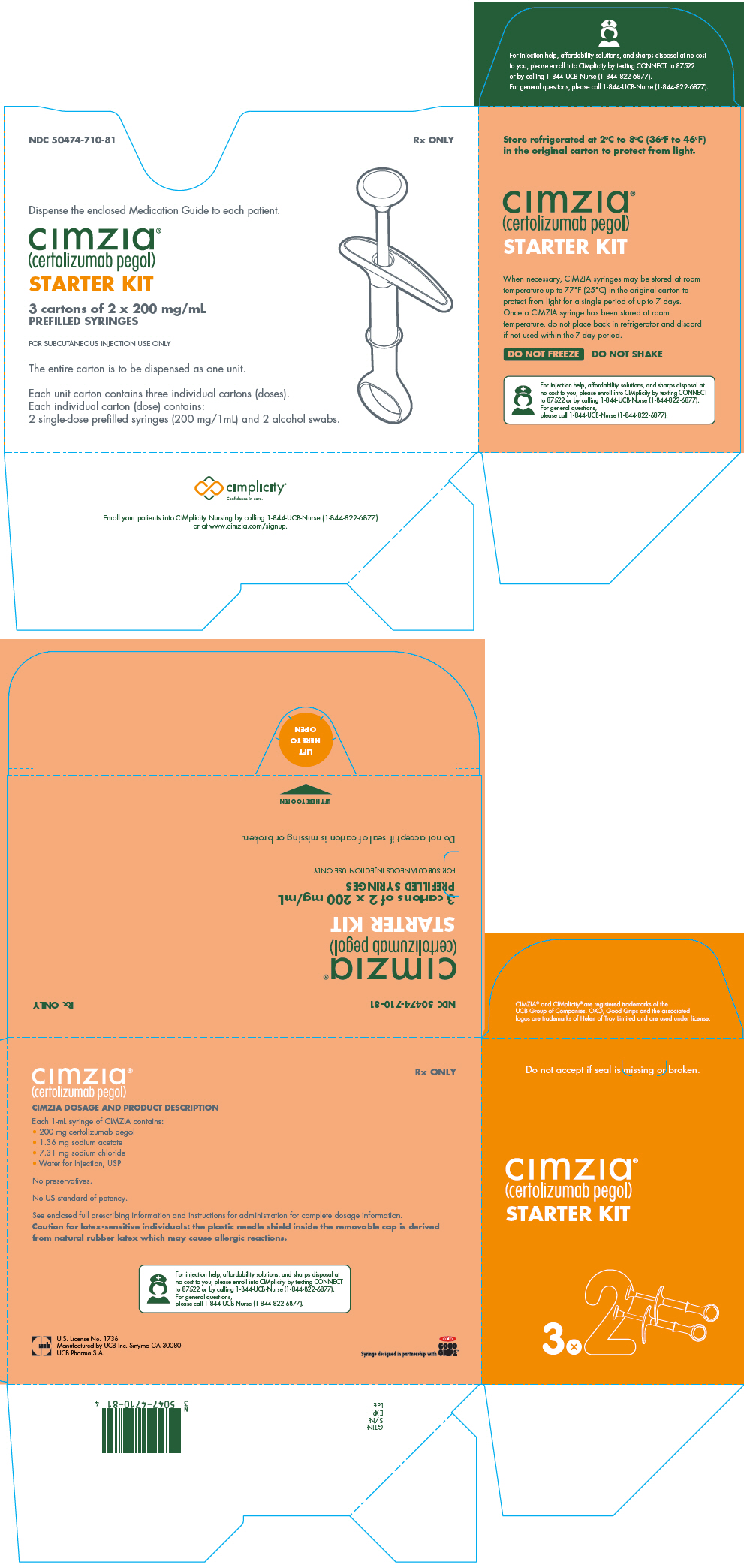
Cimzia certolizumab pegol 200 mg/mL Injection, Solution, 2 syringes
🆔 Identity & classification
Where does this data come from?
🏷️ RxNorm drug class
This medicine belongs to the Tumor Necrosis Factor Blocker class.
Where does this data come from?
🏭 Manufacturer & labeler
Where does this data come from?
🩺 Clinical
Certolizumab injection is used to treat Crohn's disease (a condition in which the body attacks the lining of the digestive tract, causing pain, diarrhea, weight loss, and fever) that has not improved when treated with other medications in adults. Certolizumab injection is also used to treat rheumatoid arthritis (a condition in which the body attacks its own joints, causing pain, swelling, and loss of function), psoriatic arthritis (a condition that causes joint pain and swelling and scales on the skin), active ankylosing spondylitis (a condition in which the body attacks the joints of the spin...
Read the full MedlinePlus article ↗- Cimzia is used to treat several inflammatory conditions driven by an overactive immune protein called TNFα. In adults, it can be used for Crohn's disease, rheumatoid arthritis, pso...
- Cimzia comes as a prefilled syringe that you inject under the skin — usually into your thigh or abdomen — after getting trained by your healthcare provider. Take it out of the frid...
- How do I give myself this injection, and does it hurt?
- The biggest concern with Cimzia is serious infections — including tuberculosis, fungal infections, and bacterial infections. Call your doctor right away if you develop a fever, chi...
Patient education
Supplement & herbal interactions
Where does this data come from?
Ask a licensed pharmacist directly — free, answered by our team.
💊 What it looks like
Where does this data come from?
🧪 Inactive Ingredients / Excipients
Inactive ingredients, also called excipients, are components of the drug product other than the active ingredient. They may include fillers, dyes, coatings, preservatives, flavors, or other formulation ingredients.
💡 Tap an ingredient (hover on desktop) to see what it is and why it’s used.
-
1.36 mg / 1 mL
UNII 4550K0SC9B
Sodium acetate is a salt derived from acetic acid. It acts as a buffer to help maintain the medicine's pH stability and may serve as a preservative or solubilizer in liquid formulations.
-
7.31 mg / 1 mL
UNII 451W47IQ8X
Sodium chloride is common table salt. It's used in medicines as a buffer to maintain proper pH, as a filler to add bulk, or to adjust the osmotic balance in liquid formulations.
-
UNII 059QF0KO0R
Water is a liquid solvent that dissolves and mixes ingredients together in liquid medicines, syrups, and injections. It helps distribute the active drug evenly throughout the product.
3 inactive ingredients listed in the exact product block matched to this NDC.
Where does this data come from?
ingredient classCode="IACT" elements from the exact product block matched by this NDC. Label-section narrative from DailyMed / the openFDA label index is shown separately when available.Inactive ingredient FAQ
Are inactive ingredients the same for every manufacturer?
Why might an inactive ingredient be missing?
Can inactive ingredients matter?
💲 Pricing
A drug doesn't have one price. Each row is a different public payment system, and none is what you'd pay at the counter — that depends on your insurance. The ⓘ on each row explains what it measures.
| Price system | Per mL | Per package |
|---|---|---|
| Retail pharmacies payNADAC · weekly | Not in the retail survey — common for institutional, discontinued, or low-volume packs. | |
| Medicaid paysCMS SDUD · 12 mo | No recent Medicaid claims on file for this NDC — rare and low-volume NDCs are suppressed in the public data. | |
| Medicare drug plans payPart D · Q2 2026 | $3,072.77 | $6,145.53 / 2 ml |
Where does this data come from?
🔁 Therapeutic equivalents
| Product | Labeler | Pack | NADAC/unit | TE | Status | Price vs. this |
|---|---|---|---|---|---|---|
| Cimzia 200 mg/mLthis 50474-0710-80 | UCB, | 2 syringes | — | — | FDA listed | — |
| Cimzia 200 mg/mL 50474-0750-10 | UCB, | 1 syringe | — | — | FDA listed | — |
Where does this data come from?
⏳ Availability & biosimilar status
Biologics have no small-molecule generics; biosimilar competition is tracked in the FDA Purple Book.
Where does this data come from?
💊 Medicaid utilization by pack size
📊 Medicare Part D spend CMS · PART D · 2026 (Q1)
🔬 Reported adverse events (FAERS)
Top reported reactions
Age at onset
Reporter sex
Serious outcomes
Where does this data come from?
📦 Packaging — all sizes for this product
| Package NDC | Description | Per unit | Per pack | Marketing start | Status |
|---|---|---|---|---|---|
| 50474-0710-79 | 2 SYRINGE, GLASS in 1 CARTON (50474-710-79) / 1 mL in 1 SYRINGE, GLASS | $6,094.02 / ea | $12,188.04 | 2009-05-14 | Active |
| 50474-0710-80 You're viewing this | 2 SYRINGE, GLASS in 1 CARTON (50474-710-80) / 1 mL in 1 SYRINGE, GLASS | — | — | 2009-05-14 | Active |
| 50474-0710-81 | 3 CARTON in 1 BOX (50474-710-81) / 2 SYRINGE, GLASS in 1 CARTON / 1 mL in 1 SYRINGE, GLASS | $6,072.51 / ea | $36,435.06 | 2009-05-14 | Active |
This pack shows little to no recent Medicaid volume — a different pack size carries most fills. See all packs ↓
Pack size FAQ
What quantity is in NDC 50474-0710-80?
What is the difference between NDC 50474-0710-80 and NDC 50474-0710-79?
What NDC number is used to bill for this package of Cimzia certolizumab pegol 200 mg/mL Injection, Solution?
Prices are the latest CMS NADAC pharmacy acquisition cost per NDC; per-pack figures are per-unit × pack quantity, shown only when the pack is denominated in the same measure NADAC prices.
🧭 About this NDC listing & data coverage
What data is (and isn’t) available for this NDC — tap to expand
| NDC identity (package / product / labeler codes) | ✓ Available |
| Labeler | ✓ Available |
| Product & package description | ✓ Available |
| Marketing category & status | ✓ Available |
| Active ingredient / dosage form / route | ✓ Available |
| FDA label (SPL via DailyMed) | ✓ Available |
| Package photos | ✓ Available |
| Inactive ingredients (structured) | ✓ Available |
| NADAC pharmacy acquisition price (CMS) | — Not published for this NDC CMS publishes NADAC only for NDCs reported in its retail-pharmacy survey. |
| Orange Book / therapeutic-equivalence data | — Not published for this NDC Applies only to products approved under an NDA/ANDA; many listings are out of scope. |
| HCPCS J-code billing crosswalk | — Not published for this NDC Most self-administered / retail products have no J-code — that is normal. |
| Medicaid utilization (CMS SDUD) | — Not published for this NDC CMS reports utilization only for NDCs with Medicaid claims above its privacy threshold. |
Questions about this listing
Why is there no price listed?
Is the NDC printed on the package the same as the 11-digit billing NDC?
What do the three segments of this NDC mean?
Is this package still being marketed?
Does this product come in other package sizes?
Who lists this product with the FDA?
Do I need a prescription for this product?
Where does this data come from?
📄 Full prescribing information FDA SPL
🚨 Boxed Warning ▾
WARNING: SERIOUS INFECTIONS and MALIGNANCY SERIOUS INFECTIONS Patients treated with CIMZIA are at increased risk for developing serious infections that may lead to hospitalization or death [see Warnings and Precautions (5.1) and Adverse Reactions (6.1) ] . Most patients who developed these infections were taking concomitant immunosuppressants such as methotrexate or corticosteroids. CIMZIA should be discontinued if a patient develops a serious infection or sepsis.
Reported infections include: Active tuberculosis, including reactivation of latent tuberculosis. Patients with tuberculosis have frequently presented with disseminated or extrapulmonary disease. Patients should be tested for latent tuberculosis before CIMZIA use and during therapy.
Treatment for latent infection should be initiated prior to CIMZIA use. Invasive fungal infections, including histoplasmosis, coccidioidomycosis, candidiasis, aspergillosis, blastomycosis, and pneumocystosis. Patients with histoplasmosis or other invasive fungal infections may present with disseminated, rather than localized disease.
Antigen and antibody testing for histoplasmosis may be negative in some patients with active infection. Empiric anti-fungal therapy should be considered in patients at risk for invasive fungal infections who develop severe systemic illness. Bacterial, viral and other infections due to opportunistic pathogens, including Legionella and Listeria.
The risks and benefits of treatment with CIMZIA should be carefully considered prior to initiating therapy in patients with chronic or recurrent infection. Patients should be closely monitored for the development of signs and symptoms of infection during and after treatment with CIMZIA, including the possible development of tuberculosis in patients who tested negative for latent tuberculosis infection prior to initiating therapy. [see Warnings and Precautions (5.1) and Adverse Reactions (6.1) ]. MALIGNANCY Lymphoma and other malignancies, some fatal, have been reported in children and adolescent patients treated with TNF blockers, of which CIMZIA is a member [see Warnings and Precautions (5.2) ].
WARNING: SERIOUS INFECTIONS and MALIGNANCY See full prescribing information for complete boxed warning. Increased risk of serious infections leading to hospitalization or death including tuberculosis (TB), bacterial sepsis, invasive fungal infections (such as histoplasmosis), and infections due to other opportunistic pathogens ( 5.1 ). CIMZIA should be discontinued if a patient develops a serious infection or sepsis ( 5.1 ).
Perform test for latent TB; if positive, start treatment for TB prior to starting CIMZIA ( 5.1 ). Monitor all patients for active TB during treatment, even if initial latent TB test is negative ( 5.1 ) Lymphoma and other malignancies, some fatal, have been reported in children and adolescent patients treated with TNF blockers, of which CIMZIA is a member ( 5.2 ).
🎯 Indications and Usage ▾
1 INDICATIONS AND USAGE CIMZIA is a tumor necrosis factor (TNF) blocker indicated for: Reducing signs and symptoms of Crohn's disease and maintaining clinical response in adult patients with moderately to severely active disease who have had an inadequate response to conventional therapy ( 1.1 ) Treatment of adults with moderately to severely active rheumatoid arthritis ( 1.2 ) Treatment of active polyarticular juvenile idiopathic arthritis (pJIA) in patients 2 years of age and older ( 1.3 ) Treatment of adult patients with active psoriatic arthritis.
( 1.4 ) Treatment of adults with active ankylosing spondylitis ( 1.5 ) Treatment of adults with active non-radiographic axial spondyloarthritis with objective signs of inflammation ( 1.6 ) Treatment of adults with moderate-to-severe plaque psoriasis who are candidates for systemic therapy or phototherapy ( 1.7 )
1.1Crohn's Disease CIMZIA is indicated for reducing signs and symptoms of Crohn's disease and maintaining clinical response in adult patients with moderately to severely active disease who have had an inadequate response to conventional therapy.
1.2Rheumatoid Arthritis CIMZIA is indicated for the treatment of adults with moderately to severely active rheumatoid arthritis (RA).
1.3Polyarticular Juvenile Idiopathic Arthritis CIMZIA is indicated for the treatment of active polyarticular juvenile idiopathic arthritis (pJIA) in patients 2 years of age and older.
1.4Psoriatic Arthritis CIMZIA is indicated for the treatment of adult patients with active psoriatic arthritis (PsA).
1.5Ankylosing Spondylitis CIMZIA is indicated for the treatment of adults with active ankylosing spondylitis (AS). [see Clinical Studies (14.5) ]
1.6Non-radiographic Axial Spondyloarthritis CIMZIA is indicated for the treatment of adults with active non-radiographic axial spondyloarthritis (nr-axSpA) with objective signs of inflammation [see Clinical Studies (14.6) ].
1.7Plaque Psoriasis CIMZIA is indicated for the treatment of adults with moderate-to-severe plaque psoriasis (PsO) who are candidates for systemic therapy or phototherapy [see Clinical Studies (14.7) ]
⏱️ Dosage and Administration ▾
2 DOSAGE AND ADMINISTRATION CIMZIA is administered by subcutaneous injection . Injection sites should be rotated and injections should not be given into areas where the skin is tender, bruised, red or hard. When a 400 mg dose is needed (given as two subcutaneous injections of 200 mg), injections should occur at separate sites in the thigh or abdomen.
The solution should be carefully inspected visually for particulate matter and discoloration prior to administration. The solution should be a clear to opalescent, colorless to yellow liquid, essentially free from particulates and should not be used if cloudy or if foreign particulate matter is present. CIMZIA does not contain preservatives; therefore, unused portions of drug remaining in the syringe or vial should be discarded.
CIMZIA is administered by subcutaneous injection ( 2 ). Crohn's Disease ( 2.1 ) 400 mg initially and at Weeks 2 and 4. If response occurs, follow with 400 mg every four weeks Rheumatoid Arthritis ( 2.2 ) 400 mg initially and at Weeks 2 and 4, followed by 200 mg every other week; for maintenance dosing, 400 mg every 4 weeks can be considered Polyarticular Juvenile Idiopathic Arthritis ( 2.3 ) 10 kg (22 lbs) to less than 20 kg (44 lbs): 100 mg initially and at Weeks 2 and 4, followed by 50 mg every other week 20 kg (44 lbs) to less than 40 kg (88 lbs): 200 mg initially and at Weeks 2 and 4, followed by 100 mg every other week Greater than or equal to 40 kg (88 lbs): 400 mg initially and at Weeks 2 and 4, followed by 200 mg every other week Psoriatic Arthritis ( 2.4 ) 400 mg initially and at week 2 and 4, followed by 200 mg every other week; for maintenance dosing, 400 mg every 4 weeks can be considered.
Ankylosing Spondylitis ( 2.5 ) 400 mg (given as 2 subcutaneous injections of 200 mg each) initially and at weeks 2 and 4, followed by 200 mg every other week or 400 mg every 4 weeks. Non-radiographic Axial Spondyloarthritis ( 2.6 ) 400 mg (given as 2 subcutaneous injections of 200 mg each) initially and at weeks 2 and 4, followed by 200 mg every other week or 400 mg every 4 weeks. Plaque Psoriasis ( 2.7 , 14.7 ) 400 mg (given as 2 subcutaneous injections of 200 mg each) every other week.
For some patients (with body weight less than or equal to 90 kg), a dose of 400 mg (given as 2 subcutaneous injections of 200 mg each) initially and at Weeks 2 and 4, followed by 200 mg every other week may be considered.
2.1Crohn's Disease The recommended initial adult dose of CIMZIA is 400 mg (given as two subcutaneous injections of 200 mg) initially, and at Weeks 2 and 4. In patients who obtain a clinical response, the recommended maintenance regimen is 400 mg every four weeks.
2.2Rheumatoid Arthritis The recommended dose of CIMZIA for adult patients with rheumatoid arthritis is 400 mg (given as two subcutaneous injections of 200 mg) initially and at Weeks 2 and 4, followed by 200 mg every other week. For maintenance dosing, CIMZIA 400 mg every 4 weeks can be considered [see Clinical Studies (14.2) ] .
2.3Polyarticular Juvenile Idiopathic Arthritis The recommended dose of CIMZIA for patients 2 years of age and older with pJIA is based on weight as shown below. Weight range (2 years of age and older) Loading dose Maintenance dose (beginning at Week 6) 10 kg (22 lbs) to less than 20 kg (44 lbs) 100 mg at Week 0, 2 and 4 50 mg every 2 weeks 20 kg (44 lbs) to less than 40 kg (88 lbs) 200 mg at Week 0, 2 and 4 100 mg every 2 weeks Greater than or equal to 40 kg (88 lbs) 400 mg at Week 0, 2 and 4 200 mg every 2 weeks There is no dosage form for Cimzia that allows for patient self-administration for doses below 200 mg.
Doses less than 200 mg require administration by a health care professional using the vial kit.
2.4Psoriatic Arthritis The recommended dose of CIMZIA for adult patients with psoriatic arthritis is 400 mg (given as 2 subcutaneous injections of 200 mg each) initially and at week 2 and 4, followed by 200 mg every other week. For maintenance dosing, CIMZIA 400 mg e…
💊 Dosage Forms and Strengths ▾
3 DOSAGE FORMS AND STRENGTHS For injection: 200 mg lyophilized powder in a single-dose vial ( 3 ) Injection: 200 mg/mL solution in a single-dose prefilled syringe ( 3 ) For Injection: 200 mg of white to off-white lyophilized powder in a single-dose vial for reconstitution Injection: 200 mg/mL clear to opalescent, colorless to yellow solution in a single-dose prefilled syringe
⛔ Contraindications ▾
4 CONTRAINDICATIONS CIMZIA is contraindicated in patients with a history of hypersensitivity reaction to certolizumab pegol or to any of the excipients. Reactions have included angioedema, anaphylaxis, serum sickness, and urticaria [see Warnings and Precautions (5.4) ] . Serious hypersensitivity reaction to certolizumab pegol or to any of the excipients. ( 4 )
⚠️ Warnings and Cautions ▾
5 WARNINGS AND PRECAUTIONS Serious Infections : CIMZIA should not be initiated in patients with an active infection. Monitor for infection during and after treatment; discontinue if a serious infection develops. If invasive fungal infection develops in patients who reside or travel to regions where mycoses are endemic, consider empiric antifungal therapy.
( 5.1 ) Malignancies : Cases of lymphoma and other malignancies have been observed among patients receiving TNF blockers, including CIMZIA. ( 5.2 ) Heart Failure : Monitor patients for new onset or worsening congestive heart failure. ( 5.3 ) Hypersensitivity Reactions : Discontinue CIMZIA and institute appropriate therapy if anaphylaxis or other serious hypersensitivity reactions occur.
( 5.4 ) Hepatitis B Virus Reactivation : Test for HBV infection before starting CIMZIA. Monitor HBV carriers during and several months after therapy. If reactivation occurs, stop CIMZIA and begin anti-viral therapy ( 5.5 ) Neurologic Reactions : Exacerbation or new onset demyelinating disease may occur; use caution in patients with pre-existing or recent-onset demyelinating disorders.
( 5.6 ) Hematological Reactions (including leukopenia, pancytopenia and thrombocytopenia) : Use with caution in patients who have ongoing, or a history of, significant hematologic abnormalities. Advise patients to seek immediate medical attention if symptoms develop; consider discontinuing CIMZIA in patients with confirmed abnormalities. ( 5.7 ) Use with Anakinra, Abatacept, Rituximab and Natalizumab : Increased risk of serious infections; concomitant use is not recommended.
( 5.8 , 7.1 ) Autoimmunity : Discontinue CIMZIA if lupus-like syndrome develops. ( 5.9 ) Live vaccines : Avoid use with CIMZIA ( 5.10 , 7.2 )
5.1Risk of Serious Infections Patients treated with CIMZIA are at an increased risk for developing serious infections involving various organ systems and sites that may lead to hospitalization or death. Opportunistic infections due to bacterial, mycobacterial, invasive fungal, viral, parasitic, or other opportunistic pathogens including aspergillosis, blastomycosis, candidiasis, coccidioidomycosis, histoplasmosis, legionellosis, listeriosis, pneumocystosis and tuberculosis have been reported with TNF blockers. Patients have frequently presented with disseminated rather than localized disease.
Treatment with CIMZIA should not be initiated in patients with an active infection, including clinically important localized infections. Patients greater than 65 years of age, patients with co-morbid conditions, and/or patients taking concomitant immunosuppressants (e.g. corticosteroids or methotrexate) may be at a greater risk of infection. The risks and benefits of treatment should be considered prior to initiating therapy in patients: with chronic or recurrent infection who have been exposed to tuberculosis with a history of an opportunistic infection who have resided or traveled in areas of endemic tuberculosis or endemic mycoses, such as histoplasmosis, coccidioidomycosis, or blastomycosis with underlying conditions that may predispose them to infection Tuberculosis Cases of reactivation of tuberculosis or new tuberculosis infections have been observed in patients receiving CIMZIA, including patients who have previously or concomitantly received treatment for latent or active tuberculosis.
Reports included cases of pulmonary and extrapulmonary (i.e., disseminated) tuberculosis. Evaluate patients for tuberculosis risk factors and test for latent infection prior to initiating CIMZIA and periodically during therapy. Treatment of latent tuberculosis infection prior to therapy with TNF-blocking agents has been shown to reduce the risk of tuberculosis reactivation during therapy.
Prior to initiating CIMZIA, assess if treatment for latent tuberculosis is needed; and consider an induration of 5 mm or greater a positive tuberculin skin test result, even for patients previously vaccinated with Bacille Calmette-Guerin (…
🤒 Adverse Reactions ▾
6 ADVERSE REACTIONS The most serious adverse reactions were: Serious Infections [see Warnings and Precautions (5.1) ] Malignancies [see Warnings and Precautions (5.2) ] Heart Failure [see Warnings and Precautions (5.3) ] Hypersensitivity Reactions [see Warnings and Precautions (5.4) ] Hepatitis B Virus Reactivation [see Warnings and Precautions (5.5) ] Neurologic Reactions [see Warnings and Precautions (5.6) ] Hematologic Reactions [see Warnings and Precautions (5.7) ] Autoimmunity [see Warnings and Precautions (5.9) ] Immunosuppression [see Warnings and Precautions (5.11) ] Most common adverse reactions (≥7%): upper respiratory tract infection, rash, and urinary tract infection ( 6.1 ) To report SUSPECTED ADVERSE REACTIONS, contact UCB, Inc. at 1-866-822-0068 or FDA at 1-800-FDA-1088 or www.fda.gov/medwatch.
6.1Clinical Trials Experience Because clinical studies are conducted under widely varying and controlled conditions, adverse reaction rates observed in clinical studies of a drug cannot be directly compared to rates in the clinical studies of another drug, and may not predict the rates observed in a broader patient population in clinical practice. In premarketing controlled trials of all adult patient populations combined the most common adverse reactions (≥ 8%) were upper respiratory infections (18%), rash (9%) and urinary tract infections (8%).
Adverse Reactions Most Commonly Leading to Discontinuation of Treatment in Premarketing Controlled Trials The proportion of patients with Crohn's disease who discontinued treatment due to adverse reactions in the controlled clinical studies was 8% for CIMZIA and 7% for placebo. The most common adverse reactions leading to the discontinuation of CIMZIA (for at least 2 patients and with a higher incidence than placebo) were abdominal pain (0.4% CIMZIA, 0.2% placebo), diarrhea (0.4% CIMZIA, 0% placebo), and intestinal obstruction (0.4% CIMZIA, 0% placebo).
The proportion of patients with rheumatoid arthritis who discontinued treatment due to adverse reactions in the controlled clinical studies was 5% for CIMZIA and 2.5% for placebo. The most common adverse reactions leading to discontinuation of CIMZIA were tuberculosis infections (0.5%); and pyrexia, urticaria, pneumonia, and rash (0.3%). Controlled Studies with Crohn's Disease The data described below reflect exposure to CIMZIA at 400 mg subcutaneous dosing in studies of patients with Crohn's disease.
In the safety population in controlled studies, a total of 620 patients with Crohn's disease received CIMZIA at a dose of 400 mg, and 614 subjects received placebo (including subjects randomized to placebo in Study CD2 following open-label dosing of CIMZIA at Weeks 0, 2, 4). In controlled and uncontrolled studies, 1,564 patients received CIMZIA at some dose level, of whom 1,350 patients received 400 mg CIMZIA. Approximately 55% of subjects were female, 45% were male, and 94% were Caucasian.
The majority of patients in the active group were between the ages of 18 and 64. During controlled clinical studies, the proportion of patients with serious adverse reactions was 10% for CIMZIA and 9% for placebo. The most common adverse reactions (occurring in ≥ 5% of CIMZIA-treated patients, and with a higher incidence compared to placebo) in controlled clinical studies with CIMZIA were upper respiratory infections (e.g. nasopharyngitis, laryngitis, viral infection) in 20% of CIMZIA-treated patients and 13% of placebo-treated patients, urinary tract infections (e.g. bladder infection, bacteriuria, cystitis) in 7% of CIMZIA-treated patients and in 6% of placebo-treated patients, and arthralgia (6% CIMZIA, 4% placebo).
Other Adverse Reactions The most commonly occurring adverse reactions in controlled trials of Crohn's disease were described above. Other serious or significant adverse reactions reported in controlled and uncontrolled studies in Crohn's disease and other diseases, occurring in patients receiving CIMZIA at doses of 400 mg or other…
🔄 Drug Interactions ▾
7 DRUG INTERACTIONS Laboratory Tests : May cause erroneously elevated aPTT results. ( 7.3 )
7.1Use with Anakinra, Abatacept, Rituximab, and Natalizumab An increased risk of serious infections has been seen in clinical studies of other TNF-blocking agents used in combination with anakinra or abatacept, with no added benefit. Formal drug interaction studies have not been performed with rituximab or natalizumab. Because of the nature of the adverse events seen with these combinations with TNF blocker therapy, similar toxicities may also result from the use of CIMZIA in these combinations.
There is not enough information to assess the safety and efficacy of such combination therapy. Therefore, the use of CIMZIA in combination with anakinra, abatacept, rituximab, or natalizumab is not recommended [see Warnings and Precautions (5.8) ] .
7.2Live Vaccines Avoid use of live (including attenuated) vaccines during or immediately prior to initiation of therapy with CIMZIA [see Warnings and Precautions (5.10) ] .
7.3Laboratory Tests Interference with certain coagulation assays has been detected in patients treated with CIMZIA. Certolizumab pegol may cause erroneously elevated activated partial thromboplastin time (aPTT) assay results in patients without coagulation abnormalities. This effect has been observed with the PTT-Lupus Anticoagulant (LA) test and Standard Target Activated Partial Thromboplastin time (STA-PTT) Automate tests from Diagnostica Stago, and the HemosIL APTT-SP liquid and HemosIL lyophilized silica tests from Instrumentation Laboratories.
Other aPTT assays may be affected as well. Interference with thrombin time (TT) and prothrombin time (PT) assays has not been observed. There is no evidence that CIMZIA therapy has an effect on in vivo coagulation.
👥 Use in Specific Populations ▾
8 USE IN SPECIFIC POPULATIONS
8.1Pregnancy Pregnancy Exposure Registry There is a pregnancy exposure registry that monitors pregnancy outcomes in women exposed to CIMZIA during pregnancy. For more information, healthcare providers or patients can contact: MotherToBaby Pregnancy Studies conducted by the Organization of Teratology Information Specialists (OTIS). The OTIS AutoImmune Diseases Study at 1-877-311-8972 or visit http://mothertobaby.org/pregnancy-studies/.
Risk Summary Limited data from an ongoing pregnancy exposure registry on use of CIMZIA in pregnant women are not sufficient to inform a risk of major birth defects or other adverse pregnancy outcomes. However, certolizumab pegol plasma concentrations obtained from two studies of CIMZIA use during the third trimester of pregnancy demonstrated that placental transfer of certolizumab pegol was negligible in most infants at birth, and low in other infants at birth (see Data ) . There are risks to the mother and fetus associated with active rheumatoid arthritis or Crohn's disease.
The theoretical risks of administration of live or live-attenuated vaccines to the infants exposed in utero to CIMZIA should be weighed against the benefits of vaccinations (see Clinical Considerations ) . No adverse developmental effects were observed in animal reproduction studies during which pregnant rats were administered intravenously a rodent anti-murine TNFα pegylated Fab' fragment (cTN3 PF) similar to certolizumab pegol during organogenesis at up to 2.4 times the recommended human dose of 400 mg every four weeks.
The background risk of major birth defects and miscarriage for the indicated population(s) are unknown. All pregnancies have a background risk of birth defect, loss, or other adverse outcomes. In the U.S. general population, the estimated background risks of major birth defects and miscarriage in clinically recognized pregnancies are 2 to 4% and 15 to 20%, respectively.
Clinical Considerations Disease-Associated Maternal and/or Embryo/Fetal Risk Published data suggest that the risk of adverse pregnancy outcomes in women with rheumatoid arthritis or Crohn's disease is correlated with maternal disease activity and that active disease increases the risk of adverse pregnancy outcomes, including fetal loss, preterm delivery (before 37 weeks of gestation), low birth weight (less than 2500 g) and small for gestational age birth. Fetal/Neonatal Adverse Reaction Due to its inhibition of TNFα, CIMZIA administered during pregnancy could affect immune responses in the in utero -exposed newborn and infant.
The clinical significance of BLQ or low levels is unknown for in utero -exposed infants. Additional data available from one exposed infant suggest that CIMZIA may be eliminated at a slower rate in infants than in adults (see Data ). The safety of administering live or live-attenuated vaccines in exposed infants is unknown.
Dosing During Pregnancy and the Postpartum Period Based on a pharmacokinetic study in pregnant women with psoriasis or rheumatological diseases who were administered certolizumab pegol during pregnancy until at least 12 weeks postpartum, plasma certolizumab pegol concentrations throughout pregnancy were within the range observed in non-pregnant women with the same chronic inflammatory diseases. No dosage adjustment is required for pregnant women [see Clinical Pharmacology (12.3) ]. Data Human Data A limited number of pregnancies have been reported in an ongoing pregnancy exposure registry.
Due to the small number of CIMZIA-exposed pregnancies with known outcomes (n=217), no meaningful comparisons between the exposed group and control groups may be conducted to determine an association with CIMZIA and major birth defects or adverse pregnancy outcomes. A multicenter clinical study was conducted in 16 women treated with CIMZIA at a maintenance dose of 200 mg every 2 weeks or 400 mg every 4 weeks during the third trimester of pregnancy for rheumatological diseases or Crohn…
🤰 Pregnancy ▾
8.1Pregnancy Pregnancy Exposure Registry There is a pregnancy exposure registry that monitors pregnancy outcomes in women exposed to CIMZIA during pregnancy. For more information, healthcare providers or patients can contact: MotherToBaby Pregnancy Studies conducted by the Organization of Teratology Information Specialists (OTIS). The OTIS AutoImmune Diseases Study at 1-877-311-8972 or visit http://mothertobaby.org/pregnancy-studies/.
Risk Summary Limited data from an ongoing pregnancy exposure registry on use of CIMZIA in pregnant women are not sufficient to inform a risk of major birth defects or other adverse pregnancy outcomes. However, certolizumab pegol plasma concentrations obtained from two studies of CIMZIA use during the third trimester of pregnancy demonstrated that placental transfer of certolizumab pegol was negligible in most infants at birth, and low in other infants at birth (see Data ) . There are risks to the mother and fetus associated with active rheumatoid arthritis or Crohn's disease.
The theoretical risks of administration of live or live-attenuated vaccines to the infants exposed in utero to CIMZIA should be weighed against the benefits of vaccinations (see Clinical Considerations ) . No adverse developmental effects were observed in animal reproduction studies during which pregnant rats were administered intravenously a rodent anti-murine TNFα pegylated Fab' fragment (cTN3 PF) similar to certolizumab pegol during organogenesis at up to 2.4 times the recommended human dose of 400 mg every four weeks.
The background risk of major birth defects and miscarriage for the indicated population(s) are unknown. All pregnancies have a background risk of birth defect, loss, or other adverse outcomes. In the U.S. general population, the estimated background risks of major birth defects and miscarriage in clinically recognized pregnancies are 2 to 4% and 15 to 20%, respectively.
Clinical Considerations Disease-Associated Maternal and/or Embryo/Fetal Risk Published data suggest that the risk of adverse pregnancy outcomes in women with rheumatoid arthritis or Crohn's disease is correlated with maternal disease activity and that active disease increases the risk of adverse pregnancy outcomes, including fetal loss, preterm delivery (before 37 weeks of gestation), low birth weight (less than 2500 g) and small for gestational age birth. Fetal/Neonatal Adverse Reaction Due to its inhibition of TNFα, CIMZIA administered during pregnancy could affect immune responses in the in utero -exposed newborn and infant.
The clinical significance of BLQ or low levels is unknown for in utero -exposed infants. Additional data available from one exposed infant suggest that CIMZIA may be eliminated at a slower rate in infants than in adults (see Data ). The safety of administering live or live-attenuated vaccines in exposed infants is unknown.
Dosing During Pregnancy and the Postpartum Period Based on a pharmacokinetic study in pregnant women with psoriasis or rheumatological diseases who were administered certolizumab pegol during pregnancy until at least 12 weeks postpartum, plasma certolizumab pegol concentrations throughout pregnancy were within the range observed in non-pregnant women with the same chronic inflammatory diseases. No dosage adjustment is required for pregnant women [see Clinical Pharmacology (12.3) ]. Data Human Data A limited number of pregnancies have been reported in an ongoing pregnancy exposure registry.
Due to the small number of CIMZIA-exposed pregnancies with known outcomes (n=217), no meaningful comparisons between the exposed group and control groups may be conducted to determine an association with CIMZIA and major birth defects or adverse pregnancy outcomes. A multicenter clinical study was conducted in 16 women treated with CIMZIA at a maintenance dose of 200 mg every 2 weeks or 400 mg every 4 weeks during the third trimester of pregnancy for rheumatological diseases or Crohn's disease. The last dose of C…
🧒 Pediatric Use ▾
8.4Pediatric Use The safety and effectiveness of CIMZIA for active polyarticular juvenile idiopathic arthritis has been established in pediatric patients 2 years of age and older. The use of CIMZIA in this age group is supported by evidence from adequate and well-controlled studies of CIMZIA in adults with RA, pharmacokinetic data from adults with RA and pediatric patients with JIA with active polyarthritis, and safety data from an open-label clinical study in 193 pediatric patients 2 to < 18 years of age with JIA with active polyarthritis.
The observed pre-dose (trough) concentrations are generally comparable between adults with RA and pediatric patients with JIA with active polyarthritis [see Pharmacokinetics (12.3) ]. The safety and effectiveness for CIMZIA in pediatric patients less than 2 years of age with pJIA have not been established. The safety and effectiveness of CIMZIA have not been established in pediatric patients for other indications.
CIMZIA was evaluated for the treatment of pediatric patients with moderately to severely active Crohn's disease. Effectiveness was not demonstrated in an open-label, randomized, parallel-group, multiple dose study for a period of up to 62 weeks in 99 subjects aged 6 to 17 years. The study was ended prematurely because of a high number of patient discontinuations.
Due to its inhibition of TNFα, CIMZIA administered during pregnancy could affect immune responses in the in utero -exposed newborn and infant [see Use in Specific Populations (8.1) ].
🧓 Geriatric Use ▾
8.5Geriatric Use Clinical studies of CIMZIA did not include sufficient numbers of patients aged 65 and over to determine whether they respond differently from younger subjects. Other reported clinical experience has not identified differences in responses between the elderly and younger adult patients. Population pharmacokinetic analyses of patients enrolled in CIMZIA clinical studies concluded that there was no apparent difference in drug concentration regardless of age.
Because there is a higher incidence of infections in the elderly population in general, use caution when treating the elderly with CIMZIA [see Warnings and Precautions (5.1) ] .
🧬 Clinical Pharmacology ▾
12 CLINICAL PHARMACOLOGY
12.1Mechanism of Action Certolizumab pegol binds to human TNFα with a KD of 90pM. TNFα is a key pro-inflammatory cytokine with a central role in inflammatory processes. Certolizumab pegol selectively neutralizes TNFα (IC 90 of 4 ng/mL for inhibition of human TNFα in the in vitro L929 murine fibrosarcoma cytotoxicity assay) but does not neutralize lymphotoxin α (TNFβ).
Certolizumab pegol cross-reacts poorly with TNF from rodents and rabbits, therefore in vivo efficacy was evaluated using animal models in which human TNFα was the physiologically active molecule. Certolizumab pegol was shown to neutralize membrane-associated and soluble human TNFα in a dose-dependent manner. Incubation of monocytes with certolizumab pegol resulted in a dose-dependent inhibition of LPS-induced TNFα and IL-1β production in human monocytes.
Certolizumab pegol does not contain a fragment crystallizable (Fc) region, which is normally present in a complete antibody, and therefore does not fix complement or cause antibody-dependent cell-mediated cytotoxicity in vitro . It does not induce apoptosis in vitro in human peripheral blood-derived monocytes or lymphocytes, nor does certolizumab pegol induce neutrophil degranulation. A tissue reactivity study was carried out ex vivo to evaluate potential cross-reactivity of certolizumab pegol with cryosections of normal human tissues.
Certolizumab pegol showed no reactivity with a designated standard panel of normal human tissues.
12.2Pharmacodynamics Biological activities ascribed to TNFα include the upregulation of cellular adhesion molecules and chemokines, upregulation of major histocompatibility complex (MHC) class I and class II molecules, and direct leukocyte activation. TNFα stimulates the production of downstream inflammatory mediators, including interleukin-1, prostaglandins, platelet activating factor, and nitric oxide. Elevated levels of TNFα have been implicated in the pathology of Crohn's disease and rheumatoid arthritis.
Certolizumab pegol binds to TNFα, inhibiting its role as a key mediator of inflammation. TNFα is strongly expressed in the bowel wall in areas involved by Crohn's disease and fecal concentrations of TNFα in patients with Crohn's disease have been shown to reflect clinical severity of the disease. After treatment with certolizumab pegol, patients with Crohn's disease demonstrated a decrease in the levels of C-reactive protein (CRP).
Increased TNFα levels are found in the synovial fluid of rheumatoid arthritis patients and play an important role in the joint destruction that is a hallmark of this disease.
12.3Pharmacokinetics Absorption A total of 126 healthy subjects received doses of up to 800 mg certolizumab pegol subcutaneously (sc) and up to 10 mg/kg intravenously (IV) in four pharmacokinetic studies. Data from these studies demonstrate that single intravenous and subcutaneous doses of certolizumab pegol have predictable dose-related plasma concentrations with a linear relationship between the dose administered and the maximum plasma concentration (C max ), and the Area Under the certolizumab pegol plasma concentration versus time Curve (AUC).
A mean C max of approximately 43 to 49 mcg/mL occurred at Week 5 during the initial loading dose period using the recommended dose regimen for the treatment of patients with rheumatoid arthritis (400 mg sc at Weeks 0, 2 and 4 followed by 200 mg every other week). Certolizumab pegol plasma concentrations were broadly dose-proportional and pharmacokinetics observed in patients with rheumatoid arthritis, Crohn's disease, and plaque psoriasis were consistent with those seen in healthy subjects. Following subcutaneous administration, peak plasma concentrations of certolizumab pegol were attained between 54 and 171 hours post-injection.
Certolizumab pegol has bioavailability (F) of approximately 80% (ranging from 76% to 88%) following subcutaneous administration compared to intravenous administration. In pediatric pa…
🧬 Mechanism of Action ▾
12.1Mechanism of Action Certolizumab pegol binds to human TNFα with a KD of 90pM. TNFα is a key pro-inflammatory cytokine with a central role in inflammatory processes. Certolizumab pegol selectively neutralizes TNFα (IC 90 of 4 ng/mL for inhibition of human TNFα in the in vitro L929 murine fibrosarcoma cytotoxicity assay) but does not neutralize lymphotoxin α (TNFβ).
Certolizumab pegol cross-reacts poorly with TNF from rodents and rabbits, therefore in vivo efficacy was evaluated using animal models in which human TNFα was the physiologically active molecule. Certolizumab pegol was shown to neutralize membrane-associated and soluble human TNFα in a dose-dependent manner. Incubation of monocytes with certolizumab pegol resulted in a dose-dependent inhibition of LPS-induced TNFα and IL-1β production in human monocytes.
Certolizumab pegol does not contain a fragment crystallizable (Fc) region, which is normally present in a complete antibody, and therefore does not fix complement or cause antibody-dependent cell-mediated cytotoxicity in vitro . It does not induce apoptosis in vitro in human peripheral blood-derived monocytes or lymphocytes, nor does certolizumab pegol induce neutrophil degranulation. A tissue reactivity study was carried out ex vivo to evaluate potential cross-reactivity of certolizumab pegol with cryosections of normal human tissues.
Certolizumab pegol showed no reactivity with a designated standard panel of normal human tissues.
📦 How Supplied / Storage and Handling ▾
16 HOW SUPPLIED/STORAGE AND HANDLING How Supplied CIMZIA (certolizumab pegol) for injection is a sterile white, lyophilized powder for subcutaneous use after reconstitution in the following packaging configuration. Package size NDC Pack Contents Carton of two 200 mg vials NDC 50474-700-62 Two 200 mg/vial glass vials with rubber stopper Two 1 mL Sterile Water for Injection, USP glass vials Two 3 mL plastic syringes Four 20-gauge needles (1 inch) Two 23-gauge needles (1 inch) Eight alcohol swabs CIMZIA (certolizumab pegol) injection is a sterile, clear to opalescent, colorless to yellow solution for subcutaneous use in the following packaging configurations.
Package size NDC Pack Contents Prefilled Syringe Starter Kit: each unit carton contains three cartons of two 200 mg/mL prefilled syringes per individual carton NDC 50474-710-81 Six 200 mg/mL prefilled syringes with a fixed 25 ½ gauge thin-wall needle 6 alcohol swabs Carton of two 200 mg/mL prefilled syringes NDC 50474-710-79 Two 200 mg/mL prefilled syringe with a fixed 25 ½ gauge thin-wall needle Two alcohol swabs Carton of one 200 mg/mL prefilled syringe NDC 50474-750-10 One 200 mg/mL prefilled syringe with a fixed 25 ½ gauge thin-wall needle One alcohol swab The needle shield inside the removable cap of the CIMZIA prefilled syringe contains a derivative of natural rubber latex which may cause allergic reactions and should be handled with caution by latex-sensitive individuals [see Warnings and Precautions (5.4) ].
Storage and Handling Refrigerate CIMZIA vials and prefilled syringes between 2°C to 8°C (36°F to 46°F) in the original carton to protect from light. Do not freeze. Do not shake.
Do not separate contents of carton prior to use. Do not use beyond expiration date, which is located on the drug label and carton. Unopened CIMZIA lyophilized vials may also be stored at room temperature up to a maximum of 25°C (77°F) for 6 months, but not exceeding the original expiration date.
If stored at room temperature, do not place back in refrigerator and write the new expiration date on the carton in the space provided. When necessary, CIMZIA prefilled syringes may be stored at room temperature up to 77 ° F (25 ° C) in the original carton to protect from light for a single period of up to 7 days. Once stored at room temperature, do not place back in refrigerator.
Write the date removed from the refrigerator in the space provided on the carton and discard if not used within the 7-day period.
📦 Storage and Handling ▾
Storage and Handling Refrigerate CIMZIA vials and prefilled syringes between 2°C to 8°C (36°F to 46°F) in the original carton to protect from light. Do not freeze. Do not shake.
Do not separate contents of carton prior to use. Do not use beyond expiration date, which is located on the drug label and carton. Unopened CIMZIA lyophilized vials may also be stored at room temperature up to a maximum of 25°C (77°F) for 6 months, but not exceeding the original expiration date.
If stored at room temperature, do not place back in refrigerator and write the new expiration date on the carton in the space provided.
📋 Description ▾
11 DESCRIPTION Certolizumab pegol is a TNF blocker. CIMZIA is a recombinant, humanized antibody Fab' fragment, with specificity for human tumor necrosis factor alpha (TNFα), conjugated to an approximately 40kDa polyethylene glycol (PEG2MAL40K). The Fab' fragment is manufactured in E. coli and is subsequently subjected to purification and conjugation to PEG2MAL40K, to generate certolizumab pegol.
The Fab' fragment is composed of a light chain with 214 amino acids and a heavy chain with 229 amino acids. The molecular weight of certolizumab pegol is approximately 91 kiloDaltons. CIMZIA (certolizumab pegol) for injection is supplied as a sterile white, lyophilized powder in a single-dose vial for subcutaneous use.
After reconstitution of the lyophilized powder with 1 mL Sterile Water for Injection, USP, the final concentration is 200 mg/mL with a deliverable volume of 1 mL (200 mg) and a pH of approximately 5.2. Each single-dose vial provides 200 mg certolizumab pegol, lactic acid (0.9 mg), polysorbate (0.1 mg), and sucrose (100 mg). CIMZIA (certolizumab pegol) injection is supplied as a sterile, clear to opalescent, colorless to yellow solution that may contain particulates in a single-dose prefilled syringe for subcutaneous use.
Each prefilled syringe delivers 1 mL of solution containing 200 mg certolizumab pegol, sodium acetate (1.36 mg), sodium chloride (7.31 mg), and Water for Injection, USP.
💬 Information for Patients ▾
17 PATIENT COUNSELING INFORMATION Advise the patient and/or caregiver to read the FDA-approved patient labeling (Medication Guide and Instructions for Use) Risk of Serious Infections Inform patients that CIMZIA may lower the ability of the immune system to fight infections. Instruct patients of the importance of contacting their doctor if they develop any symptoms of infection, including tuberculosis and reactivation of hepatitis B virus infections. Because caution should be exercised in prescribing CIMZIA to patients with clinically important active infections, advise patients of the importance of informing their health care providers about all aspects of their health [see Warnings and Precautions (5.1 , 5.5) ] .
Malignancies Counsel patients about the possible risk of lymphoma and other malignancies while receiving CIMZIA [see Warnings and Precautions (5.2) ] . Other Medical Conditions Advise patients to report any signs of new or worsening medical conditions such as heart disease, neurological disease, or autoimmune disorders [see Warnings and Precautions (5.3 , 5.6 , 5.9) . Advise patients to report promptly any symptoms suggestive of a cytopenia such as bruising, bleeding, or persistent fever [see Warnings and Precautions (5.7) ] .
Hypersensitivity Reactions Advise patients to seek immediate medical attention if they experience any symptoms of severe hypersensitivity reactions. Advise latex-sensitive patients that the needle shield inside the removable cap of the CIMZIA prefilled syringe contains a derivative of natural rubber latex [see Warnings and Precautions (5.4) ] . Preparation and Administration of CIMZIA Using the Prefilled Syringe Instruct patients and caregivers on how to inject the Prefilled Syringe.
Complete instructions are provided in the Instructions for Use packaged in each CIMZIA Prefilled Syringe kit. If refrigerated, remove the prefilled syringe from the carton and let it warm to room temperature. Inspect the liquid in the prefilled syringe.
It should be clear to opalescent, and colorless to yellow and free from particulates. Discard the syringe if cloudy, discolored or contains particulates. Suitable sites for injection include the thigh or abdomen.
Inject at least 1 inch from the previous site. Do not inject into areas where the skin is tender, bruised, red or hard, or where there are scars or stretch marks. Instruct patients and caregivers in proper syringe and needle disposal technique.
To avoid needle-stick injury, do not to place the needle cap back on the syringe or otherwise recap the needle. Properly dispose of needles and syringes in a puncture-proof container. Do not reuse the injection materials.
💬 Medication Guide ▾
This Medication Guide has been approved by the U.S. Food and Drug Administration. Revised: 09/2025 MEDICATION GUIDE CIMZIA ® (CIM-zee-uh) (certolizumab pegol) injection for subcutaneous use What is the most important information I should know about CIMZIA?
CIMZIA may cause serious side effects, including: CIMZIA is a prescription medicine called a Tumor Necrosis Factor (TNF) blocker that can lower the ability of your immune system to fight infections. Some people who received CIMZIA have developed serious infections, including tuberculosis (TB) and infections caused by viruses, fungi, or bacteria that have spread throughout the body. Some of these serious infections have caused hospitalization and death.
Your healthcare provider should test you for TB before starting CIMZIA. Your healthcare provider should monitor you closely for signs and symptoms of TB during treatment with CIMZIA. Before starting CIMZIA, tell your healthcare provider if you: think you have an infection or have symptoms of an infection such as: fever, sweat, or chills cough blood in phlegm warm, red, or painful skin or sores on your body burning when you urinate or urinate more often than normal muscle aches shortness of breath weight loss diarrhea or stomach pain feeling very tired are being treated for an infection. get a lot of infections or have infections that keep coming back. have diabetes, HIV-1 or a weak immune system.
People with these conditions have a higher chance for infections. have tuberculosis (TB), or have been in close contact with someone with TB. were born in, live, have lived, or traveled to certain countries where there is more risk for getting TB. Ask your healthcare provider if you are not sure. live, have lived, or traveled to certain parts of the country (such as the Ohio and Mississippi River valleys and the Southwest) where there is an increased risk for getting certain kinds of fungal infections (histoplasmosis, coccidioidomycosis, candidiasis, aspergillosis, blastomycosis, and pneumocystosis).
These infections may develop or become more severe if you receive CIMZIA. Ask your healthcare provider if you do not know if you have lived in an area where these infections are common. have or have had hepatitis B. use the medicine Kineret (anakinra), Orencia ® (abatacept), Rituxan ® (rituximab), or Tysabri ® (natalizumab). Stop using CIMZIA, and tell your healthcare provider right away if you have any of the symptoms of an infection listed above.
Cancer. For people who receive TNF blockers, including CIMZIA, the chances of getting certain types of cancers may increase. Some children, teenagers, and young adults who received TNF blockers, including CIMZIA, have developed lymphoma and other certain types of rare cancers, some of which have caused death.
These cancers are not usually seen in this age group. People with inflammatory diseases including rheumatoid arthritis, psoriatic arthritis, or ankylosing spondylitis, especially those with very active disease, may be more likely to get lymphoma. Some people who receive TNF blockers, including CIMZIA, have developed a rare type of cancer which may cause death, called hepatosplenic T-cell lymphoma.
Most of these people were male teenagers and young adult males with Crohn's disease or ulcerative colitis. Also, most of these people had been treated with both a TNF blocker and another medicine called IMURAN ® (azathioprine) or PURINETHOL ® (6-mercaptopurine, 6-MP). Some people who receive CIMZIA, have developed certain types of skin cancer.
Tell your healthcare provider if you develop any changes in the appearance of your skin, including growths on your skin, during or after treatment with CIMZIA. You should see your healthcare provider periodically during treatment for skin examinations, especially if you have a history of skin cancer. What is CIMZIA?
CIMZIA is a prescription medicine called a Tumor Necrosis Factor (TNF) blocker used to: Lessen the signs and symptoms of moderately to severely…