
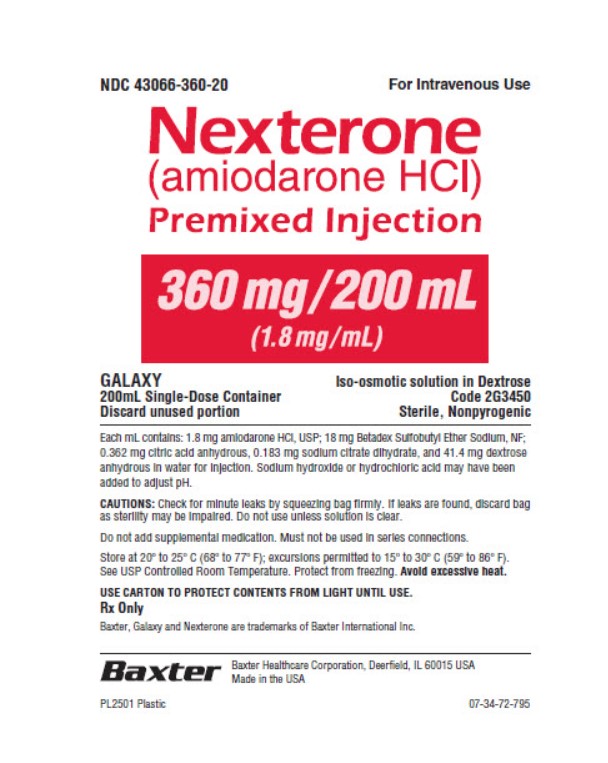
NEXTERONE (AMIODARONE HCI) 1.8 mg/mL Injection, Solution, 200 mL — NDC 51662-1481-1 (Billing 51662-1481-01)
This is a package of 200 mL of NEXTERONE (AMIODARONE HCI) 1.8 mg/mL Injection, Solution from HF Acquisition Co LLC, DBA HealthFirst, marketed since Jan 2020 and currently FDA-listed. It is this product's only package size.
NDC database record
One package, one record: these facts belong to NDC 51662-1481-1 alone.
- Record
- FDA NDC Directory package listing · Human prescription drug
- Code segments
- 51662 labeler · 1481 product · 1 package
- Package marketed since
- Jan 29, 2020
- Sample package
- No — commercial package
- Listing certified through
- Dec 31, 2026
- Barcode (UPC-A, from the NDC)
- 3 5166214811 2
- FDA record last changed
- Jul 24, 2026
Identity & classification
Regulatory identifiers FDA, NLM and CMS codes for this package
- RxCUI (RxNorm): 849876
Where does this data come from?
- FDA openFDA NDC Directory · synced Oct 1, 2026
- FDA label on DailyMed · label index refreshed Oct 5, 2026
- RxNorm (NLM RxNav) · catalog refreshed Oct 1, 2026
- Medi-Span GPI (licensed)
- First Databank (licensed) · refreshed Oct 1, 2026
RxNorm drug class
This medicine belongs to the Antiarrhythmic class.
Where does this data come from?
- RxClass (NLM) · catalog refreshed Oct 1, 2026
Clinical
- It treats life-threatening ventricular rhythm problems, specifically ventricular fibrillation and unstable ventricular tachycardia. It is usually used when other heart rhythm medic...
- Take them the same way with respect to meals each day. Your prescriber may start you on a higher loading amount and then lower it. If the daily total is high or your stomach is ups...
- Call right away for a new cough, shortness of breath, fever, yellow skin or eyes, dark urine, fainting, a very slow or irregular heartbeat, or vision changes. These can signal lung...
- No, avoid it. Grapefruit juice raises amiodarone levels in your body. Also check with me before starting any new medicine, since amiodarone interacts with many, including warfarin,...
Patient education
Supplement & herbal interactions
Where does this data come from?
- MedlinePlus (NLM) · refreshed Oct 1, 2026
- FDA label on DailyMed · label index refreshed Oct 5, 2026
Ask a licensed pharmacist directly — free, answered by our team.
Pricing
A drug doesn't have one price. Each row is a different public payment system, and none is what you'd pay at the counter — that depends on your insurance. The ⓘ on each row explains what it measures.
| Price system | Per mL | Per package |
|---|---|---|
| Retail pharmacies payNADAC · weekly | Not in the retail survey — common for institutional, discontinued, or low-volume packs. | |
| Medicaid paysCMS SDUD · 12 mo | No recent Medicaid claims on file for this NDC — rare and low-volume NDCs are suppressed in the public data. | |
| Medicare drug plans payPart D · quarterly | No Part D plan price is available for this NDC in our data. | |
Where does this data come from?
- CMS NADAC weekly file
- CMS ASP pricing files · refreshed Sep 20, 2026
- CMS Medicaid State Drug Utilization Data · refreshed Oct 5, 2026
- CMS Part D plan pricing files · refreshed Sep 24, 2026
- VA National Acquisition Center price file
Packaging — all sizes for this product
| Package NDC | Description | Marketing start | Marketing end | Status |
|---|---|---|---|---|
| 51662-1481-01 You're viewing this Main listing | 1 BAG in 1 CARTON / 200 mL in 1 BAG | 2020-01-29 | — | Active |
Therapeutic equivalents
| Product | Labeler | Pack | NADAC/unit | TE | Status | Price vs. this |
|---|---|---|---|---|---|---|
| Nexterone (Amiodarone Hci) 1.8 mg/mLthis 51662-1481-01 | HF | 200 ml | — | — | FDA listed | — |
Where does this data come from?
- FDA openFDA NDC Directory · synced Oct 1, 2026
- FDA Orange Book · refreshed Oct 3, 2026
- CMS NADAC weekly file
Availability & generic status
We did not find an FDA-approved generic match for this exact strength, form and route. Patent/protection dates below may affect future generic timing.
Why the date isn’t exact: Generic timing can change because patents may be challenged, settled, licensed, added, removed, or worked around with a narrower label — and FDA approval does not always mean a pharmacy can get the generic today.
🛈 What do these terms mean?
- Patent
- Legal protection listed in the Orange Book that may delay generic approval or launch. Issued by the U.S. Patent & Trademark Office.
- Substance patent
- Covers the active drug molecule itself — the hardest to design around. A generic generally can’t launch until it expires.
- Formulation (product) patent
- Covers a specific formulation or dosage form. A generic can sometimes work around it with a different formulation.
- Method-of-use patent
- A patent covering one specific approved use of the drug — not necessarily the whole molecule. A generic can sometimes launch with a “skinny label” that carves out the protected use and keeps the others.
- Skinny label
- A generic label that omits a still-patented use when the FDA allows it — letting a generic reach the market for the unprotected uses.
- Exclusivity
- FDA-granted marketing protection, separate from patents — e.g. 5-yr new chemical entity, 7-yr orphan drug, or a +6-month pediatric extension.
- Paragraph IV
- A generic applicant’s formal challenge to a listed patent. It can potentially lead to earlier generic entry, but often involves litigation or a settlement.
- RLD / RS
- Reference Listed Drug — the brand product the FDA uses as the reference for generic applications. Reference Standard — the product the FDA expects generics to compare against in bioequivalence testing.
- TE / AB rating
- FDA therapeutic-equivalence rating. An AB rating generally means the FDA considers a generic therapeutically equivalent to — and substitutable for — the brand.
- LOE (loss of exclusivity)
- The latest patent or exclusivity currently listed — the loss-of-exclusivity / latest-listed-protection date shown on this page. Paragraph-IV challenges and settlements can move the real date earlier; FDA approval and a manufacturer’s decision to market can move it later.
Built from the FDA Orange Book. The bars above are scaled to each protection’s expiry; the red LOE marker is the last one to lapse.
| Patent | Type | Use code | Expires |
|---|---|---|---|
| US 8410077 ↗ | Drug product | — | Mar 13, 2029 |
| US 10117951 ↗ | Drug product | — | Mar 13, 2029 |
| US 9493582 ↗ | Drug product | — | Feb 27, 2033 |
| US 9200088 ↗ | Drug product | — | Mar 13, 2029 |
| US 7635773 ↗ | Drug product | — | Mar 13, 2029 |
| US 7635773 ↗ | Drug product | — | Mar 13, 2029 |
| US 9493582 ↗ | Drug product | — | Feb 27, 2033 |
| US 9200088 ↗ | Drug product | — | Mar 13, 2029 |
| US 10117951 ↗ | Drug product | — | Mar 13, 2029 |
| US 8410077 ↗ | Drug product | — | Mar 13, 2029 |
| US 9750822 ↗ | Drug product | — | Mar 13, 2029 |
| US 7635773 ↗ | Drug product | — | Mar 13, 2029 |
| US 9750822 ↗ | Drug product | — | Mar 13, 2029 |
Is there a generic version of this drug?
The FDA approved a generic — why can’t I get it at my pharmacy yet?
Why do different websites show different generic release dates?
What does “FDA listed” mean?
What does a patent or protection date mean here?
What does “current Orange Book estimate” mean?
Can a generic come out before the last patent expires?
Can a generic come out after the listed dates?
What is the difference between patents and exclusivity?
Why are there multiple patent dates?
Where does this data come from?
- FDA Orange Book · refreshed Oct 3, 2026
Inactive Ingredients / Excipients
Inactive ingredients, also called excipients, are components of the drug product other than the active ingredient. They may include fillers, dyes, coatings, preservatives, flavors, or other formulation ingredients.
🧪 Avoiding an ingredient? See Amiodarone inactive ingredients by manufacturer: every current product's list side by side, so you can ask your pharmacy for the version that does not list it.
Where does this data come from?
IACT rows and label-wide narrative are kept separate; availability and product-level specificity depend on the submitted label.- FDA label on DailyMed · label index refreshed Oct 5, 2026
- FDA openFDA NDC Directory · synced Oct 1, 2026
Inactive ingredient FAQ
Are inactive ingredients the same for every manufacturer?
Why might an inactive ingredient be missing?
Can inactive ingredients matter?
Manufacturer & labeler
More NDCs from HF Acquisition Co LLC, DBA HealthFirst labeler code 51662
- BACTERIOSTATIC WATER 1 mL/mL Injection, Solution NDC 51662-1473-1
- STERILE WATER 1 mL/mL Injection NDC 51662-1474-1
- EPINEPHRINE .1 mg/.1mL Injection, Solution NDC 51662-1476-1
- ENALAPRILAT 1.25 mg/mL Injection NDC 51662-1477-1
- METOPROLOL TARTRATE 1 mg/mL Injection, Solution NDC 51662-1478-1
- NEXTERONE (AMIODARONE HCI) 1.5 mg/mL Injection, Solution NDC 51662-1480-1
- NICARDIPINE HYDROCHLORIDE 25 mg/10mL Injection NDC 51662-1482-1
- SOLU-MEDROL(R) METHYLPREDNISOLONE SODIUM SUCCINAT 500 mg/4mL Injection, Powder, For Solution NDC 51662-1483-1
- GLYCOPYRROLATE .2 mg/mL Injection NDC 51662-1484-1
- ETOMIDATE 2 mg/mL Injection NDC 51662-1485-1
- HEPARIN SODIUM 10000 [USP'U]/mL Injection, Solution NDC 51662-1486-1
- GLYCOPYRROLATE .2 mg/mL Injection NDC 51662-1487-1
Where does this data come from?
- FDA openFDA NDC Directory · synced Oct 1, 2026
- Drugs@FDA
Full prescribing information FDA SPL
🎯 Indications and Usage ▾
1 INDICATIONS & USAGE NEXTERONE is indicated for initiation of treatment and prophylaxis of frequently recurring ventricular fibrillation (VF) and hemodynamically unstable ventricular tachycardia (VT) in patients refractory to other therapy. NEXTERONE also can be used to treat patients with VT/VF for whom oral amiodarone is indicated, but who are unable to take oral medication. During or after treatment with NEXTERONE, patients may be transferred to oral amiodarone therapy [see Dosage and Administration ( 2 )].
Use NEXTERONE for acute treatment until the patient's ventricular arrhythmias are stabilized. Most patients will require this therapy for 48 to 96 hours, but NEXTERONE may be safely administered for longer periods if necessary.
⏱️ Dosage and Administration ▾
2 DOSAGE & ADMINISTRATION Amiodarone shows considerable interindividual variation in response. Although a starting dose adequate to suppress life-threatening arrhythmias is needed, close monitoring with adjustment of dose is essential. The recommended starting dose of NEXTERONE is about 1000 mg over the first 24 hours of therapy, delivered by the following infusion regimen: After the first 24 hours, continue the maintenance infusion rate of 0.5 mg/min (720 mg per 24 hours) by directly infusing NEXTERONE Premixed Injection (360 mg/200 mL; 1.8 mg/mL) at a rate of 0.278 mL/min.
The rate of the maintenance infusion may be increased to achieve effective arrhythmia suppression. In the event of breakthrough episodes of VF or hemodynamically unstable VT, use 150 mg supplemental infusions of NEXTERONE (infused over 10 minutes to minimize the potential for hypotension). The first 24-hour dose may be individualized for each patient; however, in controlled clinical trials, mean daily doses above 2100 mg were associated with an increased risk of hypotension.
Do not exceed an initial infusion rate of 30 mg/min. Based on the experience from clinical studies of intravenous amiodarone, a maintenance infusion of up to 0.5 mg/min can be continued for 2 to 3 weeks regardless of the patient's age, renal function, or left ventricular function. There has been limited experience in patients receiving intravenous amiodarone for longer than 3 weeks.
Administer NEXTERONE, whenever possible, through a central venous catheter dedicated to that purpose. Use an in-line filter during administration. Intravenous amiodarone loading infusions at much higher concentrations and rates of infusion much faster than recommended have resulted in hepatocellular necrosis and acute renal failure, leading to death [see Warnings and Precautions ( 5- 5.3)].
Intravenous amiodarone concentrations greater than 3 mg/mL have been associated with a high incidence of peripheral vein phlebitis; however, concentrations of 2.5 mg/mL or less appear to be less irritating. Therefore, for infusions longer than 1 hour, do not exceed NEXTERONE concentrations of 2 mg/mL, unless a central venous catheter is used [see Adverse Reactions ( 6- 6.2)]. NEXTERONE Premixed Injection is available in GALAXY containers as a single-use, ready-to-use, iso-osmotic solution in dextrose for intravenous administration.
No further dilution is required. NEXTERONE Premixed Injection should not be combined with any product in the same intravenous line or premixed container. Do not add supplemental medication.
Protect from light until ready to use. NEXTERONE does not need to be protected from light during administration. Since the premixed container is for single-use only, any unused portion should be discarded.
NOTE: Inspect parenteral drug products for particulate matter and discoloration prior to administration, whenever solution and container permit, solution should be clear. Visually inspect the container. If the administration port protector is damaged, detached or not present, discard the container as the solution path sterility may be compromised.
Check for minute leaks prior to use by squeezing the bag firmly. If leaks are detected, discard solution as sterility may be impaired. CAUTION: Do not use plastic containers in series connections.
Such use could result in air embolism due to residual air being drawn from the primary container before the administration of the fluid from the secondary container is complete. Preparation of NEXTERONE Premixed Injection for administration: 1. Suspend container from eyelet support.
2. Remove protector from outlet port at bottom of container. 3.
Attach administration set. Refer to complete directions accompanying set. Admixture Incompatibility Amiodarone in D5W Injection forms precipitates with the drugs shown in Table 2.
If co-administration of the following drugs is necessary, use separate intravenous administration lines. Intravenous to Oral Transition Patients whos… [Excerpted — this section continues on DailyMed.]
💊 Dosage Forms and Strengths ▾
3 DOSAGE FORMS & STRENGTHS Injection, 1.5 mg/mL (150 mg/100 mL) Premixed in Dextrose Injection, 1.8 mg/mL (360 mg/200 mL) Premixed in Dextrose
⛔ Contraindications ▾
4 CONTRAINDICATIONS NEXTERONE is contraindicated in patients with: • Known hypersensitivity to any of the components of NEXTERONE Premixed Injection, including iodine. Hypersensitivity reactions may involve rash, angioedema, cutaneous/mucosal hemorrhage (bleeding), fever, arthralgias (joint pains), eosinophilia (abnormal blood counts), uritcaria (hives), thrombotic thrombocytopenic purpura, or severe periarteritis (inflammation around blood vessels). • Cardiogenic shock. • Marked sinus bradycardia. • Second- or third-degree atrio-ventricular (AV) block unless a functioning pacemaker is available.
⚠️ Warnings and Cautions ▾
5 WARNINGS AND PRECAUTIONS NEXTERONE should be administered only by physicians who are experienced in the treatment of life-threatening arrhythmias, who are thoroughly familiar with the risks and benefits of amiodarone therapy, and who have access to facilities adequate for monitoring the effectiveness and side effects of treatment. Because of the long half-life of amiodarone and its metabolite desethylamiodarone, the potential for adverse reactions or interactions, as well as observed adverse effects, can persist following amiodarone withdrawal.
5.1Hypotension Hypotension is the most common adverse reaction seen with intravenous amiodarone. In clinical trials, treatment-emergent, drug-related hypotension was reported as an adverse effect in 288 (16%) of 1836 patients treated with intravenous amiodarone. Clinically significant hypotension during infusions was seen most often in the first several hours of treatment and was not dose related, but appeared to be related to the rate of infusion.
Hypotension necessitating alterations in intravenous amiodarone therapy was reported in 3% of patients, with permanent discontinuation required in less than 2% of patients. Treat hypotension initially by slowing the infusion; additional standard therapy may be needed, including the following: vasopressor drugs, positive inotropic agents, and volume expansion. Monitor the initial rate of infusion closely and do not exceed the recommended rate [see Dosage and Administration ( 2 )].
In some cases, hypotension may be refractory and result in a fatal outcome [see Adverse Reactions ( 6- 6.2)].
5.2Bradycardia and Atrio-ventricular Block In 90 (4.9%) of 1836 patients in clinical trials, drug-related bradycardia that was not dose-related occurred while they were receiving intravenous amiodarone for life-threatening VT/VF. Treat bradycardia by slowing the infusion rate or discontinuing NEXTERONE. In some patients, inserting a pacemaker is required.
Despite such measures, bradycardia was progressive and terminal in 1 patient during the controlled trials. Treat patients with a known predisposition to bradycardia or AV block with NEXTERONE in a setting where a temporary pacemaker is available.
5.3Hepatic Injury Elevations of blood hepatic enzyme values [alanine aminotransferase (ALT), aspartate aminotransferase (AST), and gamma-glutamyl transferase (GGT)] are commonly seen in patients with immediately life-threatening VT/VF. Interpreting elevated AST activity can be difficult because the values may be elevated in patients who have had recent myocardial infarction, congestive heart failure, or multiple electrical defibrillations. Approximately 54% of patients receiving intravenous amiodarone in clinical studies had baseline liver enzyme elevations, and 13% had clinically significant elevations.
In 81% of patients with both baseline and on-therapy data available, the liver enzyme elevations either improved during therapy or remained at baseline levels. Baseline abnormalities in hepatic enzymes are not a contraindication to treatment. Elevated bilirubin levels have been reported in patients administered intravenous amiodarone.
Acute, centrolobular confluent hepatocellular necrosis leading to hepatic coma, acute renal failure, and death has been associated with the administration of intravenous amiodarone [see Dosage and Administration ( 2 )]. In patients with life-threatening arrhythmias, the potential risk of hepatic injury should be weighed against the potential benefit of NEXTERONE therapy. Carefully monitor patients receiving NEXTERONE for evidence of progressive hepatic injury.
In such cases, consider reducing the rate of administration or withdrawing NEXTERONE.
5.4Proarrhythmia Like all antiarrhythmic agents, NEXTERONE may cause a worsening of existing arrhythmias or precipitate a new arrhythmia, sometimes leading to fatal outcomes [see Adverse Reactions ( 6- 6.2)]. Proarrhythmia, primarily torsade de pointes (TdP), has been associated with prolo… [Excerpted — this section continues on DailyMed.]
🤒 Adverse Reactions ▾
6 ADVERSE REACTIONS The following adverse reactions are described in Warnings and Precautions: hypotension, rhythm disturbances, hepatic injury, pulmonary injury, thyroid injury, hypersensitivity.
6.1Clinical Trials Experience Because clinical trials are conducted under widely varying conditions, adverse reaction rates observed in the clinical trials of a drug cannot be directly compared to rates in the clinical trials of another drug and may not reflect the rates observed in practice. In a total of 1836 patients in controlled and uncontrolled clinical trials, 14% of patients received intravenous amiodarone for at least one week, 5% received it for at least 2 weeks, 2% received it for at least 3 weeks, and 1% received it for more than 3 weeks, without an increased incidence of severe adverse reactions.
The mean duration of therapy in these studies was 5.6 days; median exposure was 3.7 days. The most important adverse reactions were hypotension, asystole/cardiac arrest/pulseless electrical activity (PEA), cardiogenic shock, congestive heart failure, bradycardia, liver function test abnormalities, VT, and AV block. Overall, treatment was discontinued for about 9% of the patients because of adverse reactions.
The most common adverse reactions leading to discontinuation of intravenous amiodarone therapy were hypotension (1.6%), asystole/cardiac arrest/PEA (1.2%), VT (1.1%), and cardiogenic shock (1%). Table 4 lists the most common (incidence ≥2%) adverse reactions during intravenous amiodarone therapy considered at least possibly drug-related. These data were collected in clinical trials involving 1836 patients with life-threatening VT/VF.
Data from all assigned treatment groups are pooled because none of the adverse reactions appeared to be dose-related. Other adverse reactions reported in less than 2% of patients receiving intravenous amiodarone in controlled and uncontrolled studies included the following: abnormal kidney function, atrial fibrillation, diarrhea, increased ALT, increased AST, lung edema, nodal arrhythmia, prolonged QT interval, atrioventricular block, respiratory disorder, shock, sinus bradycardia, Stevens-Johnson syndrome, thrombocytopenia, VF, and vomiting.
6.2Post-Marketing Experience The following adverse reactions have been reported in the post-marketing experience during or in close temporal relationship to intravenous amiodarone administration. Because these reactions are reported voluntarily from a population of uncertain size, it is not always possible to reliably estimate their frequency or establish a causal relationship to drug exposure. Blood and Lymphatic System Disorders: pancytopenia, neutropenia, hemolytic anemia, aplastic anemia, thrombocytopenia, and granulocytosis.
Cardiac Disorders: sinus node dysfunction (sinus arrest, sinoatrial block), intraventricular conduction disorders including bundle branch block and infra-HIS block, bradycardia (sometimes fatal), ventricular extrasystoles, and antegrade conduction via an accessory pathway. Endocrine Disorders: syndrome of inappropriate antidiuretic hormone secretion (SIADH). Eye Disorders: visual field defect and blurred vision.
Gastrointestinal Disorders: pancreatitis. General Disorders and Administration Site Conditions: infusion site reactions, including thombosis, phlebitis, thrombophlebitis, cellulitis, pain, induration, edema, inflammation, urticaria, pruritus, erythema, pigment changes, hypoesthesia, skin sloughing, extravasation possibly leading to venous/infusion site necrosis, intravascular amiodarone deposition/mass (developed in the superior vena cava around acentral venous catheter after long – term [28 days] amiodarone therapy administered through a central line), and granuloma.
Hepatobiliary Disorders: cholestasis, cirrhosis, jaundice, alkaline phosphatase and blood lactate dehydrogenase increase. Musculoskeletal and Connective Tissue Disorders: myopathy, muscle weakness, rhabdomyolysis, muscle spasms, and back pain. Neoplasms beni… [Excerpted — this section continues on DailyMed.]
🔄 Drug Interactions ▾
7 DRUG INTERACTIONS
7.1Pharmacodynamic Interactions Drugs prolonging the QT interval: Co-administration of drugs prolonging the QT interval (such as class I and III antiarrhythmics, lithium, certain phenothiazines, tricyclic antidepressants, certain fluoroquinolone and macrolide antibiotics, azole antifungals, halogenated inhalation anesthetic agents) increases the risk of Torsade de Pointes. In general, avoid concomitant use of drugs that prolong the QT interval [see Warnings and Precautions ( 5- 5.4)]. Drugs that slow heart rate: Concomitant use of drugs with depressant effects on the sinus and AV node (e.g., digoxin, beta blockers, verapamil, diltiazem, ivabradine, clonidine) can potentiate the electrophysiologic and hemodynamic effects of amiodarone, resulting in bradycardia, sinus arrest, and AV block.
Monitor heart rate in patients on amiodarone and concomitant drugs that slow heart rate.
7.2Pharmacokinetic Interactions Effect of other drugs on amiodarone Amiodarone is metabolized to the active metabolite desethylamiodarone (DEA) by the cytochrome P450 (CYP450) enzyme group, specifically CYP3A and CYP2C8. Amiodarone has the potential for interactions with drugs or substances that may be substrates, inhibitors or inducers of CYP450 enzymes (e.g., inhibitors such as protease inhibitors, grapefruit juice, certain fluoroquinolone and macrolide antibiotics, azole antifungals and inducers such as St. John’s Wort) or P-glycoprotein.
In view of the long and variable half-life of amiodarone, potential for drug interactions exists not only with concomitant medication but also with drugs administered after discontinuation of amiodarone [see Clinical Pharmacology ( 12- 12.3)]. Patients should avoid grapefruit juice beverages while taking amiodarone because exposure to amiodarone is significantly increased [see Clinical Pharmacology ( 12- 12.3)]. Effect of amiodarone on other drugs Amiodarone and DEA are inhibitors of P-glycoprotein and certain CYP450 enzymes, including CYP1A2, CYP2C9, CYP2D6 and CYP3A [see Clinical Pharmacology ( 12- 12.3)].
Antiarrhythmics: The metabolism of quinidine, procainamide, flecainide can be inhibited by amiodarone. In general, initiate any added antiarrhythmic drug at a lower than usual dose and monitor the patient carefully. During transfer to oral amiodarone, reduce the dose levels of previously administered agents by 30 to 50% several days after the addition of oral amiodarone.
Review the continued need for the other antiarrhythmic agent after the effects of amiodarone have been established, and attempt discontinuation [see Clinical Pharmacology ( 12- 12.3)]. Digoxin: In patients receiving digoxin therapy, administration of oral amiodarone results in an increase in serum digoxin concentration. Reduce dose of digoxin by half or discontinue digoxin.
If digitalis treatment is continued, monitor serum levels closely and observe patients for clinical evidence of toxicity [see Clinical Pharmacology ( 12- 12.3)]. HMG-CoA Reductase Inhibitors: Limit the dose of simvastatin in patients on amiodarone to 20 mg daily. Limit the daily dose of lovastatin to 40 mg.
Lower starting and maintenance doses of other CYP3A4 substrates (e.g., atorvastatin) may be required as amiodarone may increase the plasma concentration of these drugs. Anticoagulants: Potentiation of warfarin-type (CYP2C9 and CYP3A substrate) anticoagulant response is almost always seen in patients receiving amiodarone and can result in serious or fatal bleeding. Since the concomitant administration of warfarin with amiodarone increases the INR by 100% after 3 to 4 days, reduce the dose of the anticoagulant by one-third to one-half, and monitor INR closely.
Cyclosporine (CYP3A substrate) administered in combination with oral amiodarone has been reported to produce persistently elevated plasma concentrations of cyclosporine resulting in elevated creatinine, despite reduction in dose of cyclosporine. Monitor cyclosporine drug levels and renal function in… [Excerpted — this section continues on DailyMed.]
👥 Use in Specific Populations ▾
8 USE IN SPECIFIC POPULATIONS
8.1Pregnancy Pregnancy Category D [see Warnings and Precautions ( 5- 5.8)]. Teratogenic Effects Amiodarone and desethylamiodarone cross the placenta. Reported risks include: • neonatal bradycardia, QT prolongation, and periodic ventricular extrasystoles • neonatal hypothyroidism (with or without goiter) detected antenatally or in the newborn and reported even after a few days of exposure • neonatal hyperthyroxinemia • neurodevelopmental abnormalities independent of thyroid function, including speech delay and difficulties with written language and arithmetic, delayed motor development, and ataxia. • jerk nystagmus with synchronous head titubation • fetal growth retardation • premature birth Amiodarone has caused a variety of adverse effects in animals.
Amiodarone was given intravenously to rabbits at dosages of 5, 10, or 25 mg/kg per day (about 0.1, 0.3, and 0.7 times human intravenous maintenance dose of 0.5 mg/min on a body surface area basis), during gestation days 8 to 16 (organogenesis). The incidence of maternal deaths increased with increasing dose and occurred in all treated groups and controls. Mean fetal weights were significantly decreased in the low and middle dose groups and embryotoxicity (as manifested by fewer full-term fetuses and increased resorptions) occurred at dosages of 10 mg/kg and above.
There were no significant differences in the number of minor fetal abnormalities and no major fetal abnormalities were observed. Amiodarone was administered by continuous intravenous infusion to rats at dosages of 25, 50, or 100 mg/kg per day (about 0.3, 0.7 and 1.3 times the human intravenous maintenance dose of 0.5 mg/min on a body surface area basis) during gestation days 8 to 16 (organogenesis). Maternal toxicity (manifest as reduced weight gain and food consumption) and embryotoxicity (manifest as increased resorptions, decreased live litter size and fetal body weights, and delayed sternal and metacarpal ossification) were observed in the 100 mg/kg group.
The delayed ossification was reversible and related to decreased fetal weight. Fetal thyroid tissues appeared normal in all groups. Nonteratogenic Effects Very high concentrations of amiodarone and desethylamiodarone may be found in testes.
An elevated follicle-stimulating hormone and luteinizing hormone levels, suggestive of testicular dysfunction, have been reported in men on long-term amiodarone treatment. While planning pregnancy after discontinuation of amiodarone treatment, consider the long half-life of amiodarone and its metabolite DEA.
8.2Labor and Delivery It is not known whether the use of amiodarone during labor or delivery has any immediate or delayed adverse effects. Preclinical studies in rodents have not shown any effect on the duration of gestation or on parturition.
8.3Nursing Mothers Amiodarone and one of its major metabolites, desethylamiodarone (DEA), are excreted in human milk, suggesting that breast-feeding could expose the nursing infant to a significant dose of the drug. Nursing offspring of lactating rats administered amiodarone have demonstrated reduced viability and transient reduced body weight gains. The risk of exposing the infant to amiodarone and DEA must be weighed against the potential benefit of arrhythmia suppression in the mother.
Advise the mother to discontinue nursing.
8.4Pediatric Use The safety and effectiveness of amiodarone in pediatric patients have not been established; therefore, the use of amiodarone in pediatric patients is not recommended. In a pediatric trial of 61 patients, aged 30 days to 15 years, hypotension (36%), bradycardia (20%), and AV block (15%) were common dose-related adverse reactions and were severe or life-threatening in some cases. Injection site reactions were seen in 5 (25%) of the 20 patients receiving intravenous amiodarone through a peripheral vein irrespective of dose regimen.
8.5Geriatric Use Clinical studies of amiodarone did not include sufficient numb… [Excerpted — this section continues on DailyMed.]
🆘 Overdosage ▾
10 OVERDOSAGE There have been cases, some fatal, of amiodarone overdose. Effects of an inadvertent overdose of intravenous amiodarone include hypotension, cardiogenic shock, bradycardia, AV block, and hepatotoxicity. Treat hypotension and cardiogenic shock by slowing the infusion rate or with standard therapy: vasopressor drugs, positive inotropic agents, and volume expansion.
Bradycardia and AV block may require temporary pacing. Monitor hepatic enzyme concentrations closely. Neither amiodarone nor DEA is dialyzable.
🧬 Clinical Pharmacology ▾
12 CLINICAL PHARMACOLOGY
12.1Mechanism of Action Amiodarone is generally considered a class III antiarrhythmic drug, but it possesses electrophysiologic characteristics of all four Vaughan Williams classes. Like class I drugs, amiodarone blocks sodium channels at rapid pacing frequencies, and like class II drugs, amiodarone exerts a noncompetitive antisympathetic action. One of its main effects, with prolonged administration, is to lengthen the cardiac action potential, a class III effect.
The negative chronotropic effect of amiodarone in nodal tissues is similar to the effect of class IV drugs. In addition to blocking sodium channels, amiodarone blocks myocardial potassium channels, which contributes to slowing of conduction and prolongation of refractoriness. The antisympathetic action and the block of calcium and potassium channels are responsible for the negative dromotropic effects on the sinus node and for the slowing of conduction and prolongation of refractoriness in the atrioventricular (AV) node.
Its vasodilatory action can decrease cardiac workload and consequently myocardial oxygen consumption. Intravenous amiodarone administration prolongs intranodal conduction (Atrial-His, AH) and refractoriness of the atrioventricular node (ERP AVN), but has little or no effect on sinus cycle length (SCL), refractoriness of the right atrium and right ventricle (ERP RA and ERP RV), repolarization (QTc), intraventricular conduction (QRS), and infra-nodal conduction (His-ventricular, HV). A comparison of the electrophysiologic effects of intravenous amiodarone and oral amiodarone is shown in the table below.
At higher doses (>10 mg/kg) of intravenous amiodarone, prolongation of the ERP RV and modest prolongation of the QRS have been seen. These differences between oral and IV administration suggest that the initial acute effects of intravenous amiodarone may be predominately focused on the AV node, causing an intranodal conduction delay and increased nodal refractoriness due to slow channel blockade (class IV activity) and noncompetitive adrenergic antagonism (class II activity).
12.2Pharmacodynamics Intravenous amiodarone has been reported to produce negative inotropic and vasodilatory effects in animals and humans. In clinical studies of patients with refractory VF or hemodynamically unstable VT, treatment-emergent, drug-related hypotension occurred in 288 of 1836 patients (16%) treated with intravenous amiodarone. No correlations were seen between the baseline ejection fraction and the occurrence of clinically significant hypotension during infusion of intravenous amiodarone.
No data are available on the activity of DEA in humans, but in animals, it has significant electrophysiologic and antiarrhythmic effects generally similar to amiodarone itself. DEA's precise role and contribution to the antiarrhythmic activity of oral amiodarone are not certain. The development of maximal ventricular class III effects after oral amiodarone administration in humans correlates more closely with DEA accumulation over time than with amiodarone accumulation.
On the other hand, after intravenous amiodarone administration, there is evidence of activity well before significant concentrations of DEA are attained [see Clinical Trials ( 14 )].
12.3Pharmacokinetics Disposition: Amiodarone exhibits complex disposition characteristics after intravenous administration. Peak serum concentrations after single 5 mg/kg 15-minute intravenous infusions in healthy subjects range between 5 and 41 mg/L. Peak concentrations after 10-minute infusions of 150 mg intravenous amiodarone in patients with ventricular fibrillation (VF) or hemodynamically unstable ventricular tachycardia (VT) range between 7 and 26 mg/L.
Due to rapid distribution, serum concentrations decline to 10% of peak values within 30 to 45 minutes after the end of the infusion. In clinical trials, after 48 hours of continued infusions (125, 500 or 1000 mg/day) plus supplemental (150 mg) infusions… [Excerpted — this section continues on DailyMed.]
📦 How Supplied / Storage and Handling ▾
16 HOW SUPPLIED/STORAGE AND HANDLING NEXTERONE (AMIODARONE HCI) PREMIXED INJECTION is supplied in the following dosage forms. NDC 51662-4180-1 NEXTERONE (AMIODARONE HCI) PREMIXED INJECTION 150mg/100mL (1.5mg/mL) 100mL BAG NDC 51662-4181-1 NEXTERONE (AMIODARONE HCI) PREMIXED INJECTION 360mg/200mL (1.8mg/mL) 200mL BAG HF Acquisition Co LLC, DBA HealthFirst Mukilteo, WA 98275 Also supplied in the following manufacture supplied dosage forms NEXTERONE (amiodarone HCl) Premixed Injection is supplied as a ready-to-use, sterile, nonpyrogenic, iso-osmotic solution in 100 mL and 200 mL single-dose GALAXY containers (PL 2501 plastic) packaged in individual cartons as follows: Do not add supplementary medication to NEXTERONE Premixed Injection.
Store at 20° - 25°C (68° - 77°F); excursions permitted to 15° - 30°C (59° - 86°F). See USP Controlled Room Temperature. Protect from light and excessive heat.
Protect from freezing. Use carton to protect contents from light until used. HOW SUPPLIED
📋 Description ▾
11 DESCRIPTION NEXTERONE contains amiodarone HCl (C25H29I2NO3•HCl), a class III antiarrhythmic drug. Amiodarone HCl is (2-butyl-3-benzo-furanyl)[4-[2-(diethylamino)ethoxy]-3,5- diiodophenyl] methanone hydrochloride. Amiodarone HCl has the following structural formula: Amiodarone HCl is a white to slightly yellow crystalline powder, and is very slightly soluble in water.
It has a molecular weight of 681.78 and contains 37.3% iodine by weight. NEXTERONE Premixed Injection is a sterile clear, colorless to slightly yellow solution visually free from particulates. NEXTERONE Premixed Injection is available as a ready-to-use, nonpyrogenic, iso-osmotic solution for intravenous administration in 100 mL GALAXY containers with 150 mg of amiodarone HCl, USP (1.5 mg/mL) in dextrose, and 200 mL GALAXY containers with 360 mg of amiodarone HCl, USP (1.8 mg/mL) in dextrose.
NEXTERONE Premixed Injection (150 mg/100 mL, 1.5 mg/mL): Each mL contains 1.5 mg of amiodarone HCl, USP, 15 mg Betadex Sulfobutyl Ether Sodium, NF, 0.362 mg citric acid anhydrous, 0.183 mg sodium citrate dihydrate and 42.1 mg dextrose anhydrous in water for injection. Sodium hydroxide or hydrochloric acid may have been added to adjust pH. NEXTERONE Premixed Injection (360 mg/200 mL, 1.8 mg/mL): Each mL contains 1.8 mg of amiodarone HCl, USP, 18 mg Betadex Sulfobutyl Ether Sodium, NF, 0.362 mg citric acid anhydrous, 0.183 mg sodium citrate dihydrate and 41.4 mg dextrose anhydrous in water for injection.
Sodium hydroxide or hydrochloric acid may have been added to adjust pH. NEXTERONE does not contain polysorbate 80 or benzyl alcohol. The GALAXY container is fabricated from a specially designed multilayered plastic (PL 2501).
Solutions are in contact with the polyethylene layer of the container and can leach out certain chemical components of the plastic in very small amounts within the expiration period. The suitability and safety of the plastic have been confirmed in tests in animals according to the USP biological tests for plastic containers, as well as by tissue culture toxicity studies. STRUCTURE
🔬 Clinical Studies ▾
14 CLINICAL STUDIES Apart from studies in patients with VT or VF, described below, there are two other studies of amiodarone showing an antiarrhythmic effect before significant levels of DEA could have accumulated. A placebo-controlled study of intravenous amiodarone (300 mg over 2 hours followed by 1200 mg/day) in post-coronary artery bypass graft patients with supraventricular and 2- to 3-consecutive-beat ventricular arrhythmias showed a reduction in arrhythmias from 12 hours on. A baseline-controlled study using a similar IV regimen in patients with recurrent, refractory VT/VF also showed rapid onset of antiarrhythmic activity; amiodarone therapy reduced episodes of VT by 85% compared to baseline.
The acute effectiveness of intravenous amiodarone in suppressing recurrent VF or hemodynamically unstable VT is supported by two randomized, parallel, dose-response studies of approximately 300 patients each. In these studies, patients with at least two episodes of VF or hemodynamically unstable VT in the preceding 24 hours were randomly assigned to receive doses of approximately 125 or 1000 mg over the first 24 hours, an 8-fold difference. In one study, a middle dose of approximately 500 mg was evaluated.
The dose regimen consisted of an initial rapid loading infusion, followed by a slower 6-hour loading infusion, and then an 18-hour maintenance infusion. The maintenance infusion was continued up to hour 48. Additional 10-minute infusions of 150 mg intravenous amiodarone were given for "breakthrough" VT/VF more frequently to the 125 mg dose group, thereby considerably reducing the planned 8-fold differences in total dose to 1.8- and 2.6-fold, respectively, in the two studies.
The prospectively defined primary efficacy end point was the rate of VT/VF episodes per hour. For both studies, the median rate was 0.02 episodes per hour in patients receiving the high dose and 0.07 episodes per hour in patients receiving the low dose, or approximately 0.5 versus 1.7 episodes per day (p=0.07, 2-sided, in both studies). In one study, the time to first episode of VT/VF was significantly prolonged (approximately 10 hours in patients receiving the low dose and 14 hours in patients receiving the high dose).
In both studies, significantly fewer supplemental infusions were given to patients in the high-dose group. At the end of double-blind therapy or after 48 hours, all patients were given open access to whatever treatment (including intravenous amiodarone) was deemed necessary. Mortality was not affected in these studies.
🧪 Nonclinical Toxicology ▾
13 NONCLINICAL TOXICOLOGY
13.1Carcinogenesis, Mutagenesis, Impairment of Fertility No carcinogenicity studies were conducted with intravenous administration of amiodarone. However, oral amiodarone caused a statistically significant, dose-related increase in the incidence of thyroid tumors (follicular adenoma and carcinoma) in rats. The incidence of thyroid tumors in rats was greater than the incidence in controls even at the lowest dose level tested, i.e., 5 mg/kg/day (much less, on a body surface area basis, than the maximum recommended human maintenance dose of 600 mg/day).
Mutagenicity studies conducted with amiodarone HCl (Ames, micronucleus, and lysogenic induction tests) were negative. No fertility studies were conducted with intravenous administration of amiodarone. However, in a study in which amiodarone HCl was orally administered to male and female rats, beginning 9 weeks prior to mating, reduced fertility was observed at a dose level of 90 mg/kg/day (approximately 1.4 times the maximum recommended human maintenance dose of 600 mg/day).
📄 Package Label / Principal Display Panel ▾
PRINCIPAL DISPLAY PANEL - 51662-1480-1 CARTON LABEL PRINCIPAL DISPLAY PANEL - 51662-1480-1 CARTON
PRINCIPAL DISPLAY PANEL - 51662-1480-1 BAG LABEL PRINCIPAL DISPLAY PANEL - 51662-1480-1 BAG LABEL
PRINCIPAL DISPLAY PANEL - 51662-1481-1 BAG LABEL PRINCIPAL DISPLAY PANEL - 51662-1481- BAG LABELING1
PRINCIPAL DISPLAY PANEL - 51662-1481-1 CARTON LABELING PRINCIPAL DISPLAY PANEL - 51662-1481-1 CARTON LABELING
PRINCIPAL DISPLAY PANEL - 51662-1481-1 SERIALIZED CARTON LABELING RFID Label
About this NDC listing & data coverage
What data is (and isn’t) available for this NDC — tap to expand
| NDC identity (package / product / labeler codes) | ✓ Available |
| Labeler | ✓ Available |
| Product & package description | ✓ Available |
| Marketing category & status | ✓ Available |
| Active ingredient / dosage form / route | ✓ Available |
| FDA label (SPL via DailyMed) | ✓ Available |
| Package photos | ✓ Available |
| Inactive ingredients (structured) | — Not published for this NDC The labeler did not submit a structured excipient list, or no SPL is available. |
| NADAC pharmacy acquisition price (CMS) | — Not published for this NDC CMS publishes NADAC only for NDCs reported in its retail-pharmacy survey. |
| Orange Book / therapeutic-equivalence data | ✓ Available |
| HCPCS J-code billing crosswalk | — Not published for this NDC Most self-administered / retail products have no J-code — that is normal. |
| Medicaid utilization (CMS SDUD) | — Not published for this NDC CMS reports utilization only for NDCs with Medicaid claims above its privacy threshold. |