
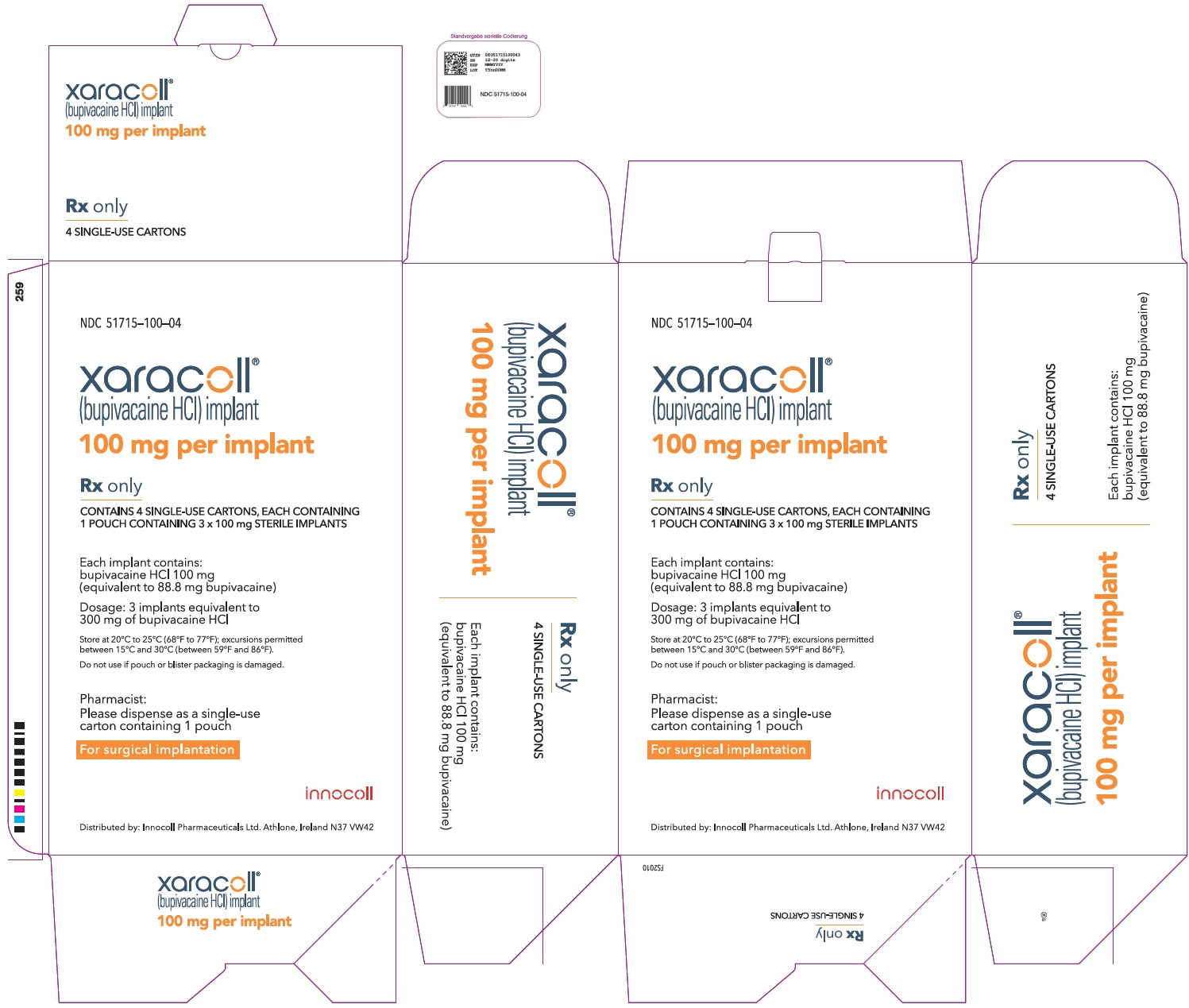
XARACOLL Bupivacaine HCl Collagen-matrix 100 mg Implant
🆔 Identity & classification
Where does this data come from?
🏭 Manufacturer & labeler
Where does this data come from?
🩺 Clinical
- Bupivacaine is a local anesthetic — it numbs a specific area of your body so you don't feel pain during a procedure. Your doctor or anesthesiologist injects it near the nerves that...
- What exactly is bupivacaine and why is my doctor using it?
- The most common ones are nausea, vomiting, constipation, dizziness, and headache. You might also notice your heart beating a little faster or your blood pressure dropping temporari...
- What side effects should I expect after getting bupivacaine?
Patient education
Supplement & herbal interactions
Where does this data come from?
Ask a licensed pharmacist directly — free, answered by our team.
💊 What it looks like
Where does this data come from?
🧪 Inactive Ingredients / Excipients
Inactive ingredients, also called excipients, are components of the drug product other than the active ingredient. They may include fillers, dyes, coatings, preservatives, flavors, or other formulation ingredients.
Where does this data come from?
IACT rows and label-wide narrative are kept separate; availability and product-level specificity depend on the submitted label.Inactive ingredient FAQ
Are inactive ingredients the same for every manufacturer?
Why might an inactive ingredient be missing?
Can inactive ingredients matter?
💲 Pricing
A drug doesn't have one price. Each row is a different public payment system, and none is what you'd pay at the counter — that depends on your insurance. The ⓘ on each row explains what it measures.
| Price system | Per each | Per package |
|---|---|---|
| Retail pharmacies payNADAC · weekly | Not in the retail survey — common for institutional, discontinued, or low-volume packs. | |
| Medicaid paysCMS SDUD · 12 mo | No recent Medicaid claims on file for this NDC — rare and low-volume NDCs are suppressed in the public data. | |
| Medicare drug plans payPart D · quarterly | No Part D plan price is available for this NDC in our data. | |
Where does this data come from?
🔁 Therapeutic equivalents
| Product | Labeler | Pack | NADAC/unit | TE | Status | Price vs. this |
|---|---|---|---|---|---|---|
| Xaracoll 100 mgthis 51715-0100-04 | INNOCOLL | 192 implants | — | — | Discontinued | — |
Where does this data come from?
⏳ Availability & generic status
We did not find an FDA-approved generic match for this exact strength, form and route. Patent/protection dates below may affect future generic timing.
Why the date isn’t exact: Generic timing can change because patents may be challenged, settled, licensed, added, removed, or worked around with a narrower label — and FDA approval does not always mean a pharmacy can get the generic today.
🛈 What do these terms mean?
- Patent
- Legal protection listed in the Orange Book that may delay generic approval or launch. Issued by the U.S. Patent & Trademark Office.
- Substance patent
- Covers the active drug molecule itself — the hardest to design around. A generic generally can’t launch until it expires.
- Formulation (product) patent
- Covers a specific formulation or dosage form. A generic can sometimes work around it with a different formulation.
- Method-of-use patent
- A patent covering one specific approved use of the drug — not necessarily the whole molecule. A generic can sometimes launch with a “skinny label” that carves out the protected use and keeps the others.
- Skinny label
- A generic label that omits a still-patented use when the FDA allows it — letting a generic reach the market for the unprotected uses.
- Exclusivity
- FDA-granted marketing protection, separate from patents — e.g. 5-yr new chemical entity, 7-yr orphan drug, or a +6-month pediatric extension.
- Paragraph IV
- A generic applicant’s formal challenge to a listed patent. It can potentially lead to earlier generic entry, but often involves litigation or a settlement.
- RLD / RS
- Reference Listed Drug — the brand product the FDA uses as the reference for generic applications. Reference Standard — the product the FDA expects generics to compare against in bioequivalence testing.
- TE / AB rating
- FDA therapeutic-equivalence rating. An AB rating generally means the FDA considers a generic therapeutically equivalent to — and substitutable for — the brand.
- LOE (loss of exclusivity)
- The latest patent or exclusivity currently listed — the loss-of-exclusivity / latest-listed-protection date shown on this page. Paragraph-IV challenges and settlements can move the real date earlier; FDA approval and a manufacturer’s decision to market can move it later.
Built from the FDA Orange Book. The bars above are scaled to each protection’s expiry; the red LOE marker is the last one to lapse.
| Patent | Type | Use code | Expires |
|---|---|---|---|
| US RE47826 ↗ | Method of use | U-2949 | May 20, 2029 |
| US 11746141 ↗ | Drug product | — | Jan 9, 2033 |
Is there a generic version of XARACOLL 100 MG IMPLANT?
The FDA approved a generic — why can’t I get it at my pharmacy yet?
Why do different websites show different generic release dates?
What does “FDA listed” mean?
What does a patent or protection date mean here?
What does “current Orange Book estimate” mean?
Can a generic come out before the last patent expires?
Can a generic come out after the listed dates?
What is the difference between patents and exclusivity?
Why are there multiple patent dates?
Where does this data come from?
📦 Packaging — all sizes for this product
| Package NDC | Description | Marketing start | Status |
|---|---|---|---|
| 51715-0100-04 You're viewing this | 4 CARTON in 1 CARTON (51715-100-04) / 1 POUCH in 1 CARTON / 3 IMPLANT in 1 POUCH | 2020-08-28 | Inactivated by FDA |
| 51715-0100-10 | 10 CARTON in 1 CARTON (51715-100-10) / 1 POUCH in 1 CARTON / 3 IMPLANT in 1 POUCH | 2020-08-28 | Inactivated by FDA |
Pack size FAQ
What quantity is in NDC 51715-0100-04?
What NDC number is used to bill for this package of XARACOLL Bupivacaine HCl Collagen-matrix 100 mg Implant?
🧭 About this NDC listing & data coverage
What data is (and isn’t) available for this NDC — tap to expand
| NDC identity (package / product / labeler codes) | ✓ Available |
| Labeler | ✓ Available |
| Product & package description | ✓ Available |
| Marketing category & status | ✓ Available |
| Active ingredient / dosage form / route | ✓ Available |
| FDA label (SPL via DailyMed) | ✓ Available |
| Package photos | ✓ Available |
| Inactive ingredients (structured) | — Not published for this NDC The labeler did not submit a structured excipient list, or no SPL is available. |
| NADAC pharmacy acquisition price (CMS) | — Not published for this NDC CMS publishes NADAC only for NDCs reported in its retail-pharmacy survey. |
| Orange Book / therapeutic-equivalence data | ✓ Available |
| HCPCS J-code billing crosswalk | — Not published for this NDC Most self-administered / retail products have no J-code — that is normal. |
| Medicaid utilization (CMS SDUD) | — Not published for this NDC CMS reports utilization only for NDCs with Medicaid claims above its privacy threshold. |
Questions about this listing
Why is there no price listed?
What does the discontinued status mean for this NDC?
Is the NDC printed on the package the same as the 11-digit billing NDC?
What do the three segments of this NDC mean?
Does this product come in other package sizes?
Who lists this product with the FDA?
Do I need a prescription for this product?
Where does this data come from?
📄 Full prescribing information FDA SPL
🎯 Indications and Usage ▾
1. INDICATIONS AND USAGE XARACOLL is indicated in adults for placement into the surgical site to produce postsurgical analgesia for up to 24 hours following open inguinal hernia repair. Limitations of Use Safety and effectiveness have not been established in other surgical procedures, including orthopedic and boney procedures [see Warnings and Precautions (5.5) ] .
XARACOLL contains an amide local anesthetic and is indicated in adults for placement into the surgical site to produce postsurgical analgesia for up to 24 hours following open inguinal hernia repair ( 1 ). Limitations of Use Safety and effectiveness have not been established in other surgical procedures, including orthopedic and boney procedures ( 5.5 ).
⏱️ Dosage and Administration ▾
2. DOSAGE AND ADMINISTRATION XARACOLL is intended for single-dose administration. The recommended dose is 300 mg bupivacaine HCl (three XARACOLL implants, each containing 100 mg bupivacaine HCl) ( 2.2 ). Each XARACOLL implant should be cut in half using aseptic technique prior to placing the dry implants into the surgical site. Place three halves below the site of mesh placement and three halves just below the skin closure. ( 2.3 ).
2.1Important Dosage and Administration Information XARACOLL is to be administered by or under the supervision of experienced clinicians who are well versed in the diagnosis and management of dose-related toxicity and other acute emergencies which might arise from bupivacaine exposure. The toxic effects of local anesthetics are additive. Avoid additional local anesthetic administration within 96 hours following XARACOLL implantation.
If additional local anesthetic administration with XARACOLL cannot be avoided based on clinical need, monitor patients for neurologic and cardiovascular effects related to local anesthetic systemic toxicity [see Warnings and Precautions (5.1) , Drug Interactions (7) , Overdosage (10) ] . Use XARACOLL only if the following are immediately available: oxygen, other resuscitative drugs, cardiopulmonary resuscitative equipment, and the personnel resources needed for proper management of toxic reactions and related emergencies [see Warnings and Precautions (5.1) , Adverse Reactions (6) , Overdosage (10) ].
XARACOLL is supplied as a sterile product that should be handled using aseptic technique. XARACOLL is designed as a ready-to-use product and requires no preparation other than cutting the individual implants as needed to accommodate the surgical space. Each single-dose package (pouch) of XARACOLL contains three implants comprising the total dose of 300 mg bupivacaine HCl.
Inspect the outer pouch and inner blister packaging prior to use. Do not use XARACOLL if the packaging has been compromised. XARACOLL is white to off-white in color, has uniform thickness, and is approximately 5 cm × 5 cm × 0.5 cm in size.
Do not use XARACOLL if it appears discolored, contains foreign particulates, or is collapsed, compressed, or misshapen. Avoid excessive handling and compression of XARACOLL. Avoid contact of XARACOLL with liquids prior to placement.
Place the XARACOLL implant into the surgical site dry. Pre-moistening may result in premature release of bupivacaine from XARACOLL.
2.2Recommended Dose XARACOLL is intended for single-dose administration. The recommended dose of XARACOLL is 300 mg (3 x 100 mg implants). Doses of XARACOLL above 300 mg (3 x 100 mg implants) per patient have not been studied in clinical trials.
2.3Placement Instructions Both the outer pouch and the inner blister packaging containing the individual implants are designed to be peeled open. Aseptically peel open the outer pouch, then remove and aseptically peel open the three inner blister packages containing XARACOLL. To avoid cutting the implants prior to placement, do not open the blister packaging using scissors or a scalpel.
Carefully remove XARACOLL from the inner blister packages and inspect each implant prior to use. Using aseptic technique, cut each XARACOLL implant in half prior to placement into the surgical site. Place three halves below the site of mesh placement and three halves just below the skin closure.
XARACOLL may become difficult to move once placed in the surgical site and moistened. Use care when moving XARACOLL after placement.
2.4Compatibility Considerations Administration of additional local anesthetics, including bupivacaine HCl, into the surgical site with XARACOLL has not been studied. Studies conducted with XARACOLL demonstrated that commonly used surgical materials (nonabsorbable surgical suture, delayed absorbable surgical suture, and surgical mesh) are not affected by the presence of XARACOLL. When a topical antiseptic such as povidone iodine (e.g., Betadine ® ) is applied, allo…
💊 Dosage Forms and Strengths ▾
3. DOSAGE FORMS AND STRENGTHS XARACOLL (bupivacaine HCl) implant 100 mg bupivacaine HCl (equivalent to 88.8 mg bupivacaine) per implant; each implant is white to off-white in color and is approximately 5 cm × 5 cm × 0.5 cm in size 100 mg per implant ( 3 )
⛔ Contraindications ▾
4. CONTRAINDICATIONS XARACOLL is contraindicated in: patients with a known hypersensitivity to any local anesthetic agent of the amide-type or to any of the other components of XARACOLL. patients undergoing obstetrical paracervical block anesthesia. The use of bupivacaine in this technique has resulted in fetal bradycardia and death. • Known hypersensitivity to bupivacaine or to any local anesthetic agent of the amide-type or to other components of XARACOLL ( 4 ). • Obstetrical paracervical block anesthesia.
The use of bupivacaine in this technique has resulted in fetal bradycardia and death ( 4 ).
⚠️ Warnings and Cautions ▾
5. WARNINGS AND PRECAUTIONS Dose-Related Toxicity : Monitor cardiovascular and respiratory vital signs and patient’s state of consciousness after placement of XARACOLL. ( 5.1 ) Methemoglobinemia : Cases of methemoglobinemia have been reported in association with local anesthetic use. See full prescribing information for more detail on managing these risks ( 5.2 ).
5.1Dose-related Toxicity The safety and effectiveness of local anesthetics depend on proper dosage, correct technique, adequate precautions, and readiness for emergencies. The toxic effects of local anesthetics are additive. Avoid additional local anesthetic administration within 96 hours following XARACOLL implantation.
If additional local anesthetic administration with XARACOLL cannot be avoided based on clinical need, monitor patients for neurologic and cardiovascular effects related to local anesthetic systemic toxicity. Careful and constant monitoring of cardiovascular and respiratory (adequacy of ventilation) vital signs and the patient’s state of consciousness should be performed after administration of XARACOLL. Possible early warning signs of central nervous system (CNS) toxicity are restlessness, anxiety, incoherent speech, lightheadedness, numbness and tingling of the mouth and lips, metallic taste, tinnitus, dizziness, blurred vision, tremors, twitching, CNS depression, or drowsiness.
Delay in proper management of dose-related toxicity, underventilation from any cause, and/or altered sensitivity may lead to the development of acidosis, cardiac arrest, and, possibly, death. Consider surgical removal of XARACOLL depending on the clinical situation.
5.2Methemoglobinemia Cases of methemoglobinemia have been reported in association with local anesthetic use. Although all patients are at risk for methemoglobinemia, patients with glucose-6-phosphate dehydrogenase deficiency, congenital or idiopathic methemoglobinemia, cardiac or pulmonary compromise, infants under 6 months of age, and concurrent exposure to oxidizing agents or their metabolites are more susceptible to developing clinical manifestations of the condition. If local anesthetics must be used in these patients, close monitoring for symptoms and signs of methemoglobinemia is recommended.
Signs of methemoglobinemia may occur immediately or may be delayed some hours after exposure, and are characterized by a cyanotic skin discoloration and/or abnormal coloration of the blood. Methemoglobin levels may continue to rise; therefore, immediate treatment is required to avert more serious CNS and cardiovascular adverse effects, including seizures, coma, arrhythmias, and death. Consider removal of XARACOLL and discontinue any other oxidizing agents.
Depending on the severity of the signs and symptoms, patients may respond to supportive care, i.e., oxygen therapy, hydration. A more severe clinical presentation may require treatment with methylene blue, exchange transfusion, or hyperbaric oxygen.
5.3Risk of Toxicity in Patients with Hepatic Impairment Because amide local anesthetics such as bupivacaine are metabolized by the liver, consider increased monitoring for bupivacaine systemic toxicity in patients with moderate to severe hepatic impairment who are treated with XARACOLL [see Use in Specific Populations (8.6) ] .
5.4Risk of Use in Patients with Impaired Cardiovascular Function Patients with impaired cardiovascular function (e.g., hypotension, heart block) may be less able to compensate for functional changes associated with the prolongation of AV conduction produced by XARACOLL. Monitor patients closely for blood pressure, heart rate, and ECG changes.
5.5Risk of Delayed Bone Healing with Unapproved Use The safety and effectiveness of XARACOLL in surgical procedures other than open inguinal hernia repair have not been established, and XARACOLL is not approved for use in these other surgical procedures (e.g., orthopedic procedures). A study evaluating the effects of bupivacaine HCl implant in rats follow…
🤒 Adverse Reactions ▾
6. ADVERSE REACTIONS The following clinically significant adverse reactions have been reported and described in the Warnings section in the labeling: Dose-Related Toxicity [see Warnings and Precautions (5.1) ] Methemoglobinemia [see Warnings and Precautions (5.2) ] Most common adverse reactions in clinical trials (incidence ≥2% and higher than placebo) included incision site swelling, dysgeusia, headache, tremor, vision blurred, seroma, scrotal swelling, pyrexia, hypoesthesia oral, and post procedural discharge. ( 6.1 ).
To report SUSPECTED ADVERSE REACTIONS, contact Innocoll at 1-833-606-1421 or FDA at 1-800-FDA-1088 or www.fda.gov/medwatch .
6.1Clinical Trial Experience Because clinical studies are conducted under widely varying conditions, adverse reaction rates observed in the clinical trials of a drug cannot be directly compared to rates in the clinical studies of another drug and may not reflect the rates observed in practice. The safety of XARACOLL was evaluated in 11 clinical studies, including two Phase 3 double-blind, placebo implant-controlled studies in patients undergoing open, unilateral inguinal hernia repair. Overall, 612 patients were treated with a single dose of XARACOLL, total dose ranged from 100 mg to 300 mg bupivacaine HCl.
Patients treated with XARACOLL ranged in age from 18 to 85 years (median age 51 years), with 88% male, 88% White, 9% African-American, and 3% all other races. Across the XARACOLL drug development program, which included evaluations in various surgery models, there was one patient death reported in the placebo implant treatment group, and 16 patients who experienced one or more serious adverse events; 11 patients in the XARACOLL treatment group and 5 patients in the placebo implant or comparator treatment groups. Serious adverse reactions reported in the XARACOLL treatment group included wound infection and seroma.
There was a single patient who experienced signs and symptoms consistent with local anesthetic systemic toxicity (LAST) approximately four hours after administration of an early formulation of the bupivacaine collagen implant 150 mg during bladder sling surgery. LAST treatment included administration of lipid emulsion and surgical removal of the XARACOLL implants. The most common adverse reactions (incidence greater than or equal to 2% and higher than placebo implant) following XARACOLL administration were dysgeusia, headache, scrotal swelling, tremor, pyrexia, vision blurred, and seroma.
Common incision site adverse reactions (incidence greater than or equal to 2% and higher in either the XARACOLL or placebo implant groups compared to non-implant comparator treatment groups) were swelling pain, other complication, post-procedural discharge, erythema, dehiscence, and inflammation. Adverse Reactions Reported in Phase 3 Placebo-controlled Trials There were 619 patients who underwent open inguinal hernia repair in the two Phase 3 studies. Patients received general anesthesia intra-operatively, and a standard acetaminophen regimen, in addition to intravenous and oral morphine as needed, post-operatively.
The most common adverse reactions (incidence greater than or equal to 2% and higher than placebo implants) following XARACOLL administration were incision site swelling, dysgeusia, headache, tremor, vision blurred, seroma, scrotal swelling, pyrexia, hypoesthesia oral, and post procedural discharge shown in Table 1. Table 1: Adverse Reactions (ARs) with Incidence Greater Than or Equal to 2% and Greater Than Placebo Reported in the Phase 3 Placebo-controlled Studies XARACOLL 300 mg N=411 n (%) Placebo Placebo consisted of three collagen implants.
N=208 n (%) Subjects Reporting Treatment Emergent Adverse Events 256 (62.3%) 143 (68.8%) Injury, Poisoning and Procedural Complications Incision Site Swelling 60 (14.6%) 30 (14.4%) Post Procedural Discharge 20 (4.9%) 10 (4.8%) Seroma 12 (2.9%) 5 (2.4%) Nervous System Disorders Dysgeusia 31 (7.5%) 13 (6.3%) Headache 17 (4.1%) 1 (0.5%) Tre…
🔄 Drug Interactions ▾
7. DRUG INTERACTIONS Local Anesthetics : The toxic effects of local anesthetics are additive. Avoid additional local anesthetic administration within 96 hours following XARACOLL implantation. If additional local anesthetic administration with XARACOLL cannot be avoided, monitor patients for neurologic and cardiovascular effects related to local anesthetic systemic toxicity ( 7.1 ).
7.1Local Anesthetics The toxic effects of local anesthetics are additive. Avoid additional local anesthetic administration within 96 hours following XARACOLL implantation. If additional local anesthetic administration with XARACOLL cannot be avoided based on clinical need, monitor patients for neurologic and cardiovascular effects related to local anesthetic systemic toxicity [see Dosage and Administration (2.1) , Warnings and Precautions (5.1) , Overdosage (10) ] .
7.2Drugs Associated with Methemoglobinemia Patients who are administered local anesthetics may be at increased risk of developing methemoglobinemia when concurrently exposed to the following drugs, which could include other local anesthetics: Examples of Drugs Associated with Methemoglobinemia Class Examples Nitrates/Nitrites nitric oxide, nitroglycerin, nitroprusside, nitrous oxide Local anesthetics articaine, benzocaine, bupivacaine, lidocaine, mepivacaine, prilocaine, procaine, ropivacaine, tetracaine Antineoplastic agents cyclophosphamide, flutamide, hydroxyurea, ifosfamide, rasburicase Antibiotics dapsone, nitrofurantoin, para-aminosalicylic acid, sulfonamides Antimalarials chloroquine, primaquine Anticonvulsants phenobarbital, phenytoin, sodium valproate Other drugs acetaminophen, metoclopramide, quinine, sulfasalazine
👥 Use in Specific Populations ▾
8. USE IN SPECIFIC POPULATIONS Pregnancy : based on animal data, may cause fetal harm ( 8.1 ). Moderate to Severe Hepatic Impairment : Consider increased monitoring for bupivacaine systemic toxicity ( 8.6 ).
8.1Pregnancy Risk Summary There are no studies conducted with XARACOLL in pregnant women to inform a drug-associated risk of adverse development outcomes. In animal studies, embryo-fetal lethality was noted when bupivacaine was administered subcutaneously to pregnant rabbits during organogenesis at clinically relevant doses. Decreased pup survival was observed in a rat pre- and post-natal developmental study (dosing from implantation through weaning) at a dose level comparable to the daily maximum recommended human dose (MRHD).
Based on animal data, advise pregnant women of the potential risks to a fetus. The estimated background risk of major birth defects and miscarriage for the indicated population is unknown. All pregnancies have a background risk of birth defect, loss, or other adverse outcomes.
In the U.S. general population, the estimated background risk of major birth defects and miscarriage in clinically recognized pregnancies is 2-4% and 15-20%, respectively. Clinical Considerations Labor or Delivery Local anesthetics rapidly cross the placenta [see Pharmacokinetics (12.3 ) ] . The incidence and degree of toxicity depend upon the procedure performed, the type and amount of drug used, and the technique of drug administration.
Adverse reactions in the parturient, fetus, and neonate involve alterations of the CNS, peripheral vascular tone, and cardiac function. Data Animal Data Bupivacaine hydrochloride produced developmental toxicity when administered subcutaneously to pregnant rats and rabbits at clinically relevant doses. Bupivacaine HCl was administered subcutaneously to rats at doses of 4.4, 13.3 and 40 mg/kg and to rabbits at doses of 1.3, 5.8 and 22.2 mg/kg during the period of organogenesis (implantation to closure of the hard palate).
No embryo-fetal effects were observed in rats at up to 40 mg/kg, a dose that caused increased maternal lethality. This dose is approximately 1.3 times the daily maximum recommended human dose (MRHD) of 300 mg when calculated on a mg/m 2 body surface area (BSA) for a 60 kg woman. An increase in embryo-fetal deaths was observed in rabbits at the high dose (1.4 times the MHRD based on BSA) in the absence of maternal toxicity with the fetal No Observed Adverse Effect Level representing approximately 0.4 times the MRHD on a BSA basis.
In a rat pre- and post-natal development study (dosing from implantation through weaning) conducted at subcutaneous doses of 4.4, 13.3, and 40 mg/kg/day, decreased pup survival was observed at the high dose. The high dose is approximately 1.3 times the daily MRHD on a BSA basis.
8.2Lactation Risk Summary Bupivacaine has been reported to be excreted in human milk suggesting that the nursing infant could be theoretically exposed to a dose of the drug. There is no available information on effects of the drug in the breastfed infant or effects of the drug on milk production. The developmental and health benefits of breastfeeding should be considered along with the mother’s clinical need for XARACOLL and any potential adverse effects on the breastfed infant from XARACOLL or from the underlying maternal condition.
8.4Pediatric Use Safety and effectiveness in pediatric patients have not been established.
8.5Geriatric Use Of the total number of patients in the Phase 3 XARACOLL studies (N=411), 60 patients were greater than or equal to 65 years of age and 14 patients were greater than or equal to 75 years of age. No overall differences in efficacy and safety were observed between these patients and younger patients. Clinical experience with XARACOLL has not identified differences in efficacy or safety between elderly and younger patients, but greater sensitivity of some older individuals cannot be ruled out.
In clinical studies of bupivacaine, differences…
🤰 Pregnancy ▾
8.1Pregnancy Risk Summary There are no studies conducted with XARACOLL in pregnant women to inform a drug-associated risk of adverse development outcomes. In animal studies, embryo-fetal lethality was noted when bupivacaine was administered subcutaneously to pregnant rabbits during organogenesis at clinically relevant doses. Decreased pup survival was observed in a rat pre- and post-natal developmental study (dosing from implantation through weaning) at a dose level comparable to the daily maximum recommended human dose (MRHD).
Based on animal data, advise pregnant women of the potential risks to a fetus. The estimated background risk of major birth defects and miscarriage for the indicated population is unknown. All pregnancies have a background risk of birth defect, loss, or other adverse outcomes.
In the U.S. general population, the estimated background risk of major birth defects and miscarriage in clinically recognized pregnancies is 2-4% and 15-20%, respectively. Clinical Considerations Labor or Delivery Local anesthetics rapidly cross the placenta [see Pharmacokinetics (12.3 ) ] . The incidence and degree of toxicity depend upon the procedure performed, the type and amount of drug used, and the technique of drug administration.
Adverse reactions in the parturient, fetus, and neonate involve alterations of the CNS, peripheral vascular tone, and cardiac function. Data Animal Data Bupivacaine hydrochloride produced developmental toxicity when administered subcutaneously to pregnant rats and rabbits at clinically relevant doses. Bupivacaine HCl was administered subcutaneously to rats at doses of 4.4, 13.3 and 40 mg/kg and to rabbits at doses of 1.3, 5.8 and 22.2 mg/kg during the period of organogenesis (implantation to closure of the hard palate).
No embryo-fetal effects were observed in rats at up to 40 mg/kg, a dose that caused increased maternal lethality. This dose is approximately 1.3 times the daily maximum recommended human dose (MRHD) of 300 mg when calculated on a mg/m 2 body surface area (BSA) for a 60 kg woman. An increase in embryo-fetal deaths was observed in rabbits at the high dose (1.4 times the MHRD based on BSA) in the absence of maternal toxicity with the fetal No Observed Adverse Effect Level representing approximately 0.4 times the MRHD on a BSA basis.
In a rat pre- and post-natal development study (dosing from implantation through weaning) conducted at subcutaneous doses of 4.4, 13.3, and 40 mg/kg/day, decreased pup survival was observed at the high dose. The high dose is approximately 1.3 times the daily MRHD on a BSA basis.
🧒 Pediatric Use ▾
8.4Pediatric Use Safety and effectiveness in pediatric patients have not been established.
🧓 Geriatric Use ▾
8.5Geriatric Use Of the total number of patients in the Phase 3 XARACOLL studies (N=411), 60 patients were greater than or equal to 65 years of age and 14 patients were greater than or equal to 75 years of age. No overall differences in efficacy and safety were observed between these patients and younger patients. Clinical experience with XARACOLL has not identified differences in efficacy or safety between elderly and younger patients, but greater sensitivity of some older individuals cannot be ruled out.
In clinical studies of bupivacaine, differences in various pharmacokinetic parameters have been observed between elderly and younger patients. Bupivacaine is known to be substantially excreted by the kidney, and the risk of adverse reactions to this drug may be greater in patients with impaired renal function. Because elderly patients are more likely to have decreased renal function, it may be useful to monitor renal function.
The effects of age (elderly versus younger) on the pharmacokinetics of XARACOLL have not been studied.
🆘 Overdosage ▾
10. OVERDOSAGE Clinical Presentation Acute emergencies from local anesthetics are generally related to high plasma concentrations encountered during therapeutic use of local anesthetics [see Warnings and Precautions (5.1) , Adverse Reactions (6) ] . If not treated immediately, convulsions with simultaneous hypoxia, hypercarbia, and acidosis plus myocardial depression from the direct effects of bupivacaine may result in cardiac arrhythmias, bradycardia, asystole, ventricular fibrillation, or cardiac arrest.
Respiratory abnormalities, including apnea, may occur. If cardiac arrest occurs, successful outcome may require prolonged resuscitative efforts. Management The first step in the management of systemic toxic reactions consists of immediate attention to the establishment and maintenance of a patent airway and effective assisted or controlled ventilation with 100% oxygen with a delivery system capable of permitting immediate positive airway pressure by mask.
Endotracheal intubation, using drugs and techniques familiar to the clinician, may be indicated after initial administration of oxygen by mask if difficulty is encountered in the maintenance of a patent airway, or if prolonged ventilatory support (assisted or controlled) is indicated. If necessary, use drugs to manage the convulsions. A bolus intravenous dose of a benzodiazepine will counteract CNS stimulation related to XARACOLL.
Immediately after the institution of ventilatory measures, evaluate the adequacy of the circulation. Supportive treatment of circulatory depression may require Advance Cardiac Life Support measures. Consider surgical removal of XARACOLL depending on the clinical situation.
🧬 Clinical Pharmacology ▾
12. CLINICAL PHARMACOLOGY
12.1Mechanism of Action Bupivacaine blocks the generation and the conduction of nerve impulses, presumably by increasing the threshold for electrical excitation in the nerve, by slowing the propagation of the nerve impulse, and by reducing the rate of rise of the action potential. Clinically, the order of loss of nerve function is (1) pain, (2) temperature, (3) touch, (4) proprioception, and (5) skeletal muscle tone.
12.2Pharmacodynamics Systemic absorption of bupivacaine produces effects on the cardiovascular system and CNS. At blood concentrations achieved with normal therapeutic doses, changes in cardiac conduction, excitability, refractoriness, contractility, and peripheral vascular resistance are minimal. However, toxic blood concentrations depress cardiac conduction and excitability, which may lead to atrioventricular block, ventricular arrhythmias, and cardiac arrest, sometimes resulting in fatalities.
In addition, myocardial contractility is depressed and peripheral vasodilation occurs, leading to decreased cardiac output and arterial blood pressure. These cardiovascular changes are more likely to occur after unintended intravascular injection of liquid formulations of bupivacaine. Following systemic absorption, bupivacaine can produce CNS stimulation, CNS depression, or both.
Apparent central stimulation is manifested as restlessness, tremors, and shivering progressing to convulsions, followed by depression and coma progressing ultimately to respiratory arrest. However, bupivacaine has a primary depressant effect on the medulla and on higher centers. The depressed stage may occur without a prior excited state.
12.3Pharmacokinetics Local placement of XARACOLL within the surgical site during open inguinal hernia repair resulted in detectable plasma levels of bupivacaine at the first measured time point (0.5 hours) and throughout the 96-hour observation period [see Warnings and Precautions (5.1) ] . Systemic plasma levels of bupivacaine following application of XARACOLL do not correlate with local efficacy . Absorption The rate of systemic absorption of bupivacaine is dependent on the total dose administered, the route of administration, and the vascularity of the administration site.
Pharmacokinetic parameters for XARACOLL following placement in the surgical site during hernioplasty are presented in Table 2. Table 2: Pharmacokinetic Parameters for Bupivacaine After Placement of XARACOLL in the Surgical Site During Open Inguinal Hernia Repair Parameter XARACOLL 300 mg N=34 C max (ng/mL) Arithmetic mean (SD) [minimum, maximum] 663 (264) [274, 1230] T max (hours) Median (SD) [minimum, maximum] 3 [1.5, 24] AUC 0-last (h•ng/mL) * 19493 (7564) AUC 0-∞ (h•ng/mL) * 20368 (7912) t 1/2 (hours) * 19 (6) The highest individual bupivacaine plasma concentration observed in the XARACOLL clinical program was 1230 ng/mL, which occurred 2 hours after placement of the three XARACOLL 100 mg implants (total bupivacaine HCl dose 300 mg) in the surgical site of one patient.
Distribution After bupivacaine is released from XARACOLL it is absorbed systemically. Local anesthetics including bupivacaine are distributed to some extent to all body tissues, with higher concentrations found in highly perfused organs such as the liver, lungs, heart, and brain. Local anesthetics including bupivacaine appear to cross the placenta by passive diffusion.
The rate and degree of diffusion is governed by (1) the degree of plasma protein binding, (2) the degree of ionization, and (3) the degree of lipid solubility. Fetal/maternal ratios of local anesthetics appear to be inversely related to the degree of plasma protein binding, because only the free, unbound drug is available for placental transfer. Bupivacaine with a high protein binding capacity (95%) has a low fetal/maternal ratio (0.2 to 0.4).
The extent of placental transfer is also determined by the degree of ionization and lipid solubility of the drug. Lipid soluble, non-ioniz…
🧬 Mechanism of Action ▾
12.1Mechanism of Action Bupivacaine blocks the generation and the conduction of nerve impulses, presumably by increasing the threshold for electrical excitation in the nerve, by slowing the propagation of the nerve impulse, and by reducing the rate of rise of the action potential. Clinically, the order of loss of nerve function is (1) pain, (2) temperature, (3) touch, (4) proprioception, and (5) skeletal muscle tone.
📦 How Supplied / Storage and Handling ▾
16. HOW SUPPLIED/STORAGE AND HANDLING XARACOLL (bupivacaine HCl) implant is supplied as three white to off-white sterile surgical implants (approximately 5 cm × 5 cm × 0.5 cm), each containing 100 mg bupivacaine HCl in individually sealed blister packages. A tray of three blister packages in a sterile pouch is provided in one carton.
XARACOLL is available as: Four single-use cartons, each containing one pouch containing 3 x 100 mg implants (NDC 51715-100-04) Ten single-use cartons, each containing one pouch containing 3 x 100 mg implants (NDC 51715-100-10) Storage XARACOLL should be stored at 20°C to 25°C (68°F to 77°F), excursions permitted between 15°C and 30°C (between 59°F and 86°F). Brief exposure to temperatures up to 40°C (104°F) may be tolerated provided the mean kinetic temperature does not exceed 25°C (77°F); however, such exposure should be minimized.
Handling Prior to surgical placement: Do not use if pouch or blister packaging has been compromised Avoid excessive handling Keep away from moisture Maintain sterility
📋 Description ▾
11. DESCRIPTION XARACOLL contains bupivacaine, an amide local anesthetic, as the active pharmaceutical ingredient. Each XARACOLL collagen implant (5 cm × 5 cm × 0.5 cm) contains 100 mg bupivacaine HCl (equivalent to 88.8 mg bupivacaine) and 75 mg purified Type I collagen.
Each implant is individually packaged in sterile blister packaging. Three implants are packaged in a single-use sterile pouch, for a total of 300 mg bupivacaine HCl (equivalent to 266.4 mg bupivacaine) and 225 mg purified Type I collagen. The resorbable and biodegradable collagen component of the product serves as an inert delivery system and releases bupivacaine through diffusion from the porous collagen implant, which dissolves over time.
11.1Active Ingredient Bupivacaine HCl is a 1-butyl-N-(2,6-dimethylphenyl)-2-piperidinecarboxamide hydrochloride monohydrate, white crystalline powder that is freely soluble in 95% ethanol, soluble in water, and slightly soluble in acetone. The molecular formula of bupivacaine is C 18 H 28 N 2 O and its molecular weight is 288.4. It has the following structural formula: Structural Formula
💬 Information for Patients ▾
17. PATIENT COUNSELING INFORMATION Allergic-Type Reactions Assess if the patient has had allergic-type reactions to amide-type local anesthetics or to other formulation ingredients [see Contraindications (4) , Adverse Reactions (6) ] . Methemoglobinemia Inform patients that use of local anesthetics may cause methemoglobinemia, a serious condition that must be treated promptly.
Advise patients or caregivers to seek immediate medical attention if they or someone in their care experience the following signs or symptoms: pale, gray, or blue colored skin (cyanosis); headache; rapid heart rate; shortness of breath; lightheadedness; or fatigue. Innocoll Pharmaceuticals Limited Athlone, Ireland N37 VW42 USA Patent Number: RE47,826 E Sep 2020; Version 1.6