
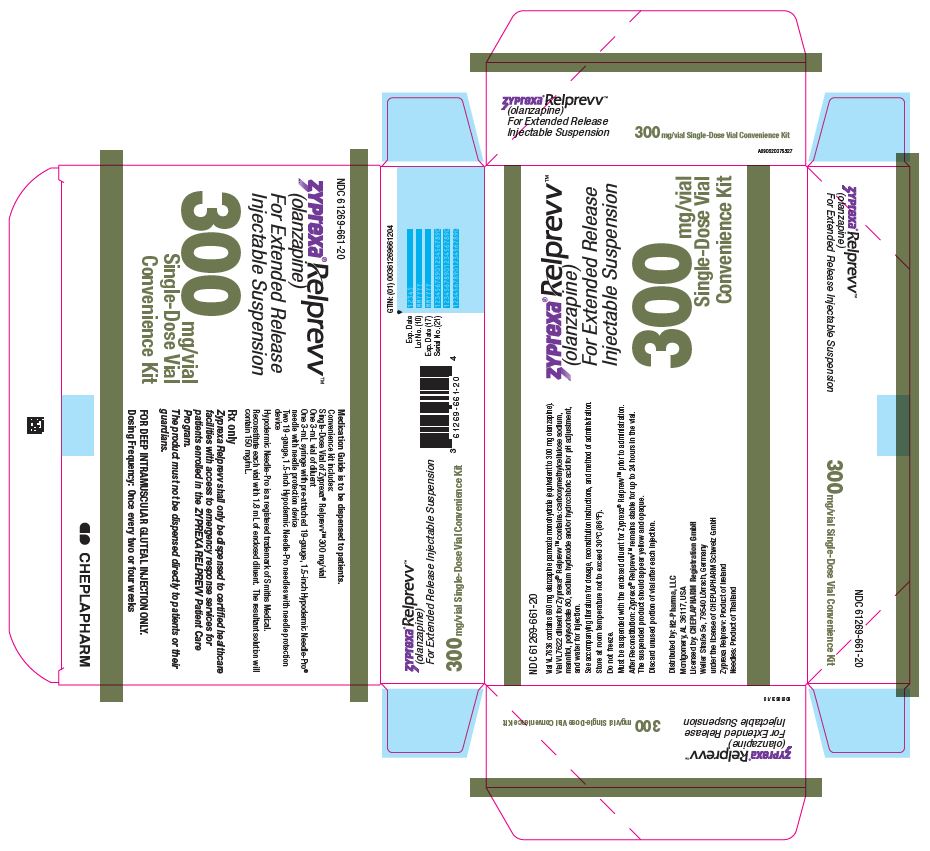
ZYPREXA Relprevv Olanzapine pamoate Kit
🆔 Identity & classification
Where does this data come from?
🏷️ RxNorm drug class
This medicine belongs to the Atypical Antipsychotic class.
Where does this data come from?
🏭 Manufacturer & labeler
Where does this data come from?
🩺 Clinical
- Olanzapine helps bring certain brain chemicals — mainly dopamine and serotonin — back into balance. Depending on what it's prescribed for, it can reduce symptoms of psychosis like...
- What exactly is olanzapine supposed to do for me?
- Honestly, yes — weight gain and changes in blood sugar and cholesterol are real and well-documented with olanzapine. Some people gain a significant amount of weight. Blood sugar ca...
- Will olanzapine make me gain weight or affect my blood sugar?
Patient education
Supplement & herbal interactions
Where does this data come from?
Ask a licensed pharmacist directly — free, answered by our team.
🧪 Inactive Ingredients / Excipients
Inactive ingredients, also called excipients, are components of the drug product other than the active ingredient. They may include fillers, dyes, coatings, preservatives, flavors, or other formulation ingredients.
Where does this data come from?
IACT rows and label-wide narrative are kept separate; availability and product-level specificity depend on the submitted label.Inactive ingredient FAQ
Are inactive ingredients the same for every manufacturer?
Why might an inactive ingredient be missing?
Can inactive ingredients matter?
💲 Pricing
A drug doesn't have one price. Each row is a different public payment system, and none is what you'd pay at the counter — that depends on your insurance. The ⓘ on each row explains what it measures.
| Price system | Per each | Per package |
|---|---|---|
| Retail pharmacies payNADAC · weekly | Not in the retail survey — common for institutional, discontinued, or low-volume packs. | |
| Medicaid paysCMS SDUD · 12 mo | $885.85 | — |
| Medicare drug plans payPart D · quarterly | No Part D plan price is available for this NDC in our data. | |
| Medicare Part B allowsASP · J2358 | $3.199 / J2358 unit | — |
Where does this data come from?
🧾 Billing & reimbursement
Where does this data come from?
🔁 Therapeutic equivalents
| Product | Labeler | Pack | NADAC/unit | TE | Status | Price vs. this |
|---|---|---|---|---|---|---|
| ZYPREXA Relprevvthis 61269-0661-20 | H2-Pharma | 1 kit | — | — | FDA listed | — |
| ZYPREXA Relprevv 61269-0660-20 | H2-Pharma | 1 kit | — | — | FDA listed | — |
| ZYPREXA Relprevv 61269-0662-20 | H2-Pharma | 1 kit | — | — | FDA listed | — |
Where does this data come from?
⏳ Availability & generic status
We did not find an FDA-approved generic match for this exact strength, form and route.
Where does this data come from?
🗺️ Medicaid utilization & spend
📊 Medicare Part D spend CMS · PART D · 2026 (Q1)
📦 Packaging — all sizes for this product
| Package NDC | Description | Marketing start | Status |
|---|---|---|---|
| 61269-0661-20 You're viewing this | 1 KIT in 1 CARTON (61269-661-20) * 2 mL in 1 VIAL (61269-664-01) * 3 mL in 1 VIAL (61269-670-01) | 2010-03-01 | Active |
🧭 About this NDC listing & data coverage
Kit / multi-component package
This NDC identifies a kit — a package containing more than one component. Structured data (pricing, ingredients, equivalents) is often reported per component rather than for the kit NDC itself, which can make this page look thinner than the components' own pages.
What data is (and isn’t) available for this NDC — tap to expand
| NDC identity (package / product / labeler codes) | ✓ Available |
| Labeler | ✓ Available |
| Product & package description | ✓ Available |
| Marketing category & status | ✓ Available |
| Active ingredient / dosage form / route | ✓ Available |
| FDA label (SPL via DailyMed) | ✓ Available |
| Package photos | ✓ Available |
| Inactive ingredients (structured) | — Not published for this NDC The labeler did not submit a structured excipient list, or no SPL is available. |
| NADAC pharmacy acquisition price (CMS) | — Not published for this NDC CMS publishes NADAC only for NDCs reported in its retail-pharmacy survey. |
| Orange Book / therapeutic-equivalence data | — Not published for this NDC Applies only to products approved under an NDA/ANDA; many listings are out of scope. |
| HCPCS J-code billing crosswalk | ✓ Available |
| Medicaid utilization (CMS SDUD) | ✓ Available |
Questions about this listing
Why is there no price listed?
Is the NDC printed on the package the same as the 11-digit billing NDC?
What do the three segments of this NDC mean?
Is this package still being marketed?
Who lists this product with the FDA?
Do I need a prescription for this product?
Does this product have a billing J-code?
Where does this data come from?
📄 Full prescribing information FDA SPL
🚨 Boxed Warning ▾
WARNING: POST-INJECTION DELIRIUM/SEDATION SYNDROME and INCREASED MORTALITY IN ELDERLY PATIENTS WITH DEMENTIA-RELATED PSYCHOSIS WARNING: POST-INJECTION DELIRIUM/SEDATION SYNDROME and INCREASED MORTALITY IN ELDERLY PATIENTS WITH DEMENTIA-RELATED PSYCHOSIS See full prescribing information for complete boxed warning. Patients are at risk for severe sedation (including coma) and/or delirium after each injection and must be observed for at least 3 hours in a certified healthcare setting with ready access to emergency response services.
Because of this risk, ZYPREXA RELPREVV is available only through a restricted distribution program called ZYPREXA RELPREVV REMS and requires prescriber, healthcare setting, patient, and pharmacy enrollment. ( 2.1 , 5.1 , 5.2 , 10.2 , 17 ) Elderly patients with dementia-related psychosis treated with antipsychotic drugs are at an increased risk of death. ZYPREXA RELPREVV is not approved for the treatment of patients with dementia-related psychosis.
( 5.3 , 8.5 , 17 ) Post-Injection Delirium/Sedation Syndrome — Adverse events with signs and symptoms consistent with olanzapine overdose, in particular, sedation (including coma) and/or delirium, have been reported following injections of ZYPREXA RELPREVV. ZYPREXA RELPREVV must be administered in a certified healthcare setting with ready access to emergency response services. After each injection, patients must be observed at the healthcare setting by a healthcare professional for at least 3 hours.
Because of this risk, ZYPREXA RELPREVV is available only through a restricted distribution program called ZYPREXA RELPREVV REMS and requires prescriber, healthcare setting, patient, and pharmacy enrollment [see Dosage and Administration ( 2.1 ), Warnings and Precautions ( 5.1 , 5.2 ), Overdosage ( 10.2 ), and Patient Counseling Information ( 17 )] . Increased Mortality in Elderly Patients with Dementia-Related Psychosis — Elderly patients with dementia-related psychosis treated with antipsychotic drugs are at an increased risk of death.
Analyses of seventeen placebo-controlled trials (modal duration of 10 weeks), largely in patients taking atypical antipsychotic drugs, revealed a risk of death in drug-treated patients of between 1.6 to 1.7 times the risk of death in placebo-treated patients. Over the course of a typical 10-week controlled trial, the rate of death in drug-treated patients was about 4.5%, compared to a rate of about 2.6% in the placebo group. Although the causes of death were varied, most of the deaths appeared to be either cardiovascular (e.g., heart failure, sudden death) or infectious (e.g., pneumonia) in nature.
Observational studies suggest that, similar to atypical antipsychotic drugs, treatment with conventional antipsychotic drugs may increase mortality. The extent to which the findings of increased mortality in observational studies may be attributed to the antipsychotic drug as opposed to some characteristic(s) of the patients is not clear. ZYPREXA RELPREVV is not approved for the treatment of patients with dementia-related psychosis [see Warnings and Precautions ( 5.3 ), Use in Specific Populations ( 8.5 ) and Patient Counseling Information ( 17 )] .
🎯 Indications and Usage ▾
1 INDICATIONS AND USAGE ZYPREXA RELPREVV is available only through a restricted distribution program [see Warnings and Precautions ( 5.2 )] . ZYPREXA RELPREVV must not be dispensed directly to a patient. For a patient to receive treatment, the prescriber, healthcare setting, patient, and pharmacy must all be enrolled in the ZYPREXA RELPREVV REMS.
To enroll, call 1-877-772-9390. ZYPREXA ® RELPREVV™ is a long-acting atypical antipsychotic for intramuscular injection indicated for the treatment of schizophrenia. ( 1.1 ) Efficacy was established in two clinical trials in patients with schizophrenia: one 8-week trial in adults and one maintenance trial in adults.
( 14.1 )
1.1Schizophrenia ZYPREXA RELPREVV is indicated for the treatment of schizophrenia. Efficacy was established in two clinical trials in patients with schizophrenia: one 8-week trial in adults and one maintenance trial in adults [see Clinical Studies ( 14.1 )] .
⏱️ Dosage and Administration ▾
2 DOSAGE AND ADMINISTRATION 150 mg/2 wks, 300 mg/4 wks, 210 mg/2 wks, 405 mg/4 wks, or 300 mg/2 wks. See Table 1 for dosing recommendations. ( 2.1 ) ZYPREXA RELPREVV is intended for deep intramuscular gluteal injection only.
Do not administer intravenously or subcutaneously. ( 2.1 ) Be aware that there are two ZYPREXA intramuscular formulations with different dosing schedules. ZYPREXA IntraMuscular (10 mg/vial) is a short-acting formulation and should not be confused with ZYPREXA RELPREVV.
( 2.1 ) Establish tolerability with oral olanzapine prior to initiating treatment. ( 2.1 ) ZYPREXA RELPREVV doses above 405 mg every 4 weeks or 300 mg every 2 weeks have not been evaluated in clinical trials. ( 2.1 ) Use in specific populations (including renal and hepatic impaired, and pediatric population) has not been studied.
( 2.1 ) Must be suspended using only the diluent for ZYPREXA RELPREVV provided in the convenience kit. ( 2.2 )
2.1Dosage ZYPREXA RELPREVV is intended for deep intramuscular gluteal injection only and should not be administered intravenously or subcutaneously. Be aware that there are two ZYPREXA intramuscular formulations with different dosing schedules. ZYPREXA IntraMuscular (10 mg/vial) is a short-acting formulation and should not be confused with ZYPREXA RELPREVV.
Refer to the package insert for ZYPREXA IntraMuscular for more information about that product. Establish tolerability with oral olanzapine prior to initiating treatment. ZYPREXA RELPREVV should be administered by a healthcare professional every 2 to 4 weeks by deep intramuscular gluteal injection using a 19-gauge, 1.5-inch needle.
Following insertion of the needle into the muscle, aspiration should be maintained for several seconds to ensure that no blood is drawn into the syringe. If any blood is aspirated into the syringe, it should be discarded and fresh drug should be prepared using a new convenience kit. The injection should be performed at a steady, continuous pressure.
Do not massage the injection site. Dose Selection — The efficacy of ZYPREXA RELPREVV has been demonstrated within the range of 150 mg to 300 mg administered every 2 weeks and with 405 mg administered every 4 weeks. Dose recommendations considering oral ZYPREXA and ZYPREXA RELPREVV are shown in Table 1 .
Table 1: Recommended Dosing for ZYPREXA RELPREVV Based on Correspondence to Oral ZYPREXA Doses Target Oral ZYPREXA Dose Dosing of ZYPREXA RELPREVV During the First 8 Weeks Maintenance Dose After 8 Weeks of ZYPREXA RELPREVV Treatment 10 mg/day 210 mg/2 weeks or 150 mg/2 weeks or 405 mg/4 weeks 300 mg/4 weeks 15 mg/day 300 mg/2 weeks 210 mg/2 weeks or 405 mg/4 weeks 20 mg/day 300 mg/2 weeks 300 mg/2 weeks ZYPREXA RELPREVV doses greater than 405 mg every 4 weeks or 300 mg every 2 weeks have not been evaluated in clinical trials.
Post-Injection Delirium/Sedation Syndrome — During premarketing clinical studies, adverse events that presented with signs and symptoms consistent with olanzapine overdose, in particular, sedation (including coma) and/or delirium, were reported in patients following an injection of ZYPREXA RELPREVV [see Boxed Warning , Warnings and Precautions ( 5.1 ), and Overdosage ( 10.1 )] . Patients should be informed of this risk and how to recognize related symptoms [see Patient Counseling Information ( 17 )] . ZYPREXA RELPREVV must be administered in a certified healthcare setting with ready access to emergency response services.
After each ZYPREXA RELPREVV injection, a healthcare professional must continuously observe the patient at the healthcare setting for at least 3 hours for symptoms consistent with olanzapine overdose, including sedation (ranging from mild in severity to coma) and/or delirium (including confusion, disorientation, agitation, anxiety, and other cognitive impairment). Other symptoms noted include extrapyramidal symptoms, dysarthria, ataxia, aggression, dizziness, weakness, hypertension, and convulsion. The potential for onset of an event is greatest…
💊 Dosage Forms and Strengths ▾
3 DOSAGE FORMS AND STRENGTHS ZYPREXA RELPREVV is a powder for suspension for intramuscular use only. ZYPREXA RELPREVV is present as a yellow solid in a glass vial equivalent to 210, 300, or 405 mg olanzapine single-dose per vial. The diluent is a clear, colorless to slightly yellow solution in a glass vial [see Description ( 11 ) and How Supplied/Storage and Handling ( 16 )] .
The reconstituted suspension will be yellow and opaque [see Dosage and Administration ( 2.2 )] . Powder for suspension for single-dose intramuscular use only: 210 mg/vial, 300 mg/vial, and 405 mg/vial. ( 3 , 11 , 16 )
⛔ Contraindications ▾
4 CONTRAINDICATIONS None. None.
⚠️ Warnings and Cautions ▾
5 WARNINGS AND PRECAUTIONS Elderly Patients with Dementia-Related Psychosis: Increased risk of death and increased incidence of cerebrovascular adverse events (e.g. stroke, transient ischemic attack). ( 5.3 ) Suicide: The possibility of a suicide attempt is inherent in schizophrenia, and close supervision of high-risk patients should accompany drug therapy. ( 5.4 ) Neuroleptic Malignant Syndrome: Manage with immediate discontinuation and close monitoring.
( 5.5 ) Drug Reaction with Eosinophilia and Systemic Symptoms (DRESS): Discontinue if DRESS is suspected. ( 5.6 ) Metabolic Changes: Atypical antipsychotic drugs have been associated with metabolic changes including hyperglycemia, dyslipidemia, and weight gain. ( 5.7 ) Hyperglycemia and Diabetes Mellitus: In some cases extreme and associated with ketoacidosis or hyperosmolar coma or death, has been reported in patients taking olanzapine.
Patients taking olanzapine should be monitored for symptoms of hyperglycemia and undergo fasting blood glucose testing at the beginning of, and periodically during, treatment. ( 5.7 ) Dyslipidemia: Undesirable alterations in lipids have been observed. Appropriate clinical monitoring is recommended, including fasting blood lipid testing at the beginning of, and periodically during, treatment.
( 5.7 ) Weight Gain: Potential consequences of weight gain should be considered. Patients should receive regular monitoring of weight. ( 5.7 ) Tardive Dyskinesia: Discontinue if clinically appropriate.
( 5.8 ) Orthostatic Hypotension: Orthostatic hypotension associated with dizziness, tachycardia, bradycardia and, in some patients, syncope, may occur especially during initial dose titration. Use caution in patients with cardiovascular disease, cerebrovascular disease, and those conditions that could affect hemodynamic responses. ( 5.9 ) Leukopenia, Neutropenia, and Agranulocytosis: Has been reported with antipsychotics, including ZYPREXA.
Patients with a history of a clinically significant low white blood cell count (WBC) or drug induced leukopenia/neutropenia should have their complete blood count (CBC) monitored frequently during the first few months of therapy and discontinuation of ZYPREXA RELPREVV should be considered at the first sign of a clinically significant decline in WBC in the absence of other causative factors. ( 5.11 ) Seizures: Use cautiously in patients with a history of seizures or with conditions that potentially lower the seizure threshold.
( 5.13 ) Anticholinergic (antimuscarinic) Effects: Use with caution with other anticholinergic drugs and in patients with urinary retention, prostatic hypertrophy, constipation, paralytic ileus or related conditions. ( 5.16 , 7.1 ) Potential for Cognitive and Motor Impairment: Has potential to impair judgment, thinking, and motor skills. Use caution when operating machinery.
( 5.14 ) Hyperprolactinemia: May elevate prolactin levels. ( 5.17 ) Laboratory Tests: Monitor fasting blood glucose and lipid profiles at the beginning of, and periodically during, treatment. ( 5.18 )
5.1Post-Injection Delirium/Sedation Syndrome During premarketing clinical studies of ZYPREXA RELPREVV, adverse events that presented with signs and symptoms consistent with olanzapine overdose, in particular, sedation (including coma) and/or delirium, were reported in patients following an injection of ZYPREXA RELPREVV [see Boxed Warning and Dosage and Administration ( 2.1 )] . These events occurred in <0.1% of injections and in approximately 2% of patients who received injections for up to 46 months. These events were correlated with an unintentional rapid increase in serum olanzapine concentrations to supra-therapeutic ranges in some cases.
While a rapid and greater than expected increase in serum olanzapine concentration has been observed in some patients with these events, the exact mechanism by which the drug was unintentionally introduced into the blood stream is not known. Clinical signs and symptoms included dizziness, con…
🤒 Adverse Reactions ▾
6 ADVERSE REACTIONS Most common adverse reactions (≥5% in at least one of the treatment groups and greater than placebo) associated with ZYPREXA RELPREVV treatment: headache, sedation, weight gain, cough, diarrhea, back pain, nausea, somnolence, dry mouth, nasopharyngitis, increased appetite, and vomiting. ( 6.1 ) To report SUSPECTED ADVERSE REACTIONS, contact the Safety Call Center at 1-866-770-9010 or FDA at 1-800-FDA-1088 or www.fda.gov/medwatch
6.1Clinical Trials Experience Because clinical trials are conducted under widely varying conditions, adverse reaction rates observed in the clinical trials of a drug cannot be directly compared to rates in the clinical trials of another drug and may not reflect or predict the rates observed in practice. The information below for ZYPREXA RELPREVV is derived primarily from a clinical trial database consisting of 2058 patients with approximately 1948 patient years of exposure to ZYPREXA RELPREVV. This database includes safety data from 6 open-label studies and 2 double-blind comparator studies, conducted in patients with schizophrenia or schizoaffective disorder.
Additionally, data obtained from patients treated with oral olanzapine are also presented below. Adverse reactions were assessed by the collection of adverse reactions, vital signs, weights, laboratory analytes, ECGs, and the results of physical and ophthalmologic examinations. In the tables and tabulations that follow for ZYPREXA RELPREVV, the MedDRA terminology has been used to classify reported adverse reactions.
Data obtained from oral olanzapine studies was reported using the COSTART and MedDRA dictionaries. The stated frequencies of adverse reactions represent the proportion of individuals who experienced, at least once, a treatment-emergent adverse reaction of the type listed. A reaction was considered treatment emergent if it occurred for the first time or worsened while receiving therapy following baseline evaluation.
Reactions listed elsewhere in labeling may not be repeated below. The entire label should be read to gain a complete understanding of the safety profile of ZYPREXA RELPREVV. The prescriber should be aware that the figures in the tables and tabulations cannot be used to predict the incidence of side effects in the course of usual medical practice where patient characteristics and other factors differ from those that prevailed in the clinical trials.
Similarly, the cited frequencies cannot be compared with figures obtained from other clinical investigations involving different treatments, uses, and investigators. The cited figures, however, do provide the prescribing healthcare provider with some basis for estimating the relative contribution of drug and nondrug factors to the adverse reaction incidence in the population studied. Adverse Reactions Associated with Discontinuation of Treatment in a Short-Term, Placebo-Controlled Trial Overall, there was no difference in the incidence of discontinuation due to adverse reactions between ZYPREXA RELPREVV (4%; 13/306 patients) and placebo (5%; 5/98 patients) in an 8-week trial.
Commonly Observed Adverse Reactions in a Short-Term, Placebo-Controlled Trial In an 8-week trial, treatment-emergent adverse reactions with an incidence of 5% or greater in at least one of the ZYPREXA RELPREVV treatment groups (210 mg/2 weeks, 405 mg/4 weeks, or 300 mg/2 weeks) and greater than placebo were: headache, sedation, weight gain, cough, diarrhea, back pain, nausea, somnolence, dry mouth, nasopharyngitis, increased appetite, and vomiting. Adverse Reactions Occurring at an Incidence of 2% or More among ZYPREXA RELPREVV-Treated Patients in a Short-Term, Placebo-Controlled Trial Table 9 enumerates the incidence, rounded to the nearest percent, of treatment-emergent adverse reactions that occurred in 2% or more of patients treated with ZYPREXA RELPREVV and with incidence greater than placebo who participated in the 8-week, placebo-controlled trial.
Table 9: Treatment-Emergent Adver…
🔄 Drug Interactions ▾
7 DRUG INTERACTIONS CNS Acting Drugs: Caution should be used when used in combination with other centrally acting drugs and alcohol. ( 7.2 ) Antihypertensive Agents: Enhanced antihypertensive effect. ( 7.2 ) Levodopa and Dopamine Agonists: May antagonize levodopa/dopamine agonists.
( 7.2 ) Diazepam: May potentiate orthostatic hypotension. ( 7.1 , 7.2 ) Alcohol: May potentiate orthostatic hypotension. ( 7.1 ) Carbamazepine: Increased clearance of olanzapine.
( 7.1 ) Fluvoxamine: May increase olanzapine levels. ( 7.1 )
7.1Potential for Other Drugs to Affect Olanzapine Diazepam — The co-administration of diazepam with olanzapine potentiated the orthostatic hypotension observed with olanzapine [see Drug Interactions ( 7.2 )] . Inducers of CYP1A2 — Carbamazepine therapy (200 mg bid) causes an approximately 50% increase in the clearance of olanzapine. This increase is likely due to the fact that carbamazepine is a potent inducer of CYP1A2 activity.
Higher daily doses of carbamazepine may cause an even greater increase in olanzapine clearance. Alcohol — Ethanol (45 mg/70 kg single dose) did not have an effect on olanzapine pharmacokinetics. The co-administration of alcohol (i.e., ethanol) with olanzapine potentiated the orthostatic hypotension observed with olanzapine [see Drug Interactions ( 7.2 )] .
Inhibitors of CYP1A2 — Fluvoxamine, a CYP1A2 inhibitor, decreases the clearance of olanzapine. This results in a mean increase in olanzapine Cmax following fluvoxamine of 54% in female nonsmokers and 77% in male smokers. The mean increase in olanzapine AUC is 52% and 108%, respectively.
Lower doses of olanzapine should be considered in patients receiving concomitant treatment with fluvoxamine. Inhibitors of CYP2D6 — Fluoxetine caused a small decrease in olanzapine clearance leading to a minimal change in olanzapine steady-state concentrations and, therefore dose modification is not routinely recommended. Warfarin — Warfarin (20 mg single dose) did not affect olanzapine pharmacokinetics [see Drug Interactions ( 7.2 )] .
Inducers of CYP1A2 or Glucuronyl Transferase Enzymes — Omeprazole and rifampin may cause an increase in olanzapine clearance. Anticholinergic Drugs — Concomitant treatment with olanzapine and other drugs with anticholinergic activity can increase the risk for severe gastrointestinal adverse reactions related to hypomotility. ZYPREXA RELPREVV should be used with caution in patients receiving medications having anticholinergic (antimuscarinic) effects [see Warnings and Precautions ( 5.16 )] .
7.2Potential for Olanzapine to Affect Other Drugs CNS Acting Drugs — Given the primary CNS effects of olanzapine, caution should be used when olanzapine is taken in combination with other centrally acting drugs and alcohol. Antihypertensive Agents — Olanzapine, because of its potential for inducing hypotension, may enhance the effects of certain antihypertensive agents. Levodopa and Dopamine Agonists — Olanzapine may antagonize the effects of levodopa and dopamine agonists.
Lorazepam (IM) — Co-administration of lorazepam does not significantly affect the pharmacokinetics of olanzapine, unconjugated lorazepam, or total lorazepam. However, this co-administration of lorazepam with olanzapine potentiated the somnolence observed with either drug alone. Lithium — Multiple doses of olanzapine (10 mg for 8 days) did not influence the kinetics of lithium.
Therefore, concomitant olanzapine administration does not require dosage adjustment of lithium. Valproate — Olanzapine (10 mg daily for 2 weeks) did not affect the steady-state plasma concentrations of valproate. Therefore, concomitant olanzapine administration does not require dosage adjustment of valproate.
Effect of Olanzapine on Drug Metabolizing Enzymes — In vitro studies utilizing human liver microsomes suggest that olanzapine has little potential to inhibit CYP1A2, CYP2C9, CYP2C19, CYP2D6, and CYP3A. Thus, olanzapine is unlikely to cause clinically important drug interactions mediated…
👥 Use in Specific Populations ▾
8 USE IN SPECIFIC POPULATIONS Pregnancy: May cause extrapyramidal and/or withdrawal symptoms in neonates with third trimester exposure. ( 8.1 ) Pediatric Use: Safety and effectiveness of ZYPREXA RELPREVV in children <18 years of age have not been established. ( 8.4 )
8.1Pregnancy Pregnancy Exposure Registry There is a pregnancy exposure registry that monitors pregnancy outcomes in women exposed to atypical antipsychotics, including ZYPREXA RELPREVV, during pregnancy. Healthcare providers are encouraged to register patients by contacting the National Pregnancy Registry for Atypical Antipsychotics at 1-866-961-2388 or visit http://womensmentalhealth.org/clinical-and-research-programs/pregnancyregistry/. Risk Summary Neonates exposed to antipsychotic drugs, including ZYPREXA RELPREVV, during the third trimester are at risk for extrapyramidal and/or withdrawal symptoms following delivery (see Clinical Considerations) .
Overall available data from published epidemiologic studies of pregnant women exposed to olanzapine have not established a drug-associated risk of major birth defects, miscarriage, or adverse maternal or fetal outcomes (see Data) . There are risks to the mother associated with untreated schizophrenia or bipolar I disorder and with exposure to antipsychotics, including ZYPREXA RELPREVV, during pregnancy (see Clinical Considerations) . Olanzapine was not teratogenic when administered orally to pregnant rats and rabbits at doses that are 9- and 30-times the daily oral maximum recommended human dose (MRHD), based on mg/m 2 body surface area; some fetal toxicities were observed at these doses (see Data) .
The estimated background risk of major birth defects and miscarriage for the indicated populations is unknown. All pregnancies have a background risk of birth defects, loss, or other adverse outcomes. In the U.S. general population, the estimated background risk of major birth defects and miscarriage in clinically recognized pregnancies is 2% to 4% and 15% to 20%, respectively.
Clinical Considerations Disease-associated maternal and embryo/fetal risk There is a risk to the mother from untreated schizophrenia or bipolar I disorder, including increased risk of relapse, hospitalization, and suicide. Schizophrenia and bipolar I disorder are associated with increased adverse perinatal outcomes, including preterm birth. It is not known if this is a direct result of the illness or other comorbid factors.
Fetal/Neonatal adverse reactions Extrapyramidal and/or withdrawal symptoms, including agitation, hypertonia, hypotonia, tremor, somnolence, respiratory distress, and feeding disorder have been reported in neonates who were exposed to antipsychotic drugs, including ZYPREXA RELPREVV, during the third trimester of pregnancy. These symptoms have varied in severity. Monitor neonates for extrapyramidal and/or withdrawal symptoms and manage symptoms appropriately.
Some neonates recovered within hours or days without specific treatment; others required prolonged hospitalization. Data Human Data Placental passage has been reported in published study reports; however, the placental passage ratio was highly variable ranging between 7% to 167% at birth following exposure during pregnancy. The clinical relevance of this finding is unknown.
Published data from observational studies, birth registries, case reports and meta-analyses that have evaluated the use of atypical antipsychotics during pregnancy do not establish an increased risk of major birth defects. A retrospective cohort study from a Medicaid database of 9258 women exposed to antipsychotics during pregnancy did not indicate an overall increased risk for major birth defects. Animal Data In oral reproduction studies in rats at doses up to 18 mg/kg/day and in rabbits at doses up to 30 mg/kg/day (9 and 30 times the daily oral MRHD based on mg/m 2 body surface area, respectively), no evidence of teratogenicity was observed.
In an oral rat teratology study, early resorptions and incre…
🤰 Pregnancy ▾
8.1Pregnancy Pregnancy Exposure Registry There is a pregnancy exposure registry that monitors pregnancy outcomes in women exposed to atypical antipsychotics, including ZYPREXA RELPREVV, during pregnancy. Healthcare providers are encouraged to register patients by contacting the National Pregnancy Registry for Atypical Antipsychotics at 1-866-961-2388 or visit http://womensmentalhealth.org/clinical-and-research-programs/pregnancyregistry/. Risk Summary Neonates exposed to antipsychotic drugs, including ZYPREXA RELPREVV, during the third trimester are at risk for extrapyramidal and/or withdrawal symptoms following delivery (see Clinical Considerations) .
Overall available data from published epidemiologic studies of pregnant women exposed to olanzapine have not established a drug-associated risk of major birth defects, miscarriage, or adverse maternal or fetal outcomes (see Data) . There are risks to the mother associated with untreated schizophrenia or bipolar I disorder and with exposure to antipsychotics, including ZYPREXA RELPREVV, during pregnancy (see Clinical Considerations) . Olanzapine was not teratogenic when administered orally to pregnant rats and rabbits at doses that are 9- and 30-times the daily oral maximum recommended human dose (MRHD), based on mg/m 2 body surface area; some fetal toxicities were observed at these doses (see Data) .
The estimated background risk of major birth defects and miscarriage for the indicated populations is unknown. All pregnancies have a background risk of birth defects, loss, or other adverse outcomes. In the U.S. general population, the estimated background risk of major birth defects and miscarriage in clinically recognized pregnancies is 2% to 4% and 15% to 20%, respectively.
Clinical Considerations Disease-associated maternal and embryo/fetal risk There is a risk to the mother from untreated schizophrenia or bipolar I disorder, including increased risk of relapse, hospitalization, and suicide. Schizophrenia and bipolar I disorder are associated with increased adverse perinatal outcomes, including preterm birth. It is not known if this is a direct result of the illness or other comorbid factors.
Fetal/Neonatal adverse reactions Extrapyramidal and/or withdrawal symptoms, including agitation, hypertonia, hypotonia, tremor, somnolence, respiratory distress, and feeding disorder have been reported in neonates who were exposed to antipsychotic drugs, including ZYPREXA RELPREVV, during the third trimester of pregnancy. These symptoms have varied in severity. Monitor neonates for extrapyramidal and/or withdrawal symptoms and manage symptoms appropriately.
Some neonates recovered within hours or days without specific treatment; others required prolonged hospitalization. Data Human Data Placental passage has been reported in published study reports; however, the placental passage ratio was highly variable ranging between 7% to 167% at birth following exposure during pregnancy. The clinical relevance of this finding is unknown.
Published data from observational studies, birth registries, case reports and meta-analyses that have evaluated the use of atypical antipsychotics during pregnancy do not establish an increased risk of major birth defects. A retrospective cohort study from a Medicaid database of 9258 women exposed to antipsychotics during pregnancy did not indicate an overall increased risk for major birth defects. Animal Data In oral reproduction studies in rats at doses up to 18 mg/kg/day and in rabbits at doses up to 30 mg/kg/day (9 and 30 times the daily oral MRHD based on mg/m 2 body surface area, respectively), no evidence of teratogenicity was observed.
In an oral rat teratology study, early resorptions and increased numbers of nonviable fetuses were observed at a dose of 18 mg/kg/day (9 times the daily oral MRHD based on mg/m 2 body surface area), and gestation was prolonged at 10 mg/kg/day (5 times the daily oral MRHD based on mg/m 2 body surface area). In an oral rabbit te…
🧒 Pediatric Use ▾
8.4Pediatric Use Safety and effectiveness of ZYPREXA RELPREVV in children and adolescent patients have not been established [see Warnings and Precautions ( 5.7 )] . Compared to patients from adult clinical trials, adolescents treated with oral ZYPREXA were likely to gain more weight, experience increased sedation, and have greater increases in total cholesterol, triglycerides, LDL cholesterol, prolactin and hepatic aminotransferase levels.
🧓 Geriatric Use ▾
8.5Geriatric Use Clinical studies of ZYPREXA RELPREVV did not include sufficient numbers of subjects aged 65 and over to determine whether they respond differently from younger subjects. In the premarketing clinical studies with oral olanzapine, there was no indication of any different tolerability of olanzapine in elderly patients compared to younger patients with schizophrenia. Oral olanzapine studies in elderly patients with dementia-related psychosis have suggested that there may be a different tolerability profile in this population compared to younger patients with schizophrenia.
Elderly patients with dementia-related psychosis treated with olanzapine are at an increased risk of death compared to placebo. In placebo-controlled studies of olanzapine in elderly patients with dementia-related psychosis, there was a higher incidence of cerebrovascular adverse events (e.g., stroke, transient ischemic attack) in patients treated with olanzapine compared to patients treated with placebo. In 5 placebo-controlled studies of olanzapine in elderly patients with dementia-related psychosis (n=1184), the following adverse reactions were reported in olanzapine-treated patients at an incidence of at least 2% and significantly greater than placebo-treated patients: falls, somnolence, peripheral edema, abnormal gait, urinary incontinence, lethargy, increased weight, asthenia, pyrexia, pneumonia, dry mouth and visual hallucinations.
The rate of discontinuation due to adverse reactions was greater with olanzapine than placebo (13% vs 7%). Elderly patients with dementia-related psychosis treated with olanzapine are at an increased risk of death compared to placebo. Olanzapine is not approved for the treatment of patients with dementia-related psychosis [see Boxed Warning , Warnings and Precautions ( 5.3 ), and Patient Counseling Information ( 17 )] .
Olanzapine is not approved for the treatment of patients with dementia-related psychosis. Also, the presence of factors that might decrease pharmacokinetic clearance or increase the pharmacodynamic response to olanzapine should lead to consideration of a lower starting dose for any geriatric patient [see Boxed Warning , Dosage and Administration ( 2.1 ), and Warnings and Precautions ( 5.3 )] .
🆘 Overdosage ▾
10 OVERDOSAGE
10.1Human Experience During premarketing clinical studies of ZYPREXA RELPREVV, adverse reactions that presented with signs and symptoms consistent with olanzapine overdose, in particular, sedation (including coma) and/or delirium, were reported in patients following an injection of ZYPREXA RELPREVV [see Boxed Warning and Dosage and Administration ( 2.1 )] . These reactions occurred in <0.1% of injections and in approximately 2% of patients who received injections for up to 46 months. These reactions were correlated with an unintentional rapid increase in serum olanzapine concentrations to supra-therapeutic ranges in some cases.
While a rapid and greater than expected increase in serum olanzapine concentration has been observed in some patients with these reactions, the exact mechanism by which the drug was unintentionally introduced into the blood stream is not known. Clinical signs and symptoms included dizziness, confusion, disorientation, slurred speech, altered gait, difficulty ambulating, weakness, agitation, extrapyramidal symptoms, hypertension, convulsion, and reduced level of consciousness ranging from mild sedation to coma. Time after injection to event ranged from soon after injection to greater than 3 hours after injection.
The majority of patients were hospitalized and some required supportive care, including intubation, in several cases. All patients had largely recovered by 72 hours. The risk of an event is the same at each injection, so the risk per patient is cumulative (i.e., increases with the number of injections) [see Warnings and Precautions ( 5.1 )] .
In postmarketing reports of overdose with oral olanzapine alone, symptoms have been reported in the majority of cases. In symptomatic patients, symptoms with ≥10% incidence included agitation/aggressiveness, dysarthria, tachycardia, various extrapyramidal symptoms, and reduced level of consciousness ranging from sedation to coma. Among less commonly reported symptoms were the following potentially medically serious reactions: aspiration, cardiopulmonary arrest, cardiac arrhythmias (such as supraventricular tachycardia and 1 patient experiencing sinus pause with spontaneous resumption of normal rhythm), delirium, possible neuroleptic malignant syndrome, respiratory depression/arrest, convulsion, hypertension, and hypotension.
Eli Lilly and Company has received reports of fatality in association with overdose of oral olanzapine alone. In 1 case of death, the amount of acutely ingested oral olanzapine was reported to be possibly as low as 450 mg of oral olanzapine; however, in another case, a patient was reported to survive an acute olanzapine ingestion of approximately 2 g of oral olanzapine.
10.2Management of Overdose Post-injection delirium/sedation syndrome may occur with each injection of ZYPREXA RELPREVV. Signs and symptoms consistent with olanzapine overdose have been observed, and access to emergency response services must be readily available for safe use [see Boxed Warning and Warnings and Precautions ( 5.1 )] . There is no specific antidote to olanzapine.
Therefore, appropriate supportive measures should be initiated. Hypotension and circulatory collapse should be treated with appropriate measures such as intravenous fluids and/or sympathomimetic agents. (Do not use epinephrine, dopamine, or other sympathomimetics with beta-agonist activity, since beta stimulation may worsen hypotension in the setting of olanzapine-induced alpha blockade.) Respiratory support, including ventilation, may be required.
Close medical supervision and monitoring should continue until the patient recovers. The possibility of multiple drug involvement should be considered. In case of acute overdosage, establish and maintain an airway and ensure adequate oxygenation and ventilation, which may include intubation.
The possibility of obtundation, seizures, or dystonic reaction of the head and neck following overdose may create a risk of aspiration with induced e…
🧬 Clinical Pharmacology ▾
12 CLINICAL PHARMACOLOGY
12.1Mechanism of Action The mechanism of action of olanzapine, in the listed indications is unclear. However, the efficacy of olanzapine in schizophrenia could be mediated through a combination of dopamine and serotonin type 2 (5HT 2 ) antagonism.
12.2Pharmacodynamics Olanzapine binds with high affinity to the following receptors: serotonin 5HT 2A/2C , 5HT 6 (K i =4, 11, and 5 nM, respectively), dopamine D 1-4 (K i =11-31 nM), histamine H 1 (K i =7 nM), and adrenergic α 1 receptors (K i =19 nM). Olanzapine is an antagonist with moderate affinity binding for serotonin 5HT 3 (K i =57 nM) and muscarinic M 1-5 (K i =73, 96, 132, 32, and 48 nM, respectively). Olanzapine binds with low affinity to GABA A , BZD, and β-adrenergic receptors (K i >10 μM).
12.3Pharmacokinetics The fundamental pharmacokinetic properties of olanzapine are similar for ZYPREXA RELPREVV and orally administered olanzapine. Refer to the section below describing the pharmacokinetics of orally administered olanzapine for details. Slow dissolution of ZYPREXA RELPREVV, a practically insoluble salt, after a deep intramuscular gluteal injection of a dose of ZYPREXA RELPREVV results in prolonged systemic olanzapine plasma concentrations that are sustained over a period of weeks to months.
An injection every 2 or 4 weeks provides olanzapine plasma concentrations that are similar to those achieved by daily doses of oral olanzapine. The steady-state plasma concentrations for ZYPREXA RELPREVV for doses of 150 mg to 405 mg every 2 or 4 weeks are within the range of steady-state olanzapine plasma concentration known to have been associated with oral doses of 5 mg to 20 mg olanzapine once daily. The change to a slow release, rate-controlled absorption process is the only fundamental pharmacokinetic difference between the administration of ZYPREXA RELPREVV and orally administered olanzapine.
The effective half-life for olanzapine after intramuscular ZYPREXA RELPREVV administration is approximately 30 days as compared to a half-life after oral administration of approximately 30 hours. Exposure to olanzapine may persist for a period of months after a ZYPREXA RELPREVV injection. The long persistence of systemic concentrations of olanzapine may be an important consideration for the long-term clinical management of the patient.
Typical systemic olanzapine plasma concentrations reach a peak within the first week after injection and are at trough level immediately prior to the next injection. The olanzapine plasma concentration fluctuation between the peak and trough is comparable to the peak and trough fluctuations associated with once daily oral dosing. Dose Proportionality and Oral Dose Correspondence — ZYPREXA RELPREVV provides a dose of 150, 210, 300, or 405 mg olanzapine.
An injection of a larger dose produces a dose-proportional increase in the systemic exposure. The olanzapine exposure after doses of ZYPREXA RELPREVV corresponds to exposure for oral doses of olanzapine. A ZYPREXA RELPREVV dose of 300 mg olanzapine injected every two weeks delivers approximately 20 mg olanzapine per day and a ZYPREXA RELPREVV dose of 150 mg olanzapine injected every two weeks delivers approximately 10 mg per day.
These ZYPREXA RELPREVV doses sustain steady-state olanzapine concentrations over long periods of treatment. Pharmacokinetic Impact of Switching to ZYPREXA RELPREVV from Oral Olanzapine — The switch from oral olanzapine to ZYPREXA RELPREVV changes the pharmacokinetics from an elimination-rate-controlled to an absorption-rate-controlled process. The switch to ZYPREXA RELPREVV may require treatment for a period of approximately 3 months to re-establish steady-state conditions.
Initial treatment with ZYPREXA RELPREVV is recommended at a dose corresponding to the mg/day oral dose [see Dosage and Administration ( 2.1 )] . Plasma concentrations of olanzapine during the first injection interval may be lower than those maintained by a corresponding oral dose. Even…
🧬 Mechanism of Action ▾
12.1Mechanism of Action The mechanism of action of olanzapine, in the listed indications is unclear. However, the efficacy of olanzapine in schizophrenia could be mediated through a combination of dopamine and serotonin type 2 (5HT 2 ) antagonism.
📦 How Supplied / Storage and Handling ▾
16 HOW SUPPLIED/STORAGE AND HANDLING
16.1How Supplied ZYPREXA RELPREVV convenience kit is supplied in single dose cartons. Each carton includes one vial of olanzapine pamoate monohydrate in dosage strengths that are equivalent to 210 mg olanzapine (483 mg olanzapine pamoate monohydrate), 300 mg olanzapine (690 mg olanzapine pamoate monohydrate), and 405 mg olanzapine (931 mg olanzapine pamoate monohydrate) per vial; one vial of approximately 3 mL of diluent for ZYPREXA RELPREVV used to suspend the drug product; one 3-mL syringe with pre-attached 19-gauge, 1.5-inch (38 mm) Hypodermic Needle-Pro needle with needle protection device; and two 19-gauge, 1.5-inch (38 mm) Hypodermic Needle-Pro needles with needle protection device.
Needle-Pro ® is a registered trademark of Smiths Medical. NDC 61269-660-20 — single-dose convenience kit: 210 mg vial (VL7635) with rust flip-off cap and 3-mL vial of sterile diluent (VL7622) with gray flip-off cap NDC 61269-661-20 — single-dose convenience kit: 300 mg vial (VL7636) with olive flip-off cap and 3-mL vial of sterile diluent (VL7622) with gray flip-off cap NDC 61269-662-20 — single-dose convenience kit: 405 mg vial (VL7637) with steel blue flip-off cap and 3-mL vial of sterile diluent (VL7622) with gray flip-off cap
16.2Storage and Handling ZYPREXA RELPREVV should be stored at room temperature not to exceed 30°C (86°F). When the drug product is suspended in the solution for ZYPREXA RELPREVV, it may be held at room temperature for 24 hours. The vial should be agitated immediately prior to product withdrawal. Once the suspension is withdrawn into the syringe, it should be used immediately [see Dosage and Administration ( 2.2 )] .
16.1How Supplied ZYPREXA RELPREVV convenience kit is supplied in single dose cartons. Each carton includes one vial of olanzapine pamoate monohydrate in dosage strengths that are equivalent to 210 mg olanzapine (483 mg olanzapine pamoate monohydrate), 300 mg olanzapine (690 mg olanzapine pamoate monohydrate), and 405 mg olanzapine (931 mg olanzapine pamoate monohydrate) per vial; one vial of approximately 3 mL of diluent for ZYPREXA RELPREVV used to suspend the drug product; one 3-mL syringe with pre-attached 19-gauge, 1.5-inch (38 mm) Hypodermic Needle-Pro needle with needle protection device; and two 19-gauge, 1.5-inch (38 mm) Hypodermic Needle-Pro needles with needle protection device.
Needle-Pro ® is a registered trademark of Smiths Medical. NDC 61269-660-20 — single-dose convenience kit: 210 mg vial (VL7635) with rust flip-off cap and 3-mL vial of sterile diluent (VL7622) with gray flip-off cap NDC 61269-661-20 — single-dose convenience kit: 300 mg vial (VL7636) with olive flip-off cap and 3-mL vial of sterile diluent (VL7622) with gray flip-off cap NDC 61269-662-20 — single-dose convenience kit: 405 mg vial (VL7637) with steel blue flip-off cap and 3-mL vial of sterile diluent (VL7622) with gray flip-off cap
📦 Storage and Handling ▾
16.2Storage and Handling ZYPREXA RELPREVV should be stored at room temperature not to exceed 30°C (86°F). When the drug product is suspended in the solution for ZYPREXA RELPREVV, it may be held at room temperature for 24 hours. The vial should be agitated immediately prior to product withdrawal. Once the suspension is withdrawn into the syringe, it should be used immediately [see Dosage and Administration ( 2.2 )] .
📋 Description ▾
11 DESCRIPTION ZYPREXA RELPREVV is an atypical antipsychotic that belongs to the thienobenzodiazepine class. The chemical designation is 10H-thieno[2,3-b][1,5]benzodiazepine, 2-methyl-4-(4-methyl-1-piperazinyl)-,4,4′-methylenebis[3-hydroxy-2-naphthalenecarboxylate] (1:1), monohydrate. The formula is C 17 H 22 N 4 S•C 23 H 14 O 6 •H 2 O, which corresponds to a molecular weight of 718.8.
The chemical structure is: ZYPREXA RELPREVV is a long-acting form of olanzapine and is intended for deep intramuscular gluteal injection only. ZYPREXA RELPREVV includes a single-dose vial of the drug product and a vial of the sterile diluent for ZYPREXA RELPREVV. The drug product is olanzapine pamoate monohydrate, present as a yellow solid in a glass vial equivalent to 210, 300, or 405 mg olanzapine base per vial.
The diluent for ZYPREXA RELPREVV is a clear, colorless to slightly yellow solution in a glass vial and is composed of carboxymethylcellulose sodium, mannitol, polysorbate 80, sodium hydroxide and/or hydrochloric acid for pH adjustment, and water for injection. The drug product is suspended in the diluent for ZYPREXA RELPREVV to a target concentration of 150 mg olanzapine per mL prior to intramuscular injection. Chemical Structure
💬 Information for Patients ▾
17 PATIENT COUNSELING INFORMATION Advise the patient to read the FDA-approved patient labeling ( Medication Guide ). Patients should be advised of the following issues and asked to alert their prescriber if these occur while taking ZYPREXA RELPREVV. Patients should be advised to call their doctor if they do not think they are getting better or have concerns about their condition.
Post-Injection Delirium/Sedation Syndrome During premarketing clinical studies, reactions that presented with signs and symptoms consistent with olanzapine overdose have been reported in patients following an injection of ZYPREXA RELPREVV. It is mandatory that patients be enrolled in the ZYPREXA RELPREVV REMS to receive ZYPREXA RELPREVV treatment. Patients should be advised of the risk of post-injection delirium/sedation syndrome each time they receive an injection [see Warnings and Precautions ( 5.1 , 5.2 )] .
Patient and caregivers should be advised that after each ZYPREXA RELPREVV injection, patients must be observed at the healthcare setting for at least 3 hours and must be accompanied to their destination upon leaving the facility. The Medication Guide should be distributed each time patients receive an injection. Elderly Patients with Dementia-Related Psychosis: Increased Mortality and Cerebrovascular Adverse Events (CVAE), Including Stroke Patients and caregivers should be advised that elderly patients with dementia-related psychosis treated with antipsychotic drugs are at an increased risk of death.
Patients and caregivers should be advised that elderly patients with dementia-related psychosis treated with ZYPREXA had a significantly higher incidence of cerebrovascular adverse events (e.g., stroke, transient ischemic attack) compared with placebo. ZYPREXA RELPREVV is not approved for elderly patients with dementia-related psychosis [see Boxed Warning and Warnings and Precautions ( 5.3 )] . Neuroleptic Malignant Syndrome (NMS) Patients and caregivers should be counseled that a potentially fatal symptom complex sometimes referred to as NMS has been reported in association with administration of antipsychotic drugs, including ZYPREXA.
Signs and symptoms of NMS include hyperpyrexia, muscle rigidity, altered mental status, and evidence of autonomic instability (irregular pulse or blood pressure, tachycardia, diaphoresis, and cardiac dysrhythmia) [see Warnings and Precautions ( 5.5 )] . Drug Reaction with Eosinophilia and Systemic Symptoms (DRESS) Patients should be advised to report to their health care provider at the earliest onset of any signs or symptoms that may be associated with drug reaction with eosinophilia and systemic symptoms (DRESS) [see Warnings and Precautions ( 5.6 )] .
Hyperglycemia and Diabetes Mellitus Patients should be advised of the potential risk of hyperglycemia-related adverse reactions related to ZYPREXA RELPREVV. Patients should be monitored regularly for worsening of glucose control. Patients who have diabetes should follow their doctor's instructions about how often to check their blood sugar while taking ZYPREXA RELPREVV [see Warnings and Precautions ( 5.7 )] .
Dyslipidemia Patients should be counseled that dyslipidemia has occurred during treatment with ZYPREXA RELPREVV. Patients should have their lipid profile monitored regularly [see Warnings and Precautions ( 5.7 )] . Weight Gain Patients should be counseled that weight gain has occurred during treatment with ZYPREXA RELPREVV.
Patients should have their weight monitored regularly [see Warnings and Precautions ( 5.7 )] . Orthostatic Hypotension Patients should be advised of the risk of orthostatic hypotension, and in association with the use of concomitant drugs that may potentiate the orthostatic effect of ZYPREXA RELPREVV, e.g., diazepam or alcohol [see Warnings and Precautions ( 5.9 ) and Drug Interactions ( 7 )] . Patients should be advised to change positions carefully to help prevent orthostatic hypotension, and to lie down if they feel dizzy or faint, until…
💬 Medication Guide ▾
Medication Guide ZYPREXA ® RELPREVV™ (zy-PREX-a REL-prev) (olanzapine) For Extended Release Injectable Suspension Read the Medication Guide that comes with ZYPREXA RELPREVV before you start taking it and each time before you get an injection. There may be new information. This Medication Guide does not take the place of talking to your doctor about your medical condition or treatment.
Talk with your doctor if there is something you do not understand or you want to learn more about ZYPREXA RELPREVV. What is the most important information I should know about ZYPREXA RELPREVV? Before you receive ZYPREXA RELPREVV treatment you must: understand the risks and benefits of ZYPREXA RELPREVV treatment.
Your doctor will talk to you about the risks and benefits of ZYPREXA RELPREVV treatment. register in the ZYPREXA RELPREVV REMS. You must agree to the rules of the ZYPREXA RELPREVV REMS before you register. ZYPREXA RELPREVV may cause serious side effects, including: Post-injection Delirium/Sedation Syndrome (PDSS).
Increased risk of death in elderly people who are confused, have memory loss and have lost touch with reality (dementia-related psychosis). High blood sugar (hyperglycemia). High fat levels in your blood (increased cholesterol and triglycerides), especially in teenagers age 13 to 17.
Weight gain, especially in teenagers age 13 to 17. These serious side effects are described below. Post-injection Delirium Sedation Syndrome (PDSS).
PDSS is a serious problem that can happen after you get a ZYPREXA RELPREVV injection if the medicine gets in your blood too fast. This problem usually happens within 3 hours after you receive ZYPREXA RELPREVV. If the medicine gets in your blood too fast, you may have some of the following symptoms: feel more sleepy than usual feel dizzy feel confused or disoriented trouble talking or walking muscles feel stiff or shaking feel weak feel grouchy or angry feel nervous or anxious higher blood pressure seizures (convulsions) pass out (become unconscious or coma) You will need to stay at the clinic where you receive the injection for at least 3 hours so your doctor can make sure you do not have symptoms of PDSS.
When you leave the clinic someone must be with you. If you have symptoms of PDSS after you leave the clinic, get medical help or go to an emergency room right away. Increased risk of death in elderly people who are confused, have memory loss and have lost touch with reality (dementia-related psychosis).
ZYPREXA RELPREVV is not approved for treating psychosis in elderly people with dementia. High blood sugar (hyperglycemia). High blood sugar can happen if you have diabetes already or if you have never had diabetes.
High blood sugar could lead to: a build up of acid in your blood due to ketones (ketoacidosis) coma death Your doctor should do tests to check your blood sugar before you start taking ZYPREXA RELPREVV and during treatment. In people who do not have diabetes, sometimes high blood sugar goes away when ZYPREXA RELPREVV is stopped. People with diabetes and some people who did not have diabetes before taking ZYPREXA RELPREVV need to take medicine for high blood sugar even after they stop taking ZYPREXA RELPREVV.
If you have diabetes, follow your doctor's instructions about how often to check your blood sugar while taking ZYPREXA RELPREVV. Call your doctor if you have any of these symptoms of high blood sugar (hyperglycemia) while taking ZYPREXA RELPREVV: feel very thirsty need to urinate more than usual feel very hungry feel weak or tired feel sick to your stomach feel confused or your breath smells fruity High fat levels in your blood (cholesterol and triglycerides). High fat levels may happen in people treated with ZYPREXA RELPREVV, especially in teenagers (13 to 17 years old).
ZYPREXA RELPREVV is not approved in patients less than 18 years old. You may not have any symptoms, so your doctor should do blood tests to check your cholesterol and triglyceride levels before you start taking ZYPREXA R…