
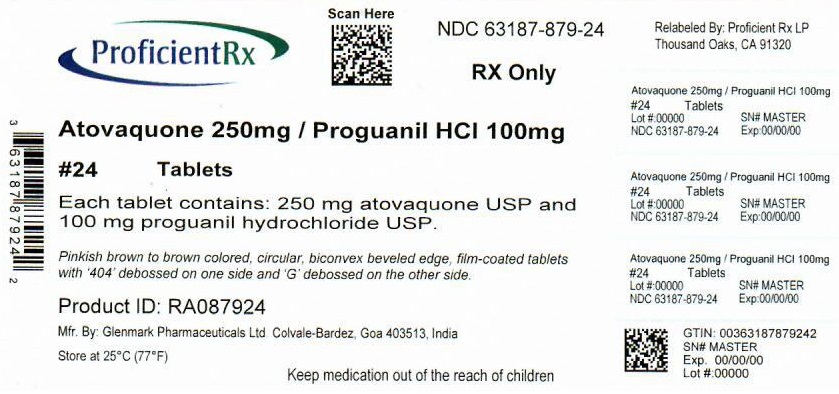
Atovaquone and Proguanil Hydrochloride 250 mg; 100 mg Tablet, Film Coated, 30-count — NDC 63187-879-30 (Billing 63187-0879-30)
This is a package of 30 tablets of Atovaquone and Proguanil Hydrochloride 250 mg; 100 mg Tablet, Film Coated from Proficient Rx LP, marketed since Aug 2011 and currently FDA-listed.
NDC database record
One package, one record: these facts belong to NDC 63187-879-30 alone.
- Record
- FDA NDC Directory package listing · Human prescription drug
- Code segments
- 63187 labeler · 879 product · 30 package
- Listing certified through
- Dec 31, 2027
- Barcode (UPC)
- 0363187879242
- FDA record last changed
- Oct 8, 2026
Identity & classification
Regulatory identifiers FDA, NLM and CMS codes for this package
Drug-database identifiers Medi-Span GPI and First Databank GCN / HICL / AHFS classification
- GPI-14 (Medi-Span): 13990002050320
- RxCUI (RxNorm): 864675
Where does this data come from?
- FDA openFDA NDC Directory · synced Oct 8, 2026
- FDA label on DailyMed · label index refreshed Oct 6, 2026
- RxNorm (NLM RxNav) · catalog refreshed Oct 1, 2026
- Medi-Span GPI (licensed)
- First Databank (licensed) · refreshed Oct 8, 2026
RxNorm drug class
This medicine belongs to the Antimalarial class.
Where does this data come from?
- RxClass (NLM) · catalog refreshed Oct 1, 2026
Clinical
Atovaquone and proguanil is used to prevent or treat certain kinds of malaria infections (a serious infection that is spread by mosquitoes in certain parts of the world). Atovaquone and proguanil is in a class of medications called antimalarials. It works by killing the organisms that cause malaria.
Read the full MedlinePlus article ↗- It can actually do both. If you're traveling to an area where malaria is a risk, you can take it to prevent infection — starting a day or two before you leave, every day while you'...
- What exactly is this medicine for — is it for treating malaria I already have, or for preventing it?
- Yes — it really does matter, especially for atovaquone. Taking it with a fatty food or a milky drink can increase the amount your body absorbs by two to three times compared to tak...
- Does it really matter that I take this with food? What if I'm not hungry?
Patient education
Supplement & herbal interactions
Where does this data come from?
- MedlinePlus (NLM) · refreshed Oct 1, 2026
- FDA label on DailyMed · label index refreshed Oct 6, 2026
Ask a licensed pharmacist directly — free, answered by our team.
Pricing
A drug doesn't have one price. Each row is a different public payment system, and none is what you'd pay at the counter — that depends on your insurance. The ⓘ on each row explains what it measures.
| Price system | Per each | Per package |
|---|---|---|
| Retail pharmacies payNADAC · weekly | Not in the retail survey — common for institutional, discontinued, or low-volume packs. | |
| Medicaid paysCMS SDUD · 12 mo | No recent Medicaid claims on file for this NDC — rare and low-volume NDCs are suppressed in the public data. | |
| Medicare drug plans payPart D · quarterly | No Part D plan price is available for this NDC in our data. | |
Where does this data come from?
- CMS NADAC weekly file
- CMS ASP pricing files · refreshed Sep 20, 2026
- CMS Medicaid State Drug Utilization Data · refreshed Oct 8, 2026
- CMS Part D plan pricing files · refreshed Sep 24, 2026
- VA National Acquisition Center price file
Packaging — all sizes for this product
| Package NDC | Description | Marketing start | Marketing end | Status |
|---|---|---|---|---|
| 63187-0879-24 63187-879-24 | 24 TABLET, FILM COATED in 1 BOTTLE | 2017-08-01 | — | Active |
| 63187-0879-30 You're viewing this | 30 TABLET, FILM COATED in 1 BOTTLE | 2017-08-01 | — | Active |
| 63187-0879-60 63187-879-60 | 60 TABLET, FILM COATED in 1 BOTTLE | 2017-08-01 | — | Active |
| 63187-0879-90 63187-879-90 | 90 TABLET, FILM COATED in 1 BOTTLE | 2017-08-01 | — | Active |
| 63187-0879-16 63187-879-16 Main listing | 16 TABLET, FILM COATED in 1 BOTTLE | 2024-07-08 | — | Active |
You're viewing one of 5 pack sizes for this product.
Pack size FAQ
What quantity is in this package?
How does this package differ from NDC 63187-0879-16?
What NDC number is used to bill for this package of Atovaquone and Proguanil Hydrochloride 250 mg; 100 mg Tablet, Film Coated?
Therapeutic equivalents
| Product | Labeler | Pack | NADAC/unit | TE | Status | Price vs. this |
|---|---|---|---|---|---|---|
| Atovaquone and Proguanil Hydrochloride 250 mg/1; 100 mg 00378-4162-01 | Mylan | 100 tablets | $1.486 | AB | Availability likely | — |
| Atovaquone and Proguanil HCl 250 mg/1; 100 mg 66993-0060-02 | Prasco | 100 tablets | $1.486 | AB | Availability likely | — |
| Atovaquone and Proguanil Hydrochloride 250 mg/1; 100 mg 68001-0245-00 | BluePoint | 100 tablets | $1.486 | AB | Availability likely | — |
| Atovaquone and Proguanil Hydrochloride 250 mg/1; 100 mg 68462-0404-01 | Glenmark | 100 tablets | $1.486 | AB | Availability likely | — |
| Malarone 250 mg/1; 100 mg 00173-0675-01 | GlaxoSmithKline | 100 tablets | — | AB | FDA listed | — |
| Atovaquone and Proguanil HCl 250 mg/1; 100 mg 50090-2980-00 | A-S | 7 tablets | — | AB | FDA listed | — |
| Atovaquone and Proguanil Hydrochloride 250 mg/1; 100 mg 51407-0869-01 | Golden | 100 tablets | — | AB | FDA listed | — |
| Atovaquone and Proguanil Hydrochloride 250 mg/1; 100 mgthis 63187-0879-30 | Proficient | 30 tablets | — | AB | FDA listed | — |
| Atovaquone and Proguanil Hydrochloride 250 mg/1; 100 mg 71335-3160-01 | Bryant | 10 tablets | — | AB | FDA listed | — |
Where does this data come from?
- FDA openFDA NDC Directory · synced Oct 8, 2026
- FDA Orange Book · refreshed Oct 3, 2026
- CMS NADAC weekly file
Availability & generic status
This product is an FDA-approved generic. Other versions of the same drug are listed under Therapeutic equivalents, least expensive first.
Where does this data come from?
- FDA Orange Book · refreshed Oct 3, 2026
What it looks like
Where does this data come from?
- FDA label on DailyMed · label index refreshed Oct 6, 2026
Inactive Ingredients / Excipients
Inactive ingredients, also called excipients, are components of the drug product other than the active ingredient. They may include fillers, dyes, coatings, preservatives, flavors, or other formulation ingredients.
🧪 Avoiding an ingredient? See Atovaquone and Proguanil inactive ingredients by manufacturer: every current product's list side by side, so you can ask your pharmacy for the version that does not list it.
💡 Tap an ingredient (hover on desktop) to see what it is and why it’s used.
-
UNII 1K09F3G675
Ferric oxide red is an inorganic iron compound used as a colorant in medicines. It gives tablets, capsules, or other dosage forms a red or reddish tint for identification and appearance.
-
UNII 36SFW2JZ0W
Hypromellose 2910 is a plant-based thickening agent derived from cellulose. In medicines, it forms a protective coating on tablets or capsules and controls how quickly the drug dissolves and releases into your body.
-
UNII 2165RE0K14
A plant-based thickener made from cellulose that helps control how quickly the medicine dissolves and releases its active ingredient. It also binds ingredients together and improves the tablet's texture and handling during manufacturing.
-
UNII 70097M6I30
Magnesium stearate is a salt made from magnesium and stearic acid, a fatty substance. It's used in tablets and capsules as a lubricant and glidant to help ingredients flow smoothly during manufacturing and prevent sticking.
-
UNII OP1R32D61U
Microcrystalline cellulose is a purified form of cellulose, a natural fiber from plant sources. It acts as a binder and filler in tablets and capsules, helping hold ingredients together and give the medicine its shape and size.
-
UNII LQA7B6G8JG
A synthetic polymer made by combining water-soluble compounds. It acts as a surfactant and solubilizer to help mix oil and water-based ingredients, improving the medicine's texture and how active ingredients dissolve.
-
UNII B697894SGQ
Polyethylene glycol 400 is a clear, thick liquid made from petroleum-derived polymers. It acts as a solvent and humectant in medicines, helping dissolve active ingredients and retain moisture in the formulation.
-
UNII Q662QK8M3B
Polyethylene glycol 8000 is a synthetic polymer made from ethylene oxide. It acts as a binder and filler in tablets and capsules, helping hold ingredients together and add bulk to the medicine.
-
UNII U725QWY32X
Povidone K30 is a synthetic polymer made from petroleum. It acts as a binder to hold tablet ingredients together and as a disintegrant to help the tablet break apart in the stomach so the medicine can be absorbed.
-
UNII ETJ7Z6XBU4
Silicon dioxide is a naturally occurring mineral used as a glidant and anti-caking agent. It helps powder ingredients flow smoothly and prevents clumping during manufacturing and storage.
-
UNII 5856J3G2A2
A starch-based powder made from potatoes and processed with sodium. It acts as a disintegrant, helping the tablet or capsule break apart quickly in the stomach so the medicine can be absorbed.
-
UNII 15FIX9V2JP
Titanium dioxide is a bright white mineral powder commonly used as a colorant and opacifying agent. It makes pills and tablets white or lighter in color and helps make coatings non-transparent.
12 inactive ingredients listed in the exact product block matched to this NDC.
Where does this data come from?
ingredient classCode="IACT" elements from the exact product block matched by this NDC. Label-section narrative from DailyMed / the openFDA label index is shown separately when available.- FDA label on DailyMed · label index refreshed Oct 6, 2026
- FDA openFDA NDC Directory · synced Oct 8, 2026
Inactive ingredient FAQ
Are inactive ingredients the same for every manufacturer?
Why might an inactive ingredient be missing?
Can inactive ingredients matter?
Manufacturer & labeler
More NDCs from Proficient Rx LP labeler code 63187
- Bisoprolol Fumarate 5 mg Tablet NDC 63187-871-30
- Gentak Gentamicin Sulfate 3 mg/g Ointment NDC 63187-873-35
- Quinapril 10 mg Tablet, Film Coated NDC 63187-874-30
- Nifedipine 30 mg Tablet, Film Coated, Extended Release NDC 63187-875-30
- Levalbuterol tartrate HFA inhalation 45 ug Aerosol, Metered NDC 63187-876-15
- Fluconazole 200 mg Tablet NDC 63187-878-01
- Amoxicillin 250 mg/5mL Powder, For Suspension NDC 63187-880-15
- Cefadroxil 500 mg Capsule NDC 63187-883-06
- Nitrostat nitroglycerin .4 mg Tablet NDC 63187-884-25
- Clonazepam 1 mg Tablet NDC 63187-888-30
- Aviane Levonorgestrel and Ethinyl Estradiol Kit NDC 63187-889-28
- Junel Fe 1.5/30 norethindrone acetate and ethinyl estradiol, and ferrous fumarate Kit NDC 63187-890-28
Where does this data come from?
- FDA openFDA NDC Directory · synced Oct 8, 2026
- Drugs@FDA
Full prescribing information FDA SPL
🎯 Indications and Usage ▾
1 INDICATIONS AND USAGE Atovaquone and proguanil hydrochloride tablets is an antimalarial indicated for: • prophylaxis of Plasmodium falciparum malaria, including in areas where chloroquine resistance has been reported ( 1.1 ) • treatment of acute, uncomplicated P. falciparum malaria ( 1.2 )
1.1Prevention of Malaria Atovaquone and proguanil hydrochloride tabletsare indicated for the prophylaxis of Plasmodium falciparum malaria, including in areas where chloroquine resistance has been reported.
1.2Treatment of Malaria Atovaquone and proguanil hydrochloride tabletsare indicated for the treatment of acute, uncomplicated P. falciparum malaria. Atovaquone and proguanil hydrochloride tablets have been shown to be effective in regions where the drugs chloroquine, halofantrine, mefloquine, and amodiaquine may have unacceptable failure rates, presumably due to drug resistance.
⏱️ Dosage and Administration ▾
2 DOSAGE AND ADMINISTRATION The daily dose should be taken at the same time each day with food or a milky drink. In the event of vomiting within 1 hour after dosing, a repeat dose should be taken. Atovaquone and proguanil hydrochloride pediatric tablets may be crushed and mixed with condensed milk just prior to administration to patients who may have difficulty swallowing tablets. • Atovaquone and proguanil hydrochloride tabletsshould be taken with food or a milky drink.
Prophylaxis ( 2.1 ): • Start prophylaxis 1 or 2 days before entering a malaria-endemic area and continue daily during the stay and for 7 days after return. • Adults: One adult strength tablet per day. • Pediatric Patients: Dosage based on body weight (see Table 1). Treatment ( 2.2 ): • Adults: Four adult strength tablets as a single daily dose for 3 days. • Pediatric Patients: Dosage based on body weight (see Table 2). Renal Impairment ( 2.3 ): • Do not use for prophylaxis of malaria in patients with severe renal impairment. • Use with caution for treatment of malaria in patients with severe renal impairment.
2.1Prevention of Malaria Start prophylactic treatment withatovaquone and proguanil hydrochloride tablets 1 or 2 days before entering a malaria-endemic area and continue daily during the stay and for 7 days after return. Adults: One atovaquone and proguanil hydrochloride tablet(adult strength = 250 mg atovaquone/100 mg proguanil hydrochloride) per day. Pediatric Patients: The dosage for prevention of malaria in pediatric patients is based upon body weight (Table 1).
Table 1. Dosage for Prevention of Malaria in Pediatric Patients Weight (kg) Atovaquone/ Proguanil HCl Total Daily Dose Dosage Regimen 11-20 62.5 mg/25 mg 1 atovaquone and proguanil hydrochloride Pediatric Tablet daily 21-30 125 mg/50 mg 2 atovaquone and proguanil hydrochloride Pediatric Tablets as a single daily dose 31-40 187.5 mg/75 mg 3 atovaquone and proguanil hydrochloride Pediatric Tablets as a single daily dose >40 250 mg/100 mg 1 atovaquone and proguanil hydrochloride Tablet (adult strength) as a single daily dose
2.2Treatment of Acute Malaria Adults: Fouratovaquone and proguanil hydrochloride tablets(adult strength; total daily dose 1 g atovaquone/400 mg proguanil hydrochloride) as a single daily dose for 3 consecutive days. Pediatric Patients: The dosage for treatment of acute malaria in pediatric patients is based upon body weight (Table 2). Table 2.
Dosage for Treatment of Acute Malaria in Pediatric Patients Weight (kg) Atovaquone/ Proguanil HCl Total Daily Dose Dosage Regimen 5-8 125 mg/50 mg 2 atovaquone and proguanil hydrochloride Pediatric Tablets daily for 3 consecutive days 9-10 187.5 mg/75 mg 3 atovaquone and proguanil hydrochloride Pediatric Tablets daily for 3 consecutive days 11-20 250 mg/100 mg 1 atovaquone and proguanil hydrochloride Tablet (adult strength) daily for 3 consecutive days 21-30 500 mg/200 mg 2 atovaquone and proguanil hydrochloride Tablets (adult strength) as a single daily dose for 3 consecutive days 31-40 750 mg/300 mg 3 atovaquone and proguanil hydrochloride Tablets (adult strength) as a single daily dose for 3 consecutive days >40 1 g/400 mg 4 atovaquone and proguanil hydrochloride Tablets (adult strength) as a single daily dose for 3 consecutive days
2.3Renal Impairment Do not useatovaquone and proguanil hydrochloride tablets for malaria prophylaxis in patients with severe renal impairment (creatinine clearance <30 mL/min) [See Contraindications ( 4.2 )] . Use with caution for the treatment of malaria in patients with severe renal impairment, only if the benefits of the 3 day treatment regimen outweigh the potential risks associated with increased drug exposure. No dosage adjustments are needed in patients with mild (creatinine clearance 50 to 80 mL/min) or moderate (creatinine clearance 30 to 50 mL/min) renal impairment. [See Clinical Pharmacology ( 12.3 ).
💊 Dosage Forms and Strengths ▾
3 DOSAGE FORMS AND STRENGTHS Each atovaquone and proguanil hydrochloride tablet (adult strength) contains 250 mg atovaquone USP and 100 mg proguanil hydrochloride USP. Atovaquone and proguanil hydrochloride tablets are pinkish brown to brown colored, circular, biconvex beveled edge, film-coated tablets with ‘404’ debossed on one side and ‘G’ debossed on the other side. Atovaquone and proguanil hydrochloride pediatric tablets, containing 62.5 mg atovaquone USP and 25 mg proguanil hydrochloride USP, are pinkish brown to brown colored, circular, biconvex beveled edged, film coated tablets with ‘70’ debossed on one side and ‘G’ debossed on the other side. • Tablets (adult strength): 250 mg atovaquone and 100 mg proguanil hydrochloride.
( 3 ) • Pediatric Tablets: 62.5 mg atovaquone and 25 mg proguanil hydrochloride. ( 3 )
⛔ Contraindications ▾
4 CONTRAINDICATIONS • Known serious hypersensitivity reactions to atovaquone or proguanil hydrochloride or any component of the formulation. ( 4.1 ) • Prophylaxis of P. falciparum malaria in patients with severe renal impairment (creatinine clearance <30 mL/min). ( 4.2 )
4.1Hypersensitivity Atovaquone and proguanil hydrochloride is contraindicated in individuals with known hypersensitivity reactions (e.g., anaphylaxis, erythema multiforme or Stevens-Johnson syndrome, angioedema, vasculitis) to atovaquone or proguanil hydrochloride or any component of the formulation.
4.2Severe Renal Impairment Atovaquone and proguanil hydrochloride is contraindicated for prophylaxis of P. falciparum malaria in patients with severe renal impairment (creatinine clearance <30 mL/min) because of pancytopenia in patients with severe renal impairment treated with proguanil [see Use in Specific Populations ( 8.6 ), and Clinical Pharmacology ( 12.3 )]
⚠️ Warnings and Cautions ▾
5 WARNINGS AND PRECAUTIONS • Atovaquone absorption may be reduced in patients with diarrhea or vomiting. If used in patients who are vomiting, parasitemia should be closely monitored and the use of an antiemetic considered. In patients with severe or persistent diarrhea or vomiting, alternative antimalarial therapy may be required.
( 5.1 ) • In mixed P. falciparum and Plasmodium vivax infection, P. vivax relapse occurred commonly when patients were treated with atovaquone and proguanil hydrochloridealone. ( 5.2 ) • In the event of recrudescent P. falciparum infections after treatment or prophylaxis failure, patients should be treated with a different blood schizonticide. ( 5.2 ) • Elevated liver laboratory tests and cases of hepatitis and hepatic failure requiring liver transplantation have been reported with prophylactic use.
( 5.3 ) • Atovaquone and proguanil hydrochloridehas not been evaluated for the treatment of cerebral malaria or other severe manifestations of complicated malaria. Patients with severe malaria are not candidates for oral therapy. ( 5.4 )
5.1Vomiting and Diarrhea Absorption of atovaquone may be reduced in patients with diarrhea or vomiting. If atovaquone and proguanil hydrochloride is used in patients who are vomiting, parasitemia should be closely monitored and the use of an antiemetic considered. [See Dosage and Administration ( 2 ).] Vomiting occurred in up to 19% of pediatric patients given treatment doses of atovaquone and proguanil hydrochloride. In the controlled clinical trials, 15.3% of adults received an antiemetic when they received atovaquone/proguanil and 98.3% of these patients were successfully treated.
In patients with severe or persistent diarrhea or vomiting, alternative antimalarial therapy may be required.
5.2Relapse of Infection In mixed P. falciparum and Plasmodium vivax infections, P. vivax parasite relapse occurred commonly when patients were treated with atovaquone and proguanil hydrochloride alone. In the event of recrudescent P. falciparum infections after treatment with atovaquone and proguanil hydrochloride or failure of chemoprophylaxis with atovaquone and proguanil hydrochloride, patients should be treated with a different blood schizonticide.
5.3Hepatotoxicity Elevated liver laboratory tests and cases of hepatitis and hepatic failure requiring liver transplantation have been reported with prophylactic use of atovaquone and proguanil hydrochloride.
5.4Severe or Complicated Malaria Atovaquone and proguanil hydrochloride has not been evaluated for the treatment of cerebral malaria or other severe manifestations of complicated malaria, including hyperparasitemia, pulmonary edema, or renal failure. Patients with severe malaria are not candidates for oral therapy
🤒 Adverse Reactions ▾
6 ADVERSE REACTIONS • Prophylaxis: common adverse reactions (≥4%) in adults were diarrhea, dreams, oral ulcers, and headache; these events occurred in a similar or lower proportion of subjects receiving atovaquone and proguanil hydrochloridethan an active comparator. Common adverse reactions (≥5%) in pediatric patients included abdominal pain, headache, cough, and vomiting. ( 6.1 ) • Treatment: common adverse reactions (≥5%) in adolescents and adults were abdominal pain, nausea, vomiting, headache, diarrhea, asthenia, anorexia, and dizziness.
Common adverse reactions (≥6%) in pediatric patients included vomiting, pruritus, and diarrhea. ( 6.1 ) To report SUSPECTED ADVERSE REACTIONS, contact Glenmark Pharmaceuticals Inc., USA at 1 (888)721-7115 or FDA at 1-800-FDA-1088 or www.fda.gov/medwatch.
6.1Clinical Trials Experience Because clinical trials are conducted under widely varying conditions, adverse reaction rates observed in the clinical trials of a drug cannot be directly compared to rates in the clinical trials of another drug and may not reflect the rates observed in practice. Because the tablets contain atovaquone and proguanil hydrochloride, the type and severity of adverse reactions associated with each of the compounds may be expected. The lower prophylactic doses of atovaquone and proguanil hydrochloride were better tolerated than the higher treatment doses.
Prophylaxis of P. falciparum Malaria: In 3 clinical trials (2 of which were placebo-controlled) 381 adults (mean age 31 years) received atovaquone and proguanil hydrochloride for the prophylaxis of malaria; the majority of adults were black (90%) and 79% were male. In a clinical trial for the prophylaxis of malaria, 125 pediatric patients (mean age 9 years) received atovaquone and proguanil hydrochloride; all subjects were black and 52% were male. Adverse experiences reported in adults and pediatric patients, considered attributable to therapy, occurred in similar proportions of subjects receiving atovaquone and proguanil hydrochloride or placebo in all studies.
Prophylaxis with atovaquone and proguanil hydrochloride was discontinued prematurely due to a treatment-related adverse experience in 3 of 381 (0.8%) adults and 0 of 125 pediatric patients. In a placebo-controlled study of malaria prophylaxis with atovaquone and proguanil hydrochloride involving 330 pediatric patients (aged 4 to 14 years) in Gabon, a malaria-endemic area, the safety profile of atovaquone and proguanil hydrochloride was consistent with that observed in the earlier prophylactic studies in adults and pediatric patients.
The most common treatment-emergent adverse events with atovaquone and proguanil hydrochloride were abdominal pain (13%), headache (13%), and cough (10%). Abdominal pain (13% vs. 8%) and vomiting (5% vs.
3%) were reported more often with atovaquone and proguanil hydrochloride than with placebo. No patient withdrew from the study due to an adverse experience with atovaquone and proguanil hydrochloride. No routine laboratory data were obtained during this study.
Non-immune travelers visiting a malaria-endemic area received atovaquone and proguanil hydrochloride (n = 1,004) for prophylaxis of malaria in 2 active-controlled clinical trials. In one study (n = 493), the mean age of subjects was 33 years and 53% were male; 90% of subjects were white, 6% of subjects were black and the remaining were of other racial/ethnic groups. In the other study (n = 511), the mean age of subjects was 36 years and 51% were female; the majority of subjects (97%) were white.
Adverse experiences occurred in a similar or lower proportion of subjects receiving atovaquone and proguanil hydrochloride tablets than an active comparator (Table 3). Fewer neuropsychiatric adverse experiences occurred in subjects who received atovaquone and proguanil hydrochloride than mefloquine. Fewer gastrointestinal adverse experiences occurred in subjects receiving atovaquone and proguanil hydrochloride tablets than chloro… [Excerpted — this section continues on DailyMed.]
🔄 Drug Interactions ▾
7 DRUG INTERACTIONS • Administration with rifampin or rifabutin is known to reduce atovaquone concentrations; concomitant use with atovaquone and proguanil hydrochlorideis not recommended. ( 7.1 ) • Proguanil may potentiate anticoagulant effect of warfarin and other coumarinbased anticoagulants. Caution advised when initiating or withdrawing atovaquone and proguanil hydrochloridein patients on anticoagulants; coagulation tests should be closely monitored.
( 7.2 ) • Tetracycline may reduce atovaquone concentrations; parasitemia should be closely monitored. ( 7.3 )
7.1Rifampin/Rifabutin Concomitant administration of rifampin or rifabutin is known to reduce atovaquone concentrations [see Clinical Pharmacology ( 12.3 )] . The concomitant administration of atovaquone and proguanil hydrochloride and rifampin or rifabutin is not recommended.
7.2Anticoagulants Proguanil may potentiate the anticoagulant effect of warfarin and other coumarin-based anticoagulants. The mechanism of this potential drug interaction has not been established. Caution is advised when initiating or withdrawing malaria prophylaxis or treatment with atovaquone and proguanil hydrochloride in patients on continuous treatment with coumarin-based anticoagulants.
When these products are administered concomitantly, coagulation tests should be closely monitored.
7.3Tetracycline Concomitant treatment with tetracycline has been associated with a reduction in plasma concentrations of atovaquone [see Clinical Pharmacology ( 12.3 )] . Parasitemia should be closely monitored in patients receiving tetracycline.
7.4Metoclopramide While antiemetics may be indicated for patients receiving atovaquone and proguanil hydrochloride, metoclopramide may reduce the bioavailability of atovaquone and should be used only if other antiemetics are not available [see Clinical Pharmacology ( 12.3 )] .
7.5Indinavir Concomitant administration of atovaquone and indinavir did not result in any change in the steady-state AUC and C max of indinavir but resulted in a decrease in the C trough of indinavir [see Clinical Pharmacology ( 12.3 )] . Caution should be exercised when prescribing atovaquone with indinavir due to the decrease in trough concentrations of indinavir.
👥 Use in Specific Populations ▾
8 USE IN SPECIFIC POPULATIONS • Caution should be exercised when administered to a nursing woman as proguanil is excreted into human milk. ( 8.3 ) • Renal impairment: contraindicated for prophylaxis of P. falciparum malaria in patients with severe renal impairment. ( 8.6 )
8.1Pregnancy Pregnancy Category C Atovaquone: Atovaquone was not teratogenic and did not cause reproductive toxicity in rats at doses up to 1,000 mg/kg/day corresponding to maternal plasma concentrations up to 7.3 times the estimated human exposure during treatment of malaria based on AUC. In rabbits, atovaquone caused adverse fetal effects and maternal toxicity at a dose of 1,200 mg/kg/day corresponding to plasma concentrations that were approximately 1.3 times the estimated human exposure during treatment of malaria based on AUC.
Adverse fetal effects in rabbits, including decreased fetal body lengths and increased early resorptions and post-implantation losses, were observed only in the presence of maternal toxicity. In a pre- and post-natal study in rats, atovaquone did not produce adverse effects in offspring at doses up to 1,000 mg/kg/day corresponding to AUC exposures of approximately 7.3 times the estimated human exposure during treatment of malaria. Proguanil: A pre- and post-natal study in Sprague-Dawley rats revealed no adverse effects at doses up to 16 mg/kg/day of proguanil hydrochloride (up to 0.04-times the average human exposure based on AUC).
Pre- and post-natal studies of proguanil in animals at exposures similar to or greater than those observed in humans have not been conducted. Atovaquone and Proguanil: The combination of atovaquone and proguanil hydrochloride was not teratogenic in pregnant rats at atovaquone:proguanil hydrochloride (50:20 mg/kg/day) corresponding to plasma concentrations up to 1.7 and 0.1 times, respectively, the estimated human exposure during treatment of malaria based on AUC. In pregnant rabbits, the combination of atovaquone and proguanil hydrochloride was not teratogenic or embryotoxic to rabbit fetuses at atovaquone:proguanil hydrochloride (100:40 mg/kg/day) corresponding to plasma concentrations of approximately 0.3 and 0.5 times, respectively, the estimated human exposure during treatment of malaria based on AUC.
There are no adequate and well-controlled studies of atovaquone and/or proguanil hydrochloride in pregnant women. Atovaquone and proguanil hydrochloride should be used during pregnancy only if the potential benefit justifies the potential risk to the fetus. Falciparum malaria carries a higher risk of morbidity and mortality in pregnant women than in the general population.
Maternal death and fetal loss are both known complications of falciparum malaria in pregnancy. In pregnant women who must travel to malaria-endemic areas, personal protection against mosquito bites should always be employed in addition to antimalarials. [See Patient Counseling Information ( 17 )]. The proguanil component of atovaquone and proguanil hydrochloride acts by inhibiting the parasitic dihydrofolate reductase [see Clinical Pharmacology ( 12.1 )] .
However, there are no clinical data indicating that folate supplementation diminishes drug efficacy. For women of childbearing age receiving folate supplements to prevent neural tube birth defects, such supplements may be continued while taking atovaquone and proguanil hydrochloride.
8.3Nursing Mothers It is not known whether atovaquone is excreted into human milk. In a rat study, atovaquone concentrations in the milk were 30% of the concurrent atovaquone concentrations in the maternal plasma. Proguanil is excreted into human milk in small quantities. Caution should be exercised when atovaquone and proguanil hydrochloride is administered to a nursing woman.
8.4Pediatric Use Prophylaxis of Malaria: Safety and effectiveness have not been established in pediatric patients who weigh less than 11 kg. The efficacy and safety of atovaquone and proguanil hydrochloride have been establis… [Excerpted — this section continues on DailyMed.]
🤰 Pregnancy ▾
8.1Pregnancy Pregnancy Category C Atovaquone: Atovaquone was not teratogenic and did not cause reproductive toxicity in rats at doses up to 1,000 mg/kg/day corresponding to maternal plasma concentrations up to 7.3 times the estimated human exposure during treatment of malaria based on AUC. In rabbits, atovaquone caused adverse fetal effects and maternal toxicity at a dose of 1,200 mg/kg/day corresponding to plasma concentrations that were approximately 1.3 times the estimated human exposure during treatment of malaria based on AUC.
Adverse fetal effects in rabbits, including decreased fetal body lengths and increased early resorptions and post-implantation losses, were observed only in the presence of maternal toxicity. In a pre- and post-natal study in rats, atovaquone did not produce adverse effects in offspring at doses up to 1,000 mg/kg/day corresponding to AUC exposures of approximately 7.3 times the estimated human exposure during treatment of malaria. Proguanil: A pre- and post-natal study in Sprague-Dawley rats revealed no adverse effects at doses up to 16 mg/kg/day of proguanil hydrochloride (up to 0.04-times the average human exposure based on AUC).
Pre- and post-natal studies of proguanil in animals at exposures similar to or greater than those observed in humans have not been conducted. Atovaquone and Proguanil: The combination of atovaquone and proguanil hydrochloride was not teratogenic in pregnant rats at atovaquone:proguanil hydrochloride (50:20 mg/kg/day) corresponding to plasma concentrations up to 1.7 and 0.1 times, respectively, the estimated human exposure during treatment of malaria based on AUC. In pregnant rabbits, the combination of atovaquone and proguanil hydrochloride was not teratogenic or embryotoxic to rabbit fetuses at atovaquone:proguanil hydrochloride (100:40 mg/kg/day) corresponding to plasma concentrations of approximately 0.3 and 0.5 times, respectively, the estimated human exposure during treatment of malaria based on AUC.
There are no adequate and well-controlled studies of atovaquone and/or proguanil hydrochloride in pregnant women. Atovaquone and proguanil hydrochloride should be used during pregnancy only if the potential benefit justifies the potential risk to the fetus. Falciparum malaria carries a higher risk of morbidity and mortality in pregnant women than in the general population.
Maternal death and fetal loss are both known complications of falciparum malaria in pregnancy. In pregnant women who must travel to malaria-endemic areas, personal protection against mosquito bites should always be employed in addition to antimalarials. [See Patient Counseling Information ( 17 )]. The proguanil component of atovaquone and proguanil hydrochloride acts by inhibiting the parasitic dihydrofolate reductase [see Clinical Pharmacology ( 12.1 )] .
However, there are no clinical data indicating that folate supplementation diminishes drug efficacy. For women of childbearing age receiving folate supplements to prevent neural tube birth defects, such supplements may be continued while taking atovaquone and proguanil hydrochloride.
🧒 Pediatric Use ▾
8.4Pediatric Use Prophylaxis of Malaria: Safety and effectiveness have not been established in pediatric patients who weigh less than 11 kg. The efficacy and safety of atovaquone and proguanil hydrochloride have been established for the prophylaxis of malaria in controlled trials involving pediatric patients weighing 11 kg or more [see Clinical Studies ( 14.2 )] . Treatment of Malaria: Safety and effectiveness have not been established in pediatric patients who weigh less than 5 kg.
The efficacy and safety of atovaquone and proguanil hydrochloride for the treatment of malaria have been established in controlled trials involving pediatric patients weighing 5 kg or more [see Clinical Studies ( 14.1 )] .
🧓 Geriatric Use ▾
8.5Geriatric Use Clinical trials of atovaquone and proguanil hydrochloride did not include sufficient numbers of subjects aged 65 years and older to determine whether they respond differently from younger subjects. In general, dose selection for an elderly patient should be cautious, reflecting the greater frequency of decreased hepatic, renal, or cardiac function, the higher systemic exposure to cycloguanil, and the greater frequency of concomitant disease or other drug therapy. [See Clinical Pharmacology ( 12.3 ).]
🆘 Overdosage ▾
10 OVERDOSAGE There is no information on overdoses of atovaquone and proguanil hydrochloridesubstantially higher than the doses recommended for treatment. There is no known antidote for atovaquone, and it is currently unknown if atovaquone is dialyzable. Overdoses up to 31,500 mg of atovaquone have been reported.
In one such patient who also took an unspecified dose of dapsone, methemoglobinemia occurred. Rash has also been reported after overdose. Overdoses of proguanil hydrochloride as large as 1,500 mg have been followed by complete recovery, and doses as high as 700 mg twice daily have been taken for over 2 weeks without serious toxicity.
Adverse experiences occasionally associated with proguanil hydrochloride doses of 100 to 200 mg/day, such as epigastric discomfort and vomiting would be likely to occur with overdose. There are also reports of reversible hair loss and scaling of the skin on the palms and/or soles, reversible aphthous ulceration, and hematologic side effects.
🧬 Clinical Pharmacology ▾
12 CLINICAL PHARMACOLOGY
12.1Mechanism of Action Atovaquone and proguanil hydrochloride, interfere with 2 different pathways involved in the biosynthesis of pyrimidines required for nucleic acid replication. Atovaquone is a selective inhibitor of parasite mitochondrial electron transport. Proguanil hydrochloride primarily exerts its effect by means of the metabolite cycloguanil, a dihydrofolate reductase inhibitor.
Inhibition of dihydrofolate reductase in the malaria parasite disrupts deoxythymidylate synthesis.
12.2Pharmacodynamics No trials of the pharmacodynamics of atovaquone and proguanil hydrochloride have been conducted.
12.3Pharmacokinetics Absorption: Atovaquone is a highly lipophilic compound with low aqueous solubility. The bioavailability of atovaquone shows considerable inter-individual variability. Dietary fat taken with atovaquone increases the rate and extent of absorption, increasing AUC 2 to 3 times and C max 5 times over fasting.
The absolute bioavailability of the tablet formulation of atovaquone when taken with food is 23%. Atovaquone and proguanil hydrochloride tablets should be taken with food or a milky drink. Distribution: Atovaquone is highly protein bound (>99%) over the concentration range of 1 to 90 mcg/mL.
A population pharmacokinetic analysis demonstrated that the apparent volume of distribution of atovaquone (V/F) in adult and pediatric patients after oral administration is approximately
8.8L/kg. Proguanil is 75% protein bound. A population pharmacokinetic analysis demonstrated that the apparent V/F of proguanil in adult and pediatric patients >15 years of age with body weights from 31 to 110 kg ranged from 1,617 to 2,502 L.
In pediatric patients ≤15 years of age with body weights from 11 to 56 kg, the V/F of proguanil ranged from 462 to 966 L. In human plasma, the binding of atovaquone and proguanil was unaffected by the presence of the other. Metabolism: In a study where 14 C-labeled atovaquone was administered to healthy volunteers, greater than 94% of the dose was recovered as unchanged atovaquone in the feces over 21 days.
There was little or no excretion of atovaquone in the urine (less than 0.6%). There is indirect evidence that atovaquone may undergo limited metabolism; however, a specific metabolite has not been identified. Between 40% to 60% of proguanil is excreted by the kidneys.
Proguanil is metabolized to cycloguanil (primarily via CYP2C19) and 4-chlorophenylbiguanide. The main routes of elimination are hepatic biotransformation and renal excretion. Elimination: The elimination half-life of atovaquone is about 2 to 3 days in adult patients.
The elimination half-life of proguanil is 12 to 21 hours in both adult patients and pediatric patients, but may be longer in individuals who are slow metabolizers. A population pharmacokinetic analysis in adult and pediatric patients showed that the apparent clearance (CL/F) of both atovaquone and proguanil are related to the body weight. The values CL/F for both atovaquone and proguanil in subjects with body weight ≥11 kg are shown in Table 4.
Table 4. Apparent Clearance for Atovaquone and Proguanil in Patients as a Function of Body Weight Atovaquone Proguanil Body Weight N CL/F (L/hr) Mean ± SD a (range) N CL/F (L/hr) Mean ± SD a (range) 11-20 kg 159 1.34 ± 0.63 (0.52-4.26) 146 29.5 ± 6.5 (10.3-48.3) 21-30 kg 117 1.87 ± 0.81 (0.52-5.38) 113 40.0 ± 7.5 (15.9-62.7) 31-40 kg 95 2.76 ± 2.07 (0.97-12.5) 91 49.5 ± 8.30 (25.8-71.5) >40 kg 368 6.61 ± 3.92 (1.32-20.3) 282 67.9 ± 19.9 (14.0-145) a SD = standard deviation. The pharmacokinetics of atovaquone and proguanil in patients with body weight below 11 kg have not been adequately characterized.
Pediatrics: The pharmacokinetics of proguanil and cycloguanil are similar in adult patients and pediatric patients. However, the elimination half-life of atovaquone is shorter in pediatric patients (1 to 2 days) than in adult patients (2 to 3 days). In clinical trials, plasma trough concentrations of ato… [Excerpted — this section continues on DailyMed.]
🧬 Mechanism of Action ▾
12.1Mechanism of Action Atovaquone and proguanil hydrochloride, interfere with 2 different pathways involved in the biosynthesis of pyrimidines required for nucleic acid replication. Atovaquone is a selective inhibitor of parasite mitochondrial electron transport. Proguanil hydrochloride primarily exerts its effect by means of the metabolite cycloguanil, a dihydrofolate reductase inhibitor.
Inhibition of dihydrofolate reductase in the malaria parasite disrupts deoxythymidylate synthesis.
📦 How Supplied / Storage and Handling ▾
16 HOW SUPPLIED/STORAGE AND HANDLING Atovaquone and proguanil hydrochloride tablets, containing 250 mg atovaquone USP and 100 mg proguanil hydrochloride USP, are pinkish brown to brown colored, circular, biconvex beveled edge, film-coated tablets with ‘404’ debossed on one side and ‘G’ debossed on the other side. Atovaquone and proguanil hydrochloride tablets 250 mg / 100 mg NDC 63187-879-16 bottle of 16 tablets NDC 63187-879-24 bottle of 24 tablets Store at 25°C (77°F); excursions permitted to 15° to 30°C (59° to 86°F) (see USP Controlled Room Temperature) .
📋 Description ▾
11 DESCRIPTION Atovaquone and proguanil hydrochloride tablets (adult strength) and Atovaquone and proguanil hydrochloride Pediatric Tablets, for oral administration, are a fixed-dose combination of the antimalarial agents atovaquone USP and proguanil hydrochloride USP. The chemical name of atovaquone USP is trans -2-[4-(4-chlorophenyl)cyclohexyl]-3-hydroxy-1,4-naphthalenedione. Atovaquone USP is a yellow crystalline solid that is freely soluble in N-methyl-2-pyrrolidone and in tetrahydrofuran; soluble in chloroform; sparingly soluble in acetone and dimethyl sulfoxide; slightly soluble in octanol, ethyl acetate, polyethylene glycol 200; very slightly soluble in 0.1N sodium hydroxide; insoluble in water.
It has a molecular weight of 366.84 and the molecular formula C 22 H 19 ClO 3 . The compound has the following structural formula: The chemical name of proguanil hydrochloride USP is 1-(4-chlorophenyl)-5-isopropyl-biguanide hydrochloride. Proguanil hydrochloride USP is a white crystalline powder slightly soluble in water, sparingly soluble in alcohol, practically insoluble in methylene chloride.
It has a molecular weight of 290.22 and the molecular formula C 11 H 16 ClN 5 •HCl. The compound has the following structural formula: Each atovaquone and proguanil hydrochloride tablet contains 250 mg of atovaquone USP and 100 mg of proguanil hydrochloride USP and each atovaquone and proguanil hydrochloride Pediatric Tablet contains 62.5 mg of atovaquone USP and 25 mg of proguanil hydrochloride USP. The inactive ingredients in the tablet are colloidal silicon dioxide, ferric oxide red, hypromellose 2910, low substituted hydroxypropyl cellulose, magnesium stearate, microcrystalline cellulose, poloxamer 188, polyethylene glycol 400, polyethylene glycol 8000, povidone K30, sodium starch glycolate and titanium dioxide. atovaquone proguanil
💬 Information for Patients ▾
17 PATIENT COUNSELING INFORMATION Patients should be instructed: • to take atovaquone and proguanil hydrochloride tablets at the same time each day with food or a milky drink. • to take a repeat dose of atovaquone and proguanil hydrochloride if vomiting occurs within 1 hour after dosing. • to take a dose as soon as possible if a dose is missed, then return to their normal dosing schedule. However, if a dose is skipped, the patient should not double the next dose. • that rare serious adverse events such as hepatitis, severe skin reactions, neurological, and hematological events have been reported when atovaquone and proguanil hydrochloride was used for the prophylaxis or treatment of malaria. • to consult a healthcare professional regarding alternative forms of prophylaxis if prophylaxis with atovaquone and proguanil hydrochloride is prematurely discontinued for any reason. • that protective clothing, insect repellents, and bednets are important components of malaria prophylaxis. • that no chemoprophylactic regimen is 100% effective; therefore, patients should seek medical attention for any febrile illness that occurs during or after return from a malaria-endemic area and inform their healthcare professional that they may have been exposed to malaria. • that falciparum malaria carries a higher risk of death and serious complications in pregnant women than in the general population.
Pregnant women anticipating travel to malarious areas should discuss the risks and benefits of such travel with their physicians. Manufactured by: Glenmark Pharmaceuticals Ltd. India Manufactured for: Glenmark Pharmaceuticals Inc., USA Mahwah, NJ 07430 Repackaged by: Proficient Rx LP Thousand Oaks, CA 91320 Questions?
1 (888)721-7115 www.glenmarkpharma.com/usa May 2015 logo
🍼 Nursing Mothers ▾
8.3Nursing Mothers It is not known whether atovaquone is excreted into human milk. In a rat study, atovaquone concentrations in the milk were 30% of the concurrent atovaquone concentrations in the maternal plasma. Proguanil is excreted into human milk in small quantities. Caution should be exercised when atovaquone and proguanil hydrochloride is administered to a nursing woman.
🧬 Pharmacokinetics ▾
12.3Pharmacokinetics Absorption: Atovaquone is a highly lipophilic compound with low aqueous solubility. The bioavailability of atovaquone shows considerable inter-individual variability. Dietary fat taken with atovaquone increases the rate and extent of absorption, increasing AUC 2 to 3 times and C max 5 times over fasting.
The absolute bioavailability of the tablet formulation of atovaquone when taken with food is 23%. Atovaquone and proguanil hydrochloride tablets should be taken with food or a milky drink. Distribution: Atovaquone is highly protein bound (>99%) over the concentration range of 1 to 90 mcg/mL.
A population pharmacokinetic analysis demonstrated that the apparent volume of distribution of atovaquone (V/F) in adult and pediatric patients after oral administration is approximately
8.8L/kg. Proguanil is 75% protein bound. A population pharmacokinetic analysis demonstrated that the apparent V/F of proguanil in adult and pediatric patients >15 years of age with body weights from 31 to 110 kg ranged from 1,617 to 2,502 L.
In pediatric patients ≤15 years of age with body weights from 11 to 56 kg, the V/F of proguanil ranged from 462 to 966 L. In human plasma, the binding of atovaquone and proguanil was unaffected by the presence of the other. Metabolism: In a study where 14 C-labeled atovaquone was administered to healthy volunteers, greater than 94% of the dose was recovered as unchanged atovaquone in the feces over 21 days.
There was little or no excretion of atovaquone in the urine (less than 0.6%). There is indirect evidence that atovaquone may undergo limited metabolism; however, a specific metabolite has not been identified. Between 40% to 60% of proguanil is excreted by the kidneys.
Proguanil is metabolized to cycloguanil (primarily via CYP2C19) and 4-chlorophenylbiguanide. The main routes of elimination are hepatic biotransformation and renal excretion. Elimination: The elimination half-life of atovaquone is about 2 to 3 days in adult patients.
The elimination half-life of proguanil is 12 to 21 hours in both adult patients and pediatric patients, but may be longer in individuals who are slow metabolizers. A population pharmacokinetic analysis in adult and pediatric patients showed that the apparent clearance (CL/F) of both atovaquone and proguanil are related to the body weight. The values CL/F for both atovaquone and proguanil in subjects with body weight ≥11 kg are shown in Table 4.
Table 4. Apparent Clearance for Atovaquone and Proguanil in Patients as a Function of Body Weight Atovaquone Proguanil Body Weight N CL/F (L/hr) Mean ± SD a (range) N CL/F (L/hr) Mean ± SD a (range) 11-20 kg 159 1.34 ± 0.63 (0.52-4.26) 146 29.5 ± 6.5 (10.3-48.3) 21-30 kg 117 1.87 ± 0.81 (0.52-5.38) 113 40.0 ± 7.5 (15.9-62.7) 31-40 kg 95 2.76 ± 2.07 (0.97-12.5) 91 49.5 ± 8.30 (25.8-71.5) >40 kg 368 6.61 ± 3.92 (1.32-20.3) 282 67.9 ± 19.9 (14.0-145) a SD = standard deviation. The pharmacokinetics of atovaquone and proguanil in patients with body weight below 11 kg have not been adequately characterized.
Pediatrics: The pharmacokinetics of proguanil and cycloguanil are similar in adult patients and pediatric patients. However, the elimination half-life of atovaquone is shorter in pediatric patients (1 to 2 days) than in adult patients (2 to 3 days). In clinical trials, plasma trough concentrations of atovaquone and proguanil in pediatric patients weighing 5 to 40 kg were within the range observed in adults after dosing by body weight.
Geriatrics: In a single-dose study, the pharmacokinetics of atovaquone, proguanil, and cycloguanil were compared in 13 elderly subjects (age 65 to 79 years) to 13 younger subjects (age 30 to 45 years). In the elderly subjects, the extent of systemic exposure (AUC) of cycloguanil was increased (point estimate = 2.36, 90% CI = 1.70, 3.28). T max was longer in elderly subjects (median 8 hours) compared with younger subjects (median 4 hours) and average elimination half-life was longer in elderly subjec… [Excerpted — this section continues on DailyMed.]
🧬 Pharmacodynamics ▾
12.2Pharmacodynamics No trials of the pharmacodynamics of atovaquone and proguanil hydrochloride have been conducted.
🔬 Clinical Studies ▾
14 CLINICAL STUDIES
14.1Prevention of P. falciparum Malaria Atovaquone and proguanil hydrochloride was evaluated for prophylaxis of P. falciparum malaria in 5 clinical trials in malaria-endemic areas and in 3 active-controlled trials in non-immune travelers to malaria-endemic areas. Three placebo-controlled trials of 10 to 12 weeks’ duration were conducted among residents of malaria-endemic areas in Kenya, Zambia, and Gabon. The mean age of subjects was 30 (range 17-55), 32 (range 16-64), and 10 (range 5-16) years, respectively.
Of a total of 669 randomized patients (including 264 pediatric patients 5 to 16 years of age), 103 were withdrawn for reasons other than falciparum malaria or drug-related adverse events (55% of these were lost to follow-up and 45% were withdrawn for protocol violations). The results are listed in Table 6. Table 6.
Prevention of Parasitemia a in Placebo-Controlled Clinical Trials of Atovaquone and Proguanil hydrochloride for Prophylaxis of P. falciparum Malaria in Residents of Malaria-Endemic Areas Atovaquone and Proguanil hydrochloride Placebo Total number of patients randomized 326 343 Failed to complete study 57 46 Developed parasitemia ( P. falciparum ) 2 92 a Free of parasitemia during the 10 to 12-week period of prophylactic therapy. In another study, 330 Gabonese pediatric patients (weighing 13 to 40 kg, and aged 4 to 14 years) who had received successful open-label radical cure treatment with artesunate, were randomized to receive either atovaquone and proguanil hydrochloride (dosage based on body weight) or placebo in a double-blind fashion for 12 weeks.
Blood smears were obtained weekly and any time malaria was suspected. Nineteen of the 165 children given atovaquone and proguanil hydrochloride and 18 of 165 patients given placebo withdrew from the study for reasons other than parasitemia (primary reason was lost to follow-up). One out of 150 evaluable patients (<1%) who received atovaquone and proguanil hydrochloride developed P. falciparum parasitemia while receiving prophylaxis with atovaquone and proguanil hydrochloride compared with 31 (22%) of the 144 evaluable placebo recipients.
In a 10-week study in 175 South African subjects who moved into malaria-endemic areas and were given prophylaxis with 1 atovaquone and proguanil hydrochloride tablet daily, parasitemia developed in 1 subject who missed several doses of medication. Since no placebo control was included, the incidence of malaria in this study was not known. Two active-controlled trials were conducted in non-immune travelers who visited a malaria-endemic area.
The mean duration of travel was 18 days (range 2 to 38 days). Of a total of 1,998 randomized patients who received atovaquone and proguanil hydrochloride or controlled drug, 24 discontinued from the study before follow-up evaluation 60 days after leaving the endemic area. Nine of these were lost to follow-up, 2 withdrew because of an adverse experience, and 13 were discontinued for other reasons.
These trials were not large enough to allow for statements of comparative efficacy. In addition, the true exposure rate to P. falciparum malaria in both trials is unknown. The results are listed in Table 7.
Table 7. Prevention of Parasitemia a in Active-Controlled Clinical Trials of Atovaquone and Proguanil hydrochloride for Prophylaxis of P. falciparum Malaria in Non-Immune Travelers Atovaquone and proguanil hydrochloride Mefloquine Chloroquine plus Proguanil Total number of randomized patients who received study drug 1,004 483 511 Failed to complete study 14 6 4 Developed parasitemia ( P. falciparum ) 0 0 3 a Free of parasitemia during the period of prophylactic therapy. A third randomized, open-label study was conducted which included 221 otherwise healthy pediatric patients (weighing ≥11 kg and 2 to 17 years of age) who were at risk of contracting malaria by traveling to an endemic area.
The mean duration of travel was 15 days (range 1 to 30 days). Prophylaxis with atovaquone… [Excerpted — this section continues on DailyMed.]
🧪 Nonclinical Toxicology ▾
13 NONCLINICAL TOXICOLOGY
13.1Carcinogenesis, Mutagenesis, Impairment of Fertility Genotoxicity studies have not been performed with atovaquone in combination with proguanil. Effects of atovaquone and proguanil hydrochloride on male and female reproductive performance are unknown. Atovaquone: A 24-month carcinogenicity study in CD rats was negative for neoplasms at doses up to 500 mg/kg/day corresponding to approximately 54 times the average steady-state plasma concentrations in humans during prophylaxis of malaria.
In CD-1 mice, a 24-month study showed treatment-related increases in incidence of hepatocellular adenoma and hepatocellular carcinoma at all doses tested (50, 100, and 200 mg/kg/day) which correlated with at least 15 times the average steady-state plasma concentrations in humans during prophylaxis of malaria. Atovaquone was negative with or without metabolic activation in the Ames Salmonella mutagenicity assay, the Mouse Lymphoma mutagenesis assay, and the Cultured Human Lymphocyte cytogenetic assay. No evidence of genotoxicity was observed in the in vivo Mouse Micronucleus assay.
Atovaquone did not impair fertility in male and female rats at doses up to 1,000 mg/kg/day corresponding to plasma exposures of approximately 7.3 times the estimated human exposure during treatment of malaria based on AUC. Proguanil: No evidence of a carcinogenic effect was observed in 24-month studies conducted in CD-1 mice at doses up to 16 mg/kg/day corresponding to 1.5 times the average human plasma exposure during prophylaxis of malaria based on AUC, and in Wistar Hannover rats at doses up 20 mg/kg/day corresponding to 1.1 times the average human plasma exposure during prophylaxis of malaria based on AUC.
Proguanil was negative with or without metabolic activation in the Ames Salmonella mutagenicity assay and the Mouse Lymphoma mutagenesis assay. No evidence of genotoxicity was observed in the in vivo Mouse Micronucleus assay. Cycloguanil, the active metabolite of proguanil, was also negative in the Ames test, but was positive in the Mouse Lymphoma assay and the Mouse Micronucleus assay.
These positive effects with cycloguanil, a dihydrofolate reductase inhibitor, were significantly reduced or abolished with folinic acid supplementation. A fertility study in Sprague-Dawley rats revealed no adverse effects at doses up to 16 mg/kg/day of proguanil hydrochloride (up to 0.04-times the average human exposure during treatment of malaria based on AUC). Fertility studies of proguanil in animals at exposures similar to or greater than those observed in humans have not been conducted.
13.2Animal Toxicology and/or Pharmacology Fibrovascular proliferation in the right atrium, pyelonephritis, bone marrow hypocellularity, lymphoid atrophy, and gastritis/enteritis were observed in dogs treated with proguanil hydrochloride for 6 months at a dose of 12 mg/kg/day (approximately 3.9 times the recommended daily human dose for malaria prophylaxis on a mg/m 2 basis). Bile duct hyperplasia, gall bladder mucosal atrophy, and interstitial pneumonia were observed in dogs treated with proguanil hydrochloride for 6 months at a dose of 4 mg/kg/day (approximately 1.3 times the recommended daily human dose for malaria prophylaxis on a mg/m 2 basis).
Mucosal hyperplasia of the cecum and renal tubular basophilia were observed in rats treated with proguanil hydrochloride for 6 months at a dose of 20 mg/kg/day (approximately 1.6 times the recommended daily human dose for malaria prophylaxis on a mg/m 2 basis). Adverse heart, lung, liver, and gall bladder effects observed in dogs and kidney effects observed in rats were not shown to be reversible.
📄 Carcinogenesis, Mutagenesis, Impairment of Fertility ▾
13.1Carcinogenesis, Mutagenesis, Impairment of Fertility Genotoxicity studies have not been performed with atovaquone in combination with proguanil. Effects of atovaquone and proguanil hydrochloride on male and female reproductive performance are unknown. Atovaquone: A 24-month carcinogenicity study in CD rats was negative for neoplasms at doses up to 500 mg/kg/day corresponding to approximately 54 times the average steady-state plasma concentrations in humans during prophylaxis of malaria.
In CD-1 mice, a 24-month study showed treatment-related increases in incidence of hepatocellular adenoma and hepatocellular carcinoma at all doses tested (50, 100, and 200 mg/kg/day) which correlated with at least 15 times the average steady-state plasma concentrations in humans during prophylaxis of malaria. Atovaquone was negative with or without metabolic activation in the Ames Salmonella mutagenicity assay, the Mouse Lymphoma mutagenesis assay, and the Cultured Human Lymphocyte cytogenetic assay. No evidence of genotoxicity was observed in the in vivo Mouse Micronucleus assay.
Atovaquone did not impair fertility in male and female rats at doses up to 1,000 mg/kg/day corresponding to plasma exposures of approximately 7.3 times the estimated human exposure during treatment of malaria based on AUC. Proguanil: No evidence of a carcinogenic effect was observed in 24-month studies conducted in CD-1 mice at doses up to 16 mg/kg/day corresponding to 1.5 times the average human plasma exposure during prophylaxis of malaria based on AUC, and in Wistar Hannover rats at doses up 20 mg/kg/day corresponding to 1.1 times the average human plasma exposure during prophylaxis of malaria based on AUC.
Proguanil was negative with or without metabolic activation in the Ames Salmonella mutagenicity assay and the Mouse Lymphoma mutagenesis assay. No evidence of genotoxicity was observed in the in vivo Mouse Micronucleus assay. Cycloguanil, the active metabolite of proguanil, was also negative in the Ames test, but was positive in the Mouse Lymphoma assay and the Mouse Micronucleus assay.
These positive effects with cycloguanil, a dihydrofolate reductase inhibitor, were significantly reduced or abolished with folinic acid supplementation. A fertility study in Sprague-Dawley rats revealed no adverse effects at doses up to 16 mg/kg/day of proguanil hydrochloride (up to 0.04-times the average human exposure during treatment of malaria based on AUC). Fertility studies of proguanil in animals at exposures similar to or greater than those observed in humans have not been conducted.
📄 Package Label / Principal Display Panel ▾
PACKAGE/LABEL PRINCIPAL DISPLAY PANEL NDC 63187-879-24 Atovaquone and Proguanil Hydrochloride Tablets 250 mg/100 mg 63187-879-24
Reported adverse events (FAERS)
Top reported reactions
Age at onset
Reporter sex
Serious outcomes
Where does this data come from?
About this NDC listing & data coverage
What data is (and isn’t) available for this NDC — tap to expand
| NDC identity (package / product / labeler codes) | ✓ Available |
| Labeler | ✓ Available |
| Product & package description | ✓ Available |
| Marketing category & status | ✓ Available |
| Active ingredient / dosage form / route | ✓ Available |
| FDA label (SPL via DailyMed) | ✓ Available |
| Package photos | ✓ Available |
| Inactive ingredients (structured) | ✓ Available |
| NADAC pharmacy acquisition price (CMS) | — Not published for this NDC CMS publishes NADAC only for NDCs reported in its retail-pharmacy survey. |
| Orange Book / therapeutic-equivalence data | ✓ Available |
| HCPCS J-code billing crosswalk | — Not published for this NDC Most self-administered / retail products have no J-code — that is normal. |
| Medicaid utilization (CMS SDUD) | — Not published for this NDC CMS reports utilization only for NDCs with Medicaid claims above its privacy threshold. |