
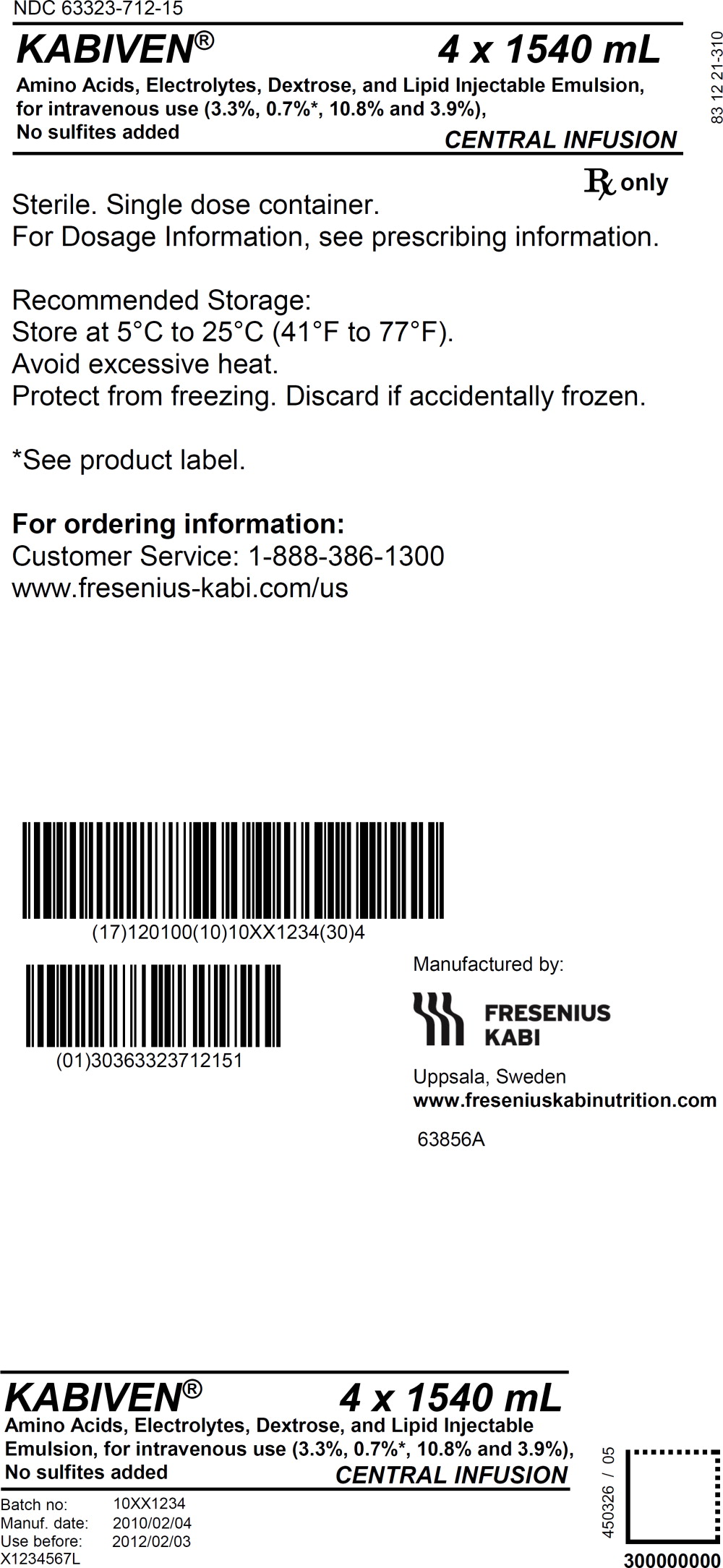
Kabiven Dextrose, Soybean oil, Electrolytes, Lysine, Phenylalanine, Leucine, Valine, Threonine, Methionine, Isoleucine, Tryptophan, Alanine, Arginine, Glycine, Proline, Histidine, Glutamic Acid, Serine, Aspartic Acid and Tyrosine 10.8 g/100mL; 3.9 g/100mL; 239 mg/100mL; 174 mg/100mL; 147 mg/100mL; 96 mg/100mL; 29 mg/100mL Injection, Emulsion, 1540 mL
🆔 Identity & classification
Where does this data come from?
🏭 Manufacturer & labeler
Where does this data come from?
🩺 Clinical
Patient education
Supplement & herbal interactions
Where does this data come from?
Ask a licensed pharmacist directly — free, answered by our team.
🧪 Inactive Ingredients / Excipients
Inactive ingredients, also called excipients, are components of the drug product other than the active ingredient. They may include fillers, dyes, coatings, preservatives, flavors, or other formulation ingredients.
💡 Tap an ingredient (hover on desktop) to see what it is and why it’s used.
-
UNII Q40Q9N063P
Acetic acid is a weak organic acid commonly used in medicines as a buffer and pH adjuster. It helps maintain the proper acidity level to ensure the drug remains stable and effective in its formulation.
-
UNII 1Z74184RGV
Egg phospholipids are naturally derived fats from eggs that help mix oil and water-based ingredients together. They work as emulsifiers in medicines, keeping the formula stable and uniform.
-
UNII PDC6A3C0OX
Glycerin is a clear, thick liquid derived from plant oils or fats. It acts as a humectant to retain moisture, a sweetener, and a solvent in medications.
-
UNII 55X04QC32I
A strong alkaline chemical used to adjust and maintain the pH balance of liquid medicines. It helps keep the medicine stable and ensures it stays effective during storage.
-
UNII 059QF0KO0R
Water is a liquid solvent that dissolves and mixes ingredients together in liquid medicines, syrups, and injections. It helps distribute the active drug evenly throughout the product.
5 inactive ingredients listed in the exact product block matched to this NDC.
Where does this data come from?
ingredient classCode="IACT" elements from the exact product block matched by this NDC. Label-section narrative from DailyMed / the openFDA label index is shown separately when available.Inactive ingredient FAQ
Are inactive ingredients the same for every manufacturer?
Why might an inactive ingredient be missing?
Can inactive ingredients matter?
💲 Pricing
A drug doesn't have one price. Each row is a different public payment system, and none is what you'd pay at the counter — that depends on your insurance. The ⓘ on each row explains what it measures.
| Price system | Per mL | Per package |
|---|---|---|
| Retail pharmacies payNADAC · weekly | Not in the retail survey — common for institutional, discontinued, or low-volume packs. | |
| Medicaid paysCMS SDUD · 12 mo | No recent Medicaid claims on file for this NDC — rare and low-volume NDCs are suppressed in the public data. | |
| Medicare drug plans payPart D · quarterly | No Part D plan price is available for this NDC in our data. | |
Where does this data come from?
🔁 Therapeutic equivalents
| Product | Labeler | Pack | NADAC/unit | TE | Status | Price vs. this |
|---|---|---|---|---|---|---|
| Kabiven 10.8 g/100mL; 3.9 g/100mL; 239 mg/100mL; 174 mg/100mL; 147 mg/100mL; 96 mg/100mL; 29 mg/100mLthis 63323-0712-15 | Fresenius | 1540 ml | — | — | FDA listed | — |
Where does this data come from?
⏳ Availability & generic status
We did not find an FDA-approved generic match for this exact strength, form and route. Patent/protection dates below may affect future generic timing.
Why the date isn’t exact: Generic timing can change because patents may be challenged, settled, licensed, added, removed, or worked around with a narrower label — and FDA approval does not always mean a pharmacy can get the generic today.
🛈 What do these terms mean?
- Patent
- Legal protection listed in the Orange Book that may delay generic approval or launch. Issued by the U.S. Patent & Trademark Office.
- Substance patent
- Covers the active drug molecule itself — the hardest to design around. A generic generally can’t launch until it expires.
- Formulation (product) patent
- Covers a specific formulation or dosage form. A generic can sometimes work around it with a different formulation.
- Method-of-use patent
- A patent covering one specific approved use of the drug — not necessarily the whole molecule. A generic can sometimes launch with a “skinny label” that carves out the protected use and keeps the others.
- Skinny label
- A generic label that omits a still-patented use when the FDA allows it — letting a generic reach the market for the unprotected uses.
- Exclusivity
- FDA-granted marketing protection, separate from patents — e.g. 5-yr new chemical entity, 7-yr orphan drug, or a +6-month pediatric extension.
- Paragraph IV
- A generic applicant’s formal challenge to a listed patent. It can potentially lead to earlier generic entry, but often involves litigation or a settlement.
- RLD / RS
- Reference Listed Drug — the brand product the FDA uses as the reference for generic applications. Reference Standard — the product the FDA expects generics to compare against in bioequivalence testing.
- TE / AB rating
- FDA therapeutic-equivalence rating. An AB rating generally means the FDA considers a generic therapeutically equivalent to — and substitutable for — the brand.
- LOE (loss of exclusivity)
- The latest patent or exclusivity currently listed — the loss-of-exclusivity / latest-listed-protection date shown on this page. Paragraph-IV challenges and settlements can move the real date earlier; FDA approval and a manufacturer’s decision to market can move it later.
Built from the FDA Orange Book. The bars above are scaled to each protection’s expiry; the red LOE marker is the last one to lapse.
| Patent | Type | Use code | Expires |
|---|---|---|---|
| US 12390398 ↗ | Drug product | — | May 3, 2036 |
| US 12390398 ↗ | Drug product | — | May 3, 2036 |
| US 12390398 ↗ | Drug product | — | May 3, 2036 |
| US 12390398 ↗ | Drug product | — | May 3, 2036 |
| US 12390398 ↗ | Drug product | — | May 3, 2036 |
| US 12390398 ↗ | Drug product | — | May 3, 2036 |
| US 12390398 ↗ | Drug product | — | May 3, 2036 |
Is there a generic version of KABIVEN IV EMULSION?
The FDA approved a generic — why can’t I get it at my pharmacy yet?
Why do different websites show different generic release dates?
What does “FDA listed” mean?
What does a patent or protection date mean here?
What does “current Orange Book estimate” mean?
Can a generic come out before the last patent expires?
Can a generic come out after the listed dates?
What is the difference between patents and exclusivity?
Why are there multiple patent dates?
Where does this data come from?
📦 Packaging — all sizes for this product
| Package NDC | Description | Marketing start | Status |
|---|---|---|---|
| 63323-0712-10 | 1026 mL in 1 BAG (63323-712-10) | 2014-08-25 | Active |
| 63323-0712-15 You're viewing this | 1540 mL in 1 BAG (63323-712-15) | 2014-08-25 | Active |
| 63323-0712-20 | 2053 mL in 1 BAG (63323-712-20) | 2014-08-25 | Active |
| 63323-0712-25 | 2566 mL in 1 BAG (63323-712-25) | 2014-08-25 | Active |
You're viewing one of 4 pack sizes for this product.
Pack size FAQ
What quantity is in NDC 63323-0712-15?
What is the difference between NDC 63323-0712-15 and NDC 63323-0712-10?
What NDC number is used to bill for this package of Kabiven Dextrose, Soybean oil, Electrolytes, Lysine, Phenylalanine, Leucine, Valine, Threonine, Methionine, Isoleucine, Tryptophan, Alanine, Arginine, Glycine, Proline, Histidine, Glutamic Acid, Serine, Aspartic Acid and Tyrosine 10.8 g/100mL; 3.9 g/100mL; 239 mg/100mL; 174 mg/100mL; 147 mg/100mL; 96 mg/100mL; 29 mg/100mL Injection, Emulsion?
🧭 About this NDC listing & data coverage
What data is (and isn’t) available for this NDC — tap to expand
| NDC identity (package / product / labeler codes) | ✓ Available |
| Labeler | ✓ Available |
| Product & package description | ✓ Available |
| Marketing category & status | ✓ Available |
| Active ingredient / dosage form / route | ✓ Available |
| FDA label (SPL via DailyMed) | ✓ Available |
| Package photos | ✓ Available |
| Inactive ingredients (structured) | ✓ Available |
| NADAC pharmacy acquisition price (CMS) | — Not published for this NDC CMS publishes NADAC only for NDCs reported in its retail-pharmacy survey. |
| Orange Book / therapeutic-equivalence data | ✓ Available |
| HCPCS J-code billing crosswalk | — Not published for this NDC Most self-administered / retail products have no J-code — that is normal. |
| Medicaid utilization (CMS SDUD) | — Not published for this NDC CMS reports utilization only for NDCs with Medicaid claims above its privacy threshold. |
Questions about this listing
Why is there no price listed?
Is the NDC printed on the package the same as the 11-digit billing NDC?
What do the three segments of this NDC mean?
Is this package still being marketed?
Does this product come in other package sizes?
Who lists this product with the FDA?
Do I need a prescription for this product?
Where does this data come from?
📄 Full prescribing information FDA SPL
🎯 Indications and Usage ▾
1 INDICATIONS AND USAGE KABIVEN is indicated as a source of calories, protein, electrolytes and essential fatty acids for adult patients requiring parenteral nutrition when oral or enteral nutrition is not possible, insufficient, or contraindicated. KABIVEN may be used to prevent essential fatty acid deficiency or treat negative nitrogen balance in adult patients. Limitations of Use: KABIVEN is not recommended for use in pediatric patients under the age of 2 years, including preterm infants because the fixed content of the formulation does not meet the nutritional requirements of this age group [see Warnings and Precautions ( 5.1 ) and Use in Specific Populations ( 8.4 )] .
KABIVEN is indicated as a source of calories, protein, electrolytes and essential fatty acids for adult patients requiring parenteral nutrition when oral or enteral nutrition is not possible, insufficient, or contraindicated. KABIVEN may be used to prevent essential fatty acid deficiency or treat negative nitrogen balance in adult patients. ( 1 ) Limitations of Use: Not recommended for use in pediatric patients < 2 years including preterm infants because the fixed content of the formulation does not meet nutritional requirements in this age group.
( 1 , 5.1 , 8.4 )
⏱️ Dosage and Administration ▾
2 DOSAGE AND ADMINISTRATION • For intravenous infusion only into a central vein. ( 2.1 , 5.10 ) • See full prescribing information regarding preparation, administration, instructions for use, the recommended dosage in adults, and dosage modifications for patients with renal impairment. ( 2.1 , 2.2 , 2.3 , 2.4 )
2.1Administration • KABIVEN is for intravenous infusion only into a central vein [see Warnings and Precautions ( 5.11 )]. • Use a 1.2 micron in-line filter. • Use of a vented intravenous administration set with the vent in the open position could result in air embolism. • Use a dedicated line without any connections. Multiple connections could result in air embolism due to residual air being drawn from the primary container before administration of the fluid from the secondary container is completed. • Do not exceed the recommended maximum infusion rate of 2.6 mL/kg/hour [see Dosage and Administration ( 2.4 ) and Warnings and Precautions ( 5.1 )]. • Ceftriaxone must not be administered simultaneously with calcium-containing intravenous solutions such as KABIVEN via a Y-site due to precipitation.
However, in patients other than neonates, ceftriaxone and KABIVEN may be administered sequentially if the infusion lines are thoroughly flushed between infusions with a compatible fluid [see Contraindications ( 4 ), Warnings and Precautions ( 5.5 )] . • Do not use administration sets and lines that contain di-2-ethylhexyl phthalate (DEHP). Administration sets that contain polyvinyl chloride (PVC) components have DEHP as a plasticizer.
2.2Important Preparation Instructions • Inspect the bag prior to activation. Discard the bag in the following situations: ͦ Evidence of damage to the bag ͦ More than one chamber is white ͦ Solution is yellow ͦ Any seal is already broken • Activate the bag [see Dosage and Administration ( 2.3 )] . • Once the bag is activated, ensure the vertical seals between chambers are broken at least from the bend in the seals and down to the ports. The upper sections of the vertical seals above the bend and the horizontal seal may remain closed. • It is recommended to mix the contents thoroughly by inverting the bag upside down to ensure a homogenous admixture. • Ensure the vertical seals between chambers are broken and the contents of all three chambers are mixed together prior to infusion [see Dosage and Administration ( 2.3 )] . • Use KABIVEN immediately after the introduction of additives.
If not used immediately, the storage time and conditions prior to use should not be longer than 24 hours at 2° to 8°C (36° to 46°F). After removal from storage at 2° to 8°C (36° to 46°F), the admixture should be infused within 24 hours. Any mixture remaining must be discarded. • In the absence of additives, once activated, KABIVEN remains stable for 48 hours at 25°C (77°F).
If not used immediately, the activated bag can be stored for up to 7 days under refrigeration [2° to 8°C (36º to 46°F)]. After removal from refrigeration, the activated bag should be used within 48 hours. • For total parenteral nutrition add multivitamins and trace elements via the additive port. Any other additions to the bag should be evaluated by a pharmacist for compatibility.
Questions about compatibility may be directed to Fresenius Kabi USA, LLC. • When introducing additives, it is recommended to use 18 to 23 gauge needles with a maximum length of 1.5 inches (40 mm) and to mix thoroughly after each addition, use aseptic technique and add after the vertical seals have been broken (i.e. bag has been activated) and the three components are mixed [see Dosage and Administration ( 2.3 )] . • Parenteral drug products should be inspected visually for particulate matter and discoloration prior to administration, whenever solution and container permit.
Inspect KABIVEN to ensure: ͦ Precipitates have not formed during the mixing or addition of additives. ͦ The emulsion has not separated. Separation of the emulsion can be visibly identified by a yellowish…
💊 Dosage Forms and Strengths ▾
3 DOSAGE FORMS AND STRENGTHS KABIVEN is a sterile, hypertonic emulsion in a three-chamber container. The individual chambers contain one of the following respectively: amino acids and electrolytes, dextrose, or lipid injectable emulsion. Table 2 describes the individual components of KABIVEN.
Table 2: Contents of KABIVEN when mixed 1. Balanced by ions from amino acids 2. Contributed by sodium glycerophosphate and sodium acetate 3.
Contributed by sodium glycerophosphate and phospholipids 4. Derived from sodium acetate and glacial acetic acid (for pH adjustment) 5. Contributed by calcium chloride, lysine hydrochloride, and potassium chloride 6.
Derived from magnesium sulfate 7. Total caloric value including lipid, phospholipid and glycerin 8. pH of amino acid with electrolyte solution was adjusted with glacial acetic acid, USP and pH of lipid emulsion was adjusted with sodium hydroxide, USP 9. Calculated on the basis of 3.4 kcal/g of dextrose, monohydrate How Supplied 2,566 mL 2,053 mL 1,540 mL 1,026 mL Composition of KABIVEN Soybean Oil, USP (g/100 mL)
3.9 Dextrose Monohydrate, USP (g/100 mL)
10.8 Amino Acids, USP (g/100 mL)
3.31Total Nitrogen (mg/100 mL) 526 Essential amino acids (mg/100 mL) Lysine, USP (added as the hydrochloride salt) 263 Phenylalanine, USP 231 Leucine, USP 231 Valine, USP 213 Histidine, USP 199 Threonine, USP 164 Methionine, USP 164 Isoleucine, USP 164 Tryptophan, USP 55 Nonessential amino acids (mg/100 mL) Alanine, USP 467 Arginine, USP 330 Glycine, USP 231 Proline, USP 199 Glutamic Acid 164 Serine, USP 131 Aspartic Acid, USP 99 Tyrosine, USP
6.7Electrolytes (mg/100 mL) Sodium Acetate Trihydrate, USP 239 Potassium Chloride, USP 174 Sodium Glycerophosphate Anhydrous 147 Magnesium Sulfate Heptahydrate, USP 96 Calcium Chloride Dihydrate, USP 29 Electrolyte Profile 1 (mEq/L) Sodium 2 31 (31 mmol/L) Potassium 23 (23 mmol/L) Magnesium 7.8 (3.9 mmol/L) Calcium 3.8 (1.9 mmol/L) Phosphorous 3 N.A. (9.7 mmol/L) Acetate 4 38 (38 mmol/L) Chloride 5 45 (45 mmol/L) Sulfate 6 7.8 (3.9 mmol/L) Calorie Content (kcal/L) From Dextrose 9 367 From Lipid 390 7 From Amino Acids 132 Total 889 pH 8
5.6Osmolarity (mOsm/L) 1060 • KABIVEN is a sterile, hypertonic emulsion in a three-chamber container. The individual chambers contain one of the following: amino acids and electrolytes, dextrose, or lipid injectable emulsion. ( 3 ) • KABIVEN is available in four sizes 2,566 mL, 2,053 mL, 1,540 mL and 1,026 mL. ( 3 )
⛔ Contraindications ▾
4 CONTRAINDICATIONS The use of KABIVEN is contraindicated in: • Neonates (28 days of age or younger) receiving concomitant treatment with ceftriaxone, even if separate infusion lines are used, due to the risk of fatal ceftriaxone calcium salt precipitation in the neonate's bloodstream [see Limitations of Use ( 1 ), Warnings and Precautions ( 5.5 ), Use in Specific Populations ( 8.4 )]. • Patients with known hypersensitivity to egg, soybean, peanut or any of the active or inactive ingredients in KABIVEN [see Warnings and Precautions ( 5.4 )]. • Patients with severe disorders of lipid metabolism characterized by hypertriglyceridemia (serum triglyceride concentration >1,000 mg/dL) [see Warnings and Precautions ( 5.10 )] . • Patients with inborn errors of amino acid metabolism • Patients with cardiopulmonary instability (including pulmonary edema, cardiac insufficiency, myocardial infarction, acidosis and hemodynamic instability requiring significant vasopressor support) • Patients with hemophagocytic syndrome • Concomitant treatment with ceftriaxone in neonates (28 days of age or younger).
( 4 ) • Known hypersensitivity to egg, soybean, peanut or any of the active or inactive ingredients. ( 4 ) • Severe disorders of lipid metabolism characterized by hypertriglyceridemia (with serum triglycerides >1,000 mg/dL. ( 4 , 5.10 ) • Inborn errors of amino acid metabolism.
( 4 ) • Cardiopulmonary instability. ( 4 ) • Hemophagocytic syndrome. ( 4 )
⚠️ Warnings and Cautions ▾
5 WARNINGS AND PRECAUTIONS • Clinical Decompensation with Rapid Infusion of Intravenous Lipid Emulsion in Neonates and Infants : Acute respiratory distress, metabolic acidosis, and death after rapid infusion of intravenous lipid emulsions have been reported. ( 5.1 ) • Parenteral Nutrition-Associated Liver Disease : Increased risk in patients who receive parenteral nutrition for greater than 2 weeks. Monitor liver tests; if abnormalities occur, consider discontinuation or dosage reduction.
( 5.2 ) • Pulmonary Embolism and Respiratory Distress due to Pulmonary Vascular Precipitates: If signs of pulmonary distress occur, stop the infusion and initiate a medical evaluation. ( 5.3 ) • Hypersensitivity Reactions : Monitor for signs or symptoms and discontinue infusion if reactions occur. ( 5.4 ) • Precipitation with Ceftriaxone: Do not administer ceftriaxone simultaneously with KABIVEN via a Y-site.
( 4 , 5.5 , 8.4 ) • Infection, fat overload, hyperglycemia and refeeding complications : Monitor for signs and symptoms; monitor laboratory parameters. ( 5.6 , 5.7 , 5.8 , 5.9 , 5.14 )
5.1Clinical Decompensation with Rapid Infusion of Intravenous Lipid Emulsion in Neonates and Infants In the postmarketing setting, serious adverse reactions including acute respiratory distress, metabolic acidosis, and death have been reported in neonates and infants after rapid infusion of intravenous lipid emulsions. Hypertriglyceridemia was commonly reported. Preterm and small for gestational age infants have poor clearance of intravenous lipid emulsion and increased free fatty acid plasma levels following lipid emulsion infusion.
5.2Parenteral Nutrition-Associated Liver Disease and Other Hepatobiliary Disorders Risk of Parenteral Nutrition-Associated Liver Disease Parenteral nutrition-associated liver disease (PNALD), also referred to as intestinal failure-associated liver disease (IFALD), can present as cholestasis or hepatic steatosis, and may progress to steatohepatitis with fibrosis and cirrhosis (possibly leading to chronic hepatic failure). The etiology of PNALD is multifactorial; however, intravenously administered phytosterols (plant sterols) contained in plant-derived lipid emulsions, such as Intralipid (included in KABIVEN), have been associated with development of PNALD.
In a randomized study of neonates and infants expected to be treated with PN for at least 28 days, parenteral nutrition-associated cholestasis (PNAC), a precursor to PNALD, developed more frequently in Intralipid-treated patients than in patients treated with a 4-oil mixed lipid emulsion [see Adverse Reactions ( 6.1 ), Use in Specific Populations ( 8.4 )]. Monitor liver tests in patients treated with KABIVEN and consider discontinuation or dosage reduction if abnormalities occur. Other Hepatobiliary Disorders Hepatobiliary disorders including cholecystitis and cholelithiasis have developed in some PN-treated patients without preexisting liver disease.
Monitor liver tests when administering KABIVEN. Patients developing signs of hepatobiliary disorders should be assessed early to determine whether these conditions are related to KABIVEN use.
5.3Pulmonary Embolism and Respiratory Distress due to Pulmonary Vascular Precipitates Pulmonary vascular precipitates causing pulmonary emboli (including some fatalities) and respiratory distress have been reported in patients receiving parenteral nutrition. Excessive addition of calcium and phosphate increases the risk of the formation of calcium phosphate precipitates; however, precipitates have been reported even in the absence of phosphate salt in the solution. Precipitation following passage through an in-line filter and suspected in vivo precipitate formation has also been reported.
Visually inspect the prepared solution, the infusion set, and catheter for precipitates, prior to administration as well as periodically during the administration. If signs of respiratory distress or pulmonary embolism occur, stop the KABIVEN infusion…
🤒 Adverse Reactions ▾
6 ADVERSE REACTIONS The following serious adverse reactions are discussed in greater detail in other sections of the prescribing information. • Clinical Decompensation with Rapid Infusion of Intravenous Lipid Emulsion in Neonates and Infants [see Warnings and Precautions ( 5.1 )]. • Parenteral Nutrition-Associated Liver Disease and Other Hepatobiliary Disorders [see Warnings and Precautions ( 5.2 )]. • Pulmonary Embolism and Respiratory Distress due to Pulmonary Vascular Precipitates [see Warnings and Precautions ( 5.3 )]. • Hypersensitivity Reactions [see Warnings and Precautions ( 5.4 )]. • Precipitation with Ceftriaxone [see Warnings and Precautions ( 5.5 )]. • Infections [see Warnings and Precautions ( 5.6 )]. • Fat Overload Syndrome [see Warnings and Precautions ( 5.7 )]. • Refeeding Syndrome [see Warnings and Precautions ( 5.8 )]. • Diabetes and Hyperglycemia [see Warnings and Precautions ( 5.9 )]. • Hypertriglyceridemia [see Warnings and Precautions ( 5.10 )]. • Vein Damage and Thrombosis [see Warnings and Precautions ( 5.11 )]. • Electrolyte Imbalance and Fluid Overload in Patients with Decreased Renal Function [see Warnings and Precautions ( 5.12 )]. • Aluminum Toxicity [see Warnings and Precautions ( 5.13 )].
The most common adverse reactions (≥3%) are nausea, pyrexia, hypertension, vomiting, decreased hemoglobin, decreased total protein, hypokalemia, decreased potassium, and increased gamma glutamyltransferase. ( 6.1 ) To report SUSPECTED ADVERSE REACTIONS, contact Fresenius Kabi USA, LLC at 1-800-551-7176 or FDA at 1-800-FDA-1088 or www.fda.gov/medwatch.
6.1Clinical Trials Experience Because clinical trials are conducted under widely varying conditions, adverse reaction rates observed in the clinical trials of a drug cannot be directly compared to rates in the clinical trials of another drug and may not reflect the rates observed in practice. The clinical data described for KABIVEN reflects exposure in 145 patients exposed for 7 days to 4 weeks in 7 active-controlled trials. The pooled population exposed to KABIVEN was 25 to 87 years old, 35% female, 99% Caucasian.
The enrolled patients had varied underlying conditions such as gastrointestinal disorders (41%) neoplasms (48%), vascular disorders (35%) and other surgical procedures (21%). Most patients received central intravenous infusion doses of ≥80% of their target mean daily exposure. Adverse reactions occurring in at least 1% of patients who received KABIVEN are shown in Table 3 .
Table 3: Adverse Reactions in >1% of Patients Treated with KABIVEN * Terms as reported in clinical studies Adverse reaction KABIVEN N=145 (%) Nausea 22 (15) Pyrexia 13 (9) Hypertension 12 (8) Vomiting 8 (6) Hemoglobin decreased 8 (6) Protein total decreased 6 (4) Hypokalemia 6 (4) Blood potassium decreased 6 (4) Gamma-glutamyltransferase increased 6 (4) Hyperglycemia 3 (2) Blood alkaline phosphatase increased 2 (1) Blood calcium decreased 2 (1) Prothrombin time prolonged 2 (1) Pruritus 2 (1) Tachycardia 2 (1) Less common adverse reactions in ≤1% of patients who received KABIVEN were hyperkalemia, hypertriglyceridemia, headache, dizziness, dysgeusia, rash, eczema, blood glucose increased, and increase in blood triglycerides.
In a randomized active-controlled, double-blind, parallel-group, multi-center study that included 152 neonates and 9 patients ranging in age from 29 to 153 days who were expected to require PN for at least 28 days, parenteral nutrition-associated cholestasis (PNAC), a precursor to PNALD, developed more frequently in Intralipid-treated patients than in patients treated with a 4-oil mixed lipid emulsion. Intralipid is the lipid emulsion component of KABIVEN. PNAC (defined as direct bilirubin >2mg/dl with a second confirmed elevation >2mg/dl at least 7 days later) occurred in 11.5% (9/78) of Intralipid-treated patients and 2.4% (2/83) of patients treated with a 4-oil mixed lipid emulsion.
Most PNAC events occurred in patients who were treated for longer than 28 days.…
🔄 Drug Interactions ▾
7 DRUG INTERACTIONS Coumarin and coumarin derivatives, including warfarin: Anticoagulant activity may be counteracted; monitor laboratory parameters. ( 7.1 )
7.1Ceftriaxone Precipitation of ceftriaxone-calcium can occur when ceftriaxone is mixed with calcium-containing parenteral nutrition solutions, such as KABIVEN, in the same intravenous administration line. Do not administer ceftriaxone simultaneously with KABIVEN via a Y-site. However, ceftriaxone and KABIVEN may be administered sequentially if the infusion lines are thoroughly flushed between infusions with a compatible fluid [see Dosage and Administration ( 2.1 )].
Deaths have occurred in neonates (28 days of age or younger) who received concomitant intravenous calcium-containing solutions with ceftriaxone resulting from calcium-ceftriaxone precipitates in the lungs and kidneys, even when separate infusion lines were used [see Contraindications ( 4 ), Use in Specific Populations ( 8.4 )].
7.2Coumarin and Coumarin Derivatives The soybean oil present in KABIVEN has vitamin K 1 . Vitamin K 1 can reverse the anticoagulant activity of coumarin and coumarin derivatives, including warfarin, which work by blocking recycling of vitamin K 1 . Monitor laboratory parameters for anticoagulant activity in patients who are on both KABIVEN and coumarin or coumarin derivatives.
👥 Use in Specific Populations ▾
8 USE IN SPECIFIC POPULATIONS
8.1Pregnancy Risk Summary The limited available data on the use of KABIVEN in pregnant women are not sufficient to inform a drug-associated risk. However, there are clinical considerations if KABIVEN is used in pregnant women [see Clinical Considerations ]. Animal reproduction studies have not been conducted with KABIVEN.
The estimated background risk of major birth defects and miscarriage for the indicated population are unknown. In the U.S. general population, the estimated background risk of major birth defects and miscarriage in clinically recognized pregnancies is 2 to 4% and 15 to 20%, respectively. Clinical Considerations Disease-Associated Maternal and/or Embryofetal Risk Severe malnutrition in a pregnant woman is associated with preterm delivery, low birth weight, intrauterine growth restriction, congenital malformations and perinatal mortality.
Parenteral nutrition should be considered if a pregnant woman's nutritional requirements cannot be fulfilled by oral or enteral intake.
8.2Lactation Risk Summary There are no data available to assess the presence of KABIVEN and/or its active metabolite(s) in human milk, the effects on the breastfed child or the effects on milk production. The developmental and health benefits of breastfeeding should be considered along with the mother's clinical need for KABIVEN, and any potential adverse effects of KABIVEN on the breastfed child or from the underlying maternal condition.
8.4Pediatric Use The safety and effectiveness of KABIVEN has not been established in pediatric patients of any age. In the postmarketing setting, clinical decompensation with rapid infusion of intravenous lipid emulsion in neonates and infants, sometimes fatal has been reported [see Warnings and Precautions ( 5.1 )] . Patients, particularly preterm infants, are at risk for aluminum toxicity [see Warnings and Precautions ( 5.13 )] .
Deaths have occurred in neonates (28 days of age or younger) who received concomitant intravenous calcium-containing solutions with ceftriaxone resulting from calcium-ceftriaxone precipitates in the lungs and kidneys, even when separate infusion lines were used. [see Contraindications ( 4 ), Warnings and Precautions ( 5.5 )] . KABIVEN is not recommended for use in pediatric patients under the age of two years, including preterm infants, as the fixed content of the formulation does not meet the nutritional requirements of this age group due to the following reasons: 1.
Calcium and dextrose needs are not met and lipids, protein and magnesium exceed requirements. 2. The product does not contain the amino acids cysteine and taurine, considered conditionally essential for neonates and infants.
Patients, including pediatric patients, may be at risk for PNALD [see Warnings and Precautions ( 5.2 )] . Newborns – especially those born premature and with low birth weight – are at increased risk of developing hypo – or hyperglycemia and therefore need close monitoring during treatment with intravenous dextrose solutions to ensure adequate glycemic control in order to avoid potential long term adverse effects. Hypoglycemia in the newborn can cause prolonged seizures, coma and brain damage.
Hyperglycemia has been associated with intraventricular hemorrhage, late onset bacterial and fungal infection, retinopathy of prematurity, necrotizing enterocolitis, bronchopulmonary dysplasia, prolonged length of hospital stay, and death.
8.5Geriatric Use Clinical studies of KABIVEN did not include sufficient numbers of patients aged 65 and over to determine whether they respond differently from other younger patients. Other reported clinical experience has not identified differences in responses between the elderly and younger patients. In general, dose selection for an elderly patient should be cautious, usually starting at the low end of the dosing range, reflecting the greater frequency of decreased hepatic, renal, or cardiac function, and of concomitant disease or drug…
🤰 Pregnancy ▾
8.1Pregnancy Risk Summary The limited available data on the use of KABIVEN in pregnant women are not sufficient to inform a drug-associated risk. However, there are clinical considerations if KABIVEN is used in pregnant women [see Clinical Considerations ]. Animal reproduction studies have not been conducted with KABIVEN.
The estimated background risk of major birth defects and miscarriage for the indicated population are unknown. In the U.S. general population, the estimated background risk of major birth defects and miscarriage in clinically recognized pregnancies is 2 to 4% and 15 to 20%, respectively. Clinical Considerations Disease-Associated Maternal and/or Embryofetal Risk Severe malnutrition in a pregnant woman is associated with preterm delivery, low birth weight, intrauterine growth restriction, congenital malformations and perinatal mortality.
Parenteral nutrition should be considered if a pregnant woman's nutritional requirements cannot be fulfilled by oral or enteral intake.
🧒 Pediatric Use ▾
8.4Pediatric Use The safety and effectiveness of KABIVEN has not been established in pediatric patients of any age. In the postmarketing setting, clinical decompensation with rapid infusion of intravenous lipid emulsion in neonates and infants, sometimes fatal has been reported [see Warnings and Precautions ( 5.1 )] . Patients, particularly preterm infants, are at risk for aluminum toxicity [see Warnings and Precautions ( 5.13 )] .
Deaths have occurred in neonates (28 days of age or younger) who received concomitant intravenous calcium-containing solutions with ceftriaxone resulting from calcium-ceftriaxone precipitates in the lungs and kidneys, even when separate infusion lines were used. [see Contraindications ( 4 ), Warnings and Precautions ( 5.5 )] . KABIVEN is not recommended for use in pediatric patients under the age of two years, including preterm infants, as the fixed content of the formulation does not meet the nutritional requirements of this age group due to the following reasons: 1.
Calcium and dextrose needs are not met and lipids, protein and magnesium exceed requirements. 2. The product does not contain the amino acids cysteine and taurine, considered conditionally essential for neonates and infants.
Patients, including pediatric patients, may be at risk for PNALD [see Warnings and Precautions ( 5.2 )] . Newborns – especially those born premature and with low birth weight – are at increased risk of developing hypo – or hyperglycemia and therefore need close monitoring during treatment with intravenous dextrose solutions to ensure adequate glycemic control in order to avoid potential long term adverse effects. Hypoglycemia in the newborn can cause prolonged seizures, coma and brain damage.
Hyperglycemia has been associated with intraventricular hemorrhage, late onset bacterial and fungal infection, retinopathy of prematurity, necrotizing enterocolitis, bronchopulmonary dysplasia, prolonged length of hospital stay, and death.
🧓 Geriatric Use ▾
8.5Geriatric Use Clinical studies of KABIVEN did not include sufficient numbers of patients aged 65 and over to determine whether they respond differently from other younger patients. Other reported clinical experience has not identified differences in responses between the elderly and younger patients. In general, dose selection for an elderly patient should be cautious, usually starting at the low end of the dosing range, reflecting the greater frequency of decreased hepatic, renal, or cardiac function, and of concomitant disease or drug therapy.
🆘 Overdosage ▾
10 OVERDOSAGE In the event of overdose, serious adverse reactions may result [see Warnings and Precautions ( 5.1 , 5.7 )] . Stop the infusion of KABIVEN to allow lipids to clear from serum. The effects are usually reversible after the lipid infusion is stopped. If medically appropriate, further intervention may be indicated. The lipid administered and fatty acids produced are not dialyzable.
🧬 Clinical Pharmacology ▾
12 CLINICAL PHARMACOLOGY
12.1Mechanism of Action KABIVEN is used as a supplement or as the sole source of nutrition in patients, providing macronutrients (amino acids, dextrose and lipids) and micronutrients (electrolytes) parenterally. The amino acids provide the structural units that make up proteins and are used to synthesize proteins and other biomolecules or are oxidized to urea and carbon dioxide as a source of energy. The administered dextrose is oxidized to carbon dioxide and water, yielding energy.
Intravenously administered lipids provide a biologically utilizable source of calories and essential fatty acids. Fatty acids serve as an important substrate for energy production. The most common mechanism of action for energy derived from fatty acid metabolism is beta- oxidation.
Fatty acids are important for membrane structure and function, precursors for bioactive molecules (such as prostaglandins), and as regulators of gene expression.
12.3Pharmacokinetics The infused lipid particles provided by KABIVEN are expected to be cleared from the blood stream in a manner thought to be comparable to the clearing of chylomicrons. In healthy volunteers, the maximum clearance rate of the triglycerides after fasting overnight has been found to be 3.8 ± 1.5 g/kg per 24 hours. Both elimination and oxidation rates are dependent on the patient's clinical condition; elimination is faster and utilization is increased in postoperative patients, in sepsis, burns and trauma, while patients with renal impairment and hypertriglyceridemia may show lower utilization of exogenous lipid emulsions.
Due to differences in elimination, patients with these conditions should be closely monitored during KABIVEN administration [see Warnings and Precautions ( 5.12 , 5.13 )] . The disposition of infused amino acids, dextrose and electrolytes are essentially the same as those supplied by ordinary food. A clinical study in healthy volunteers employing high intravenous doses (80 mmol) of either sodium glycerophosphate used in KABIVEN or reference, inorganic sodium phosphate demonstrated that both compounds resulted in comparable serum inorganic phosphate concentrations after a single intravenous dose.
Changes from baseline in the serum levels of sodium, potassium and total calcium were comparable across the two phosphate sources in this study.
🧬 Mechanism of Action ▾
12.1Mechanism of Action KABIVEN is used as a supplement or as the sole source of nutrition in patients, providing macronutrients (amino acids, dextrose and lipids) and micronutrients (electrolytes) parenterally. The amino acids provide the structural units that make up proteins and are used to synthesize proteins and other biomolecules or are oxidized to urea and carbon dioxide as a source of energy. The administered dextrose is oxidized to carbon dioxide and water, yielding energy.
Intravenously administered lipids provide a biologically utilizable source of calories and essential fatty acids. Fatty acids serve as an important substrate for energy production. The most common mechanism of action for energy derived from fatty acid metabolism is beta- oxidation.
Fatty acids are important for membrane structure and function, precursors for bioactive molecules (such as prostaglandins), and as regulators of gene expression.
📦 How Supplied / Storage and Handling ▾
16 HOW SUPPLIED/STORAGE AND HANDLING KABIVEN is a sterile emulsion available in the following 4 sizes: NDC Volume 63323-712-25 2,566 mL 63323-712-20 2,053 mL 63323-712-15 1,540 mL 63323-712-10 1,026 mL Exposure of pharmaceutical products to heat should be minimized. Avoid excessive heat. Protect from freezing.
If accidentally frozen, discard the bag. It is recommended that the product be stored at 5°C to 25°C (41°F to 77°F). Do not remove container from overpouch until intended for use.
After breaking the vertical seals, chemical and physical in-use stability of the mixed three chamber bag has been demonstrated for 48 hours at 25°C (77°F). If not used immediately, the activated bag can be stored for up to 7 days under refrigeration [2° to 8°C (36º to 46°F)]. After removal from refrigeration, the activated bag should be used within 48 hours.
The product should be used immediately after the introduction of additives. If not used immediately, the storage time and conditions prior to use should not be longer than 24 hours at 2° to 8°C (36° to 46°F). After removal from storage at 2° to 8°C (36° to 46°F), the admixture should be infused within 24 hours.
Any mixture remaining must be discarded.
📋 Description ▾
11 DESCRIPTION KABIVEN is a sterile, hypertonic emulsion, for central venous administration, in a Three Chamber Bag. The product contains no added sulfites. Chamber 1 contains Dextrose monohydrate solution for fluid replenishment and caloric supply.
Chamber 2 contains the Amino Acid solution with Electrolytes, which comprises essential and nonessential amino acids provided with electrolytes. Chamber 3 contains Intralipid ® 20% (a 20% Lipid Injectable Emulsion), prepared for intravenous administration as a source of calories and essential fatty acids. See below for formulations of each chamber and Table 2 for strength, pH, osmolarity, ionic concentration and caloric content of KABIVEN when all the chambers are mixed together.
Chamber 1: Contains sterile, hypertonic solution of Dextrose, USP in water for injection with a pH range of 3.5 to 5.5. Dextrose, USP is chemically designated D-glucose, monohydrate (C 6 H 12 O 6 • H 2 O) and has the following structure: Dextrose is derived from corn. Chamber 2 : Contains a sterile, solution of amino acids and electrolytes in water for injection.
In addition, glacial acetic acid has been added to adjust the pH so that the final solution pH is 5.4 to 5.8. The formulas for the individual electrolytes and amino acids are as follows: Electrolytes Sodium Acetate Trihydrate, USP CH 3 COONax3H 2 O Potassium Chloride, USP KCl Sodium Glycerophosphate C 3 H 5 (OH) 2 PO 4 Na 2 xH 2 O Magnesium Sulfate Heptahydrate, USP MgSO 4 x7H 2 O Calcium Chloride Dihydrate, USP CaCl 2 x2H 2 O Essential Amino Acids Lysine (added as the hydrochloride salt) H 2 N(CH 2 ) 4 CH(NH 2 )COOH.HCl Phenylalanine CH 2 CH(NH 2 )COOH Leucine (CH 3 ) 2 CHCH 2 CH(NH 2 )COOH Valine (CH 3 ) 2 CHCH(NH 2 )COOH Histidine CH2CH(NH2)COOH Threonine CH 3 CH(OH)CH(NH 2 )COOH Methionine CH 3 S(CH 2 ) 2 CH(NH 2 )COOH Isoleucine CH 3 CH 2 CH(CH 3 )CH(NH 2 )COOH Tryptophan CH 2 CH(NH 2 )COOH Nonessential Amino Acids Alanine CH 3 CH(NH 2 )COOH Arginine H 2 NC(NH)NH(CH 2 ) 3 CH(NH 2 )COOH Glycine H 2 NCH 2 COOH Proline Glutamic Acid HOOC(CH 2 ) 2 CH(NH 2 )COOH Serine HOCH 2 CH(NH 2 )COOH Aspartic Acid HOOCCH 2 CH(NH 2 )COOH Tyrosine NH 2 Chamber 3: Contains a 20% Lipid Injectable Emulsion (Intralipid ® 20%) which is made up of 20% Soybean Oil, 1.2% Egg Yolk Phospholipids, 2.25% Glycerin, and water for injection.
In addition, sodium hydroxide has been added to adjust the pH. The final product pH range is 6 to 9. The soybean oil is a refined natural product consisting of a mixture of neutral triglycerides of predominantly unsaturated fatty acids with the following structure: where are saturated and unsaturated fatty acid residues.
The major component fatty acids are linoleic (48 to 58 %), oleic (17 to 30%), palmitic (9 to 13%), linolenic (5 to 11%) and stearic acid (2.5 to 5%). These fatty acids have the following chemical and structural formulas: Linoleic acid C 18 H 32 O 2 Oleic acid C 18 H 34 O 2 Palmitic acid C 16 H 32 O 2 Linolenic acid C 18 H 30 O 2 Stearic acid C 18 H 36 O 2 Purified egg phosphatides are a mixture of naturally occurring phospholipids which are isolated from the egg yolk. These phospholipids have the following general structure: contain saturated and unsaturated fatty acids that abound in neutral fats.
R3 is primarily either the choline or ethanolamine ester of phosphoric acid. Glycerin is chemically designated C 3 H 8 O 3 and is a clear colorless, hygroscopic syrupy liquid. It has the following structural formula: The container-solution unit is a closed system and is not dependent upon entry of external air during administration.
The container is overwrapped to provide protection from the physical environment and to provide an additional oxygen and moisture barrier when necessary. An oxygen absorber is placed between the inner bag and the overpouch. The container is not made with natural rubber latex or polyvinyl chloride (PVC).
KABIVEN contains no more than 25 mcg/L of aluminum. Figure Figure Figure Figure Figure Figure Fi…
💬 Information for Patients ▾
17 PATIENT COUNSELING INFORMATION When initiating KABIVEN administration, discuss the following information with the patient or caregiver: Parenteral Nutrition-Associated Liver Disease and Other Hepatobiliary Disorders Inform patients and caregivers that use of parenteral nutrition may result in parenteral nutrition-associated liver disease and/or other hepatobiliary disorders [see Warnings and Precautions ( 5.2 )]. Pulmonary Embolism and Respiratory Distress due to Pulmonary Vascular Precipitates Inform patients and caregivers that pulmonary vascular precipitates causing pulmonary emboli (including some fatalities) and presenting as respiratory distress have been reported in patients receiving parenteral nutrition.
If KABIVEN is infused at home, instruct patients or caregivers to visually inspect the prepared solution, the infusion set, and catheter for precipitates, prior to administration as well as periodically during the administration [see Warnings and Precautions ( 5.3 )]. Hypersensitivity Reactions Inform patients and caregivers that KABIVEN may cause hypersensitivity reactions, including anaphylaxis. If KABIVEN is infused at home, instruct patients or caregivers to stop the infusion of KABIVEN immediately and seek medical attention if they experience signs or symptoms of a hypersensitivity reaction, such as rapid or weak heartbeat, feeling faint, difficulty in breathing or swallowing, vomiting, nausea, headache, sweating, dizziness, hives, rash, itching, flushing, dizziness, fever, or chills [see Warnings and Precautions ( 5.4 )].
Infections Inform patients and caregivers that patients who receive KABIVEN are at risk of infection. If KABIVEN is infused at home, instruct patients or caregivers to ensure aseptic techniques are used for the preparation and administration of KABIVEN and to monitor for signs and symptoms of infection [see Warnings and Precautions ( 5.6 )]. Fat Overload Syndrome Inform patients and caregivers that fat overload syndrome has been reported with the use of intravenous lipid emulsions.
If KABIVEN is infused at home, instruct patients or caregivers to stop KABIVEN if signs or symptoms of fat overload syndrome occur [see Warnings and Precautions ( 5.7 )]. Refeeding Syndrome If the patient is severely malnourished, inform patients and caregivers that administering parenteral nutrition including KABIVEN may result in refeeding syndrome [see Warnings and Precautions ( 5.8 )]. Diabetes and Hyperglycemia Inform patients and caregivers that administration of dextrose at a rate exceeding the patient's utilization rate may lead to hyperglycemia, hyperosmolar coma, and death [ see Warnings and Precautions ( 5.9 ).
Hypertriglyceridemia Inform patients and caregivers about the risks of hypertriglyceridemia with KABIVEN use [see Warnings and Precautions ( 5.10 )] . Electrolyte Imbalance and Fluid Overload in Patients with Decreased Renal Function For patients with decreased renal function, inform them or their caregivers that the patient may be at increased risk of electrolyte and fluid volume imbalance when KABIVEN is being administered [see Warnings and Precautions ( 5.12 )] . Aluminum Toxicity Inform patients and caregivers that prolonged PN administration in patients with renal impairment, including preterm neonates, may result in aluminum reaching toxic levels associated with central nervous system and bone toxicity [see Warnings and Precautions ( 5.13 )].
Preparation and Administration Instructions If it is acceptable for a patient or caregiver to administer KABIVEN at home, then the patient or caregiver must be trained on the following: how to inspect and prepare, add compatible additives (when appropriate), administer, and store KABIVEN [see Dosage and Administration ( 2.1 , 2.2 , 2.3 )]. Inform patients or caregivers not to deviate from the administration instructions given by the healthcare provider. Manufactured by: Uppsala, Sweden Fresenius Kabi, Kabiven and Intralipid are registered trademarks of…