
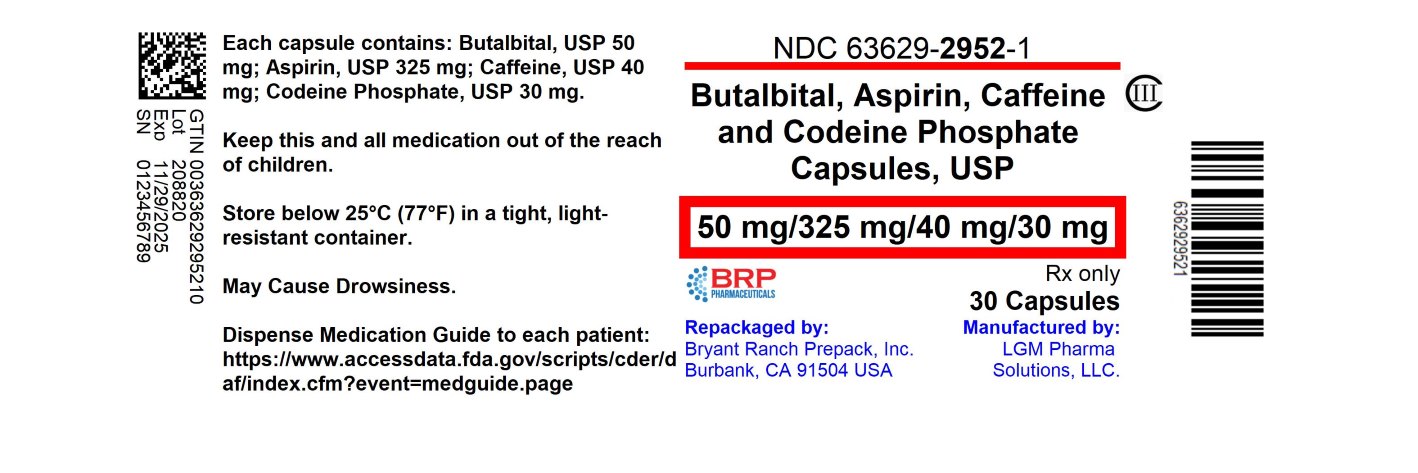
BUTALBITAL, ASPIRIN, CAFFEINE AND CODEINE PHOSPHATE 50 mg; 325 mg; 40 mg; 30 mg Capsule, 20-count
🆔 Identity & classification
Where does this data come from?
🏷️ RxNorm drug class
This medicine belongs to the Platelet Aggregation Inhibitor class.
Where does this data come from?
🏭 Manufacturer & labeler
Where does this data come from?
🩺 Clinical
Patient education
Supplement & herbal interactions
Where does this data come from?
Ask a licensed pharmacist directly — free, answered by our team.
💊 What it looks like
Where does this data come from?
🧪 Inactive Ingredients / Excipients
Inactive ingredients, also called excipients, are components of the drug product other than the active ingredient. They may include fillers, dyes, coatings, preservatives, flavors, or other formulation ingredients.
💡 Tap an ingredient (hover on desktop) to see what it is and why it’s used.
-
UNII 767IP0Y5NH
A synthetic red colorant used to give medicines their color. It helps patients identify their medication and makes the product visually appealing.
-
UNII 35SW5USQ3G
A synthetic yellow dye used to color medicines. It helps make tablets, capsules, and liquids visually distinct so patients can easily identify their medication.
-
UNII H3R47K3TBD
FD&C Blue No. 1 is a synthetic blue dye approved for use in foods and medicines. It serves as a colorant to give the medication its distinctive appearance and help with product identification.
-
UNII WZB9127XOA
A synthetic red dye used to color medications and make them easier to identify. It serves as a colorant in tablets, capsules, and liquid formulations.
-
UNII 2G86QN327L
Gelatin is a protein derived from animal collagen, commonly used in medicines as a gelling agent and capsule material. It helps create soft or hard capsule shells that hold and release medication, and can also thicken liquid formulations.
-
UNII OP1R32D61U
Microcrystalline cellulose is a purified form of cellulose, a natural fiber from plant sources. It acts as a binder and filler in tablets and capsules, helping hold ingredients together and give the medicine its shape and size.
-
UNII 368GB5141J
A detergent and foaming agent derived from coconut or palm oil. In medications, it helps break down and mix oil and water-based ingredients, aids in tablet disintegration, and improves how the drug dissolves and spreads in the mouth or digestive system.
-
UNII O8232NY3SJ
A plant-based carbohydrate derived from corn kernels. It acts as a filler to add bulk, a binder to hold ingredients together, and a disintegrant to help the tablet break apart in your stomach for absorption.
-
UNII 4ELV7Z65AP
Stearic acid is a fatty acid derived from plant or animal sources. It acts as a binder and lubricant in tablets and capsules, helping them hold together and flow smoothly during manufacturing.
-
UNII 7SEV7J4R1U
A powder made from a naturally occurring mineral. In medicines, talc works as a glidant and anti-caking agent, helping tablets and capsules flow smoothly during manufacturing and preventing clumping.
-
UNII 15FIX9V2JP
Titanium dioxide is a bright white mineral powder commonly used as a colorant and opacifying agent. It makes pills and tablets white or lighter in color and helps make coatings non-transparent.
11 inactive ingredients listed in the exact product block matched to this NDC.
Where does this data come from?
ingredient classCode="IACT" elements from the exact product block matched by this NDC. Label-section narrative from DailyMed / the openFDA label index is shown separately when available.Inactive ingredient FAQ
Are inactive ingredients the same for every manufacturer?
Why might an inactive ingredient be missing?
Can inactive ingredients matter?
💲 Pricing
A drug doesn't have one price. Each row is a different public payment system, and none is what you'd pay at the counter — that depends on your insurance. The ⓘ on each row explains what it measures.
| Price system | Per each | Per package |
|---|---|---|
| Retail pharmacies payNADAC · weekly | Not in the retail survey — common for institutional, discontinued, or low-volume packs. | |
| Medicaid paysCMS SDUD · 12 mo | No recent Medicaid claims on file for this NDC — rare and low-volume NDCs are suppressed in the public data. | |
| Medicare drug plans payPart D · Q2 2026 | $1.44 | $28.87 / 20 capsules |
Where does this data come from?
🔁 Therapeutic equivalents
| Product | Labeler | Pack | NADAC/unit | TE | Status | Price vs. this |
|---|---|---|---|---|---|---|
| Ascomp with Codeine 50 mg/1; 325 mg/1; 40 mg/1; 30 mg 51991-0074-01 | Breckenridge | 100 capsules | $1.004 | AB | Availability likely | — |
| BUTALBITAL, ASPIRIN, CAFFEINE and CODEINE PHOSPHATE 50 mg/1; 325 mg/1; 40 mg/1; 30 mg 69238-1993-01 | Amneal | 100 capsules | $1.004 | AB | Availability likely | — |
| Butalbital, Aspirin, Caffeine And Codeine Phosphate 50 mg/1; 325 mg/1; 40 mg/1; 30 mgthis 63629-2952-02 | Bryant | 20 capsules | — | AB | FDA listed | — |
| Ascomp with Codeine 50 mg/1; 325 mg/1; 40 mg/1; 30 mg 79739-6094-01 | LGM | 100 capsules | — | AB | FDA listed | — |
Where does this data come from?
⏳ Availability & generic status
This product is an FDA-approved generic. Other versions of the same drug are listed under Therapeutic equivalents, least expensive first.
Where does this data come from?
📦 Packaging — all sizes for this product
| Package NDC | Description | Marketing start | Status |
|---|---|---|---|
| 63629-2952-01 | 30 CAPSULE in 1 BOTTLE (63629-2952-1) | 2021-12-22 | Active |
| 63629-2952-02 You're viewing this | 20 CAPSULE in 1 BOTTLE (63629-2952-2) | 2021-12-22 | Active |
| 63629-2952-03 | 90 CAPSULE in 1 BOTTLE (63629-2952-3) | 2010-03-30 | Active |
| 63629-2952-04 | 60 CAPSULE in 1 BOTTLE (63629-2952-4) | 2010-03-30 | Active |
| 63629-2952-05 | 40 CAPSULE in 1 BOTTLE (63629-2952-5) | 2014-09-26 | Active |
| 63629-2952-06 | 18 CAPSULE in 1 BOTTLE (63629-2952-6) | 2021-12-22 | Active |
You're viewing one of 6 pack sizes for this product.
Pack size FAQ
What quantity is in NDC 63629-2952-02?
What is the difference between NDC 63629-2952-02 and NDC 63629-2952-06?
What NDC number is used to bill for this package of BUTALBITAL, ASPIRIN, CAFFEINE AND CODEINE PHOSPHATE 50 mg; 325 mg; 40 mg; 30 mg Capsule?
🧭 About this NDC listing & data coverage
What data is (and isn’t) available for this NDC — tap to expand
| NDC identity (package / product / labeler codes) | ✓ Available |
| Labeler | ✓ Available |
| Product & package description | ✓ Available |
| Marketing category & status | ✓ Available |
| Active ingredient / dosage form / route | ✓ Available |
| FDA label (SPL via DailyMed) | ✓ Available |
| Package photos | ✓ Available |
| Inactive ingredients (structured) | ✓ Available |
| NADAC pharmacy acquisition price (CMS) | — Not published for this NDC CMS publishes NADAC only for NDCs reported in its retail-pharmacy survey. |
| Orange Book / therapeutic-equivalence data | ✓ Available |
| HCPCS J-code billing crosswalk | — Not published for this NDC Most self-administered / retail products have no J-code — that is normal. |
| Medicaid utilization (CMS SDUD) | — Not published for this NDC CMS reports utilization only for NDCs with Medicaid claims above its privacy threshold. |
Questions about this listing
Why is there no price listed?
Is the NDC printed on the package the same as the 11-digit billing NDC?
What do the three segments of this NDC mean?
Is this package still being marketed?
Does this product come in other package sizes?
Who lists this product with the FDA?
Do I need a prescription for this product?
Where does this data come from?
📄 Full prescribing information FDA SPL
🚨 Boxed Warning ▾
WARNING: SERIOUS AND LIFE-THREATENING RISKS FROM USE OF ASCOMP WITH CODEINE WARNING: SERIOUS AND LIFE-THREATENING RISKS FROM USE OF ASCOMP with Codeine See full prescribing information for complete boxed warning. ASCOMP with Codeine exposes users to the risks of addiction, abuse, and misuse, which can lead to overdose and death. Assess patient's risk before prescribing and monitor regularly for these behaviors and conditions.
( 5.1 ) Serious, life-threatening, or fatal respiratory depression may occur. Monitor closely, especially upon initiation or following a dose increase. ( 5.2 ) Accidental ingestion of ASCOMP with Codeine, especially by children, can result in fatal overdose.
( 5.2 ) Concomitant use of opioids or a barbiturate with benzodiazepines or other central nervous system (CNS) depressants, including alcohol, may result in profound sedation, respiratory depression, coma, and death. Reserve concomitant prescribing for use in patients for whom alternative treatment options are inadequate; limit dosages and durations to the minimum required; and follow patients for signs and symptoms of respiratory depression and sedation. ( 5.3 , 5.9 , 7 ) Prolonged use during pregnancy can result in neonatal opioid withdrawal syndrome, which may be life-threatening if not recognized and treated.
If prolonged opioid use is required in a pregnant woman, advise the patient of the risk of neonatal opioid withdrawal syndrome and ensure that appropriate treatment will be available. ( 5.4 ) To ensure that the benefits of opioid analgesics outweigh the risks of addiction, abuse, and misuse, the Food and Drug Administration (FDA) has required a Risk Evaluation and Mitigation Strategy (REMS) for these products. ( 5.5 ) Life-threatening respiratory depression and death have occurred in children who received codeine; most cases followed tonsillectomy and/or adenoidectomy, and many of the children had evidence of being an ultra-rapid metabolizer of codeine due to a CYP2D6 polymorphism.
( 5.6 ) ASCOMP with Codeine is contraindicated in children younger than 12 years of age and in children younger than 18 years of age following tonsillectomy and/or adenoidectomy ( 4 ). Avoid the use of ASCOMP with Codeine in adolescents 12 to 18 years of age who have other risk factors that may increase their sensitivity to the respiratory depressant effects of codeine. The effects of concomitant use or discontinuation of cytochrome P450 3A4 inducers, 3A4 inhibitors, or 2D6 inhibitors with codeine are complex.
Use of cytochrome P450 3A4 inducers, 3A4 inhibitors, or 2D6 inhibitors with ASCOMP with Codeine requires careful consideration of the effects on codeine, and the active metabolite, morphine. ( 5.7 , 5.9 , 7 ) Addiction, Abuse, and Misuse Because the use of ASCOMP with Codeine exposes patients and other users to the risks of opioid addiction, abuse, and misuse, which can lead to overdose and death, assess each patient's risk prior to prescribing and reassess all patients regularly for the development of these behaviors and conditions [see Warnings and Precautions (5.1) ] .
Life-Threatening Respiratory Depression Serious, life-threatening, or fatal respiratory depression may occur with use of ASCOMP with Codeine, especially during initiation or following a dose increase. To reduce the risk of respiratory depression, proper dosing and titration of ASCOMP with Codeine are essential [see Warnings and Precautions (5.2) ] . Accidental Ingestion Accidental ingestion of even one dose of ASCOMP with Codeine, especially by children, can result in a fatal overdose of aspirin, butalbital, caffeine, and codeine phosphate [see Warnings and Precautions (5.2) ] .
Risks From Concomitant Use With Benzodiazepines Or Other CNS Depressants Concomitant use of opioids with benzodiazepines or other central nervous system (CNS) depressants, including alcohol, may result in profound sedation, respiratory depression, coma, and death. Reserve concomitant prescribing of ASCOMP with Codein…
🎯 Indications and Usage ▾
1 INDICATIONS AND USAGE ASCOMP with Codeine is indicated for the management of the symptom complex of tension (or muscle contraction) headache, when non-opioid analgesic and alternative treatments are inadequate. ASCOMP with Codeine is a combination of butalbital, a barbiturate, aspirin, a nonsteroidal anti-inflammatory drug, caffeine, a methylxanthine, and codeine phosphate, an opioid agonist, and is indicated for the management of the symptom complex of tension (or muscle contraction) headache, when other non-opioid analgesics and alternative treatments are inadequate.
Limitations of Use: Because of the risks of addiction, abuse, and misuse with opioids and butalbital, which can occur at any dosage or duration, reserve ASCOMP with Codeine for use in patients for whom alternative treatment options (e.g., non-opioid, non-barbiturate analgesics): Have not been tolerated, or are not expected to be tolerated, ( 1 ) Have not provided adequate analgesia, or are not expected to provide adequate analgesia ( 1 ) ASCOMP with Codeine should not be used for an extended period of time unless the pain remains severe enough to require an opioid analgesic and for which alternative treatment options continue to be inadequate.
Limitations of Use: Because of the risks of addiction, abuse, and misuse with opioids and butalbital, which can occur at any dosage or duration [see Warnings and Precautions (5.1) ] , reserve ASCOMP with Codeine for use in patients for whom alternative treatment options (e.g., non-opioid, non-barbiturate analgesics or opioid combination products): Have not been tolerated, or are not expected to be tolerated, Have not provided adequate analgesia, or are not expected to provide adequate analgesia. ASCOMP with Codeine should not be used for an extended period of time unless the pain remains severe enough to require an opioid analgesic and for which alternative treatment options continue to be inadequate.
⏱️ Dosage and Administration ▾
2 DOSAGE AND ADMINISTRATION ASCOMP with Codeine should be prescribed only by healthcare professionals who are knowledgeable about the use of opioids and how to mitigate the associated risks. ( 2.1 ) Use the lowest effective dosage for the shortest duration of time consistent with individual patient treatment goals. Because the risk of overdose increases as opioid doses increase, reserve titration to higher doses of ASCOMP with Codeine for patients in whom lower doses are insufficiently effective and in whom the expected benefits of using a higher dose opioid clearly outweigh the substantial risks.
( 2.1 , 5 ) Many acute pain conditions (e.g., the pain that occurs with a number of surgical procedures or acute musculoskeletal injuries) require no more than a few days of an opioid analgesic. Clinical guidelines on opioid prescribing for some acute pain conditions are available. ( 2.1 ) There is variability in the opioid analgesic dose and duration needed to adequately manage pain due both to the cause of pain and to individual patient factors.
Initiate the dosing regimen for each patient individually, taking into account the patient's underlying cause and severity of pain, prior analgesic treatment and response, and risk factors for addiction, abuse, and misuse. ( 2.1 , 5.1 ) Respiratory depression can occur at any time during opioid therapy, especially when initiating and following dosage increases with ASCOMP with Codeine. Consider this risk when selecting an initial dose and when making dose adjustments.
( 2.1 , 5.2 ) Initiate treatment with one or two capsules every 4 hours as needed for pain, and at the lowest dose necessary to achieve adequate analgesia. Titrate the dose based upon the individual patient's response to their initial dose of ASCOMP with Codeine. Total daily dose should not exceed 6 capsules.
( 2 , 5 )
2.1Important Dosage and Administration Instructions ASCOMP with Codeine should be prescribed only by healthcare professionals who are knowledgeable about the use of opioids and how to mitigate the associated risks. Use the lowest effective dosage for the shortest duration of time consistent with individual patient treatment goals [see Warnings and Precautions (5) ] . Because the risk of overdose increases as opioid doses increase, reserve titration to higher doses of ASCOMP with Codeine for patients in whom lower doses are insufficiently effective and in whom the expected benefits of using a higher dose opioid clearly outweigh the substantial risks.
Many acute pain conditions (e.g., the pain that occurs with a number of surgical procedures or acute musculoskeletal injuries) require no more than a few days of an opioid analgesic. Clinical guidelines on opioid prescribing for some acute pain conditions are available. There is variability in the opioid analgesic dose and duration needed to adequately manage pain due both to the cause of pain and to individual patient factors.
Initiate the dosing regimen for each patient individually, taking into account the patient's underlying cause and severity of pain, prior analgesic treatment and response, and risk factors for addiction, abuse, and misuse [see Warnings and Precautions (5.1) ] . Respiratory depression can occur at any time during opioid therapy, especially when initiating and following dosage increases with ASCOMP with Codeine. Consider this risk when selecting an initial dose and when making dose adjustments [see Warnings and Precautions (5) ].
2.2Patient Access to Naloxone for the Emergency Treatment of Opioid Overdose Discuss the availability of naloxone for the emergency treatment of opioid overdose with the patient and caregiver and assess the potential need for access to naloxone, both when initiating and renewing treatment with ASCOMP with CODEINE [see Warnings and Precautions (5.2) , Patient Counseling Information (17) ] . Inform patients and caregivers about the various ways to obtain naloxone as permitted by individual state naloxone dispensing and…
💊 Dosage Forms and Strengths ▾
3 DOSAGE FORMS AND STRENGTHS Capsules: Butalbital, 50 mg, Aspirin, 325 mg, Caffeine, 40 mg, Codeine Phosphate, 30 mg Plain blue opaque cap with a yellow opaque body imprinted with "B 074" in black ink. Capsules: 50 mg butalbital, 325 mg aspirin, 40 mg caffeine, and 30 mg codeine phosphate ( 3 ).
⛔ Contraindications ▾
4 CONTRAINDICATIONS ASCOMP with Codeine is contraindicated for: All children younger than 12 years of age [see Warnings and Precautions (5.6) ] Postoperative management in children younger than 18 years of age following tonsillectomy and/or adenoidectomy [see Warnings and Precautions (5.6) ] . ASCOMP with Codeine is also contraindicated in patients with: Significant respiratory depression [see Warnings and Precautions (5.9) ] Acute or severe bronchial asthma in an unmonitored setting or in the absence of resuscitative equipment [see Warnings and Precautions (5.9) ] Concurrent use of monoamine oxidase inhibitors (MAOIs) or use of MAOIs within the last 14 days [see Warnings and Precautions (5.10) , Drug Interactions (7) ] .
Known or suspected gastrointestinal obstruction, including paralytic ileus [see Warnings and Precautions (5.14) ] Hypersensitivity or intolerance to aspirin, caffeine, butalbital, or codeine. Hemophilia [see Warnings and Precautions (5.19) ] Reye's Syndrome [see Warnings and Precautions (5.20) ] Known allergy to nonsteroidal anti-inflammatory drugs (NSAIDs) [see Warnings and Precautions (5.22) ] Syndrome of asthma, rhinitis, and nasal polyps [see Warnings and Precautions (5.22) ] Children younger than 12 years of age ( 4 ) Post-operative management in children younger than 18 years of age following tonsillectomy and/or adenoidectomy ( 4 ) Significant respiratory depression ( 4 ) Acute or severe bronchial asthma ( 4 ) Concurrent use of monoamine oxidase inhibitors (MAOIs) or use of MAOIs within the last 14 days ( 4 ) Known or suspected gastrointestinal obstruction, including paralytic ileus ( 4 ) Hypersensitivity to aspirin, caffeine, butalbital, or codeine ( 4 ) Hemophilia ( 4 ) Reye's Syndrome ( 4 ) Known allergy to NSAIDs ( 4 ) Syndrome of asthma, rhinitis, and nasal polyps ( 4 )
⚠️ Warnings and Cautions ▾
5 WARNINGS AND PRECAUTIONS Opioid-Induced Hyperalgesia and Allodynia : Opioid-Induced Hyperalgesia (OIH) occurs when an opioid analgesic paradoxically causes an increase in pain, or an increase in sensitivity to pain. If a patient is suspected to be experiencing OIH, carefully consider appropriately decreasing the dose of the current opioid analgesic, or opioid rotation (safety switching the patient to a different opioid moiety). ( 5.8 ) Life-Threatening Respiratory Depression in Patients with Chronic Pulmonary Disease or in Elderly, Cachectic, or Debilitated Patients : Regularly evaluate closely, particularly during initiation and titration.
( 5.9 ) Adrenal Insufficiency : If diagnosed, treat with physiologic replacement of corticosteroids, and wean patient off the opioid. ( 5.11 ) Severe Hypotension : Regularly evaluate during dose initiation and titration. Avoid use of ASCOMP with Codeine in patients with circulatory shock.
( 5.12 ) Risks of Use in Patients with Increased Intracranial Pressure, Brain Tumors, Head Injury, or Impaired Consciousness : Regularly evaluate for sedation and respiratory depression. Avoid use of ASCOMP with Codeine in patients with impaired consciousness or coma. ( 5.13 ) Fetal Toxicity : Limit use of NSAIDs, including ASCOMP with Codeine, between about 20 to 30 weeks in pregnancy due to the risk of oligohydramnios/fetal renal dysfunction.
Avoid use of NSAIDs in women at about 30 weeks gestation and later in pregnancy due to the risks of oligohydramnios/fetal renal dysfunction and premature closure of the fetal ductus arteriosus. ( 5.17 , 8.1 ) Drug Reaction with Eosinophilia and Systemic Symptoms (DRESS) : Discontinue and evaluate clinically. ( 5.21 )
5.1Addiction, Abuse, and Misuse ASCOMP with Codeine contains codeine. Codeine in combination with butalbital, aspirin, and caffeine is a Schedule III controlled substance. As ASCOMP with Codeine contains butalbital and codeine, it exposes users to the risks of addiction, abuse, and misuse [see Drug Abuse and Dependence (9) ] .
Although the risk of addiction in any individual is unknown, it can occur in patients appropriately prescribed ASCOMP with Codeine. Addiction can occur at recommended dosages and if the drug is misused or abused. Assess each patient's risk for opioid addiction, abuse, or misuse prior to prescribing ASCOMP with Codeine, and reassess all patients receiving ASCOMP with Codeine for the development of these behaviors and conditions.
Risks are increased in patients with a personal or family history of substance abuse (including drug or alcohol abuse or addiction) or mental illness (e.g., major depression). The potential for these risks should not, however, prevent the proper management of pain in any given patient. Patients at increased risk may be prescribed opioids such as ASCOMP with Codeine, but use in such patients necessitates intensive counseling about the risks and proper use of ASCOMP with Codeine along with frequent reevaluation for signs of addiction, abuse, and misuse.
Consider prescribing naloxone for the emergency treatment of opioid overdose [see Dosage and Administration (2.2) , Warnings and Precautions (5.2) ]. Opioids and barbiturates are sought for non-medical use and are subject to diversion from legitimate prescribed use. Consider these risks when prescribing or dispensing ASCOMP with Codeine.
Strategies to reduce these risks include prescribing the drug in the smallest appropriate quantity and advising the patient on careful storage of the drug during the course of treatment and proper disposal of unused drug. Contact local state professional licensing board or state controlled substances authority for information on how to prevent and detect abuse or diversion of this product.
5.2Life-Threatening Respiratory Depression Serious, life-threatening, or fatal respiratory depression has been reported with the use of opioids, even when used as recommended. Respiratory depression, if not immediately recognized and tre…
🤒 Adverse Reactions ▾
6 ADVERSE REACTIONS The following serious adverse reactions are described, or described in greater detail, in other sections: Addiction, Abuse, and Misuse [see Warnings and Precautions (5.1) ] Life-Threatening Respiratory Depression [see Warnings and Precautions (5.2) ] Risks from Concomitant Use with Benzodiazepines or Other CNS Depressants [see Warnings and Precautions (5.3) ] Ultra-Rapid Metabolism of Codeine and Other Risk Factors for Life-Threatening Respiratory Depression in Children [see Warnings and Precautions (5.6) ] Neonatal Opioid Withdrawal Syndrome [see Warnings and Precautions (5.4) ] Adrenal Insufficiency [see Warnings and Precautions (5.11) ] Severe Hypotension [see Warnings and Precautions (5.12) ] Risks of Use in Patients with Gastrointestinal Conditions Including Peptic Ulcer Disease [see Warnings and Precautions (5.14) ] Increased Risk of Seizures in Patients with Seizure Disorders [see Warnings and Precautions (5.15) ] Withdrawal [see Warnings and Precautions (5.16) ] Coagulation Abnormalities and Bleeding Risks [see Warnings and Precautions (5.19) ] Reye's Syndrome [see Warnings and Precautions (5.20) ] Allergy [see Warnings and Precautions (5.22) ] Most common adverse reactions (incidence > 1%) are nausea and/or abdominal pain, drowsiness, and dizziness.
( 6 ) To report SUSPECTED ADVERSE REACTIONS, contact Breckenridge Pharmaceutical, Inc. at 1-800-367-3395 or FDA at 1-800-FDA-1088 or www.fda.gov/medwatch.
6.1Clinical Trials Experience Because clinical trials are conducted under widely varying conditions, adverse reaction rates observed in the clinical trials of a drug cannot be directly compared to rates in the clinical trials of another drug and may not reflect the rates observed in practice. Incidence in Controlled Clinical Trials The following table summarizes the incidence rates of the adverse events reported by at least 1% of the Butalbital, Aspirin, Caffeine, and Codeine Phosphate, USP Capsules treated patients in controlled clinical trials comparing Butalbital, Aspirin, Caffeine, and Codeine Phosphate, USP Capsules to placebo, and provides a comparison to the incidence rates reported by the placebo-treated patients.
The prescriber should be aware that these figures cannot be used to predict the incidence of side effects in the course of usual medical practice where patient characteristics and other factors differ from those that prevailed in the clinical trials. Similarly, the cited frequencies cannot be compared with figures obtained from other clinical investigations involving different treatments, uses, and investigators. Adverse Events Reported by at Least 1% of Butalbital, Aspirin, Caffeine, and Codeine Phosphate, USP Capsules Treated Patients During Placebo Controlled Clinical Trials Incidence Rate of Adverse Events Body System/Adverse Event Butalbital, Aspirin, Caffeine, and Codeine Phosphate, USP Capsules (N=382) Placebo (N =377) Central Nervous Drowsiness 2.4% 0.5% Dizziness/Lightheadedness 2.6% 0.5% Intoxicated Feeling 1.0% 0% Gastrointestinal Nausea/Abdominal Pain 3.7% 0.8% Other Adverse Events Reported During Controlled Clinical Trials The listing that follows represents the proportion of the 382 patients exposed to Butalbital, Aspirin, Caffeine, and Codeine Phosphate, USP Capsules while participating in the controlled clinical trials who reported, on at least one occasion, an adverse event of the type cited.
All reported adverse events, except those already presented in the previous table, are included. It is important to emphasize that, although the adverse events reported did occur while the patient was receiving Butalbital, Aspirin, Caffeine, and Codeine Phosphate, USP Capsules, the adverse events were not necessarily caused by Butalbital, Aspirin, Caffeine, and Codeine Phosphate, USP Capsules. Adverse events are classified by body system and frequency. "Frequent" is defined as an adverse event which occurred in at least 1/100 (1%) of the patients; all adverse events listed in t…
🔄 Drug Interactions ▾
7 DRUG INTERACTIONS Table 1 includes clinically significant drug interactions with ASCOMP with Codeine. Table 1: Clinically Significant Drug Interactions with ASCOMP with Codeine Inhibitors of CYP3A4 Clinical Impact: The concomitant use of ASCOMP with Codeine with CYP3A4 inhibitors may result in an increase in codeine plasma concentrations with subsequently greater metabolism by cytochrome CYP2D6, resulting in greater morphine levels, which could increase or prolong adverse reactions and may cause potentially fatal respiratory depression, particularly when an inhibitor is added after a stable dose of ASCOMP with Codeine is achieved.
After stopping a CYP3A4 inhibitor, as the effects of the inhibitor decline, it may result in lower codeine levels, greater norcodeine levels, and less metabolism via 2D6 with resultant lower morphine levels [see Clinical Pharmacology (12.3) ] , resulting in decreased opioid efficacy or a withdrawal syndrome in patients who had developed physical dependence to codeine. Intervention: If concomitant use with a CYP3A4 inhibitor is necessary, consider dosage reduction of ASCOMP with Codeine until stable drug effects are achieved.
Evaluate patients at frequent intervals for respiratory depression and sedation. If a CYP3A4 inhibitor is discontinued, consider increasing the ASCOMP with Codeine dosage until stable drug effects are achieved. Assess for signs of opioid withdrawal.
Examples: Macrolide antibiotics (e.g., erythromycin), azole-antifungal agents (e.g. ketoconazole), protease inhibitors (e.g., ritonavir) CYP3A4 Inducers Clinical Impact: The concomitant use of ASCOMP with Codeine and CYP3A4 inducers can result in lower codeine levels, greater norcodeine levels, and less metabolism via 2D6 with resultant lower morphine levels [see Clinical Pharmacology (12.3) ] , resulting in decreased efficacy or onset of a withdrawal syndrome in patients who have developed physical dependence [see Warnings and Precautions (5.16) ] .
After stopping a CYP3A4 inducer, as the effects of the inducer decline, the codeine plasma concentration may increase with subsequently greater metabolism by cytochrome CYP2D6, resulting in greater morphine levels [see Clinical Pharmacology (12.3) ] , which could increase or prolong both the therapeutic effects and adverse reactions, and may cause serious respiratory depression. Intervention: If concomitant use of a CYP3A4 inducer is necessary, evaluate patients at frequent intervals for reduced efficacy and signs of opioid withdrawal and consider increasing the ASCOMP with Codeine dosage as needed.
If a CYP3A4 inducer is discontinued, consider ASCOMP with Codeine dosage reduction, and evaluate patients at frequent intervals for signs of respiratory depression and sedation. Examples: Rifampin, carbamazepine, phenytoin Inhibitors of CYP2D6 Clinical Impact: Codeine in ASCOMP with Codeine is metabolized by CYP2D6 to form morphine. The concomitant use of ASCOMP with Codeine and CYP2D6 inhibitors can increase the plasma concentration of codeine, but can decrease the plasma concentrations of active metabolite morphine which could result in reduced analgesic efficacy or symptoms of opioid withdrawal, particularly when an inhibitor is added after a stable dose of ASCOMP with Codeine is achieved [see Clinical Pharmacology (12.3) ] .
After stopping a CYP2D6 inhibitor, as the effects of the inhibitor decline, the codeine plasma concentration will decrease but the active metabolite morphine plasma concentration will increase, which could increase or prolong adverse reactions and may cause potentially fatal respiratory depression [see Clinical Pharmacology (12.3) ] . Intervention: If concomitant use with a CYP2D6 inhibitor is necessary, or if a CYP2D6 inhibitor is discontinued after concomitant use, consider dosage adjustment of ASCOMP with Codeine and evaluate patients at frequent intervals.
If concomitant use with CYP2D6 inhibitors is necessary, evaluate patients for reduced efficacy or signs and…
👥 Use in Specific Populations ▾
8 USE IN SPECIFIC POPULATIONS Lactation : Breastfeeding not recommended. ( 8.2 )
8.1Pregnancy Risk Summary Use of opioid analgesics for an extended period of time during pregnancy may cause neonatal opioid withdrawal syndrome [see Warnings and Precautions (5.4) ] . Use of NSAIDs, including aspirin, can cause premature closure of the fetal ductus arteriosus and fetal renal dysfunction leading to oligohydramnios and, in some cases, neonatal renal impairment. Because of these risks, limit dose and duration of ASCOMP with Codeine use between about 20 and 30 weeks of gestation, and avoid ASCOMP with Codeine use at about 30 weeks of gestation and later in pregnancy [see Clinical Considerations , Data ].
Premature Closure of Fetal Ductus Arteriosus Use of NSAIDs, including aspirin, at about 30 weeks gestation or later in pregnancy increases the risk of premature closure of the fetal ductus arteriosus. Oligohydramnios/Neonatal Renal Impairment Use of NSAIDs at about 20 weeks gestation or later in pregnancy has been associated with cases of fetal renal dysfunction leading to oligohydramnios, and in some cases, neonatal renal impairment. Animal reproduction studies have not been conducted with the combination of butalbital, aspirin, caffeine, and codeine phosphate capsules or with butalbital alone.
In animal reproduction studies, codeine administration during organogenesis has been shown to produce delayed ossification in the offspring of mice at 2.8 times maximum recommended human dose (MRHD) of 180 mg/day, embryolethal and fetotoxic effects in the offspring of rats and hamsters at approximately 4 to 6 times the MRHD, and cranial malformations/cranioschisis in the offspring of hamsters between 2 and 8 times the MRHD [ see Data ]. Based on animal data, prostaglandins have been shown to have an important role in endometrial vascular permeability, blastocyst implantation and decidualization.
In animal studies, administration of prostaglandin synthesis inhibitors such as aspirin, resulted in increased pre-and post-implantation loss. Prostaglandins also have been shown to have an important role in fetal kidney development. In published animal studies, prostaglandin synthesis inhibitors have been reported to impair kidney development when administered at clinically relevant doses.
The estimated background risk of major birth defects and miscarriage for the indicated population(s) is unknown. All pregnancies have a background risk of birth defect, loss, or other adverse outcomes. In the U.S. general population, the estimated background risk of major birth defects and miscarriage in clinically recognized pregnancies is 2% to 4% and 15% to 20%, respectively.
Clinical Considerations Fetal/Neonatal Adverse Reactions Use of opioid analgesics for an extended period of time during pregnancy for medical or nonmedical purposes can result in physical dependence in the neonate and neonatal opioid withdrawal syndrome shortly after birth. Neonatal opioid withdrawal syndrome presents as irritability, hyperactivity and abnormal sleep pattern, high pitched cry, tremor, vomiting, diarrhea and failure to gain weight. The onset, duration, and severity of neonatal opioid withdrawal syndrome vary based on the specific opioid used, duration of use, timing and amount of last maternal use, and rate of elimination of the drug by the newborn.
Observe newborns for symptoms of neonatal opioid withdrawal syndrome and manage accordingly [see Warnings and Precautions (5.4) ] . Premature Closure of Fetal Ductus Arteriosus: Avoid use of NSAIDs in women at about 30 weeks gestation and later in pregnancy, because NSAIDs, including ASCOMP with Codeine, can cause premature closure of the fetal ductus arteriosus ( see Data ). Oligohydramnios/Neonatal Renal Impairment: If an NSAID is necessary at about 20 weeks gestation or later in pregnancy, limit the use to the lowest effective dose and shortest duration possible.
If ASCOMP with Codeine treatment extends beyond 48 hours, consi…
🤰 Pregnancy ▾
8.1Pregnancy Risk Summary Use of opioid analgesics for an extended period of time during pregnancy may cause neonatal opioid withdrawal syndrome [see Warnings and Precautions (5.4) ] . Use of NSAIDs, including aspirin, can cause premature closure of the fetal ductus arteriosus and fetal renal dysfunction leading to oligohydramnios and, in some cases, neonatal renal impairment. Because of these risks, limit dose and duration of ASCOMP with Codeine use between about 20 and 30 weeks of gestation, and avoid ASCOMP with Codeine use at about 30 weeks of gestation and later in pregnancy [see Clinical Considerations , Data ].
Premature Closure of Fetal Ductus Arteriosus Use of NSAIDs, including aspirin, at about 30 weeks gestation or later in pregnancy increases the risk of premature closure of the fetal ductus arteriosus. Oligohydramnios/Neonatal Renal Impairment Use of NSAIDs at about 20 weeks gestation or later in pregnancy has been associated with cases of fetal renal dysfunction leading to oligohydramnios, and in some cases, neonatal renal impairment. Animal reproduction studies have not been conducted with the combination of butalbital, aspirin, caffeine, and codeine phosphate capsules or with butalbital alone.
In animal reproduction studies, codeine administration during organogenesis has been shown to produce delayed ossification in the offspring of mice at 2.8 times maximum recommended human dose (MRHD) of 180 mg/day, embryolethal and fetotoxic effects in the offspring of rats and hamsters at approximately 4 to 6 times the MRHD, and cranial malformations/cranioschisis in the offspring of hamsters between 2 and 8 times the MRHD [ see Data ]. Based on animal data, prostaglandins have been shown to have an important role in endometrial vascular permeability, blastocyst implantation and decidualization.
In animal studies, administration of prostaglandin synthesis inhibitors such as aspirin, resulted in increased pre-and post-implantation loss. Prostaglandins also have been shown to have an important role in fetal kidney development. In published animal studies, prostaglandin synthesis inhibitors have been reported to impair kidney development when administered at clinically relevant doses.
The estimated background risk of major birth defects and miscarriage for the indicated population(s) is unknown. All pregnancies have a background risk of birth defect, loss, or other adverse outcomes. In the U.S. general population, the estimated background risk of major birth defects and miscarriage in clinically recognized pregnancies is 2% to 4% and 15% to 20%, respectively.
Clinical Considerations Fetal/Neonatal Adverse Reactions Use of opioid analgesics for an extended period of time during pregnancy for medical or nonmedical purposes can result in physical dependence in the neonate and neonatal opioid withdrawal syndrome shortly after birth. Neonatal opioid withdrawal syndrome presents as irritability, hyperactivity and abnormal sleep pattern, high pitched cry, tremor, vomiting, diarrhea and failure to gain weight. The onset, duration, and severity of neonatal opioid withdrawal syndrome vary based on the specific opioid used, duration of use, timing and amount of last maternal use, and rate of elimination of the drug by the newborn.
Observe newborns for symptoms of neonatal opioid withdrawal syndrome and manage accordingly [see Warnings and Precautions (5.4) ] . Premature Closure of Fetal Ductus Arteriosus: Avoid use of NSAIDs in women at about 30 weeks gestation and later in pregnancy, because NSAIDs, including ASCOMP with Codeine, can cause premature closure of the fetal ductus arteriosus ( see Data ). Oligohydramnios/Neonatal Renal Impairment: If an NSAID is necessary at about 20 weeks gestation or later in pregnancy, limit the use to the lowest effective dose and shortest duration possible.
If ASCOMP with Codeine treatment extends beyond 48 hours, consider monitoring with ultrasound for oligohydramnios. If oligohydramnios occurs, di…
🧒 Pediatric Use ▾
8.4Pediatric Use Preparations containing aspirin should be kept out of the reach of children. Reye's Syndrome is a rare condition that affects the brain and liver and is most often observed in children given aspirin during a viral illness. Safety and effectiveness in pediatric patients have not been established.
The safety and effectiveness of ASCOMP with Codeine in pediatric patients have not been established. Life-threatening respiratory depression and death have occurred in children who received codeine [see Warnings and Precautions (5.6) ] . In most of the reported cases, these events followed tonsillectomy and/or adenoidectomy, and many of the children had evidence of being ultra-rapid metabolizers of codeine (i.e., multiple copies of the gene for cytochrome P450 isoenzyme 2D6 or high morphine concentrations).
Children with sleep apnea may be particularly sensitive to the respiratory depressant effects of codeine. Because of the risk of life-threatening respiratory depression and death: ASCOMP with Codeine is contraindicated for all children younger than 12 years of age [see Contraindications (4) ] . ASCOMP with Codeine is contraindicated for post-operative management in pediatric patients younger than 18 years of age following tonsillectomy and/or adenoidectomy [see Contraindications (4) ] .
Avoid the use of ASCOMP with Codeine in adolescents 12 to 18 years of age who have other risk factors that may increase their sensitivity to the respiratory depressant effects of codeine unless the benefits outweigh the risks. Risk factors include conditions associated with hypoventilation, such as postoperative status, obstructive sleep apnea, obesity, severe pulmonary disease, neuromuscular disease, and concomitant use of other medications that cause respiratory depression [see Warnings and Precautions (5.6) ] .
🧓 Geriatric Use ▾
8.5Geriatric Use Clinical studies of Butalbital, Aspirin, Caffeine, and Codeine Phosphate, USP Capsules did not include sufficient numbers of subjects aged 65 and over to determine whether they respond differently from younger subjects. Other reported clinical experience has not identified differences in responses between the elderly and younger patients. In general, dose selection for an elderly patient should be cautious, usually starting at the low end of the dosing range, reflecting the greater frequency of decreased hepatic, renal, or cardiac function, and of concomitant disease or other drug therapy.
Butalbital is known to be substantially excreted by the kidney, and the risk of toxic reactions to this drug may be greater in patients with impaired renal function. Because elderly patients are more likely to have decreased renal function, care should be taken in dose selection, and it may be useful to monitor renal function. Elderly patients (aged 65 years or older) may have increased sensitivity to ASCOMP with Codeine.
In general, use caution when selecting a dosage for an elderly patient, usually starting at the low end of the dosing range, reflecting the greater frequency of decreased hepatic, renal, or cardiac function and of concomitant disease or other drug therapy. Respiratory depression is the chief risk for elderly patients treated with opioids, and has occurred after large initial doses were administered to patients who were not opioid-tolerant or when opioids were co-administered with other agents that depress respiration.
Titrate the dosage of ASCOMP with Codeine slowly in geriatric patients and frequently reevaluate the patient for signs of central nervous system and respiratory depression [see Warnings and Precautions (5.9) ] . Components of this product are known to be substantially excreted by the kidney, and the risk of adverse reactions to this drug may be greater in patients with impaired renal function. Because elderly patients are more likely to have decreased renal function, care should be taken in dose selection, and it may be useful to monitor renal function.
Elderly patients, compared to younger patients, are at greater risk for NSAID-associated serious cardiovascular, gastrointestinal, and/or renal adverse reactions. If the anticipated benefit for the elderly patient outweighs these potential risks, dose selection should start at the low end of the dosing range, and monitor patients for adverse effects [see Warnings and Precautions (5) ] .
🆘 Overdosage ▾
10 OVERDOSAGE Clinical Presentation Acute overdose with ASCOMP with Codeine can be manifested by respiratory depression, somnolence progressing to stupor or coma, skeletal muscle flaccidity, cold and clammy skin, constricted pupils, and, in some cases, pulmonary edema, bradycardia, hypotension, hypoglycemia, partial or complete airway obstruction, atypical snoring, and death. Marked mydriasis rather than miosis may be seen with hypoxia in overdose situations [see Clinical Pharmacology (12.2) ] . Signs and Symptoms Acute Barbiturate Poisoning: Symptoms include drowsiness, confusion, and coma; respiratory depression; hypotension; hypovolemic shock.
Acute Aspirin Poisoning: Symptoms include hyperpnea; acid-base disturbances with development of metabolic acidosis; vomiting and abdominal pain; tinnitus, hyperthermia; hypoprothrombinemia; restlessness; delirium; convulsions. Acute Caffeine Poisoning: Symptoms include insomnia, restlessness, tremor, and delirium; tachycardia and extrasystoles. Codeine: Acute overdose with codeine can be manifested by respiratory depression, somnolence progressing to stupor or coma, skeletal muscle flaccidity, cold and clammy skin, constricted pupils, and, in some cases, pulmonary edema, bradycardia, hypotension, partial or complete airway obstruction, atypical snoring, and death.
Marked mydriasis rather than miosis may be seen with hypoxia in overdose situations [see Clinical Pharmacology (12.2) ] . Treatment of Overdose In case of overdose, priorities are the reestablishment of a patent and protected airway and institution of assisted or controlled ventilation, if needed. Employ other supportive measures (including oxygen and vasopressors) in the management of circulatory shock and pulmonary edema as indicated.
Cardiac arrest or arrhythmias will require advanced life-support techniques. Opioid antagonists, such as naloxone, are specific antidotes to respiratory depression resulting from opioid overdose. For clinically significant respiratory or circulatory depression secondary to codeine phosphate overdose, administer an opioid antagonist.
Because the duration of opioid reversal is expected to be less than the duration of action of codeine in ASCOMP with Codeine, carefully monitor the patient until spontaneous respiration is reliably re-established. If the response to an opioid antagonist is suboptimal or only brief in nature, administer additional antagonist as directed by the product's prescribing information. In an individual physically dependent on opioids, administration of the recommended usual dosage of the antagonist will precipitate an acute withdrawal syndrome.
The severity of the withdrawal symptoms experienced will depend on the degree of physical dependence and the dose of the antagonist administered. If a decision is made to treat serious respiratory depression in the physically dependent patient, administration of the antagonist should be begun with care and by titration with smaller than usual doses of the antagonist. Treatment consists primarily of management of barbiturate intoxication, reversal of the effects of codeine, and the correction of the acid-base imbalance due to salicylism.
Vomiting should be induced mechanically or with emetics in the conscious patient. Gastric lavage may be used if the pharyngeal and laryngeal reflexes are present and if less than 4 hours have elapsed since ingestion. A cuffed endotracheal tube should be inserted before gastric lavage of the unconscious patient and when necessary to provide assisted respiration.
Diuresis, alkalinization of the urine, and correction of electrolyte disturbances should be accomplished through administration of intravenous fluids such as 1% sodium bicarbonate and 5% dextrose in water. Meticulous attention should be given to maintaining adequate pulmonary ventilation. The value of vasopressor agents such as Norepinephrine or Phenylephrine Hydrochloride in treating hypotension is questionable since they increase vasoconstri…
🧬 Clinical Pharmacology ▾
12 CLINICAL PHARMACOLOGY
12.1Mechanism of Action Butalbital, a barbiturate, is a GABA A receptor agonist and may inhibit excitatory AMPA receptors. Aspirin is a nonsteroidal anti-inflammatory drug and a non-selective irreversible inhibitor of cyclooxygenases. Caffeine is a methylxanthine and CNS stimulant.
The exact mechanism with respect to the indication is not clear; however, the effects of caffeine may be due to antagonism of adenosine receptors. Codeine is an opioid agonist relatively selective for the mu-opioid receptor, but with a much weaker affinity than morphine. The analgesic properties of codeine have been speculated to come from its conversion to morphine, although the exact mechanism of analgesic action remains unknown.
12.2Pharmacodynamics Effects on the Central Nervous System Butalbital, a barbiturate, is a central nervous system (CNS) depressant that can produce sedation, respiratory depression, and euphoria. The potential impact of butalbital on painful stimuli is not clear and in some individuals barbiturates may increase reaction to painful stimuli. Codeine produces respiratory depression by direct action on brain stem respiratory centers.
The respiratory depression involves a reduction in the responsiveness of the brain stem respiratory centers to both increases in carbon dioxide tension and electrical stimulation. Codeine causes miosis, even in total darkness. Pinpoint pupils are a sign of opioid overdose but are not pathognomonic (e.g., pontine lesions of hemorrhagic or ischemic origins may produce similar findings).
Marked mydriasis rather than miosis may be seen due to hypoxia in overdose situations. Aspirin works by inhibiting the body's production of prostaglandins, including prostaglandins involved in inflammation. Prostaglandins cause pain sensations by stimulating muscle contractions and dilating blood vessels throughout the body.
In the CNS, aspirin works on the hypothalamus heat-regulating center to reduce fever, however, other mechanisms may be involved. Effects on the Gastrointestinal Tract and Other Smooth Muscle Codeine causes a reduction in motility associated with an increase in smooth muscle tone in the antrum of the stomach and duodenum. Digestion of food in the small intestine is delayed and propulsive contractions are decreased.
Propulsive peristaltic waves in the colon are decreased, while tone may be increased to the point of spasm, resulting in constipation. Other opioid-induced effects may include a reduction in biliary and pancreatic secretions, spasm of sphincter of Oddi, and transient elevations in serum amylase. Aspirin can produce gastrointestinal injury (lesions, ulcers) through a mechanism that is not yet completely understood, but may involve a reduction in eicosanoid synthesis by the gastric mucosa.
Decreased production of prostaglandins may compromise the defenses of the gastric mucosa and the activity of substances involved in tissue repair and ulcer healing. Effects on the Cardiovascular System Butalbital may decrease blood pressure and heart rate when administered at sedative and hypnotic doses. Codeine produces peripheral vasodilation which may result in orthostatic hypotension or syncope.
Manifestations of histamine release and/or peripheral vasodilation may include pruritus, flushing, red eyes, sweating, and/or orthostatic hypotension. Aspirin affects platelet aggregation by irreversibly inhibiting prostaglandin cyclooxygenase. This effect lasts for the life of the platelet and prevents the formation of the platelet aggregating factor, thromboxane A 2 .
Nonacetylated salicylates do not inhibit this enzyme and have no effect on platelet aggregation. At somewhat higher doses, aspirin reversibly inhibits the formation of prostaglandin 12 (prostacyclin), which is an arterial vasodilator and inhibits platelet aggregation. Effects on the Endocrine System Opioids inhibit the secretion of adrenocorticotropic hormone (ACTH), cortisol, and luteinizing hormone (LH) in humans…
🧬 Mechanism of Action ▾
12.1Mechanism of Action Butalbital, a barbiturate, is a GABA A receptor agonist and may inhibit excitatory AMPA receptors. Aspirin is a nonsteroidal anti-inflammatory drug and a non-selective irreversible inhibitor of cyclooxygenases. Caffeine is a methylxanthine and CNS stimulant.
The exact mechanism with respect to the indication is not clear; however, the effects of caffeine may be due to antagonism of adenosine receptors. Codeine is an opioid agonist relatively selective for the mu-opioid receptor, but with a much weaker affinity than morphine. The analgesic properties of codeine have been speculated to come from its conversion to morphine, although the exact mechanism of analgesic action remains unknown.
📦 How Supplied / Storage and Handling ▾
16 HOW SUPPLIED/STORAGE AND HANDLING ASCOMP with Codeine (Butalbital, Aspirin, Caffeine, and Codeine Phosphate Capsules, USP) have a plain blue opaque cap with a yellow opaque body imprinted with "B 074" in black ink. NDC 63629-2952-1: 30 Capsules in a BOTTLE NDC 63629-2952-2: 20 Capsules in a BOTTLE NDC 63629-2952-3: 90 Capsules in a BOTTLE NDC 63629-2952-4: 60 Capsules in a BOTTLE NDC 63629-2952-5: 40 Capsules in a BOTTLE NDC 63629-2952-6: 18 Capsules in a BOTTLE Store below 25°C (77°F) in a tight, light-resistant container.
Protect from moisture. Store ASCOMP with Codeine securely and dispose of properly [see PATIENT COUNSELING INFORMATION (17)]. Repackaged/Relabeled by: Bryant Ranch Prepack Burbank, CA 91504
📋 Description ▾
11 DESCRIPTION ASCOMP with Codeine (Butalbital, Aspirin, Caffeine, and Codeine Phosphate Capsules, USP) is supplied in capsule form for oral administration. Each capsule contains the following active ingredients: Butalbital, USP ................... 50mg Aspirin, USP .....................
325mg Caffeine, USP ..................... 40mg Codeine phosphate, USP ..... 30mg Butalbital (5-allyl-5-isobutylbarbituric acid) is a short-to intermediate-acting barbiturate.
It has the following structural formula: C 11 H 16 N 2 O 3 molecular weight 224.26 Aspirin (benzoic acid, 2-(acetyloxy)-) is a nonsteroidal anti-inflammatory drug. It has the following structural formula: C 9 H 8 O 4 molecular weight 180.16 Caffeine (1,3,7-trimethylxanthine), a methylxanthine, is a central nervous system stimulant. It has the following structural formula: C 8 H 10 N 4 O 2 molecular weight 194.19 Codeine phosphate (7,8-Didehydro-4,5α-epoxy-3-methoxy-17-methylmorphinan-6α-ol phosphate (1:1) (salt) hemihydrate) is an opioid agonist.
It has the following structural formula: C 18 H 24 NO 7 P anhydrous molecular weight 397.37 Inactive Ingredients: Corn Starch, D&C Red No. 28, D&C Yellow No. 10, FD&C Blue No.
1, FD&C Red No. 40, Gelatin, Microcrystalline Cellulose, Sodium Lauryl Sulfate, Stearic Acid, Talc, and Titanium Dioxide. The capsules are printed with edible black ink.
💬 Information for Patients ▾
17 PATIENT COUNSELING INFORMATION Advise the patient to read the FDA-approved patient labeling ( MEDICATION GUIDE ). Storage and Disposal Because of the risks associated with accidental ingestion, misuse, and abuse, advise patients to store ASCOMP with Codeine securely, out of sight and reach of children, and in a location not accessible by others, including visitors to the home [see Warnings and Precautions (5.1 , 5.5) , Drug Abuse and Dependence (9.2) ] . Inform patients that leaving ASCOMP with Codeine unsecured can pose a deadly risk to others in the home.
Advise patients and caregivers that when medicines are no longer needed, they should be disposed of promptly. Inform patients that medicine take-back options are the preferred way to safely dispose of most types of unneeded medicines. If no take-back programs or DEA-registered collectors are available, instruct patients to dispose of ASCOMP with Codeine by following these four steps: Mix ASCOMP with Codeine (do not crush) with an unpalatable substance such as dirt, cat litter, or used coffee grounds; Place the mixture in a container such as a sealed plastic bag; Throw the container in the household trash; Delete all personal information on the prescription label of the empty bottle Inform patients that they can visit www.fda.gov/drugdisposal for additional information on disposal of unused medicines.
Addiction, Abuse, and Misuse Inform patients that the use of ASCOMP with Codeine, even when taken as recommended, can result in addiction, abuse, and misuse, which can lead to overdose and death [see Warnings and Precautions (5.1) ] . Instruct patients not to share ASCOMP with Codeine with others and to take steps to protect ASCOMP with Codeine from theft or misuse. Life-Threatening Respiratory Depression Inform patients of the risk of life-threatening respiratory depression, including information that the risk is greatest when starting ASCOMP with Codeine or when the dosage is increased, and that it can occur even at recommended dosages.
Educate patients and caregivers on how to recognize respiratory depression and emphasize the importance of calling 911 or getting emergency medical help right away in the event of a known or suspected overdose [see Warnings and Precautions (5.2) ] . Accidental Ingestion Inform patients that accidental ingestion, especially by children, may result in respiratory depression or death. Risks from Concomitant Use with Benzodiazepines and Other CNS Depressants Inform patients and caregivers that potentially fatal additive effects may occur if ASCOMP with Codeine is used with benzodiazepines or other CNS depressants, including alcohol, and not to use these concomitantly unless supervised by a healthcare provider [see Warnings and Precautions (5.3) , Drug Interactions (7) ] .
Patient Access to Naloxone for the Emergency Treatment of Opioid Overdose Discuss with the patient and caregiver the availability of naloxone for the emergency treatment of opioid overdose, both when initiating and renewing treatment with ASCOMP with Codeine. Inform patients and caregivers about the various ways to obtain naloxone as permitted by individual state naloxone dispensing and prescribing requirements or guidelines (e.g., by prescription, directly from a pharmacist, or as part of a community-based program) [see Dosage and Administration (2.2) , Warnings and Precautions (5.2) ] .
Educate patients and caregivers on how to recognize the signs and symptoms of an overdose. Explain to patients and caregivers that naloxone's effects are temporary, and that they must call 911 or get emergency medical help right away in all cases of known or suspected opioid overdose, even if naloxone is administered [see Overdosage (10) ] . If naloxone is prescribed, also advise patients and caregivers: How to treat naloxone in the event of an opioid overdose To tell family and friends about their naloxone and to keep it in a place where family and friends can access it in an emergency To re…
💬 Medication Guide ▾
MEDICATION GUIDE Dispense with Medication Guide available at: www.bpirx.com/products/patientinformation Medication Guide ASCOMP with Codeine (AZ-komp) (Butalbital, Aspirin, Caffeine, and Codeine Phosphate, USP) capsules, CIII ASCOMP with Codeine is: A strong prescription pain medicine that contains an opioid (narcotic) that is indicated for the relief of the symptom complex of tension (or muscle contraction) headache, when other pain treatments such as non-opioid pain medicines do not treat your pain well enough or you cannot tolerate them.
An opioid pain medicine that can put you at risk for overdose and death. Even if you take your dose correctly as prescribed you are at risk for opioid addiction, abuse, and misuse that can lead to death. Important information about ASCOMP with Codeine: Get emergency help or call 911 right away if you take too much ASCOMP with Codeine (overdose).
When you first start taking ASCOMP with Codeine, when your dose is changed, or if you take too much (overdose), serious or life-threatening breathing problems that can lead to death may occur. Talk to your healthcare provider about naloxone, a medicine for the emergency treatment of an opioid overdose. Taking ASCOMP with Codeine with other opioid medicines, benzodiazepines, alcohol, or other central nervous system depressants (including street drugs) can cause severe drowsiness, decreased awareness, breathing problems, coma, and death.
Never give anyone else your ASCOMP with Codeine. They could die from taking it. Selling or giving away ASCOMP with Codeine is against the law.
Store ASCOMP with Codeine securely, out of sight and reach of children, and in a location not accessible by others, including visitors to the home. Important Information Guiding Use in Pediatric Patients: Do not give ASCOMP with Codeine to a child younger than 12 years of age. Do not give ASCOMP with Codeine to a child younger than 18 years of age after surgery to remove the tonsils and/or adenoids.
Avoid giving ASCOMP with Codeine to children between 12 to 18 years of age who have risk factors for breathing problems such as obstructive sleep apnea, obesity, or underlying lung problems. Do not give ASCOMP with Codeine to a child or teenager with a viral illness. Reye's syndrome, a life-threatening condition, can happen when aspirin (an ingredient in ASCOMP with Codeine) is used in children and teenagers who have certain viral illnesses.
Do not take ASCOMP with Codeine if you have: severe asthma, trouble breathing, or other lung problems. a bowel blockage or have narrowing of the stomach or intestines. known allergy to nonsteroidal anti-inflammatory drug products (NSAIDs) a rare disorder in which your blood doesn't clot normally (hemophilia) Before taking ASCOMP with Codeine, tell your healthcare provider if you have a history of: head injury, seizures problems urinating liver, kidney, thyroid problems pancreas or gallbladder problems abuse of street or prescription drugs, alcohol addiction, opioid overdose, or mental health problems. have been told by your healthcare provider that you are a "rapid metabolizer" of certain medicines Tell your healthcare provider if you: Are pregnant or planning to become pregnant.
ASCOMP with Codeine may harm your baby. Use of ASCOMP with Codeine for an extended period of time during pregnancy can cause withdrawal symptoms in your newborn baby that could be life-threatening if not recognized and treated. Taking NSAID-containing products like ASCOMP with CODEINE at about 20 weeks of pregnancy or later may harm your unborn baby.
If you need to take NSAIDs for more than 2 days when you are between 20 and 30 weeks of pregnancy, your healthcare provider may need to monitor the amount of fluid in your womb around your baby. You should not take NSAIDs after about 30 weeks of pregnancy. Notice your pain getting worse.
If your pain gets worse after you take ASCOMP with Codeine, do not take more of ASCOMP with Codeine without first talking to your doctor.…