
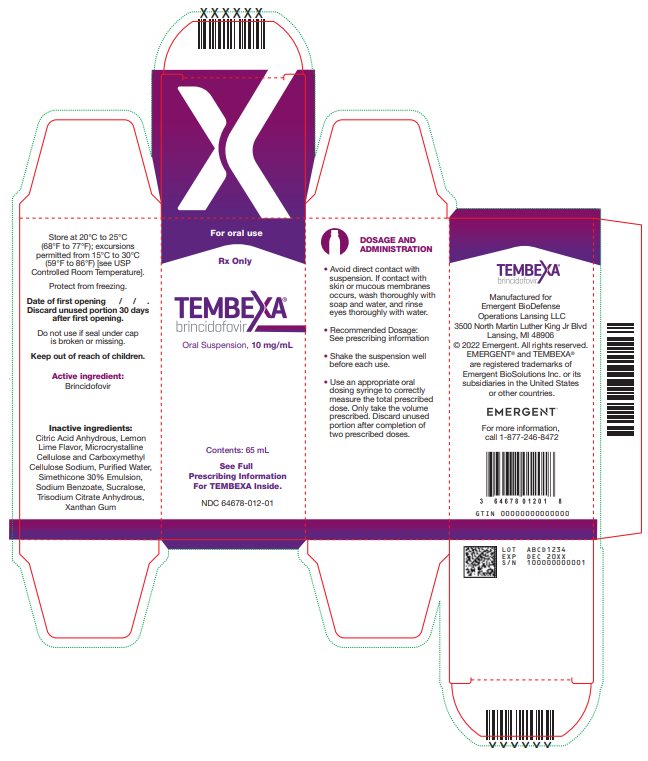
Tembexa Brincidofovir 10 mg/mL Suspension, 65 mL
🆔 Identity & classification
Where does this data come from?
🏷️ RxNorm drug class
This medicine belongs to the Nucleosides and nucleotides excl. reverse transcriptase inhibitors class.
Where does this data come from?
🏭 Manufacturer & labeler
Where does this data come from?
🩺 Clinical
Patient education
Supplement & herbal interactions
Some supplements/herbs that may interact with Brincidofovir — tap one for details:
Where does this data come from?
Ask a licensed pharmacist directly — free, answered by our team.
💊 What it looks like
Where does this data come from?
🧪 Inactive Ingredients / Excipients
Inactive ingredients, also called excipients, are components of the drug product other than the active ingredient. They may include fillers, dyes, coatings, preservatives, flavors, or other formulation ingredients.
💡 Tap an ingredient (hover on desktop) to see what it is and why it’s used.
-
UNII XF417D3PSL
Anhydrous citric acid is a sour, crystalline powder derived from citric acid with water removed. In medicines, it acts as a buffer to control pH, adds tartness to improve taste, and helps tablets disintegrate.
-
UNII RS7A450LGA
A sodium salt derived from citric acid that helps regulate acidity and maintain pH balance in the medicine. It also works as a binding agent to hold tablet ingredients together.
-
UNII K679OBS311
Carboxymethylcellulose sodium is a plant-derived thickening agent made from cellulose. In medicines, it acts as a binder to hold ingredients together, a disintegrant to help the tablet break apart, or a thickener in liquids.
-
UNII OP1R32D61U
Microcrystalline cellulose is a purified form of cellulose, a natural fiber from plant sources. It acts as a binder and filler in tablets and capsules, helping hold ingredients together and give the medicine its shape and size.
-
UNII ETJ7Z6XBU4
Silicon dioxide is a naturally occurring mineral used as a glidant and anti-caking agent. It helps powder ingredients flow smoothly and prevents clumping during manufacturing and storage.
-
UNII OJ245FE5EU
Sodium benzoate is a salt derived from benzoic acid, a preservative. It's added to medicines to prevent growth of bacteria, fungi, and other microorganisms that could spoil the product.
-
UNII 96K6UQ3ZD4
Sucralose is a synthetic sweetener made from sugar. It's added to medicines to improve taste without adding calories, helping make bitter or unpleasant-tasting drugs easier to take.
-
UNII 059QF0KO0R
Water is a liquid solvent that dissolves and mixes ingredients together in liquid medicines, syrups, and injections. It helps distribute the active drug evenly throughout the product.
-
UNII TTV12P4NEE
Xanthan gum is a thickening and stabilizing ingredient made from fermented corn or other sugars. It's added to medicines to improve texture, prevent separation of liquids and solids, and help the product stay consistent.
9 inactive ingredients listed in the exact product block matched to this NDC.
Where does this data come from?
ingredient classCode="IACT" elements from the exact product block matched by this NDC. Label-section narrative from DailyMed / the openFDA label index is shown separately when available.Inactive ingredient FAQ
Are inactive ingredients the same for every manufacturer?
Why might an inactive ingredient be missing?
Can inactive ingredients matter?
💲 Pricing
A drug doesn't have one price. Each row is a different public payment system, and none is what you'd pay at the counter — that depends on your insurance. The ⓘ on each row explains what it measures.
| Price system | Per mL | Per package |
|---|---|---|
| Retail pharmacies payNADAC · weekly | Not in the retail survey — common for institutional, discontinued, or low-volume packs. | |
| Medicaid paysCMS SDUD · 12 mo | No recent Medicaid claims on file for this NDC — rare and low-volume NDCs are suppressed in the public data. | |
| Medicare drug plans payPart D · quarterly | No Part D plan price is available for this NDC in our data. | |
Where does this data come from?
🔁 Therapeutic equivalents
| Product | Labeler | Pack | NADAC/unit | TE | Status | Price vs. this |
|---|---|---|---|---|---|---|
| Tembexa 10 mg/mLthis 64678-0012-02 | Emergent | 65 ml | — | — | FDA listed | — |
Where does this data come from?
⏳ Availability & generic status
We did not find an FDA-approved generic match for this exact strength, form and route. Patent/protection dates below may affect future generic timing.
Why the date isn’t exact: Generic timing can change because patents may be challenged, settled, licensed, added, removed, or worked around with a narrower label — and FDA approval does not always mean a pharmacy can get the generic today.
🛈 What do these terms mean?
- Patent
- Legal protection listed in the Orange Book that may delay generic approval or launch. Issued by the U.S. Patent & Trademark Office.
- Substance patent
- Covers the active drug molecule itself — the hardest to design around. A generic generally can’t launch until it expires.
- Formulation (product) patent
- Covers a specific formulation or dosage form. A generic can sometimes work around it with a different formulation.
- Method-of-use patent
- A patent covering one specific approved use of the drug — not necessarily the whole molecule. A generic can sometimes launch with a “skinny label” that carves out the protected use and keeps the others.
- Skinny label
- A generic label that omits a still-patented use when the FDA allows it — letting a generic reach the market for the unprotected uses.
- Exclusivity
- FDA-granted marketing protection, separate from patents — e.g. 5-yr new chemical entity, 7-yr orphan drug, or a +6-month pediatric extension.
- Paragraph IV
- A generic applicant’s formal challenge to a listed patent. It can potentially lead to earlier generic entry, but often involves litigation or a settlement.
- RLD / RS
- Reference Listed Drug — the brand product the FDA uses as the reference for generic applications. Reference Standard — the product the FDA expects generics to compare against in bioequivalence testing.
- TE / AB rating
- FDA therapeutic-equivalence rating. An AB rating generally means the FDA considers a generic therapeutically equivalent to — and substitutable for — the brand.
- LOE (loss of exclusivity)
- The latest patent or exclusivity currently listed — the loss-of-exclusivity / latest-listed-protection date shown on this page. Paragraph-IV challenges and settlements can move the real date earlier; FDA approval and a manufacturer’s decision to market can move it later.
Built from the FDA Orange Book. The bars above are scaled to each protection’s expiry; the red LOE marker is the last one to lapse.
| Patent | Type | Use code | Expires |
|---|---|---|---|
| US 9303051 ↗ | Drug substance | U-3165 | Jul 30, 2034 |
| Code | What it grants | Expires |
|---|---|---|
| ODE-354 | Orphan Drug Exclusivity (7-year) | Jun 4, 2028 |
Is there a generic version of this drug?
The FDA approved a generic — why can’t I get it at my pharmacy yet?
Why do different websites show different generic release dates?
What does “FDA listed” mean?
What does a patent or protection date mean here?
What does “current Orange Book estimate” mean?
Can a generic come out before the last patent expires?
Can a generic come out after the listed dates?
What is the difference between patents and exclusivity?
Why are there multiple patent dates?
Where does this data come from?
🔬 Reported adverse events (FAERS)
Top reported reactions
Age at onset
Reporter sex
Serious outcomes
Where does this data come from?
📦 Packaging — all sizes for this product
| Package NDC | Description | Marketing start | Status |
|---|---|---|---|
| 64678-0012-01 | 65 mL in 1 BOTTLE (64678-012-01) | 2022-04-20 | Active |
| 64678-0012-02 You're viewing this | 65 mL in 1 BOTTLE (64678-012-02) | 2022-04-20 | Active |
| 64678-0012-03 | 1 BOTTLE in 1 CARTON (64678-012-03) / 45 mL in 1 BOTTLE | 2025-07-23 | Active |
| 64678-0012-04 | 1 BOTTLE in 1 CARTON (64678-012-04) / 45 mL in 1 BOTTLE | 2025-07-23 | Active |
Pack size FAQ
What quantity is in NDC 64678-0012-02?
What is the difference between NDC 64678-0012-02 and NDC 64678-0012-01?
What NDC number is used to bill for this package of Tembexa Brincidofovir 10 mg/mL Suspension?
🧭 About this NDC listing & data coverage
What data is (and isn’t) available for this NDC — tap to expand
| NDC identity (package / product / labeler codes) | ✓ Available |
| Labeler | ✓ Available |
| Product & package description | ✓ Available |
| Marketing category & status | ✓ Available |
| Active ingredient / dosage form / route | ✓ Available |
| FDA label (SPL via DailyMed) | ✓ Available |
| Package photos | ✓ Available |
| Inactive ingredients (structured) | ✓ Available |
| NADAC pharmacy acquisition price (CMS) | — Not published for this NDC CMS publishes NADAC only for NDCs reported in its retail-pharmacy survey. |
| Orange Book / therapeutic-equivalence data | ✓ Available |
| HCPCS J-code billing crosswalk | — Not published for this NDC Most self-administered / retail products have no J-code — that is normal. |
| Medicaid utilization (CMS SDUD) | — Not published for this NDC CMS reports utilization only for NDCs with Medicaid claims above its privacy threshold. |
Questions about this listing
Why is there no price listed?
Is the NDC printed on the package the same as the 11-digit billing NDC?
What do the three segments of this NDC mean?
Is this package still being marketed?
Does this product come in other package sizes?
Who lists this product with the FDA?
Do I need a prescription for this product?
Where does this data come from?
📄 Full prescribing information FDA SPL
🚨 Boxed Warning ▾
WARNING: INCREASED RISK FOR MORTALITY WHEN USED FOR LONGER DURATION An increased incidence of mortality was seen in TEMBEXA-treated subjects compared to placebo-treated subjects in a 24-week clinical trial when TEMBEXA was evaluated in another disease [see Warnings and Precautions ( 5.1 )] . WARNING: INCREASED RISK FOR MORTALITY WHEN USED FOR LONGER DURATION See full prescribing information for complete boxed warning. An increased incidence of mortality was seen in TEMBEXA-treated subjects compared to placebo-treated subjects in a 24-week clinical trial when TEMBEXA was evaluated in another disease [see Warnings and Precautions ( 5.1 )] .
🎯 Indications and Usage ▾
1 INDICATIONS AND USAGE TEMBEXA is an orthopoxvirus nucleotide analog DNA polymerase inhibitor and is indicated for the treatment of human smallpox disease in adult and pediatric patients, including neonates. ( 1.1 ) Limitations of Use: • TEMBEXA is not indicated for the treatment of diseases other than human smallpox disease. ( 1.2 ) • The effectiveness of TEMBEXA for treatment of smallpox disease has not been determined in humans because adequate and well-controlled field trials have not been feasible, and inducing smallpox disease in humans to study the drug’s efficacy is not ethical.
( 1.2 ) • TEMBEXA efficacy may be reduced in immunocompromised patients based on studies in immune deficient animals. ( 1.2 )
1.1Treatment of Human Smallpox Disease TEMBEXA ® is indicated for the treatment of human smallpox disease caused by variola virus in adult and pediatric patients, including neonates.
1.2Limitations of Use TEMBEXA is not indicated for the treatment of diseases other than human smallpox disease [see Warnings and Precautions ( 5.1 , 5.2 )] . The effectiveness of TEMBEXA for the treatment of smallpox disease has not been determined in humans because adequate and well-controlled field trials have not been feasible, and inducing smallpox disease in humans to study the drug’s efficacy is not ethical [see Clinical Studies ( 14 )] . TEMBEXA efficacy may be reduced in immunocompromised patients based on studies in immune deficient animals.
⏱️ Dosage and Administration ▾
2 DOSAGE AND ADMINISTRATION • Testing: Before initiation and during treatment with TEMBEXA perform hepatic laboratory testing and pregnancy testing. ( 2.1 ) • See full prescribing information for details on important administration instructions. ( 2.2 ) • Adult and pediatric patients weighing 48 kg or above: 200 mg (two 100 mg tablets or 20 mL oral suspension for patients who cannot swallow tablets) once weekly for 2 doses.
( 2.3 ) • Adult and pediatric patients weighing 10 kg to less than 48 kg: 4 mg/kg oral suspension once weekly for 2 doses. ( 2.3 ) • Pediatric patients weighing less than 10 kg: 6 mg/kg oral suspension once weekly for 2 doses. ( 2.3 )
2.1Testing Before Initiating and During Treatment with TEMBEXA Perform hepatic laboratory testing in all patients before starting TEMBEXA and while receiving TEMBEXA, as clinically appropriate [see Warnings and Precautions ( 5.2 ) and Use in Specific Populations ( 8.7 )] . Perform pregnancy testing before initiation of TEMBEXA in individuals of childbearing potential to inform risk [see Warnings and Precautions ( 5.5 ) and Use in Specific Populations ( 8.3 )] .
2.2Important Administration Instructions Avoid direct contact with broken or crushed tablets or oral suspension. If contact with skin or mucous membranes occurs, wash thoroughly with soap and water, and rinse eyes thoroughly with water [see Warnings and Precautions ( 5.6 )] . TEMBEXA Tablets TEMBEXA tablets can be taken on an empty stomach or with a low-fat meal (approximately 400 calories, with approximately 25% of calories from fat) [see Clinical Pharmacology ( 12.3 )] .
Swallow TEMBEXA tablets whole. Do not crush or divide TEMBEXA tablets. TEMBEXA Oral Suspension Take TEMBEXA oral suspension on an empty stomach [see Clinical Pharmacology ( 12.3 )] .
Shake oral suspension before use. Use an appropriate oral dosing syringe to correctly measure the total prescribed dose [see Patient Counseling Information ( 17 )] . Discard unused portion after completion of 2 prescribed doses.
For patients who cannot swallow, TEMBEXA oral suspension can be administered by enteral tube (naso-gastric or gastrostomy tubes) as follows: • Draw up prescribed dose with a calibrated catheter-tip syringe, and utilize this syringe to administer the dose via the enteral tube. • Refill the catheter-tip syringe with 3 mL of water, shake, and administer the contents via the enteral tube. • Flush with water before and after enteral administration.
2.3Recommended Dosage The recommended dosage of TEMBEXA in pediatric and adult patients is displayed in Table 1 [see Drug Interactions ( 7.1 ), Clinical Pharmacology ( 12.3 ) and Clinical Studies ( 14 )] . Table 1: Recommended Dosage in Pediatric and Adult Patients Patient’s Weight (kg) TEMBEXA Oral Suspension (10 mg/mL) TEMBEXA Tablet (100 mg) Less than 10 kg 6 mg/kg once weekly for 2 doses (on Days 1 and 8) N/A 10 kg to less than 48 kg 4 mg/kg once weekly for 2 doses (on Days 1 and 8) N/A 48 kg and above 200 mg (20 mL) once weekly for 2 doses (on Days 1 and 8) 200 mg (two 100 mg tablets) once weekly for 2 doses (on Days 1 and 8)
💊 Dosage Forms and Strengths ▾
3 DOSAGE FORMS AND STRENGTHS Tablets TEMBEXA tablets are blue, modified-oval shape, film-coated tablets debossed with BCV on one side and 100 on the other side. Each tablet contains 100 mg of brincidofovir. Oral Suspension TEMBEXA oral suspension is an aqueous based, preserved white to off-white opaque, lemon lime flavored suspension containing 10 mg/mL of brincidofovir. • Tablets: 100 mg ( 3 ) • Oral Suspension: 10 mg/mL ( 3 )
⛔ Contraindications ▾
4 CONTRAINDICATIONS None. None. ( 4 )
⚠️ Warnings and Cautions ▾
5 WARNINGS AND PRECAUTIONS • Elevations in Hepatic Transaminases and Bilirubin: May cause increases in serum transaminases (ALT or AST) and serum bilirubin. Monitor liver laboratory parameters before and during treatment. ( 5.2 ) • Diarrhea and Other Gastrointestinal Adverse Events: Diarrhea and additional gastrointestinal adverse events including nausea, vomiting, and abdominal pain may occur.
Monitor patients, provide supportive care, and if necessary, do not give the second and final dose of TEMBEXA. ( 5.3 ) • Coadministration with Related Products: TEMBEXA should not be coadministered with intravenous cidofovir. ( 5.4 ) • Embryo-fetal Toxicity: May cause fetal harm.
Advise individuals of childbearing potential of the potential risk to the fetus and to use effective contraception. ( 5.5 , 8.1 , 8.3 ) • Carcinogenicity: TEMBEXA should be considered a potential human carcinogen. Do not crush or divide TEMBEXA tablets.
( 5.6 , 13.1 ) • Male Infertility: Based on testicular toxicity in animal studies, TEMBEXA may irreversibly impair fertility in individuals of reproductive potential. ( 5.7 , 8.3 )
5.1Increased Risk for Mortality When Used for Longer Duration TEMBEXA is not indicated for use in diseases other than human smallpox. An increase in mortality was observed in a randomized, placebo-controlled Phase 3 trial when TEMBEXA was evaluated in another disease. An increased risk in mortality is possible if TEMBEXA is used for a duration longer than at the recommended dosage on Days 1 and 8 [see Indications and Usage ( 1.2 ) and Dosage and Administration ( 2.3 )] .
Study 301 (CMX001-301) evaluated TEMBEXA versus placebo for the prevention of cytomegalovirus infection. A total of 303 subjects received TEMBEXA (100 mg twice weekly) and 149 subjects received matching placebo for up to 14 weeks. The primary endpoint was evaluated at Week 24.
All-cause mortality at Week 24 was 16% in the TEMBEXA group compared to 10% in the placebo group. Safety and effectiveness of TEMBEXA have not been established for diseases other than human smallpox disease.
5.2Elevations in Hepatic Transaminases and Bilirubin Elevations in alanine aminotransferase (ALT), aspartate aminotransferase (AST), and total bilirubin have been observed, including cases of concurrent increases in ALT and bilirubin. During the first 2 weeks of TEMBEXA therapy in 392 subjects, ALT elevations >3x the upper limit of normal were reported in 7% of subjects and bilirubin elevations >2x the upper limit of normal were reported in 2% of subjects; these elevations in hepatic laboratory tests were generally reversible and did not require discontinuation of TEMBEXA [see Adverse Reactions ( 6.1 ) and Nonclinical Toxicology ( 13.2 )] .
Severe hepatobiliary adverse events including hyperbilirubinemia, acute hepatitis, hepatic steatosis, and venoocclusive liver disease have been reported in less than 1% of subjects. Perform hepatic laboratory testing in all patients before starting TEMBEXA and while receiving TEMBEXA, as clinically appropriate. Monitor patients who develop abnormal hepatic laboratory tests during TEMBEXA therapy for the development of more severe hepatic injury.
Consider discontinuing TEMBEXA if ALT levels remain persistently >10x the upper limit of normal. Do not give the second and final dose of TEMBEXA on Day 8 if ALT elevation is accompanied by clinical signs and symptoms of liver inflammation or increasing direct bilirubin, alkaline phosphatase, or International Normalized Ratio (INR) [see Adverse Reactions ( 6.1 ) and Drug Interactions ( 7.1 )] .
5.3Diarrhea and Other Gastrointestinal Adverse Events During the first 2 weeks of TEMBEXA therapy in 392 subjects, a composite term of diarrhea (all grade, all cause) occurred in 40% of TEMBEXA-treated subjects compared with 25% of subjects in the placebo control group. Treatment with TEMBEXA was discontinued in 5% of subjects for diarrhea (composite term) compared with 1% in the placebo control group. Additional gastroi…
🤒 Adverse Reactions ▾
6 ADVERSE REACTIONS The following clinically significant adverse reactions are described elsewhere in the labeling: • Elevations in hepatic transaminases and bilirubin [see Warnings and Precautions ( 5.2 )] • Diarrhea and other GI adverse events [see Warnings and Precautions ( 5.3 )] Common adverse reactions (occurring in at least 2% of TEMBEXA-treated subjects) were diarrhea, nausea, vomiting, and abdominal pain. ( 6.1 ) To report SUSPECTED ADVERSE REACTIONS, contact Emergent BioDefense Operations Lansing LLC at 1-877-246-8472 or FDA at 1-800-FDA-1088 or www.fda.gov/medwatch .
6.1Clinical Trials Experience Because clinical trials are conducted under widely varying conditions, adverse reaction rates observed in the clinical trials of a drug cannot be directly compared to rates in the clinical trials of another drug and may not reflect the rates observed in practice. The safety of TEMBEXA has not been studied in patients with smallpox disease. The safety of TEMBEXA was evaluated in 392 adult subjects aged 18 to 77 years in Phase 2 and 3 randomized, placebo-controlled clinical trials.
Of the subjects who received a 200 mg total weekly dose of TEMBEXA, 54% were male, 85% were White, 7% were Black/African American, 6% were Asian, and 10% were Hispanic or Latino. Twenty-one percent of subjects in the studies were age 65 or older. Of these 392 subjects, 85% received a 200 mg total weekly dose of TEMBEXA for at least 2 weeks.
Common Adverse Reactions The most common adverse reactions (adverse events assessed as causally related by the investigator) experienced in the first 2 weeks of dosing with TEMBEXA were diarrhea and nausea. Adverse reactions that occurred in at least 2% of subjects in the TEMBEXA treatment group are shown in Table 2 . Table 2: Adverse Reactions (All Grades) Reported in ≥2% of Subjects Note: Only adverse reactions with onset in the first 2 weeks of treatment are presented. a.
Composite term includes: bowel movement irregularity, defecation urgency, diarrhea, fecal incontinence, and frequent bowel movements. b. Composite term includes: vomiting and retching. c. Composite term includes: abdominal discomfort, abdominal distention, abdominal pain, abdominal pain lower, abdominal pain upper, abdominal tenderness, and gastrointestinal pain.
Adverse Reaction TEMBEXA 200 mg N=392 % Placebo N=208 % Diarrhea a 8 3 Nausea 5 1 Vomiting b 4 1 Abdominal pain c 3 2 Adverse Reactions Leading to Discontinuation of TEMBEXA Fifteen subjects (4%) had their treatment with TEMBEXA discontinued due to adverse reactions. One subject had two adverse reactions; the other subjects had one reaction each. These adverse reactions were: • Diarrhea (n=9) • Nausea (n=3) • Vomiting (n=1) • Enteritis (n=1) • ALT increased (n=1) • Dyspepsia (n=1) These adverse reactions were mild (Grade 1, n=1), moderate (Grade 2, n=7) or severe (Grade 3, n=8) in severity and resolved upon discontinuation of TEMBEXA.
Less Common Adverse Reactions Clinically significant adverse reactions that were reported in <2% of subjects (and also occurred in 2 or more subjects) exposed to TEMBEXA and at rates higher than in subjects who received placebo are listed below: • General and administration site: peripheral edema • Metabolism and nutrition: decreased appetite • Musculoskeletal and connective tissue: muscular weakness • Nervous system: dysgeusia • Skin and subcutaneous tissue: rash (includes rash, maculo-papular rash, pruritic rash) Selected treatment-emergent laboratory values occurring during the first 2 weeks of treatment with TEMBEXA are presented in Table 3 .
Table 3: Frequencies of Selected Laboratory Abnormalities ULN = upper limit of normal a. Frequencies are based on treatment-emergent laboratory abnormalities. Graded per Common Terminology Criteria for Adverse Events (CTCAE) version 4.03 toxicity grading criteria. b.
ALT >10x ULN occurred in one subject in the TEMBEXA group and no subjects in the placebo group. c. No subjects reported AST >10x ULN. Laboratory…
🔄 Drug Interactions ▾
7 DRUG INTERACTIONS Concomitant use with OATP1B1 and 1B3 inhibitors increase TEMBEXA exposure which may increase TEMBEXA-associated adverse reactions. Consider alternative medication that are not OATP1B1 or 1B3 inhibitors. If concomitant use is necessary, increase monitoring for adverse reactions associated with TEMBEXA and postpone the dosing of OATP1B1 or 1B3 inhibitors at least 3 hours after TEMBEXA administration. ( 7.1 )
7.1Effect of Other Drugs on TEMBEXA Inhibitors for Organic Anion Transporting Polypeptide (OATP) 1B1 and 1B3 Concomitant use of TEMBEXA with OATP1B1 and 1B3 inhibitors (clarithromycin, cyclosporine, erythromycin, gemfibrozil, human immunodeficiency virus [HIV] and hepatitis C virus [HCV] protease inhibitors, rifampin [single dose]) increase brincidofovir AUC and C max which may increase TEMBEXA-associated adverse reactions [see Clinical Pharmacology ( 12.3 )] . Where possible, consider alternative medications that are not OATP1B1 or 1B3 inhibitors.
If concomitant use with TEMBEXA is necessary, increase monitoring for adverse reactions associated with TEMBEXA (elevations in transaminases and bilirubin, diarrhea, or other GI adverse events) [see Warnings and Precautions ( 5.2 , 5.3 )] and postpone the dosing of OATP1B1 or 1B3 inhibitors for at least 3 hours after TEMBEXA administration.
7.2Vaccine Interactions No vaccine-drug interaction studies have been performed in human subjects. Animal studies have indicated that coadministration of TEMBEXA at the same time as live smallpox vaccine (vaccinia virus) may reduce the immune response to the vaccine. It is also possible that TEMBEXA may reduce the immune response to replication-defective smallpox vaccine (modified vaccinia virus Ankara).
The clinical impacts of these potential interactions on vaccine efficacy are unknown.
👥 Use in Specific Populations ▾
8 USE IN SPECIFIC POPULATIONS • Lactation: Breastfeeding not recommended. ( 8.2 )
8.1Pregnancy Risk Summary Based on findings from animal reproduction studies, TEMBEXA may cause fetal harm when administered to pregnant individuals. Use an alternative therapy to treat smallpox during pregnancy, if feasible. There are no available data on the use of brincidofovir in pregnant individuals to evaluate for a drug-associated risk of major birth defects, miscarriage, and other adverse maternal and fetal outcomes.
In animal reproduction studies, oral administration of brincidofovir to pregnant rats and rabbits during the period of organogenesis resulted in embryotoxicity and structural malformations. These effects occurred in animals at systemic exposures less than the expected human exposure based on the recommended dose of TEMBEXA ( see Data ). The estimated background risk of major birth defects for the indicated population is unknown, and the estimated background risk of miscarriage for the indicated population is higher than the general population.
All pregnancies have a background risk of birth defect, loss or other adverse outcomes. In the U.S. general population, the estimated background risk of major birth defects and miscarriage in clinically recognized pregnancies is 2% to 4% and 15% to 20%, respectively. Data Animal Data In embryo-fetal development studies in rats and rabbits, pregnant animals were administered oral doses of brincidofovir up to 4.5 mg/kg/day from gestation days 7 to 20.
Maternal toxicity in rats, characterized by decreases in food consumption and decreased body weight gain, was observed at doses of 1.5 and 4.5 mg/kg/day. These effects correlated with decreased fetal weights in rats given 4.5 mg/kg/day. Brincidofovir administration in rats was not associated with effects on intrauterine growth or survival at any dose, and there were no external malformations or developmental variations.
In rabbits, 4.5 mg/kg/day brincidofovir was associated with decreased maternal body weight and food consumption, decreased fetal body weight, increased late resorptions and morphological changes which included external, visceral and skeletal malformations and variations. In the pre-/post-natal development study, administration of brincidofovir at doses of 0, 0.25, 1, and 4 mg/kg/day and 15 mg/kg twice weekly to pregnant rats from gestation day 7 to lactation day 20 resulted in pup toxicity at maternally toxic doses (4 mg/kg/day and 15 mg/kg twice weekly).
Pup body weight and viability were decreased, and reproductive function of the pups was impaired as evidenced by a delay in sexual maturation, decreased testes and epididymal size, reduced mating and an increase in the number of days to mating as well as preimplantation loss. All effects were observed at systemic exposures less than the expected human exposure based on the recommended dose of TEMBEXA.
8.2Lactation Risk Summary Because of the potential for variola virus transmission through direct contact with the breastfed infant, breastfeeding is not recommended in patients with smallpox. There are no data on the presence of brincidofovir in human milk, the effects of the drug on the breastfed infant, or on milk production. Brincidofovir is present in animal milk ( see Data ).
Data When brincidofovir was administered to lactating rats (4 mg/kg/day or 15 mg/kg twice weekly), brincidofovir was detected in milk but not in the plasma of nursing pups.
8.3Females and Males of Reproductive Potential Based on animal data, TEMBEXA may cause fetal harm [see Use in Specific Populations ( 8.1 )] . Pregnancy Testing Perform pregnancy testing in individuals of childbearing potential before initiation of TEMBEXA [see Dosage and Administration ( 2.1 ) and Warnings and Precautions ( 5.5 )] . Contraception Females Advise individuals of childbearing potential to use effective contraception during treatment and for at least 2 months after the last dose of TEMBEXA [see Warnings and Precautio…
🤰 Pregnancy ▾
8.1Pregnancy Risk Summary Based on findings from animal reproduction studies, TEMBEXA may cause fetal harm when administered to pregnant individuals. Use an alternative therapy to treat smallpox during pregnancy, if feasible. There are no available data on the use of brincidofovir in pregnant individuals to evaluate for a drug-associated risk of major birth defects, miscarriage, and other adverse maternal and fetal outcomes.
In animal reproduction studies, oral administration of brincidofovir to pregnant rats and rabbits during the period of organogenesis resulted in embryotoxicity and structural malformations. These effects occurred in animals at systemic exposures less than the expected human exposure based on the recommended dose of TEMBEXA ( see Data ). The estimated background risk of major birth defects for the indicated population is unknown, and the estimated background risk of miscarriage for the indicated population is higher than the general population.
All pregnancies have a background risk of birth defect, loss or other adverse outcomes. In the U.S. general population, the estimated background risk of major birth defects and miscarriage in clinically recognized pregnancies is 2% to 4% and 15% to 20%, respectively. Data Animal Data In embryo-fetal development studies in rats and rabbits, pregnant animals were administered oral doses of brincidofovir up to 4.5 mg/kg/day from gestation days 7 to 20.
Maternal toxicity in rats, characterized by decreases in food consumption and decreased body weight gain, was observed at doses of 1.5 and 4.5 mg/kg/day. These effects correlated with decreased fetal weights in rats given 4.5 mg/kg/day. Brincidofovir administration in rats was not associated with effects on intrauterine growth or survival at any dose, and there were no external malformations or developmental variations.
In rabbits, 4.5 mg/kg/day brincidofovir was associated with decreased maternal body weight and food consumption, decreased fetal body weight, increased late resorptions and morphological changes which included external, visceral and skeletal malformations and variations. In the pre-/post-natal development study, administration of brincidofovir at doses of 0, 0.25, 1, and 4 mg/kg/day and 15 mg/kg twice weekly to pregnant rats from gestation day 7 to lactation day 20 resulted in pup toxicity at maternally toxic doses (4 mg/kg/day and 15 mg/kg twice weekly).
Pup body weight and viability were decreased, and reproductive function of the pups was impaired as evidenced by a delay in sexual maturation, decreased testes and epididymal size, reduced mating and an increase in the number of days to mating as well as preimplantation loss. All effects were observed at systemic exposures less than the expected human exposure based on the recommended dose of TEMBEXA.
🧒 Pediatric Use ▾
8.4Pediatric Use As in adults, the effectiveness of TEMBEXA in smallpox infected pediatric patients, including neonates, is based solely on efficacy studies in animal models of orthopoxvirus disease. The recommended pediatric dosing regimen is expected to produce brincidofovir exposures that are comparable to those in adults based on a population pharmacokinetic modeling and simulation approach. The dosage for pediatric patients is based on weight [see Dosage and Administration ( 2.3 ) and Clinical Pharmacology ( 12.3 )] .
There have been 23 pediatric subjects aged 7 months to 17 years who received TEMBEXA in a randomized, placebo-controlled clinical trial. The safety in adult and pediatric subjects treated with TEMBEXA were similar [see Adverse Reactions ( 6.1 )] . An additional 166 pediatric subjects aged 3 months to 18 years of age received TEMBEXA from uncontrolled studies and expanded access.
The dosage of TEMBEXA in pediatric patients <3 months of age was based on modeling and simulations [see Clinical Pharmacology ( 12.3 )] .
🧓 Geriatric Use ▾
8.5Geriatric Use Of the 392 subjects in the controlled clinical studies, 21% were ≥65 years of age and 1% were ≥75 years of age. The nature and severity of adverse events was comparable between subjects older and younger than 65 years. No alteration of dosing is recommended for patients ≥65 years of age [see Clinical Pharmacology ( 12.3 )] .
🆘 Overdosage ▾
10 OVERDOSAGE There is no clinical experience with overdosage of TEMBEXA. In the event of an overdose, monitor patients for adverse effects and provide appropriate supportive care.
🧬 Clinical Pharmacology ▾
12 CLINICAL PHARMACOLOGY
12.1Mechanism of Action Brincidofovir is an antiviral drug against variola (smallpox) virus [see Microbiology ( 12.4 )] .
12.2Pharmacodynamics Brincidofovir and its active metabolite cidofovir diphosphate exposure-response relationships and time course of pharmacodynamic responses are unknown. Cardiac Electrophysiology TEMBEXA does not prolong the QT interval at the anticipated therapeutic exposure.
12.3Pharmacokinetics Brincidofovir is a prodrug that is converted intracellularly to cidofovir, which is subsequently phosphorylated to cidofovir diphosphate, the active antiviral moiety, following oral administration. Brincidofovir plasma exposures do not accumulate after repeat doses. The metabolite cidofovir diphosphate reaches maximum concentration at 47 hours (23 to 311 hours) following administration of the recommended dose, with a mean (CV%) half-life of 113 hours (34.2%).
The pharmacokinetic properties of brincidofovir following administration of TEMBEXA are provided in Table 4 . The pharmacokinetic parameters of brincidofovir and cidofovir diphosphate following administration of TEMBEXA at the recommended dose are provided in Table 5 . Table 4: Pharmacokinetic Properties of Brincidofovir a a.
Healthy adults. b. Administered under fasted conditions. c. Low-fat meal: ~400 calories, with ~25% calories from fat.
No clinically meaningful change in intracellular concentrations of cidofovir diphosphate were seen when TEMBEXA Tablet was administered with a low-fat meal. The effect of food on TEMBEXA oral suspension has not been studied. d. Following administration of radiolabeled brincidofovir.
Absorption Bioavailability Oral suspension 16.8% Tablet 13.4% T max b 3 hours (2 to 8 hours) Effect of food on TEMBEXA Tablet (relative to fasting) c • AUC inf decreased by 31% • C max decreased by 49% Distribution % Bound to human plasma proteins >99.9% Blood-to-plasma ratio (drug or drug-related materials) d 0.48 to
0.61 Apparent Volume of distribution, L 1230 Elimination Apparent Clearance, L/hr
44.1 Mean terminal half-life (t 1/2 ), hr
19.3Metabolism Metabolic pathways hydrolysis, CYP4F2 Metabolites cidofovir and cidofovir diphosphate (active) Excretion % of dose excreted in urine d 51%, as metabolites % of dose excreted in feces d 40%, as metabolites Table 5: Single-Dose Pharmacokinetic Parameters of Brincidofovir and Cidofovir Diphosphate a AUC = area under the time concentration curve; C max = maximum concentration; CV = coefficient of variation. a. Healthy adults PK Parameter Geometric Mean (%CV) Brincidofovir Cidofovir diphosphate C max 480 ng/mL (70%) 9.7 pg/10 6 cells (75%) AUC tau 3400 ng‧hr/mL (58%) 1200 pg‧hr/10 6 cells (75%) Metabolism Brincidofovir is metabolized by hydrolysis of the phosphoester bond to form cidofovir.
Cidofovir is subsequently phosphorylated to form cidofovir diphosphate. Brincidofovir is also carboxylated at the terminal carbon by Cytochrome P450 (CYP) 4F2, followed by subsequent CYP-mediated oxidations and multiple cycles of fatty acid beta-oxidation. The major inactive metabolites formed via these pathways are CMX103 (3-hydroxypropyl ester of cidofovir) and CMX064 (4-(3-propoxy)butanoic acid ester of cidofovir).
Genetic and chemical inhibition of acid sphingomyelinase enzyme activity in multiple human cell lines resulted in substantially lower concentrations of cidofovir and cidofovir diphosphate (the active drug), compared to controls with functional acid sphingomyelinase enzyme activity. Findings show acid sphingomyelinase plays a major role in the hydrolysis of brincidofovir to cidofovir in these cell lines. Based on in vitro data, acid sphingomyelinase deficiency may reduce the ability to convert brincidofovir to cidofovir and cidofovir diphosphate; however, the clinical relevance of this finding is unknown.
Comparison of Animal and Human Pharmacokinetic Data to Support Effective Human Dose Selection Because the effectiveness of TEMBEXA cannot be tested in humans, a comp…
🧬 Mechanism of Action ▾
12.1Mechanism of Action Brincidofovir is an antiviral drug against variola (smallpox) virus [see Microbiology ( 12.4 )] .
📦 How Supplied / Storage and Handling ▾
16 HOW SUPPLIED/STORAGE AND HANDLING TEMBEXA Tablets: Tablets are blue, modified-oval shape, film-coated tablets debossed with BCV on one side and 100 on the other side and packaged into blister cards. Each blister cavity contains one film-coated tablet containing 100 mg of brincidofovir. The blister card is placed in a child-resistant wallet.
Each wallet (NDC 64678-010-01) contains one (1) blister card with a total of 4 film-coated tablets. Store at 20°C to 25°C (68°F to 77°F); excursions permitted from 15°C to 30°C (59°F to 86°F) [see USP Controlled Room Temperature] . Do not divide, break, or crush the tablets.
Avoid direct contact with broken or crushed tablets. If contact with skin or mucous membranes occurs, wash thoroughly with soap and water, and rinse eyes thoroughly with water [see Warnings and Precautions ( 5.6 )] . TEMBEXA Oral Suspension: Aqueous based, preserved white to off-white opaque, lemon lime flavored suspension containing 10 mg/mL of brincidofovir packaged into a high density polyethylene bottle with a low density polyethylene press-in bottle adaptor (PIBA) inserted into the bottle.
The bottle is capped by a child-resistant closure. Each bottle is filled to deliver 65 mL (NDC 64678-012-01) and 45 mL (NDC 64678-012-03) of brincidofovir. Store at 20°C to 25°C (68°F to 77°F); excursions permitted from 15°C to 30°C (59°F to 86°F) [see USP Controlled Room Temperature] .
Do not freeze. Avoid direct contact with oral suspension. If contact with skin or mucous membranes occurs, wash thoroughly with soap and water, and rinse eyes thoroughly with water [see Warnings and Precautions ( 5.6 )] .
📋 Description ▾
11 DESCRIPTION TEMBEXA (brincidofovir) tablets, 100 mg, for oral use are immediate release film-coated tablets containing the following inactive ingredients: Colloidal Silicon Dioxide, Crospovidone, FD&C Blue #1/Brilliant Blue FCF Aluminum Lake, FD&C Blue #2/Indigo Carmine Aluminum Lake, Magnesium Stearate, Mannitol, Microcrystalline Cellulose, Polyethylene Glycol, Polyvinyl Alcohol, Purified Water, Silicified Microcrystalline Cellulose, Talc and Titanium Dioxide. TEMBEXA (brincidofovir) oral suspension, 10 mg/mL, is an aqueous based, preserved, orally dosed suspension.
The inactive ingredients are: Citric Acid Anhydrous, Lemon Lime Flavor, Microcrystalline Cellulose and Carboxymethyl Cellulose Sodium, Purified Water, Simethicone 30% Emulsion, Sodium Benzoate, Sucralose, Trisodium Citrate Anhydrous, and Xanthan Gum. Brincidofovir is an orthopoxvirus nucleotide analog DNA polymerase inhibitor and a lipid conjugate of the nucleotide analog cidofovir and is indicated for the treatment of human smallpox disease. The full chemical name is: Phosphonic acid, P -[[(1 S )-2-(4-amino-2-oxo-1(2 H )-pyrimidinyl)-1-(hydroxymethyl)ethoxy]methyl]-, mono[3-(hexadecyloxy)propyl] ester.
The molecular formula of brincidofovir is C 27 H 52 N 3 O 7 P and the relative molecular mass is 561.70. The structure is shown below. Brincidofovir is a white to off-white crystalline powder as a free acid and practically insoluble in water.
Brincidofovir structural formula
💬 Information for Patients ▾
17 PATIENT COUNSELING INFORMATION Advise the patient to read the FDA-approved patient labeling ( Patient Information ). Efficacy Based on Animal Models Alone Inform patients that the efficacy of TEMBEXA is based solely on efficacy studies demonstrating a survival benefit in animals and that the effectiveness of TEMBEXA has not been tested in humans with smallpox disease [see Clinical Studies ( 14 )] . Elevations of Hepatic Transaminases and Bilirubin Inform patients of the need for liver monitoring before treatment with TEMBEXA and during treatment if signs or symptoms of liver injury occur.
Advise patients to report symptoms that may indicate liver injury, including right upper abdominal discomfort, dark urine, or jaundice [see Warnings and Precautions ( 5.2 )] . Diarrhea and Other Gastrointestinal Adverse Events Inform patients of the risk of diarrhea and other GI adverse events (nausea, vomiting, and abdominal pain) while taking TEMBEXA. Advise patients to inform their healthcare provider if they develop severe diarrhea or other severe GI symptoms [see Warnings and Precautions ( 5.3 ) and Adverse Reactions ( 6.1 )] .
Important Drug Interactions Inform patients that TEMBEXA may interact with some drugs. If concomitant use of OATP1B1 and 1B3 inhibitors with TEMBEXA is necessary, advise patients to postpone the dosing of these medicines for at least 3 hours after TEMBEXA administration [see Drug Interactions ( 7.1 ) and Clinical Pharmacology ( 12.3 )] . Embryo-fetal Toxicity Advise pregnant individuals and individuals of childbearing potential of the risk to a fetus and to inform their healthcare provider of a known or suspected pregnancy.
Advise individuals of childbearing potential to use effective contraception during treatment with TEMBEXA and for at least 2 months after the last dose. Due to animal findings of testicular toxicity, advise individuals of reproductive potential with partners of childbearing potential to use condoms during treatment with TEMBEXA and for at least 4 months after the last dose [see Warnings and Precautions ( 5.5 , 5.7 ) and Use in Specific Populations ( 8.3 )] . Infertility Advise individuals of reproductive potential that treatment with TEMBEXA may deplete sperm, resulting in infertility [see Use in Specific Populations ( 8.3 ) and Nonclinical Toxicology ( 13.1 )] .
Lactation Instruct individuals with smallpox not to breastfeed their infant because of the risk of passing variola virus to the breastfed infant [see Use in Specific Populations ( 8.2 )] . Important Administration Instructions for Oral Suspension Instruct patients or caregivers to use an oral dosing syringe to correctly measure the prescribed amount of medication. Oral dosing syringes may be obtained from the pharmacy.
Refer to instructions above for administration of TEMBEXA oral suspension through enteral tubes [see Dosage and Administration ( 2.2 )] . Advise patients taking the oral suspension to discard unused portion after completion of the 2 prescribed doses. Handling Advise patients not to divide, break, or crush tablets.
Advise patients to avoid direct contact with broken or crushed tablets and oral suspension. If contact with skin or mucous membranes occurs, inform patients to wash thoroughly with soap and water, and rinse eyes thoroughly with water [see Dosage and Administration ( 2.2 ) and How Supplied/Storage and Handling ( 16 )] . Manufactured for Emergent BioDefense Operations Lansing LLC 3500 North Martin Luther King Jr Blvd Lansing, MI 48906