
Pollens - Weeds and Garden Plants, Short Ragweed, Ambrosia artemisiifolia .05 g/mL Injection, Solution, 50 mL — NDC 65044-2297-4 (Billing 65044-2297-04)
This is a package of 50 mL of Pollens - Weeds and Garden Plants, Short Ragweed, Ambrosia artemisiifolia .05 g/mL Injection, Solution from Jubilant HollisterStier LLC, marketed since Oct 1977 and currently FDA-listed.
Identity & classification
Regulatory identifiers FDA, NLM and CMS codes for this package
Where does this data come from?
- FDA openFDA NDC Directory · synced Oct 1, 2026
- FDA label on DailyMed · label index refreshed Oct 1, 2026
- RxNorm (NLM RxNav) · catalog refreshed Oct 1, 2026
- Medi-Span GPI (licensed)
- First Databank (licensed) · refreshed Oct 1, 2026
Clinical
Patient education
Supplement & herbal interactions
Where does this data come from?
- MedlinePlus (NLM) · refreshed Oct 1, 2026
- FDA label on DailyMed · label index refreshed Oct 1, 2026
Ask a licensed pharmacist directly — free, answered by our team.
Pricing
A drug doesn't have one price. Each row is a different public payment system, and none is what you'd pay at the counter — that depends on your insurance. The ⓘ on each row explains what it measures.
| Price system | Per mL | Per package |
|---|---|---|
| Retail pharmacies payNADAC · weekly | Not in the retail survey — common for institutional, discontinued, or low-volume packs. | |
| Medicaid paysCMS SDUD · 12 mo | No recent Medicaid claims on file for this NDC — rare and low-volume NDCs are suppressed in the public data. | |
| Medicare drug plans payPart D · quarterly | No Part D plan price is available for this NDC in our data. | |
Where does this data come from?
- CMS NADAC weekly file
- CMS ASP pricing files · refreshed Sep 20, 2026
- CMS Medicaid State Drug Utilization Data · refreshed Oct 2, 2026
- CMS Part D plan pricing files · refreshed Sep 24, 2026
- VA National Acquisition Center price file
Packaging — all sizes for this product
| Package NDC | Description | Marketing start | Marketing end | Status |
|---|---|---|---|---|
| 65044-2297-01 65044-2297-1 Main listing | 5 mL in 1 VIAL | 1977-10-18 | — | Active |
| 65044-2297-02 65044-2297-2 | 10 mL in 1 VIAL | 1977-10-18 | — | Active |
| 65044-2297-04 You're viewing this | 50 mL in 1 VIAL | 1977-10-18 | — | Active |
You're viewing the largest of 3 pack sizes for this product.
Pack size FAQ
What quantity is in this package?
How does this package differ from NDC 65044-2297-01?
What NDC number is used to bill for this package of Pollens - Weeds and Garden Plants, Short Ragweed, Ambrosia artemisiifolia .05 g/mL Injection, Solution?
Therapeutic equivalents
| Product | Labeler | Pack | NADAC/unit | TE | Status | Price vs. this |
|---|---|---|---|---|---|---|
| Pollens - Weeds and Garden Plants, Short Ragweed, Ambrosia artemisiifolia .05 g/mLthis 65044-2297-04 | Jubilant | 50 ml | — | — | FDA listed | — |
Where does this data come from?
- FDA openFDA NDC Directory · synced Oct 1, 2026
- FDA Purple Book · refreshed Sep 5, 2026
- CMS NADAC weekly file
Availability & biosimilar status
Biologics have no small-molecule generics; biosimilar competition is tracked in the FDA Purple Book.
Why the date isn’t exact: Biosimilar timing can change because patents may be challenged, settled, licensed, added or removed, and litigation can move the real date earlier or later.
🛈 What do these terms mean?
- Biologic patent
- A patent the reference product’s maker has publicly listed. A biosimilar generally can’t launch until these expire — unless they’re invalidated or resolved in a settlement.
- Reference-product exclusivity
- A flat 12 years of FDA market protection from the biologic’s first licensure (the BPCIA). No biosimilar can be licensed before it ends, regardless of patents.
- Interchangeable exclusivity
- The first interchangeable biosimilar can earn a period as the only interchangeable version (pharmacists can substitute it without the prescriber).
- Earliest biosimilar (LOE)
- The latest of all the dates above — the soonest a biosimilar can realistically reach the market. Litigation and settlements can move it earlier.
Biologics have no small-molecule “generics” — competition comes from FDA-licensed biosimilars, tracked in the FDA Purple Book.
| Code | What it grants | Expires |
|---|---|---|
| RefProduct | Reference-product exclusivity (12-year, BPCIA) — no biosimilar can be licensed before this date | Mar 13, 2036 |
Is there a biosimilar for this drug?
Why do different websites show different biosimilar dates?
Can a biosimilar launch before the last patent expires?
What does “current Purple Book estimate” mean?
What does “FDA listed” mean?
What does a patent or protection date mean here?
Where does this data come from?
- FDA Purple Book · refreshed Sep 5, 2026
Inactive Ingredients / Excipients
Inactive ingredients, also called excipients, are components of the drug product other than the active ingredient. They may include fillers, dyes, coatings, preservatives, flavors, or other formulation ingredients.
💡 Tap an ingredient (hover on desktop) to see what it is and why it’s used.
-
UNII PDC6A3C0OX
Glycerin is a clear, thick liquid derived from plant oils or fats. It acts as a humectant to retain moisture, a sweetener, and a solvent in medications.
-
UNII 8MDF5V39QO
A white powder form of baking soda that acts as a buffer and pH regulator in medicines. It helps maintain the right acid-base balance and may aid tablet disintegration.
-
UNII 451W47IQ8X
Sodium chloride is common table salt. It's used in medicines as a buffer to maintain proper pH, as a filler to add bulk, or to adjust the osmotic balance in liquid formulations.
3 inactive ingredients listed in the exact product block matched to this NDC.
Where does this data come from?
ingredient classCode="IACT" elements from the exact product block matched by this NDC. Label-section narrative from DailyMed / the openFDA label index is shown separately when available.- FDA label on DailyMed · label index refreshed Oct 1, 2026
- FDA openFDA NDC Directory · synced Oct 1, 2026
Inactive ingredient FAQ
Are inactive ingredients the same for every manufacturer?
Why might an inactive ingredient be missing?
Can inactive ingredients matter?
Manufacturer & labeler
Where does this data come from?
- FDA openFDA NDC Directory · synced Oct 1, 2026
- Drugs@FDA
Full FDA label FDA SPL
🚨 Boxed Warning ▾
WARNINGS This product is intended for use only by licensed medical personnel experienced in administering allergenic extracts and trained to provide immediate emergency treatment in the event of a life-threatening reaction. Allergenic extracts may potentially elicit a severe life-threatening systemic reaction, rarely resulting in death. 1 Therefore, emergency measures and personnel trained in their use must be available immediately in the event of such a reaction.
Patients should be instructed to recognize adverse reaction symptoms, be observed in the office for at least 30 minutes after skin testing or treatment, and be cautioned to contact the physician's office if symptoms occur. See ADVERSE REACTION section of this package insert regarding adverse event reporting. This product should never be injected intravenously.
Patients with cardiovascular diseases and/or pulmonary diseases such as symptomatic unstable, steroid-dependent asthma, and/or those who are receiving cardiovascular drugs such as beta blockers, may be at higher risk for severe adverse reactions. These patients may also be more refractory to the normal allergy treatment regimen. Patients should be treated only if the benefit of treatment outweighs the risks.
1 Patients on beta blockers may be more reactive to allergens given for testing or treatment and may be unresponsive to the actual doses of epinephrine used to treat allergic reactions. 2 Refer to the WARNINGS , PRECAUTIONS , ADVERSE REACTIONS and OVERDOSE Sections for further discussion.
IF CHANGING TO A DIFFERENT LOT OF EXTRACT: All extracts lose potency over time, and a fresh extract could have an effective potency that is substantially greater than that of the old extract. Even though it is the same formula and concentration, the first dose from the new vial should not exceed 50% of the previous dose. IF THE EXTRACT PREVIOUSLY USED WAS FROM ANOTHER MANUFACTURER: Since manufacturing processes and sources of raw materials differ among manufacturers, the interchangeability of extracts from different manufacturers cannot be insured.
The starting dose of the extract therefore should be greatly decreased even though the extract is the same formula and dilution. In general, a dose reduction of 50% of the previous product dose should be adequate, but each situation must be evaluated separately considering the patient's history of sensitivity, tolerance of previous injections, and other factors. If the patient tolerates a 50% decrease, the next dose could be raised to the previous dose amount.
If the decrease is greater than 50%, the next dose would need to be determined by the allergist, depending on the situation. Dose intervals should not exceed one week when rebuilding dose. See DOSAGE AND ADMINISTRATION .
IF A PROLONGED PERIOD OF TIME HAS ELAPSED SINCE THE LAST INJECTION: Patients may lose tolerance for allergen injections during prolonged periods between doses. The duration of tolerance is an individual characteristic and varies from patient to patient. In general, the longer the lapse in the injection schedule, the greater dose reduction required.
If the interval since last dose is over four weeks, perform skin tests to determine starting dose. See DOSAGE AND ADMINISTRATION . IF THE PREVIOUS EXTRACT WAS OUTDATED: The dating period for allergenic extracts indicates the time that they can be expected to remain potent under refrigerated storage conditions (2° - 8°C).
During the storage of extracts, even under ideal conditions, some loss of potency occurs. For this reason, extracts should not be used beyond their expiration date. If a patient has been receiving injections of an outdated extract, s/he may experience excessive local or systemic reactions when changed to a new and possibly more potent extract.
In general, the longer the material has been outdated, the greater the dose reduction necessary for the fresh extract. IF CHANGING FROM ALUM-ADSORBED TO AQUEOUS OR GLYCERINATED EXTRACTS: When the patient… [Excerpted — this section continues on DailyMed.]
🎯 Indications and Usage ▾
INDICATIONS AND USAGE 20, 21, 22, 23 Allergenic extracts are indicated for use in diagnosis and immunotherapy of patients presenting symptoms of allergy (hay fever, rhinitis, etc.) to specific environmental allergens. The selection of allergenic extracts to be used should be based on a thorough and carefully taken history of hypersensitivity, and confirmed by skin testing. 24, 25 The use of mixes of unrelated antigens for skin testing is not recommended since, in the case of a positive reaction, it does not indicate which component of the mix is responsible for the reaction; while, in the case of a negative reaction, it fails to indicate whether the individual antigens at full concentration would give a positive reaction.
Utilization of such mixes for compounding a treatment may result, in the former case, in administering unnecessary antigens and, in the latter case, in the omission of a needed antigen. Statistically controlled blind studies have demonstrated the effectiveness of therapy with Amb a 1. 26 However, double blind studies have demonstrated a greater effectiveness for whole Short Ragweed extract when compared to Amb a 1 alone.
27 Short Ragweed Extracts, standardized on the basis of Amb a 1 extract, would seem to be a logical choice for immunotherapy. Allergens to which a patient is extremely sensitive should not be included in treatment mixes with allergens to which there is much less sensitivity, but should be administered separately. This allows individualized and better control of dosage increases, including adjustments in dosage becoming necessary after severe reactions which may occur to the highly reactive allergen.
⏱️ Dosage and Administration ▾
DOSAGE AND ADMINISTRATION 21, 22, 23 1. General Parenteral drug products should be inspected visually for particulate matter and discoloration prior to administration whenever solution and container permit. Sterile aqueous diluent containing human serum albumin [Albumin Saline with Phenol (0.4%)] or diluent of 50% glycerin may be used when preparing dilutions of the concentrate for immunotherapy.
For intradermal testing dilutions, Albumin Saline with Phenol (0.4%) is recommended. Dilutions should be made accurately and aseptically, using sterile diluent, vials, syringes, etc. Mix thoroughly and gently by rocking or swirling.
Maintain stock solutions and dilutions constantly at 2° - 8°C. 2. Pediatric Use The dose for the pediatric population is the same as for adults.
(See PRECAUTIONS .) 3. Geriatric Use The dose for the elderly patients is the same as for adult patients under 65. 40 4.
Diagnosis A positive reaction consists of an urticarial wheal with surrounding erythema (resembling somewhat a mosquito bite reaction) larger than the control site. The smallest reaction considered positive is erythema with a central papule at least 5 mm in diameter, however certain skin test devices may elicit a smaller positive reaction. Check the device manufacturer's recommendations.
In some instances with no reaction at the control site, erythema may be considered an indication of sensitivity. A positive skin reaction to any allergen must be interpreted in light of the patient's history of symptoms, time of year, and known exposures. THE SKIN TESTS ARE IN NO WAY A SUBSTITUTE FOR A CAREFUL ALLERGIC HISTORY.
THEY SERVE AS ADDITIONAL INFORMATION TO AID IN IDENTIFYING CAUSATIVE ALLERGENS IN PATIENTS WITH ALLERGIC DISORDERS. Skin tests are graded in terms of the wheal and erythema response noted at 15 minutes. Wheal and erythema size may be recorded by actual measurement of the extent of both responses.
Refer to the following table to determine the skin test sensitivity class. The corresponding ∑E (sum of the longest diameter and the mid-point orthogonal diameters of erythema) is also presented. Class Wheal Diameter Erythema Diameter Corresponding ∑E 0 < 5 mm <5 mm <10 mm ± 5-10 mm 5-10 mm 10-20 mm 1+ 5-10 mm 11-20 mm 20-40 mm 2+ 5-10 mm 21-30 mm 40-60 mm 3+ 10-15 mm a 31-40 mm 60-80 mm 4+ >15 mm b >40 mm >80 mm a. or with pseudopods b. or with many pseudopods a.
Scratch, Prick or Puncture Testing To identify highly sensitive individuals and as a safety precaution, it is recommended that a scratch, prick or puncture test using a drop of the extract concentrate be performed prior to initiating intradermal testing. Short Ragweed extract at 1:20 w/v in 50% glycerin containing approximately 100 to 300 units of Amb a 1/mL or Giant and Short Ragweed Mix at 1:20 w/v in 50% glycerin containing approximately 50 to 150 units of Amb a 1/mL are usually used for scratch, prick or puncture testing.
Scratch tests are performed by first scarifying the skin, then applying the extract to the scratch. Prick tests are performed by placing a drop of extract on the skin and piercing through the drop into the skin with a slight lifting motion. The prick is superficial and should not draw blood.
Puncture tests are performed by placing a drop of extract on the skin and piercing through the drop perpendicular to the skin with a device such as a Prick Lancetter. After about 1 minute the extract may be wiped away with a dry sponge. The diameter of wheal and erythema reactions are measured 15 minutes after the scratch, prick or puncture is made, and the sensitivity class of the patient determined by the table presented at the end of the diagnosis section.
Less sensitive individuals (Class 0 to 1+) can be tested intradermally with the recommended dilutions of the extract concentrate (see Intradermal Testing ) b. Intradermal Testing Intradermal tests should be done only on patients with a negative scratch, prick or puncture test. Patients who do not react to a valid scratch,… [Excerpted — this section continues on DailyMed.]
⛔ Contraindications ▾
CONTRAINDICATIONS There are no known absolute contraindications to immunotherapy. See PRECAUTIONS and WARNINGS . Patients with cardiovascular diseases and/or pulmonary diseases such as symptomatic unstable, steroid-dependent asthma, and/or those who are receiving cardiovascular drugs such as beta blockers, may be at higher risk for severe adverse reactions.
These patients may also be more refractory to the normal allergy treatment regimen. Patients should be treated only if the benefit of treatment outweighs the risks. 1 Treat patients only with allergens to which they are allergic by skin test reaction, have a history of symptoms on exposure, and are likely to be exposed to again.
Any injections, including immunotherapy, should be avoided in patients with a bleeding tendency. Patients on beta blockers may be more reactive to allergens given for testing or treatment and may be unresponsive to the usual doses of epinephrine used to treat systemic reactions. 2 Since there are differences of opinion concerning the possibility of routine immunizations exacerbating autoimmune diseases, immunotherapy should be given cautiously to patients with other immunologic diseases and only if the risk from exposure to the allergen is greater than the risk of exacerbating the underlying disorder.
⚠️ Warnings ▾
WARNINGS See WARNINGS box at the beginning of this package insert. See also PRECAUTIONS . Allergenic extracts must be temporarily withheld from patients or the dose adjusted downward if any of the following conditions exist: (1) severe symptoms of rhinitis and/or asthma; (2) infection or flu accompanied by fever; (3) any evidence of an excessively large local or generalized reaction during the initial stages of immunotherapy or during maintenance therapy, and/or (4) exposure to excessive amounts of clinically relevant allergen prior to a scheduled injection.
Do not administer immunotherapy during a period of symptoms due to exposure. Since the individual components of the extract are those to which the patient is allergic, and to which s/he will be exposed, typical allergic symptoms may follow shortly after the injection, particularly when the antigen load from exposure plus the injected antigen exceeds the patient's antigen tolerance. THE CONCENTRATE MUST NOT BE INJECTED AT ANY TIME UNLESS TOLERANCE HAS BEEN ESTABLISHED.
DILUTE CONCENTRATED EXTRACTS WITH STERILE DILUENT FOR INTRADERMAL TESTING AND IMMUNOTHERAPY. INJECTIONS MUST NEVER BE GIVEN INTRAVENOUSLY. Subcutaneous injection is recommended.
Intracutaneous or intramuscular injection may produce large local reactions or be excessively painful. AFTER INSERTING NEEDLE SUBCUTANEOUSLY, BUT BEFORE INJECTING, ALWAYS WITHDRAW THE PLUNGER SLIGHTLY. IF BLOOD APPEARS IN THE SYRINGE, CHANGE NEEDLE AND GIVE THE INJECTION IN ANOTHER SITE.
IF CHANGING TO A DIFFERENT LOT OF EXTRACT: All extracts lose potency over time, and a fresh extract could have an effective potency that is substantially greater than that of the old extract. Even though it is the same formula and concentration, the first dose from the new vial should not exceed 50% of the previous dose. IF THE EXTRACT PREVIOUSLY USED WAS FROM ANOTHER MANUFACTURER: Since manufacturing processes and sources of raw materials differ among manufacturers, the interchangeability of extracts from different manufacturers cannot be insured.
The starting dose of the extract therefore should be greatly decreased even though the extract is the same formula and dilution. In general, a dose reduction of 50% of the previous product dose should be adequate, but each situation must be evaluated separately considering the patient's history of sensitivity, tolerance of previous injections, and other factors. If the patient tolerates a 50% decrease, the next dose could be raised to the previous dose amount.
If the decrease is greater than 50%, the next dose would need to be determined by the allergist, depending on the situation. Dose intervals should not exceed one week when rebuilding dose. See DOSAGE AND ADMINISTRATION .
IF A PROLONGED PERIOD OF TIME HAS ELAPSED SINCE THE LAST INJECTION: Patients may lose tolerance for allergen injections during prolonged periods between doses. The duration of tolerance is an individual characteristic and varies from patient to patient. In general, the longer the lapse in the injection schedule, the greater dose reduction required.
If the interval since last dose is over four weeks, perform skin tests to determine starting dose. See DOSAGE AND ADMINISTRATION . IF THE PREVIOUS EXTRACT WAS OUTDATED: The dating period for allergenic extracts indicates the time that they can be expected to remain potent under refrigerated storage conditions (2° - 8°C).
During the storage of extracts, even under ideal conditions, some loss of potency occurs. For this reason, extracts should not be used beyond their expiration date. If a patient has been receiving injections of an outdated extract, s/he may experience excessive local or systemic reactions when changed to a new and possibly more potent extract.
In general, the longer the material has been outdated, the greater the dose reduction necessary for the fresh extract. IF CHANGING FROM ALUM-ADSORBED TO AQUEOUS OR GLYCERINATED EXTRACTS: When the patient previously has been receiving… [Excerpted — this section continues on DailyMed.]
🤒 Adverse Reactions ▾
ADVERSE REACTIONS Physicians administering allergenic extract testing or treatment materials should be experienced in the treatment of severe systemic reactions. See WARNINGS box at the beginning of this package insert. 1.
Local Reactions Some erythema, swelling, or pruritus at the site of injection are common, the extent varying with the patient. Such reactions should not be considered significant unless they persist for at least 24 hours. Local reactions (erythema or swelling) which exceed 4-5 cm in diameter are not only uncomfortable, but also indicate the possibility of a systemic reaction if dosage is increased.
In such cases the dosage should be reduced to the last level not causing the reaction and maintained at this level for two or three treatments before cautiously increasing again. Large, persistent local reactions may be treated by local cold, wet dressings and/or the use of oral antihistamines. They should be considered a warning of possible severe systemic reactions and the need for temporarily reduced dosages.
A mild burning immediately after the injection is to be expected; this usually subsides in 10 to 20 seconds. 2. Systemic Reactions With careful attention to dosage and administration, systemic reactions occur infrequently, but it cannot be overemphasized that in sensitive individuals any injection could result in anaphylactic shock.
Therefore, it is imperative that physicians administering allergenic extracts understand and be prepared for the treatment of severe reactions. Most severe systemic reactions will begin within a 30 minute time period, but systemic reactions may occur at any time after skin tests or immunotherapy. Symptoms may range from mild to life-threatening (due to anaphylaxis) as described below.
Other possible systemic reaction symptoms which may occur in varying degrees of severity are laryngeal edema, fainting, pallor, bradycardia, hypotension, angioedema, cough, wheezing, conjunctivitis, rhinitis, and urticaria. Adverse reaction frequency data for allergenic extract administration for testing and treatment show that risk is low. 1, 41 If a systemic or anaphylactic reaction does occur, apply a tourniquet above the site of injection and inject 1:1000 epinephrine-hydrochloride intramuscularly into the opposite arm.
Loosen the tourniquet at least every 10 minutes. Do not obstruct arterial blood flow with the tourniquet. EPINEPHRINE DOSAGE ADULT: 0.3 to 0.5 mL should be injected.
Repeat in 5 to 10 minutes if necessary. PEDIATRIC : The usual initial dose is 0.01 mg (mL) per kg body weight or 0.3 mg (mL) per square meter of body surface area. Suggested dosage for infants to 2 years of age is 0.05 mL to 0.1 mL; for children 2 to 6 years, 0.15 mL; and children 6 to 12 years, 0.2 mL.
Single pediatric doses should not exceed 0.3 mg (mL). Doses may be repeated as frequently as every 20 minutes, depending on the severity of the condition and the response of the patient. After administration of epinephrine, profound shock or vasomotor collapse should be treated with intravenous fluids, and possibly vasoactive drugs.
Airway patiency should be insured. Oxygen should be given by mask. Intravenous antihistamine, inhaled bronchodilators, theophylline, and/or adrenal corticosteroids may be used if necessary after adequate epinephrine and circulatory support have been given.
Emergency resuscitation measures and personnel trained in their use must be available immediately in the event of a serious systemic or anaphylactic reaction not responsive to the above measures [ Ref. J. Allergy and Clinical Immunology 77(2): p.
271-273, 1986]. Rarely are all of the above measures necessary; the tourniquet and epinephrine usually produce prompt responses. However, the physician should be prepared in advance for all contingencies.
Promptness in beginning emergency treatment measures is of utmost importance. Severe systemic reactions mandate a decrease of at least 50% in the next dose, followed by cautious increases. Re… [Excerpted — this section continues on DailyMed.]
🔄 Drug Interactions ▾
3. Drug Interactions Patients with cardiovascular diseases and/or pulmonary diseases such as symptomatic unstable, steroid-dependent asthma, and/or those who are receiving cardiovascular drugs such as beta blockers, may be at higher risk for severe adverse reactions. These patients may also be more refractory to the normal allergy treatment regimen.
Patients should be treated only if the benefit of treatment outweighs the risks. 1 Patients on beta blockers may be more reactive to allergens given for testing or treatment and may be unresponsive to the usual doses of epinephrine used to treat allergic reactions. 2 (See WARNINGS .) Certain medications may lessen the skin test wheal and erythema responses elicited by allergens and histamine for varying time periods.
Conventional antihistamines should be discontinued at least 5 days before skin testing. Long acting antihistamines should be discontinued for at least 3 weeks prior to skin testing. 32 Topical steroids should be discontinued at the skin test site for at least 2-3 weeks before skin testing.
32, 33 Tricyclic antidepressants such as Doxepin should be withheld for at least 7 days before skin testing. 34 Topical local anesthetics may suppress flare responses and should be avoided in skin test sites. 35 When using other drugs in patients receiving allergenic extracts, always consult the product labeling of the other drugs to determine any possible interaction with use of allergenic extracts.
🤰 Pregnancy ▾
5. Pregnancy Pregnancy Category C . Animal reproduction studies have not been conducted with allergenic extracts.
It is also not known whether allergenic extracts can cause fetal harm when administered to a pregnant woman or can affect reproduction capacity. Allergenic extracts should be given to a pregnant woman only if clearly needed. The physician must carefully consider the benefit-to-risk ratio to both patient and fetus, of performing skin testing or continuing immunotherapy during pregnancy.
The recommended precautions (See WARNINGS and PRECAUTIONS ) for preventing adverse reactions are especially important in the pregnant patient. Based on the physician's discretion, immunotherapy maintenance doses may be continued during pregnancy if the patient has not experienced adverse side effects. Immunotherapy is generally not initiated during pregnancy due to the risks associated with systemic reactions and their treatment.
37
🧒 Pediatric Use ▾
7. Pediatric Use Since dosage for children is the same as for adults, 38, 39 larger volumes of solution may produce excessive discomfort. Therefore, in order to achieve the total dose required, the volume of the dose may need to be divided into more than one injection per visit.
🧓 Geriatric Use ▾
8. Geriatric Use The reactions from immunotherapy can be expected to be the same in elderly patients as in younger ones. Elderly patients may be more likely to be on medication that could block the effect of epinephrine which could be used to treat serious reactions, or they could be more sensitive to the cardiovascular side effect of epinephrine because of pre-existing cardiovascular disease. 40
🆘 Overdosage ▾
OVERDOSAGE See ADVERSE REACTIONS .
🧬 Clinical Pharmacology ▾
CLINICAL PHARMACOLOGY The mechanism by which hyposensitization is achieved is not known completely. It has been shown that repeated injections of appropriate allergenic extracts will ameliorate the intensity of allergic symptoms upon contact with the allergen .10, 11, 12, 13 Clinical studies which address the efficacy of immunotherapy are available. The allergens which have been studied are cat, mite, venoms, and some pollen extracts.
9, 14, 15, 16, 17, 18, 19 IgE antibodies bound to receptors on mast cell membranes are required for the allergic reaction, and their level is probably related to serum IgE concentrations. Immunotherapy has been associated with decreased levels of IgE, and also with increases in allergen specific IgG "blocking" antibody. The histamine release response of circulating basophils to a specific allergen is reduced in some patients by hyposensitization, but the mechanism of this change is not clear.
Further study and clarification of the relationships among changes in blocking antibody, reaginic antibody, and mediator-releasing cells, and between these three factors and successful immunotherapy, is needed.
📦 How Supplied / Storage and Handling ▾
HOW SUPPLIED Scratch, Prick or Puncture Test extracts are supplied in 5 mL dropper bottles at 1:20 w/v and are preserved with glycerin. Intradermal extracts are supplied in multiple dose 5 mL vials at a concentration of 500 PNU/mL, and are preserved with phenol. Treatment sets are supplied as ordered by the physician. "Bulk" extracts are preserved with glycerin and are supplied in 10, 30 and 50 mL multidose vials at the w/v or PNU/mL ordered by the physician.
Please see the current catalog or professional price list.
📦 Storage and Handling ▾
STORAGE The expiration date is listed on the container label. To insure the maximum potency of Short Ragweed extract and its dilutions, it is recommended that the product be maintained at a temperature of 2° - 8°C at all times, even during use. Dilutions are less stable than the Concentrate.
If loss of potency is suspected, the product should be checked by skin testing with equal units of a freshly prepared dilution on known ragweed pollen allergic individuals.
📋 Description ▾
DESCRIPTION The sterile Short Ragweed or Giant and Short Ragweed Mix Allergenic Extract in this vial may be supplied for scratch, prick or puncture testing; intradermal testing; treatment; or as a "bulk" extract which is designed primarily for the physician equipped to prepare dilutions and mixtures as required. Each concentrated lot of Short Ragweed and Giant and Short Ragweed Mix is assayed for Amb a 1 3 (also known as Antigen E) and submitted to the Center for Biologics Evaluation and Research for official release The Amb a 1 concentrations for dilutions of extracts greater than 1:20 w/v have been obtained by calculation from the assayed value.
The following is a brief description of the three expressions of concentration applied to these extracts. 1. Weight to volume (w:v).
The amount of allergenic source material added to the extracting fluid. A 1:20 extract indicates that the solution contains the extractable material from one gram of raw material added to each 20 mL of extracting fluid. The amount and composition of extracted materials will vary with the kind of antigen, the extracting fluid, duration of extraction, pH, temperature, and other variables.
2. Protein Nitrogen Units (PNU). One protein nitrogen unit represents 0.00001 mg phosphotungstic acid precipitable protein nitrogen dis solved in one mL of antigen extract.
The PNU content of extracts of the same antigen may vary according to the method of measuring the PNU. Thus, the PNU content of extracts from different manufacturers is not comparable unless the PNU method is known to be the same and is reproducible from lot to lot. Also, the amount of protein nitrogen extracted from an antigen is influenced by the same variables as the weight to volume extract.
Allergenic materials make up a variable proportion of the total protein of an extract. 3. Of the many allergens from Short Ragweed which have been purified and characterized (Amb a 1, Amb a 2 3 (also known as Antigen K),Ra-3 4 , Ra-4 (BPA-R) 5, Ra-56, Ra6, Ra 7 and Ra8 7, and cytochrome C 8 ), Amb a 1 is considered the most important and has been selected as the basis for standardization.
Extracts of Short Ragweed containing Amb a 1 are diffused in agar against standard anti-serum to Amb a 1, and compared to the diffusion of standard Amb a 1 solutions. The amount of Amb a 1 is expressed as units of Amb a 1 per mL of extract. Amb a 1 units are approximately equal to micrograms previously used to measure Amb a 1 concentration.
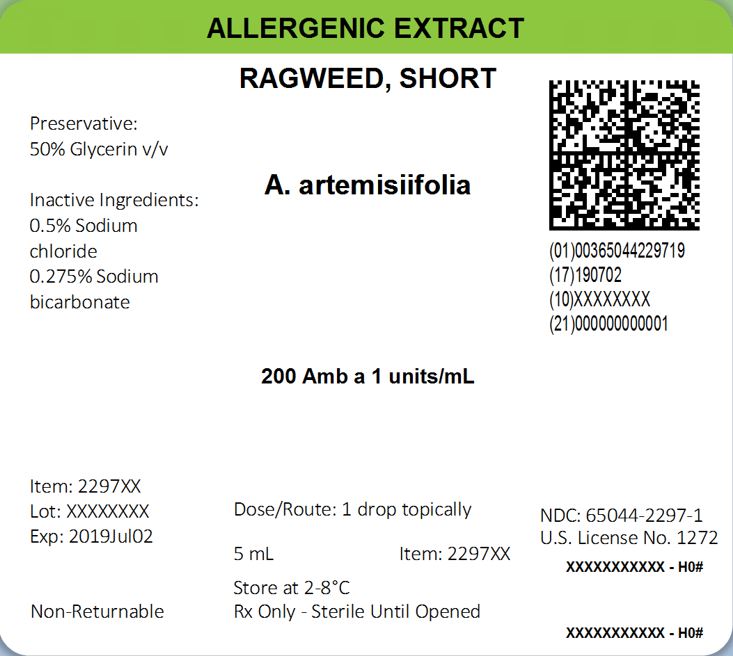
The Amb a 1 assay therefore provides an absolute measure of extract potency related to the Amb a 1 antigen in Short Ragweed, rather than only an expression of extract strength. Ingredients: Active ingredients are the allergen(s) noted on the vial label. Preservative is 50% (v/v) glycerin or 0.4% phenol, as indicated on the vial label.
Glycerinated extracts contain 0.5% sodium chloride, 0.275% sodium bicarbonate and 50% glycerin (v/v) as a preservative. Non-glycerinated extracts contain 0.5% sodium chloride, 0.275% sodium bicarbonate and 0.4% phenol (w/v) as a preservative.
💬 Information for Patients ▾
2. Information for Patients Patients should be instructed in the recognition of adverse reactions to immunotherapy, and in particular, to the symptoms of shock. (See WARNINGS box at the beginning of this package insert.) Patients should be made to understand the importance of a 30 minute observation period following skin testing or therapeutic injections, and be cautioned to return to the office promptly if symptoms occur after leaving.
Patients should be instructed to report any symptoms of exposure to the allergen, so the physician can adjust the dosage appropriately.
⚠️ Precautions ▾
PRECAUTIONS 1. General The presence of asthmatic signs and symptoms appear to be an indicator for severe reactions following allergy injections. An assessment of airway obstruction either by measurement of peak flow or an alternate procedure may provide a useful indicator as to the advisability of administering an allergy injection.
1, 28, 29, 30, 31 Concentrated extracts must not be injected unless tolerance has been established. Concentrated extracts must be diluted prior to use. See DOSAGE AND ADMINISTRATION for detailed instructions on the dilution of allergenic extracts.
Any evidence of a local or generalized reaction requires a reduction in dosage during the initial stages of immunotherapy, as well as during maintenance therapy. Allergenic extracts diluted with sterile Albumin Saline with Phenol (0.4%) may be more potent than extracts diluted with diluents which do not contain stabilizers. When changing from non-stabilized to stabilized diluent, consider weaker initial dilutions for both intradermal testing and immunotherapy.
Dilutions for both intradermal testing and immunotherapy. Sterile solutions, vials, syringes, etc., should be used and aseptic precautions observed in making dilutions. To avoid cross-contamination, do not use the same needle to withdraw materials from vials of more than one extract, or extract followed by diluent.
A sterile tuberculin syringe graduated in 0.01 mL units and with a needle at least 5/8" long should be used to measure each dose from the appropriate dilution. Aseptic techniques should always be employed when injections of allergenic extracts are being administered. A separate sterile syringe should be used for each patient to prevent transmission of hepatitis and other infectious agents from one person to another.
Patient reactions to previous injections should be reviewed before each new injection, so that dosage can be adjusted accordingly. See ADVERSE REACTIONS and WARNINGS . Rarely, a patient is encountered who develops systemic reactions to minute doses of allergen and does not demonstrate increasing tolerance to injections after several months of treatment.
If systemic reactions or excessive local responses occur persistently at very small doses, efforts at immunotherapy should be stopped. PATIENTS SHOULD BE OBSERVED IN THE OFFICE FOR AT LEAST 30 MINUTES AFTER SKIN TESTING AND EACH TREATMENT INJECTION. Most severe reactions will occur within this time period, and rapid treatment measures should be instituted.
See ADVERSE REACTIONS for these treatment measures. 2. Information for Patients Patients should be instructed in the recognition of adverse reactions to immunotherapy, and in particular, to the symptoms of shock.
(See WARNINGS box at the beginning of this package insert.) Patients should be made to understand the importance of a 30 minute observation period following skin testing or therapeutic injections, and be cautioned to return to the office promptly if symptoms occur after leaving. Patients should be instructed to report any symptoms of exposure to the allergen, so the physician can adjust the dosage appropriately. 3.
Drug Interactions Patients with cardiovascular diseases and/or pulmonary diseases such as symptomatic unstable, steroid-dependent asthma, and/or those who are receiving cardiovascular drugs such as beta blockers, may be at higher risk for severe adverse reactions. These patients may also be more refractory to the normal allergy treatment regimen. Patients should be treated only if the benefit of treatment outweighs the risks.
1 Patients on beta blockers may be more reactive to allergens given for testing or treatment and may be unresponsive to the usual doses of epinephrine used to treat allergic reactions. 2 (See WARNINGS .) Certain medications may lessen the skin test wheal and erythema responses elicited by allergens and histamine for varying time periods. Conventional antihistamines should be discontinued at least 5 days before skin testing.
Long actin… [Excerpted — this section continues on DailyMed.]
🍼 Nursing Mothers ▾
6. Nursing Mothers There are no current studies on the secretion of allergenic extract components in human milk or their effect on the nursing infant. Because many drugs are excreted in human milk, caution should be exercised when allergenic extracts are administered to a nursing woman.
📄 Carcinogenesis, Mutagenesis, Impairment of Fertility ▾
4. Carcinogenesis, Mutagenesis, Impairment of Fertility Long-term studies in animals have not been conducted with allergenic extracts to determine their potential for carcinogenicity, mutagenicity, or impairment of fertility.
📚 References ▾
REFERENCES 1. Lockey, R.F., L.M. Benedict, P.C.
Turkeltaub, S.C. Bukantz. Fatalities from immunotherapy (IT) and skin testing (ST).
J. Allergy Clin. Immunol.
79 (4): 660-677, April 1987. 2. Jacobs, R.L., G.W.
Rake, Jr. et al. Potentiated anaphylaxis in patients with drug induced beta-adrenergic blockade. J.
Allergy and Clin. Immunol. 68 (2): 125-127, August 1981.
3. Griffith, I.J., J. Pollock, D.G.
Klapper, B.L. Rogers and A.K. Nault,.
Sequence Polymorphism of Amb a I and Amb a II, the Major Allergens in Ambrosia artemisiifolia (Short Ragweed). Int. Arch.
Allergy Apply. Immunol., 96: 296-304, 1991. 4.
Underdown, B.J. and L. Goodfriend. Isolation and characterization of an allergen from short ragweed pollen.
Biochem. 8 (3): 980-989, 1969. 5.
Griffiths, B.W. and R. Brunet. Isolation of a basic protein antigen of low ragweed pollen.
Can. J. Biochem.
49 (3): 396-400, 1971. 6. Lapkoff, C.B. and L.
Goodfriend. Isolation of a low molecular weight ragweed allergen: Ra-5. Int.
Arch. Allergy Appl. Immunol.
46 (2): 215-229, 1974. 7. Hussain, R. and D.G.
Marsh. Characterization and allergenic activity of ragweed allergens Ra-6, Ra-7, Ra-8. J.
Allergy Clin. Immunol. 65 (3): 230, abstr.
218, 1980. 8. Goodfriend, L., A.M.
Choudhury, J. Del Carpio and T.P. King.
Cytochrome C: New ragweed pollen allergen. Fed. Proc.
38 (3, part II): 1415, abstr. 6261, 1979. 9.
Norman, P.S. Postgraduate Course Presentation. An overview of immunotherapy, implications for the future.
J. Allergy Clin. Immunol.
65 (2): 87-96, 1980. 10. Lowell, F.C., W.
Franklin. A "double-blind" study of treatment with aqueous allergenic extracts in cases of allergic rhinitis. J.
Allergy 34 (2): 165-182, 1983. 11. Lowell, F.C., W.
Franklin. A double-blind study of the effectiveness and specificity of injection therapy in ragweed hay fever. N.
Eng. J. Med.
273 (13): 675-679, 1965. 12. Zavazal, V., A.
Stajner. Immunologic changes during specific treatment of the atopic state. II.
Acta. Allergol. 25 (1): 11-17, 1970.
13. Reisman, R.E., J.I. Wypych, E.E.
Arbesman. Relationships of immunotherapy, seasonal pollen exposure and clinical response to serum concentrations of total IgE and ragweed-specific IgE. Int.
Arch. Allergy Appl. Immunol.
48 (6): 721-730, 1975. 14. Chapman, M.D., T.A.E.
Platts-Mills, M. Gabriel, H.K. Ng, W.G.L.
Allen, L.E. Hill, A.J. Nunn.
Antibody response following prolonged hyposensitization with Dermatophagoides pteronyssinus extract. Int. Arch.
Allergy Appl. Immunol. 61: 431-440, 1980.
15. Norman, P.S., W.L. Winkenwerder.
Maintenance immunotherapy in ragweed hay fever. J. Allergy 74: 273-282, 1971.
16. Norman, P.S., W.L. Winkenwerder, L.M.
Lichtenstein. Immunotherapy of hay fever with ragweed Antigen E; comparisons with whole pollen extract and placebos. J.Allergy 42: 93-108, 1968.
17. Ohman, J.L., S.R. Findlay, K.
Leiterman. Immunotherapy in cat-induced asthma: double-blind trial with evaluation of in vivo and vitro responses. J.
Allergy Clin. Immunol. 74: 230, 1984.
18. Sundin, B., G. Lilja, V.
Graff-Lonnevig, G. Hedlin, H. Heilborn, K.
Norrlind, K-O Pegelow, and H. Lowenstein. Immunotherapy with partially purified and standardized animal dander extracts.
I Clinical results from a double-blind study on patients with animal dander asthma. J. Allergy Clin.
Immunol. 77: 478, 1986. 19.
Hunt, K.J., Valentine, M.D., Sobotka, A.K., Benton, A.W., Amodio, F.J., and Lichtenstein, L.M. A controlled trial of immunotherapy in insect hypersensitivity. New Eng.
J. Med. 299: 157-161, July 27, 1978.
20. Middleton, E., C.E. Reed and E.F.
Ellis (Eds.). Allergy Principles and Practice. C.V.
Mosby Co., St. Louis, 1978, pp. 877-898.
21. Sheldon, J.M., R.G. Lovell and K.P.
Mathews. A Manual of Clinical Allergy, Second Edition, W.B. Saunders, Philadelphia, 1967, pp.
107-112. 22. Sherman, W.B.
Hypersensitivity Mechanism and Management. W.B. Saunders, Philadelphia, 1968, pp.
169-172. 23. Swineford, O.
Asthma and Hay Fever. Charles C. Thomas, Springfield, IL, 1971, pp.
148-155. 24. Pauli, G… [Excerpted — this section continues on DailyMed.]
📄 Package Label / Principal Display Panel ▾
Example Vial Label
About this NDC listing & data coverage
What data is (and isn’t) available for this NDC — tap to expand
| NDC identity (package / product / labeler codes) | ✓ Available |
| Labeler | ✓ Available |
| Product & package description | ✓ Available |
| Marketing category & status | ✓ Available |
| Active ingredient / dosage form / route | ✓ Available |
| FDA label (SPL via DailyMed) | ✓ Available |
| Package photos | ✓ Available |
| Inactive ingredients (structured) | ✓ Available |
| NADAC pharmacy acquisition price (CMS) | — Not published for this NDC CMS publishes NADAC only for NDCs reported in its retail-pharmacy survey. |
| Orange Book / therapeutic-equivalence data | ✓ Available |
| HCPCS J-code billing crosswalk | — Not published for this NDC Most self-administered / retail products have no J-code — that is normal. |
| Medicaid utilization (CMS SDUD) | — Not published for this NDC CMS reports utilization only for NDCs with Medicaid claims above its privacy threshold. |