
Clozapine 200 mg Tablet, 500-count — NDC 65862-847-05 (Billing 65862-0847-05)
This is a package of 500 tablets of Clozapine 200 mg Tablet from Aurobindo Pharma Limited, marketed since Jan 2024 and currently FDA-listed.
NDC database record
One package, one record: these facts belong to NDC 65862-847-05 alone.
- Record
- FDA NDC Directory package listing · Drug for further processing
- Code segments
- 65862 labeler · 847 product · 05 package
- Listing certified through
- Dec 31, 2026
- Barcode (UPC-A, from the NDC)
- 3 6586284705 8
- FDA record last changed
- Oct 2, 2026
Identity & classification
Regulatory identifiers FDA, NLM and CMS codes for this package
Drug-database identifiers Medi-Span GPI and First Databank GCN / HICL / AHFS classification
- GSN (GCN sequence number): 046416
- GCN: 31672
- GPI-14 (Medi-Span): 59152020000340
- HICL (First Databank): 004834
- AHFS class code: 28:16.08.04
Where does this data come from?
- FDA openFDA NDC Directory · synced Oct 1, 2026
- FDA label on DailyMed · label index refreshed Oct 5, 2026
- RxNorm (NLM RxNav) · catalog refreshed Oct 1, 2026
- Medi-Span GPI (licensed)
- First Databank (licensed) · refreshed Oct 1, 2026
Clinical
Clozapine is used to treat schizophrenia (a mental illness that affects how a person thinks, feels or behaves) in certain people. Clozapine is in a class of medications called atypical antipsychotics. It works by changing the activity of certain natural substances in the brain.
Read the full MedlinePlus article ↗- Clozapine is for severely ill people with schizophrenia who haven't responded well enough to standard antipsychotics. It is also used to lower the risk of repeated suicidal behavio...
- Clozapine can cause a severe drop in white blood cells, which fight infection. Your count is checked before you start and regularly during treatment. Call your doctor right away if...
- You take it by mouth, once or twice a day, with or without food. Your dose starts very low and goes up slowly over a couple of weeks. Follow your prescriber's directions and don't...
- How do I take it, and can I take it with food?
Patient education
Supplement & herbal interactions
Some supplements/herbs that may interact with Clozapine — tap one for details:
Clozapine may be associated with lower levels of 1 nutrient — worth a chat with your pharmacist, not a cause for alarm.
Where does this data come from?
- MedlinePlus (NLM) · refreshed Oct 1, 2026
- FDA label on DailyMed · label index refreshed Oct 5, 2026
Ask a licensed pharmacist directly — free, answered by our team.
Pricing
A drug doesn't have one price. Each row is a different public payment system, and none is what you'd pay at the counter — that depends on your insurance. The ⓘ on each row explains what it measures.
| Price system | Per each | Per package |
|---|---|---|
| Retail pharmacies payNADAC · weekly | Not in the retail survey — common for institutional, discontinued, or low-volume packs. | |
| Medicaid paysCMS SDUD · 12 mo | No recent Medicaid claims on file for this NDC — rare and low-volume NDCs are suppressed in the public data. | |
| Medicare drug plans payPart D · Q2 2026 | $0.3961 | $198.05 / 500 tablets |
Where does this data come from?
- CMS NADAC weekly file
- CMS ASP pricing files · refreshed Sep 20, 2026
- CMS Medicaid State Drug Utilization Data · refreshed Oct 5, 2026
- CMS Part D plan pricing files · refreshed Sep 24, 2026
- VA National Acquisition Center price file
Packaging — all sizes for this product
| Package NDC | Description | Per unit | Per pack | Marketing start | Marketing end | Status |
|---|---|---|---|---|---|---|
| 65862-0847-01 65862-847-01 Main listing | 100 TABLET in 1 BOTTLE | $0.9689 / ea | $96.89 | 2016-11-29 | — | Active |
| 65862-0847-05 You're viewing this | 500 TABLET in 1 BOTTLE | — | — | 2016-11-29 | — | Active |
| 65862-0847-78 65862-847-78 | 10 BLISTER PACK in 1 CARTON / 10 TABLET in 1 BLISTER PACK | — | — | 2016-11-29 | — | Active |
| 65862-0847-22 65862-847-22 | 2000 TABLET in 1 BAG | — | — | — | — | Active |
This pack shows little to no recent Medicaid volume — the 100 tablets pack carries most fills. See all packs ↓
Pack size FAQ
What quantity is in this package?
How does this package differ from NDC 65862-0847-01?
What NDC number is used to bill for this package of Clozapine 200 mg Tablet?
Prices are the latest CMS NADAC pharmacy acquisition cost per NDC; per-pack figures are per-unit × pack quantity, shown only when the pack is denominated in the same measure NADAC prices.
Therapeutic equivalents
| Product | Labeler | Pack | NADAC/unit | TE | Status | Price vs. this |
|---|---|---|---|---|---|---|
| Clozapine 200 mg 00378-0973-01 | Mylan | 100 tablets | $0.969 | AB | Availability likely | — |
| Clozapine 200 mg 00904-7088-61 | Major | 100 tablets | $0.969 | AB | Availability likely | — |
| Clozapine 200 mg 51079-0749-20 | Mylan | 100 tablets | $0.969 | AB | Availability likely | — |
| Clozapine 200 mg 60687-0426-01 | American | 100 tablets | $0.969 | AB | Availability likely | — |
| Clozapine 200 mg 48433-0025-20 | Safecor | 100 tablets | — | AB | FDA listed | — |
| Clozapine 200 mgthis 65862-0847-05 | Aurobindo | 500 tablets | — | — | FDA listed | — |
| Clozapine 200 mg 72603-0914-01 | NorthStar | 100 tablets | — | AB | FDA listed | — |
Where does this data come from?
- FDA openFDA NDC Directory · synced Oct 1, 2026
- FDA Orange Book · refreshed Oct 3, 2026
- CMS NADAC weekly file
Availability & generic status
FDA-approved generic versions are listed, and recent pricing/market data suggests they may be available — see Therapeutic equivalents.
Where does this data come from?
- FDA Orange Book · refreshed Oct 3, 2026
What it looks like
Where does this data come from?
- FDA label on DailyMed · label index refreshed Oct 5, 2026
Inactive Ingredients / Excipients
Inactive ingredients, also called excipients, are components of the drug product other than the active ingredient. They may include fillers, dyes, coatings, preservatives, flavors, or other formulation ingredients.
🧪 Avoiding an ingredient? See Clozapine inactive ingredients by manufacturer: every current product's list side by side, so you can ask your pharmacy for the version that does not list it.
💡 Tap an ingredient (hover on desktop) to see what it is and why it’s used.
-
UNII EWQ57Q8I5X
Lactose monohydrate is a natural sugar derived from milk. It serves as a filler and binder in tablets and capsules, helping create the proper size, texture, and consistency of the medicine.
-
UNII 70097M6I30
Magnesium stearate is a salt made from magnesium and stearic acid, a fatty substance. It's used in tablets and capsules as a lubricant and glidant to help ingredients flow smoothly during manufacturing and prevent sticking.
-
UNII U725QWY32X
Povidone K30 is a synthetic polymer made from petroleum. It acts as a binder to hold tablet ingredients together and as a disintegrant to help the tablet break apart in the stomach so the medicine can be absorbed.
-
UNII ETJ7Z6XBU4
Silicon dioxide is a naturally occurring mineral used as a glidant and anti-caking agent. It helps powder ingredients flow smoothly and prevents clumping during manufacturing and storage.
-
UNII O8232NY3SJ
A plant-based carbohydrate derived from corn kernels. It acts as a filler to add bulk, a binder to hold ingredients together, and a disintegrant to help the tablet break apart in your stomach for absorption.
-
UNII 7SEV7J4R1U
A powder made from a naturally occurring mineral. In medicines, talc works as a glidant and anti-caking agent, helping tablets and capsules flow smoothly during manufacturing and preventing clumping.
6 inactive ingredients listed in the exact product block matched to this NDC.
Where does this data come from?
ingredient classCode="IACT" elements from the exact product block matched by this NDC. Label-section narrative from DailyMed / the openFDA label index is shown separately when available.- FDA label on DailyMed · label index refreshed Oct 5, 2026
- FDA openFDA NDC Directory · synced Oct 1, 2026
Inactive ingredient FAQ
Are inactive ingredients the same for every manufacturer?
Why might an inactive ingredient be missing?
Can inactive ingredients matter?
Manufacturer & labeler
More NDCs from Aurobindo Pharma Limited labeler code 65862
- Entecavir .5 mg Tablet NDC 65862-841-30
- Entecavir 1 mg Tablet NDC 65862-842-30
- Montelukast Sodium 50 kg/50kg Powder NDC 65862-843-37
- Clozapine 25 mg Tablet NDC 65862-844-01
- Clozapine 50 mg Tablet NDC 65862-845-01
- Clozapine 100 mg Tablet NDC 65862-846-01
- Ayuna Levonorgestrel and Ethinyl Estradiol Kit NDC 65862-848-88
- Afirmelle Levonorgestrel and Ethinyl Estradiol Kit NDC 65862-849-88
- Tadalafil 2.5 mg Tablet, Film Coated NDC 65862-850-30
- Tadalafil 5 mg Tablet, Film Coated NDC 65862-851-30
- Tadalafil 10 mg Tablet, Film Coated NDC 65862-852-05
- Tadalafil 20 mg Tablet, Film Coated NDC 65862-853-05
Where does this data come from?
- FDA openFDA NDC Directory · synced Oct 1, 2026
- Drugs@FDA
Full FDA label FDA SPL
🚨 Boxed Warning ▾
WARNING: SEVERE NEUTROPENIA; ORTHOSTATIC HYPOTENSION, BRADYCARDIA, AND SYNCOPE; SEIZURE; MYOCARDITIS, PERICARDITIS, AND CARDIOMYOPATHY; INCREASED MORTALITY IN ELDERLY PATIENTS WITH DEMENTIA-RELATED PSYCHOSIS Severe Neutropenia Clozapine has caused severe neutropenia which is associated with an increased risk of serious and potentially fatal infections. Prior to initiating clozapine treatment, obtain baseline ANC(s). Clozapine initiation is not recommended in patients with a baseline ANC less than 1500/μL (less than 1000/μL for those with Benign Ethnic Neutropenia (also known as Duffy-null associated neutrophil count)).
See recommendations for dosage modifications based on ANC levels during clozapine treatment [see Dosage and Administration (2.3 , 2.4) ]. Consider a hematology consultation before initiating clozapine or during clozapine treatment [see Warnings and Precautions (5.1) ]. Orthostatic Hypotension, Bradycardia, Syncope Orthostatic hypotension, bradycardia, syncope, and cardiac arrest have occurred with clozapine treatment.
The risk is highest during the initial titration period, particularly with rapid dose escalation. These reactions can occur with the first dose, with doses as low as 12.5 mg per day , or when restarting patients who have had even a brief interruption in treatment with clozapine. Initiate treatment at 12.5 mg once or twice daily; titrate slowly; and use divided dosages to minimize risk .
Use clozapine cautiously in patients with cardiovascular or cerebrovascular disease or conditions predisposing to hypotension (e.g., dehydration, use of antihypertensive medications) [see Dosage and Administration (2.2 , 2.6) , Warnings and Precautions (5.2) ]. Seizures Seizures have occurred with clozapine treatment. The risk is dose-related.
Initiate treatment at 12.5 mg, titrate gradually, and use divided dosing. Use caution when administering clozapine to patients with a history of seizures or other predisposing risk factors for seizure (CNS pathology, medications that lower the seizure threshold, alcohol abuse). Caution patients about engaging in any activity where sudden loss of consciousness could cause serious risk to themselves or others [see Dosage and Administration (2.2) , Warnings and Precautions (5.4) ].
Myocarditis, Pericarditis, Cardiomyopathy and Mitral Valve Incompetence Fatal myocarditis and cardiomyopathy have occurred with clozapine treatment. Discontinue clozapine and obtain a cardiac evaluation upon suspicion of these reactions. Generally, patients with clozapine-related myocarditis or cardiomyopathy should not be rechallenged with clozapine .
Consider the possibility of myocarditis, pericarditis, or cardiomyopathy if chest pain, tachycardia, palpitations, dyspnea, fever, flu-like symptoms, hypotension, or ECG changes occur [see Warnings and Precautions (5.5) ] . Increased Mortality in Elderly Patients with Dementia-Related Psychosis Elderly patients with dementia-related psychosis treated with antipsychotic drugs are at an increased risk of death. C lozapine is not approved for use in patients with dementia-related psychosis [see Warnings and Precautions (5.6) ].
WARNING: SEVERE NEUTROPENIA; ORTHOSTATIC HYPOTENSION, BRADYCARDIA, AND SYNCOPE; SEIZURE; MYOCARDITIS, PERICARDITIS, AND CARDIOMYOPATHY; INCREASED MORTALITY IN ELDERLY PATIENTS WITH DEMENTIA-RELATED PSYCHOSIS See full prescribing information for complete boxed warning . Severe Neutropenia: Clozapine has caused severe neutropenia, which is associated with an increased risk of serious and fatal infections. Prior to initiating clozapine treatment, obtain baseline ANC(s).
Clozapine initiation is not recommended in patients with a baseline ANC less than 1500/μL (less than 1000/μL for those with Benign Ethnic Neutropenia (also known as Duffy-null associated neutrophil count)). See recommendations for dosage modifications based on ANC levels during clozapine treatment ( 2.3 , 2.4 , 5.1 ). Orthostatic Hypotension, Bradycardia, and Syncope: Ri… [Excerpted — this section continues on DailyMed.]
🎯 Indications and Usage ▾
1 INDICATIONS AND USAGE Clozapine tablets are an atypical antipsychotic indicated for: Treatment of severely ill patients with schizophrenia who fail to respond adequately to standard antipsychotic treatment. Because of the risks of severe neutropenia and of seizure associated with its use, clozapine tablets should be used only in patients who have failed to respond adequately to standard antipsychotic treatment. ( 1.1 ) Reducing the risk of recurrent suicidal behavior in patients with schizophrenia or schizoaffective disorder who are judged to be at chronic risk for re-experiencing suicidal behavior.
( 1.2 )
1.1Treatment-Resistant Schizophrenia Clozapine tablets are indicated for the treatment of severely ill patients with schizophrenia who fail to respond adequately to standard antipsychotic treatment. Because of the risks of severe neutropenia and of seizure associated with its use, clozapine tablets should be used only in patients who have failed to respond adequately to standard antipsychotic treatment [see Warnings and Precautions (5.1 , 5.4) ]. The effectiveness of clozapine tablets in treatment-resistant schizophrenia was demonstrated in a 6-week, randomized, double-blind, active-controlled study comparing clozapine tablets and chlorpromazine in patients who had failed other antipsychotics [see Clinical Studies (14.1) ].
1.2Reduction in the Risk of Recurrent Suicidal Behavior in Schizophrenia or Schizoaffective Disorder Clozapine tablets are indicated for reducing the risk of recurrent suicidal behavior in patients with schizophrenia or schizoaffective disorder who are judged to be at chronic risk for re-experiencing suicidal behavior, based on history and recent clinical state. Suicidal behavior refers to actions by a patient that put him/herself at risk for death. The effectiveness of clozapine tablets in reducing the risk of recurrent suicidal behavior was demonstrated over a two-year treatment period in the InterSePT™ trial [see Clinical Studies (14.2) ] .
⏱️ Dosage and Administration ▾
2 DOSAGE AND ADMINISTRATION Recommended starting oral dosage is 12.5 mg once daily or twice daily. ( 2.2 ) If well-tolerated, increase the total daily dosage in increments of 25 mg to 50 mg per day to achieve a target dosage of 150 mg to 225 mg twice per day by the end of two weeks ( 2.2 ). Subsequently may increase the dosage in increments up to 100 mg once or twice weekly ( 2.2 ).
Maximum daily dosage is 450 mg twice daily ( 2.2 ). Administer with or without food ( 2.2 ). See the dosage modifications based on ANC results and recommended frequency of ANC testing in the full prescribing information ( 2.3 , 2.4 ).
See recommendations for discontinuing clozapine tablets treatment (2.5), restarting clozapine tablets after interrupting dosing ( 2.6 ), dosage modifications for drug interactions (2.7), dosage recommendations in patients with renal or hepatic impairment and CYP2D6 poor metabolizers ( 2.8 ) in the full prescribing information.
2.1Absolute Neutrophil Count Testing Prior to Clozapine Tablets Initiation Prior to initiating clozapine tablets treatment, obtain a baseline absolute neutrophil count (ANC). Clozapine tablets initiation is not recommended in patients with an ANC less than 1500/μL [see Warnings and Precautions (5.1) ] . For patients with documented Benign Ethnic Neutropenia (BEN) (also known as Duffy-null associated neutrophil count), obtain at least two baseline ANC levels.
Clozapine tablets initiation is not recommended in patients with BEN with an ANC less than 1000/μL [see Warnings and Precautions (5.1) ] . For dosage modifications based on ANC results, see Dosage and Administration (2.3 , 2.4) .
2.2Recommended Dosage and Administration To reduce the risk of orthostatic hypotension, bradycardia, and syncope, the recommended starting dosage is much lower than the target dosage [see Warnings and Precautions (5.2) ] . Clozapine tablets can be taken with or without food [see Clinical Pharmacology (12.3) ] . The recommended starting oral dosage of clozapine tablets is 12.5 mg once or twice daily.
If well-tolerated, increase the total daily dose in increments of 25 mg to 50 mg per day to achieve a target dosage of 150 mg to 225 mg twice per day by the end of two weeks. Subsequently, may increase the dosage in increments of up to 100 mg once weekly or twice weekly. The maximum recommended clozapine tablets oral dosage is 450 mg twice daily.
2.3Dosage Modifications Based on ANC Results Table 1 provides recommended clozapine tablets dosage modifications based on ANC results [see Warnings and Precautions (5.1) ]. For dosage modifications based on ANC results for patients with Benign Ethnic Neutropenia (BEN) (also known as Duffy-null associated neutrophil count), see Table 2 [see Dosage and Administration (2.4) ]. Table 1.
Clozapine Tablets Dosage Modifications Based on ANC Results and Frequency of ANC Testing 1 Confirm all initial reports of ANC less than 1500/μL with a repeat ANC measurement within 24 hours Recommended Dosage Modification Recommended Frequency of ANC Testing During Clozapine Tablets Treatment ANC Within Normal Range (≥ 1500/μL) No dosage modification; continue treatment Day 1 to Month 6: Weekly Month 7 to Month 12: Every 2 weeks Month 13 and thereafter: Every month If clozapine tablets treatment is reinitiated after a dosage interruption (e.g., patient had neutropenia which required dosage interruption and now has a normal ANC level) for: < 30 days, continue the previous ANC testing frequency ≥ 30 days, obtain ANC tests according to the frequency for patients who initiate treatment Mild Neutropenia (ANC between 1000 to 1499/μL) 1 No dosage modification; continue treatment Three times weekly Once ANC ≥ 1500/μL, recommend returning to the patient’s last Normal Range ANC testing frequency Moderate Neutropenia (ANC between 500 to 999/μL) 1 Interrupt treatment and recommend hematology consultation Resume treatment once ANC ≥1000/μL Daily Once ANC ≥ 1000/μL, three times weekly Once ANC ≥ 1500/μL, test w… [Excerpted — this section continues on DailyMed.]
💊 Dosage Forms and Strengths ▾
3 DOSAGE FORMS AND STRENGTHS Clozapine Tablets USP, 25 mg are pale yellow colored, round, flat faced, bevel edged uncoated tablets debossed with ‘C facilitated scoreline (functional) C’ on one side and ‘54’ on the other side. Clozapine Tablets USP, 50 mg are pale yellow colored, round, flat faced, bevel edged uncoated tablets debossed with ‘C facilitated scoreline (functional) C’ on one side and ‘55’ on the other side. Clozapine Tablets USP, 100 mg are pale yellow colored, round, flat faced, bevel edged uncoated tablets debossed with ‘C facilitated scoreline (functional) C’ on one side and ‘57’ on the other side.
Clozapine Tablets USP, 200 mg are pale yellow colored, oval shaped, uncoated tablets debossed with ‘C scoreline (functional) C’ on one side and ‘71’ on the other side. 25 mg, 50 mg, 100 mg and 200 mg tablets with score on one side (3)
⛔ Contraindications ▾
4 CONTRAINDICATIONS Clozapine tablets are contraindicated in patients with a history of hypersensitivity to clozapine (e.g., photosensitivity, vasculitis, erythema multiforme, or Stevens-Johnson syndrome) or any other component of clozapine tablets [see Adverse Reactions (6.2) ] . Known hypersensitivity to clozapine or any other component of clozapine tablets. ( 4 )
⚠️ Warnings and Cautions ▾
5 WARNINGS AND PRECAUTIONS Severe neutropenia: See Boxed Warning ( 5.1 ) Gastrointestinal Hypomotility with Severe Complications : Severe gastrointestinal adverse reactions have occurred with the use of clozapine. If constipation is identified, close monitoring and prompt treatment is advised. ( 5.7 ) Eosinophilia : Assess for organ involvement (e.g., myocarditis, pancreatitis, hepatitis, colitis, nephritis).
Discontinue if these occur. ( 5.8 ) QT Interval Prolongation : Can be fatal. Consider additional risk factors for prolonged QT interval (disorders and drugs).
( 5.9 ) Metabolic Changes : Atypical antipsychotic drugs have been associated with metabolic changes that may increase cardiovascular/cerebrovascular risk. These metabolic changes include: Hyperglycemia and Diabetes Mellitus: Monitor for symptoms of hyperglycemia including polydipsia, polyuria, polyphagia, and weakness. Monitor glucose regularly in patients with diabetes or at risk for diabetes.
( 5.10 ) Dyslipidemia: Undesirable alterations in lipids have occurred in patients treated with atypical antipsychotics. ( 5.10 ) Weight Gain: Significant weight gain has occurred. Monitor weight gain.
( 5.10 ) Neuroleptic Malignant Syndrome (NMS) : Immediately discontinue and monitor closely. Assess for co-morbid conditions. ( 5.11 ) Hepatotoxicity : Can be fatal.
Monitor for hepatotoxicity. Discontinue treatment if hepatitis or transaminase elevations combined with other symptoms occur ( 5.12 ). Fever : Evaluate for infection and for neutropenia, NMS.
( 5.13 ) Pulmonary Embolism (PE) : Consider PE if respiratory distress, chest pain, or deep-vein thrombosis occur. ( 5.14 ) Anticholinergic Toxicity : When possible, avoid use with other anticholinergic drugs and use with caution in patients with a current diagnosis or prior history of constipation, urinary retention, clinically significant prostatic hypertrophy, or other conditions in which anticholinergic effects can lead to significant adverse reactions. ( 5.15 , 7.1 ) Interference with Cognitive and Motor Performance : Advise caution when operating machinery, including automobiles.
( 5.16 )
5.1Severe Neutropenia Clozapine has caused severe neutropenia (absolute neutrophil count (ANC) less than 500/μL) [see Adverse Reactions (6.1 , 6.2) ] and is associated with an increased risk of serious and potentially fatal infections. Severe neutropenia occurred in a small percentage of clozapine-treated patients. The risk of severe neutropenia appears greatest during the first 18 weeks of clozapine treatment.
The mechanism by which clozapine causes neutropenia is unknown. Neutropenia is not dose dependent. Consider a hematology consultation before initiating clozapine treatment or during treatment.
ANC Monitoring and Dosage Modifications Prior to initiating clozapine treatment, obtain a baseline ANC. Clozapine initiation is not recommended in patients with a baseline ANC less than 1500/μL. Throughout clozapine treatment, regularly monitor ANC.
Table 1 provides recommendations for dosage modifications (dosage interruption and treatment discontinuation), based on ANC levels, during clozapine treatment and frequency of ANC monitoring [see Dosage and Administration (2.3) ]. ANC Monitoring and Dosage Modification in Patients with Benign Ethnic Neutropenia Patients with Benign Ethnic Neutropenia (BEN) (also known as Duffy-null associated neutrophil count) generally have lower baseline neutrophil counts but they are not at higher risk for developing infections, and they are not at increased risk for developing clozapine-induced neutropenia.
For patients with documented BEN, obtain at least two baseline ANC levels prior to clozapine initiation. Clozapine initiation is not recommended in patients with BEN with an ANC less than 1000/μL. There are different ANC dosage modification recommendations in clozapine-treated patients with BEN due to their lower baseline ANC levels.
Table 2 provides recommendations on dosage modifications (dosage inter… [Excerpted — this section continues on DailyMed.]
🤒 Adverse Reactions ▾
6 ADVERSE REACTIONS The following adverse reactions are discussed in more detail in other sections of the labeling: Severe Neutropenia [see Warnings and Precautions (5.1) ] Orthostatic Hypotension, Bradycardia, and Syncope [see Warnings and Precautions (5.2) ] Falls [see Warnings and Precautions (5.3) ] Seizures [see Warnings and Precautions (5.4) ] Myocarditis, Pericarditis, Cardiomyopathy, and Mitral Valve Incompetence [see Warnings and Precautions (5.5) ] Increased Mortality in Elderly Patients with Dementia-Related Psychosis [see Warnings and Precautions (5.6) ] Gastrointestinal Hypomotility with Severe Complications [See Warnings and Precautions (5.7) ] Eosinophilia [see Warnings and Precautions (5.8) ] QT Interval Prolongation [see Warnings and Precautions (5.9) ] Metabolic Changes (Hyperglycemia and Diabetes Mellitus, Dyslipidemia, and Weight Gain) [see Warnings and Precautions (5.10) ] Neuroleptic Malignant Syndrome [see Warnings and Precautions (5.11) ] Hepatotoxicity [see Warnings and Precautions (5.12) ] Fever [see Warnings and Precautions (5.13) ] Pulmonary Embolism [see Warnings and Precautions (5.14) ] Anticholinergic Toxicity [see Warnings and Precautions (5.15) ] Interference with Cognitive and Motor Performance [see Warnings and Precautions (5.16) ] Tardive Dyskinesia [see Warnings and Precautions (5.17) ] Cerebrovascular Adverse Reactions [see Warnings and Precautions (5.18) ] Recurrence of Psychosis and Cholinergic Rebound after Abrupt Discontinuation [see Warnings and Precautions (5.19) ] Most common adverse reactions (≥5%) were: CNS reactions (sedation, dizziness/vertigo, headache, and tremor); cardiovascular reactions (tachycardia, hypotension, and syncope); autonomic nervous system reactions (hypersalivation, sweating, dry mouth, and visual disturbances); gastrointestinal reactions (constipation and nausea); and fever.
(6.1) To report SUSPECTED ADVERSE REACTIONS, contact Aurobindo Pharma USA, Inc. at 1-866-850-2876 or FDA at 1-800-FDA-1088 or www.fda.gov/medwatch.
6.1Clinical Trials Experience Because clinical trials are conducted under widely varying conditions, adverse reaction rates observed in the clinical trials of a drug cannot be directly compared to rates in the clinical trials of another drug and may not reflect the rates observed in clinical practice. The most commonly reported adverse reactions (≥5%) across clozapine clinical trials were: CNS reactions, including sedation, dizziness/vertigo, headache, and tremor; cardiovascular reactions, including tachycardia, hypotension, and syncope; autonomic nervous system reactions, including hypersalivation, sweating, dry mouth, and visual disturbances; gastrointestinal reactions, including constipation and nausea; and fever.
Table 9 summarizes the most commonly reported adverse reactions (≥5%) in clozapine-treated patients (compared to chlorpromazine-treated patients) in the pivotal, 6-week, controlled trial in treatment-resistant schizophrenia. Table 9. Common Adverse Reactions (≥5%) in the 6-Week, Randomized, Chlorpromazine-controlled Trial in Treatment-Resistant Schizophrenia Adverse Reaction Clozapine (N=126) (%) Chlorpromazine (N=142) (%) Sedation 21 13 Tachycardia 17 11 Constipation 16 12 Dizziness 14 16 Hypotension 13 38 Fever (hyperthermia) 13 4 Hypersalivation 13 1 Hypertension 12 5 Headache 10 10 Nausea/vomiting 10 12 Dry mouth 5 20 Table 10 summarizes the adverse reactions reported in clozapine-treated patients at a frequency of 2% or greater across all clozapine studies (excluding the 2-year InterSePT™ Study).
These rates are not adjusted for duration of exposure. Table 10. Adverse Reactions (≥2%) Reported in Clozapine-treated Patients (N=842) Across all Clozapine Studies (excluding the 2-year InterSePT TM Study) Body System Adverse Reaction* Clozapine N=842 Percentage of Patients Central Nervous System Drowsiness/Sedation 39 Dizziness/Vertigo 19 Headache 7 Tremor 6 Syncope 6 Disturbed Sleep/Nightmares 4 Restlessness 4 Hypokinesia/Akinesia… [Excerpted — this section continues on DailyMed.]
🔄 Drug Interactions ▾
7 DRUG INTERACTIONS Concomitant use of Strong CYP1A2 Inhibitors : Reduce clozapine dose to one-third when coadministered with strong CYP1A2 inhibitors (e.g., fluvoxamine, ciprofloxacin, enoxacin). ( 2.7 , 7.1 ) Concomitant use of Strong CYP3A4 Inducers is not recommended. ( 2.7 , 7.1 ) Discontinuation of CYP1A2 or CYP3A4 Inducers : Consider reducing clozapine dose when CYP1A2 inducers (e.g., tobacco smoke) or CYP3A4 inducers (e.g., carbamazepine) are discontinued.
( 2.7 , 7.1 ) Anticholinergic drugs: Concomitant use may increase the risk for anticholinergic toxicity. ( 5.7 , 5.15 , 7.1 )
7.1Potential for Other Drugs to Affect Clozapine Clozapine is a substrate for many cytochrome P450 isozymes, in particular CYP1A2, CYP3A4, and CYP2D6. Use caution when administering clozapine concomitantly with drugs that are inducers or inhibitors of these enzymes. CYP1A2 Inhibitors Concomitant use of clozapine and CYP1A2 inhibitors can increase plasma levels of clozapine, potentially resulting in adverse reactions.
Reduce the clozapine dose to one-third of the original dose when clozapine is coadministered with strong CYP1A2 inhibitors (e.g., fluvoxamine, ciprofloxacin, or enoxacin). The clozapine dose should be increased to the original dose when coadministration of strong CYP1A2 inhibitors is discontinued [see Dosage and Administration (2.7) , Clinical Pharmacology (12.3) ]. Moderate or weak CYP1A2 inhibitors include oral contraceptives and caffeine.
Monitor patients closely when clozapine is coadministered with these inhibitors. Consider reducing the clozapine dosage if necessary [see Dosage and Administration (2.7) ]. CYP2D6 and CYP3A4 Inhibitors Concomitant treatment with clozapine and CYP2D6 or CYP3A4 inhibitors (e.g., cimetidine, escitalopram, erythromycin, paroxetine, bupropion, fluoxetine, quinidine, duloxetine, terbinafine, or sertraline) can increase clozapine levels and lead to adverse reactions [see Clinical Pharmacology (12.3) ] .
Use caution and monitor patients closely when using such inhibitors. Consider reducing the clozapine dose [see Dosage and Administration (2.7) ]. CYP1A2 and CYP3A4 Inducers Concomitant treatment with drugs that induce CYP1A2 or CYP3A4 can decrease the plasma concentration of clozapine, resulting in decreased effectiveness of clozapine.
Tobacco smoke is a moderate inducer of CYP1A2. Strong CYP3A4 inducers include carbamazepine, phenytoin, St. John’s wort, and rifampin.
It may be necessary to increase the clozapine dose if used concomitantly with inducers of these enzymes. However, concomitant use of clozapine and strong CYP3A4 inducers is not recommended [see Dosage and Administration (2.7) ] . Consider reducing the clozapine dosage when discontinuing coadministered enzyme inducers; because discontinuation of inducers can result in increased clozapine plasma levels and an increased risk of adverse reactions [see Dosage and Administration (2.7) ] .
Anticholinergic Drugs Concomitant treatment with clozapine and other drugs with anticholinergic activity (e.g., benztropine, cyclobenzaprine, diphenhydramine) can increase the risk for anticholinergic toxicity and severe gastrointestinal adverse reactions related to hypomotility. Avoid concomitant use of clozapine with anticholinergic drugs when possible [see Warnings and Precautions (5.7 , 5.15) ]. Drugs that Cause QT Interval Prolongation Use caution when administering concomitant medications that prolong the QT interval or inhibit the metabolism of clozapine.
Drugs that cause QT prolongation include: specific antipsychotics (e.g., ziprasidone, iloperidone, chlorpromazine, thioridazine, mesoridazine, droperidol, and pimozide), specific antibiotics (e.g., erythromycin, gatifloxacin, moxifloxacin, sparfloxacin), Class 1A antiarrhythmics (e.g., quinidine, procainamide) or Class III antiarrhythmics (e.g., amiodarone, sotalol), and others (e.g., pentamidine, levomethadyl acetate, methadone, halofantrine, mefloquine, dolasetron mesylate, probucol or tacrolimus)… [Excerpted — this section continues on DailyMed.]
👥 Use in Specific Populations ▾
8 USE IN SPECIFIC POPULATIONS Pregnancy: May cause extrapyramidal and/or withdrawal symptoms in neonates with third trimester exposure ( 8.1 ).
8.1Pregnancy Pregnancy Exposure Registry There is a pregnancy exposure registry that monitors pregnancy outcomes in women exposed to atypical antipsychotics, including clozapine, during pregnancy. Healthcare providers are encouraged to advise patients to register by calling the National Pregnancy Registry for Atypical Antipsychotics at1-866-961-2388 or visiting http://womensmentalhealth.org/clinical-and-research-programs/pregnancyregistry/. Risk Summary Neonates exposed to antipsychotic drugs, including clozapine, during the third trimester are at risk for extrapyramidal and/or withdrawal symptoms following delivery ( see Clinical Considerations ).
Available data from published epidemiologic studies over decades of use with clozapine during pregnancy have not established a drug-associated risk of major birth defects, miscarriage, or adverse maternal or fetal outcomes ( see Data ). There are risks to the mother associated with untreated schizophrenia and with exposure to antipsychotics, including clozapine, during pregnancy ( see Clinical Considerations ). In animal reproduction studies, no adverse developmental effects were observed when clozapine was administered orally to pregnant rats or rabbits during the period of organogenesis, or to pregnant rats during pregnancy and lactation, at doses up to approximately 0.4 and 0.9 times the maximum recommended human dose (MRHD) of 900 mg/day, for rats and rabbits respectively, based on mg/m 2 body surface area ( see Data ).
The background risk of major birth defects and miscarriage for the indicated populations is unknown. All pregnancies have a background risk of birth defects, loss, or other adverse outcomes. In the U.S. general population, the estimated background risk of major birth defects and miscarriage in clinically recognized pregnancies is 2 to 4% and 15 to 20%, respectively.
Clinical Considerations Disease-associated maternal and/or embryo/fetal risk There is a risk to the mother from untreated schizophrenia, including increased risk of relapse, hospitalization, and suicide. Schizophrenia is associated with increased adverse perinatal outcomes, including preterm birth. It is not known if this is a direct result of the illness or other comorbid factors.
Fetal/Neonatal adverse reactions Extrapyramidal and/or withdrawal symptoms, including agitation, hypertonia, hypotonia, tremor, somnolence, respiratory distress, and feeding disorder have been reported in neonates who have been exposed to antipsychotic drugs, including clozapine, during the third trimester of pregnancy. These symptoms have varied in severity. Monitor neonates for extrapyramidal and/or withdrawal symptoms and manage symptoms appropriately.
Some neonates recovered within hours or days without specific treatment; others required prolonged hospitalization. Data Animal Data In embryofetal developmental studies, clozapine had no effects on maternal parameters, litter sizes, or fetal parameters when administered orally to pregnant rats and rabbits during the period of organogenesis at doses up to 0.4 and 0.9 times, respectively, the MRHD of 900 mg/day on a mg/m 2 body surface area basis. In peri/postnatal developmental studies, pregnant female rats were administered clozapine over the last third of pregnancy and until day 21 postpartum.
Observations were made on fetuses at birth and during the postnatal period; the offspring were allowed to reach sexual maturity and mated. Clozapine caused a decrease in maternal body weight but had no effects on litter size or body weights of either F1 or F2 generations at doses up to 0.4 times the MRHD of 900 mg/day on a mg/m 2 body surface area basis.
8.2Lactation Risk Summary Clozapine is present in human milk. There is one case report of sedation and a report of agranulocytosis in an infant exposed to clozapine through human milk ( s… [Excerpted — this section continues on DailyMed.]
🤰 Pregnancy ▾
8.1Pregnancy Pregnancy Exposure Registry There is a pregnancy exposure registry that monitors pregnancy outcomes in women exposed to atypical antipsychotics, including clozapine, during pregnancy. Healthcare providers are encouraged to advise patients to register by calling the National Pregnancy Registry for Atypical Antipsychotics at1-866-961-2388 or visiting http://womensmentalhealth.org/clinical-and-research-programs/pregnancyregistry/. Risk Summary Neonates exposed to antipsychotic drugs, including clozapine, during the third trimester are at risk for extrapyramidal and/or withdrawal symptoms following delivery ( see Clinical Considerations ).
Available data from published epidemiologic studies over decades of use with clozapine during pregnancy have not established a drug-associated risk of major birth defects, miscarriage, or adverse maternal or fetal outcomes ( see Data ). There are risks to the mother associated with untreated schizophrenia and with exposure to antipsychotics, including clozapine, during pregnancy ( see Clinical Considerations ). In animal reproduction studies, no adverse developmental effects were observed when clozapine was administered orally to pregnant rats or rabbits during the period of organogenesis, or to pregnant rats during pregnancy and lactation, at doses up to approximately 0.4 and 0.9 times the maximum recommended human dose (MRHD) of 900 mg/day, for rats and rabbits respectively, based on mg/m 2 body surface area ( see Data ).
The background risk of major birth defects and miscarriage for the indicated populations is unknown. All pregnancies have a background risk of birth defects, loss, or other adverse outcomes. In the U.S. general population, the estimated background risk of major birth defects and miscarriage in clinically recognized pregnancies is 2 to 4% and 15 to 20%, respectively.
Clinical Considerations Disease-associated maternal and/or embryo/fetal risk There is a risk to the mother from untreated schizophrenia, including increased risk of relapse, hospitalization, and suicide. Schizophrenia is associated with increased adverse perinatal outcomes, including preterm birth. It is not known if this is a direct result of the illness or other comorbid factors.
Fetal/Neonatal adverse reactions Extrapyramidal and/or withdrawal symptoms, including agitation, hypertonia, hypotonia, tremor, somnolence, respiratory distress, and feeding disorder have been reported in neonates who have been exposed to antipsychotic drugs, including clozapine, during the third trimester of pregnancy. These symptoms have varied in severity. Monitor neonates for extrapyramidal and/or withdrawal symptoms and manage symptoms appropriately.
Some neonates recovered within hours or days without specific treatment; others required prolonged hospitalization. Data Animal Data In embryofetal developmental studies, clozapine had no effects on maternal parameters, litter sizes, or fetal parameters when administered orally to pregnant rats and rabbits during the period of organogenesis at doses up to 0.4 and 0.9 times, respectively, the MRHD of 900 mg/day on a mg/m 2 body surface area basis. In peri/postnatal developmental studies, pregnant female rats were administered clozapine over the last third of pregnancy and until day 21 postpartum.
Observations were made on fetuses at birth and during the postnatal period; the offspring were allowed to reach sexual maturity and mated. Clozapine caused a decrease in maternal body weight but had no effects on litter size or body weights of either F1 or F2 generations at doses up to 0.4 times the MRHD of 900 mg/day on a mg/m 2 body surface area basis.
🧒 Pediatric Use ▾
8.4Pediatric Use Safety and effectiveness in pediatric patients have not been established.
🧓 Geriatric Use ▾
8.5Geriatric Use There have not been sufficient numbers of geriatric patients in clinical studies utilizing clozapine to determine whether those over 65 years of age differ from younger subjects in their response to clozapine. Orthostatic hypotension and tachycardia can occur with clozapine treatment [see Boxed Warning and Warnings and Precautions (5.2) ] . Elderly patients, particularly those with compromised cardiovascular functioning, may be more susceptible to these effects.
Elderly patients may be particularly susceptible to the anticholinergic effects of clozapine, such as urinary retention and constipation [see Warnings and Precautions (5.15) ] . Carefully select clozapine doses in elderly patients, taking into consideration their greater frequency of decreased hepatic, renal, or cardiac function, as well as other concomitant disease and other drug therapy. Clinical experience suggests that the prevalence of tardive dyskinesia appears to be highest among the elderly; especially elderly women [see Warnings and Precautions (5.17) ] .
🆘 Overdosage ▾
10 OVERDOSAGE
10.1Overdosage Experience The most commonly reported signs and symptoms associated with clozapine overdose are: sedation, delirium, coma, tachycardia, hypotension, respiratory depression or failure; and hypersalivation. There are reports of aspiration pneumonia, cardiac arrhythmias, and seizure. Fatal overdoses have been reported with clozapine, generally at doses above 2500 mg.
There have also been reports of patients recovering from overdoses well in excess of 4 g.
10.2Management of Overdosage There is no available specific antidote to an overdose of clozapine. Establish and maintain an airway; ensure adequate oxygenation and ventilation. Monitor cardiac status and vital signs. Use general symptomatic and supportive measures. Consider the possibility of multiple-drug involvement. Contact a Certified Poison Control Center for the most up to date information on the management of overdosage (1-800-222-1222).
🧬 Clinical Pharmacology ▾
12 CLINICAL PHARMACOLOGY
12.1Mechanism of Action The mechanism of action of clozapine is unknown. However, it has been proposed that the therapeutic efficacy of clozapine in schizophrenia is mediated through antagonism of the dopamine type 2 (D 2 ) and the serotonin type 2A (5-HT 2A ) receptors. Clozapine also acts as an antagonist at adrenergic, cholinergic, histaminergic and other dopaminergic and serotonergic receptors.
12.2Pharmacodynamics Clozapine demonstrated binding affinity to the following receptors: histamine H 1 (K i 1.1 nM), adrenergic α 1A (K i 1.6 nM), serotonin 5-HT 6 (K i 4 nM ) , serotonin 5-HT 2A (K i 5.4 nM), muscarinic M 1 (K i 6.2 nM), serotonin 5-HT 7 (K i 6.3 nM), serotonin 5-HT 2C (K i 9.4 nM), dopamine D 4 (K i 24 nM), adrenergic α 2A (K i 90 nM), serotonin 5-HT 3 (K i 95 nM), serotonin 5-HT 1A (K i 120 nM), dopamine D 2 (K i 160 nM), dopamine D 1 (K i 270 nM), dopamine D 5 (K i 454 nM), and dopamine D 3 (K i 555 nM).
Clozapine causes little or no prolactin elevation. Clinical electroencephalogram (EEG) studies demonstrated that clozapine increases delta and theta activity and slows dominant alpha frequencies. Enhanced synchronization occurs.
Sharp wave activity and spike and wave complexes may also develop. Patients have reported an intensification of dream activity during clozapine therapy. REM sleep was found to be increased to 85% of the total sleep time.
In these patients, the onset of REM sleep occurred almost immediately after falling asleep.
12.3Pharmacokinetics Absorption In humans, clozapine tablets (25 mg and 100 mg) are equally bioavailable relative to a clozapine solution. Following oral administration of clozapine 100 mg twice daily, the average steady-state peak plasma concentration was 319 ng/mL (range: 102 to 771 ng/mL), occurring at the average of 2.5 hours (range: 1 to 6 hours) after dosing. The average minimum concentration at steady state was 122 ng/mL (range: 41 to 343 ng/mL), after 100 mg twice daily dosing.
Food does not appear to affect the systemic bioavailability of clozapine. Thus, clozapine may be administered with or without food. Distribution Clozapine is approximately 97% bound to serum proteins.
The interaction between clozapine and other highly protein-bound drugs has not been fully evaluated but may be important [see Drug Interactions (7) ]. Metabolism and Excretion Clozapine is almost completely metabolized prior to excretion, and only trace amounts of unchanged drug are detected in the urine and feces. Clozapine is a substrate for many cytochrome P450 isozymes, in particular CYP1A2, CYP2D6, and CYP3A4.
Approximately 50% of the administered dose is excreted in the urine and 30% in the feces. The demethylated, hydroxylated, and N -oxide derivatives are components in both urine and feces. Pharmacological testing has shown the desmethyl metabolite (norclozapine) to have only limited activity, while the hydroxylated and N -oxide derivatives were inactive.
The mean elimination half-life of clozapine after a single 75 mg dose was 8 hours (range: 4 to 12 hours), compared to a mean elimination half-life of 12 hours (range: 4 to 66 hours), after achieving steady state with 100 mg twice daily dosing. A comparison of single-dose and multiple-dose administration of clozapine demonstrated that the elimination half-life increased significantly after multiple dosing relative to that after single-dose administration, suggesting the possibility of concentration-dependent pharmacokinetics.
However, at steady state, approximately dose-proportional changes with respect to AUC (area under the curve), peak, and minimum clozapine plasma concentrations were observed after administration of 37.5, 75, and 150 mg twice daily. Drug-Drug Interaction Studies Fluvoxamine A pharmacokinetic study was conducted in 16 patients with schizophrenia who received clozapine under steady-state conditions. After coadministration of fluvoxamine for 14 days, mean trough concentrations of clozapine and its m… [Excerpted — this section continues on DailyMed.]
🧬 Mechanism of Action ▾
12.1Mechanism of Action The mechanism of action of clozapine is unknown. However, it has been proposed that the therapeutic efficacy of clozapine in schizophrenia is mediated through antagonism of the dopamine type 2 (D 2 ) and the serotonin type 2A (5-HT 2A ) receptors. Clozapine also acts as an antagonist at adrenergic, cholinergic, histaminergic and other dopaminergic and serotonergic receptors.
📦 How Supplied / Storage and Handling ▾
16 HOW SUPPLIED/STORAGE AND HANDLING
16.1How Supplied Clozapine Tablets USP, 25 mg are pale yellow colored, round, flat faced, bevel edged uncoated tablets debossed with ‘C facilitated scoreline (functional) C’ on one side and ‘54’ on the other side. Bottles of 100 NDC 65862-844-01 Bottles of 500 NDC 65862-844-05 10 x 10 Unit-dose Tablets NDC 65862-844-78 Clozapine Tablets USP, 50 mg are pale yellow colored, round, flat faced, bevel edged uncoated tablets debossed with ‘C facilitated scoreline (functional) C’ on one side and ‘55’ on the other side. Bottles of 100 NDC 65862-845-01 Bottles of 500 NDC 65862-845-05 10 x 10 Unit-dose Tablets NDC 65862-845-78 Clozapine Tablets USP, 100 mg are pale yellow colored, round, flat faced, bevel edged uncoated tablets debossed with ‘C facilitated scoreline (functional) C’ on one side and ‘57’ on the other side.
Bottles of 100 NDC 65862-846-01 Bottles of 500 NDC 65862-846-05 10 x 10 Unit-dose Tablets NDC 65862-846-78 Clozapine Tablets USP, 200 mg are pale yellow colored, oval shaped, uncoated tablets debossed with ‘C scoreline (functional) C’ on one side and ‘71’ on the other side. Bottles of 100 NDC 65862-847-01 Bottles of 500 NDC 65862-847-05 10 x 10 Unit-dose Tablets NDC 65862-847-78
16.2Storage and Handling Store clozapine tablets, USP at room temperature between 20° to 25°C (68° to 77°F); excursions permitted to 15° to 30°C (59° to 86°F) [See USP Controlled Room Temperature]. Keep out of reach of children.
📋 Description ▾
11 DESCRIPTION Clozapine, an atypical antipsychotic drug, is a tricyclic dibenzodiazepine derivative, 8-chloro-11-(4-methyl-1-piperazinyl)-5 H -dibenzo [ b,e ] [1,4] diazepine. The structural formula is: Clozapine USP is available in pale yellow colored tablets of 25 mg, 50 mg, 100 mg, and 200 mg for oral administration. Active Ingredient: clozapine Inactive Ingredients are colloidal silicon dioxide, corn starch, lactose monohydrate, magnesium stearate, povidone, and talc.
Chemical Structure
💬 Information for Patients ▾
17 PATIENT COUNSELING INFORMATION Advise the patient to read the FDA-approved patient labeling ( Medication Guide ). Discuss the following issues with patients and caregivers: Severe Neutropenia: Instruct patients (and caregivers) [see Warnings and Precautions (5.1) ]: - About the risk of developing severe neutropenia and infection with clozapine tablets treatment. - Instruct patients to immediately report to their health care provider any symptom or sign of during clozapine tablets treatment. - About the importance of having frequent ANC testing.
Orthostatic Hypotension, Bradycardia, and Syncope : Inform patients and caregivers about the risk of orthostatic hypotension and syncope, especially during the period of initial dose titration. Instruct them to strictly follow the clinician’s instructions for dosage and administration [see Dosage and Administration (2.2 , 2.6) ]. Advise patients to consult their clinician immediately if they feel faint, lose consciousness or have signs or symptoms suggestive of bradycardia or arrhythmia [ Warnings and Precautions (5.2) ].
Seizures: Inform patients and caregivers about the significant risk of seizure during clozapine treatment. Caution them about driving and any other potentially hazardous activity while taking clozapine tablets [see Warnings and Precautions (5.4) ]. Gastrointestinal Hypomotility with Severe Complications: Educate patients and caregivers on the risks, prevention and treatment of clozapine-induced constipation, including medications to avoid when possible (e.g., drugs with anticholinergic activity).
Encourage appropriate hydration, physical activity, and fiber intake and emphasize that prompt attention and treatment to the development of constipation or other gastrointestinal symptoms is critical in preventing severe complications. Advise patients and caregivers to contact their health care provider if they experience symptoms of constipation (e.g., difficulty passing stools, incomplete passage of stool, decreased bowel movement frequency) or other symptoms associated with gastrointestinal hypomotility (e.g., nausea, abdominal distension or pain, vomiting) [see Warnings and Precautions (5.7) , Drug Interactions (7.1) ].
QT Interval Prolongation: Advise patients to consult their clinician immediately if they feel faint, lose consciousness or have signs or symptoms suggestive of arrhythmia. Instruct patients to not take clozapine tablets with other drugs that cause QT interval prolongation. Instruct patients to inform their clinicians that they are taking clozapine tablets before any new drug [see Warnings and Precautions (5.9) , Drug Interactions (7.1) ].
Metabolic Changes (hyperglycemia and diabetes mellitus, dyslipidemia, weight gain) : Educate patients and caregivers about the risk of metabolic changes and the need for specific monitoring. The risks include hyperglycemia and diabetes mellitus, dyslipidemia, weight gain, and cardiovascular reactions. Educate patients and caregivers about the symptoms of hyperglycemia (high blood sugar) and diabetes mellitus (e.g., polydipsia, polyuria, polyphagia, and weakness).
Monitor all patients for these symptoms. Patients who are diagnosed with diabetes or have risk factors for diabetes (obesity, family history of diabetes) should have their fasting blood glucose monitored before beginning treatment and periodically during treatment. Patients who develop symptoms of hyperglycemia should have assessments of fasting glucose.
Clinical monitoring of weight is recommended [see Warnings and Precautions (5.10) ] . Interference with Cognitive and Motor Performance: Because clozapine tablets may have the potential to impair judgment, thinking, or motor skills, patients should be cautioned about operating hazardous machinery, including automobiles, until they are reasonably certain that clozapine therapy does not affect them adversely [see Warnings and Precautions (5.16) ] . Missed Doses and Re-initiating Treatment: Inform patients and ca… [Excerpted — this section continues on DailyMed.]
💬 Medication Guide ▾
MEDICATION GUIDE Clozapine ( kloe′ za peen ) Tablets, USP for oral use What is the most important information I should know about clozapine tablets? Clozapine tablets can cause serious side effects including: Severe neutropenia (low white blood cell (WBC) counts) that can lead to serious infections and death . Your healthcare provider will do WBC blood tests before starting treatment with clozapine tablets and weekly for the first 6 months.
After your first 6 months of treatment, your healthcare provider will determine how frequent you will have blood tests. If you have symptoms of severe neutropenia or an infection, your healthcare provider will do more frequent WBC blood test(s) to check if clozapine tablets are causing your symptoms and may send you to see a blood specialist (hematologist). Tell your health care provider right away if you have any of the following symptoms or signs of neutropenia or infection: feel like you have the flu wounds that take a long time to heal fever or chills skin, throat, vaginal, urinary tract, or lung infection feel extremely tired or weak pain or burning while peeing sores or ulcers inside your mouth, gums, or on your skin unusual vaginal discharge or itching sores or pain in or around your rectal area abdominal pain or bloating Orthostatic hypotension (decreased blood pressure), bradycardia (slow heart rate), or syncope (fainting) that can lead to death .
You may feel lightheaded or faint when you rise too quickly from a sitting or lying position. Tell your healthcare provider right away if you feel dizzy or pass out. Seizures.
See “What should I avoid while taking clozapine tablets?” Myocarditis (heart muscle inflammation), pericarditis (inflammation of outer layer of the heart) and cardiomyopathy (heart muscle weakness) that can lead to death. Symptoms of myocarditis, pericarditis, and cardiomyopathy include: chest pain flu-like symptoms fast heartbeat or palpitations feel tired or faint shortness of breath swollen legs, ankles, or feet fever Increased risk of death in elderly people with dementia-related psychosis. Medicines like clozapine tablets can increase the risk of death in elderly people who have lost touch with reality (psychosis) due to confusion and dementia.
Clozapine tablets are not for treatment of elderly people with dementia-related psychosis. What are clozapine tablets? Clozapine tablets are a prescription antipsychotic medicine used to treat people: Who are severely ill with schizophrenia not helped by other schizophrenia medicines With schizophrenia or schizoaffective disorder who have been suicidal and may be at risk of suicidal behavior again It is not known if clozapine tablets are safe and effective in children.
Who should not take clozapine tablets? Do not take clozapine tablets if you: are allergic to clozapine or any of the ingredients in clozapine tablets. See the end of this Medication Guide for a complete list of ingredients in clozapine tablets.
Before taking clozapine tablets, tell your healthcare provider about all your medical conditions, including if you: have or have had heart problems or a family history of heart problems including heart attack, heart failure, abnormal heart rhythm or long QT syndrome, or stroke have or have had low or high blood pressure have or have had kidney or liver problems have or have had seizures (convulsions) have or have had stomach or intestinal problems including constipation, slow emptying of your stomach, or diarrhea have or have had low levels of potassium or magnesium in your blood have or have had diabetes or high blood sugar in you or your family have or have had high levels of total cholesterol, “bad” cholesterol (LDL-C), or triglycerides, or low levels of “good” cholesterol (HDL-C) have increased pressure in your eyes (glaucoma), an enlarged prostate, or problems passing urine have or have had uncontrolled movements of your tongue, face, mouth, or jaw (tardive dyskinesia) smoke tobacco plan to stop smoking tobacco… [Excerpted — this section continues on DailyMed.]
🧬 Pharmacokinetics ▾
12.3Pharmacokinetics Absorption In humans, clozapine tablets (25 mg and 100 mg) are equally bioavailable relative to a clozapine solution. Following oral administration of clozapine 100 mg twice daily, the average steady-state peak plasma concentration was 319 ng/mL (range: 102 to 771 ng/mL), occurring at the average of 2.5 hours (range: 1 to 6 hours) after dosing. The average minimum concentration at steady state was 122 ng/mL (range: 41 to 343 ng/mL), after 100 mg twice daily dosing.
Food does not appear to affect the systemic bioavailability of clozapine. Thus, clozapine may be administered with or without food. Distribution Clozapine is approximately 97% bound to serum proteins.
The interaction between clozapine and other highly protein-bound drugs has not been fully evaluated but may be important [see Drug Interactions (7) ]. Metabolism and Excretion Clozapine is almost completely metabolized prior to excretion, and only trace amounts of unchanged drug are detected in the urine and feces. Clozapine is a substrate for many cytochrome P450 isozymes, in particular CYP1A2, CYP2D6, and CYP3A4.
Approximately 50% of the administered dose is excreted in the urine and 30% in the feces. The demethylated, hydroxylated, and N -oxide derivatives are components in both urine and feces. Pharmacological testing has shown the desmethyl metabolite (norclozapine) to have only limited activity, while the hydroxylated and N -oxide derivatives were inactive.
The mean elimination half-life of clozapine after a single 75 mg dose was 8 hours (range: 4 to 12 hours), compared to a mean elimination half-life of 12 hours (range: 4 to 66 hours), after achieving steady state with 100 mg twice daily dosing. A comparison of single-dose and multiple-dose administration of clozapine demonstrated that the elimination half-life increased significantly after multiple dosing relative to that after single-dose administration, suggesting the possibility of concentration-dependent pharmacokinetics.
However, at steady state, approximately dose-proportional changes with respect to AUC (area under the curve), peak, and minimum clozapine plasma concentrations were observed after administration of 37.5, 75, and 150 mg twice daily. Drug-Drug Interaction Studies Fluvoxamine A pharmacokinetic study was conducted in 16 patients with schizophrenia who received clozapine under steady-state conditions. After coadministration of fluvoxamine for 14 days, mean trough concentrations of clozapine and its metabolites, N -desmethylclozapine and clozapine N -oxide, were elevated about three-fold compared to baseline steady-state concentrations.
Paroxetine, Fluoxetine, and Sertraline In a study of patients with schizophrenia (n=14) who received clozapine under steady-state conditions, coadministration of paroxetine produced only minor changes in the levels of clozapine and its metabolites. However, other published reports describe modest elevations (less than two-fold) of clozapine and metabolite concentrations when clozapine was taken with paroxetine, fluoxetine, and sertraline. Specific Population Studies Renal or Hepatic Impairment No specific pharmacokinetic studies were conducted to investigate the effects of renal or hepatic impairment on the pharmacokinetics of clozapine.
Higher clozapine plasma concentrations are likely in patients with significant renal or hepatic impairment when given usual doses. CYP2D6 Poor Metabolizers A subset (3% to 10%) of the population has reduced activity of CYP2D6 (CYP2D6 poor metabolizers). These individuals may develop higher than expected plasma concentrations of clozapine when given usual doses.
Patients with Pneumonia and other Inflammatory Conditions Published case reports describe examples where pneumonia or other inflammatory conditions may increase clozapine concentrations. The clinical significance, the impact of treatments to modulate this inflammation, and mechanism of this potential increase in clozapine concentrations have not been… [Excerpted — this section continues on DailyMed.]
🧬 Pharmacodynamics ▾
12.2Pharmacodynamics Clozapine demonstrated binding affinity to the following receptors: histamine H 1 (K i 1.1 nM), adrenergic α 1A (K i 1.6 nM), serotonin 5-HT 6 (K i 4 nM ) , serotonin 5-HT 2A (K i 5.4 nM), muscarinic M 1 (K i 6.2 nM), serotonin 5-HT 7 (K i 6.3 nM), serotonin 5-HT 2C (K i 9.4 nM), dopamine D 4 (K i 24 nM), adrenergic α 2A (K i 90 nM), serotonin 5-HT 3 (K i 95 nM), serotonin 5-HT 1A (K i 120 nM), dopamine D 2 (K i 160 nM), dopamine D 1 (K i 270 nM), dopamine D 5 (K i 454 nM), and dopamine D 3 (K i 555 nM).
Clozapine causes little or no prolactin elevation. Clinical electroencephalogram (EEG) studies demonstrated that clozapine increases delta and theta activity and slows dominant alpha frequencies. Enhanced synchronization occurs.
Sharp wave activity and spike and wave complexes may also develop. Patients have reported an intensification of dream activity during clozapine therapy. REM sleep was found to be increased to 85% of the total sleep time.
In these patients, the onset of REM sleep occurred almost immediately after falling asleep.
🔬 Clinical Studies ▾
14 CLINICAL STUDIES
14.1Treatment-Resistant Schizophrenia The efficacy of clozapine in treatment-resistant schizophrenia was established in a multicenter, randomized, double-blind, active-controlled (chlorpromazine) study in patients with a DSM-III diagnosis of schizophrenia who had inadequate responses to at least 3 different antipsychotics (from at least 2 different chemical classes) during the preceding 5 years. The antipsychotic trials must have been judged adequate; the antipsychotic dosages must have been equivalent to or greater than 1000 mg per day of chlorpromazine for a period of at least 6 weeks, each without significant reduction of symptoms.
There must have been no period of good functioning within the preceding 5 years. Patients must have had a baseline score of at least 45 on the investigator-rated Brief Psychiatric Rating Scale (BPRS). On the 18-item BPRS, 1 indicates the absence of symptoms, and 7 indicates severe symptoms; the maximum potential total BPRS score is 126.
At baseline, the mean BPRS score was 61. In addition, patients must have had a score of at least 4 on at least two of the following four individual BPRS items: conceptual disorganization, suspiciousness, hallucinatory behavior, and unusual thought content. Patients must have had a Clinical Global Impressions–Severity Scale score of at least 4 (moderately ill).
In the prospective, lead-in phase of the trial, all patients (N=305) initially received single-blind treatment with haloperidol (the mean dose was 61 mg per day) for 6 weeks. More than 80% of patients completed the 6-week trial. Patients with an inadequate response to haloperidol (n=268) were randomized to double-blind treatment with clozapine (N=126) or chlorpromazine (N=142).
The maximum daily clozapine dose was 900 mg; the mean daily dose was >600 mg. The maximum daily chlorpromazine dose was 1800 mg; the mean daily dose was >1200 mg. The primary endpoint was treatment response, predefined as a decrease in BPRS score of at least 20% and either (1) a CGI-S score of ≤3 (mildly ill), or (2) a BPRS score of ≤35, at the end of 6 weeks of treatment.
Approximately 88% of patients from the clozapine and chlorpromazine groups completed the 6-week trial. At the end of 6 weeks, 30% of the clozapine group responded to treatment, and 4% of the chlorpromazine group responded to treatment. The difference was statistically significant (p <0.001).
The mean change in total BPRS score was -16 and -5 in the clozapine and chlorpromazine group, respectively; the mean change in the 4 key BPRS item scores was -5 and -2 in the clozapine and chlorpromazine group, respectively; and the mean change in CGI-S score was -1.2 and -0.4, in the clozapine and chlorpromazine group, respectively. These changes in the clozapine group were statistically significantly greater than in the chlorpromazine group (p<0.001 in each analysis).
14.2Recurrent Suicidal Behavior in Schizophrenia or Schizoaffective Disorder The effectiveness of clozapine in reducing the risk of recurrent suicidal behavior was assessed in the International Suicide Prevention Trial (InterSePT™, a trademark of Novartis Pharmaceuticals Corporation). This was a prospective, randomized, open-label, active-controlled, multicenter, international, parallel-group comparison of clozapine versus olanzapine (*Zyprexa ® , a registered trademark of Eli Lilly and Company) in 956 patients with schizophrenia or schizoaffective disorder (DSM-IV) who were judged to be at risk for recurrent suicidal behavior.
Only about one-fourth of these patients (27%) were considered resistant to standard antipsychotic drug treatment. To enter the trial, patients must have met 1 of the following criteria: They had attempted suicide within the three years prior to their baseline evaluation. They had been hospitalized to prevent a suicide attempt within the three years prior to their baseline evaluation.
They demonstrated moderate-to-severe suicidal ideation with a depressive component wi… [Excerpted — this section continues on DailyMed.]
🧪 Nonclinical Toxicology ▾
13 NONCLINICAL TOXICOLOGY
13.1Carcinogenesis, Mutagenesis, Impairment of Fertility Carcinogenesis No carcinogenic potential was demonstrated in long-term studies in mice and rats at doses up to 0.3 times and 0.4 times, respectively, the maximum recommended human dose (MRHD) of 900 mg/day on a mg/m 2 body surface area basis. Mutagenesis Clozapine was not genotoxic when tested in the following gene mutation and chromosomal aberration tests: the bacterial Ames test, the in vitro mammalian V79 in Chinese hamster cells, the in vitro unscheduled DNA synthesis in rat hepatocytes or the in vivo micronucleus assay in mice.
Impairment of Fertility Clozapine had no effect on any parameters of fertility, pregnancy, fetal weight or postnatal development when administered orally to male rats 70 days before mating and to female rats for 14 days before mating at doses up to 0.4 times the MRHD of 900 mg/day on a mg/m 2 body surface area basis.
📄 Carcinogenesis, Mutagenesis, Impairment of Fertility ▾
13.1Carcinogenesis, Mutagenesis, Impairment of Fertility Carcinogenesis No carcinogenic potential was demonstrated in long-term studies in mice and rats at doses up to 0.3 times and 0.4 times, respectively, the maximum recommended human dose (MRHD) of 900 mg/day on a mg/m 2 body surface area basis. Mutagenesis Clozapine was not genotoxic when tested in the following gene mutation and chromosomal aberration tests: the bacterial Ames test, the in vitro mammalian V79 in Chinese hamster cells, the in vitro unscheduled DNA synthesis in rat hepatocytes or the in vivo micronucleus assay in mice.
Impairment of Fertility Clozapine had no effect on any parameters of fertility, pregnancy, fetal weight or postnatal development when administered orally to male rats 70 days before mating and to female rats for 14 days before mating at doses up to 0.4 times the MRHD of 900 mg/day on a mg/m 2 body surface area basis.
📄 Recent Major Changes ▾
Boxed Warning 6/2025 Dosage and Administration ( 2 ) 6/2025 Warnings and Precautions ( 5.1 ) 6/2025 Warnings and Precautions ( 5.5 ) 1/2025
📄 Package Label / Principal Display Panel ▾
PACKAGE LABEL-PRINCIPAL DISPLAY PANEL - 25 mg (100 Tablets Container) NDC 65862-844-01 Rx only Clozapine Tablets, USP 25 mg PHARMACIST: Dispense the Medication Guide provided separately to each patient. AUROBINDO 100 Tablets PACKAGE LABEL-PRINCIPAL DISPLAY PANEL - 25 mg (100 Tablets Container)
PACKAGE LABEL-PRINCIPAL DISPLAY PANEL - 25 mg Blister Carton 100 (10 x 10) Unit-dose Tablets NDC 65862-844-78 Rx only Clozapine Tablets USP 25 mg PHARMACIST: Dispense the Medication Guide provided separately to each patient. AUROBINDO 100 (10 x 10) Unit-dose Tablets PACKAGE LABEL-PRINCIPAL DISPLAY PANEL - 25 mg Blister Carton 100 (10 x 10) Unit-dose Tablets
PACKAGE LABEL-PRINCIPAL DISPLAY PANEL - 50 mg (100 Tablets Container) NDC 65862-845-01 Rx only Clozapine Tablets USP 50 mg PHARMACIST: Dispense the Medication Guide provided separately t o each patient. AUROBINDO 100 Tablets PACKAGE LABEL-PRINCIPAL DISPLAY PANEL - 50 mg (100 Tablets Container)
PACKAGE LABEL-PRINCIPAL DISPLAY PANEL - 50 mg Blister Carton 100 (10 x 10) Unit-dose Tablets NDC 65862-845-78 Rx only Clozapine Tablets USP 50 mg PHARMACIST: Dispense the Medication Guide provided separately to each patient. AUROBINDO 100 (10 x 10) Unit-dose Tablets PACKAGE LABEL-PRINCIPAL DISPLAY PANEL - 50 mg Blister Carton 100 (10 x 10) Unit-dose Tablets
PACKAGE LABEL-PRINCIPAL DISPLAY PANEL - 100 mg (100 Tablets Container) NDC 65862-846-01 Rx only Clozapine Tablets USP 100 mg PHARMACIST: Dispense the Medication Guide provided separately to each patient. AUROBINDO 100 Tablets PACKAGE LABEL-PRINCIPAL DISPLAY PANEL - 100 mg (100 Tablets Container)
PACKAGE LABEL-PRINCIPAL DISPLAY PANEL - 100 mg Blister Carton 100 (10 x 10) Unit-dose Tablets NDC 65862-846-78 Rx only Clozapine Tablets USP 100 mg PHARMACIST: Dispense the Medication Guide provided separately to each patient. AUROBINDO 100 (10 x 10) Unit-dose Tablets PACKAGE LABEL-PRINCIPAL DISPLAY PANEL - 100 mg Blister Carton 100 (10 x 10) Unit-dose Tablets
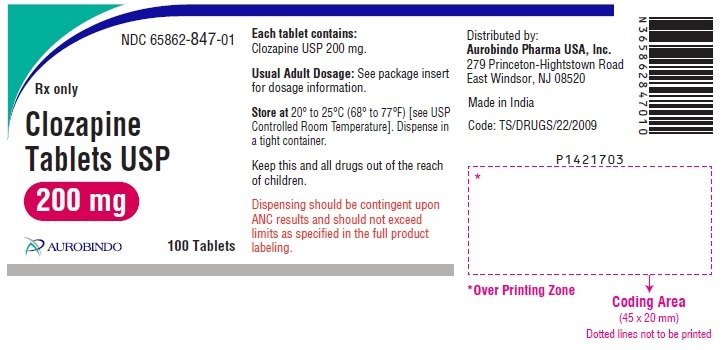
PACKAGE LABEL-PRINCIPAL DISPLAY PANEL - 200 mg (100 Tablets Container) NDC 65862-847-01 Rx only Clozapine Tablets USP 200 mg PHARMACIST: Dispense the Medication Guide provided separately to each patient. AUROBINDO 100 Tablets PACKAGE LABEL-PRINCIPAL DISPLAY PANEL - 200 mg (100 Tablets Container)
PACKAGE LABEL-PRINCIPAL DISPLAY PANEL - 200 mg Blister Carton 100 (10 x 10) Unit-dose Tablets NDC 65862-847-78 Rx only Clozapine Tablets USP 200 mg PHARMACIST: Dispense the Medication Guide provided separately to each patient. AUROBINDO 100 (10 x 10) Unit-dose Tablets PACKAGE LABEL-PRINCIPAL DISPLAY PANEL - 200 mg Blister Carton 100 (10 x 10) Unit-dose Tablets
Medicaid utilization by pack size
Medicare Part D spend CMS · PART D · 2026 (Q1)
About this NDC listing & data coverage
What "drug for further processing" means
FDA lists this package under the "drug for further processing" marketing category: Aurobindo Pharma Limited supplies it to other companies for further processing or repackaging (blister cards that are later repackaged or co-packaged are a common example). The units themselves are a finished dosage form — which is why pricing or Medicaid data can still appear — but this exact package code may not be the presentation a retail pharmacy dispenses.
What data is (and isn’t) available for this NDC — tap to expand
| NDC identity (package / product / labeler codes) | ✓ Available |
| Labeler | ✓ Available |
| Product & package description | ✓ Available |
| Marketing category & status | ✓ Available |
| Active ingredient / dosage form / route | ✓ Available |
| FDA label (SPL via DailyMed) | ✓ Available |
| Package photos | ✓ Available |
| Inactive ingredients (structured) | ✓ Available |
| NADAC pharmacy acquisition price (CMS) | — Not published for this NDC CMS publishes NADAC only for NDCs reported in its retail-pharmacy survey. |
| Orange Book / therapeutic-equivalence data | — Not published for this NDC Applies only to products approved under an NDA/ANDA; many listings are out of scope. |
| HCPCS J-code billing crosswalk | — Not published for this NDC Most self-administered / retail products have no J-code — that is normal. |
| Medicaid utilization (CMS SDUD) | — Not published for this NDC CMS reports utilization only for NDCs with Medicaid claims above its privacy threshold. |