
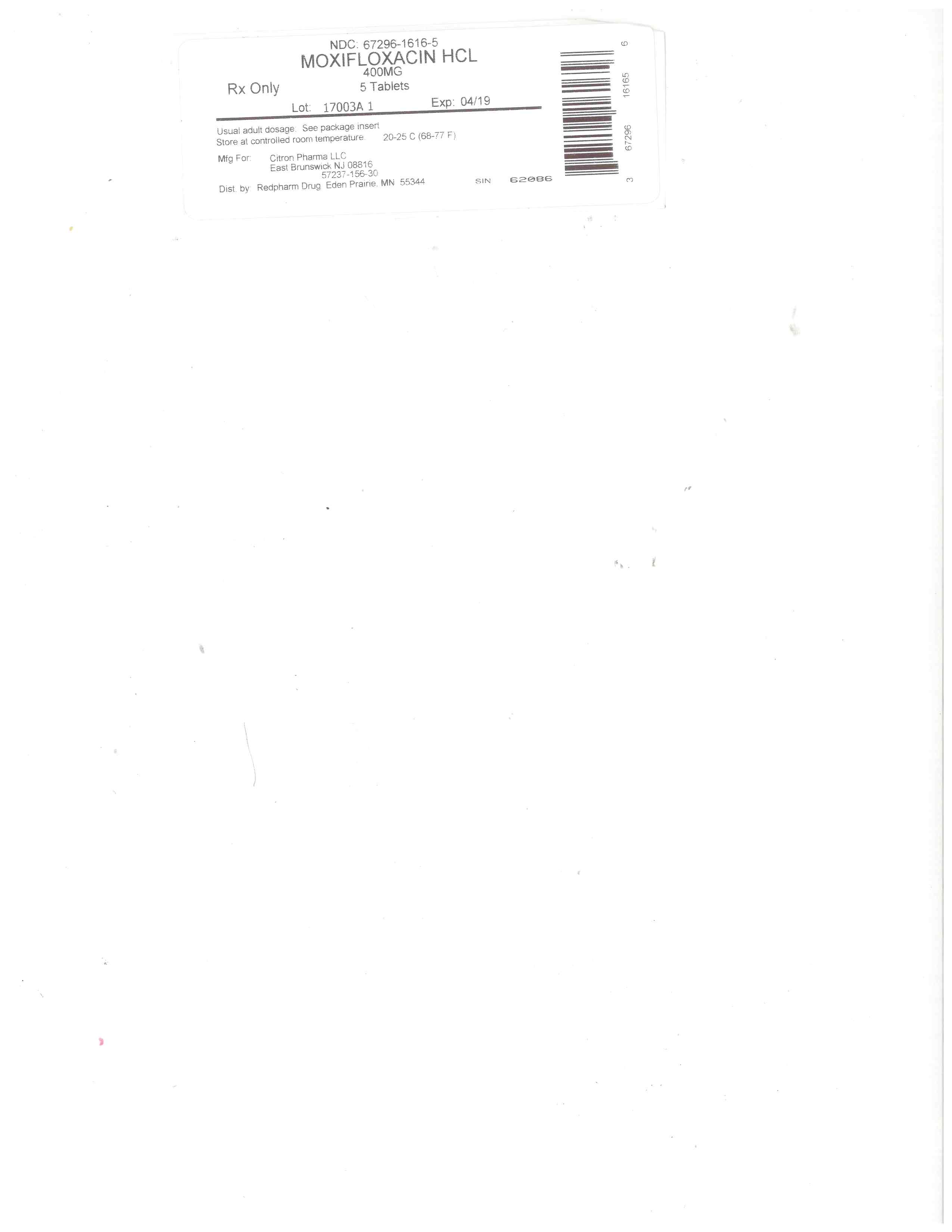
Moxifloxacin Hydrochloride 400 mg Tablet, Film Coated, 5-count
🆔 Identity & classification
Where does this data come from?
🏭 Manufacturer & labeler
Where does this data come from?
🩺 Clinical
- Yes — you can take moxifloxacin with or without food, and even a big, fatty meal or a cup of yogurt won't affect how well it works. The one thing to watch is timing with antacids,...
- Can I eat or drink normally while taking moxifloxacin tablets?
- The most common ones are nausea, diarrhea, headache, and dizziness — these are annoying but usually manageable. What you really need to stop the medication for and call your doctor...
- What side effects should I actually expect, and which ones should make me stop taking it?
Patient education
Supplement & herbal interactions
Moxifloxacin may be associated with lower levels of 11 nutrients — worth a chat with your pharmacist, not a cause for alarm.
Where does this data come from?
Ask a licensed pharmacist directly — free, answered by our team.
💊 What it looks like
Where does this data come from?
🧪 Inactive Ingredients / Excipients
Inactive ingredients, also called excipients, are components of the drug product other than the active ingredient. They may include fillers, dyes, coatings, preservatives, flavors, or other formulation ingredients.
💡 Tap an ingredient (hover on desktop) to see what it is and why it’s used.
-
UNII 1K09F3G675
Ferric oxide red is an inorganic iron compound used as a colorant in medicines. It gives tablets, capsules, or other dosage forms a red or reddish tint for identification and appearance.
-
UNII 0WZ8WG20P6
Hypromellose 2910 is a plant-based cellulose derivative that acts as a thickener, binder, and film-coating agent. It helps control how quickly the medicine dissolves and protects the tablet or capsule from moisture and light.
-
UNII 70097M6I30
Magnesium stearate is a salt made from magnesium and stearic acid, a fatty substance. It's used in tablets and capsules as a lubricant and glidant to help ingredients flow smoothly during manufacturing and prevent sticking.
-
UNII OP1R32D61U
Microcrystalline cellulose is a purified form of cellulose, a natural fiber from plant sources. It acts as a binder and filler in tablets and capsules, helping hold ingredients together and give the medicine its shape and size.
-
UNII 4R4HFI6D95
Polyethylene glycol 4000 is a synthetic polymer derived from petroleum. It serves as a binder, filler, and lubricant in solid dosage forms, and helps control how quickly the medicine dissolves.
-
UNII U725QWY32X
Povidone K30 is a synthetic polymer made from petroleum. It acts as a binder to hold tablet ingredients together and as a disintegrant to help the tablet break apart in the stomach so the medicine can be absorbed.
-
UNII 5856J3G2A2
A starch-based powder made from potatoes and processed with sodium. It acts as a disintegrant, helping the tablet or capsule break apart quickly in the stomach so the medicine can be absorbed.
-
UNII 15FIX9V2JP
Titanium dioxide is a bright white mineral powder commonly used as a colorant and opacifying agent. It makes pills and tablets white or lighter in color and helps make coatings non-transparent.
8 inactive ingredients listed in the exact product block matched to this NDC.
Where does this data come from?
ingredient classCode="IACT" elements from the exact product block matched by this NDC. Label-section narrative from DailyMed / the openFDA label index is shown separately when available.Inactive ingredient FAQ
Are inactive ingredients the same for every manufacturer?
Why might an inactive ingredient be missing?
Can inactive ingredients matter?
💲 Pricing
A drug doesn't have one price. Each row is a different public payment system, and none is what you'd pay at the counter — that depends on your insurance. The ⓘ on each row explains what it measures.
| Price system | Per each | Per package |
|---|---|---|
| Retail pharmacies payNADAC · weekly | Not in the retail survey — common for institutional, discontinued, or low-volume packs. | |
| Medicaid paysCMS SDUD · 12 mo | No recent Medicaid claims on file for this NDC — rare and low-volume NDCs are suppressed in the public data. | |
| Medicare drug plans payPart D · quarterly | No Part D plan price is available for this NDC in our data. | |
Where does this data come from?
🔁 Therapeutic equivalents
| Product | Labeler | Pack | NADAC/unit | TE | Status | Price vs. this |
|---|---|---|---|---|---|---|
| Moxifloxacin Hydrochloride 400 mgthis 67296-1616-05 | RedPharm | 5 tablets | — | AB | Discontinued | — |
Where does this data come from?
⏳ Availability & generic status
This product is an FDA-approved generic. Other versions of the same drug are listed under Therapeutic equivalents, least expensive first.
Where does this data come from?
📦 Packaging — all sizes for this product
| Package NDC | Description | Marketing start | Status |
|---|---|---|---|
| 67296-1616-05 You're viewing this | 5 TABLET, FILM COATED in 1 BOTTLE (67296-1616-5) | 2018-01-01 | Inactivated by FDA |
🧭 About this NDC listing & data coverage
What data is (and isn’t) available for this NDC — tap to expand
| NDC identity (package / product / labeler codes) | ✓ Available |
| Labeler | ✓ Available |
| Product & package description | ✓ Available |
| Marketing category & status | ✓ Available |
| Active ingredient / dosage form / route | ✓ Available |
| FDA label (SPL via DailyMed) | ✓ Available |
| Package photos | ✓ Available |
| Inactive ingredients (structured) | ✓ Available |
| NADAC pharmacy acquisition price (CMS) | — Not published for this NDC CMS publishes NADAC only for NDCs reported in its retail-pharmacy survey. |
| Orange Book / therapeutic-equivalence data | ✓ Available |
| HCPCS J-code billing crosswalk | — Not published for this NDC Most self-administered / retail products have no J-code — that is normal. |
| Medicaid utilization (CMS SDUD) | — Not published for this NDC CMS reports utilization only for NDCs with Medicaid claims above its privacy threshold. |
Questions about this listing
Why is there no price listed?
What does the discontinued status mean for this NDC?
Is the NDC printed on the package the same as the 11-digit billing NDC?
What do the three segments of this NDC mean?
Who lists this product with the FDA?
Do I need a prescription for this product?
Where does this data come from?
📄 Full prescribing information FDA SPL
🚨 Boxed Warning ▾
BOXED WARNING WARNING: SERIOUS ADVERSE REACTIONS INCLUDING TENDINITIS, TENDON RUPTURE, PERIPHERAL NEUROPATHY, CENTRAL NERVOUS SYSTEM EFFECTS AND EXACERBATION OF MYASTHENIA GRAVIS Fluoroquinolones, including moxifloxacin hydrochloride, have been associated with disabling and potentially irreversible serious adverse reactions that have occurred together [see WARNINGS AND PRECAUTIONS (5.1)], including: Tendinitis and tendon rupture [see WARNINGS AND PRECAUTIONS (5.2)] Peripheral neuropathy [see WARNINGS AND PRECAUTIONS (5.3)] Central nervous system effects [see WARNINGS AND PRECAUTIONS (5.4)] Discontinue moxifloxacin hydrochloride immediately and avoid the use of fluoroquinolones, including moxifloxacin hydrochloride, in patients who experience any of these serious adverse reactions [see WARNINGS AND PRECAUTIONS (5.1)].
Fluoroquinolones, including moxifloxacin hydrochloride, may exacerbate muscle weakness in patients with myasthenia gravis. Avoid moxifloxacin hydrochloride in patients with known history of myasthenia gravis [see WARNINGS AND PRECAUTIONS (5.5)]. Because fluoroquinolones, including moxifloxacin hydrochloride, have been associated with serious adverse reactions [see WARNINGS AND PRECAUTIONS (5.1 to 5.13)], reserve moxifloxacin hydrochloride for use in patients who have no alternative treatment options for the following indications: Acute bacterial sinusitis [see INDICATIONS AND USAGE (1.6)] Acute bacterial exacerbation of chronic bronchitis [see INDICATIONS AND USAGE (1.7)]
🎯 Indications and Usage ▾
1 INDICATIONS AND USAGE
1.1Community Acquired Pneumonia Moxifloxacin hydrochloride tablets are indicated in adult patients for the treatment of Community Acquired Pneumonia caused by susceptible isolates of Streptococcus pneumoniae (including multi-drug resistant Streptococcus pneumoniae [MDRSP]), Haemophilus influenzae, Moraxella catarrhalis, methicillin-susceptible Staphylococcus aureus, Klebsiella pneumoniae, Mycoplasma pneumoniae, or Chlamydophila pneumoniae [see CLINICAL STUDIES (14.3)]. MDRSP isolates are isolates resistant to two or more of the following antibacterial drugs: penicillin (minimum inhibitory concentrations [MIC] ≥ 2 mcg/mL), 2nd generation cephalosporins (for example, cefuroxime), macrolides, tetracyclines, and trimethoprim/sulfamethoxazole.
1.2Uncomplicated Skin and Skin Structure Infections Moxifloxacin hydrochloride tablets are indicated in adult patients for the treatment of Uncomplicated Skin and Skin Structure Infections caused by susceptible isolates of methicillin-susceptible Staphylococcus aureus or Streptococcus pyogenes [see CLINICAL STUDIES (14.4)].
1.3Complicated Skin and Skin Structure Infections Moxifloxacin hydrochloride tablets are indicated in adult patients for the treatment of Complicated Skin and Skin Structure Infections caused by susceptible isolates of methicillin-susceptible Staphylococcus aureus, Escherichia coli, Klebsiella pneumoniae, or Enterobacter cloacae [see CLINICAL STUDIES (14.5)].
1.4Complicated Intra-Abdominal Infections Moxifloxacin hydrochloride tablets are indicated in adult patients for the treatment of Complicated Intra-Abdominal Infections (cIAI) including polymicrobial infections such as abscess caused by susceptible isolates of Escherichia coli, Bacteroides fragilis, Streptococcus anginosus, Streptococcus constellatus, Enterococcus faecalis, Proteus mirabilis, Clostridium perfringens, Bacteroides thetaiotaomicron, or Peptostreptococcus species [see CLINICAL STUDIES (14.6)].
1.5Plague Moxifloxacin hydrochloride tablets are indicated in adult patients for the treatment of plague, including pneumonic and septicemic plague, due to susceptible isolates of Yersinia pestis and prophylaxis of plague in adult patients. Efficacy studies of moxifloxacin could not be conducted in humans with plague for feasibility reasons. Therefore this indication is based on an efficacy study conducted in animals only [see CLINICAL STUDIES (14.7)].
1.6Acute Bacterial Sinusitis Moxifloxacin hydrochloride tablets are indicated in adult patients (18 years of age and older) for the treatment of acute bacterial sinusitis (ABS) caused by susceptible isolates of Streptococcus pneumoniae, Haemophilus influenzae, or Moraxella catarrhalis [see CLINICAL STUDIES (14.1)]. Because fluoroquinolones, including moxifloxacin hydrochloride tablets, have been associated withserious adverse reactions [see WARNINGS AND PRECAUTIONS (5.1 to 5.13)] and for some patients ABS is self-limiting, reserve moxifloxacin hydrochloride tablets for treatment of ABS in patients who have no alternative treatment options.
1.7Acute Bacterial Exacerbation of Chronic Bronchitis Moxifloxacin hydrochloride tablets are indicated in adult patients for the treatment of Acute Bacterial Exacerbation of Chronic Bronchitis (ABECB) caused by susceptible isolates of Streptococcus pneumoniae, Haemophilus influenzae, Haemophilus parainfluenzae, Klebsiella pneumoniae, methicillin-susceptible Staphylococcus aureus, or Moraxella catarrhalis [see CLINICAL STUDIES (14.2)]. Because fluoroquinolones, including moxifloxacin hydrochloride tablets, have been associated withserious adverse reactions [see WARNINGS AND PRECAUTIONS (5.1 to 5.13)] and for some patients ABECB is self-limiting, reserve moxifloxacin hydrochloride tablets for treatment of ABECB in patients who have no alternative treatment options.
1.8Usage To reduce the development of drug-resistant bacteria and maintain the effectiveness of moxifloxacin hydrochloride tablets and other…
⏱️ Dosage and Administration ▾
2 DOSAGE AND ADMINISTRATION
2.1Dosage in Adult Patients The dose of moxifloxacin is 400 mg (orally) once every 24 hours. The duration of therapy depends on the type of infection as described in Table 1. Table 1: Dosage and Duration of Therapy in Adult Patients Type of Infectiona Dose Every 24 hours Durationb (days) Community Acquired Pneumonia (1.1) 400 mg 7 to 14 Uncomplicated Skin and Skin Structure Infections (SSSI ) (1.2) 400 mg 7 Complicated SSSI (1.3) 400 mg 7 to 21 Complicated Intra-Abdominal Infections (1.4) 400 mg 5 to 14 Plague (1.5)C 400 mg 10 to 14 Acute Bacterial Sinusitis (ABS) (1.6) 400 mg 10 Acute Bacterial Exacerbation of Chronic Bronchitis (ABECB) (1.7) 400 mg 5 a) Due to the designated pathogens [see INDICATIONS AND USAGE (1)]. b) Sequential therapy (intravenous to oral) may be instituted at the discretion of the physician c) Drug administration should begin as soon as possible after suspected or confirmed exposure to Yersinia pestis.
Conversion of Intravenous to Oral Dosing in Adults Intravenous formulation is indicated when it offers a route of administration advantageous to the patient (for example, patient cannot tolerate an oral dosage form). When switching from intravenous to oral formulation, no dosage adjustment is necessary. Patients whose therapy is started with moxifloxacin hydrochloride injection may be switched to moxifloxacin hydrochloride tablets when clinically indicated at the discretion of the physician.
2.2Important Administration Instructions With Multivalent Cations Administer moxifloxacin hydrochloride tablets at least 4 hours before or 8 hours after products containing magnesium, aluminum, iron or zinc, including antacids, sucralfate, multivitamins and didanosine buffered tablets for oral suspension or the pediatric powder for oral solution [see DRUG INTERACTIONS (7.1) and CLINICAL PHARMACOLOGY (12.3)]. With Food Moxifloxacin hydrochloride tablets can be taken with or without food, drink fluids liberally.
💊 Dosage Forms and Strengths ▾
3 DOSAGE FORMS AND STRENGTHS
3.1Moxifloxacin Hydrochloride Tablets Modified capsule shaped, dull red, film-coated tablets debossed with E-18 on one side and plain on the other side containing moxifloxacin hydrochloride (equivalent to 400 mg moxifloxacin)
⛔ Contraindications ▾
4 CONTRAINDICATIONS Moxifloxacin hydrochloride tablets are contraindicated in persons with a history of hypersensitivity to moxifloxacin or any member of the quinolone class of antibacterials [see WARNINGS AND PRECAUTIONS (5.8)].
⚠️ Warnings and Cautions ▾
5 WARNINGS AND PRECAUTIONS
5.1Disabling and Potentially Irreversible Serious Adverse Reactions Including Tendinitis and Tendon Rupture, Peripheral Neuropathy, and Central Nervous System Effects Fluoroquinolones, including moxifloxacin hydrochloride, have been associated with disabling and potentially irreversible serious adverse reactions from different body systems that can occur together in the same patient. Commonly seen adverse reactions include tendinitis, tendon rupture, arthralgia, myalgia, peripheral neuropathy, and central nervous system effects (hallucinations, anxiety, depression, insomnia, severe headaches, and confusion).
These reactions can occur within hours to weeks after starting moxifloxacin hydrochloride. Patients of any age or without pre-existing risk factors have experienced these adverse reactions [see WARNINGS AND PRECAUTIONS (5.2, 5.3, 5.4)]. Discontinue moxifloxacin hydrochloride immediately at the first signs or symptoms of any serious adverse reaction.
In addition, avoid the use of fluoroquinolones, including moxifloxacin hydrochloride, in patients who have experienced any of these serious adverse reactions associated with fluoroquinolones.
5.2Tendinitis and Tendon Rupture Fluoroquinolones, including moxifloxacin hydrochloride, have been associated with an increased risk of tendinitis and tendon rupture in all ages [see WARNINGS AND PRECAUTIONS (5.1) and ADVERSE REACTIONS (6.2)]. This adverse reaction most frequently involves the Achilles tendon, and has also been reported with the rotator cuff (the shoulder), the hand, the biceps, the thumb, and other tendons. Tendinitis or tendon rupture can occur within hours or days of starting moxifloxacin or as long as several months after completion of therapy.
Tendinitis and tendon rupture can occur bilaterally. The risk of developing fluoroquinolone-associated tendinitis and tendon rupture is increased in patients over 60 years of age, in patients taking corticosteroid drugs, and in patients with kidney, heart or lung transplants. Other factors that may independently increase the risk of tendon rupture include strenuous physical activity, renal failure, and previous tendon disorders such as rheumatoid arthritis.
Tendinitis and tendon rupture have also occurred in patients taking fluoroquinolones who do not have the above risk factors. Discontinue moxifloxacin hydrochloride immediately if the patient experiences pain, swelling, inflammation or rupture of a tendon. Patients should be advised to rest at the first sign of tendinitis or tendon rupture, and to contact their healthcare provider regarding changing to a non-quinolone antimicrobial drug.
Avoid fluoroquinolones, including moxifloxacin hydrochloride, in patients who have a history of tendon disorders or who have experienced tendinitis or tendon rupture [see ADVERSE REACTIONS (6.2)].
5.3Peripheral Neuropathy Fluoroquinolones, including moxifloxacin hydrochloride, have been associated with an increased risk of peripheral neuropathy. Cases of sensory or sensorimotor axonal polyneuropathy affecting small and/or large axons resulting in paresthesias, hypoesthesias, dysesthesias and weakness have been reported in patients receiving fluoroquinolones including moxifloxacin hydrochloride. Symptoms may occur soon after initiation of moxifloxacin hydrochloride and may be irreversible in some patients [see WARNINGS AND PRECAUTIONS (5.1) and ADVERSE REACTIONS (6.1, 6.2)].
Discontinue moxifloxacin hydrochloride immediately if the patient experiences symptoms of peripheral neuropathy including pain, burning, tingling, numbness, and/or weakness or other alterations of sensation including light touch, pain, temperature, position sense, and vibratory sensation. Avoid fluoroquinolones, including moxifloxacin hydrochloride, in patients who have previously experienced peripheral neuropathy.
5.4Central Nervous System Effects Fluoroquinolones, including moxifloxacin hydrochloride, have been associated with an increased r…
🤒 Adverse Reactions ▾
6 ADVERSE REACTIONS The following serious and otherwise important adverse reactions are discussed in greater detail in the warnings and precautions section of the label:
6.1Clinical Trials Experience Because clinical trials are conducted under widely varying conditions, adverse reaction rates observed in the clinical trials of a drug cannot be directly compared to rates in the clinical trials of another drug and may not reflect the rates observed in practice. The data described below reflect exposure to moxifloxacin hydrochloride in 14981 patients in 71 active controlled Phase II to IV clinical trials in different indications [see INDICATIONS AND USAGE (1)]. The population studied had a mean age of 50 years (approximately 73% of the population was less than 65 years of age), 50% were male, 63% were Caucasian, 12% were Asian and 9% were Black.
Patients received moxifloxacin 400 mg once daily oral, intravenous, or sequentially (intravenous followed by oral). Treatment duration was usually 6 to 10 days, and the mean number of days on therapy was 9 days. Discontinuation of moxifloxacin due to adverse reactions occurred in 5% of patients overall, 4% of patients treated with 400 mg PO, 4% with 400 mg intravenous and 8% with sequential therapy 400 mg oral/intravenous.
The most common adverse reactions (>0.3%) leading to discontinuation with the 400 mg oral doses were nausea, diarrhea, dizziness, and vomiting. The most common adverse reaction leading to discontinuation with the 400 mg intravenous dose was rash. The most common adverse reactions leading to discontinuation with the 400 mg intravenous/oral sequential dose were diarrhea, pyrexia.
Adverse reactions occurring in 1% of moxifloxacin hydrochloride-treated patients and less common adverse reactions, occurring in 0.1 to 1% of moxifloxacin hydrochloride-treated patients, are shown in Tables 2 and Table 3, respectively. The Disabling and Potentially Irreversible Serious Adverse Reactions Including Tendinitis and Tendon Rupture, Peripheral Neuropathy, and Central Nervous System Effects [see WARNINGS AND PRECAUTIONS (5.1)] Tendinitis and Tendon Rupture [see WARNINGS AND PRECAUTIONS (5.2)] Peripheral Neuropathy [see WARNINGS AND PRECAUTIONS (5.3)] Central Nervous System Effects [see WARNINGS AND PRECAUTIONS (5.4)] Exacerbation of Myasthenia Gravis [see WARNINGS AND PRECAUTIONS (5.5)] QT Prolongation [see WARNINGS AND PRECAUTIONS (5.6)] Other Serious and Sometimes Fatal Adverse Reactions [see WARNINGS AND PRECAUTIONS (5.7)] Hypersensitivity Reactions [see WARNINGS AND PRECAUTIONS (5.8)] Clostridium difficile-Associated Diarrhea [see WARNINGS AND PRECAUTIONS (5.9)] Blood Glucose Disturbances [see WARNINGS AND PRECAUTIONS (5.11)] Photosensitivity/Phototoxicity [see WARNINGS AND PRECAUTIONS (5.12)] Development of Drug Resistant Bacteria [see WARNINGS AND PRECAUTIONS (5.13)]most common adverse drug reactions (3%) are nausea, diarrhea, headache, and dizziness.
Table 2: Common (1% or more) Adverse Reactions Reported in Active-Controlled Clinical Trials with Moxifloxacin Hydrochloride System Organ Class Adverse Reactions % (N=14,981) Blood and Lymphatic System Disorders Anemia 1 Gastrointestinal Disorders Nausea 7 Diarrhea 6 Vomiting 2 Constipation 2 Abdominal pain 2 Dyspepsia 1 General Disorders and Administration Site Conditions Pyrexia 1 Investigations Alanine aminotransferase increased 1 Metabolism and Nutritional Disorder Hypokalemia 1 Nervous System Disorders Headache 4 Dizziness 3 Psychiatric Disorders Insomnia 2 Table 3: Less Common (0.1 to less than 1%) Adverse Reactions Reported in Active-Controlled Clinical Trials with Moxifloxacin Hydrochloride (N=14,981) System Organ Class Adverse Reactions Blood and Lymphatic System Disorders Thrombocythemia Eosinophilia Neutropenia Thrombocytopenia Leukopenia Leukocytosis Cardiac Disorders Atrial fibrillation Palpitations Tachycardia Angina pectoris Cardiac failure Cardiac arrest Bradycardia Ear and Labyrinth Disorders Vertigo Tinnitus Eye Di…
🔄 Drug Interactions ▾
7 DRUG INTERACTIONS
7.1Antacids, Sucralfate, Multivitamins and Other Products Containing Multivalent Cations Fluoroquinolones, including moxifloxacin hydrochloride, form chelates with alkaline earth and transition metal cations. Oral administration of moxifloxacin hydrochloride with antacids containing aluminum or magnesium, with sucralfate, with metal cations such as iron, or with multivitamins containing iron or zinc, or with formulations containing divalent and trivalent cations such as didanosine buffered tablets for oral suspension or the pediatric powder for oral solution, may substantially interfere with the absorption of moxifloxacin hydrochloride, resulting in systemic concentrations considerably lower than desired.
Therefore, moxifloxacin hydrochloride should be taken at least 4 hours before or 8 hours after these agents [see DOSAGE AND ADMINISTRATION (2.2) and CLINICAL PHARMACOLOGY (12.3)].
7.2Warfarin Fluoroquinolones, including moxifloxacin hydrochloride, have been reported to enhance the anticoagulant effects of warfarin or its derivatives in the patient population. In addition, infectious disease and its accompanying inflammatory process, age, and general status of the patient are risk factors for increased anticoagulant activity. Therefore the prothrombin time, International Normalized Ratio (INR), or other suitable anticoagulation tests should be closely monitored if moxifloxacin hydrochloride is administered concomitantly with warfarin or its derivatives [see ADVERSE REACTIONS (6.2) and CLINICAL PHARMACOLOGY (12.3)].
7.3Antidiabetic Agents Disturbances of blood glucose, including hyperglycemia and hypoglycemia, have been reported in patients treated concomitantly with fluoroquinolones, including moxifloxacin hydrochloride, and an antidiabetic agent. Therefore, careful monitoring of blood glucose is recommended when these agents are co-administered. If a hypoglycemic reaction occurs, moxifloxacin hydrochloride should be discontinued and appropriate therapy should be initiated immediately [see WARNINGS AND PRECAUTIONS (5.11) and ADVERSE REACTIONS (6.1)].
7.4Nonsteroidal Anti-Inflammatory Drugs The concomitant administration of a nonsteroidal anti-inflammatory drug (NSAID) with a fluoroquinolone, including moxifloxacin hydrochloride, may increase the risks of CNS stimulation and convulsions [see WARNINGS AND PRECAUTIONS (5.4)].
7.5Drugs that Prolong QT There is limited information available on the potential for a pharmacodynamic interaction in humans between moxifloxacin hydrochloride and other drugs that prolong the QTc interval of the electrocardiogram. Sotalol, a Class III antiarrhythmic, has been shown to further increase the QTc interval when combined with high doses of intravenous moxifloxacin hydrochloride in dogs. Therefore, moxifloxacin hydrochloride should be avoided with Class IA and Class III antiarrhythmics [see WARNINGS AND PRECAUTIONS (5.6), and NONCLINICAL TOXICOLOGY (13.2)].
👥 Use in Specific Populations ▾
8 USE IN SPECIFIC POPULATIONS
8.1Pregnancy Risk Summary There are no available human data establishing a drug associated risk with the use of moxifloxacin. Based on animal studies with moxifloxacin, moxifloxacin hydrochloride may cause fetal harm. Moxifloxacin was not teratogenic when administered to pregnant rats (IV and oral), rabbits (IV), and monkeys (oral) at exposures that were 0.25 to 2.5 times of those at the human clinical dose (400 mg/day moxifloxacin hydrochloride).
However, when moxifloxacin was administered to rats and rabbits during pregnancy and throughout lactation (rats only) at doses associated with maternal toxicity, decreased neonatal body weights, increased incidence of skeletal variations (rib and vertebra combined), and increased fetal loss were observed (see Data). Advise pregnant women of the potential risk to the fetus. The background risk of major birth defects and miscarriage for the indicated population is unknown.
However, the background risk in the U.S. general population of major birth defects is 2 to 4% and of miscarriage is 15 to 20% of clinically recognized pregnancies. Data Animal Data Animal reproductive and development studies were done in rats, rabbits and cynomolgus macaques. Moxifloxacin was not teratogenic when administered to pregnant rats during organogenesis (gestation days 6 to 17) at oral doses as high as 500 mg/kg/day or 0.24 times the maximum recommended human dose based on systemic exposure (AUC), but decreased fetal body weights and slightly delayed fetal skeletal development were observed.
Intravenous administration of 80 mg/kg/day (approximately 2 times the maximum recommended human dose based on body surface area) to pregnant rats resulted in maternal toxicity and a marginal effect on fetal and placental weights and the appearance of the placenta (Gestation days 6 to 17). There was no evidence of teratogenicity at intravenous doses as high as 80 mg/kg/day (approximately 2 times the maximum recommended human dose based on body surface area) in pregnant rats during organogenesis (Gestation days 6 to 17).
Intravenous administration of 20 mg/kg/day (approximately equal to the maximum recommended human oral dose based upon systemic exposure) to pregnant rabbits during organogenesis (gestation days 6 to 20) resulted in decreased fetal body weights and delayed fetal skeletal ossification. When rib and vertebral malformations were combined, there was an increased fetal and litter incidence of these effects in rabbits. Signs of maternal toxicity in rabbits at this dose included mortality, abortions, marked reduction of food consumption, decreased water intake, body weight loss and hypoactivity.
There was no evidence of teratogenicity when pregnant cynomolgus macaques were given oral doses as high as 100 mg/kg/day (2.5 times the maximum recommended human dose based upon systemic exposure) during organogenesis (gestation days 20 to 50). An increased incidence of smaller fetuses was observed at 100 mg/kg/day in macaques. In a pre-and postnatal development study conducted in rats given oral doses from Gestation day 6, throughout gestation and rearing to Postpartum day 21, effects observed at 500 mg/kg/day (0.24 times the maximum recommended human dose based on systemic exposure (AUC)) included slight increases in duration of pregnancy and prenatal loss, reduced pup birth weight and decreased neonatal survival.
Treatment-related maternal mortality occurred during gestation at 500 mg/kg/day in this study.
8.2Lactation Risk Summary It is not known if moxifloxacin is present in human milk. Based on animal studies in rats, moxifloxacin may be excreted in human milk (see Data). The developmental and health benefits of breastfeeding should be considered along with the mother’s clinical need for moxifloxacin hydrochloride and any potential adverse effects on the breastfed child from moxifloxacin hydrochloride or from the underlying maternal condition.
Data In lactating rats given a single ora…
🆘 Overdosage ▾
10 OVERDOSAGE Single oral overdoses up to 2.8 g were not associated with any serious adverse events. In the event of acute overdose, Empty the stomach and maintain adequate hydration. Monitor ECG due to the possibility of QT interval prolongation.
Carefully observe the patient and give supportive treatment. The administration of activated charcoal as soon as possible after oral overdose may prevent excessive increase of systemic moxifloxacin exposure. About 3% and 9% of the dose of moxifloxacin, as well as about 2% and 4.5% of its glucuronide metabolite are removed by continuous ambulatory peritoneal dialysis and hemodialysis, respectively.
🧬 Clinical Pharmacology ▾
12 CLINICAL PHARMACOLOGY
12.1Mechanism of Action Moxifloxacin hydrochloride is a member of the fluoroquinolone class of antibacterial agents [see MICROBIOLOGY (12.4)].
12.2Pharmacodynamics Photosensitivity Potential A study of the skin response to ultraviolet (UVA and UVB) and visible radiation conducted in 32 healthy volunteers (8 per group) demonstrated that moxifloxacin hydrochloride does not show phototoxicity in comparison to placebo. The minimum erythematous dose (MED) was measured before and after treatment with moxifloxacin (200 mg or 400 mg once daily), lomefloxacin (400 mg once daily), or placebo. In this study, the MED measured for both doses of moxifloxacin were not significantly different from placebo, while lomefloxacin significantly lowered the MED [see WARNINGS AND PRECAUTIONS (5.12)].
12.3Pharmacokinetics Absorption Moxifloxacin, given as an oral tablet, is well absorbed from the gastrointestinal tract. The absolute bioavailability of moxifloxacin is approximately 90 percent. Co-administration with a high fat meal (that is, 500 calories from fat) does not affect the absorption of moxifloxacin.
Consumption of 1 cup of yogurt with moxifloxacin does not affect the rate or extent of the systemic absorption (that is, area under the plasma concentration time curve (AUC). Table 7: Mean (± SD) Cmax and AUC values following single and multiple doses of 400 mg moxifloxacin given orally Cmax (mg/L) AUC (mg•h/L) Half-life (hr) Single Dose Oral Healthy (n = 372) 3.1 ± 1 36.1 ± 9.1 11.5 to 15.6a Multiple Dose Oral Healthy young male/female (n = 15) 4.5 ± 0.5 48 ± 2.7 12.7 ±
1.9Healthy elderly male (n = 8) 3.8 ± 0.3 51.8 ± 6.7 12.7 ±
1.9Healthy elderly female (n = 8) 4.6 ± 0.6 54.6 ± 6.7 12.7 ±
1.9Healthy young male (n = 8) 3.6 ± 0.5 48.2 ± 9 12.7 ±
1.9Healthy young female (n = 9) 4.2 ± 0.5 49.3 ± 9.5 12.7 ± 1.9 a) Range of means from different studies Table 8: Mean (± SD) Cmax and AUC values following single and multiple doses of 400 mg moxifloxacin given by 1 hour intravenous infusion Cmax (mg/L) AUC (mg•h/L) Half-life (hour) Single Dose intravenous Healthy young male/female (n = 56) 3.9 ± 0.9 39.3 ± 8.6 8.2 to 15.4a Patients (n = 118) Male (n = 64) 4.4 ±
3.7Female (n = 54) 4.5 ± 2 < 65 years (n = 58) 4.6 ± 4.2 ≥ 65 years (n = 60) 4.3 ±
1.3Multiple Dose intravenous Healthy young male (n = 8) 4.2 ± 0.8 38 ± 4.7 14.8 ±
2.2Healthy elderly (n=12; 8 male, 4 female) 6.1 ± 1.3 48.2 ± 0.9 10.1 ±
1.6Patientsb (n = 107) Male (n = 58) 4.2 ±
2.6Female (n = 49) 4.6 ± 1.5 <65 years (n = 52) 4.1 ± 1.4 ≥65 years (n = 55) 4.7 ± 2.7 a) Range of means from different studies b) Expected Cmax (concentration obtained around the time of the end of the infusion) Plasma concentrations increase proportionately with dose up to the highest dose tested (1200 mg single oral dose). The mean (± SD) elimination half-life from plasma is 12 ± 1.3 hours; steady-state is achieved after at least three days with a 400 mg once daily regimen. Mean Steady-State Plasma Concentrations of Moxifloxacin Obtained With Once Daily Dosing of 400 mg Either Orally (n=10) or by Intravenous Infusion (n=12) Distribution Moxifloxacin is approximately 30 to 50% bound to serum proteins, independent of drug concentration.
The volume of distribution of moxifloxacin ranges from 1.7 to
2.7L/kg. Moxifloxacin is widely distributed throughout the body, with tissue concentrations often exceeding plasma concentrations. Moxifloxacin has been detected in the saliva, nasal and bronchial secretions, mucosa of the sinuses, skin blister fluid, subcutaneous tissue, skeletal muscle, and abdominal tissues and fluids following oral or intravenous administration of 400 mg.
Moxifloxacin concentrations measured post-dose in various tissues and fluids following a 400 mg oral or intravenous dose are summarized in Table 7. The rates of elimination of moxifloxacin from tissues generally parallel the elimination from plasma. Table 9: Moxifloxacin Concentrations (mean ± SD) in Tissues and the Co…
📦 How Supplied / Storage and Handling ▾
16 HOW SUPPLIED/STORAGE AND HANDLING
16.1Moxifloxacin Hydrochloride Tablets Moxifloxacin Hydrochloride Tablets are available as modified capsule shaped, dull red film-coated tablets containing 400 mg moxifloxacin. The tablet is debossed with E-18 on one side and plain on the other side. Bottles of 30 NDC 57237-156-30 Store at 20° to 25°C (68° to 77°F) [see USP Controlled Room Temperature]. Avoid high humidity.
📋 Description ▾
11 DESCRIPTION Moxifloxacin hydrochloride is a synthetic antibacterial agent for oral administration. Moxifloxacin, a fluoroquinolone, is available as the monohydrochloride salt of 1-cyclopropyl-7-[(S,S)-2,8-diazabicyclo[4.3.0]non-8-yl]-6-fluoro-8-methoxy-1,4-dihydro-4-oxo-3 quinoline carboxylic acid. It is a slightly yellow to yellow powder or crystals, slightly hygroscopic substance with a molecular weight of 437.9.
Its molecular formula is C21H24FN3O4*HCl and its chemical structure is as follows:
11.1Moxifloxacin Hydrochloride Tablets Moxifloxacin hydrochloride tablets are available as film-coated tablets containing moxifloxacin hydrochloride USP (equivalent to 400 mg moxifloxacin). The inactive ingredients are hypromellose, iron oxide red, magnesium stearate, microcrystalline cellulose, polyethylene glycol, povidone, sodium starch glycolate, and titanium dioxide. moxi
💬 Medication Guide ▾
FDA-APPROVED MEDICATION GUIDE MEDICATION GUIDE Moxifloxacin Hydrochloride Tablets (mox'' i flox' a sin hye'' droe klor' ide) Rx only Read the Medication Guide that comes with moxifloxacin hydrochloride tablets before you start taking them and each time you get a refill. There may be new information. This Medication Guide does not take the place of talking to your healthcare provider about your medical condition or your treatment.
What is the most important information I should know about moxifloxacin hydrochloride tablets? Moxifloxacin hydrochloride tablets belong to a class of antibiotics called fluoroquinolones. Moxifloxacin hydrochloride tablets can cause serious side effects that can happen at the same time and could result in death.
If you get any of the following serious side effects, you should stop taking moxifloxacin hydrochloride tablets and get medical help right away. Talk with your healthcare provider about whether you should continue to take moxifloxacin hydrochloride tablets. 1.
Tendon rupture or swelling of the tendon (tendinitis). Tendon problems can happen in people of all ages who take moxifloxacin hydrochloride tablets. Tendons are tough cords of tissue that connect muscles to bones.
Symptoms of tendon problems may include: Pain, swelling, tears and inflammation of tendons including the back of the ankle (Achilles), shoulder, hand, or other tendon sites. The risk of getting tendon problems while you take moxifloxacin hydrochloride tablets is higher if you: Are over 60 years of age Are taking steroids (corticosteroids) Have had a kidney, heart or lung transplant Tendon problems can happen in people who do not have the above risk factors when they take moxifloxacin hydrochloride tablets. Other reasons that can increase your risk of tendon problems can include: Physical activity or exercise Kidney failure Tendon problems in the past, such as in people with rheumatoid arthritis (RA).
Stop taking moxifloxacin hydrochloride tablets immediately and call your healthcare provider right away at the first sign of tendon pain, swelling or inflammation. Stop taking moxifloxacin hydrochloride tablets until tendinitis or tendon rupture has been ruled out by your healthcare provider. Avoid exercise and using the affected area.
The most common area of pain and swelling is in the Achilles tendon at the back of your ankle. This can also happen with other tendons. Talk to your healthcare provider about the risk of tendon rupture with continued use of moxifloxacin hydrochloride tablets.
You may need a different antibiotic that is not a fluoroquinolone to treat your infection. Tendon rupture can happen while you are taking or after you have finished taking moxifloxacin hydrochloride tablets. Tendon ruptures can happen within hours or days after taking moxifloxacin hydrochloride tablets and have happened up to several months after patients have finished taking their fluoroquinolone.
Stop taking moxifloxacin hydrochloride tablets immediately and get medical help right away if you get any of the following signs or symptoms of a tendon rupture: Hear or feel a snap or pop in a tendon area Bruising right after an injury in a tendon area Unable to move the affected area or bear weight. 2. Changes in sensation and possible nerve damage (Peripheral Neuropathy).
Damage to the nerves in arms, hands, legs, or feet can happen in people who take fluoroquinolones, including moxifloxacin hydrochloride tablets. Stop taking moxifloxacin hydrochloride tablets immediately and talk to your healthcare provider right away if you get any of the following symptoms of peripheral neuropathy in your arms, hands, legs, or feet: pain burning tingling numbness weakness Moxifloxacin hydrochloride tablets may need to be stopped to prevent permanent nerve damage. 3.
Central Nervous System (CNS) effects. Seizures have been reported in people who take fluoroquinolone antibacterial medicines, including moxifloxacin hydrochloride tablets. Tell your healthcare provid…