
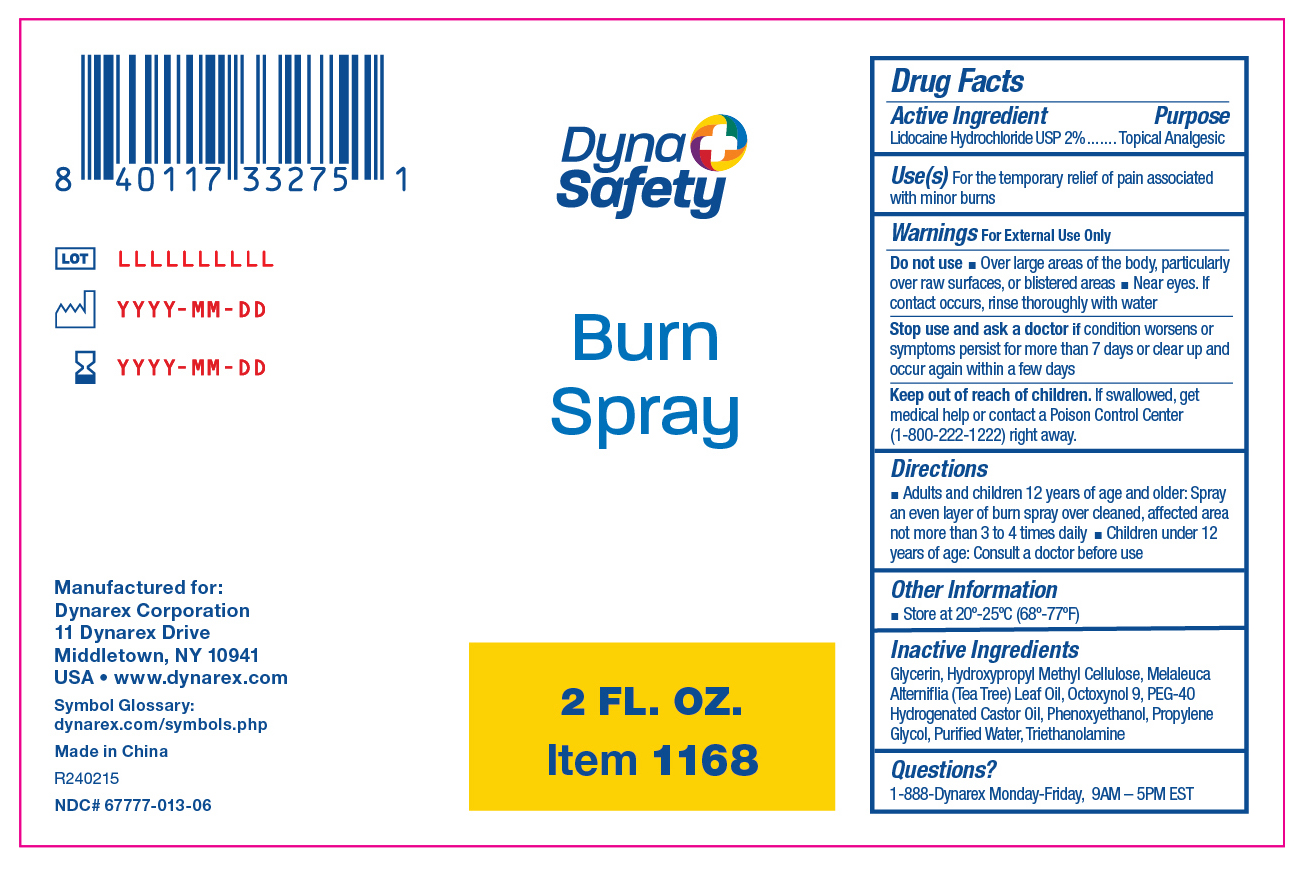
1168 .02 mg/mL Spray, 24 bottles
🆔 Identity & classification
Where does this data come from?
🏭 Manufacturer & labeler
Where does this data come from?
🩺 Clinical
- It's best to avoid using two lidocaine products at the same time unless your doctor says it's okay. When you use multiple products containing a local anesthetic, the total amount a...
- Can I use a lidocaine patch and a lidocaine cream at the same time?
- No — please don't do this. Heat significantly increases how much lidocaine is absorbed through your skin, which can push drug levels in your blood higher than they should be. Stick...
- Can I put a heating pad on the area where I applied a lidocaine patch?
Patient education
Supplement & herbal interactions
Where does this data come from?
Ask a licensed pharmacist directly — free, answered by our team.
💊 What it looks like
Where does this data come from?
🧪 Inactive Ingredients / Excipients
Inactive ingredients, also called excipients, are components of the drug product other than the active ingredient. They may include fillers, dyes, coatings, preservatives, flavors, or other formulation ingredients.
💡 Tap an ingredient (hover on desktop) to see what it is and why it’s used.
-
UNII PDC6A3C0OX
Glycerin is a clear, thick liquid derived from plant oils or fats. It acts as a humectant to retain moisture, a sweetener, and a solvent in medications.
-
UNII 3NXW29V3WO
Hypromellose is a plant-based thickener made from cellulose. It's used in medicines as a binder to hold ingredients together, a coating for tablets, and a thickener for liquids.
-
UNII VIF565UC2G
Tea tree oil is an essential oil extracted from the leaves of the Australian tea tree plant. In medicines, it typically serves as a flavoring agent, fragrance, or antimicrobial component in topical formulations.
-
UNII 7JPC6Y25QS
A synthetic nonionic surfactant, a type of cleaning agent used in pharmaceutical formulations. It functions as an emulsifier and solubilizer, helping mix water and oil-based ingredients and improving how the medicine dissolves and spreads in the body.
-
UNII HIE492ZZ3T
Phenoxyethanol is a synthetic preservative and antimicrobial agent used to prevent bacterial and fungal growth in medicines and cosmetic products, extending shelf life and maintaining product safety.
-
UNII 7YC686GQ8F
A synthetic oily substance made from castor oil. It works as a solubilizer and emulsifier to help mix oily and water-based ingredients together in the medicine.
-
UNII 6DC9Q167V3
Propylene glycol is a clear liquid derived from petroleum or vegetable sources. It acts as a solvent, humectant, and preservative in medicines, helping dissolve active ingredients and maintain product stability.
-
UNII 9O3K93S3TK
Trolamine is an alkaline compound used as a pH buffer and emulsifier in medicines. It helps neutralize acids, stabilize formulations, and enable mixing of oil and water-based ingredients.
-
UNII 059QF0KO0R
Water is a liquid solvent that dissolves and mixes ingredients together in liquid medicines, syrups, and injections. It helps distribute the active drug evenly throughout the product.
9 inactive ingredients listed in the exact product block matched to this NDC.
Label-section wording can be broader than the structured product block and may mention additional formulation ingredients.
Where does this data come from?
ingredient classCode="IACT" elements from the exact product block matched by this NDC. Label-section narrative from DailyMed / the openFDA label index is shown separately when available.Inactive ingredient FAQ
Are inactive ingredients the same for every manufacturer?
Why might an inactive ingredient be missing?
Can inactive ingredients matter?
💲 Pricing
A drug doesn't have one price. Each row is a different public payment system, and none is what you'd pay at the counter — that depends on your insurance. The ⓘ on each row explains what it measures.
| Price system | Per mL | Per package |
|---|---|---|
| Retail pharmacies payNADAC · weekly | Not in the retail survey — common for institutional, discontinued, or low-volume packs. | |
| Medicaid paysCMS SDUD · 12 mo | No recent Medicaid claims on file for this NDC — rare and low-volume NDCs are suppressed in the public data. | |
| Medicare drug plans payPart D · quarterly | No Part D plan price is available for this NDC in our data. | |
Where does this data come from?
🔁 Therapeutic equivalents
| Product | Labeler | Pack | NADAC/unit | TE | Status | Price vs. this |
|---|---|---|---|---|---|---|
| 1168 .02 mg/mLthis 67777-0013-05 | Dynarex | 24 bottles | — | — | FDA listed | — |
Where does this data come from?
⏳ Availability & generic status
We did not find an FDA-approved generic match for this exact strength, form and route.
Where does this data come from?
📦 Packaging — all sizes for this product
| Package NDC | Description | Marketing start | Status |
|---|---|---|---|
| 67777-0013-05 You're viewing this | 24 BOTTLE, SPRAY in 1 CASE (67777-013-05) / 59.1 mL in 1 BOTTLE, SPRAY (67777-013-06) | 2024-02-29 | Active |
🧭 About this NDC listing & data coverage
What data is (and isn’t) available for this NDC — tap to expand
| NDC identity (package / product / labeler codes) | ✓ Available |
| Labeler | ✓ Available |
| Product & package description | ✓ Available |
| Marketing category & status | ✓ Available |
| Active ingredient / dosage form / route | ✓ Available |
| FDA label (SPL via DailyMed) | ✓ Available |
| Package photos | ✓ Available |
| Inactive ingredients (structured) | ✓ Available |
| NADAC pharmacy acquisition price (CMS) | — Not published for this NDC CMS publishes NADAC only for NDCs reported in its retail-pharmacy survey. |
| Orange Book / therapeutic-equivalence data | — Not published for this NDC Applies only to products approved under an NDA/ANDA; many listings are out of scope. |
| HCPCS J-code billing crosswalk | — Not published for this NDC Most self-administered / retail products have no J-code — that is normal. |
| Medicaid utilization (CMS SDUD) | — Not published for this NDC CMS reports utilization only for NDCs with Medicaid claims above its privacy threshold. |
Questions about this listing
Is this NDC FDA-approved?
Why is there no price listed?
Is the NDC printed on the package the same as the 11-digit billing NDC?
What do the three segments of this NDC mean?
Is this package still being marketed?
Who lists this product with the FDA?
Do I need a prescription for this product?
Where does this data come from?
📄 FDA label — Drug Facts FDA SPL
🎯 Indications and Usage ▾
Use(s) For the temporary relief of pain associated with minor burns
⏱️ Dosage and Administration ▾
Directions • Adults and children 12 years of age and older: Spray an even layer of burn spray over cleaned, affected area not more than 3 to 4 times daily. • Children under 12 years of age: Consult a doctor before use
⚠️ Warnings ▾
Warnings For External Use Only Do not use • Over large areas of the body, particularly over raw surfaces, or blistered areas • Near eyes. If contact occurs, rinse thoroughly with water. Stop use and ask a doctor if Condition worsens or symptoms persist for more than 7 days or clear up and occur again within a few days Keep out of reach of children If swallowed, get medical help or contact a Poison Control Center (1-800-222-1222) right away.
🧪 Active Ingredient ▾
Active Ingredient Lidocaine Hydrochloride 2%
🧪 Inactive Ingredients ▾
Inactive Ingredients Glycerin, Hydroxypropyl Methyl Cellulose, Melaleuca Alterniflia (Tea Tree) Leaf Oil, Octoxynol 9, PEG-40 Hydrogenated Castor Oil, Phenoxyethanol, Propylene Glycol, Purified Water, Triethanolamine
🎯 Purpose ▾
Purpose Topical Analgesic