
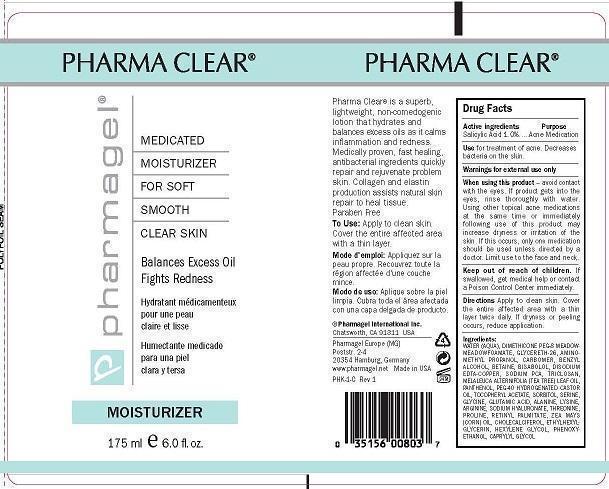
PHARMA CLEAR MOISTURIZER SALICYLIC ACID 1 g/100mL Lotion, 175 mL — NDC 67879-103-11 (Billing 67879-0103-11)
This is a package of 175 mL of PHARMA CLEAR MOISTURIZER SALICYLIC ACID 1 g/100mL Lotion from PHARMAGEL INTERNATIONAL INC, marketed since Jun 2015 and currently FDA-listed. It is this product's only package size.
NDC database record
One package, one record: these facts belong to NDC 67879-103-11 alone.
- Record
- FDA NDC Directory package listing · Human OTC drug
- Code segments
- 67879 labeler · 103 product · 11 package
- Package marketed since
- Jun 15, 2016
- Sample package
- No — commercial package
- Listing certified through
- Dec 31, 2026
- Barcode (UPC-A, from the NDC)
- 3 6787910311 0
- FDA record last changed
- Jul 24, 2026
Identity & classification
Regulatory identifiers FDA, NLM and CMS codes for this package
- RxCUI (RxNorm): 245199
Where does this data come from?
- FDA openFDA NDC Directory · synced Oct 1, 2026
- FDA label on DailyMed · label index refreshed Oct 6, 2026
- RxNorm (NLM RxNav) · catalog refreshed Oct 1, 2026
- Medi-Span GPI (licensed)
- First Databank (licensed) · refreshed Oct 1, 2026
RxNorm drug class
This medicine belongs to the Salicylic acid and derivatives class.
Where does this data come from?
- RxClass (NLM) · catalog refreshed Oct 1, 2026
Clinical
Topical salicylic acid is used to help clear and prevent pimples and skin blemishes in people who have acne. Topical salicylic acid is also used to treat skin conditions that involve scaling or overgrowth of skin cells such as psoriasis (a skin disease in which red, scaly patches form on some areas of the body), ichthyoses (inborn conditions that cause skin dryness and scaling), dandruff, corns, calluses, and warts on the hands or feet. Topical salicylic acid should not be used to treat genital warts, warts on the face, warts with hair growing from them, warts in the nose or mouth, moles, or b...
Read the full MedlinePlus article ↗- It is used in a facial routine for acne-prone and oil-prone skin. The routine includes a cleanser, serum, toner and emulsion. Salicylic acid helps loosen and shed dead skin cells.
- Use the cleanser morning and evening, and the serum in the morning after cleansing. Use the toner in the evening on dry skin, and the emulsion at night after cleansing. Avoid your...
- Mild stinging, burning, itching, dryness and extra peeling can happen. If dryness or peeling bothers you, try using the serum or toner every other day. If it gets excessive, stop a...
- It is best not to. Using another topical acne medication at the same time makes irritation and dryness more likely. If you get irritated, use only one at a time.
Patient education
Supplement & herbal interactions
Where does this data come from?
- MedlinePlus (NLM) · refreshed Oct 1, 2026
- FDA label on DailyMed · label index refreshed Oct 6, 2026
Ask a licensed pharmacist directly — free, answered by our team.
Pricing
A drug doesn't have one price. Each row is a different public payment system, and none is what you'd pay at the counter — that depends on your insurance. The ⓘ on each row explains what it measures.
| Price system | Per g | Per package |
|---|---|---|
| Retail pharmacies payNADAC · weekly | Not in the retail survey — common for institutional, discontinued, or low-volume packs. | |
| Medicaid paysCMS SDUD · 12 mo | No recent Medicaid claims on file for this NDC — rare and low-volume NDCs are suppressed in the public data. | |
| Medicare drug plans payPart D · quarterly | No Part D plan price is available for this NDC in our data. | |
Where does this data come from?
- CMS NADAC weekly file
- CMS ASP pricing files · refreshed Sep 20, 2026
- CMS Medicaid State Drug Utilization Data · refreshed Oct 6, 2026
- CMS Part D plan pricing files · refreshed Sep 24, 2026
- VA National Acquisition Center price file
Packaging — all sizes for this product
| Package NDC | Description | Marketing start | Marketing end | Status |
|---|---|---|---|---|
| 67879-0103-11 You're viewing this Main listing | 175 mL in 1 TUBE | 2016-06-15 | — | Active |
Therapeutic equivalents
| Product | Labeler | Pack | NADAC/unit | TE | Status | Price vs. this |
|---|---|---|---|---|---|---|
| Acne And Line Correcting Serum 10 mg/mL 49527-0053-01 | CLINIQUE | 1 bottle | — | — | FDA listed | — |
| Vichy Laboratoires Normaderm BHA Exfoliating Serum Acne Treatment 10 mg/mL 49967-0230-01 | L'Oreal | 1 bottle | — | — | FDA listed | — |
| Serious Skincare Continuously Clear Acne Medication For Problematic skin Dry Lo Pro All- Over Treatment 10 mg/mL 53755-0110-00 | Flageoli | 1 bottle | — | — | FDA listed | — |
| Anti-Everything Face Moisturizer 1 g/100mL 54111-0181-01 | Bentley | 1 bottle | — | — | FDA listed | — |
| Clear Improvement Pore Clearing Moisturizer 10 mg/mL 59427-0015-01 | ORIGINS | 1 jar | — | — | FDA listed | — |
| Pharma Clear Moisturizer 1 g/100mLthis 67879-0103-11 | PHARMAGEL | 175 ml | — | — | FDA listed | — |
| Cover FX Mattifying Primer Plus Acne Treatment 1 g/100mL 68327-0073-01 | Cover | 1 tube | — | — | FDA listed | — |
| ELF ACNE Fighting Spot Gel with Aloe Clear 1 g/100mL 76354-0616-01 | e.l.f. | 6 ml | — | — | FDA listed | — |
Where does this data come from?
- FDA openFDA NDC Directory · synced Oct 1, 2026
- FDA Orange Book · refreshed Oct 3, 2026
- CMS NADAC weekly file
Availability & generic status
We did not find an FDA-approved generic match for this exact strength, form and route.
Where does this data come from?
- FDA Orange Book · refreshed Oct 3, 2026
Inactive Ingredients / Excipients
Inactive ingredients, also called excipients, are components of the drug product other than the active ingredient. They may include fillers, dyes, coatings, preservatives, flavors, or other formulation ingredients.
🧪 Avoiding an ingredient? See Salicylic Acid Topical inactive ingredients by manufacturer: every current product's list side by side, so you can ask your pharmacy for the version that does not list it.
💡 Tap an ingredient (hover on desktop) to see what it is and why it’s used.
-
UNII 9E8X80D2L0
A synthetic form of vitamin E used as an antioxidant and preservative in medications. It helps prevent the active ingredients from degrading when exposed to oxygen or light.
-
UNII OF5P57N2ZX
Alanine is a naturally occurring amino acid used in medicines as a buffering agent and pH stabilizer. It helps maintain the proper acidity level in liquid formulations to improve stability and taste.
-
UNII LU49E6626Q
A synthetic organic compound used as a pH buffer and neutralizing agent in medicines. It helps maintain the proper acidity level in liquid formulations to improve stability and comfort.
-
UNII 94ZLA3W45F
Arginine is an amino acid used in medicines as a buffer and pH adjuster. It helps maintain the proper acidity level and stability of liquid formulations.
-
UNII LKG8494WBH
Benzyl alcohol is a clear liquid used as a preservative and solvent in medicines. It helps prevent bacterial and fungal growth and dissolves other ingredients to create uniform liquid formulations.
-
UNII 3SCV180C9W
Betaine is a naturally occurring organic compound found in plants and animals. In medicines, it acts as an osmoprotectant and stabilizer, helping maintain the product's moisture balance and preserve its chemical stability during storage.
-
UNII 00YIU5438U
Caprylyl glycol is a clear liquid derived from coconut oil. In medicines, it acts as a humectant to retain moisture, a preservative booster to prevent microbial growth, and a solvent to help dissolve or mix other ingredients.
-
UNII 4Q93RCW27E
A synthetic polymer made from acrylic acid that's crosslinked for stability. It acts as a thickener and gelling agent in creams and gels, helping the medicine spread evenly and maintain its texture.
-
UNII 1C6V77QF41
Cholecalciferol is vitamin D3, a fat-soluble vitamin added to medicines as a nutritional supplement or active ingredient fortification. It helps the body absorb calcium and support bone health.
-
UNII 8470G57WFM
Corn oil is a vegetable oil extracted from corn kernels. It's used in medicines as a solvent to dissolve active ingredients and help the body absorb them, and sometimes as a lubricant in capsules.
-
UNII 72MF9C2A18
A silicone-based chemical that combines dimethicone (a water-repelling oil) with a polyethylene glycol chain. It works as an emulsifier and surfactant to help mix oil and water components and reduce foam in liquid medicines.
-
UNII 6V475AX06U
A chelating agent derived from ethylenediaminetetraacetic acid (EDTA) combined with copper. It binds metals in formulations to prevent discoloration and degradation, helping preserve the medicine's stability and appearance.
-
UNII 147D247K3P
Ethylhexylglycerin is a synthetic preservative used to prevent bacteria and mold from growing in medicines and personal care products. It helps keep the product safe and stable throughout its shelf life.
-
UNII 3KX376GY7L
Glutamic acid is an amino acid used in pharmaceuticals as a buffer and pH regulator. It helps maintain the medicine's chemical stability and proper acidity level.
-
UNII NNE56F2N14
A synthetic compound derived from glycerin and polyethylene glycol. It acts as an emulsifier and solubilizer to help mix water and oil-based ingredients and keep them blended throughout the product's shelf life.
-
UNII TE7660XO1C
Glycine is an amino acid used in medicines as a buffer to help stabilize pH and improve taste. It may also serve as a filler or binder to give the product proper form and consistency.
-
UNII KEH0A3F75J
Hexylene glycol is a clear liquid alcohol used as a solvent and preservative in medicines. It helps dissolve other ingredients and keeps the product stable during storage.
-
UNII YSE9PPT4TH
Hyaluronate sodium is a natural carbohydrate that holds moisture. It's used in medicines as a lubricant, thickener, and moisture-retaining agent to improve texture and delivery of the active ingredient.
-
UNII 24WE03BX2T
Levomenol is a naturally derived alcohol compound used as a skin-conditioning and anti-inflammatory agent in topical formulations. It helps soothe and protect the skin while improving product texture and absorption.
-
UNII K3Z4F929H6
Lysine is an amino acid that serves as a buffer and pH regulator in medications. It helps maintain the medicine's stability and proper acidity level during storage and use.
-
UNII WV9CM0O67Z
Panthenol is a humectant and skin-conditioning agent derived from pantothenic acid. It's added to medicines to help retain moisture and soothe skin irritation.
-
UNII HIE492ZZ3T
Phenoxyethanol is a synthetic preservative and antimicrobial agent used to prevent bacterial and fungal growth in medicines and cosmetic products, extending shelf life and maintaining product safety.
-
UNII 7YC686GQ8F
A synthetic oily substance made from castor oil. It works as a solubilizer and emulsifier to help mix oily and water-based ingredients together in the medicine.
-
UNII 9DLQ4CIU6V
Proline is an amino acid used in pharmaceutical formulations as a bulking agent and stabilizer. It helps maintain product stability and can improve the texture or consistency of medicines, particularly in powders and freeze-dried products.
-
UNII 452VLY9402
Serine is an amino acid, a building block of proteins. In medications, it functions as a buffering agent and stabilizer to help maintain the product's pH balance and protect active ingredients during storage.
-
UNII 469OTG57A2
Sodium pyrrolidone carboxylate is a synthetic polymer derived from pyrrolidone chemistry. It functions as a solubilizer and binder in medications, helping dissolve poorly water-soluble drugs and hold tablet ingredients together.
-
UNII 506T60A25R
Sorbitol is a natural sugar alcohol derived from glucose. It serves as a sweetener, humectant, and bulking agent in medications to improve taste and help maintain moisture in the product.
-
UNII VIF565UC2G
Tea tree oil is an essential oil extracted from the leaves of the Australian tea tree plant. In medicines, it typically serves as a flavoring agent, fragrance, or antimicrobial component in topical formulations.
-
UNII 2ZD004190S
Threonine is an amino acid, a naturally occurring protein building block. It functions as a buffering agent and pH stabilizer in medicines to maintain proper acidity levels and product stability.
-
UNII 4NM5039Y5X
Triclosan is an antimicrobial agent added to medicines to prevent bacterial and fungal growth, helping preserve the product's shelf life and maintain sterility during storage and use.
-
UNII 1D1K0N0VVC
A fat-soluble form of vitamin A used as a colorant and nutritional fortification ingredient. It gives products a yellow or orange tint and increases vitamin A content in the formula.
-
UNII 059QF0KO0R
Water is a liquid solvent that dissolves and mixes ingredients together in liquid medicines, syrups, and injections. It helps distribute the active drug evenly throughout the product.
32 inactive ingredients listed in the exact product block matched to this NDC.
Label-section wording can be broader than the structured product block and may mention additional formulation ingredients.
Where does this data come from?
ingredient classCode="IACT" elements from the exact product block matched by this NDC. Label-section narrative from DailyMed / the openFDA label index is shown separately when available.- FDA label on DailyMed · label index refreshed Oct 6, 2026
- FDA openFDA NDC Directory · synced Oct 1, 2026
Inactive ingredient FAQ
Are inactive ingredients the same for every manufacturer?
Why might an inactive ingredient be missing?
Can inactive ingredients matter?
Manufacturer & labeler
More NDCs from PHARMAGEL INTERNATIONAL INC labeler code 67879
- PHARMA CLEAR CLEANSER SALICYLIC ACID 2 g/100mL Gel NDC 67879-101-11
- PHARMA CLEAR ACNE TREATMENT SALICYLIC ACID 2 g/100mL Concentrate NDC 67879-102-51
- PHARMA CLEAR SPOT TREATMENT SALICYLIC ACID 2 g/100mL Liquid NDC 67879-104-51
- SUN THERAPE SPORT SPF-35 HOMOSALATE, OCTINOXATE, OXYBENZONE, OCTOCRYLENE, OCTISALATE, AVOBENZONE 6 g/100mL; 5.5 g/100mL; 5 g/100mL; 3 g/100mL; 15 g/100mL; 7.5 g/100mL Spray NDC 67879-304-51
- Derma Brite Spf 35 Octinoxate, Octisalate, Oxybenzone 7.5 g/100g; 5 g/100g; 3 g/100g Cream NDC 67879-308-51
- SUN THERAPE FACE AND BODY SPF-35 AVOBENZONE, OCTINOXATE, OCTISALATE, OXYBENZONE 7.5 g/100mL; 5 g/100mL; 3 g/100mL; 3 g/100mL Lotion NDC 67879-309-51
Where does this data come from?
- FDA openFDA NDC Directory · synced Oct 1, 2026
- Drugs@FDA
FDA label — Drug Facts FDA SPL
🎯 Indications and Usage ▾
Uses Use for treatment of acne. Decreases bacteria on the skin.
⏱️ Dosage and Administration ▾
Directions: Apply to clean skin. Cover the entire affected area with a thin layer twice daily. If dryness or peeling occurs, reduce application.
⚠️ Warnings ▾
WARNINGS Warning: For external use only
🧪 Active Ingredient ▾
ACTIVE INGREDIENTS Salicylic Acid 1.0%
🧪 Inactive Ingredients ▾
INACTIVE INGREDIENTS: WATER (AQUA), DIMETHICONE PEG-8 MEADOWMEADOWFOAMATE, GLYCERETH-26, AMINOMETHYL PROPANOL, CARBOMER, BENZYL ALCOHOL, BETAINE, BISABOLOL, DISODIUM EDTA-COPPER, SODIUM PCA, TRICLOSAN, MELALEUCA ALTERNIFOLIA (TEA TREE) LEAF OIL, PANTHENOL, PEG-40 HYDROGENATED CASTOR OIL, TOCOPHERYL ACETATE, SORBITOL, SERINE, GLYCINE, GLUTAMIC ACID, ALANINE, LYSINE, ARGININE, SODIUM HYALURONATE, THREONINE, PROLINE, RETINYL PALMITATE, ZEA MAYS (CORN) OIL, CHOLECALCIFEROL, ETHYLHEXYLGLYCERIN, HEXYLENE GLYCOL, PHENOXYETHANOL, CAPRYLYL GLYCOL
🎯 Purpose ▾
PURPOSE Acne Medication
📄 When Using This Product ▾
When using this product: • avoid contact with the eyes. If product gets into the eyes, rinse thoroughly with water. • Using other topical acne medications at the same time or immediately following use of this product may increase dryness or irritation of the skin. If this occurs, only one medication should be used unless directed by a doctor. • Limit use to the face and neck.
📄 Keep Out of Reach of Children ▾
Keep out of reach of children. If swallowed, get medical help or contact a Poison Control Center immediately.
📄 Package Label / Principal Display Panel ▾
Moisturizer tube
Medicare Part D spend CMS · PART D · 2026 (Q1)
Reported adverse events (FAERS)
Top reported reactions
Age at onset
Reporter sex
Serious outcomes
Where does this data come from?
About this NDC listing & data coverage
What data is (and isn’t) available for this NDC — tap to expand
| NDC identity (package / product / labeler codes) | ✓ Available |
| Labeler | ✓ Available |
| Product & package description | ✓ Available |
| Marketing category & status | ✓ Available |
| Active ingredient / dosage form / route | ✓ Available |
| FDA label (SPL via DailyMed) | ✓ Available |
| Package photos | ✓ Available |
| Inactive ingredients (structured) | ✓ Available |
| NADAC pharmacy acquisition price (CMS) | — Not published for this NDC CMS publishes NADAC only for NDCs reported in its retail-pharmacy survey. |
| Orange Book / therapeutic-equivalence data | — Not published for this NDC Applies only to products approved under an NDA/ANDA; many listings are out of scope. |
| HCPCS J-code billing crosswalk | — Not published for this NDC Most self-administered / retail products have no J-code — that is normal. |
| Medicaid utilization (CMS SDUD) | — Not published for this NDC CMS reports utilization only for NDCs with Medicaid claims above its privacy threshold. |