
meloxicam 15 mg Tablet, 60-count — NDC 68071-1993-6 (Billing 68071-1993-06)
This is a package of 60 tablets of meloxicam 15 mg Tablet from NuCare Pharmaceuticals, Inc., marketed since Mar 2007 and currently FDA-listed.
Identity & classification
Regulatory identifiers FDA, NLM and CMS codes for this package
- RxCUI (RxNorm): 152695
Where does this data come from?
- FDA openFDA NDC Directory · synced Oct 1, 2026
- FDA label on DailyMed · label index refreshed Oct 1, 2026
- RxNorm (NLM RxNav) · catalog refreshed Oct 1, 2026
- Medi-Span GPI (licensed)
- First Databank (licensed) · refreshed Oct 1, 2026
RxNorm drug class
This medicine belongs to the Nonsteroidal Anti-inflammatory Drug class.
Where does this data come from?
- RxClass (NLM) · catalog refreshed Oct 1, 2026
Clinical
Meloxicam is used to relieve pain, tenderness, swelling, and stiffness caused by osteoarthritis (arthritis caused by a breakdown of the lining of the joints) and rheumatoid arthritis (arthritis caused by swelling of the lining of the joints). Meloxicam is also used to relieve the pain, tenderness, swelling, and stiffness caused by juvenile rheumatoid arthritis (a type of arthritis that affects children) in children 2 years of age and older. Meloxicam is in a class of medications called nonsteroidal anti-inflammatory drugs (NSAIDs). It works by stopping the body's production of a substance that...
Read the full MedlinePlus article ↗- Meloxicam is an NSAID that eases pain and swelling from osteoarthritis and rheumatoid arthritis. Some forms are also used for juvenile rheumatoid arthritis. The injection forms, Qa...
- Oral meloxicam is usually taken by mouth once a day, with or without food. If you use the suspension, shake it gently first. Take it at the lowest effective dose for as short a tim...
- The most common ones are diarrhea, indigestion, nausea, belly pain, headache, flu-like symptoms and upper respiratory infections. Some people notice swelling. Let me know if these...
- Get help for chest pain, shortness of breath, weakness on one side or slurred speech. Also call for black or bloody stools, vomiting blood, a rash, yellow skin or eyes, or swelling...
Patient education
Supplement & herbal interactions
Some supplements/herbs that may interact with Meloxicam — tap one for details:
Meloxicam may be associated with lower levels of 1 nutrient — worth a chat with your pharmacist, not a cause for alarm.
Where does this data come from?
- MedlinePlus (NLM) · refreshed Oct 1, 2026
- FDA label on DailyMed · label index refreshed Oct 1, 2026
Ask a licensed pharmacist directly — free, answered by our team.
Pricing
A drug doesn't have one price. Each row is a different public payment system, and none is what you'd pay at the counter — that depends on your insurance. The ⓘ on each row explains what it measures.
| Price system | Per each | Per package |
|---|---|---|
| Retail pharmacies payNADAC · weekly | Not in the retail survey — common for institutional, discontinued, or low-volume packs. | |
| Medicaid paysCMS SDUD · 12 mo | No recent Medicaid claims on file for this NDC — rare and low-volume NDCs are suppressed in the public data. | |
| Medicare drug plans payPart D · Q2 2026 | $0.0985 | $5.91 / 60 tablets |
Where does this data come from?
- CMS NADAC weekly file
- CMS ASP pricing files · refreshed Sep 20, 2026
- CMS Medicaid State Drug Utilization Data · refreshed Oct 3, 2026
- CMS Part D plan pricing files · refreshed Sep 24, 2026
- VA National Acquisition Center price file
Packaging — all sizes for this product
| Package NDC | Description | Marketing start | Marketing end | Status |
|---|---|---|---|---|
| 68071-1993-03 68071-1993-3 Main listing | 30 TABLET in 1 BOTTLE | 2017-02-22 | — | Active |
| 68071-1993-05 68071-1993-5 | 15 TABLET in 1 BOTTLE | 2017-02-22 | — | Active |
| 68071-1993-06 You're viewing this | 60 TABLET in 1 BOTTLE | 2017-02-22 | — | Active |
| 68071-1993-08 68071-1993-8 | 28 TABLET in 1 BOTTLE | 2017-02-22 | — | Active |
| 68071-1993-09 68071-1993-9 | 90 TABLET in 1 BOTTLE | 2017-02-22 | — | Active |
You're viewing one of 5 pack sizes for this product.
Pack size FAQ
What quantity is in this package?
How does this package differ from NDC 68071-1993-05?
What NDC number is used to bill for this package of meloxicam 15 mg Tablet?
Therapeutic equivalents
| Product | Labeler | Pack | NADAC/unit | TE | Status | Price vs. this |
|---|---|---|---|---|---|---|
| Meloxicam 15 mg 11788-0047-01 | AiPing | 100 tablets | $0.018 | AB | Availability likely | — |
| meloxicam 15 mg 29300-0125-01 | Unichem | 100 tablets | $0.018 | AB | Availability likely | — |
| Meloxicam 15 mg 50268-0526-15 | AvPAK | 50 tablets | $0.018 | AB | Availability likely | — |
| Meloxicam 15 mg 60687-0199-01 | American | 100 tablets | $0.018 | AB | Availability likely | — |
| Meloxicam 15 mg 61442-0127-10 | Carlsbad | 1000 tablets | $0.018 | AB | Availability likely | — |
| Meloxicam 15 mg 62135-0716-18 | Chartwell | 180 tablets | $0.018 | AB | Availability likely | — |
| meloxicam 15 mg 68382-0051-01 | Zydus | 100 tablets | $0.018 | AB | Availability likely | — |
| Meloxicam 15 mg 69097-0159-07 | Cipla | 100 tablets | $0.018 | AB | Availability likely | — |
| Meloxicam 15 mg 76282-0153-01 | Exelan | 100 tablets | $0.018 | AB | Availability likely | — |
| meloxicam 15 mg 82009-0130-05 | Quallent | 500 tablets | $0.018 | AB | Availability likely | — |
| Meloxicam 15 mg 00615-8124-39 | NCS | 30 tablets | — | AB | FDA listed | — |
| Meloxicam 15 mg 11788-0099-00 | AiPing | 83000 tablets | — | AB | FDA listed | — |
| Meloxicam 15 mg 31722-0227-01 | Camber | 100 tablets | — | AB | FDA listed | — |
| meloxicam 15 mg 42708-0007-30 | QPharma, | 30 tablets | — | AB | FDA listed | — |
| Meloxicam 15 mg 43063-0396-07 | PD-Rx | 7 tablets | — | AB | FDA listed | — |
| meloxicam 15 mg 43063-0401-06 | PD-Rx | 6 tablets | — | AB | FDA listed | — |
| Meloxicam 15 mg 43353-0979-30 | Aphena | 30 tablets | — | AB | FDA listed | — |
| Meloxicam 15 mg 49999-0869-15 | Quality | 15 tablets | — | AB | Discontinued | — |
| meloxicam 15 mg 50090-0986-00 | A-S | 7 tablets | — | AB | FDA listed | — |
| meloxicam 15 mg 50090-4896-00 | A-S | 90 tablets | — | AB | FDA listed | — |
| meloxicam 15 mg 50090-5339-00 | A-S | 7 tablets | — | AB | FDA listed | — |
| meloxicam 15 mg 50090-5340-00 | A-S | 90 tablets | — | AB | FDA listed | — |
| Meloxicam 15 mg 50090-6671-00 | A-S | 7 tablets | — | AB | FDA listed | — |
| Meloxicam 15 mg 50090-6672-00 | A-S | 90 tablets | — | AB | FDA listed | — |
| Meloxicam 15 mg 51407-0611-10 | Golden | 1000 tablets | — | AB | FDA listed | — |
| Meloxicam 15 mg 51655-0571-26 | Northwind | 90 tablets | — | AB | FDA listed | — |
| meloxicam 15 mg 51655-0577-26 | Northwind | 90 tablets | — | AB | FDA listed | — |
| Meloxicam 15 mg 53225-3015-01 | Terrain | 30 tablets | — | AB | FDA listed | — |
| meloxicam 15 mg 60760-0419-07 | St. | 7 tablets | — | AB | FDA listed | — |
| Meloxicam 15 mg 60760-0653-07 | St. | 7 tablets | — | AB | FDA listed | — |
| Meloxicam 15 mg 61919-0469-30 | Direct | 30 tablets | — | AB | FDA listed | — |
| meloxicam 15 mg 63187-0083-10 | Proficient | 10 tablets | — | AB | FDA listed | — |
| Meloxicam 15 mg 63629-2019-01 | Bryant | 1000 tablets | — | AB | FDA listed | — |
| meloxicam 15 mg 63629-3328-00 | Bryant | 20 tablets | — | AB | FDA listed | — |
| meloxicam 15 mg 65841-0051-01 | Zydus | 100 tablets | — | AB | FDA listed | — |
| Meloxicam 15 mg 65862-0098-01 | Aurobindo | 100 tablets | — | AB | FDA listed | — |
| meloxicam 15 mg 67046-0891-03 | Coupler | 30 tablets | — | AB | FDA listed | — |
| Meloxicam 15 mg 67296-1317-03 | Redpharm | 30 tablets | — | AB | Discontinued | — |
| meloxicam 15 mgthis 68071-1993-06 | NuCare | 60 tablets | — | AB | FDA listed | — |
| Meloxicam 15 mg 68071-2184-03 | NuCare | 30 tablets | — | AB | FDA listed | — |
| meloxicam 15 mg 68071-3030-05 | NuCare | 15 tablets | — | AB | FDA listed | — |
| meloxicam 15 mg 68788-7904-01 | Preferred | 15 tablets | — | AB | FDA listed | — |
| meloxicam 15 mg 68788-8801-00 | Preferred | 100 tablets | — | AB | FDA listed | — |
| Meloxicam 15 mg 70518-0200-00 | REMEDYREPACK | 30 tablets | — | AB | FDA listed | — |
| meloxicam 15 mg 70518-0394-00 | REMEDYREPACK | 30 tablets | — | AB | FDA listed | — |
| Meloxicam 15 mg 70518-1630-02 | REMEDYREPACK | 60 tablets | — | AB | Discontinued | — |
| meloxicam 15 mg 70518-1828-02 | REMEDYREPACK | 100 tablets | — | AB | Discontinued | — |
| Meloxicam 15 mg 71205-0924-00 | Proficient | 100 tablets | — | AB | FDA listed | — |
| Meloxicam 15 mg 71335-1888-00 | Bryant | 20 tablets | — | AB | FDA listed | — |
| meloxicam 15 mg 71335-1956-00 | Bryant | 20 tablets | — | AB | FDA listed | — |
| Meloxicam 15 mg 71335-2327-00 | Bryant | 20 tablets | — | AB | FDA listed | — |
| Meloxicam 15 mg 71610-0542-30 | Aphena | 30 tablets | — | AB | FDA listed | — |
| Meloxicam 15 mg 71610-0544-30 | Aphena | 30 tablets | — | AB | FDA listed | — |
| meloxicam 15 mg 71610-0580-30 | Aphena | 30 tablets | — | AB | FDA listed | — |
| Meloxicam 15 mg 71610-0657-30 | Aphena | 30 tablets | — | AB | FDA listed | — |
| Meloxicam 15 mg 71610-0872-30 | Aphena | 30 tablets | — | AB | FDA listed | — |
| Meloxicam 15 mg 72162-1738-00 | Bryant | 1000 tablets | — | AB | FDA listed | — |
| Meloxicam 15 mg 72789-0403-07 | PD-Rx | 7 tablets | — | AB | FDA listed | — |
| Meloxicam 15 mg 72789-0447-14 | PD-Rx | 14 tablets | — | AB | FDA listed | — |
| Meloxicam 15 mg 72865-0138-01 | XLCare | 100 tablets | — | AB | FDA listed | — |
| Meloxicam 15 mg 72865-0333-01 | XLCare | 100 tablets | — | AB | FDA listed | — |
| meloxicam 15 mg 76420-0039-10 | Asclemed | 10 tablets | — | AB | FDA listed | — |
| Meloxicam 15 mg 76420-0326-00 | Asclemed | 1000 tablets | — | AB | FDA listed | — |
| Meloxicam 15 mg 80425-0044-01 | Advanced | 30 tablets | — | AB | FDA listed | — |
| Meloxicam 15 mg 80425-0045-01 | Advanced | 30 tablets | — | AB | FDA listed | — |
| Meloxicam 15 mg 80425-0083-01 | Advanced | 30 tablets | — | AB | FDA listed | — |
| Meloxicam 15 mg 80425-0584-01 | Advanced | 30 tablets | — | AB | FDA listed | — |
| Meloxicam 15 mg 80425-0585-01 | Advanced | 30 tablets | — | AB | FDA listed | — |
| Meloxicam 15 mg 80425-0586-01 | Advanced | 30 tablets | — | AB | FDA listed | — |
| Meloxicam 15 mg 82461-0712-30 | Medcore | 30 tablets | — | AB | FDA listed | — |
| Meloxicam 15 mg 82804-0029-07 | Proficient | 7 tablets | — | AB | FDA listed | — |
| meloxicam 15 mg 85509-1051-03 | PHOENIX | 30 tablets | — | AB | FDA listed | — |
| meloxicam 15 mg 85509-1125-03 | PHOENIX | 30 tablets | — | AB | FDA listed | — |
| Meloxicam 15 mg 85509-1159-03 | PHOENIX | 30 tablets | — | AB | FDA listed | — |
| meloxicam 15 mg 85766-0036-01 | Sportpharm | 100 tablets | — | AB | FDA listed | — |
| Meloxicam 15 mg 68180-0502-01 | Lupin | 100 tablets | — | — | Discontinued | — |
| meloxicam 15 mg 85534-0020-00 | HAWAII | 30 tablets | — | AB | FDA listed | — |
| Meloxicam 15 mg 72189-0684-30 | Direct_Rx | 30 tablets | — | AB | FDA listed | — |
| meloxicam 15 mg 67296-1460-03 | Redpharm | 30 tablets | — | AB | Discontinued | — |
Where does this data come from?
- FDA openFDA NDC Directory · synced Oct 1, 2026
- FDA Orange Book · refreshed Sep 3, 2026
- CMS NADAC weekly file
Availability & generic status
This product is an FDA-approved generic. Other versions of the same drug are listed under Therapeutic equivalents, least expensive first.
Where does this data come from?
- FDA Orange Book · refreshed Sep 3, 2026
What it looks like
Where does this data come from?
- FDA label on DailyMed · label index refreshed Oct 1, 2026
Inactive Ingredients / Excipients
Inactive ingredients, also called excipients, are components of the drug product other than the active ingredient. They may include fillers, dyes, coatings, preservatives, flavors, or other formulation ingredients.
💡 Tap an ingredient (hover on desktop) to see what it is and why it’s used.
-
UNII OP1R32D61U
Microcrystalline cellulose is a purified form of cellulose, a natural fiber from plant sources. It acts as a binder and filler in tablets and capsules, helping hold ingredients together and give the medicine its shape and size.
-
UNII 68401960MK
Crospovidone is a synthetic polymer made from polyvinylpyrrolidone. It acts as a disintegrant, helping tablets break apart quickly in the stomach so the medicine dissolves and absorbs into the body.
-
UNII EWQ57Q8I5X
Lactose monohydrate is a natural sugar derived from milk. It serves as a filler and binder in tablets and capsules, helping create the proper size, texture, and consistency of the medicine.
-
UNII 70097M6I30
Magnesium stearate is a salt made from magnesium and stearic acid, a fatty substance. It's used in tablets and capsules as a lubricant and glidant to help ingredients flow smoothly during manufacturing and prevent sticking.
-
UNII 390RMW2PEQ
Povidone K29/32 is a synthetic polymer made from vinyl pyrrolidone. It acts as a binder to hold tablet ingredients together and as a disintegrant to help the tablet break down in the stomach for drug release.
-
UNII ETJ7Z6XBU4
Silicon dioxide is a naturally occurring mineral used as a glidant and anti-caking agent. It helps powder ingredients flow smoothly and prevents clumping during manufacturing and storage.
-
UNII B22547B95K
A salt derived from citric acid that helps maintain the proper acid-base balance in the medicine. It's used as a buffer to keep the product stable and at the right pH level.
7 inactive ingredients listed in the exact product block matched to this NDC.
Where does this data come from?
ingredient classCode="IACT" elements from the exact product block matched by this NDC. Label-section narrative from DailyMed / the openFDA label index is shown separately when available.- FDA label on DailyMed · label index refreshed Oct 1, 2026
- FDA openFDA NDC Directory · synced Oct 1, 2026
Inactive ingredient FAQ
Are inactive ingredients the same for every manufacturer?
Why might an inactive ingredient be missing?
Can inactive ingredients matter?
Manufacturer & labeler
Where does this data come from?
- FDA openFDA NDC Directory · synced Oct 1, 2026
- Drugs@FDA
Full prescribing information FDA SPL
🚨 Boxed Warning ▾
BOXED WARNING WARNING: CARDIOVASCULAR and GASTROINTESTINAL RISKS See full prescribing information for complete boxed warning . Cardiovascular Risk NSAIDs may cause an increased risk of serious cardiovascular thrombotic events, myocardial infarction, and stroke, which can be fatal. This risk may increase with duration of use.
Patients with cardiovascular disease or risk factors for cardiovascular disease may be at greater risk. ( 5.1 ) Meloxicam tablets are contraindicated for the treatment of peri-operative pain in the setting of coronary artery bypass graft (CABG) surgery. ( 4.2 , 5.1 ) Gastrointestinal Risk NSAIDs cause an increased risk of serious gastrointestinal adverse events including bleeding, ulceration, and perforation of the stomach or intestines, which can be fatal.
These events can occur at any time during use and without warning symptoms. Elderly patients are at greater risk for serious gastrointestinal events.( 5.2 ) WARNING: RISK OF SERIOUS CARDIOVASCULAR and GASTROINTESTINAL EVENTS Cardiovascular Risk Nonsteroidal anti-inflammatory drugs (NSAIDs) may cause an increased risk of serious cardiovascular (CV) thrombotic events, myocardial infarction, and stroke, which can be fatal. This risk may increase with duration of use.
Patients with cardiovascular disease or risk factors for cardiovascular disease may be at greater risk [ see Warnings and Precautions ( 5.1 ) ]. Meloxicam tablets are contraindicated for the treatment of peri-operative pain in the setting of coronary artery bypass graft (CABG) surgery [ see Contraindications ( 4.2 ) and Warnings and Precautions ( 5.1 )]. Gastrointestinal Risk NSAIDs cause an increased risk of serious gastrointestinal (GI) adverse reactions including bleeding, ulceration, and perforation of the stomach or intestines, which can be fatal.
These events can occur at any time during use and without warning symptoms. Elderly patients are at greater risk for serious gastrointestinal events [ see Warnings and Precautions ( 5.2 )].
🎯 Indications and Usage ▾
1. INDICATIONS AND USAGE Meloxicam tablets are a non-steroidal anti-inflammatory drug indicated for: Osteoarthritis (OA) ( 1.1 ) Rheumatoid Arthritis (RA) ( 1.2 ) Juvenile Rheumatoid Arthritis (JRA) in patients 2 years of age or older ( 1.3 )
1.1Osteoarthritis (OA) Meloxicam tablets are indicated for relief of the signs and symptoms of osteoarthritis [ see Clinical Studies ( 14.1 ) ].
1.2Rheumatoid Arthritis (RA) Meloxicam tablets are indicated for relief of the signs and symptoms of rheumatoid arthritis [ see Clinical Studies ( 14.1 ) ].
1.3Juvenile Rheumatoid Arthritis (JRA) Pauciarticular and Polyarticular Course Meloxicam tablets are indicated for relief of the signs and symptoms of pauciarticular or polyarticular course Juvenile Rheumatoid Arthritis in patients 2 years of age and older [ see Clinical Studies ( 14.2 ) ].
⏱️ Dosage and Administration ▾
2. DOSAGE AND ADMINISTRATION Use the lowest effective dose for the shortest duration consistent with individual treatment goals for the individual patient. OA ( 2.2 ) and RA ( 2.3 ): о Starting dose: 7.5 mg once daily о Dose may be increased to 15 mg once daily JRA ( 2.4 ): о 0.125 mg/kg once daily up to a maximum of 7.5 mg. ( 2.4 )
2.1General Instructions Carefully consider the potential benefits and risks of meloxicam tablets and other treatment options before deciding to use meloxicam tablets. Use the lowest effective dose for the shortest duration consistent with individual patient treatment goals [ see Warnings and Precautions ( 5.4 ) ]. After observing the response to initial therapy with meloxicam tablets, adjust the dose to suit an individual patient's needs.
In adults, the maximum recommended daily oral dose of meloxicam is 15 mg regardless of formulation. In patients with hemodialysis, a maximum daily dosage of 7.5 mg is recommended [ see Warnings and Precautions ( 5.6 ), Use in Specific Populations ( 8.7 ) and Clinical Pharmacology ( 12.3 ) ]. Meloxicam tablets may be taken without regard to timing of meals.
2.2Osteoarthritis For the relief of the signs and symptoms of osteoarthritis the recommended starting and maintenance oral dose of meloxicam tablets is 7.5 mg once daily. Some patients may receive additional benefit by increasing the dose to 15 mg once daily.
2.3Rheumatoid Arthritis For the relief of the signs and symptoms of rheumatoid arthritis, the recommended starting and maintenance oral dose of meloxicam tablets is 7.5 mg once daily. Some patients may receive additional benefit by increasing the dose to 15 mg once daily.
2.4Juvenile Rheumatoid Arthritis (JRA) Pauciarticular and Polyarticular Course To improve dosing accuracy in smaller weight children, the use of the meloxicam oral suspension is recommended. For the treatment of juvenile rheumatoid arthritis, the recommended oral dose of meloxicam is 0.125 mg/kg once daily up to a maximum of 7.5 mg. There was no additional benefit demonstrated by increasing the dose above 0.125 mg/kg once daily in these clinical trials.
💊 Dosage Forms and Strengths ▾
3. DOSAGE FORMS AND STRENGTHS Tablets: 7.5 mg, 15 mg ( 3 ) Tablets: 7.5 mg: Light yellow, round flat beveled edged, uncoated tablet with UL debossed on one side and 7.5 debossed centrally on the other side. 15 mg: Light yellow, capsule shaped, biconvex, uncoated tablet with UL debossed on one side and 15 debossed centrally on the other side.
⛔ Contraindications ▾
4. CONTRAINDICATIONS Known hypersensitivity (e.g., anaphylactoid reactions and serious skin reactions) to meloxicam ( 4.1 ) History of asthma, urticaria, or other allergic-type reactions after taking aspirin or other NSAIDs ( 4.1 ) Use during the peri-operative period in the setting of coronary artery bypass graft (CABG) surgery ( 4.2 )
4.1Allergic Reactions Meloxicam tablets are contraindicated in patients with known hypersensitivity (e.g. anaphylactoid reactions and serious skin reactions) to meloxicam. Meloxicam tablets should not be given to patients who have experienced asthma, urticaria, or allergic-type reactions after taking aspirin or other NSAIDs. Severe, rarely fatal, anaphylactic-like reactions to NSAIDs have been reported in such patients [see Warnings and Precautions ( 5.7 , 5.13 )].
4.2Coronary Surgery Meloxicam tablets are contraindicated for the treatment of peri-operative pain in the setting of coronary artery bypass graft (CABG) surgery [ see Warnings and Precautions ( 5.1 ) ].
⚠️ Warnings and Cautions ▾
5. WARNINGS AND PRECAUTIONS Serious and potentially fatal cardiovascular (CV) thrombotic events, myocardial infarction, and stroke. Patients with known CV disease/risk factors may be at greater risk.
( 5.1 ) Serious gastrointestinal (GI) adverse events which can be fatal. The risk is greater in patients with a prior history of ulcer disease or GI bleeding, and in patients at higher risk for GI events, especially the elderly. ( 5.2 ) Elevated liver enzymes, and rarely, severe hepatic reactions.
Discontinue use immediately if abnormal liver enzymes persist or worsen. ( 5.3 ) New onset or worsening of hypertension. Blood pressure should be monitored closely during treatment.
( 5.4 ) Fluid retention and edema. Should be used with caution in patients with fluid retention or heart failure. ( 5.5 ) Renal papillary necrosis and other renal injury with long-term use.
Use with caution in the elderly, those with impaired renal function, heart failure, liver dysfunction, and those taking diuretics, ACE-inhibitors, or angiotensin II antagonists. The use of meloxicam in patients with severe renal impairment is not recommended ( 5.6 ) Serious skin adverse events such as exfoliative dermatitis, Stevens-Johnson syndrome (SJS), and toxic epidermal necrolysis (TEN), which can be fatal and can occur without warning. Discontinue meloxicam at first appearance of rash or skin reactions.
( 5.8 )
5.1Cardiovascular Thrombotic Events Clinical trials of several COX-2 selective and nonselective NSAIDs of up to three years' duration have shown an increased risk of serious cardiovascular (CV) thrombotic events, myocardial infarction, and stroke, which can be fatal. All NSAIDs, both COX-2 selective and nonselective, may have a similar risk. Patients with known CV disease or risk factors for CV disease may be at greater risk.
To minimize the potential risk for an adverse CV event in patients treated with an NSAID, the lowest effective dose should be used for the shortest duration possible. Physicians and patients should remain alert for the development of such events, even in the absence of previous CV symptoms. Patients should be informed about the signs and/or symptoms of serious CV events and the steps to take if they occur.
Two large, controlled, clinical trials of a COX-2 selective NSAID for the treatment of pain in the first 10 to 14 days following CABG surgery found an increased incidence of myocardial infarction and stroke [ see Contraindications ( 4.2 ) ]. There is no consistent evidence that concurrent use of aspirin mitigates the increased risk of serious CV thrombotic events associated with NSAID use. The concurrent use of aspirin and an NSAID does increase the risk of serious GI events [ see Warnings and Precautions ( 5.2 ) ].
5.2Gastrointestinal (GI) Effects - Risk of GI Ulceration, Bleeding, and Perforation NSAIDs, including meloxicam, can cause serious gastrointestinal (GI) adverse events including inflammation, bleeding, ulceration, and perforation of the stomach, small intestine, or large intestine, which can be fatal. These serious adverse events can occur at any time, with or without warning symptoms, in patients treated with NSAIDs. Only one in five patients who develop a serious upper GI adverse event on NSAID therapy is symptomatic.
Upper GI ulcers, gross bleeding, or perforation caused by NSAIDs, occur in approximately 1% of patients treated for 3 to 6 months, and in about 2% to 4% of patients treated for one year. These trends continue with longer duration of use, increasing the likelihood of developing a serious GI event at some time during the course of therapy . However, even short-term therapy is not without risk.
Prescribe NSAIDs, including meloxicam, with extreme caution in those with a prior history of ulcer disease or gastrointestinal bleeding. Patients with a prior history of peptic ulcer disease and/or gastrointestinal bleeding who use NSAIDs have a greater than 10-fold increased risk for developing a GI bleed compared to… [Excerpted — this section continues on DailyMed.]
🤒 Adverse Reactions ▾
6. ADVERSE REACTIONS Most common (≥5% and greater than placebo) adverse events in adults are diarrhea, upper respiratory tract infections, dyspepsia, and influenza-like symptoms ( 6.1 ) Adverse events observed in pediatric studies were similar in nature to the adult clinical trial experience ( 6.1 ) To report SUSPECTED ADVERSE REACTIONS, contact Unichem Pharmaceuticals (USA), Inc., Pharmacovigilance at 1-866-562-4616 or FDA at 1-800-FDA-1088 or www.fda.gov/medwatch . Because clinical trials are conducted under widely varying conditions, adverse reaction rates observed in the clinical trials of a drug cannot be directly compared to rates in the clinical trials of another drug and may not reflect the rates observed in practice.
The following serious adverse reactions are discussed elsewhere in the labeling: Cardiovascular thrombotic events [ see Boxed Warning and Warnings and Precautions ( 5.1 )] Gastrointestinal effects – risk of GI ulceration, bleeding, and perforation [see Boxed Warning and Warnings and Precautions ( 5.2 )] Hepatic effects [see Warnings and Precautions ( 5.3 )] Hypertension [see Warnings and Precautions ( 5.4 )] Congestive heart failure and edema [see Warnings and Precautions ( 5.5 )] Renal effects [see Warnings and Precautions ( 5.6 )] Anaphylactoid reactions [ see Warnings and Precautions ( 5.7 )] Adverse skin reactions [see Warnings and Precautions ( 5.8 )]
6.1Clinical Trials Experience Adults Osteoarthritis and Rheumatoid Arthritis The meloxicam Phase 2/3 clinical trial database includes 10,122 OA patients and 1012 RA patients treated with meloxicam 7.5 mg/day, 3505 OA patients and 1351 RA patients treated with meloxicam 15 mg/day. Meloxicam at these doses was administered to 661 patients for at least 6 months and to 312 patients for at least one year. Approximately 10,500 of these patients were treated in ten placebo- and/or active-controlled osteoarthritis trials and 2363 of these patients were treated in ten placebo- and/or active-controlled rheumatoid arthritis trials.
Gastrointestinal (GI) adverse events were the most frequently reported adverse events in all treatment groups across meloxicam trials. A 12-week multicenter, double-blind, randomized trial was conducted in patients with osteoarthritis of the knee or hip to compare the efficacy and safety of meloxicam with placebo and with an active control. Two 12-week multicenter, double-blind, randomized trials were conducted in patients with rheumatoid arthritis to compare the efficacy and safety of meloxicam with placebo.
Table 1a depicts adverse events that occurred in ≥2% of the meloxicam treatment groups in a 12-week placebo- and active-controlled osteoarthritis trial. Table 1b depicts adverse events that occurred in ≥2% of the meloxicam treatment groups in two 12-week placebo- controlled rheumatoid arthritis trials. Table 1a Adverse Events (%) Occurring in ≥ 2% of Meloxicam Patients in a 12-Week Osteoarthritis Placebo- and Active-Controlled Trial Placebo Meloxicam 7 .
5 mg daily Meloxicam 15 mg daily Diclofenac 100 mg daily No . of Patients 157 154 156 153 Gastrointestinal 17.2 20.1 17.3
28.1Abdominal pain 2.5 1.9 2.6
1.3Diarrhea 3.8 7.8 3.2
9.2Dyspepsia 4.5 4.5 4.5
6.5Flatulence 4.5 3.2 3.2
3.9Nausea 3.2 3.9 3.8
7.2Body as a Whole Accident household 1.9 4.5 3.2
2.6Edema WHO preferred terms edema, edema dependent, edema peripheral, and edema legs combined 2.5 1.9 4.5
3.3Fall 0.6 2.6 0.0
1.3Influenza-like symptoms 5.1 4.5 5.8
2.6Central and Peripheral Nervous System Dizziness 3.2 2.6 3.8
2.0Headache 10.2 7.8 8.3
5.9Respiratory Pharyngitis 1.3 0.6 3.2
1.3Upper respiratory tract infection 1.9 3.2 1.9
3.3Skin Rash WHO preferred terms rash, rash erythematous, and rash maculo-papular combined 2.5 2.6 0.6
2.0Table 1b Adverse Events (%) Occurring in ≥2% of Meloxicam Patients in two 12-Week Rheumatoid Arthritis Placebo- Controlled Trials Placebo Meloxicam 7 . 5 mg daily Meloxicam 15 mg daily No . of Patients 469 481 477 Gastrointestinal D… [Excerpted — this section continues on DailyMed.]
🔄 Drug Interactions ▾
7. DRUG INTERACTIONS Concomitant use of meloxicam and warfarin may result in increased risk of bleeding complications ( 7.7 ) Concomitant use of meloxicam and aspirin is not generally recommended because of the potential of increased adverse effect including increased GI bleeding ( 7.2 ) Concomitant use with meloxicam increases lithium plasma levels ( 7.4 ) Concomitant use with NSAIDs may reduce the antihypertensive effect of ACE-inhibitors ( 7.1 ) See also Clinical Pharmacology ( 12.3 ).
7.1ACE-inhibitors NSAIDs may diminish the antihypertensive effect of ACE-inhibitors. This interaction should be given consideration in patients taking meloxicam concomitantly with ACE-inhibitors.
7.2Aspirin When meloxicam is administered with aspirin (1000 mg three times daily) to healthy volunteers, an increase in the AUC (10%) and C max (24%) of meloxicam was noted. The clinical significance of this interaction is not known; however, as with other NSAIDs concomitant administration of meloxicam and aspirin is not generally recommended because of the potential for increased adverse effects. Concomitant administration of low-dose aspirin with meloxicam may result in an increased rate of GI ulceration or other complications, compared to use of meloxicam alone.
Meloxicam is not a substitute for aspirin for cardiovascular prophylaxis.
7.3Diuretics Clinical studies, as well as post marketing observations, have shown that NSAIDs can reduce the natriuretic effect of furosemide and thiazides in some patients. This response has been attributed to inhibition of renal prostaglandin synthesis. However, studies with furosemide agents and meloxicam have not demonstrated a reduction in natriuretic effect.
Furosemide single and multiple dose pharmacodynamics and pharmacokinetics are not affected by multiple doses of meloxicam. Nevertheless, during concomitant therapy with meloxicam, patients should be observed closely for signs of renal failure [ see Warnings and Precautions ( 5.6 ) ], as well as to ensure diuretic efficacy.
7.4Lithium In a study conducted in healthy subjects, mean pre-dose lithium concentration and AUC were increased by 21% in subjects receiving lithium doses ranging from 804 to 1072 mg twice daily with meloxicam 15 mg every day as compared to subjects receiving lithium alone. These effects have been attributed to inhibition of renal prostaglandin synthesis by meloxicam. Closely monitor patients on lithium treatment for signs of lithium toxicity when meloxicam is introduced, adjusted, or withdrawn.
7.5Methotrexate NSAIDs have been reported to competitively inhibit methotrexate accumulation in rabbit kidney slices. Therefore, NSAIDs may reduce the elimination of methotrexate , thereby enhancing the toxicity of methotrexate. Use caution when meloxicam is administered concomitantly with methotrexate [ see Clinical Pharmacology ( 12.3 ) ].
7.6Cyclosporine Meloxicam, like other NSAIDs, may affect renal prostaglandins, thereby altering the renal toxicity of certain drugs. Therefore, concomitant therapy with meloxicam may increase cyclosporine's nephrotoxicity. Use caution when meloxicam is administered concomitantly with cyclosporine.
7.7Warfarin The effects of warfarin and NSAIDs on GI bleeding are synergistic, such that users of both drugs together have a risk of serious GI bleeding higher than users of either drug alone. Monitor anticoagulant activity, particularly in the first few days after initiating or changing meloxicam therapy in patients receiving warfarin or similar agents, since these patients are at an increased risk of bleeding than with the use of either drug alone. Use caution when administering meloxicam with warfarin since patients on warfarin may experience changes in INR and an increased risk of bleeding complications when a new medication is introduced [ see Clinical Pharmacology ( 12.3 ) ].
👥 Use in Specific Populations ▾
8. USE IN SPECIFIC POPULATIONS Based on animal data, may cause fetal harm. Starting at 30 weeks gestation, meloxicam should be avoided as premature closure of the ductus arteriosus in the fetus may occur. ( 5.9 , 8.1 ) Nursing Mothers: Use with caution, as meloxicam may be excreted in human milk ( 8.3 )
8.1Pregnancy Pregnancy Category C; Category D starting 30 weeks gestation There are no adequate and well-controlled studies in pregnant women. Meloxicam crosses the placental barrier. Prior to 30 weeks gestation, use meloxicam during pregnancy only if the potential benefit justifies the potential risk to the fetus.
Starting at 30 weeks gestation, avoid meloxicam and other NSAIDs, in pregnant women as premature closure of the ductus arteriosus in the fetus may occur. If this drug is used during this time period in pregnancy, inform the patient of the potential hazard to a fetus [ see Warnings and Precautions ( 5.9 ) and Patient Counseling Information ( 17.8 ) ]. Teratogenic Effects Meloxicam was not teratogenic when administered to pregnant rats during fetal organogenesis at oral doses up to 4 mg/kg/day (2.6-fold greater than the maximum recommended human daily dose [MRHD] based on body surface area [BSA] comparison).
Administration of meloxicam to pregnant rabbits throughout embryogenesis produced an increased incidence of septal defects of the heart at an oral dose of 60 mg/kg/day. The no effect level was 20 mg/kg/day (26-fold greater than the MRHD based on BSA conversion). Nonteratogenic Effects In rats and rabbits, embryolethality occurred at oral meloxicam doses of 1 mg/kg/day and 5 mg/kg/day, respectively (0.65- and 6.5-fold greater, respectively, than the MRHD based on BSA comparison) when administered throughout organogenesis.
8.2Labor and Delivery The effects of meloxicam on labor and delivery of pregnant women are unknown. Oral administration of meloxicam to pregnant rats during late gestation through lactation increased the incidence of dystocia, delayed parturition, and decreased offspring survival at meloxicam doses of 0.125 mg/kg/day or greater (at least 12.5 times lower than the maximum recommended human daily dose based on body surface area comparison).
8.3Nursing Mothers It is not known whether this drug is excreted in human milk; however, meloxicam was excreted in the milk of lactating rats at concentrations higher than those in plasma. Because many drugs are excreted in human milk and because of the potential for serious adverse reactions in nursing infants from meloxicam, a decision should be made whether to discontinue nursing or to discontinue the drug, taking into account the importance of the drug to the mother.
8.4Pediatric Use The safety and effectiveness of meloxicam in pediatric JRA patients from 2 to 17 years of age has been evaluated in three clinical trials [ see Dosage and Administration ( 2.3 ), Adverse Reactions ( 6.1 ), and Clinical Studies ( 14.2 ) ].
8.5Geriatric Use As with any NSAID, caution should be exercised in treating the elderly (65 years and older). Of the total number of subjects in clinical studies, 5157 were age 65 and over (4044 in OA studies and 1113 in RA studies). No overall differences in safety or effectiveness were observed between these subjects and younger subjects, and other reported clinical experience has not identified differences in responses between the elderly and younger patients, but greater sensitivity of some older individuals cannot be ruled out.
8.6Hepatic Impairment No dose adjustment is necessary in patients with mild to moderate hepatic impairment. Patients with severe hepatic impairment have not been adequately studied. Since meloxicam is significantly metabolized in the liver, the use of meloxicam in these patients should be done with caution [ see Warnings and Precautions (5.3) and Clinical Pharmacology ( 12.3 ) ]
8.7Renal Impairment No dose adjustment is necessary in patients with mild to moderate renal impairment. Patients with severe renal imp… [Excerpted — this section continues on DailyMed.]
🤰 Pregnancy ▾
5.9Pregnancy Starting at 30 weeks gestation, avoid the use of meloxicam, because it may cause premature closure of the ductus arteriosus [ see Use in Specific Populations ( 8.1 ) and Patient Counseling Information ( 17.8 ) ].
8.1Pregnancy Pregnancy Category C; Category D starting 30 weeks gestation There are no adequate and well-controlled studies in pregnant women. Meloxicam crosses the placental barrier. Prior to 30 weeks gestation, use meloxicam during pregnancy only if the potential benefit justifies the potential risk to the fetus.
Starting at 30 weeks gestation, avoid meloxicam and other NSAIDs, in pregnant women as premature closure of the ductus arteriosus in the fetus may occur. If this drug is used during this time period in pregnancy, inform the patient of the potential hazard to a fetus [ see Warnings and Precautions ( 5.9 ) and Patient Counseling Information ( 17.8 ) ]. Teratogenic Effects Meloxicam was not teratogenic when administered to pregnant rats during fetal organogenesis at oral doses up to 4 mg/kg/day (2.6-fold greater than the maximum recommended human daily dose [MRHD] based on body surface area [BSA] comparison).
Administration of meloxicam to pregnant rabbits throughout embryogenesis produced an increased incidence of septal defects of the heart at an oral dose of 60 mg/kg/day. The no effect level was 20 mg/kg/day (26-fold greater than the MRHD based on BSA conversion). Nonteratogenic Effects In rats and rabbits, embryolethality occurred at oral meloxicam doses of 1 mg/kg/day and 5 mg/kg/day, respectively (0.65- and 6.5-fold greater, respectively, than the MRHD based on BSA comparison) when administered throughout organogenesis.
🧒 Pediatric Use ▾
8.4Pediatric Use The safety and effectiveness of meloxicam in pediatric JRA patients from 2 to 17 years of age has been evaluated in three clinical trials [ see Dosage and Administration ( 2.3 ), Adverse Reactions ( 6.1 ), and Clinical Studies ( 14.2 ) ].
🧓 Geriatric Use ▾
8.5Geriatric Use As with any NSAID, caution should be exercised in treating the elderly (65 years and older). Of the total number of subjects in clinical studies, 5157 were age 65 and over (4044 in OA studies and 1113 in RA studies). No overall differences in safety or effectiveness were observed between these subjects and younger subjects, and other reported clinical experience has not identified differences in responses between the elderly and younger patients, but greater sensitivity of some older individuals cannot be ruled out.
🆘 Overdosage ▾
10. OVERDOSAGE There is limited experience with meloxicam overdose. Four cases have taken 6 to 11 times the highest recommended dose; all recovered.
Cholestyramine is known to accelerate the clearance of meloxicam. Symptoms following acute NSAID overdose include lethargy, drowsiness, nausea, vomiting, and epigastric pain, which are generally reversible with supportive care. Gastrointestinal bleeding can occur.
Severe poisoning may result in hypertension, acute renal failure, hepatic dysfunction, respiratory depression, coma, convulsions, cardiovascular collapse, and cardiac arrest. Anaphylactoid reactions have been reported with therapeutic ingestion of NSAIDs, and may occur following an overdose. Patients should be managed with symptomatic and supportive care following an NSAID overdose.
Administration of activated charcoal is recommended for patients who present 1 to 2 hours after overdose. For substantial overdose or severely symptomatic patients, activated charcoal may be administered repeatedly. Accelerated removal of meloxicam by 4 g oral doses of cholestyramine given three times a day was demonstrated in a clinical trial.
Administration of cholestyramine may be useful following an overdose. Forced diuresis, alkalinization of urine, hemodialysis, or hemoperfusion may not be useful due to high protein binding. For additional information about overdose treatment, call a poison control center (1-800-222-1222).
🧬 Clinical Pharmacology ▾
12. CLINICAL PHARMACOLOGY
12.1Mechanism of Action The mechanism of action of meloxicam, like that of other NSAIDs, may be related to prostaglandin synthetase (cyclo-oxygenase) inhibition which is involved in the initial steps of the arachidonic acid cascade, resulting in the reduced formation of prostaglandins, thromboxanes and prostacylin. It is not completely understood how reduced synthesis of these compounds results in therapeutic efficacy.
12.2Pharmacodynamics Meloxicam exhibits anti-inflammatory, analgesic, and antipyretic activities.
12.3Pharmacokinetics Absorption The absolute bioavailability of meloxicam capsules was 89% following a single oral dose of 30 mg compared with 30 mg IV bolus injection. Following single intravenous doses, dose-proportional pharmacokinetics were shown in the range of 5 mg to 60 mg. After multiple oral doses the pharmacokinetics of meloxicam capsules were dose-proportional over the range of 7.5 mg to 15 mg.
Mean C max was achieved within four to five hours after a 7.5 mg meloxicam tablet was taken under fasted conditions, indicating a prolonged drug absorption. With multiple dosing, steady-state concentrations were reached by Day 5. A second meloxicam concentration peak occurs around 12 to 14 hours post-dose suggesting biliary recycling.
Meloxicam capsules have been shown to be bioequivalent to meloxicam tablets. Table 3 Single Dose and Steady-State Pharmacokinetic Parameters for Oral 7.5 mg and 15 mg Meloxicam (Mean and % CV) The parameter values in the table are from various studies Steady State Single Dose Pharmacokinetic Parameters (% CV ) Healthy male adults ( Fed ) not under high fat conditions Elderly males ( Fed ) Elderly females ( Fed ) Renal failure ( Fasted ) Hepatic insufficiency ( Fasted ) 7 . 5 mg Meloxicam tablets tablets 15 mg capsules 15 mg capsules 15 mg capsules 15 mg capsules N 18 5 8 12 12 C m a x [μg/mL] 1.05 (20) 2.3 (59) 3.2 (24) 0.59 (36) 0.84 (29) t m a x [h] 4.9 (8) 5 (12) 6 (27) 4 (65) 10 (87) t 1 / 2 [h] 20.1 (29) 21 (34) 24 (34) 18 (46) 16 (29) CL/f [mL/min] 8.8 (29) 9.9 (76) 5.1 (22) 19 (43) 11 (44) V z /f V z/f=Dose/(AUC•K el) [L] 14.7 (32) 15 (42) 10 (30) 26 (44) 14 (29) Food and Antacid Effects Administration of meloxicam capsules following a high fat breakfast (75 g of fat) resulted in mean peak drug levels (i.e., C max ) being increased by approximately 22% while the extent of absorption (AUC) was unchanged.
The time to maximum concentration (T max ) was achieved between 5 and 6 hours. No pharmacokinetic interaction was detected with concomitant administration of antacids. Based on these results, meloxicam can be administered without regard to timing of meals or concomitant administration of antacids.
Distribution The mean volume of distribution (Vss) of meloxicam is approximately 10 L. Meloxicam is ~99.4% bound to human plasma proteins (primarily albumin) within the therapeutic dose range. The fraction of protein binding is independent of drug concentration, over the clinically relevant concentration range, but decreases to ~99% in patients with renal disease.
Meloxicam penetration into human red blood cells, after oral dosing, is less than 10%. Following a radiolabeled dose, over 90% of the radioactivity detected in the plasma was present as unchanged meloxicam. Meloxicam concentrations in synovial fluid, after a single oral dose, range from 40% to 50% of those in plasma.
The free fraction in synovial fluid is 2.5 times higher than in plasma, due to the lower albumin content in synovial fluid as compared to plasma. The significance of this penetration is unknown. Metabolism Meloxicam is extensively metabolized in the liver.
Meloxicam metabolites include 5'-carboxy meloxicam (60% of dose), from P-450 mediated metabolism formed by oxidation of an intermediate metabolite 5'-hydroxymethyl meloxicam which is also excreted to a lesser extent (9% of dose). In vitro studies indicate that CYP2C9 (cytochrome P450 metabolizing enzyme) plays an important role in t… [Excerpted — this section continues on DailyMed.]
🧬 Mechanism of Action ▾
12.1Mechanism of Action The mechanism of action of meloxicam, like that of other NSAIDs, may be related to prostaglandin synthetase (cyclo-oxygenase) inhibition which is involved in the initial steps of the arachidonic acid cascade, resulting in the reduced formation of prostaglandins, thromboxanes and prostacylin. It is not completely understood how reduced synthesis of these compounds results in therapeutic efficacy.
📦 How Supplied / Storage and Handling ▾
16. HOW SUPPLIED/STORAGE AND HANDLING Meloxicam Tablets USP are available as light yellow, round, flat, uncoated tablets containing meloxicam uncoated tablets. Meloxicam 15 mg tablet is impressed with letter U and L on one side and tablet code 15 on the other side.
Meloxicam Tablets USP 15 mg are available as follows: NDC 68071-1993-5 Bottles of 15 NDC 68071-1993-8 Bottles of 28 NDC 68071-1993-3 Bottles of 30 NDC 68071-1993-6 Bottles of 60 NDC 68071-1993-9 Bottles of 90 Storage Store at 20 0 to 25 0 C (68 0 to 77 0 F) [See USP Controlled Room Temperature]. Keep Meloxicam Tablets USP in a dry place. Dispense tablets in a tight container.
Keep this and all medications out of the reach of children.
📋 Description ▾
11. DESCRIPTION Meloxicam, an oxicam derivative, is a member of the enolic acid group of nonsteroidal anti-inflammatory drugs (NSAIDs). Each tablet contains 7.5 mg or 15 mg meloxicam for oral administration.
Meloxicam is chemically designated as 4-hydroxy-2-methyl- N -(5-methyl-2-thiazolyl)-2 H -1,2-benzothiazine-3-carboxamide-1,1-dioxide. The molecular weight is 351.4. Its empirical formula is C 14 H 13 N 3 O 4 S 2 and it has the following structural formula.
Meloxicam is a pastel yellow solid, practically insoluble in water, with higher solubility observed in strong acids and bases. It is very slightly soluble in methanol. Meloxicam has an apparent partition coefficient (log P) app = 0.1 in n -octanol/buffer pH 7.4.
Meloxicam has pKa values of 1.1 and 4.2. Meloxicam is available as a tablet for oral administration containing 7.5 mg or 15 mg meloxicam. The inactive ingredients in Meloxicam tablets USP include colloidal silicon dioxide, crospovidone, lactose monohydrate, magnesium stearate, microcrystalline cellulose, povidone and sodium citrate dihydrate.
Chemical Structure
💬 Information for Patients ▾
17. PATIENT COUNSELING INFORMATION See FDA-approved Medication Guide Patients should be informed of the following information before initiating therapy with an NSAID and periodically during the course of ongoing therapy.
17.2Cardiovascular Effects NSAIDs including meloxicam tablets, may cause serious CV side effects, such as MI or stroke, which may result in hospitalization and even death. Although serious CV events can occur without warning symptoms, patients should be alert for the signs and symptoms of chest pain, shortness of breath, weakness, slurring of speech, and should ask for medical advice when observing any indicative sign or symptoms. Patients should be apprised of the importance of this follow-up [ see Warnings and Precautions ( 5.1 ) ].
17.3Gastrointestinal Effects NSAIDs including meloxicam tablets, can cause GI discomfort and, rarely, serious GI side effects, such as ulcers and bleeding, which may result in hospitalization and even death. Although serious GI tract ulcerations and bleeding can occur without warning symptoms, patients should be alert for the signs and symptoms of ulcerations and bleeding, and should ask for medical advice when observing any indicative sign or symptoms including epigastric pain, dyspepsia, melena, and hematemesis. Patients should be apprised of the importance of this follow-up [ see Warnings and Precautions ( 5.2 ) ].
17.4Hepatotoxicity Inform patients of the warning signs and symptoms of hepatotoxicity (e.g., nausea, fatigue, lethargy, pruritus, jaundice, right upper quadrant tenderness, and "flu-like" symptoms). If these occur, instruct patients to stop therapy and seek immediate medical therapy [ see Warnings and Precautions ( 5.3 ) ].
17.5Adverse Skin Reactions NSAIDs, including meloxicam tablets, can cause serious skin side effects such as exfoliative dermatitis, Stevens-Johnson Syndrome (SJS), and toxic epidermal necrolysis (TEN), which may result in hospitalization and even death. Although serious skin reactions may occur without warning, patients should be alert for the signs and symptoms of skin rash and blisters, fever, or other signs of hypersensitivity such as itching, and should ask for medical advice when observing any indicative signs or symptoms.
Advise patients to stop the drug immediately if they develop any type of rash and contact their physicians as soon as possible [ see Warnings and Precautions ( 5.8 ) ].
17.6Weight Gain and Edema Advise patients to promptly report signs or symptoms of unexplained weight gain or edema to their physicians [ see Warnings and Precautions ( 5.5 ) ].
17.7Anaphylactoid Reactions Inform patients of the signs of an anaphylactoid reaction (e.g., difficulty breathing, swelling of the face or throat). Instruct patients to seek immediate emergency help [ see Warnings and Precautions ( 5.7 ) ].
17.8Effects During Pregnancy Starting at 30 weeks gestation, meloxicam should be avoided as premature closure of the ductus arteriosus in the fetus may occur [see Warnings and Precautions ( 5.9 ) and Use in Specific Populations ( 8.1 )].
17.9Effects On Female Fertility Advise females of reproductive potential who desire pregnancy that NSAIDs, including meloxicam tablets, may be associated with a reversible delay in ovulation. For women who have difficulties conceiving, or who are undergoing investigation of infertility, use of meloxicam is not recommended [See Use in Specific Population ( 8.8 ) ]. Please address medical inquiries to 1-866-562-4616 Manufactured by: UNICHEM LABORATORIES LTD.
Pilerne Ind. Estate, Pilerne, Bardez, Goa 403511, India Marketed by: Rochelle Park, NJ 07662 05-R-11/2013 13006054 Company Logo
💬 Medication Guide ▾
Inform patients of the availability of a Medication Guide for NSAIDs that accompanies each prescription dispensed, and instruct them to read the Medication Guide prior to using meloxicam tablets.
🍼 Nursing Mothers ▾
8.3Nursing Mothers It is not known whether this drug is excreted in human milk; however, meloxicam was excreted in the milk of lactating rats at concentrations higher than those in plasma. Because many drugs are excreted in human milk and because of the potential for serious adverse reactions in nursing infants from meloxicam, a decision should be made whether to discontinue nursing or to discontinue the drug, taking into account the importance of the drug to the mother.
🧬 Pharmacokinetics ▾
12.3Pharmacokinetics Absorption The absolute bioavailability of meloxicam capsules was 89% following a single oral dose of 30 mg compared with 30 mg IV bolus injection. Following single intravenous doses, dose-proportional pharmacokinetics were shown in the range of 5 mg to 60 mg. After multiple oral doses the pharmacokinetics of meloxicam capsules were dose-proportional over the range of 7.5 mg to 15 mg.
Mean C max was achieved within four to five hours after a 7.5 mg meloxicam tablet was taken under fasted conditions, indicating a prolonged drug absorption. With multiple dosing, steady-state concentrations were reached by Day 5. A second meloxicam concentration peak occurs around 12 to 14 hours post-dose suggesting biliary recycling.
Meloxicam capsules have been shown to be bioequivalent to meloxicam tablets. Table 3 Single Dose and Steady-State Pharmacokinetic Parameters for Oral 7.5 mg and 15 mg Meloxicam (Mean and % CV) The parameter values in the table are from various studies Steady State Single Dose Pharmacokinetic Parameters (% CV ) Healthy male adults ( Fed ) not under high fat conditions Elderly males ( Fed ) Elderly females ( Fed ) Renal failure ( Fasted ) Hepatic insufficiency ( Fasted ) 7 . 5 mg Meloxicam tablets tablets 15 mg capsules 15 mg capsules 15 mg capsules 15 mg capsules N 18 5 8 12 12 C m a x [μg/mL] 1.05 (20) 2.3 (59) 3.2 (24) 0.59 (36) 0.84 (29) t m a x [h] 4.9 (8) 5 (12) 6 (27) 4 (65) 10 (87) t 1 / 2 [h] 20.1 (29) 21 (34) 24 (34) 18 (46) 16 (29) CL/f [mL/min] 8.8 (29) 9.9 (76) 5.1 (22) 19 (43) 11 (44) V z /f V z/f=Dose/(AUC•K el) [L] 14.7 (32) 15 (42) 10 (30) 26 (44) 14 (29) Food and Antacid Effects Administration of meloxicam capsules following a high fat breakfast (75 g of fat) resulted in mean peak drug levels (i.e., C max ) being increased by approximately 22% while the extent of absorption (AUC) was unchanged.
The time to maximum concentration (T max ) was achieved between 5 and 6 hours. No pharmacokinetic interaction was detected with concomitant administration of antacids. Based on these results, meloxicam can be administered without regard to timing of meals or concomitant administration of antacids.
Distribution The mean volume of distribution (Vss) of meloxicam is approximately 10 L. Meloxicam is ~99.4% bound to human plasma proteins (primarily albumin) within the therapeutic dose range. The fraction of protein binding is independent of drug concentration, over the clinically relevant concentration range, but decreases to ~99% in patients with renal disease.
Meloxicam penetration into human red blood cells, after oral dosing, is less than 10%. Following a radiolabeled dose, over 90% of the radioactivity detected in the plasma was present as unchanged meloxicam. Meloxicam concentrations in synovial fluid, after a single oral dose, range from 40% to 50% of those in plasma.
The free fraction in synovial fluid is 2.5 times higher than in plasma, due to the lower albumin content in synovial fluid as compared to plasma. The significance of this penetration is unknown. Metabolism Meloxicam is extensively metabolized in the liver.
Meloxicam metabolites include 5'-carboxy meloxicam (60% of dose), from P-450 mediated metabolism formed by oxidation of an intermediate metabolite 5'-hydroxymethyl meloxicam which is also excreted to a lesser extent (9% of dose). In vitro studies indicate that CYP2C9 (cytochrome P450 metabolizing enzyme) plays an important role in this metabolic pathway with a minor contribution of the CYP3A4 isozyme. Patients' peroxidase activity is probably responsible for the other two metabolites which account for 16% and 4% of the administered dose, respectively.
All the four metabolites are not known to have any in vivo pharmacological activity. Excretion Meloxicam excretion is predominantly in the form of metabolites, and occurs to equal extents in the urine and feces. Only traces of the unchanged parent compound are excreted in the urine (0.2%) and feces (1.6%).
The extent of the… [Excerpted — this section continues on DailyMed.]
🧬 Pharmacodynamics ▾
12.2Pharmacodynamics Meloxicam exhibits anti-inflammatory, analgesic, and antipyretic activities.
🔬 Clinical Studies ▾
14. CLINICAL STUDIES
14.1Osteoarthritis and Rheumatoid Arthritis The use of meloxicam for the treatment of the signs and symptoms of osteoarthritis of the knee and hip was evaluated in a 12-week, double-blind, controlled trial. Meloxicam (3.75 mg, 7.5 mg, and 15 mg daily) was compared to placebo. The four primary endpoints were investigator's global assessment, patient global assessment, patient pain assessment, and total WOMAC score (a self-administered questionnaire addressing pain, function, and stiffness).
Patients on meloxicam 7.5 mg daily and meloxicam 15 mg daily showed significant improvement in each of these endpoints compared with placebo. The use of meloxicam for the management of signs and symptoms of osteoarthritis was evaluated in six double-blind, active-controlled trials outside the U.S. ranging from 4 weeks' to 6 months' duration. In these trials, the efficacy of meloxicam, in doses of 7.5 mg/day and 15 mg/day, was comparable to piroxicam 20 mg/day and diclofenac SR 100 mg/day and consistent with the efficacy seen in the U.S. trial.
The use of meloxicam for the treatment of the signs and symptoms of rheumatoid arthritis was evaluated in a 12-week, double-blind, controlled multinational trial. Meloxicam (7.5 mg, 15 mg, and 22.5 mg daily) was compared to placebo. The primary endpoint in this study was the ACR20 response rate, a composite measure of clinical, laboratory, and functional measures of RA response.
Patients receiving meloxicam 7.5 mg and 15 mg daily showed significant improvement in the primary endpoint compared with placebo. No incremental benefit was observed with the 22.5 mg dose compared to the 15 mg dose.
14.2Juvenile Rheumatoid Arthritis (JRA) Pauciarticular and Polyarticular Course The use of meloxicam for the treatment of the signs and symptoms of pauciarticular or polyarticular course Juvenile Rheumatoid Arthritis in patients 2 years of age and older was evaluated in two 12-week, double-blind, parallel-arm, active-controlled trials. Both studies included three arms: naproxen and two doses of meloxicam. In both studies, meloxicam dosing began at 0.125 mg/kg/day (7.5 mg maximum) or 0.25 mg/kg/day (15 mg maximum), and naproxen dosing began at 10 mg/kg/day.
One study used these doses throughout the 12-week dosing period, while the other incorporated a titration after 4 weeks to doses of 0.25 mg/kg/day and 0.375 mg/kg/day (22.5 mg maximum) of meloxicam and 15 mg/kg/day of naproxen. The efficacy analysis used the ACR Pediatric 30 responder definition, a composite of parent and investigator assessments, counts of active joints and joints with limited range of motion, and erythrocyte sedimentation rate. The proportion of responders were similar in all three groups in both studies, and no difference was observed between the meloxicam dose groups.
🧪 Nonclinical Toxicology ▾
13. NONCLINICAL TOXICOLOGY
13.3Carcinogenesis, Mutagenesis, Impairment of Fertility Carcinogenesis: There was no increase in tumor incidence in long-term carcinogenicity studies in rats (104 weeks) and mice (99 weeks) administered meloxicam at oral doses up to 0.8 mg/kg/day in rats and up to 8.0 mg/kg/day in mice (up to 0.5- and 2.6-fold, respectively, the maximum recommended human daily dose based on body surface area comparison). Mutagenesis: Meloxicam was not mutagenic in an Ames assay, or clastogenic in a chromosome aberration assay with human lymphocytes and an in vivo micronucleus test in mouse bone marrow.
Impairment of Fertility: Meloxicam did not impair male and female fertility in rats at oral doses up to 9 mg/kg/day in males and 5 mg/kg/day in females (up to 5.8- and 3.2-fold greater, respectively, than the maximum recommended human daily dose based on body surface area comparison).
📄 Package Label / Principal Display Panel ▾
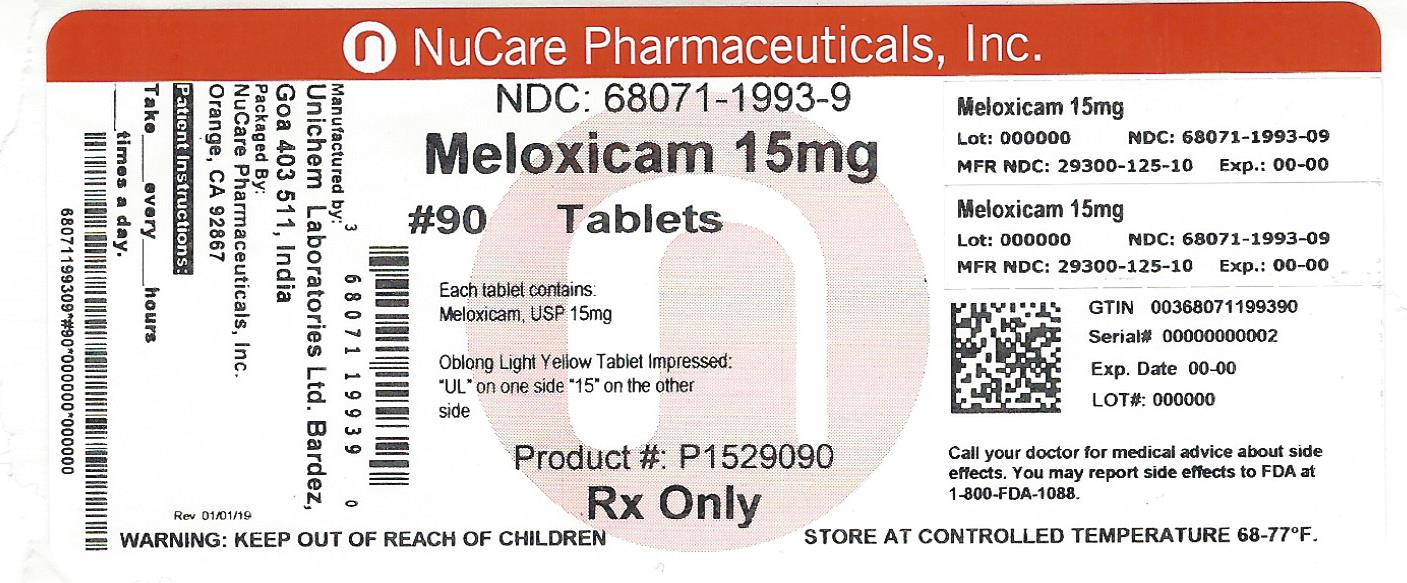
PACKAGE LABEL.PRINCIPAL DISPLAY PANEL pdp
Medicare Part D spend CMS · PART D · 2026 (Q1)
About this NDC listing & data coverage
What data is (and isn’t) available for this NDC — tap to expand
| NDC identity (package / product / labeler codes) | ✓ Available |
| Labeler | ✓ Available |
| Product & package description | ✓ Available |
| Marketing category & status | ✓ Available |
| Active ingredient / dosage form / route | ✓ Available |
| FDA label (SPL via DailyMed) | ✓ Available |
| Package photos | ✓ Available |
| Inactive ingredients (structured) | ✓ Available |
| NADAC pharmacy acquisition price (CMS) | — Not published for this NDC CMS publishes NADAC only for NDCs reported in its retail-pharmacy survey. |
| Orange Book / therapeutic-equivalence data | ✓ Available |
| HCPCS J-code billing crosswalk | — Not published for this NDC Most self-administered / retail products have no J-code — that is normal. |
| Medicaid utilization (CMS SDUD) | — Not published for this NDC CMS reports utilization only for NDCs with Medicaid claims above its privacy threshold. |