
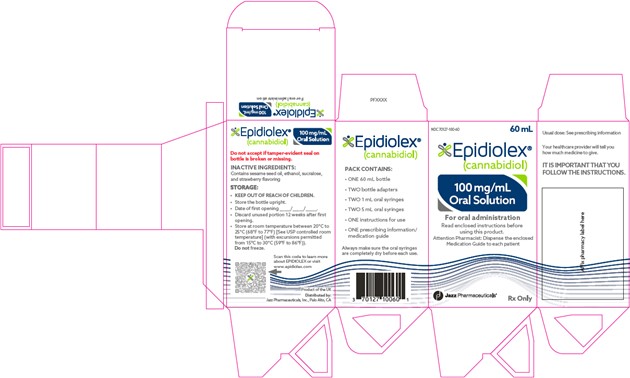
Epidiolex cannabidiol 100 mg/mL Solution
🆔 Identity & classification
Where does this data come from?
🏷️ RxNorm drug class
This medicine belongs to the Other antiepileptics class.
Where does this data come from?
🏭 Manufacturer & labeler
Where does this data come from?
🩺 Clinical
- Epidiolex is a prescription-only, pharmaceutical-grade cannabidiol oral solution that has been rigorously tested and FDA-approved specifically to treat seizures in Lennox-Gastaut s...
- What exactly is Epidiolex, and how is it different from regular CBD products you can buy online?
- No. Epidiolex works through a different pathway than the one responsible for the 'high' associated with cannabis — it does not appear to act on cannabinoid receptors. That said, it...
- Does Epidiolex make you feel 'high' like marijuana?
Patient education
Supplement & herbal interactions
Some supplements/herbs that may interact with Cannabidiol (prescription drug) — tap one for details:
Where does this data come from?
Ask a licensed pharmacist directly — free, answered by our team.
💊 What it looks like
Where does this data come from?
🧪 Inactive Ingredients / Excipients
Inactive ingredients, also called excipients, are components of the drug product other than the active ingredient. They may include fillers, dyes, coatings, preservatives, flavors, or other formulation ingredients.
💡 Tap an ingredient (hover on desktop) to see what it is and why it’s used.
-
UNII 3K9958V90M
A liquid solvent derived from fermentation or chemical synthesis. In medicines, alcohol dissolves active ingredients, helps preserve the product, and improves how the body absorbs certain drugs.
-
UNII QX10HYY4QV
Sesame oil is a plant-derived oil from sesame seeds. It's used in medicines as a solvent or carrier to dissolve or suspend active ingredients, helping them mix evenly throughout the formulation.
-
UNII 4J2TY8Y81V
A natural flavoring derived from strawberries that gives the medicine its strawberry taste and smell. It helps make the medicine more pleasant to take, especially for children.
-
UNII 96K6UQ3ZD4
Sucralose is a synthetic sweetener made from sugar. It's added to medicines to improve taste without adding calories, helping make bitter or unpleasant-tasting drugs easier to take.
4 inactive ingredients listed in the exact product block matched to this NDC.
Where does this data come from?
ingredient classCode="IACT" elements from the exact product block matched by this NDC. Label-section narrative from DailyMed / the openFDA label index is shown separately when available.Inactive ingredient FAQ
Are inactive ingredients the same for every manufacturer?
Why might an inactive ingredient be missing?
Can inactive ingredients matter?
💲 Pricing
A drug doesn't have one price. Each row is a different public payment system, and none is what you'd pay at the counter — that depends on your insurance. The ⓘ on each row explains what it measures.
| Price system | Per mL | Per package |
|---|---|---|
| Retail pharmacies payNADAC · weekly | Not in the retail survey — common for institutional, discontinued, or low-volume packs. | |
| Medicaid paysCMS SDUD · 12 mo | $16.78 | $1,006.82 / 60 ml |
| Medicare drug plans payPart D · Q2 2026 | $17.29 | $1,037.40 / 60 ml |
Where does this data come from?
🔁 Therapeutic equivalents
| Product | Labeler | Pack | NADAC/unit | TE | Status | Price vs. this |
|---|---|---|---|---|---|---|
| Epidiolex 100 mg/mLthis 70127-0100-60 | Jazz | 1 bottle | — | — | FDA listed | — |
Where does this data come from?
⏳ Availability & generic status
We did not find an FDA-approved generic match for this exact strength, form and route. Patent/protection dates below may affect future generic timing.
Why the date isn’t exact: Generic timing can change because patents may be challenged, settled, licensed, added, removed, or worked around with a narrower label — and FDA approval does not always mean a pharmacy can get the generic today.
🛈 What do these terms mean?
- Patent
- Legal protection listed in the Orange Book that may delay generic approval or launch. Issued by the U.S. Patent & Trademark Office.
- Substance patent
- Covers the active drug molecule itself — the hardest to design around. A generic generally can’t launch until it expires.
- Formulation (product) patent
- Covers a specific formulation or dosage form. A generic can sometimes work around it with a different formulation.
- Method-of-use patent
- A patent covering one specific approved use of the drug — not necessarily the whole molecule. A generic can sometimes launch with a “skinny label” that carves out the protected use and keeps the others.
- Skinny label
- A generic label that omits a still-patented use when the FDA allows it — letting a generic reach the market for the unprotected uses.
- Exclusivity
- FDA-granted marketing protection, separate from patents — e.g. 5-yr new chemical entity, 7-yr orphan drug, or a +6-month pediatric extension.
- Paragraph IV
- A generic applicant’s formal challenge to a listed patent. It can potentially lead to earlier generic entry, but often involves litigation or a settlement.
- RLD / RS
- Reference Listed Drug — the brand product the FDA uses as the reference for generic applications. Reference Standard — the product the FDA expects generics to compare against in bioequivalence testing.
- TE / AB rating
- FDA therapeutic-equivalence rating. An AB rating generally means the FDA considers a generic therapeutically equivalent to — and substitutable for — the brand.
- LOE (loss of exclusivity)
- The latest patent or exclusivity currently listed — the loss-of-exclusivity / latest-listed-protection date shown on this page. Paragraph-IV challenges and settlements can move the real date earlier; FDA approval and a manufacturer’s decision to market can move it later.
Built from the FDA Orange Book. The bars above are scaled to each protection’s expiry; the red LOE marker is the last one to lapse.
| Patent | Type | Use code | Expires |
|---|---|---|---|
| US 9956186 ↗ | Method of use | U-2426 | Jun 17, 2035 |
| US 10092525 ↗ | Method of use | U-2427 | Jun 17, 2035 |
| US 9956183 ↗ | Method of use | U-2422 | Jun 17, 2035 |
| US 9949937 ↗ | Method of use | U-2421 | Jun 17, 2035 |
| US 10111840 ↗ | Method of use | U-2443 | Jun 17, 2035 |
| US 10137095 ↗ | Method of use | U-2454 | Jun 17, 2035 |
| US 10111840 ↗ | Method of use | U-2442 | Jun 17, 2035 |
| US 11633369 ↗ | Method of use | U-2780 | Jun 17, 2035 |
| US 11633369 ↗ | Method of use | U-3071 | Jun 17, 2035 |
| US 11633369 ↗ | Method of use | U-2781 | Jun 17, 2035 |
| US 10603288 ↗ | Method of use | U-2780 | Jun 17, 2035 |
| US 10603288 ↗ | Method of use | U-2781 | Jun 17, 2035 |
| US 10603288 ↗ | Method of use | U-2782 | Jun 17, 2035 |
| US 10603288 ↗ | Method of use | U-2783 | Jun 17, 2035 |
| US 11207292 ↗ | Drug substance | U-3235 | Apr 26, 2039 |
| US 11207292 ↗ | Drug substance | U-3277 | Apr 26, 2039 |
| US 11207292 ↗ | Drug substance | U-3236 | Apr 26, 2039 |
| US 11357741 ↗ | Method of use | U-2862 | Jun 17, 2035 |
| US 12102619 ↗ | Method of use | U-3233 | Mar 1, 2041 |
| US 10709671 ↗ | Method of use | U-2862 | Jun 17, 2035 |
| US 10709674 ↗ | Method of use | U-2781 | Jun 17, 2035 |
| US 10709674 ↗ | Method of use | U-2780 | Jun 17, 2035 |
| US 9956183 ↗ | Method of use | U-2423 | Jun 17, 2035 |
| US 9956184 ↗ | Method of use | U-2424 | Jun 17, 2035 |
| US 11963937 ↗ | Method of use | U-2780 | Jun 17, 2035 |
| US 11963937 ↗ | Method of use | U-2781 | Jun 17, 2035 |
| US 9956185 ↗ | Method of use | U-2425 | Jun 17, 2035 |
| US 12064399 ↗ | Method of use | U-3988 | Jun 17, 2035 |
| US 12064399 ↗ | Method of use | U-3989 | Jun 17, 2035 |
| US 10137095 ↗ | Method of use | U-2455 | Jun 17, 2035 |
| US 11766411 ↗ | Method of use | U-2781 | Jun 17, 2035 |
| US 11065209 ↗ | Method of use | U-3071 | Oct 13, 2035 |
| US 11160795 ↗ | Method of use | U-3233 | Mar 1, 2041 |
| US 11154516 ↗ | Method of use | U-3235 | Jun 17, 2035 |
| US 11154516 ↗ | Method of use | U-3236 | Jun 17, 2035 |
| US 10849860 ↗ | Method of use | U-2427 | Jun 17, 2035 |
| US 10849860 ↗ | Method of use | U-2454 | Jun 17, 2035 |
| US 11311498 ↗ | Method of use | U-3375 | Jun 17, 2035 |
| US 11311498 ↗ | Method of use | U-3376 | Jun 17, 2035 |
| US 10966939 ↗ | Method of use | U-2780 | Jun 17, 2035 |
| US 10918608 ↗ | Method of use | U-3072 | Oct 13, 2035 |
| US 10918608 ↗ | Method of use | U-3071 | Oct 13, 2035 |
| US 10918608 ↗ | Method of use | U-3073 | Oct 13, 2035 |
| US 10966939 ↗ | Method of use | U-2781 | Jun 17, 2035 |
| US 11446258 ↗ | Method of use | U-2780 | Jun 17, 2035 |
| US 11446258 ↗ | Method of use | U-2781 | Jun 17, 2035 |
| US 11446258 ↗ | Method of use | U-3071 | Jun 17, 2035 |
| US 11406623 ↗ | Method of use | U-3233 | Mar 1, 2041 |
| US 11400055 ↗ | Method of use | U-3071 | Oct 13, 2035 |
| US 11096905 ↗ | Drug substance | U-2780 | Oct 13, 2035 |
| US 11096905 ↗ | Drug substance | U-2781 | Oct 13, 2035 |
| US 11865102 ↗ | Drug substance | U-2781 | Apr 26, 2039 |
| US 11701330 ↗ | Method of use | U-2780 | Jun 17, 2035 |
| US 11701330 ↗ | Method of use | U-2781 | Jun 17, 2035 |
| US 11865102 ↗ | Drug substance | U-3236 | Apr 26, 2039 |
| US 11865102 ↗ | Drug substance | U-3277 | Apr 26, 2039 |
| US 12661365 ↗ | Method of use | U-4573 | Sep 24, 2042 |
| US 12661365 ↗ | Method of use | U-4574 | Sep 24, 2042 |
| US 12661365 ↗ | Method of use | U-4575 | Sep 24, 2042 |
| US 10709673 ↗ | Drug product | — | Jun 17, 2035 |
| Code | What it grants | Expires |
|---|---|---|
| M-270 | New indication / labeling change (3-year) | Oct 20, 2026 |
| ODE-326 | Orphan Drug Exclusivity (7-year) | Jul 31, 2027 |
| ODE-332 | Orphan Drug Exclusivity (7-year) | Jul 31, 2027 |
Is there a generic version of EPIDIOLEX 100 MG/ML SOLN PACK?
The FDA approved a generic — why can’t I get it at my pharmacy yet?
Why do different websites show different generic release dates?
What does “FDA listed” mean?
What does a patent or protection date mean here?
What does “current Orange Book estimate” mean?
Can a generic come out before the last patent expires?
Can a generic come out after the listed dates?
What is the difference between patents and exclusivity?
Why are there multiple patent dates?
Where does this data come from?
🗺️ Medicaid utilization & spend
💊 Medicaid utilization by pack size
📊 Medicare Part D spend CMS · PART D · 2026 (Q1)
🔬 Reported adverse events (FAERS)
Top reported reactions
Age at onset
Reporter sex
Serious outcomes
Where does this data come from?
📦 Packaging — all sizes for this product
| Package NDC | Description | Marketing start | Status |
|---|---|---|---|
| 70127-0100-10 | 1 BOTTLE, GLASS in 1 CARTON (70127-100-10) / 100 mL in 1 BOTTLE, GLASS (70127-100-01) | 2018-10-05 | Active |
| 70127-0100-60 You're viewing this | 1 BOTTLE, GLASS in 1 CARTON (70127-100-60) / 60 mL in 1 BOTTLE, GLASS (70127-100-06) | 2021-10-06 | Active |
This pack accounts for about 27% of this product's recent Medicaid fills; most go to a different pack size. See all packs ↓
Pack size FAQ
What quantity is in NDC 70127-0100-60?
What NDC number is used to bill for this package of Epidiolex cannabidiol 100 mg/mL Solution?
🧭 About this NDC listing & data coverage
What data is (and isn’t) available for this NDC — tap to expand
| NDC identity (package / product / labeler codes) | ✓ Available |
| Labeler | ✓ Available |
| Product & package description | ✓ Available |
| Marketing category & status | ✓ Available |
| Active ingredient / dosage form / route | ✓ Available |
| FDA label (SPL via DailyMed) | ✓ Available |
| Package photos | ✓ Available |
| Inactive ingredients (structured) | ✓ Available |
| NADAC pharmacy acquisition price (CMS) | — Not published for this NDC CMS publishes NADAC only for NDCs reported in its retail-pharmacy survey. |
| Orange Book / therapeutic-equivalence data | ✓ Available |
| HCPCS J-code billing crosswalk | — Not published for this NDC Most self-administered / retail products have no J-code — that is normal. |
| Medicaid utilization (CMS SDUD) | ✓ Available |
Questions about this listing
Why is there no price listed?
Is the NDC printed on the package the same as the 11-digit billing NDC?
What do the three segments of this NDC mean?
Is this package still being marketed?
Does this product come in other package sizes?
Who lists this product with the FDA?
Do I need a prescription for this product?
Where does this data come from?
📄 Full prescribing information FDA SPL
🎯 Indications and Usage ▾
1 INDICATIONS AND USAGE EPIDIOLEX is indicated for the treatment of seizures associated with Lennox-Gastaut syndrome (LGS), Dravet syndrome (DS), or tuberous sclerosis complex (TSC) in patients 1 year of age and older. EPIDIOLEX is indicated for the treatment of seizures associated with Lennox-Gastaut syndrome, Dravet syndrome, or tuberous sclerosis complex in patients 1 year of age and older ( 1 )
⏱️ Dosage and Administration ▾
2 DOSAGE AND ADMINISTRATION • Obtain serum transaminases (ALT and AST) and total bilirubin levels in all patients prior to starting treatment. ( 2.1 , 5.1 ) • See Full Prescribing Information for titration. ( 2.2 , 2.3 ) Seizures Associated with Lennox-Gastaut Syndrome or Dravet Syndrome • The recommended starting dosage is 2.5 mg/kg by mouth twice daily (5 mg/kg/day).
After one week, the dosage can be increased to a maintenance dosage of 5 mg/kg twice daily (10 mg/kg/day). ( 2.2 ) • Based on individual clinical response and tolerability, EPIDIOLEX can be increased up to a maximum recommended maintenance dosage of 10 mg/kg twice daily (20 mg/kg/day). ( 2.2 ) Seizures Associated with Tuberous Sclerosis Complex • The recommended starting dosage is 2.5 mg/kg by mouth twice daily (5 mg/kg/day).
Increase the dose weekly by 2.5 mg/kg twice daily (5 mg/kg/day), as tolerated, to a recommended maintenance dosage of 12.5 mg/kg twice daily (25 mg/kg/day). ( 2.3 ) Patients with Impaired Hepatic Function • Dosage adjustment is recommended for patients with moderate or severe hepatic impairment. ( 2.6 , 8.6 )
2.1Assessments Prior to Initiating EPIDIOLEX Because of the risk of hepatocellular injury, obtain serum transaminases (ALT and AST) and total bilirubin levels in all patients prior to starting treatment with EPIDIOLEX [see Warnings and Precautions ( 5.1 )].
2.2Dosing for Seizures Associated with Lennox-Gastaut Syndrome or Dravet Syndrome • The starting dosage is 2.5 mg/kg by mouth twice daily (5 mg/kg/day). • After one week, the dosage can be increased to a maintenance dosage of 5 mg/kg twice daily (10 mg/kg/day). • Patients who are tolerating EPIDIOLEX at 5 mg/kg twice daily and require further reduction of seizures may benefit from a dosage increase up to a maximum recommended maintenance dosage of 10 mg/kg twice daily (20 mg/kg/day), in weekly increments of 2.5 mg/kg twice daily (5 mg/kg/day), as tolerated.
For patients in whom a more rapid titration from 10 mg/kg/day to 20 mg/kg/day is warranted, the dosage may be increased no more frequently than every other day. Administration of the 20 mg/kg/day dosage resulted in somewhat greater reductions in seizure rates than the recommended maintenance dosage of 10 mg/kg/day, but with an increase in adverse reactions.
2.3Dosing for Seizures Associated with Tuberous Sclerosis Complex • The starting dosage is 2.5 mg/kg by mouth twice daily (5 mg/kg/day). • Increase the dose in weekly increments of 2.5 mg/kg twice daily (5 mg/kg/day), as tolerated, to a recommended maintenance dosage of 12.5 mg/kg twice daily (25 mg/kg/day). For patients in whom a more rapid titration to 25 mg/kg/day is warranted, the dosage may be increased no more frequently than every other day. • The effectiveness of doses lower than 12.5 mg/kg twice daily has not been studied in patients with TSC.
2.4Administration Instructions Food may affect EPIDIOLEX levels [see Clinical Pharmacology ( 12.3 )]. Consistent dosing of EPIDIOLEX with respect to meals is recommended to reduce variability in cannabidiol plasma exposure. Calibrated measuring devices (1 mL and 5 mL oral syringes) will be provided and are recommended to measure and deliver the prescribed dose accurately [see How Supplied/Storage and Handling ( 16.1 )].
A household teaspoon or tablespoon is not an adequate measuring device. Oral administration is recommended. When necessary, EPIDIOLEX can be enterally administered via silicone feeding tubes, such as nasogastric or gastrostomy tubes.
The recommended volume for flushing (with room temperature drinking water) after each dose is approximately 5 times the priming volume of the tube. The flushing volume may need to be modified in patients with fluid restrictions. Do not use with tubes made of polyvinyl chloride (PVC) or polyurethane and avoid use of silicone nasogastric tubes with short lengths and narrow diameters (e.g., less than 50 cm and less than 5 FR).
Discard any unused EPIDIOLEX remaining 12 weeks after fi…
💊 Dosage Forms and Strengths ▾
3 DOSAGE FORMS AND STRENGTHS Cannabidiol oral solution: 100 mg/mL of a strawberry-flavored, clear, colorless to yellow solution. Oral solution: 100 mg/mL ( 3 )
⛔ Contraindications ▾
4 CONTRAINDICATIONS EPIDIOLEX is contraindicated in patients with a history of hypersensitivity to cannabidiol or any of the ingredients in the product [see Description ( 11 ) and Warnings and Precautions ( 5.4 )]. Hypersensitivity to cannabidiol or any of the ingredients in EPIDIOLEX ( 4 )
⚠️ Warnings and Cautions ▾
5 WARNINGS AND PRECAUTIONS • Hepatic Injury: EPIDIOLEX can cause transaminase elevations. Concomitant use of valproate and higher doses of EPIDIOLEX increase the risk of transaminase elevations. See Full Prescribing Information for serum transaminase and bilirubin monitoring recommendations.
( 5.1 ) • Somnolence and Sedation: Monitor for somnolence and sedation and advise patients not to drive or operate machinery until they have gained sufficient experience on EPIDIOLEX. ( 5.2 ) • Suicidal Behavior and Ideation: Monitor patients for suicidal behavior and thoughts. ( 5.3 ) • Hypersensitivity Reactions: Advise patients to seek immediate medical care.
Discontinue and do not restart EPIDIOLEX if hypersensitivity occurs. ( 5.4 ) • Withdrawal of Antiepileptic Drugs: EPIDIOLEX should be gradually withdrawn to minimize the risk of increased seizure frequency and status epilepticus. ( 5.5 )
5.1Hepatic Injury EPIDIOLEX can cause dose-related elevations of liver transaminases (alanine aminotransferase [ALT] and/or aspartate aminotransferase [AST]). In controlled studies for LGS and DS (10 and 20 mg/kg/day dosages) and TSC (25 mg/kg/day), the incidence of ALT elevations above 3 times the upper limit of normal (ULN) was 13% (10 and 20 mg/kg/day dosages) and 12% (25 mg/kg/day dosage) in EPIDIOLEX-treated patients compared with 1% in patients on placebo. Less than 1% of EPIDIOLEX-treated patients had ALT or AST levels greater than 20 times the ULN.
There were cases of transaminase elevations associated with hospitalization in patients taking EPIDIOLEX. In clinical trials, serum transaminase elevations typically occurred in the first two months of treatment initiation; however, there were some cases observed up to 18 months after initiation of treatment, particularly in patients taking concomitant valproate. Resolution of transaminase elevations occurred with discontinuation of EPIDIOLEX or reduction of EPIDIOLEX and/or concomitant valproate in about two-thirds of the cases.
In about one-third of the cases, transaminase elevations resolved during continued treatment with EPIDIOLEX, without dose reduction. In the postmarketing setting, cases of cholestatic or mixed patterns of liver injury (i.e., based on calculated ratio of [ALT/ULN]/[ALP/ULN] less than 2 and between 2-5, respectively) were reported in patients treated with EPIDIOLEX. Risk Factors for Transaminase Elevation Concomitant Valproate and Clobazam The majority of ALT elevations in the controlled studies occurred in patients taking concomitant valproate [see Drug Interactions ( 7.3 )] .
Concomitant use of clobazam also increased the incidence of transaminase elevations, although to a lesser extent than valproate [see Drug Interactions ( 7.2 )] . In EPIDIOLEX-treated patients with LGS or DS (10 and 20 mg/kg/day dosages), the incidence of ALT elevations greater than 3 times the ULN was 30% in patients taking both concomitant valproate and clobazam, 21% in patients taking concomitant valproate (without clobazam), 4% in patients taking concomitant clobazam (without valproate), and 3% in patients taking neither drug.
In EPIDIOLEX-treated patients with TSC (25 mg/kg/day), the incidence of ALT elevations greater than 3 times the ULN was 20% in patients taking both concomitant valproate and clobazam, 25% in patients taking concomitant valproate (without clobazam), 0% in patients taking concomitant clobazam (without valproate), and 6% in patients taking neither drug. Consider discontinuation or dose adjustment of valproate or clobazam if liver enzyme elevations occur. In the postmarketing setting, cases of elevated ammonia levels were reported in some EPIDIOLEX-treated patients who also had transaminase elevations; where data were available, most cases reported concomitant use of valproate, clobazam, or both.
Consider discontinuation or dose adjustment of valproate or clobazam if ammonia level elevations occur. Dose Transaminase elevations are generally dose-related. In patients with DS or…
🤒 Adverse Reactions ▾
6 ADVERSE REACTIONS The following important adverse reactions are described elsewhere in labeling: • Hepatic Injury [see Warnings and Precautions ( 5.1 )] • Somnolence and Sedation [see Warnings and Precautions ( 5.2 )] • Suicidal Behavior and Ideation [see Warnings and Precautions ( 5.3 )] • Hypersensitivity Reactions [see Warnings and Precautions ( 5.4 )] • Withdrawal of Antiepileptic Drugs [see Warnings and Precautions ( 5.5 )] The most common adverse reactions (10% or more for EPIDIOLEX and greater than placebo) in patients with Lennox-Gastaut syndrome or Dravet syndrome are: somnolence; decreased appetite; diarrhea; transaminase elevations; fatigue, malaise, and asthenia; rash; insomnia, sleep disorder, and poor quality sleep; and infections.
( 6.1 ) The most common adverse reactions (10% or more for EPIDIOLEX and greater than placebo) in patients with tuberous sclerosis complex are: diarrhea; transaminase elevations; decreased appetite; somnolence; pyrexia; and vomiting. ( 6.1 ) To report SUSPECTED ADVERSE REACTIONS, contact Jazz Pharmaceuticals, Inc. at 1-800-520-5568 or FDA at 1-800-FDA-1088 or www.fda.gov/medwatch.
6.1Clinical Trials Experience Because clinical trials are conducted under widely varying conditions, adverse reaction rates observed in the clinical trials of a drug cannot be directly compared to rates in the clinical trials of another drug and may not reflect the rates observed in practice. In controlled and uncontrolled trials in patients with LGS and DS, 689 patients were treated with EPIDIOLEX, including 533 patients treated for more than 6 months, and 391 patients treated for more than 1 year. In controlled and uncontrolled trials in patients with TSC, 223 patients were treated with EPIDIOLEX, including 151 patients treated for more than 6 months, 88 patients treated for more than 1 year, and 15 patients treated for more than 2 years.
In an expanded access program and other compassionate use programs, 271 patients with DS, LGS, or TSC were treated with EPIDIOLEX, including 237 patients treated for more than 6 months, 204 patients treated for more than 1 year, and 140 patients treated for more than 2 years. Patients with LGS or DS In placebo-controlled trials of patients with LGS or DS (includes Studies 1, 2, 3, and a Phase 2 controlled study in DS), 323 patients received EPIDIOLEX [see Clinical Studies ( 14.1 , 14.2 )] . Adverse reactions are presented below; the duration of treatment in these trials was up to 14 weeks.
Approximately 46% of patients were female, 83% were Caucasian, and the mean age was 14 years (range 2 to 48 years). All patients were taking other AEDs. In controlled trials in LGS or DS, the rate of discontinuation as a result of any adverse reaction was 2.7% for patients taking EPIDIOLEX 10 mg/kg/day, 11.8% for patients taking EPIDIOLEX 20 mg/kg/day, and 1.3% for patients on placebo.
The most frequent cause of discontinuations was transaminase elevation. Discontinuation for transaminase elevation occurred at an incidence of 1.3% in patients taking EPIDIOLEX 10 mg/kg/day, 5.9% in patients taking EPIDIOLEX 20 mg/kg/day, and 0.4% in patients on placebo. Somnolence, sedation, and lethargy led to discontinuation in 3% of patients taking EPIDIOLEX 20 mg/kg/day compared to 0% of patients taking EPIDIOLEX 10 mg/kg/day or on placebo.
The most common adverse reactions that occurred in EPIDIOLEX-treated patients with LGS or DS (incidence at least 10% and greater than placebo) were somnolence; decreased appetite; diarrhea; transaminase elevations; fatigue, malaise, and asthenia; rash; insomnia, sleep disorder, and poor quality sleep; and infections. Table 3 lists the adverse reactions that were reported in at least 3% of EPIDIOLEX-treated patients, and at a rate greater than those on placebo, in the placebo-controlled trials in LGS and DS. Table 3: Adverse Reactions in Patients Treated with EPIDIOLEX in Controlled Trials of LGS and DS (Studies 1, 2, and 3) Adverse Reactions EPIDIOLEX Placebo 10…
🔄 Drug Interactions ▾
7 DRUG INTERACTIONS • Strong inducer of CYP3A4 or CYP2C19: Consider dose increase of EPIDIOLEX. ( 7.1 ) • Consider a dose reduction of substrates of CYP1A2, CYP2C8, UGT1A9, and orally administered P-gp substrates. ( 7.2 ) • A lower starting dose of orally administered everolimus is recommended. ( 7.2 ) • Consider dose modification of CYP2B6 or CYP2C19 substrates. ( 7.2 )
7.1Effect of Other Drugs on EPIDIOLEX Strong CYP3A4 or CYP2C19 Inducers Concomitant use with a strong CYP3A4 and CYP2C19 inducer (rifampin 600 mg once daily) decreased cannabidiol and 7-hydroxy-cannabidiol (7-OH-CBD) plasma concentrations by approximately 32% and 63%. The impact of such changes on efficacy of EPIDIOLEX is not known [see Clinical Pharmacology ( 12.3 )] . Consider an increase in EPIDIOLEX dosage (based on clinical response and tolerability) up to 2-fold, when concomitantly used with a strong CYP3A4 and/or CYP2C19 inducer.
7.2Effect of EPIDIOLEX on Other Drugs Antiepileptic Drugs Clobazam Concomitant use of EPIDIOLEX with clobazam increases plasma concentrations of N‑desmethylclobazam, the active metabolite of clobazam [see Clinical Pharmacology ( 12.3 )], which may increase the risk of clobazam-related adverse reactions [see Adverse Reactions ( 6.1 ) and Warnings and Precautions ( 5.1 , 5.2 )]. Consider a reduction in dosage of clobazam if adverse reactions known to occur with clobazam are experienced when concomitantly used with EPIDIOLEX.
Stiripentol Concomitant use of EPIDIOLEX with stiripentol increases plasma exposures of stiripentol [see Clinical Pharmacology ( 12.3 )] . Monitor for stiripentol-related adverse reactions when concomitantly used with EPIDIOLEX. Orally Administered P-gp Substrates Concomitant use of EPIDIOLEX with orally administered everolimus results in an approximately 2.5‑fold increase in plasma exposures of everolimus [see Clinical Pharmacology ( 12.3 )] .
When initiating EPIDIOLEX in patients taking everolimus, monitor therapeutic drug levels of everolimus and adjust the dosage accordingly. In patients on a stable dosage of EPIDIOLEX, it is recommended to initiate everolimus at a lower starting dosage and titrate the dose based on therapeutic drug monitoring. Increases in exposure of other orally administered P‑gp substrates (e.g., sirolimus, tacrolimus, digoxin) may be observed when concomitantly used with EPIDIOLEX.
Consider therapeutic drug monitoring and dosage reduction of other P‑gp substrates when given orally with EPIDIOLEX. CYP1A2, CYP2B6, CYP2C8, CYP2C19, and UGT1A9 Substrates CYP1A2 Substrates Cannabidiol is a weak inhibitor of CYP1A2 [see Clinical Pharmacology ( 12.3 )] . Increases in exposure of certain CYP1A2 substrates (e.g., theophylline, tizanidine) may be observed when concomitantly used with EPIDIOLEX.
Consider dosage reduction of CYP1A2 substrates where minimal concentration changes may lead to serious adverse reactions, as clinically appropriate, when concomitantly used with EPIDIOLEX. CYP2B6 Substrates Cannabidiol is an inducer and inhibitor of CYP2B6 [see Clinical Pharmacology ( 12.3 )]. No clinically significant reduction in exposures of CYP2B6 substrates are observed when concomitantly used with EPIDIOLEX at 7.5 mg/kg twice daily.
Changes in exposures of CYP2B6 substrates are unknown when concomitantly used with EPIDIOLEX at doses above 7.5 mg/kg twice daily. Consider dosage modification of CYP2B6 substrates, as clinically appropriate, when concomitantly used with EPIDIOLEX at doses above 7.5 mg/kg twice daily. CYP2C8 Substrates Concomitant use of EPIDIOLEX may cause clinically significant interactions with CYP2C8 substrates.
Consider a reduction in dosage of CYP2C8 substrates, as clinically appropriate, if adverse reactions are experienced when concomitantly used with EPIDIOLEX. CYP2C19 Substrates Cannabidiol is a moderate inhibitor of CYP2C19 [see Clinical Pharmacology ( 12.3 )] . Concomitant use of EPIDIOLEX increases plasma concentrations of CYP2C19 substrates and may increase the risk of…
👥 Use in Specific Populations ▾
8 USE IN SPECIFIC POPULATIONS Pregnancy: Based on animal data, may cause fetal harm. ( 8.1 )
8.1Pregnancy Pregnancy Surveillance Program and Pregnancy Exposure Registry There are two programs, an EPIDIOLEX pregnancy surveillance program and an antiepileptic drug (AED) pregnancy exposure registry, that monitor pregnancy outcomes. Encourage women who are taking EPIDIOLEX during pregnancy to enroll in both, by calling the toll free numbers or visiting the websites below: • EPIDIOLEX Pregnancy Surveillance Program o 1-855-272-7158 o https://www.epidiolexpregnancystudy.com • North American Antiepileptic Drug (NAAED) Pregnancy Registry o 1-888-233-2334 o https://www.aedpregnancyregistry.org/ Risk Summary There are no adequate data on the developmental risks associated with the use of EPIDIOLEX in pregnant women.
Administration of cannabidiol to pregnant animals produced evidence of developmental toxicity (increased embryofetal mortality in rats and decreased fetal body weights in rabbits; decreased growth, delayed sexual maturation, long-term neurobehavioral changes, and adverse effects on the reproductive system in rat offspring) at maternal plasma exposures similar to (rabbit) or greater than (rat) that in humans at therapeutic doses (see Animal Data ). In the U.S. general population, the estimated background risk of major birth defects and miscarriage in clinically recognized pregnancies is 2–4% and 15–20%, respectively.
The background risks of major birth defects and miscarriage for the indicated populations are unknown. Data Animal Data Oral administration of cannabidiol (0, 75, 150, or 250 mg/kg/day) to pregnant rats throughout the period of organogenesis resulted in embryofetal mortality at the highest dose tested. There were no other drug-related maternal or developmental effects.
The highest no-effect dose for embryofetal toxicity in rats was associated with maternal plasma cannabidiol exposures (AUC) approximately 16 and 13 times that in humans at the maximum recommended human doses (MRHD) of 20 and 25 mg/kg/day, respectively. Oral administration of the major human cannabidiol metabolite, 7-COOH-CBD (0, 25, 50 or 100 mg/kg/day), to pregnant rats throughout the period of organogenesis resulted in embryofetal malformations and variations at the highest dose tested, which was not maternally toxic.
The highest no‑effect dose for embryofetal developmental toxicity in rats (50 mg/kg/day) was associated with maternal plasma 7-COOH-CBD exposures (AUC) approximately 5 and 4 times that in humans at the MRHDs of 20 and 25 mg/kg/day cannabidiol, respectively. Oral administration of cannabidiol (0, 50, 80, or 125 mg/kg/day) to pregnant rabbits throughout organogenesis resulted in decreased fetal body weights and increased fetal structural variations at the highest dose tested, which was also associated with maternal toxicity.
Maternal plasma cannabidiol exposures at the no-effect level for embryofetal developmental toxicity in rabbits were less than that in humans at both MRHDs. When cannabidiol (75, 150, or 250 mg/kg/day) was orally administered to rats throughout pregnancy and lactation, decreased growth, delayed sexual maturation, neurobehavioral changes (decreased activity), and adverse effects on male reproductive organ development (small testes in adult offspring) and fertility were observed in the offspring at the mid and high dose.
These effects occurred in the absence of maternal toxicity. The no-effect dose for pre- and post-natal developmental toxicity in rats was associated with maternal plasma cannabidiol exposures approximately 9 and 7 times that in humans at the MRHDs of 20 and 25 mg/kg/day, respectively. Oral administration of 7-COOH-CBD (0, 20, 40, or 75 mg/kg/day) to rats throughout pregnancy and lactation resulted in adverse effects on neurobehavioral function (locomotor activity) in offspring when tested in adulthood at the mid and high doses, and on reproductive function (increased preimplantation loss) in offspri…
🤰 Pregnancy ▾
8.1Pregnancy Pregnancy Surveillance Program and Pregnancy Exposure Registry There are two programs, an EPIDIOLEX pregnancy surveillance program and an antiepileptic drug (AED) pregnancy exposure registry, that monitor pregnancy outcomes. Encourage women who are taking EPIDIOLEX during pregnancy to enroll in both, by calling the toll free numbers or visiting the websites below: • EPIDIOLEX Pregnancy Surveillance Program o 1-855-272-7158 o https://www.epidiolexpregnancystudy.com • North American Antiepileptic Drug (NAAED) Pregnancy Registry o 1-888-233-2334 o https://www.aedpregnancyregistry.org/ Risk Summary There are no adequate data on the developmental risks associated with the use of EPIDIOLEX in pregnant women.
Administration of cannabidiol to pregnant animals produced evidence of developmental toxicity (increased embryofetal mortality in rats and decreased fetal body weights in rabbits; decreased growth, delayed sexual maturation, long-term neurobehavioral changes, and adverse effects on the reproductive system in rat offspring) at maternal plasma exposures similar to (rabbit) or greater than (rat) that in humans at therapeutic doses (see Animal Data ). In the U.S. general population, the estimated background risk of major birth defects and miscarriage in clinically recognized pregnancies is 2–4% and 15–20%, respectively.
The background risks of major birth defects and miscarriage for the indicated populations are unknown. Data Animal Data Oral administration of cannabidiol (0, 75, 150, or 250 mg/kg/day) to pregnant rats throughout the period of organogenesis resulted in embryofetal mortality at the highest dose tested. There were no other drug-related maternal or developmental effects.
The highest no-effect dose for embryofetal toxicity in rats was associated with maternal plasma cannabidiol exposures (AUC) approximately 16 and 13 times that in humans at the maximum recommended human doses (MRHD) of 20 and 25 mg/kg/day, respectively. Oral administration of the major human cannabidiol metabolite, 7-COOH-CBD (0, 25, 50 or 100 mg/kg/day), to pregnant rats throughout the period of organogenesis resulted in embryofetal malformations and variations at the highest dose tested, which was not maternally toxic.
The highest no‑effect dose for embryofetal developmental toxicity in rats (50 mg/kg/day) was associated with maternal plasma 7-COOH-CBD exposures (AUC) approximately 5 and 4 times that in humans at the MRHDs of 20 and 25 mg/kg/day cannabidiol, respectively. Oral administration of cannabidiol (0, 50, 80, or 125 mg/kg/day) to pregnant rabbits throughout organogenesis resulted in decreased fetal body weights and increased fetal structural variations at the highest dose tested, which was also associated with maternal toxicity.
Maternal plasma cannabidiol exposures at the no-effect level for embryofetal developmental toxicity in rabbits were less than that in humans at both MRHDs. When cannabidiol (75, 150, or 250 mg/kg/day) was orally administered to rats throughout pregnancy and lactation, decreased growth, delayed sexual maturation, neurobehavioral changes (decreased activity), and adverse effects on male reproductive organ development (small testes in adult offspring) and fertility were observed in the offspring at the mid and high dose.
These effects occurred in the absence of maternal toxicity. The no-effect dose for pre- and post-natal developmental toxicity in rats was associated with maternal plasma cannabidiol exposures approximately 9 and 7 times that in humans at the MRHDs of 20 and 25 mg/kg/day, respectively. Oral administration of 7-COOH-CBD (0, 20, 40, or 75 mg/kg/day) to rats throughout pregnancy and lactation resulted in adverse effects on neurobehavioral function (locomotor activity) in offspring when tested in adulthood at the mid and high doses, and on reproductive function (increased preimplantation loss) in offspring at all doses.
The lowest dose tested, a no-effect dose for pre- and postnatal developmenta…
🧒 Pediatric Use ▾
8.4Pediatric Use Safety and effectiveness of EPIDIOLEX for the treatment of seizures associated with LGS, DS, or TSC have been established in patients 1 year of age and older. The use of EPIDIOLEX in these indications is supported by adequate and well-controlled studies in patients 2 years of age and older with LGS and DS and in patients 1 year of age and older with TSC [see Clinical Studies ( 14.1 , 14.2 , 14.3 )]. Safety and effectiveness of EPIDIOLEX in pediatric patients below 1 year of age have not been established.
Juvenile Animal Data Administration of cannabidiol (subcutaneous doses of 0 or 15 mg/kg on Postnatal Days (PNDs) 4-6 followed by oral administration of 0, 100, 150, or 250 mg/kg on PNDs 7-77) to juvenile rats for 10 weeks resulted in increased body weight, delayed male sexual maturation, neurobehavioral effects (decreased locomotor activity and auditory startle habituation), increased bone mineral density, and liver hepatocyte vacuolation. A no-effect dose was not established. The lowest dose causing developmental toxicity in juvenile rats (15 sc/100 po mg/kg) was associated with cannabidiol exposures (AUC) approximately 4 times that in humans at both MRHDs of 20 and 25 mg/kg/day.
Administration of the major human cannabidiol metabolite 7-COOH-CBD (0, 20, 40, or 80 mg/kg/day) to juvenile rats by subcutaneous injection on PNDs 4-6 followed by oral gavage on PNDs 7-77, for a total of 10 weeks, resulted in mortality, ophthalmic abnormalities, and accelerated female sexual maturation at the mid and high doses, and long-term neurobehavioral (increased locomotor activity, decreased auditory startle response habituation and prepulse inhibition, delayed maze learning) and reproductive functional impairment (disrupted estrous cyclicity, decreased sperm concentration and increased abnormal sperm; decreased mating, fertility, and fecundity indices; increased preimplantation loss), decreased brain weight, and decreased bone density at the high dose.
The no-effect dose for developmental toxicity in juvenile rats (20 mg/kg/day) was associated with 7-COOH-CBD exposures (AUC) that were approximately equivalent to that in humans at the MRHDs of 20 and 25 mg/kg/day.
🧓 Geriatric Use ▾
8.5Geriatric Use Clinical trials of EPIDIOLEX in the treatment of LGS, DS, and TSC did not include a sufficient number of patients aged above 55 years to determine whether or not they respond differently from younger patients. In general, dose selection for an elderly patient should be cautious, usually starting at the low end of the dosing range, reflecting the greater frequency of decreased hepatic, renal, or cardiac function, and of concomitant disease or other drug therapy [see Dosage and Administration ( 2.6 ), Warnings and Precautions ( 5.1 ), and Clinical Pharmacology ( 12.3 )] .
🧬 Clinical Pharmacology ▾
12 CLINICAL PHARMACOLOGY
12.1Mechanism of Action The precise mechanisms by which EPIDIOLEX exerts its anticonvulsant effect in humans are unknown. Cannabidiol does not appear to exert its anticonvulsant effects through interaction with cannabinoid receptors.
12.2Pharmacodynamics Cardiac Electrophysiology Concentration-dependent QTc prolongation was observed for EPIDIOLEX. At exposures obtained when administered as monotherapy at recommended doses with a high fat meal, EPIDIOLEX did not prolong the QTc interval greater than 10 msec. Other factors such as food intake, certain concomitant medications (e.g., clobazam), and alcohol consumption may increase the exposure of EPIDIOLEX and the potential effect on QTc prolongation in this scenario is not known.
Effect of EPIDIOLEX on Measured Glomerular Filtration Rate (mGFR) In a dedicated study in healthy subjects (N=39), EPIDIOLEX (7.5 mg/kg twice daily for 7 days) had no effect on the mGFR and mGFR normalized for body surface area (BSA), as determined by the clearance of probe drug iohexol (5 mL, IV infusion) following EPIDIOLEX administration versus baseline. In this study, consistent with historic observations [see Adverse Reactions ( 6.1 )] , increases in serum creatinine and corresponding decreases in estimated GFR (using a combined serum creatinine- and cystatin C-based estimating equation) and 24-hour urinary creatinine clearance (CL cr ) of 5% and 10%, respectively, were seen.
The results of this study demonstrate that EPIDIOLEX did not affect mGFR; therefore, the increase in serum creatinine observed with administration of EPIDIOLEX is not due to a reduction in glomerular filtration rate.
12.3Pharmacokinetics Cannabidiol demonstrated an increase in exposure that was less than dose-proportional over the range of 5 to 25 mg/kg/day in patients. Absorption Cannabidiol has a time to maximum plasma concentration (T max ) of 2.5 to 5 hours at steady state (C ss ). Effect of Food Coadministration of EPIDIOLEX (750 or 1500 mg) with a high-fat/high-calorie meal increased C max by 5‑fold, AUC by 4‑fold, and reduced the total variability, compared with the fasted state in healthy subjects [see Dosage and Administration ( 2.4 )] .
Coadministration of EPIDIOLEX with a low-fat/low-calorie meal increased C max and AUC by 4‑fold and 3‑fold, respectively. Furthermore, coadministration of EPIDIOLEX with bovine milk increased exposure by approximately 3‑fold for C max and 2.5‑fold for AUC. Coadministration of EPIDIOLEX with alcohol also caused increased exposure to cannabidiol, with 93% increased C max and 63% greater AUC.
Distribution The apparent volume of distribution in healthy subjects was 20963 L to 42849 L. Protein binding of the cannabidiol and its metabolites was >94% in vitro. Elimination The half-life of cannabidiol in plasma was 56 to 61 hours after twice-daily dosing for 7 days in healthy subjects.
The plasma clearance of cannabidiol following a single EPIDIOLEX 1500 mg dose (approximately equal to the 20 mg/kg/day dosage) is 1111 L/h. Metabolism Cannabidiol is metabolized in the liver and the gut (primarily in the liver) by CYP2C19 and CYP3A4 enzymes, and UGT1A7, UGT1A9, and UGT2B7 isoforms. After repeat dosing, the active metabolite of cannabidiol, 7-OH-CBD, has a 38% lower AUC than the parent drug.
The 7-OH-CBD metabolite is converted to 7‑COOH-CBD, which has an approximately 40‑fold higher AUC than the parent drug. Based on two mouse models of acute seizure, the 7-OH-CBD metabolite is anticonvulsant in both models and 7-COOH-CBD is anticonvulsant in one model. The relevance of these findings to human epilepsy is unknown.
Excretion EPIDIOLEX is excreted in feces, with minor renal clearance. Specific Populations Patients with Hepatic Impairment No effects on the exposures of cannabidiol or metabolite exposures were observed following administration of a single dose of EPIDIOLEX 200 mg in patients with mild (Child-Pugh A) hepatic impairment. Patients with moderate (Child-Pugh B…
🧬 Mechanism of Action ▾
12.1Mechanism of Action The precise mechanisms by which EPIDIOLEX exerts its anticonvulsant effect in humans are unknown. Cannabidiol does not appear to exert its anticonvulsant effects through interaction with cannabinoid receptors.
📦 How Supplied / Storage and Handling ▾
16 HOW SUPPLIED/STORAGE AND HANDLING
16.1How Supplied EPIDIOLEX is a strawberry-flavored, clear, colorless to yellow solution supplied in an amber glass bottle with a child-resistant closure. EPIDIOLEX is available in bottles containing 60 mL (NDC 70127-100-06) or 100 mL of oral solution (NDC 70127-100-01). Each mL contains 100 mg of cannabidiol.
EPIDIOLEX is packaged in a carton with two 1 mL calibrated oral dosing syringes, two 5 mL calibrated oral dosing syringes, and bottle adapters (NDC 70127-100-60 or NDC 70127‑100‑10).
16.2Storage and Handling Store EPIDIOLEX in an upright position at 20°C to 25°C (68°F to 77°F); excursions are permitted between 15°C to 30°C (59°F to 86°F) [see USP Controlled Room Temperature] . Do not freeze. Keep the cap tightly closed. Use within 12 weeks of first opening the bottle, then discard any remainder.
16.1How Supplied EPIDIOLEX is a strawberry-flavored, clear, colorless to yellow solution supplied in an amber glass bottle with a child-resistant closure. EPIDIOLEX is available in bottles containing 60 mL (NDC 70127-100-06) or 100 mL of oral solution (NDC 70127-100-01). Each mL contains 100 mg of cannabidiol.
EPIDIOLEX is packaged in a carton with two 1 mL calibrated oral dosing syringes, two 5 mL calibrated oral dosing syringes, and bottle adapters (NDC 70127-100-60 or NDC 70127‑100‑10).
📦 Storage and Handling ▾
16.2Storage and Handling Store EPIDIOLEX in an upright position at 20°C to 25°C (68°F to 77°F); excursions are permitted between 15°C to 30°C (59°F to 86°F) [see USP Controlled Room Temperature] . Do not freeze. Keep the cap tightly closed. Use within 12 weeks of first opening the bottle, then discard any remainder.
📋 Description ▾
11 DESCRIPTION Cannabidiol is a cannabinoid designated chemically as 2-[(1R,6R)-3-Methyl-6-(1-methylethenyl)-2-cyclohexen-1-yl]-5-pentyl-1,3-benzenediol (IUPAC/CAS). Its empirical formula is C 21 H 30 O 2 and its molecular weight is 314.46. The chemical structure is: Cannabidiol, the active ingredient in EPIDIOLEX, is a cannabinoid that naturally occurs in the Cannabis sativa L . plant.
Cannabidiol is a white to pale yellow crystalline solid. It is insoluble in water and is soluble in organic solvents. EPIDIOLEX (cannabidiol) oral solution is a clear, colorless to yellow liquid containing cannabidiol at a concentration of 100 mg/mL.
Inactive ingredients include dehydrated alcohol (7.9% w/v), sesame seed oil, strawberry flavor, and sucralose. EPIDIOLEX contains no ingredient made from a gluten-containing grain (wheat, barley, or rye). Cannabidiol chemical structure
💬 Information for Patients ▾
17 PATIENT COUNSELING INFORMATION Advise the caregiver or patient to read the FDA-approved patient labeling ( Medication Guide and Instructions for Use ). Administration Information Advise patients who are prescribed EPIDIOLEX to use the adapter and oral dosing syringes provided [see Dosage and Administration ( 2.4 ) and Instructions for Use ] . Provide instructions regarding which syringe to use and how to administer the specified dose, since EPIDIOLEX is supplied with 1 mL and 5 mL oral dispensing syringes.
Instruct patients to discard any unused EPIDIOLEX oral solution after 12 weeks of first opening the bottle [see Dosage and Administration ( 2.4 )]. Hepatic Injury Inform patients about the potential for elevations of liver enzymes. Discuss with the patient the importance of measuring hepatic laboratory values and having them evaluated by the healthcare provider before treatment with EPIDIOLEX and periodically during treatment [see Warnings and Precautions ( 5.1 )] .
Advise patients of the clinical signs or symptoms suggestive of hepatic dysfunction (e.g., unexplained nausea, vomiting, right upper quadrant abdominal pain, fatigue, anorexia, or jaundice and/or dark urine) and to contact a healthcare provider promptly if these signs or symptoms occur. Somnolence and Sedation Caution patients about operating hazardous machinery, including motor vehicles, until they are reasonably certain that EPIDIOLEX does not affect them adversely (e.g., impair judgment, thinking, or motor skills) [see Warnings and Precautions ( 5.2 )] .
Suicidal Thinking and Behavior Counsel patients, their caregivers, and their families that antiepileptic drugs, including EPIDIOLEX, may increase the risk of suicidal thoughts and behavior and advise them to be alert for the emergence or worsening of symptoms of depression, any unusual changes in mood or behavior, or the emergence of suicidal thoughts, behavior, or thoughts of self-harm. Instruct patients, caregivers, and families to report behaviors of concern immediately to healthcare providers [see Warnings and Precautions ( 5.3 )] .
Withdrawal of Antiepileptic Drugs (AEDs) Advise patients not to discontinue use of EPIDIOLEX without consulting with their healthcare provider. EPIDIOLEX should normally be gradually withdrawn to reduce the potential for increased seizure frequency and status epilepticus [see Dosage and Administration ( 2.5 ) and Warnings and Precautions ( 5.5 )] . Pregnancy Surveillance Program and Pregnancy Exposure Registry Advise patients to notify their healthcare provider if they become pregnant or intend to become pregnant during EPIDIOLEX therapy.
Encourage women who are taking EPIDIOLEX to enroll in both the EPIDIOLEX Pregnancy Surveillance Program and the North American Antiepileptic Drug (NAAED) Pregnancy Registry if they become pregnant. The surveillance program and exposure registry are collecting information about the safety of EPIDIOLEX and other antiepileptic drugs during pregnancy [see Use in Specific Populations ( 8.1 )] . Drug Testing Advise patients of the potential for positive cannabis drug screens.
Distributed by: Jazz Pharmaceuticals, Inc. Palo Alto, CA 94306 EPIDIOLEX ® is a registered trademark of Jazz Pharmaceuticals plc or its subsidiaries. © 2026 Jazz Pharmaceuticals, Inc.
💬 Medication Guide ▾
MEDICATION GUIDE EPIDIOLEX ® (EH-peh-DYE-oh-lex) (cannabidiol) oral solution Read this Medication Guide before you start taking EPIDIOLEX and each time you get a refill. There may be new information. This information does not take the place of talking to your healthcare provider about your medical condition or treatment.
What is the most important information I should know about EPIDIOLEX? EPIDIOLEX can cause serious side effects, including: 1. EPIDIOLEX may cause liver problems.
Your healthcare provider may order blood tests to check your liver before you start taking EPIDIOLEX and during treatment. In some cases, EPIDIOLEX treatment may need to be stopped. Call your healthcare provider right away if you develop any of these signs and symptoms of liver problems during treatment with EPIDIOLEX: • loss of appetite, nausea, vomiting • fever, feeling unwell, unusual tiredness • yellowing of the skin or the whites of the eyes (jaundice) • itching • unusual darkening of the urine • right upper stomach area pain or discomfort 2.
EPIDIOLEX may cause you to feel sleepy, which may get better over time. Using certain medicines with EPIDIOLEX such as clobazam or alcohol may increase sleepiness. Do not drive, operate heavy machinery, or do other dangerous activities until you know how EPIDIOLEX affects you.
3. Like other antiepileptic drugs, EPIDIOLEX may cause suicidal thoughts or actions in a very small number of people, about 1 in 500. Call a healthcare provider right away if you have any of these symptoms, especially if they are new, worse, or worry you: • thoughts about suicide or dying • attempt to commit suicide • new or worse depression • new or worse anxiety • feeling agitated or restless • panic attacks • trouble sleeping (insomnia) • new or worse irritability • acting aggressive, being angry, or violent • acting on dangerous impulses • an extreme increase in activity and talking (mania) • other unusual changes in behavior or mood How can I watch for early symptoms of suicidal thoughts and actions? • Pay attention to any changes, especially sudden changes in mood, behaviors, thoughts, or feelings. • Keep all follow-up visits with your healthcare provider as scheduled.
4. Do not stop taking EPIDIOLEX without first talking to your healthcare provider. Stopping a seizure medicine such as EPIDIOLEX suddenly can cause you to have seizures more often or seizures that do not stop (status epilepticus).
Call your healthcare provider between visits as needed, especially if you are worried about symptoms. What is EPIDIOLEX? • EPIDIOLEX is a prescription medicine that is used to treat seizures associated with Lennox-Gastaut syndrome, Dravet syndrome, or tuberous sclerosis complex in people 1 year of age and older. • It is not known if EPIDIOLEX is safe and effective in children under 1 year of age. Who should not take EPIDIOLEX?
Do not take EPIDIOLEX if you are allergic to cannabidiol or any of the ingredients in EPIDIOLEX. See the end of this Medication Guide for a complete list of ingredients in EPIDIOLEX. Before taking EPIDIOLEX, tell your healthcare provider about all of your medical conditions, including if you: • have or have had depression, mood problems or suicidal thoughts or behavior. • have liver problems. • have abused or been dependent on prescription medicines, street drugs or alcohol. • are pregnant or plan to become pregnant.
Tell your healthcare provider right away if you become pregnant while taking EPIDIOLEX. You and your healthcare provider will decide if you should take EPIDIOLEX while you are pregnant. If you become pregnant while taking EPIDIOLEX, talk to your healthcare provider about registering for both the EPIDIOLEX Pregnancy Surveillance Program and the North American Antiepileptic Drug (NAAED) registry.
The purpose of the surveillance program and exposure registry is to collect information about the safety of EPIDIOLEX and other antiepileptic drugs during pregnancy. o You can enroll in the EPIDIOLEX Pregnancy Su…