
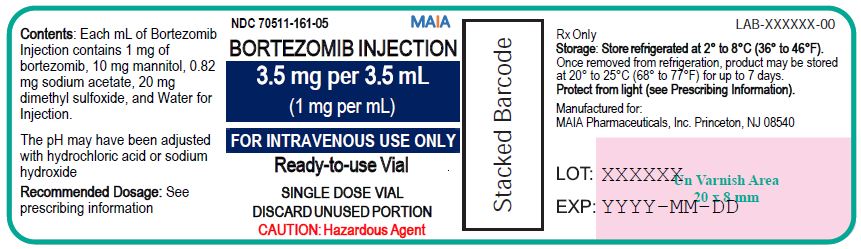
Bortezomib 2.5 mg Injection, 1 injection
🆔 Identity & classification
Where does this data come from?
🏷️ RxNorm drug class
This medicine belongs to the Proteasome Inhibitor class.
Where does this data come from?
🏭 Manufacturer & labeler
Where does this data come from?
🩺 Clinical
Bortezomib is used to treat multiple myeloma (a type of cancer of the bone marrow). Bortezomib is also used to treat mantle cell lymphoma (a fast-growing cancer that begins in the cells of the immune system). Bortezomib is in a class of medications called proteasome inhibitors. It works by killing cancer cells.
Read the full MedlinePlus article ↗- Bortezomib is a cancer treatment, but it's not a traditional chemotherapy drug. It belongs to a class called proteasome inhibitors. Instead of directly attacking DNA like older che...
- What exactly is bortezomib treating — is it a chemotherapy drug?
- Yes, bortezomib is always given by injection in a clinical setting — either into a vein (IV) or just under the skin (subcutaneous injection) — by a trained healthcare professional....
- How is bortezomib given — do I have to go to a clinic every time?
Patient education
Supplement & herbal interactions
Some supplements/herbs that may interact with Bortezomib — tap one for details:
Where does this data come from?
Ask a licensed pharmacist directly — free, answered by our team.
🧪 Inactive Ingredients / Excipients
Inactive ingredients, also called excipients, are components of the drug product other than the active ingredient. They may include fillers, dyes, coatings, preservatives, flavors, or other formulation ingredients.
💡 Tap an ingredient (hover on desktop) to see what it is and why it’s used.
-
22 mg
UNII YOW8V9698H
Dimethyl sulfoxide is a clear liquid solvent derived from wood pulp. In medicines, it helps dissolve or carry active ingredients and improve how the body absorbs the drug.
-
UNII QTT17582CB
A strong acid used to adjust and maintain the proper pH level in liquid medicines, ensuring stability and preventing breakdown of active ingredients.
-
25 mg
UNII 3OWL53L36A
A natural sugar alcohol derived from seaweed or synthesized in the lab. It's used as a filler to add bulk, a sweetener in sugar-free formulas, and a disintegrant to help tablets break apart in the stomach.
-
0.82 mg
UNII 4550K0SC9B
Sodium acetate is a salt derived from acetic acid. It acts as a buffer to help maintain the medicine's pH stability and may serve as a preservative or solubilizer in liquid formulations.
-
UNII 55X04QC32I
A strong alkaline chemical used to adjust and maintain the pH balance of liquid medicines. It helps keep the medicine stable and ensures it stays effective during storage.
5 inactive ingredients listed in the exact product block matched to this NDC.
Where does this data come from?
ingredient classCode="IACT" elements from the exact product block matched by this NDC. Label-section narrative from DailyMed / the openFDA label index is shown separately when available.Inactive ingredient FAQ
Are inactive ingredients the same for every manufacturer?
Why might an inactive ingredient be missing?
Can inactive ingredients matter?
💲 Pricing
A drug doesn't have one price. Each row is a different public payment system, and none is what you'd pay at the counter — that depends on your insurance. The ⓘ on each row explains what it measures.
| Price system | Per each | Per package |
|---|---|---|
| Retail pharmacies payNADAC · weekly | Not in the retail survey — common for institutional, discontinued, or low-volume packs. | |
| Medicaid paysCMS SDUD · 12 mo | No recent Medicaid claims on file for this NDC — rare and low-volume NDCs are suppressed in the public data. | |
| Medicare drug plans payPart D · quarterly | No Part D plan price is available for this NDC in our data. | |
Where does this data come from?
🔁 Therapeutic equivalents
| Product | Labeler | Pack | NADAC/unit | TE | Status | Price vs. this |
|---|---|---|---|---|---|---|
| Bortezomib 3.5 mg/1.4mL 63759-3032-01 | Shilpa | 1 vial | — | — | FDA listed | — |
| Boruzu 3.5 mg/1.4mL 70121-2484-01 | Amneal | 1 vial | — | — | FDA listed | — |
| Bortezomib 2.5 mgthis 70511-0162-02 | MAIA | 1 injection | — | — | FDA listed | — |
Where does this data come from?
⏳ Availability & generic status
We did not find an FDA-approved generic match for this exact strength, form and route. Patent/protection dates below may affect future generic timing.
Why the date isn’t exact: Generic timing can change because patents may be challenged, settled, licensed, added, removed, or worked around with a narrower label — and FDA approval does not always mean a pharmacy can get the generic today.
🛈 What do these terms mean?
- Patent
- Legal protection listed in the Orange Book that may delay generic approval or launch. Issued by the U.S. Patent & Trademark Office.
- Substance patent
- Covers the active drug molecule itself — the hardest to design around. A generic generally can’t launch until it expires.
- Formulation (product) patent
- Covers a specific formulation or dosage form. A generic can sometimes work around it with a different formulation.
- Method-of-use patent
- A patent covering one specific approved use of the drug — not necessarily the whole molecule. A generic can sometimes launch with a “skinny label” that carves out the protected use and keeps the others.
- Skinny label
- A generic label that omits a still-patented use when the FDA allows it — letting a generic reach the market for the unprotected uses.
- Exclusivity
- FDA-granted marketing protection, separate from patents — e.g. 5-yr new chemical entity, 7-yr orphan drug, or a +6-month pediatric extension.
- Paragraph IV
- A generic applicant’s formal challenge to a listed patent. It can potentially lead to earlier generic entry, but often involves litigation or a settlement.
- RLD / RS
- Reference Listed Drug — the brand product the FDA uses as the reference for generic applications. Reference Standard — the product the FDA expects generics to compare against in bioequivalence testing.
- TE / AB rating
- FDA therapeutic-equivalence rating. An AB rating generally means the FDA considers a generic therapeutically equivalent to — and substitutable for — the brand.
- LOE (loss of exclusivity)
- The latest patent or exclusivity currently listed — the loss-of-exclusivity / latest-listed-protection date shown on this page. Paragraph-IV challenges and settlements can move the real date earlier; FDA approval and a manufacturer’s decision to market can move it later.
Built from the FDA Orange Book. The bars above are scaled to each protection’s expiry; the red LOE marker is the last one to lapse.
| Patent | Type | Use code | Expires |
|---|---|---|---|
| US 11752164 ↗ | Method of use | U-3632 | Sep 23, 2042 |
| US 11752164 ↗ | Method of use | U-3633 | Sep 23, 2042 |
| US 11752164 ↗ | Method of use | U-3632 | Sep 23, 2042 |
| US 11752164 ↗ | Method of use | U-3633 | Sep 23, 2042 |
| US 11679119 ↗ | Method of use | U-3632 | Sep 23, 2042 |
| US 11679119 ↗ | Method of use | U-3633 | Sep 23, 2042 |
| US 11679119 ↗ | Method of use | U-3632 | Sep 23, 2042 |
| US 11679119 ↗ | Method of use | U-3633 | Sep 23, 2042 |
| US 12005069 ↗ | Drug product | — | Sep 23, 2042 |
| US 12005069 ↗ | Drug product | — | Sep 23, 2042 |
Is there a generic version of this drug?
The FDA approved a generic — why can’t I get it at my pharmacy yet?
Why do different websites show different generic release dates?
What does “FDA listed” mean?
What does a patent or protection date mean here?
What does “current Orange Book estimate” mean?
Can a generic come out before the last patent expires?
Can a generic come out after the listed dates?
What is the difference between patents and exclusivity?
Why are there multiple patent dates?
Where does this data come from?
📊 Medicare Part D spend CMS · PART D · 2026 (Q1)
🔬 Reported adverse events (FAERS)
Top reported reactions
Reporter sex
Serious outcomes
Where does this data come from?
📦 Packaging — all sizes for this product
| Package NDC | Description | Marketing start | Status |
|---|---|---|---|
| 70511-0162-02 You're viewing this | 1 INJECTION in 1 VIAL, SINGLE-DOSE (70511-162-02) | 2022-08-11 | Active |
🧭 About this NDC listing & data coverage
What data is (and isn’t) available for this NDC — tap to expand
| NDC identity (package / product / labeler codes) | ✓ Available |
| Labeler | ✓ Available |
| Product & package description | ✓ Available |
| Marketing category & status | ✓ Available |
| Active ingredient / dosage form / route | ✓ Available |
| FDA label (SPL via DailyMed) | ✓ Available |
| Package photos | ✓ Available |
| Inactive ingredients (structured) | ✓ Available |
| NADAC pharmacy acquisition price (CMS) | — Not published for this NDC CMS publishes NADAC only for NDCs reported in its retail-pharmacy survey. |
| Orange Book / therapeutic-equivalence data | ✓ Available |
| HCPCS J-code billing crosswalk | — Not published for this NDC Most self-administered / retail products have no J-code — that is normal. |
| Medicaid utilization (CMS SDUD) | — Not published for this NDC CMS reports utilization only for NDCs with Medicaid claims above its privacy threshold. |
Questions about this listing
Why is there no price listed?
Is the NDC printed on the package the same as the 11-digit billing NDC?
What do the three segments of this NDC mean?
Is this package still being marketed?
Who lists this product with the FDA?
Do I need a prescription for this product?
Where does this data come from?
📄 Full prescribing information FDA SPL
🎯 Indications and Usage ▾
1 INDICATIONS AND USAGE Bortezomib injection is a proteasome inhibitor indicated for: treatment of adult patients with multiple myeloma (1.1) treatment of adult patients with mantle cell lymphoma (1.2)
1.1Multiple Myeloma Bortezomib Injection is indicated for the treatment of adult patients with multiple myeloma.
1.2Mantle Cell Lymphoma Bortezomib Injection is indicated for the treatment of adult patients with mantle cell lymphoma.
⏱️ Dosage and Administration ▾
2 DOSAGE AND ADMINISTRATION For intravenous use only. (2.1, 2.10) The recommended starting dose of Bortezomib Injection is 1.3 mg/m 2 administered as a 3 to 5 second bolus intravenous injection. (2.2, 2.4, 2.6) Retreatment for multiple myeloma: May retreat starting at the last tolerated dose.
(2.6) Hepatic Impairment: Use a lower starting dose for patients with moderate or severe hepatic impairment. (2.8) Dose must be individualized to prevent overdose. (2.10)
2.1Important Dosing Guidelines Bortezomib Injection is a ready-to-use sterile solution for intravenous use only. Do not administer Bortezomib Injection by any other route. The recommended starting dose of Bortezomib Injection is 1.3 mg/m 2 .
Bortezomib Injection is administered intravenously at a concentration of 1 mg/mL or 2.5 mg/mL [see Dosage and Administration (2.9 and 2.10)]. Bortezomib Injection retreatment may be considered for patients with multiple myeloma who had previously responded to treatment with bortezomib and who have relapsed at least six months after completing prior bortezomib treatment. Treatment may be started at the last tolerated dose [see Dosage and Administration (2.6)] .
Administer Bortezomib Injection as a 3 to 5 second bolus intravenous injection.
2.2Dosage in Previously Untreated Multiple Myleoma Bortezomib Injection is administered in combination with oral melphalan and oral prednisone for 9, six-week treatment cycles as shown in Table 1. In Cycles 1 to 4, Bortezomib Injection is administered twice weekly (Days 1, 4, 8, 11, 22, 25, 29 and 32). In Cycles 5 to 9, Bortezomib Injection is administered once weekly (Days 1, 8, 22 and 29).
At least 72 hours should elapse between consecutive doses of Bortezomib Injection. Table 1
2.3Dose Modification Guidelines for Bortezomib Injection When Given in Combination with Melphalan and Prednisone Prior to initiating any cycle of therapy with Bortezomib Injection in combination with melphalan and prednisone: Platelet count should be at least 70 × 10 9 /L and the absolute neutrophil count (ANC) should be at least 1 × 10 9 /L Nonhematological toxicities should have resolved to Grade 1 or baseline For information concerning melphalan and prednisone, see manufacturer's prescribing information. Dose modifications guidelines for peripheral neuropathy are provided [see Dosage and Administration (2.7)] .
Table 2
2.4Dosage in Previously Untreated Mantle Cell Lymphoma Bortezomib Injection (1.3 mg/m 2 ) is administered intravenously in combination with intravenous rituximab, cyclophosphamide, doxorubicin and oral prednisone (VcR-CAP) for 6, three week treatment cycles as shown in Table 3. Bortezomib Injection is administered first followed by rituximab. Bortezomib Injection is administered twice weekly for two weeks (Days 1, 4, 8, and 11) followed by a ten day rest period on Days 12 to 21.
For patients with a response first documented at cycle 6, two additional VcR-CAP cycles are recommended. At least 72 hours should elapse between consecutive doses of Bortezomib Injection. Table 3
2.5Dose Modification Guidelines for Bortezomib Injection When Given in Combination with Rituximab, Cyclophosphamide, Doxorubicin and Prednisone Prior to the first day of each cycle (other than Cycle 1): Platelet count should be at least 100 × 10 9 /L and absolute neutrophil count (ANC) should be at least 1.5 × 100 9 /L Hemoglobin should be at least 8 g/dL (at least 4.96 mmol/L) Nonhematologic toxicity should have recovered to Grade 1 or baseline Interrupt Bortezomib Injection treatment at the onset of any Grade 3 hematologic or nonhematological toxicities, excluding neuropathy [see Table 5, Warnings and Precautions (5)] .
For dose adjustments, see Table 4 below. For information concerning rituximab, cyclophosphamide, doxorubicin and prednisone, see manufacturer's prescribing information. Table 4
2.6Dosage and Dose Modifications for Relapsed Multiple Myeloma and Relapsed Mantle Cell Lymphoma Bortezomib Injection (1.3 mg/m 2 /dose) is…
💊 Dosage Forms and Strengths ▾
3 DOSAGE FORMS AND STRENGTHS Injection: Bortezomib Injection is a clear, colorless to slightly yellow sterile solution available as: 3.5 mg/3.5 mL (1 mg/mL) in a ready-to-use single-dose vial 3.5 mg/1.4 mL (2.5 mg/mL) in a ready-to-use single-dose vial Injection 3.5 mg/3.5 mL (1 mg/mL) in a single-dose vial 3.5 mg/1.4 mL (2.5 mg/mL) in a single-dose vial
⛔ Contraindications ▾
4 CONTRAINDICATIONS Bortezomib Injection is contraindicated in patients with hypersensitivity (not including local reactions) to bortezomib, boron, or mannitol. Reactions have included anaphylactic reactions [see Adverse Reactions (6.1)] . Bortezomib Injection is contraindicated for intrathecal administration.
Fatal events have occurred with intrathecal administration of bortezomib. Patients with hypersensitivity (not including local reactions) to bortezomib, boron, or mannitol, including anaphylactic reactions. (4) Contraindicated for intrathecal administration.
(4)
⚠️ Warnings and Cautions ▾
5 WARNINGS AND PRECAUTIONS Peripheral Neuropathy: Manage with dose modification or discontinuation. (2.7) Patients with preexisting severe neuropathy should be treated with Bortezomib Injection only after careful risk-benefit assessment. (2.7, 5.1) Hypotension: Use caution when treating patients taking antihypertensives, with a history of syncope, or with dehydration.
(5.2) Cardiac Toxicity: Worsening of and development of cardiac failure has occurred. Closely monitor patients with existing heart disease or risk factors for heart disease. (5.3) Pulmonary Toxicity: Acute respiratory syndromes have occurred.
Monitor closely for new or worsening symptoms and consider interrupting Bortezomib Injection therapy. (5.4) Posterior Reversible Encephalopathy Syndrome: Consider MRI imaging for onset of visual or neurological symptoms; discontinue Bortezomib Injection if suspected. (5.5) Gastrointestinal Toxicity: Nausea, diarrhea, constipation, and vomiting may require use of antiemetic and antidiarrheal medications or fluid replacement.
(5.6) Thrombocytopenia and Neutropenia: Monitor complete blood counts regularly throughout treatment. (5.7) Tumor Lysis Syndrome: Closely monitor patients with high tumor burden. (5.8) Hepatic Toxicity: Monitor hepatic enzymes during treatment.
Interrupt Bortezomib Injection therapy to assess reversibility. (5.9) Thrombotic Microangiopathy: Monitor for signs and symptoms. Discontinue Bortezomib Injection if suspected.
(5.10) Embryo-fetal Toxicity: Bortezomib Injection can cause fetal harm. Advise females of reproductive potential and males with female partners of reproductive potential of the potential risk to a fetus and to use effective contraception. (5.11)
5.1Peripheral Neuropathy Bortezomib treatment causes a peripheral neuropathy that is predominantly sensory; however, cases of severe sensory and motor peripheral neuropathy have been reported. Patients with preexisting symptoms (numbness, pain or a burning feeling in the feet or hands) and/or signs of peripheral neuropathy may experience worsening peripheral neuropathy (including ≥Grade 3) during treatment with Bortezomib Injection. Patients should be monitored for symptoms of neuropathy, such as a burning sensation, hyperesthesia, hypoesthesia, paresthesia, discomfort, neuropathic pain or weakness.
In the Phase 3 relapsed multiple myeloma trial, the incidence of Grade ≥2 peripheral neuropathy was 39% for intravenous administration. Grade ≥3 peripheral neuropathy occurred in 15% of patients in the intravenous treatment group [see Adverse Reactions (6.1)] . Patients experiencing new or worsening peripheral neuropathy during Bortezomib Injection therapy may require a decrease in the dose and/or a less dose-intense schedule [see Dosage and Administration (2.7)] .
In the bortezomib vs dexamethasone Phase 3 relapsed multiple myeloma study, improvement in or resolution of peripheral neuropathy was reported in 48% of patients with ≥Grade 2 peripheral neuropathy following dose adjustment or interruption. Improvement in or resolution of peripheral neuropathy was reported in 73% of patients who discontinued due to Grade 2 neuropathy or who had ≥Grade 3 peripheral neuropathy in the Phase 2 multiple myeloma studies. The long- term outcome of peripheral neuropathy has not been studied in mantle cell lymphoma.
5.2Hypotension The incidence of hypotension (postural, orthostatic, and hypotension NOS) was 8% [see Adverse Reactions (6.1)] . These events are observed throughout therapy. Patients with a history of syncope, patients receiving medications known to be associated with hypotension, and patients who are dehydrated may be at increased risk of hypotension.
Management of orthostatic/postural hypotension may include adjustment of antihypertensive medications, hydration, and administration of mineralocorticoids and/or sympathomimetics.
5.3Cardiac Toxicity Acute development or exacerbation of congestive heart failure and new onset of decreased left ventricular…
🤒 Adverse Reactions ▾
6 ADVERSE REACTIONS The following clinically significant adverse reactions are also discussed in other sections of the labeling: Peripheral Neuropathy [see Warnings and Precautions (5.1)] Hypotension [see Warnings and Precautions (5.2)] Cardiac Toxicity [see Warnings and Precautions (5.3)] Pulmonary Toxicity [see Warnings and Precautions (5.4)] Posterior Reversible Encephalopathy Syndrome (PRES) [see Warnings and Precautions (5.5)] Gastrointestinal Toxicity [see Warnings and Precautions (5.6)] Thrombocytopenia/Neutropenia [see Warnings and Precautions (5.7)] Tumor Lysis Syndrome [see Warnings and Precautions (5.8)] Hepatic Toxicity [see Warnings and Precautions (5.9)] Thrombotic Microangiopathy [see Warnings and Precautions (5.10)] Most commonly reported adverse reactions (incidence ≥20%) in clinical studies include nausea, diarrhea, thrombocytopenia, neutropenia, peripheral neuropathy, fatigue, neuralgia, anemia, leukopenia, constipation, vomiting, lymphopenia, rash, pyrexia, and anorexia.
(6.1) To report SUSPECTED ADVERSE REACTIONS, contact MAIA Pharmaceuticals, Inc. at 1-888-877-9064 or FDA at 1-800-FDA-1088 or www.fda.g ov/medwatch
6.1Clinical Trials Experience Because clinical trials are conducted under widely varying conditions, adverse reaction rates observed in the clinical trials of a drug cannot be directly compared to rates in the clinical trials of another drug and may not reflect the rates observed in clinical practice. Summary of Clinical Trial in Patients with Previously Untreated Multiple Myeloma Table 8 describes safety data from 340 patients with previously untreated multiple myeloma who received bortezomib (1.3 mg/m 2 ) administered intravenously in combination with melphalan (9 mg/m 2 ) and prednisone (60 mg/m 2 ) in a prospective randomized study.
The safety profile of Bortezomib Injection in combination with melphalan/prednisone is consistent with the known safety profiles of both bortezomib and melphalan/prednisone Relapsed Multiple Myeloma Randomized Study of Bortezomib vs Dexamethasone The safety data described below and in Table 9 reflect exposure to either bortezomib (n=331) or dexamethasone (n=332) in a study of patients with relapsed multiple myeloma. Bortezomib was administered intravenously at doses of 1.3 mg/m 2 twice weekly for two out of three weeks (21 day cycle).
After eight 21 day cycles patients continued therapy for three 35 day cycles on a weekly schedule. Duration of treatment was up to 11 cycles (nine months) with a median duration of six cycles (4.1 months). For inclusion in the trial, patients must have had measurable disease and one to three prior therapies.
There was no upper age limit for entry. Creatinine clearance could be as low as 20 mL/min and bilirubin levels as high as 1.5 times the upper limit of normal. The overall frequency of adverse reactions was similar in men and women, and in patients <65 and ≥65 years of age.
Most patients were Caucasian [see Clinical Studies (14.1)] . Among the 331 bortezomib-treated patients, the most commonly reported (>20%) adverse reactions overall were nausea (52%), diarrhea (52%), fatigue (39%), peripheral neuropathies (35%), thrombocytopenia (33%), constipation (30%), vomiting (29%), and anorexia (21%). The most commonly reported (>20%) adverse reaction reported among the 332 patients in the dexamethasone group was fatigue (25%).
Eight percent (8%) of patients in the bortezomib-treated arm experienced a Grade 4 adverse reaction; the most common reactions were thrombocytopenia (4%) and neutropenia (2%). Nine percent (9%) of dexamethasone-treated patients experienced a Grade 4 adverse reaction. All individual dexamethasone-related Grade 4 adverse reactions were less than 1%.
Serious Adverse Reactions and Adverse Reactions Leading to Treatment Discontinuation in the Relapsed Multiple Myeloma Study of Bortezomib vs Dexamethasone Serious adverse reactions are defined as any reaction that results in death, is life-threatening, requires hospitali…
🔄 Drug Interactions ▾
7 DRUG INTERACTIONS Strong CYP3A4 Inhibitors: Closely monitor patients with concomitant use. (7.1) Strong CYP3A4 Inducers: Avoid concomitant use. (7.1)
7.1Effects of Other Drugs on Bortezomib Injection Strong CYP3A4 Inducers Coadministration with a strong CYP3A4 inducer decreases the exposure of bortezomib [see Clinical Pharmacology (12.3)] which may decrease Bortezomib Injection efficacy. Avoid coadministration with strong CYP3A4 inducers. Strong CYP3A4 Inhibitors Coadministration with a strong CYP3A4 inhibitor increases the exposure of bortezomib [see Clinical Pharmacology (12.3)] which may increase the risk of Bortezomib Injection toxicities.
Monitor patients for signs of bortezomib toxicity and consider a Bortezomib Injection dose reduction if Bortezomib Injection must be given in combination with strong CYP3A4 inhibitors.
7.2Drugs Without Clinically Significant Interactions with Bortezomib Injection No clinically significant drug interactions have been observed when bortezomib was coadministered with dexamethasone, omeprazole, or melphalan in combination with prednisone [see Clinical Pharmacology (12.3)] .
👥 Use in Specific Populations ▾
8 USE IN SPECIFIC POPULATIONS
8.1Pregnancy Risk Summary Based on its mechanism of action [see Clinical Pharmacology (12.1)] and findings in animals, Bortezomib Injection can cause fetal harm when administered to a pregnant woman. There are no studies with the use of bortezomib in pregnant women to inform drug-associated risks. Bortezomib caused embryo-fetal lethality in rabbits at doses lower than the clinical dose (see Data) .
Advise pregnant women of the potential risk to the fetus. Adverse outcomes in pregnancy occur regardless of the health of the mother or the use of medications. The estimated background risk of major birth defects and miscarriage for the indicated population is unknown.
In the U.S. general population, the estimated background risk of major birth defects and miscarriage in clinically recognized pregnancies is 2 to 4% and 15 to 20%, respectively. Data Animal Data Bortezomib was not teratogenic in nonclinical developmental toxicity studies in rats and rabbits at the highest dose tested (0.075 mg/kg; 0.5 mg/m 2 in the rat and 0.05 mg/kg; 0.6 mg/m 2 in the rabbit) when administered during organogenesis. These dosages are approximately 0.5 times the clinical dose of 1.3 mg/m 2 based on body surface area.
Bortezomib caused embryo-fetal lethality in rabbits at doses lower than the clinical dose (approximately 0.5 times the clinical dose of 1.3 mg/m 2 based on body surface area). Pregnant rabbits given bortezomib during organogenesis at a dose of 0.05 mg/kg (0.6 mg/m 2 ) experienced significant postimplantation loss and decreased number of live fetuses. Live fetuses from these litters also showed significant decreases in fetal weight.
8.2Lactation Risk Summary There are no data on the presence of bortezomib or its metabolites in human milk, the effects of the drug on the breastfed child, or the effects of the drug on milk production. Because many drugs are excreted in human milk and because the potential for serious adverse reactions in a breastfed child from Bortezomib Injection is unknown, advise nursing women not to breastfeed during treatment with Bortezomib Injection and for two months after treatment.
8.3Females and Males of Reproductive Potential Based on its mechanism of action and findings in animals, Bortezomib Injection can cause fetal harm when administered to a pregnant woman [see Use in Specific Populations (8.1)]. Pregnancy Testing Conduct pregnancy testing in females of reproductive potential prior to initiating Bortezomib Injection treatment. Contraception Females Advise females of reproductive potential to use effective contraception during treatment with Bortezomib Injection and for seven months after the last dose.
Males Males with female partners of reproductive potential should use effective contraception during treatment with Bortezomib Injection and for four months after the last dose. Infertility Based on the mechanism of action and findings in animals, Bortezomib Injection may have an effect on either male or female fertility [see Nonclinical Toxicology (13.1)] .
8.4Pediatric Use Safety and effectiveness have not been established in pediatric patients. The activity and safety of bortezomib in combination with intensive reinduction chemotherapy was evaluated in pediatric and young adult patients with lymphoid malignancies (pre-B cell ALL 77%, 16% with T-cell ALL, and 7% T-cell lymphoblastic lymphoma (LL)), all of whom relapsed within 36 months of initial diagnosis in a single-arm multicenter, non-randomized cooperative group trial. An effective reinduction multiagent chemotherapy regimen was administered in three blocks.
Block 1 included vincristine, prednisone, doxorubicin and pegaspargase; Block 2 included cyclophosphamide, etoposide and methotrexate; Block 3 included high dose cytosine arabinoside and asparaginase. Bortezomib was administered at a dose of 1.3 mg/m 2 as a bolus intravenous injection on Days 1, 4, 8, and 11 of Block 1 and Days 1, 4, and 8 of Block 2. There were 140 p…
🤰 Pregnancy ▾
8.1Pregnancy Risk Summary Based on its mechanism of action [see Clinical Pharmacology (12.1)] and findings in animals, Bortezomib Injection can cause fetal harm when administered to a pregnant woman. There are no studies with the use of bortezomib in pregnant women to inform drug-associated risks. Bortezomib caused embryo-fetal lethality in rabbits at doses lower than the clinical dose (see Data) .
Advise pregnant women of the potential risk to the fetus. Adverse outcomes in pregnancy occur regardless of the health of the mother or the use of medications. The estimated background risk of major birth defects and miscarriage for the indicated population is unknown.
In the U.S. general population, the estimated background risk of major birth defects and miscarriage in clinically recognized pregnancies is 2 to 4% and 15 to 20%, respectively. Data Animal Data Bortezomib was not teratogenic in nonclinical developmental toxicity studies in rats and rabbits at the highest dose tested (0.075 mg/kg; 0.5 mg/m 2 in the rat and 0.05 mg/kg; 0.6 mg/m 2 in the rabbit) when administered during organogenesis. These dosages are approximately 0.5 times the clinical dose of 1.3 mg/m 2 based on body surface area.
Bortezomib caused embryo-fetal lethality in rabbits at doses lower than the clinical dose (approximately 0.5 times the clinical dose of 1.3 mg/m 2 based on body surface area). Pregnant rabbits given bortezomib during organogenesis at a dose of 0.05 mg/kg (0.6 mg/m 2 ) experienced significant postimplantation loss and decreased number of live fetuses. Live fetuses from these litters also showed significant decreases in fetal weight.
🧒 Pediatric Use ▾
8.4Pediatric Use Safety and effectiveness have not been established in pediatric patients. The activity and safety of bortezomib in combination with intensive reinduction chemotherapy was evaluated in pediatric and young adult patients with lymphoid malignancies (pre-B cell ALL 77%, 16% with T-cell ALL, and 7% T-cell lymphoblastic lymphoma (LL)), all of whom relapsed within 36 months of initial diagnosis in a single-arm multicenter, non-randomized cooperative group trial. An effective reinduction multiagent chemotherapy regimen was administered in three blocks.
Block 1 included vincristine, prednisone, doxorubicin and pegaspargase; Block 2 included cyclophosphamide, etoposide and methotrexate; Block 3 included high dose cytosine arabinoside and asparaginase. Bortezomib was administered at a dose of 1.3 mg/m 2 as a bolus intravenous injection on Days 1, 4, 8, and 11 of Block 1 and Days 1, 4, and 8 of Block 2. There were 140 patients with ALL or LL enrolled and evaluated for safety.
The median age was ten years (range 1 to 26), 57% were male, 70% were white, 14% were black, 4% were Asian, 2% were American Indian/ Alaska Native, 1% were Pacific Islander. The activity was evaluated in a pre-specified subset of the first 60 evaluable patients enrolled on the study with pre-B ALL ≤21 years and relapsed <36 months from diagnosis. The complete remission (CR) rate at day 36 was compared to that in a historical control set of patients who had received the identical backbone therapy without bortezomib.
There was no evidence that the addition of bortezomib had any impact on the CR rate. No new safety concerns were observed when bortezomib was added to a chemotherapy backbone regimen as compared with a historical control group in which the backbone regimen was given without bortezomib. The BSA-normalized clearance of bortezomib in pediatric patients was similar to that observed in adults.
🧓 Geriatric Use ▾
8.5Geriatric Use Of the 669 patients enrolled in the relapsed multiple myeloma study, 245 (37%) were 65 years of age or older: 125 (38%) on the bortezomib arm and 120 (36%) on the dexamethasone arm. Median time to progression and median duration of response for patients ≥65 were longer on bortezomib compared to dexamethasone [5.5 mo vs 4.3 mo, and 8.0 mo vs 4.9 mo, respectively]. On the bortezomib arm, 40% (n=46) of evaluable patients aged ≥65 experienced response (CR+PR) vs 18% (n=21) on the dexamethasone arm.
The incidence of Grade 3 and 4 events was 64%, 78% and 75% for bortezomib patients ≤50, 51 to 64 and ≥65 years old, respectively [see Adverse Reactions (6.1); Clinical Studies (14.1)] . No overall differences in safety or effectiveness were observed between patients ≥age 65 and younger patients receiving bortezomib; but greater sensitivity of some older individuals cannot be ruled out.
🆘 Overdosage ▾
10 OVERDOSAGE There is no known specific antidote for Bortezomib Injection overdosage. In humans, fatal outcomes following the administration of more than twice the recommended therapeutic dose have been reported, which were associated with the acute onset of symptomatic hypotension (5.2) and thrombocytopenia (5.7). In the event of an overdosage, the patient's vital signs should be monitored and appropriate supportive care given.
Studies in monkeys and dogs showed that intravenous bortezomib doses as low as two times the recommended clinical dose on a mg/m 2 basis were associated with increases in heart rate, decreases in contractility, hypotension, and death. In dog studies, a slight increase in the corrected QT interval was observed at doses resulting in death. In monkeys, doses of 3.0 mg/m 2 and greater (approximately twice the recommended clinical dose) resulted in hypotension starting at one hour postadministration, with progression to death in 12 to 14 hours following drug administration.
🧬 Clinical Pharmacology ▾
12 CLINICAL PHARMACOLOGY
12.1Mechanism of Action Bortezomib is a reversible inhibitor of the chymotrypsin-like activity of the 26S proteasome in mammalian cells. The 26S proteasome is a large protein complex that degrades ubiquitinated proteins. The ubiquitin-proteasome pathway plays an essential role in regulating the intracellular concentration of specific proteins, thereby maintaining homeostasis within cells.
Inhibition of the 26S proteasome prevents this targeted proteolysis, which can affect multiple signaling cascades within the cell. This disruption of normal homeostatic mechanisms can lead to cell death. Experiments have demonstrated that bortezomib is cytotoxic to a variety of cancer cell types in vitro .
Bortezomib causes a delay in tumor growth in vivo in nonclinical tumor models, including multiple myeloma.
12.2Pharmacodynamics Following twice weekly administration of 1 mg/m 2 and 1.3 mg/m 2 bortezomib doses, the maximum inhibition of 20S proteasome activity (relative to baseline) in whole blood was observed five minutes after drug administration. Comparable maximum inhibition of 20S proteasome activity was observed between 1 and 1.3 mg/m 2 doses. Maximal inhibition ranged from 70% to 84% and from 73% to 83% for the 1 mg/m 2 and 1.3 mg/m 2 dose regimens, respectively.
12.3Pharmacokinetics Following intravenous administration of 1 mg/m 2 and 1.3 mg/m 2 doses, the mean maximum plasma concentrations of bortezomib (Cmax) after the first dose (Day 1) were 57 and 112 ng/mL, respectively. When administered twice weekly, the mean maximum observed plasma concentrations ranged from 67 to 106 ng/mL for the 1 mg/m 2 dose and 89 to 120 ng/mL for the 1.3 mg/m 2 dose. Distribution The mean distribution volume of bortezomib ranged from approximately 498 to 1884 L/m 2 following single- or repeat-dose administration of 1 mg/m 2 or 1.3 mg/m 2 to patients with multiple myeloma.
The binding of bortezomib to human plasma proteins averaged 83% over the concentration range of 100 to 1000 ng/mL. Elimination The mean elimination half-life of bortezomib upon multiple dosing ranged from 40 to 193 hours after the 1 mg/m 2 dose and 76 to 108 hours after the 1.3 mg/m 2 dose. The mean total body clearances were 102 and 112 L/h following the first dose for doses of 1 mg/m 2 and 1.3 mg/m 2 , respectively, and ranged from 15 to 32 L/h following subsequent doses for doses of 1 and 1.3 mg/m 2 , respectively.
Metabolism Bortezomib is primarily oxidatively metabolized to several inactive metabolites in vitro via cytochrome P450 (CYP) enzymes 3A4, CYP2C19, and CYP1A2, and to a lesser extent by CYP2D6 and CYP2C9. Excretion The pathways of elimination of bortezomib have not been characterized in humans. Specific Populations No clinically significant differences in the pharmacokinetics of bortezomib were observed based on age, sex, or renal impairment (including patients administered bortezomib after dialysis).
The effect of race on bortezomib pharmacokinetics is unknown. Patients with Hepatic Impairment Following administration of bortezomib doses ranging from 0.5 to 1.3 mg/m 2 , mild (total bilirubin ≤1× ULN and AST > ULN, or total bilirubin >1 to 1.5× ULN and any AST) hepatic impairment did not alter dose-normalized bortezomib AUC when compared to patients with normal hepatic function. Dose normalized mean bortezomib AUC increased by approximately 60% in patients with moderate (total bilirubin >1.5 to 3× ULN and any AST) or severe (total bilirubin >3× ULN and any AST) hepatic impairment.
A lower starting dose is recommended in patients with moderate or severe hepatic impairment. Drug Interaction Studies Clinical Studies No clinically significant differences in bortezomib pharmacokinetics were observed when coadministered with dexamethasone (weak CYP3A4 inducer), omeprazole (strong CYP2C19 inhibitor), or melphalan in combination with prednisone. Strong CYP3A4 inhibitor Coadministration with ketoconazole (strong CYP3A4 inhibitor) increased bortezomib e…
🧬 Mechanism of Action ▾
12.1Mechanism of Action Bortezomib is a reversible inhibitor of the chymotrypsin-like activity of the 26S proteasome in mammalian cells. The 26S proteasome is a large protein complex that degrades ubiquitinated proteins. The ubiquitin-proteasome pathway plays an essential role in regulating the intracellular concentration of specific proteins, thereby maintaining homeostasis within cells.
Inhibition of the 26S proteasome prevents this targeted proteolysis, which can affect multiple signaling cascades within the cell. This disruption of normal homeostatic mechanisms can lead to cell death. Experiments have demonstrated that bortezomib is cytotoxic to a variety of cancer cell types in vitro .
Bortezomib causes a delay in tumor growth in vivo in nonclinical tumor models, including multiple myeloma.
📦 How Supplied / Storage and Handling ▾
16 HOW SUPPLIED/STORAGE AND HANDLING Bortezomib Injection is a clear, colorless to slightly yellow ready-to-use, sterile solution supplied as individually cartoned 5 mL vials containing 3.5 mg/3.5 mL (1 mg/mL) or 2 mL vials containing 3.5 mg/1.4 mL (2.5 mg/mL) of Bortezomib Injection. 3.5 mg/3.5 mL (1mg/mL) in a single-dose 5 mL vial NDC 70511-161-05 3.5 mg/1.4 mL (2.5 mg/mL) in a single-dose 2 mL vial NDC 70511-162-02 Store Bortezomib Injection in a refrigerator at 2º to 8°C (36° to 46°F) in the original package to protect from light.
Follow guidelines for handling and disposal for hazardous drugs, including the use of gloves and other protective clothing to prevent skin contact 1 .
📋 Description ▾
11 DESCRIPTION Bortezomib Injection contains bortezomib which is a proteasome inhibitor. Bortezomib is a modified dipeptidyl boronic acid. The chemical name for bortezomib, the monomeric boronic acid, is [(1R)-3-methyl-1-[[(2S)-1-oxo-3-phenyl-2-[(pyrazinylcarbonyl) amino]propyl]amino]butyl] boronic acid.
Bortezomib has the following chemical structure: The molecular weight is 384.24. The molecular formula is C 19 H 25 BN 4 O 4 . The solubility of bortezomib, as the monomeric boronic acid, in water is 3.3 to 3.8 mg/mL in a pH range of 2 to 6.5.
Bortezomib Injection is available as a ready-to-use sterile solution for intravenous injection: Each mL of the 3.5 mg/3.5 mL (1 mg/mL) strength contains 1 mg of bortezomib, 10 mg mannitol, 0.82 mg sodium acetate, 20 mg dimethyl sulfoxide, in water for injection in a 5 mL single-dose vial. The pH may have been adjusted with hydrochloric acid or sodium hydroxide. Each mL of the 3.5 mg/1.4 mg/mL (2.5 mg/mL) strength contains 2.5 mg of bortezomib, 25 mg mannitol, 0.82 mg sodium acetate, 22 mg dimethyl sulfoxide, in water for injection in a 2 mL single-dose vial.
The pH may have been adjusted with hydrochloric acid or sodium hydroxide. bortezomib-structure