
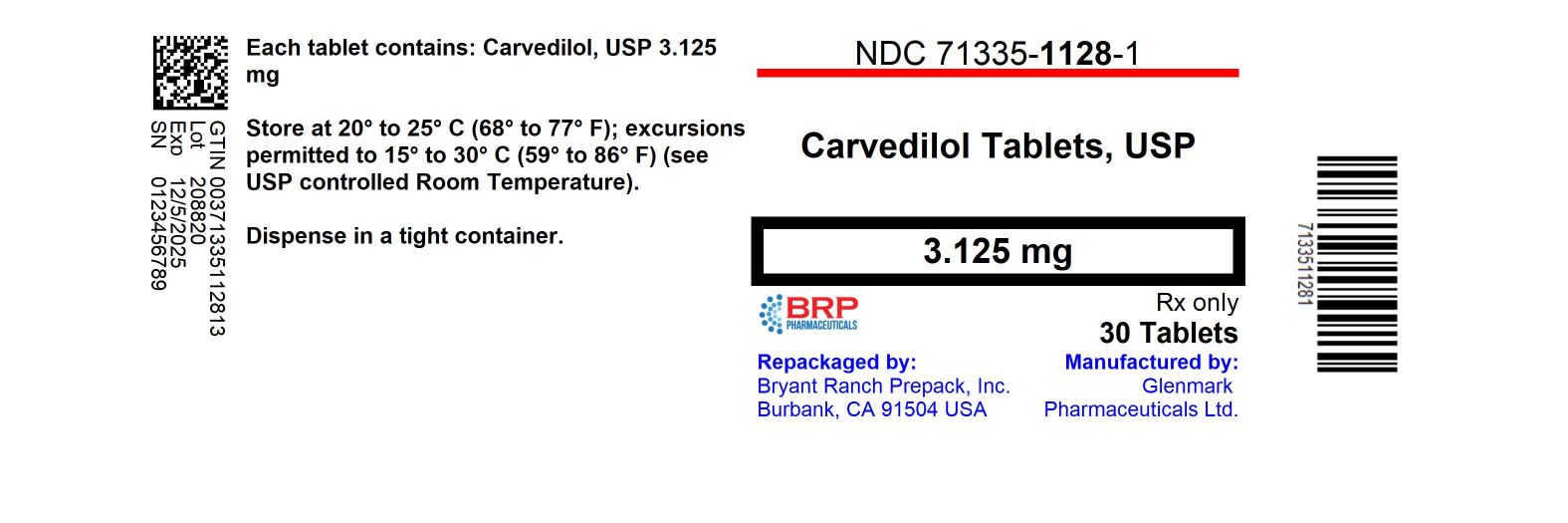
Carvedilol 3.125 mg Tablet, Film Coated, 90-count
Other active recalls for Carvedilol (different manufacturers) — 6 · tap to view
🆔 Identity & classification
Where does this data come from?
🏷️ RxNorm drug class
This medicine belongs to the alpha-Adrenergic Blocker class.
Where does this data come from?
🏭 Manufacturer & labeler
Where does this data come from?
🩺 Clinical
- Carvedilol works by blocking two sets of receptors — beta-receptors and alpha-1 receptors — in your heart and blood vessels. This slows your heart rate, reduces how hard your heart...
- What is carvedilol actually doing for my heart?
- Taking carvedilol with food slows down how quickly it's absorbed into your bloodstream. That matters because one of its side effects is dizziness or a drop in blood pressure when y...
- Please don't stop carvedilol suddenly without talking to your doctor first — this is one of the most important things to know about this medication. Abruptly stopping it, especiall...
Patient education
Supplement & herbal interactions
Some supplements/herbs that may interact with Carvedilol — tap one for details:
Carvedilol may be associated with lower levels of 1 nutrient — worth a chat with your pharmacist, not a cause for alarm.
Where does this data come from?
Ask a licensed pharmacist directly — free, answered by our team.
💊 What it looks like
Where does this data come from?
🧪 Inactive Ingredients / Excipients
Inactive ingredients, also called excipients, are components of the drug product other than the active ingredient. They may include fillers, dyes, coatings, preservatives, flavors, or other formulation ingredients.
💡 Tap an ingredient (hover on desktop) to see what it is and why it’s used.
-
UNII 68401960MK
Crospovidone is a synthetic polymer made from polyvinylpyrrolidone. It acts as a disintegrant, helping tablets break apart quickly in the stomach so the medicine dissolves and absorbs into the body.
-
UNII 3NXW29V3WO
Hypromellose is a plant-based thickener made from cellulose. It's used in medicines as a binder to hold ingredients together, a coating for tablets, and a thickener for liquids.
-
UNII J2B2A4N98G
Lactose is a natural sugar derived from milk. In medications, it serves as a filler and binder to add bulk and help hold tablet or capsule ingredients together during manufacturing.
-
UNII 70097M6I30
Magnesium stearate is a salt made from magnesium and stearic acid, a fatty substance. It's used in tablets and capsules as a lubricant and glidant to help ingredients flow smoothly during manufacturing and prevent sticking.
-
UNII 3WJQ0SDW1A
Polyethylene glycol is a synthetic liquid or solid polymer used in medicines as a solvent, lubricant, and humectant. It helps dissolve active ingredients, reduces friction during manufacturing, and retains moisture in the final product.
-
UNII 6OZP39ZG8H
Polysorbate 80 is a synthetic emulsifier derived from sorbitol and oleic acid. It helps mix oil and water-based ingredients together in medications and improves how the product disperses in the body.
-
UNII FZ989GH94E
Povidone is a synthetic polymer made from a plastic-like material. It acts as a binder to hold tablet ingredients together and as a disintegrant to help the tablet break apart in your stomach so the medicine can be absorbed.
-
UNII ETJ7Z6XBU4
Silicon dioxide is a naturally occurring mineral used as a glidant and anti-caking agent. It helps powder ingredients flow smoothly and prevents clumping during manufacturing and storage.
-
UNII 15FIX9V2JP
Titanium dioxide is a bright white mineral powder commonly used as a colorant and opacifying agent. It makes pills and tablets white or lighter in color and helps make coatings non-transparent.
9 inactive ingredients listed in the exact product block matched to this NDC.
Where does this data come from?
ingredient classCode="IACT" elements from the exact product block matched by this NDC. Label-section narrative from DailyMed / the openFDA label index is shown separately when available.Inactive ingredient FAQ
Are inactive ingredients the same for every manufacturer?
Why might an inactive ingredient be missing?
Can inactive ingredients matter?
💲 Pricing
A drug doesn't have one price. Each row is a different public payment system, and none is what you'd pay at the counter — that depends on your insurance. The ⓘ on each row explains what it measures.
| Price system | Per each | Per package |
|---|---|---|
| Retail pharmacies payNADAC · weekly | Not in the retail survey — common for institutional, discontinued, or low-volume packs. | |
| Medicaid paysCMS SDUD · 12 mo | No recent Medicaid claims on file for this NDC — rare and low-volume NDCs are suppressed in the public data. | |
| Medicare drug plans payPart D · Q2 2026 | $0.0650 | $5.85 / 90 tablets |
Where does this data come from?
🔁 Therapeutic equivalents
| Product | Labeler | Pack | NADAC/unit | TE | Status | Price vs. this |
|---|---|---|---|---|---|---|
| Carvedilol 3.125 mg 00093-0051-01 | Teva | 100 tablets | $0.017 | AB | Availability likely | — |
| Carvedilol 3.125 mg 00781-5221-01 | Sandoz | 100 tablets | $0.017 | AB | Discontinued | — |
| Carvedilol 3.125 mg 00904-7305-61 | Major | 1 tablet | $0.017 | AB | Availability likely | — |
| Carvedilol 3.125 mg 65862-0142-01 | Aurobindo | 100 tablets | $0.017 | — | Availability likely | — |
| Carvedilol 3.125 mg 68001-0153-00 | BluePoint | 100 tablets | $0.017 | AB | Availability likely | — |
| Carvedilol 3.125 mg 68382-0092-01 | Zydus | 100 tablets | $0.017 | AB | Availability likely | — |
| Carvedilol 3.125 mg 68462-0162-01 | Glenmark | 100 tablets | $0.017 | AB | Availability likely | — |
| Carvedilol 3.125 mg 72888-0034-00 | Advagen | 1000 tablets | $0.017 | AB | Availability likely | — |
| Carvedilol 3.125 mg 72888-0499-01 | Advagen | 100 tablets | $0.017 | AB | Availability likely | — |
| Carvedilol 3.125 mg 82009-0125-05 | Quallent | 500 tablets | $0.017 | AB | Availability likely | — |
| Carvedilol 3.125 mg 00615-8387-30 | NCS | 5 tablets | — | AB | Discontinued | — |
| Carvedilol 3.125 mg 42708-0072-60 | QPharma, | 60 tablets | — | AB | FDA listed | — |
| Carvedilol 3.125 mg 42708-0181-60 | QPharma | 60 tablets | — | AB | FDA listed | — |
| Carvedilol 3.125 mg 43063-0126-60 | PD-Rx | 60 tablets | — | AB | FDA listed | — |
| Carvedilol 3.125 mg 50090-1062-00 | A-S | 60 tablets | — | AB | FDA listed | — |
| Carvedilol 3.125 mg 50090-6949-00 | A-S | 90 tablets | — | AB | FDA listed | — |
| Carvedilol 3.125 mg 50090-7890-00 | A-S | 90 tablets | — | AB | FDA listed | — |
| Carvedilol 3.125 mg 51407-0039-01 | Golden | 100 tablets | — | AB | FDA listed | — |
| Carvedilol 3.125 mg 51655-0034-25 | Northwind | 60 tablets | — | AB | FDA listed | — |
| Carvedilol 3.125 mg 51655-0713-25 | Northwind | 60 tablets | — | AB | FDA listed | — |
| Carvedilol 3.125 mg 55111-0252-01 | Dr. | 100 tablets | — | AB | FDA listed | — |
| Carvedilol 3.125 mg 55154-2641-00 | Cardinal | 1 tablet | — | AB | FDA listed | — |
| Carvedilol 3.125 mg 58657-0750-01 | Method | 100 tablets | — | AB | FDA listed | — |
| Carvedilol 3.125 mg 63187-0570-30 | Proficient | 30 tablets | — | AB | FDA listed | — |
| Carvedilol 3.125 mg 63187-0941-30 | Proficient | 30 tablets | — | AB | FDA listed | — |
| Carvedilol 3.125 mg 63629-4060-01 | Bryant | 30 tablets | — | AB | FDA listed | — |
| Carvedilol 3.125 mg 65841-0616-01 | Zydus | 100 tablets | — | AB | FDA listed | — |
| Carvedilol 3.125 mg 67046-1616-03 | Coupler | 30 tablets | — | AB | FDA listed | — |
| Carvedilol 3.125 mg 68071-3138-03 | NuCare | 30 tablets | — | AB | FDA listed | — |
| Carvedilol 3.125 mg 68071-3970-06 | NuCare | 60 tablets | — | AB | FDA listed | — |
| Carvedilol 3.125 mg 68788-8252-01 | Preferred | 100 tablets | — | AB | FDA listed | — |
| Carvedilol 3.125 mg 70518-1377-00 | REMEDYREPACK | 30 tablets | — | AB | FDA listed | — |
| Carvedilol 3.125 mgthis 71335-1128-05 | Bryant | 90 tablets | — | AB | FDA listed | — |
| Carvedilol 3.125 mg 71335-1407-01 | Bryant | 30 tablets | — | AB | FDA listed | — |
| Carvedilol 3.125 mg 71610-0062-53 | Aphena | 60 tablets | — | AB | FDA listed | — |
| Carvedilol 3.125 mg 71610-0132-53 | Aphena | 60 tablets | — | AB | FDA listed | — |
| Carvedilol 3.125 mg 72189-0653-90 | Direct_Rx | 90 tablets | — | AB | FDA listed | — |
| Carvedilol 3.125 mg 72789-0411-90 | PD-Rx | 90 tablets | — | AB | FDA listed | — |
| Carvedilol 3.125 mg 76385-0110-01 | UNICHEM | 100 tablets | — | AB | FDA listed | — |
| Coreg 3.125 mg 80725-0139-20 | Waylis | 100 tablets | — | AB | FDA listed | — |
| Carvedilol 3.125 mg 82804-0191-60 | Proficient | 60 tablets | — | AB | FDA listed | — |
| Carvedilol 3.125 mg 67046-0973-03 | Coupler | 30 tablets | — | AB | FDA listed | — |
Where does this data come from?
⏳ Availability & generic status
This product is an FDA-approved generic. Other versions of the same drug are listed under Therapeutic equivalents, least expensive first.
Where does this data come from?
📊 Medicare Part D spend CMS · PART D · 2026 (Q1)
🔬 Reported adverse events (FAERS)
Top reported reactions
Age at onset
Reporter sex
Serious outcomes
Where does this data come from?
📦 Packaging — all sizes for this product
| Package NDC | Description | Marketing start | Status |
|---|---|---|---|
| 71335-1128-01 | 30 TABLET, FILM COATED in 1 BOTTLE (71335-1128-1) | 2019-03-12 | Active |
| 71335-1128-02 | 100 TABLET, FILM COATED in 1 BOTTLE (71335-1128-2) | 2019-03-12 | Active |
| 71335-1128-03 | 180 TABLET, FILM COATED in 1 BOTTLE (71335-1128-3) | 2019-03-12 | Active |
| 71335-1128-04 | 60 TABLET, FILM COATED in 1 BOTTLE (71335-1128-4) | 2019-03-12 | Active |
| 71335-1128-05 You're viewing this | 90 TABLET, FILM COATED in 1 BOTTLE (71335-1128-5) | 2019-03-12 | Active |
| 71335-1128-06 | 120 TABLET, FILM COATED in 1 BOTTLE (71335-1128-6) | 2019-03-12 | Active |
You're viewing one of 6 pack sizes for this product.
Pack size FAQ
What quantity is in NDC 71335-1128-05?
What is the difference between NDC 71335-1128-05 and NDC 71335-1128-01?
What NDC number is used to bill for this package of Carvedilol 3.125 mg Tablet, Film Coated?
🧭 About this NDC listing & data coverage
What data is (and isn’t) available for this NDC — tap to expand
| NDC identity (package / product / labeler codes) | ✓ Available |
| Labeler | ✓ Available |
| Product & package description | ✓ Available |
| Marketing category & status | ✓ Available |
| Active ingredient / dosage form / route | ✓ Available |
| FDA label (SPL via DailyMed) | ✓ Available |
| Package photos | ✓ Available |
| Inactive ingredients (structured) | ✓ Available |
| NADAC pharmacy acquisition price (CMS) | — Not published for this NDC CMS publishes NADAC only for NDCs reported in its retail-pharmacy survey. |
| Orange Book / therapeutic-equivalence data | ✓ Available |
| HCPCS J-code billing crosswalk | — Not published for this NDC Most self-administered / retail products have no J-code — that is normal. |
| Medicaid utilization (CMS SDUD) | — Not published for this NDC CMS reports utilization only for NDCs with Medicaid claims above its privacy threshold. |
Questions about this listing
Why is there no price listed?
Is the NDC printed on the package the same as the 11-digit billing NDC?
What do the three segments of this NDC mean?
Is this package still being marketed?
Does this product come in other package sizes?
Who lists this product with the FDA?
Do I need a prescription for this product?
Where does this data come from?
📄 Full prescribing information FDA SPL
🎯 Indications and Usage ▾
1 INDICATIONS AND USAGE Carvedilol tablets are an alpha-/beta-adrenergic blocking agent indicated for the treatment of: • mild to severe chronic heart failure ( 1.1 ) • left ventricular dysfunction following myocardial infarction in clinically stable patients ( 1.2 ) • hypertension ( 1.3 )
1.1Heart Failure Carvedilol tablets are indicated for the treatment of mild-to-severe chronic heart failure of ischemic or cardiomyopathic origin, usually in addition to diuretics, ACE inhibitors, and digitalis, to increase survival and, also, to reduce the risk of hospitalization [see Drug Interactions ( 7.4 ), Clinical Studies ( 14.1 )].
1.2Left Ventricular Dysfunction following Myocardial Infarction Carvedilol tablets are indicated to reduce cardiovascular mortality in clinically stable patients who have survived the acute phase of a myocardial infarction and have a left ventricular ejection fraction of less than or equal to 40% (with or without symptomatic heart failure) [see Clinical Studies ( 14.2 )].
1.3Hypertension Carvedilol tablets are indicated for the management of essential hypertension [see Clinical Studies ( 14.3 , 14.4 )]. It can be used alone or in combination with other antihypertensive agents, especially thiazide-type diuretics [see Drug Interactions ( 7.2 )].
⏱️ Dosage and Administration ▾
2 DOSAGE AND ADMINISTRATION Carvedilol tablets should be taken with food to slow the rate of absorption and reduce the incidence of orthostatic effects. Take with food. Individualize dosage and monitor during up-titration.
( 2 ) • Heart failure: Start at 3.125 mg twice daily and increase to 6.25, 12.5, and then 25 mg twice daily over intervals of at least 2 weeks. Maintain lower doses if higher doses are not tolerated. ( 2.1 ) • Left ventricular dysfunction following myocardial infarction: Start at 6.25 mg twice daily and increase to 12.5 mg then 25 mg twice daily after intervals of 3 to 10 days.
A lower starting dose or slower titration may be used. ( 2.2 ) • Hypertension: Start at 6.25 mg twice daily and increase if needed for blood pressure control to 12.5 mg then 25 mg twice daily over intervals of 1 to 2 weeks. ( 2.3 )
2.1Heart Failure DOSAGE MUST BE INDIVIDUALIZED AND CLOSELY MONITORED BY A PHYSICIAN DURING UP-TITRATION. Prior to initiation of carvedilol tablets, it is recommended that fluid retention be minimized. The recommended starting dose of carvedilol tablets is 3.125 mg twice daily for 2 weeks.
If tolerated, patients may have their dose increased to 6.25, 12.5, and 25 mg twice daily over successive intervals of at least 2 weeks. Patients should be maintained on lower doses if higher doses are not tolerated. A maximum dose of 50 mg twice daily has been administered to patients with mild-to-moderate heart failure weighing over 85 kg (187 lbs).
Patients should be advised that initiation of treatment and (to a lesser extent) dosage increases may be associated with transient symptoms of dizziness or lightheadedness (and rarely syncope) within the first hour after dosing. During these periods, patients should avoid situations such as driving or hazardous tasks, where symptoms could result in injury. Vasodilatory symptoms often do not require treatment, but it may be useful to separate the time of dosing of carvedilol tablets from that of the ACE inhibitor or to reduce temporarily the dose of the ACE inhibitor.
The dose of carvedilol tablets should not be increased until symptoms of worsening heart failure or vasodilation have been stabilized. Fluid retention (with or without transient worsening heart failure symptoms) should be treated by an increase in the dose of diuretics. The dose of carvedilol tablets should be reduced if patients experience bradycardia (heart rate less than 55 beats per minute).
Episodes of dizziness or fluid retention during initiation of carvedilol tablets can generally be managed without discontinuation of treatment and do not preclude subsequent successful titration of, or a favorable response to, carvedilol.
2.2Left Ventricular Dysfunction following Myocardial Infarction DOSAGE MUST BE INDIVIDUALIZED AND MONITORED DURING UP-TITRATION. Treatment with carvedilol tablets may be started as an inpatient or outpatient and should be started after the patient is hemodynamically stable and fluid retention has been minimized. It is recommended that carvedilol tablets be started at 6.25 mg twice daily and increased after 3 to 10 days, based on tolerability, to 12.5 mg twice daily, then again to the target dose of 25 mg twice daily.
A lower starting dose may be used (3.125 mg twice daily) and/or the rate of up-titration may be slowed if clinically indicated (e.g., due to low blood pressure or heart rate, or fluid retention). Patients should be maintained on lower doses if higher doses are not tolerated. The recommended dosing regimen need not be altered in patients who received treatment with an IV or oral β-blocker during the acute phase of the myocardial infarction.
2.3Hypertension DOSAGE MUST BE INDIVIDUALIZED. The recommended starting dose of carvedilol tablets is 6.25 mg twice daily. If this dose is tolerated, using standing systolic pressure measured about 1 hour after dosing as a guide, the dose should be maintained for 7 to 14 days, and then increased to 12.5 mg twice daily if needed, based o…
💊 Dosage Forms and Strengths ▾
3 DOSAGE FORMS AND STRENGTHS The carvedilol tablets, USP are available in the following strengths: • 3.125 mg — White, film-coated circular shaped tablets with ‘G’ engraved on one side and plain on the other side, • 6.25 mg — White, film-coated circular shaped tablets with ‘G’ engraved on one side and ‘41’ engraved on the other side, • 12.5 mg — White, film-coated capsule shaped tablets with ‘G’ engraved on one side and ‘164’ engraved on the other side, • 25 mg – White, film-coated circular shaped tablets with ‘G41’ engraved on one side and ‘25’ engraved on the other side.
Tablets: 3.125 mg, 6.25 mg, 12.5 mg, 25 mg ( 3 )
⛔ Contraindications ▾
4 CONTRAINDICATIONS Carvedilol is contraindicated in the following conditions: • Bronchial asthma or related bronchospastic conditions. Deaths from status asthmaticus have been reported following single doses of carvedilol. • Second or third-degree AV block. • Sick sinus syndrome. • Severe bradycardia (unless a permanent pacemaker is in place). • Patients with cardiogenic shock or who have decompensated heart failure requiring the use of intravenous inotropic therapy. Such patients should first be weaned from intravenous therapy before initiating carvedilol. • Patients with severe hepatic impairment. • Patients with a history of a serious hypersensitivity reaction (e.g., Stevens-Johnson syndrome, anaphylactic reaction, angioedema) to any component of this medication or other medications containing carvedilol. • Bronchial asthma or related bronchospastic conditions.
( 4 ) • Second- or third-degree AV block. ( 4 ) • Sick sinus syndrome. ( 4 ) • Severe bradycardia (unless permanent pacemaker in place).
( 4 ) • Patients in cardiogenic shock or decompensated heart failure requiring the use of IV inotropic therapy. ( 4 ) • Severe hepatic impairment. ( 2.4 , 4 ) • History of serious hypersensitivity reaction (e.g., Stevens-Johnson syndrome, anaphylactic reaction, angioedema) to any component of this medication or other medications containing carvedilol.
( 4 )
⚠️ Warnings and Cautions ▾
5 WARNINGS AND PRECAUTIONS • Acute exacerbation of coronary artery disease upon cessation of therapy: Do not abruptly discontinue. ( 5.1 ) • Bradycardia, hypotension, worsening heart failure/fluid retention may occur. Reduce the dose as needed.
( 5.2 , 5.3 , 5.4 ) • Non-allergic bronchospasm (e.g., chronic bronchitis and emphysema): Avoid β-blockers. (4) However, if deemed necessary, use with caution and at lowest effective dose. ( 5.5 ) • Diabetes: Monitor glucose as β-blockers may mask symptoms of hypoglycemia or worsen hyperglycemia.
( 5.6 )
5.1Cessation of Therapy Patients with coronary artery disease, who are being treated with carvedilol, should be advised against abrupt discontinuation of therapy. Severe exacerbation of angina and the occurrence of myocardial infarction and ventricular arrhythmias have been reported in patients with angina following the abrupt discontinuation of therapy with β-blockers. The last 2 complications may occur with or without preceding exacerbation of the angina pectoris.
As with other β-blockers, when discontinuation of carvedilol is planned, the patients should be carefully observed and advised to limit physical activity to a minimum. Carvedilol should be discontinued over 1 to 2 weeks whenever possible. If the angina worsens or acute coronary insufficiency develops, it is recommended that carvedilol be promptly reinstituted, at least temporarily.
Because coronary artery disease is common and may be unrecognized, it may be prudent not to discontinue therapy with carvedilol abruptly even in patients treated only for hypertension or heart failure .
5.2Bradycardia In clinical trials, carvedilol caused bradycardia in about 2% of hypertensive subjects, 9% of subjects with heart failure, and 6.5% of subjects with myocardial infarction and left ventricular dysfunction. If pulse rate drops below 55 beats per minute, the dosage should be reduced.
5.3Hypotension In clinical trials of primarily mild-to-moderate heart failure, hypotension and postural hypotension occurred in 9.7% and syncope in 3.4% of subjects receiving carvedilol compared with 3.6% and 2.5% of placebo subjects, respectively. The risk for these events was highest during the first 30 days of dosing, corresponding to the up-titration period and was a cause for discontinuation of therapy in 0.7% of subjects receiving carvedilol, compared with 0.4% of placebo subjects. In a long-term, placebo-controlled trial in severe heart failure (COPERNICUS), hypotension and postural hypotension occurred in 15.1% and syncope in 2.9% of heart failure subjects receiving carvedilol compared with 8.7% and 2.3% of placebo subjects, respectively.
These events were a cause for discontinuation of therapy in 1.1% of subjects receiving carvedilol, compared with 0.8% of placebo subjects. Postural hypotension occurred in 1.8% and syncope in 0.1% of hypertensive subjects, primarily following the initial dose or at the time of dose increase and was a cause for discontinuation of therapy in 1% of subjects. In the CAPRICORN trial of survivors of an acute myocardial infarction, hypotension or postural hypotension occurred in 20.2% of subjects receiving carvedilol compared with 12.6% of placebo subjects.
Syncope was reported in 3.9% and 1.9% of subjects, respectively. These events were a cause for discontinuation of therapy in 2.5% of subjects receiving carvedilol, compared with 0.2% of placebo subjects. Starting with a low dose, administration with food, and gradual up-titration should decrease the likelihood of syncope or excessive hypotension [see Dosage and Administration ( 2.1 , 2.2 , 2.3 )].
During initiation of therapy, the patient should be cautioned to avoid situations such as driving or hazardous tasks, where injury could result should syncope occur.
5.4Heart Failure/Fluid Retention Worsening heart failure or fluid retention may occur during up-titration of carvedilol. If such symptoms occur, diuretics should be increased and the carvedilol dose should no…
🤒 Adverse Reactions ▾
6 ADVERSE REACTIONS Most common adverse events ( 6.1 ): • Heart failure and left ventricular dysfunction following myocardial infarction (≥ 10%): Dizziness, fatigue, hypotension, diarrhea, hyperglycemia, asthenia, bradycardia, weight increase • Hypertension (≥ 5%): Dizziness To report SUSPECTED ADVERSE REACTIONS, contact Glenmark Pharmaceuticals Inc., USA at 1 (888) 721-7115 or FDA at 1-800-FDA-1088 or www.fda.gov/medwatch.
6.1Clinical Studies Experience Because clinical trials are conducted under widely varying conditions, adverse reaction rates observed in the clinical trials of a drug cannot be directly compared with rates in the clinical trials of another drug and may not reflect the rates observed in practice. Carvedilol has been evaluated for safety in subjects with heart failure (mild, moderate, and severe), in subjects with left ventricular dysfunction following myocardial infarction and in hypertensive subjects. The observed adverse event profile was consistent with the pharmacology of the drug and the health status of the subjects in the clinical trials.
Adverse events reported for each of these patient populations are provided below. Excluded are adverse events considered too general to be informative, and those not reasonably associated with the use of the drug because they were associated with the condition being treated or are very common in the treated population. Rates of adverse events were generally similar across demographic subsets (men and women, elderly and non-elderly, blacks and non-blacks).
Heart Failure Carvedilol has been evaluated for safety in heart failure in more than 4,500 subjects worldwide of whom more than 2,100 participated in placebo-controlled clinical trials. Approximately 60% of the total treated population in placebo-controlled clinical trials received carvedilol for at least 6 months and 30% received carvedilol for at least 12 months. In the COMET trial, 1,511 subjects with mild-to-moderate heart failure were treated with carvedilol for up to 5.9 years (mean: 4.8 years).
Both in U.S. clinical trials in mild-to-moderate heart failure that compared carvedilol in daily doses up to 100 mg (n = 765) with placebo (n = 437), and in a multinational clinical trial in severe heart failure (COPERNICUS) that compared carvedilol in daily doses up to 50 mg (n = 1,156) with placebo (n = 1,133), discontinuation rates for adverse experiences were similar in carvedilol and placebo subjects. In placebo-controlled clinical trials, the only cause of discontinuation greater than 1% and occurring more often on carvedilol was dizziness (1.3% on carvedilol, 0.6% on placebo in the COPERNICUS trial).
Table 1 shows adverse events reported in subjects with mild-to-moderate heart failure enrolled in U.S. placebo-controlled clinical trials, and with severe heart failure enrolled in the COPERNICUS trial. Shown are adverse events that occurred more frequently in drug-treated subjects than placebo-treated subjects with an incidence of greater than 3% in subjects treated with carvedilol regardless of causality. Median trial medication exposure was 6.3 months for both carvedilol and placebo subjects in the trials of mild-to-moderate heart failure and 10.4 months in the trial of subjects with severe heart failure.
The adverse event profile of carvedilol observed in the long-term COMET trial was generally similar to that observed in the U.S. Heart Failure Trials. Table 1.
Adverse Events (%) Occurring More Frequently with Carvedilol than with Placebo in Subjects with Mild-to-Moderate Heart Failure (HF) Enrolled in U.S. Heart Failure Trials or in Subjects with Severe Heart Failure in the COPERNICUS Trial (Incidence >3% in Subjects Treated with Carvedilol, Regardless of Causality) Body System/ Adverse Event Mild-to-Moderate HF Severe HF Carvedilol (n=765) Placebo (n=437) Carvedilol (n=1,156) Placebo (n=1,133) Body as a Whole AstheniaFatigueDigoxin level increasedEdema generalizedEdema dependent 7 24 5 5 4 7 22 4 3 2 11 — 2 6…
🔄 Drug Interactions ▾
7 DRUG INTERACTIONS • CYP P450 2D6 enzyme inhibitors may increase and rifampin may decrease carvedilol levels. ( 7.1 , 7.5 ) • Hypotensive agents (e.g., reserpine, MAO inhibitors, clonidine) may increase the risk of hypotension and/or severe bradycardia. ( 7.2 ) • Cyclosporine or digoxin levels may increase.
( 7.3 , 7.4 ) • Both digitalis glycosides and β-blockers slow atrioventricular conduction and decrease heart rate. Concomitant use can increase the risk of bradycardia. ( 7.4 ) • Amiodarone may increase carvedilol levels resulting in further slowing of the heart rate or cardiac conduction.
( 7.6 ) • Verapamil- or diltiazem-type calcium channel blockers may affect ECG and/or blood pressure. ( 7.7 ) • Insulin and oral hypoglycemics action may be enhanced. ( 7.8 )
7.1CYP2D6 Inhibitors and Poor Metabolizers Interactions of carvedilol with potent inhibitors of CYP2D6 isoenzyme (such as quinidine, fluoxetine, paroxetine, and propafenone) have not been studied, but these drugs would be expected to increase blood levels of the R(+) enantiomer of carvedilol [see Clinical Pharmacology ( 12.3 )]. Retrospective analysis of side effects in clinical trials showed that poor 2D6 metabolizers had a higher rate of dizziness during up-titration, presumably resulting from vasodilating effects of the higher concentrations of the α-blocking R(+) enantiomer.
7.2Hypotensive Agents Patients taking a β-blocker and a drug that can deplete catecholamines (e.g., reserpine and monoamine oxidase inhibitors) should be observed closely for signs of hypotension and/or severe bradycardia. Concomitant administration of clonidine with a β-blocker may cause hypotension and bradycardia. When concomitant treatment with a β-blocker and clonidine is to be terminated, the β-blocker should be discontinued first.
Clonidine therapy can then be discontinued several days later by gradually decreasing the dosage.
7.3Cyclosporine Modest increases in mean trough cyclosporine concentrations were observed following initiation of carvedilol treatment in 21 renal transplant subjects suffering from chronic vascular rejection. In about 30% of subjects, the dose of cyclosporine had to be reduced in order to maintain cyclosporine concentrations within the therapeutic range, while in the remainder no adjustment was needed. On the average for the group, the dose of cyclosporine was reduced about 20% in these subjects.
Due to wide interindividual variability in the dose adjustment required, it is recommended that cyclosporine concentrations be monitored closely after initiation of carvedilol therapy and that the dose of cyclosporine be adjusted as appropriate.
7.4Digitalis Glycosides Both digitalis glycosides and β-blockers slow atrioventricular conduction and decrease heart rate. Concomitant use can increase the risk of bradycardia. Digoxin concentrations are increased by about 15% when digoxin and carvedilol are administered concomitantly. Therefore, increased monitoring of digoxin is recommended when initiating, adjusting, or discontinuing carvedilol [see Clinical Pharmacology ( 12.5 )].
7.5Inducers/Inhibitors of Hepatic Metabolism Rifampin reduced plasma concentrations of carvedilol by about 70% [see Clinical Pharmacology ( 12.5 )]. Cimetidine increased AUC by about 30% but caused no change in C max [see Clinical Pharmacology ( 12.5 )].
7.6Amiodarone Amiodarone, and its metabolite desethyl amiodarone, inhibitors of CYP2C9 and P-glycoprotein, increased concentrations of the S(-) enantiomer of carvedilol by at least 2 fold [see Clinical Pharmacology ( 12.5 )]. The concomitant administration of amiodarone or other CYP2C9 inhibitors such as fluconazole with carvedilol may enhance the β-blocking activity, resulting in further slowing of the heart rate or cardiac conduction. Patients should be observed for signs of bradycardia or heart block, particularly when one agent is added to pre-existing treatment with the other.
7.7 Calcium Channel Blockers Conduction disturbance (rarely…
👥 Use in Specific Populations ▾
8 USE IN SPECIFIC POPULATIONS
8.1Pregnancy Risk Summary Available data regarding use of carvedilol in pregnant women are insufficient to determine whether there are drug-associated risks of adverse developmental outcomes. There are risks to the mother and fetus associated with poorly controlled hypertension in pregnancy. The use of beta blockers during the third trimester of pregnancy may increase the risk of hypotension, bradycardia, hypoglycemia, and respiratory depression in the neonate [see Clinical Considerations] .
In animal reproduction studies, there was no evidence of adverse developmental outcomes at clinically relevant doses [see Data] . Oral administration of carvedilol to pregnant rats during organogenesis resulted in post-implantation loss, decreased fetal body weight, and an increased frequency of delayed fetal skeletal development at maternally toxic doses that were 50 times the maximum recommended human dose (MRHD). In addition, oral administration of carvedilol to pregnant rabbits during organogenesis resulted in increased post-implantation loss at doses 25 times the MRHD [see Data].
The estimated background risk of major birth defects and miscarriage for the indicated populations are unknown. All pregnancies have a background risk of birth defect, loss, or other adverse outcomes. In the U.S. general population, the estimated background risk of major birth defects and miscarriage in clinically recognized pregnancies is 2% to 4% and 15% to 20%, respectively.
Clinical Considerations Disease-Associated Maternal and/or Embryo/Fetal Risk: Hypertension in pregnancy increases the maternal risk for pre-eclampsia, gestational diabetes, premature delivery, and delivery complications (e.g., need for cesarean section and post-partum hemorrhage). Hypertension increases the fetal risk for intrauterine growth restriction and intrauterine death. Pregnant women with hypertension should be carefully monitored and managed accordingly.
Fetal/Neonatal Adverse Reactions: Neonates of women with hypertension who are treated with beta-blockers during the third trimester of pregnancy may be at increased risk for hypotension, bradycardia, hypoglycemia, and respiratory depression. Observe newborns for symptoms of hypotension, bradycardia, hypoglycemia, and respiratory depression and manage accordingly. Data Animal Data: Studies performed in rats and rabbits given carvedilol during fetal organogenesis revealed increased post-implantation loss in rats at a maternally toxic dose of 300 mg per kg per day (50 times the MRHD as mg per m 2 ) and in rabbits (in the absence of maternal toxicity) at doses of 75 mg per kg per day (25 times the MRHD as mg per m 2 ).
In the rats, there was also a decrease in fetal body weight at 300 mg per kg per day (50 times the MRHD as mg per m 2 ) accompanied by an increased incidence of fetuses with delayed skeletal development. In rats, the no-effect level for embryo-fetal toxicity was 60 mg per kg per day (10 times the MRHD as mg per m 2 ); in rabbits, it was 15 mg per kg per day (5 times the MRHD as mg per m 2 ). In a pre-and post-natal development study in rats administered carvedilol from late gestation through lactation, increased embryo-lethality was observed at a maternally toxic dose of 200 mg per kg per day (approximately 32 times the MRHD as mg per m 2 ), and pup mortality and delays in physical growth/development were observed at 60 mg per kg per day (10 times the MRHD as mg per m 2 ) in the absence of maternal toxicity.
The no-effect level was 12 mg per kg per day (2 times the MRHD as mg per m 2 ). Carvedilol was present in fetal rat tissue.
8.2Lactation Risk Summary There are no data on the presence of carvedilol in human milk, the effects on the breastfed infant, or the effects on milk production. Carvedilol is present in the milk of lactating rats. The developmental and health benefits of breastfeeding should be considered along with the mother’s clinical need for carvedilol and any potential…
🤰 Pregnancy ▾
8.1Pregnancy Risk Summary Available data regarding use of carvedilol in pregnant women are insufficient to determine whether there are drug-associated risks of adverse developmental outcomes. There are risks to the mother and fetus associated with poorly controlled hypertension in pregnancy. The use of beta blockers during the third trimester of pregnancy may increase the risk of hypotension, bradycardia, hypoglycemia, and respiratory depression in the neonate [see Clinical Considerations] .
In animal reproduction studies, there was no evidence of adverse developmental outcomes at clinically relevant doses [see Data] . Oral administration of carvedilol to pregnant rats during organogenesis resulted in post-implantation loss, decreased fetal body weight, and an increased frequency of delayed fetal skeletal development at maternally toxic doses that were 50 times the maximum recommended human dose (MRHD). In addition, oral administration of carvedilol to pregnant rabbits during organogenesis resulted in increased post-implantation loss at doses 25 times the MRHD [see Data].
The estimated background risk of major birth defects and miscarriage for the indicated populations are unknown. All pregnancies have a background risk of birth defect, loss, or other adverse outcomes. In the U.S. general population, the estimated background risk of major birth defects and miscarriage in clinically recognized pregnancies is 2% to 4% and 15% to 20%, respectively.
Clinical Considerations Disease-Associated Maternal and/or Embryo/Fetal Risk: Hypertension in pregnancy increases the maternal risk for pre-eclampsia, gestational diabetes, premature delivery, and delivery complications (e.g., need for cesarean section and post-partum hemorrhage). Hypertension increases the fetal risk for intrauterine growth restriction and intrauterine death. Pregnant women with hypertension should be carefully monitored and managed accordingly.
Fetal/Neonatal Adverse Reactions: Neonates of women with hypertension who are treated with beta-blockers during the third trimester of pregnancy may be at increased risk for hypotension, bradycardia, hypoglycemia, and respiratory depression. Observe newborns for symptoms of hypotension, bradycardia, hypoglycemia, and respiratory depression and manage accordingly. Data Animal Data: Studies performed in rats and rabbits given carvedilol during fetal organogenesis revealed increased post-implantation loss in rats at a maternally toxic dose of 300 mg per kg per day (50 times the MRHD as mg per m 2 ) and in rabbits (in the absence of maternal toxicity) at doses of 75 mg per kg per day (25 times the MRHD as mg per m 2 ).
In the rats, there was also a decrease in fetal body weight at 300 mg per kg per day (50 times the MRHD as mg per m 2 ) accompanied by an increased incidence of fetuses with delayed skeletal development. In rats, the no-effect level for embryo-fetal toxicity was 60 mg per kg per day (10 times the MRHD as mg per m 2 ); in rabbits, it was 15 mg per kg per day (5 times the MRHD as mg per m 2 ). In a pre-and post-natal development study in rats administered carvedilol from late gestation through lactation, increased embryo-lethality was observed at a maternally toxic dose of 200 mg per kg per day (approximately 32 times the MRHD as mg per m 2 ), and pup mortality and delays in physical growth/development were observed at 60 mg per kg per day (10 times the MRHD as mg per m 2 ) in the absence of maternal toxicity.
The no-effect level was 12 mg per kg per day (2 times the MRHD as mg per m 2 ). Carvedilol was present in fetal rat tissue.
🧒 Pediatric Use ▾
8.4Pediatric Use Effectiveness of carvedilol in patients younger than 18 years has not been established. In a double-blind trial, 161 children (mean age: 6 years; range: 2 months to 17 years; 45% younger than 2 years) with chronic heart failure [NYHA class II-IV, left ventricular ejection fraction less than 40% for children with a systemic left ventricle (LV), and moderate-severe ventricular dysfunction qualitatively by echo for those with a systemic ventricle that was not an LV] who were receiving standard background treatment were randomized to placebo or to 2 dose levels of carvedilol.
These dose levels produced placebo-corrected heart rate reduction of 4 to 6 heart beats per minute, indicative of β-blockade activity. Exposure appeared to be lower in pediatric subjects than adults. After 8 months of follow-up, there was no significant effect of treatment on clinical outcomes.
Adverse reactions in this trial that occurred in greater than 10% of subjects treated with carvedilol and at twice the rate of placebo-treated subjects included chest pain (17% versus 6%), dizziness (13% versus 2%), and dyspnea (11% versus 0%).
🧓 Geriatric Use ▾
8.5Geriatric Use Of the 765 subjects with heart failure randomized to carvedilol in U.S. clinical trials, 31% (235) were aged 65 years or older, and 7.3% (56) were aged 75 years or older. Of the 1,156 subjects randomized to carvedilol in a long-term, placebo-controlled trial in severe heart failure, 47% (547) were aged 65 years or older, and 15% (174) were aged 75 years or older. Of 3,025 subjects receiving carvedilol in heart failure trials worldwide, 42% were aged 65 years or older.
Of the 975 subjects with myocardial infarction randomized to carvedilol in the CAPRICORN trial, 48% (468) were aged 65 years or older, and 11% (111) were aged 75 years or older. Of the 2,065 hypertensive subjects in U.S. clinical trials of efficacy or safety who were treated with carvedilol, 21% (436) were aged 65 years or older. Of 3,722 subjects receiving carvedilol in hypertension clinical trials conducted worldwide, 24% were aged 65 years or older.
With the exception of dizziness in hypertensive subjects (incidence 8.8% in the elderly versus 6% in younger subjects), no overall differences in the safety or effectiveness (see Figures 2 and 4) were observed between the older subjects and younger subjects in each of these populations. Similarly, other reported clinical experience has not identified differences in responses between the elderly and younger subjects, but greater sensitivity of some older individuals cannot be ruled out.
🆘 Overdosage ▾
10 OVERDOSAGE Overdosage may cause severe hypotension, bradycardia, cardiac insufficiency, cardiogenic shock, and cardiac arrest. Respiratory problems, bronchospasms, vomiting, lapses of consciousness, and generalized seizures may also occur. The patient should be placed in a supine position and, where necessary, kept under observation and treated under intensive-care conditions.
The following agents may be administered: For excessive bradycardia: Atropine, 2 mg IV. To support cardiovascular function: Glucagon, 5 to 10 mg IV rapidly over 30 seconds, followed by a continuous infusion of 5 mg per hour; sympathomimetics (dobutamine, isoprenaline, adrenaline) at doses according to body weight and effect. If peripheral vasodilation dominates, it may be necessary to administer adrenaline or noradrenaline with continuous monitoring of circulatory conditions.
For therapy-resistant bradycardia, pacemaker therapy should be performed. For bronchospasm, β-sympathomimetics (as aerosol or IV) or aminophylline IV should be given. In the event of seizures, slow IV injection of diazepam or clonazepam is recommended.
NOTE: In the event of severe intoxication where there are symptoms of shock, treatment with antidotes must be continued for a sufficiently long period of time consistent with the 7 to 10 hour half-life of carvedilol. Cases of overdosage with carvedilol alone or in combination with other drugs have been reported. Quantities ingested in some cases exceeded 1,000 milligrams.
Symptoms experienced included low blood pressure and heart rate. Standard supportive treatment was provided and individuals recovered.
🧬 Clinical Pharmacology ▾
12 CLINICAL PHARMACOLOGY
12.1Mechanism of Action Carvedilol is a racemic mixture in which nonselective β-adrenoreceptor blocking activity is present in the S(-) enantiomer and α1-adrenergic blocking activity is present in both R(+) and S(-) enantiomers at equal potency. Carvedilol has no intrinsic sympathomimetic activity.
12.2Pharmacodynamics Heart Failure The basis for the beneficial effects of carvedilol in heart failure is not established. Two placebo-controlled trials compared the acute hemodynamic effects of carvedilol with baseline measurements in 59 and 49 subjects with NYHA class II-IV heart failure receiving diuretics, ACE inhibitors, and digitalis. There were significant reductions in systemic blood pressure, pulmonary artery pressure, pulmonary capillary wedge pressure, and heart rate.
Initial effects on cardiac output, stroke volume index, and systemic vascular resistance were small and variable. These trials measured hemodynamic effects again at 12 to 14 weeks. Carvedilol significantly reduced systemic blood pressure, pulmonary artery pressure, right atrial pressure, systemic vascular resistance, and heart rate, while stroke volume index was increased.
Among 839 subjects with NYHA class II-III heart failure treated for 26 to 52 weeks in 4 U.S. placebo-controlled trials, average left ventricular ejection fraction (EF) measured by radionuclide ventriculography increased by 9 EF units (%) in subjects receiving carvedilol and by 2 EF units in placebo subjects at a target dose of 25 to 50 mg twice daily. The effects of carvedilol on ejection fraction were related to dose. Doses of 6.25 mg twice daily, 12.5 mg twice daily, and 25 mg twice daily were associated with placebo-corrected increases in EF of 5 EF units, 6 EF units, and 8 EF units, respectively; each of these effects were nominally statistically significant.
Left Ventricular Dysfunction following Myocardial Infarction The basis for the beneficial effects of carvedilol in patients with left ventricular dysfunction following an acute myocardial infarction is not established. Hypertension The mechanism by which β-blockade produces an antihypertensive effect has not been established. β-adrenoreceptor blocking activity has been demonstrated in animal and human studies showing that carvedilol (1) reduces cardiac output in normal subjects; (2) reduces exercise and/or isoproterenol-induced tachycardia; and (3) reduces reflex orthostatic tachycardia.
Significant β-adrenoreceptor blocking effect is usually seen within 1 hour of drug administration. α1-adrenoreceptor blocking activity has been demonstrated in human and animal studies, showing that carvedilol (1) attenuates the pressor effects of phenylephrine; (2) causes vasodilation; and (3) reduces peripheral vascular resistance. These effects contribute to the reduction of blood pressure and usually are seen within 30 minutes of drug administration. Due to the α1-receptor blocking activity of carvedilol, blood pressure is lowered more in the standing than in the supine position, and symptoms of postural hypotension (1.8%), including rare instances of syncope, can occur.
Following oral administration, when postural hypotension has occurred, it has been transient and is uncommon when carvedilol is administered with food at the recommended starting dose and titration increments are closely followed [see Dosage and Administration ( 2 )]. In hypertensive patients with normal renal function, therapeutic doses of carvedilol decreased renal vascular resistance with no change in glomerular filtration rate or renal plasma flow. Changes in excretion of sodium, potassium, uric acid, and phosphorus in hypertensive patients with normal renal function were similar after carvedilol and placebo.
Carvedilol has little effect on plasma catecholamines, plasma aldosterone, or electrolyte levels, but it does significantly reduce plasma renin activity when given for at least 4 weeks. It also increases levels of atrial natriuretic peptide.…
🧬 Mechanism of Action ▾
12.1Mechanism of Action Carvedilol is a racemic mixture in which nonselective β-adrenoreceptor blocking activity is present in the S(-) enantiomer and α1-adrenergic blocking activity is present in both R(+) and S(-) enantiomers at equal potency. Carvedilol has no intrinsic sympathomimetic activity.
📦 How Supplied / Storage and Handling ▾
16 HOW SUPPLIED/STORAGE AND HANDLING Carvedilol Tablets, USP are available in the following strengths: 3.125 mg – White, film-coated circular shaped tablets with ‘G’ engraved on one side and plain on the other side. NDC 71335-1128-1: 30 TABLET in a BOTTLE NDC 71335-1128-2: 100 TABLET in a BOTTLE NDC 71335-1128-3: 180 TABLET in a BOTTLE NDC 71335-1128-4: 60 TABLET in a BOTTLE NDC 71335-1128-5: 90 TABLET in a BOTTLE NDC 71335-1128-6: 120 TABLET in a BOTTLE 25 mg – White, film-coated circular shaped tablets with ‘G41’ engraved on one side and ‘25’ engraved on the other side.
NDC 71335-1463-1: 100 TABLET in a BOTTLE NDC 71335-1463-2: 30 TABLET in a BOTTLE NDC 71335-1463-3: 90 TABLET in a BOTTLE NDC 71335-1463-4: 60 TABLET in a BOTTLE NDC 71335-1463-5: 120 TABLET in a BOTTLE NDC 71335-1463-6: 180 TABLET in a BOTTLE NDC 71335-1463-7: 10 TABLET in a BOTTLE 12.5 mg – White, film-coated capsule shaped tablets with ‘G’ engraved on one side and ‘164’ engraved on the other side. NDC 71335-1533-1: 30 TABLET in a BOTTLE NDC 71335-1533-2: 60 TABLET in a BOTTLE NDC 71335-1533-3: 100 TABLET in a BOTTLE NDC 71335-1533-4: 90 TABLET in a BOTTLE NDC 71335-1533-5: 120 TABLET in a BOTTLE NDC 71335-1533-6: 180 TABLET in a BOTTLE NDC 71335-1533-7: 10 TABLET in a BOTTLE Repackaged/Relabeled by: Bryant Ranch Prepack Burbank, CA 91504
📋 Description ▾
11 DESCRIPTION Carvedilol, USP is a nonselective β-adrenergic blocking agent with α 1 -blocking activity. It is (±)-1-(Carbazol-4-yloxy)-3-[[2-(o-methoxyphenoxy)ethyl]amino]-2-propanol. Carvedilol, USP is a racemic mixture with the following structure: Carvedilol tablets, USP are film-coated tablets containing 3.125 mg, 6.25 mg, 12.5 mg or 25 mg of carvedilol.
The 3.125 mg, 6.25 mg and 25 mg tablets are white film-coated circular shaped tablets. The 12.5 mg tablets are white film-coated capsule shaped tablets. Inactive ingredients consist of colloidal silicon dioxide, crospovidone, hypromellose, lactose monohydrate, magnesium stearate, polyethylene glycol, polysorbate 80, povidone and titanium dioxide.
Carvedilol, USP is a white to off-white powder with a molecular weight of 406.5 g/mol and a molecular formula of C 24 H 26 N 2 O 4 . It is freely soluble in dimethylsulfoxide; soluble in methylene chloride and methanol; sparingly soluble in 95% ethanol and isopropanol; slightly soluble in ethyl ether; and practically insoluble in water, gastric fluid (simulated, TS, pH 1.1), and intestinal fluid (simulated, TS without pancreatin, pH 7.5). The product meets USP Dissolution test 2. carvedilol-chemical-structure
💬 Information for Patients ▾
17 PATIENT COUNSELING INFORMATION Advise the patient to read the FDA-approved patient labeling (Patient Information). Patients taking carvedilol should be advised of the following: • Patients should take carvedilol with food. • Patients should not interrupt or discontinue using carvedilol without a physician’s advice. • Patients with heart failure should consult their physician if they experience signs or symptoms of worsening heart failure such as weight gain or increasing shortness of breath. • Patients may experience a drop in blood pressure when standing, resulting in dizziness and, rarely, fainting.
Patients should sit or lie down when these symptoms of lowered blood pressure occur. • If experiencing dizziness or fatigue, patients should avoid driving or hazardous tasks. • Patients should consult a physician if they experience dizziness or faintness, in case the dosage should be adjusted. • Diabetic patients should report any changes in blood sugar levels to their physician. • Contact lens wearers may experience decreased lacrimation. Manufactured by: Glenmark Pharmaceuticals Ltd. India Manufactured for: Glenmark Pharmaceuticals Inc., USA Mahwah, NJ 07430 Questions?
1 (888) 721-7115 www.glenmarkpharma-us.com September 2019