
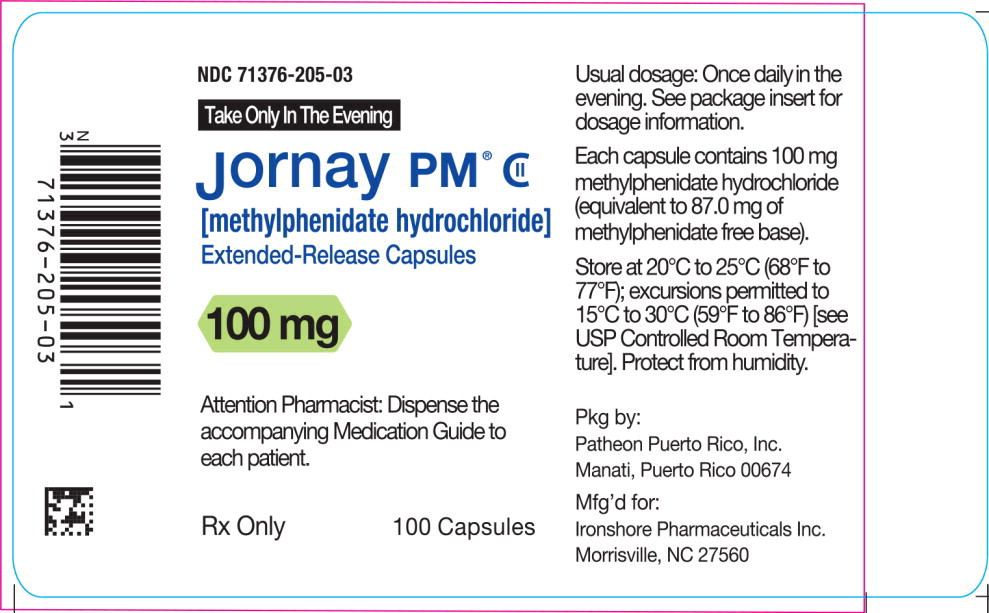
JORNAY PM Extended-Release Methylphenidate Hydrochloride 100 mg Capsule, 100-count
Other active recalls for Methylphenidate Hydrochloride (different manufacturers) — 1 · tap to view
🆔 Identity & classification
Where does this data come from?
🏷️ RxNorm drug class
This medicine belongs to the Central Nervous System Stimulant class.
Where does this data come from?
🏭 Manufacturer & labeler
Where does this data come from?
🩺 Clinical
Methylphenidate is used to control symptoms of attention deficit hyperactivity disorder (ADHD; condition that makes it hard to pay attention, control your behavior, and remain still or quiet) and to treat narcolepsy (condition that causes people to be very sleepy during the day and to fall asleep suddenly). Methylphenidate is in a class of medications called central nervous system (CNS) stimulants. It works by changing the amounts of certain natural substances in the brain.
Read the full MedlinePlus article ↗- Methylphenidate helps boost two brain chemicals — dopamine and norepinephrine — that play a big role in attention, focus, and impulse control. When those chemicals are more availab...
- What exactly is methylphenidate supposed to do for my ADHD?
- Methylphenidate is a controlled substance, and it does have a real potential for abuse and dependence — that's something the FDA takes seriously enough to put a boxed warning on th...
- The most common ones — decreased appetite, some trouble sleeping, headache, and a slightly faster heartbeat — are annoying but usually manageable and tend to improve over time. For...
Patient education
Supplement & herbal interactions
Some supplements/herbs that may interact with Methylphenidate Hydrochloride — tap one for details:
Where does this data come from?
Ask a licensed pharmacist directly — free, answered by our team.
💊 What it looks like
Where does this data come from?
🧪 Inactive Ingredients / Excipients
Inactive ingredients, also called excipients, are components of the drug product other than the active ingredient. They may include fillers, dyes, coatings, preservatives, flavors, or other formulation ingredients.
💡 Tap an ingredient (hover on desktop) to see what it is and why it’s used.
-
UNII 4W5IH7FLNY
A clear, oily liquid derived from sebacic acid and butanol. It works as a plasticizer and solvent in pharmaceutical coatings and films, helping them stay flexible and smooth.
-
UNII 3DYK7UYZ62
Ethylcellulose is a plant-fiber derivative used as a binder and film-coating agent in tablets and capsules. It helps hold ingredients together and can create a protective coating that controls how quickly the medicine dissolves.
-
UNII 230OU9XXE4
A waxy substance made from glycerin and stearic acid that acts as an emulsifier to blend oily and watery ingredients together. It also helps thicken and stabilize the medicine's texture.
-
UNII 9XZ8H6N6OH
A plant-based cellulose derivative used as a binder to hold tablet ingredients together, a thickener in liquids, and a coating agent to control how fast the medicine dissolves.
-
UNII R75537T0T4
Hypromellose 2910 is a plant-derived thickening agent made from cellulose. It serves as a binder that holds tablet ingredients together, a film-coating for pills, and a viscosity controller in liquids.
-
UNII 70097M6I30
Magnesium stearate is a salt made from magnesium and stearic acid, a fatty substance. It's used in tablets and capsules as a lubricant and glidant to help ingredients flow smoothly during manufacturing and prevent sticking.
-
UNII 5KY68S2577
A synthetic plastic polymer made from two chemical compounds combined in a specific ratio. It forms a coating on tablets and capsules to control how and where the medication dissolves in the digestive tract.
-
UNII OP1R32D61U
Microcrystalline cellulose is a purified form of cellulose, a natural fiber from plant sources. It acts as a binder and filler in tablets and capsules, helping hold ingredients together and give the medicine its shape and size.
-
UNII 6OZP39ZG8H
Polysorbate 80 is a synthetic emulsifier derived from sorbitol and oleic acid. It helps mix oil and water-based ingredients together in medications and improves how the product disperses in the body.
-
UNII 7SEV7J4R1U
A powder made from a naturally occurring mineral. In medicines, talc works as a glidant and anti-caking agent, helping tablets and capsules flow smoothly during manufacturing and preventing clumping.
10 inactive ingredients listed in the exact product block matched to this NDC.
Where does this data come from?
ingredient classCode="IACT" elements from the exact product block matched by this NDC. Label-section narrative from DailyMed / the openFDA label index is shown separately when available.Inactive ingredient FAQ
Are inactive ingredients the same for every manufacturer?
Why might an inactive ingredient be missing?
Can inactive ingredients matter?
💲 Pricing
A drug doesn't have one price. Each row is a different public payment system, and none is what you'd pay at the counter — that depends on your insurance. The ⓘ on each row explains what it measures.
| Price system | Per ea | Per package |
|---|---|---|
| Retail pharmacies payNADAC · weekly | $15.392 | $1,539.21 / 100 capsules |
| Medicaid paysCMS SDUD · 12 mo | $15.02 | $1,501.98 / 100 capsules |
| Medicare drug plans payPart D · quarterly | No Part D plan price is available for this NDC in our data. | |
Where does this data come from?
🔁 Therapeutic equivalents
| Product | Labeler | Pack | NADAC/unit | TE | Status | Price vs. this |
|---|---|---|---|---|---|---|
| JORNAY PM Extended-Release 100 mgthis 71376-0205-03 | Ironshore | 100 capsules | $15.392 | — | Availability likely | — |
Where does this data come from?
⏳ Availability & generic status
We did not find an FDA-approved generic match for this exact strength, form and route. Patent/protection dates below may affect future generic timing.
Why the date isn’t exact: Generic timing can change because patents may be challenged, settled, licensed, added, removed, or worked around with a narrower label — and FDA approval does not always mean a pharmacy can get the generic today.
🛈 What do these terms mean?
- Patent
- Legal protection listed in the Orange Book that may delay generic approval or launch. Issued by the U.S. Patent & Trademark Office.
- Substance patent
- Covers the active drug molecule itself — the hardest to design around. A generic generally can’t launch until it expires.
- Formulation (product) patent
- Covers a specific formulation or dosage form. A generic can sometimes work around it with a different formulation.
- Method-of-use patent
- A patent covering one specific approved use of the drug — not necessarily the whole molecule. A generic can sometimes launch with a “skinny label” that carves out the protected use and keeps the others.
- Skinny label
- A generic label that omits a still-patented use when the FDA allows it — letting a generic reach the market for the unprotected uses.
- Exclusivity
- FDA-granted marketing protection, separate from patents — e.g. 5-yr new chemical entity, 7-yr orphan drug, or a +6-month pediatric extension.
- Paragraph IV
- A generic applicant’s formal challenge to a listed patent. It can potentially lead to earlier generic entry, but often involves litigation or a settlement.
- RLD / RS
- Reference Listed Drug — the brand product the FDA uses as the reference for generic applications. Reference Standard — the product the FDA expects generics to compare against in bioequivalence testing.
- TE / AB rating
- FDA therapeutic-equivalence rating. An AB rating generally means the FDA considers a generic therapeutically equivalent to — and substitutable for — the brand.
- LOE (loss of exclusivity)
- The latest patent or exclusivity currently listed — the loss-of-exclusivity / latest-listed-protection date shown on this page. Paragraph-IV challenges and settlements can move the real date earlier; FDA approval and a manufacturer’s decision to market can move it later.
Built from the FDA Orange Book. The bars above are scaled to each protection’s expiry; the red LOE marker is the last one to lapse.
| Patent | Type | Use code | Expires |
|---|---|---|---|
| US 9028868 ↗ | Method of use | U-2357 | Mar 23, 2032 |
| US 9034902 ↗ | Method of use | U-2357 | Mar 23, 2032 |
| US 8916588 ↗ | Method of use | U-2357 | Mar 23, 2032 |
| US 9603809 ↗ | Method of use | U-2357 | Mar 23, 2032 |
| US 9028868 ↗ | Method of use | U-2357 | Mar 23, 2032 |
| US 10292937 ↗ | Method of use | U-2357 | Mar 23, 2032 |
| US 10292937 ↗ | Method of use | U-2357 | Mar 23, 2032 |
| US 9603809 ↗ | Method of use | U-2357 | Mar 23, 2032 |
| US 8916588 ↗ | Method of use | U-2357 | Mar 23, 2032 |
| US 8916588 ↗ | Method of use | U-2357 | Mar 23, 2032 |
| US 8916588 ↗ | Method of use | U-2357 | Mar 23, 2032 |
| US 9603809 ↗ | Method of use | U-2357 | Mar 23, 2032 |
| US 9034902 ↗ | Method of use | U-2357 | Mar 23, 2032 |
| US 9028868 ↗ | Method of use | U-2357 | Mar 23, 2032 |
| US 9034902 ↗ | Method of use | U-2357 | Mar 23, 2032 |
| US 9603809 ↗ | Method of use | U-2357 | Mar 23, 2032 |
| US 9034902 ↗ | Method of use | U-2357 | Mar 23, 2032 |
| US 10292937 ↗ | Method of use | U-2357 | Mar 23, 2032 |
| US 9028868 ↗ | Method of use | U-2357 | Mar 23, 2032 |
| US 9028868 ↗ | Method of use | U-2357 | Mar 23, 2032 |
| US 8916588 ↗ | Method of use | U-2357 | Mar 23, 2032 |
| US 9603809 ↗ | Method of use | U-2357 | Mar 23, 2032 |
| US 10292937 ↗ | Method of use | U-2357 | Mar 23, 2032 |
| US 10292937 ↗ | Method of use | U-2357 | Mar 23, 2032 |
| US 10617651 ↗ | Method of use | U-2357 | Mar 23, 2032 |
| US 10617651 ↗ | Method of use | U-2357 | Mar 23, 2032 |
| US 10617651 ↗ | Method of use | U-2357 | Mar 23, 2032 |
| US 10617651 ↗ | Method of use | U-2357 | Mar 23, 2032 |
| US 10617651 ↗ | Method of use | U-2357 | Mar 23, 2032 |
| US 9034902 ↗ | Method of use | U-2357 | Mar 23, 2032 |
| US 10881618 ↗ | Method of use | U-2357 | Mar 23, 2032 |
| US 10881618 ↗ | Method of use | U-2357 | Mar 23, 2032 |
| US 10881618 ↗ | Method of use | U-2357 | Mar 23, 2032 |
| US 10881618 ↗ | Method of use | U-2357 | Mar 23, 2032 |
| US 10881618 ↗ | Method of use | U-2357 | Mar 23, 2032 |
| US 11911518 ↗ | Method of use | U-2357 | Mar 23, 2032 |
| US 11911518 ↗ | Method of use | U-2357 | Mar 23, 2032 |
| US 11911518 ↗ | Method of use | U-2357 | Mar 23, 2032 |
| US 11911518 ↗ | Method of use | U-2357 | Mar 23, 2032 |
| US 11911518 ↗ | Method of use | U-2357 | Mar 23, 2032 |
| US 11241391 ↗ | Method of use | U-2357 | Mar 23, 2032 |
| US 11241391 ↗ | Method of use | U-2357 | Mar 23, 2032 |
| US 11241391 ↗ | Method of use | U-2357 | Mar 23, 2032 |
| US 11241391 ↗ | Method of use | U-2357 | Mar 23, 2032 |
| US 11241391 ↗ | Method of use | U-2357 | Mar 23, 2032 |
| US 11241392 ↗ | Drug product | — | Mar 23, 2032 |
| US 10182995 ↗ | Drug product | — | Mar 23, 2032 |
| US 8927010 ↗ | Drug product | — | Mar 23, 2032 |
| US 9023389 ↗ | Drug product | — | Mar 23, 2032 |
| US 11241392 ↗ | Drug product | — | Mar 23, 2032 |
| US 10905652 ↗ | Drug product | — | Mar 23, 2032 |
| US 9498447 ↗ | Drug product | — | Mar 23, 2032 |
| US 9498447 ↗ | Drug product | — | Mar 23, 2032 |
| US 9283214 ↗ | Drug product | — | Mar 23, 2032 |
| US 11241392 ↗ | Drug product | — | Mar 23, 2032 |
| US 11241392 ↗ | Drug product | — | Mar 23, 2032 |
| US 9023389 ↗ | Drug product | — | Mar 23, 2032 |
| US 10182995 ↗ | Drug product | — | Mar 23, 2032 |
| US 10905652 ↗ | Drug product | — | Mar 23, 2032 |
| US 9283214 ↗ | Drug product | — | Mar 23, 2032 |
| US 9498447 ↗ | Drug product | — | Mar 23, 2032 |
| US 8927010 ↗ | Drug product | — | Mar 23, 2032 |
| US 8927010 ↗ | Drug product | — | Mar 23, 2032 |
| US 9283214 ↗ | Drug product | — | Mar 23, 2032 |
| US 10905652 ↗ | Drug product | — | Mar 23, 2032 |
| US 10182995 ↗ | Drug product | — | Mar 23, 2032 |
| US 9283214 ↗ | Drug product | — | Mar 23, 2032 |
| US 9498447 ↗ | Drug product | — | Mar 23, 2032 |
| US 9283214 ↗ | Drug product | — | Mar 23, 2032 |
| US 9023389 ↗ | Drug product | — | Mar 23, 2032 |
| US 9498447 ↗ | Drug product | — | Mar 23, 2032 |
| US 10905652 ↗ | Drug product | — | Mar 23, 2032 |
| US 9023389 ↗ | Drug product | — | Mar 23, 2032 |
| US 9023389 ↗ | Drug product | — | Mar 23, 2032 |
| US 10905652 ↗ | Drug product | — | Mar 23, 2032 |
| US 8927010 ↗ | Drug product | — | Mar 23, 2032 |
| US 11241392 ↗ | Drug product | — | Mar 23, 2032 |
| US 10182995 ↗ | Drug product | — | Mar 23, 2032 |
| US 8927010 ↗ | Drug product | — | Mar 23, 2032 |
| US 10182995 ↗ | Drug product | — | Mar 23, 2032 |
Is there a generic version of JORNAY PM 100 MG CAPSULE?
The FDA approved a generic — why can’t I get it at my pharmacy yet?
Why do different websites show different generic release dates?
What does “FDA listed” mean?
What does a patent or protection date mean here?
What does “current Orange Book estimate” mean?
Can a generic come out before the last patent expires?
Can a generic come out after the listed dates?
What is the difference between patents and exclusivity?
Why are there multiple patent dates?
Where does this data come from?
🗺️ Medicaid utilization & spend
📦 Packaging — all sizes for this product
| Package NDC | Description | Marketing start | Status |
|---|---|---|---|
| 71376-0205-03 You're viewing this | 100 CAPSULE in 1 BOTTLE (71376-205-03) | 2019-06-01 | Active |
📄 Full prescribing information FDA SPL
🚨 Boxed Warning ▾
WARNING: ABUSE, MISUSE, AND ADDICTION JORNAY PM has a high potential for abuse and misuse, which can lead to the development of a substance use disorder, including addiction. Misuse and abuse of CNS stimulants, including JORNAY PM, can result in overdose and death [see Overdosage ( 10 )] , and this risk is increased with higher doses or unapproved methods of administration, such as snorting or injection. Before prescribing JORNAY PM, assess each patient's risk for abuse, misuse, and addiction.
Educate patients and their families about these risks, proper storage of the drug, and proper disposal of any unused drug. Throughout JORNAY PM treatment, reassess each patient's risk of abuse, misuse, and addiction and frequently monitor for signs and symptoms of abuse, misuse and addiction [see Warnings and Precautions ( 5.1 ) and Drug Abuse and Dependence ( 9.2 )] . WARNING: ABUSE, MISUSE AND ADDICTION See full prescribing information for complete boxed warning.
JORNAY PM has a high potential for abuse and misuse, which can lead to the development of a substance use disorder, including addiction. Misuse and abuse of CNS stimulants, including JORNAY PM, can result in overdose and death ( 5.1 , 9.2 , 10 ): Before prescribing JORNAY PM, assess each patient's risk for abuse, misuse, and addiction. Educate patients and their families about these risks, proper storage of the drug, and proper disposal of any unused drug.
Throughout treatment, reassess each patient's risk and frequently monitor for signs and symptoms of abuse, misuse, and addiction.
🎯 Indications and Usage ▾
1 INDICATIONS AND USAGE JORNAY PM is indicated for the treatment of Attention Deficit Hyperactivity Disorder (ADHD) in patients 6 years and older [see Clinical Studies ( 14 )] . Limitations of Use The use of Jornay PM is not recommended in pediatric patients younger than 6 years of age because they had higher plasma exposure and a higher incidence of adverse reactions (e.g., weight loss) than patients 6 years and older at the same dosage [see Warnings and Precautions (5.7) , Use in Specific Populations (8.4) ]. JORNAY PM is a central nervous system (CNS) stimulant indicated for the treatment of Attention Deficit Hyperactivity Disorder (ADHD) in patients 6 years and older.
( 1 ) Limitations of Use The use of Jornay PM is not recommended in pediatric patients younger than 6 years of age because they had higher plasma exposure and a higher incidence of adverse reactions (e.g., weight loss) than patients 6 years and older at the same dosage ( 5.7 , 8.4 ).
⏱️ Dosage and Administration ▾
2 DOSAGE AND ADMINISTRATION JORNAY PM should be taken only in the evening. ( 2.2 ) Recommended starting dose for patients 6 years and above is 20 mg daily in the evening. ( 2.2 ) Adjust the timing of administration between 6:30 p.m. and 9:30 p.m. to optimize the tolerability and the efficacy the next morning and throughout the day.
Dosage may be increased weekly in increments of 20 mg per day up to a maximum daily dose of 100 mg. ( 2.2 ) Patients are advised to take JORNAY PM consistently either with food or without food. ( 2.2 ) Capsules may be swallowed whole or opened and the entire contents sprinkled onto applesauce.
( 2.2 ) To avoid substitution errors and overdosage, do not substitute for other methylphenidate products on a milligram-per-milligram basis. ( 2.4 )
2.1Pretreatment Screening Prior to treating patients with JORNAY PM, assess: for the presence of cardiac disease (i.e., perform a careful history, family history of sudden death or ventricular arrhythmia, and physical exam) [see Warnings and Precautions ( 5.2 )] . the family history and clinically evaluate patients for motor or verbal tics or Tourette's syndrome [see Warnings and Precautions ( 5.10 )].
2.2Recommended Dosage The recommended starting dosage of JORNAY PM in patients 6 years and older is 20 mg once daily orally in the evening. Do not take JORNAY PM in the morning. The dose may be titrated weekly in increments of 20 mg.
A daily dosage above 100 mg has not been studied and is not recommended. Initiate dosing at 8:00 p.m. Adjust the timing of administration between 6:30 p.m. and 9:30 p.m. to optimize the tolerability and efficacy the next morning and throughout the day.
In clinical trials of patients aged 6 to 12 years, the most common dosing time (>70% of patients) was 8:00 p.m., with an allowed range between 6:30 p.m. and 9:30 p.m. Following determination of the optimal administration time, advise patients to maintain a consistent dosing time. Advise patients to take JORNAY PM consistently, either with food or without food.
Patients who miss their dose of JORNAY PM at the regularly scheduled time should take it as soon as they remember that same evening. If a patient remembers the missed dose the following morning, they should skip the missed dose and wait until their next scheduled evening administration.
2.3Administration Instructions JORNAY PM may be taken whole, or the capsule may be opened, and the entire contents sprinkled onto applesauce. If the patient is using the sprinkled administration method, the sprinkled applesauce should be consumed immediately; it should not be stored. Patients should take the applesauce with sprinkled beads in its entirety without chewing.
The dose of a single capsule should not be divided. The contents of the entire capsule should be taken at the same time.
2.4Switching from Other Methylphenidate Products If switching from other methylphenidate products, discontinue that treatment, and titrate with JORNAY PM using the titration schedule described above. Do not substitute JORNAY PM for other methylphenidate products on a milligram-per-milligram basis because these products have different pharmacokinetic profiles from JORNAY PM and may have different methylphenidate base composition [see Description ( 11 ) and Clinical Pharmacology ( 12.3 )] .
2.5Dosage Reduction and Discontinuation If paradoxical aggravation of symptoms or other adverse reactions occur, reduce dosage or, if necessary, discontinue JORNAY PM. If improvement is not observed after appropriate dosage adjustment over a one-month period, discontinue JORNAY PM.
💊 Dosage Forms and Strengths ▾
3 DOSAGE FORMS AND STRENGTHS JORNAY PM (methylphenidate hydrochloride) extended-release capsules exhibit both delayed-release and extended-release properties and are available in the following dose strengths: 20 mg capsules with ivory opaque body and light green opaque cap; 40 mg capsules with ivory opaque body and blue-green opaque cap; 60 mg capsules with white opaque body and powder blue opaque cap; 80 mg capsules with white opaque body and light blue opaque cap; and 100 mg capsules with white opaque body and dark blue opaque cap.
All capsules are imprinted with the dose in black on the body and “IRONSHORE” in black on the cap, except for the 100 mg capsule, on which “IRONSHORE” is imprinted in white. Extended-release capsules: 20 mg, 40 mg, 60 mg, 80 mg, and 100 mg. JORNAY PM exhibits both delayed-release and extended-release properties.
( 3 )
⛔ Contraindications ▾
4 CONTRAINDICATIONS JORNAY PM is contraindicated in patients: With a history of hypersensitivity to methylphenidate or other components of JORNAY PM. Hypersensitivity reactions such as angioedema and anaphylactic reactions have been reported in patients treated with methylphenidate products [see Adverse Reactions ( 6 )]. Receiving concomitant treatment with monoamine oxidase (MAO) inhibitors, or within 14 days following discontinuation of a monoamine oxidase inhibitor, because of the risk of hypertensive crisis [see Drug Interactions ( 7.1 )] .
Known hypersensitivity to methylphenidate or product components. ( 4 ) Concurrent treatment with a monoamine oxidase inhibitor (MAOI) or use of an MAOI within the preceding 14 days. ( 4 )
⚠️ Warnings and Cautions ▾
5 WARNINGS AND PRECAUTIONS Risks to Patients with Serious Cardiac Disease: Avoid use in patients with known structural cardiac abnormalities, cardiomyopathy, serious cardiac arrhythmias, coronary artery disease, or other serious cardiac disease. ( 5.2 ) Increased Blood Pressure and Heart Rate: Monitor blood pressure and pulse. ( 5.3 ) Psychiatric Adverse Reactions: Prior to initiating JORNAY PM, screen patients for risk factors for developing a manic episode.
If new psychotic or manic symptoms occur, consider discontinuing JORNAY PM. ( 5.4 ) Priapism: If abnormally sustained or frequent and painful erections occur, patients should seek immediate medical attention. ( 5.5 ) Peripheral Vasculopathy, including Raynaud's Phenomenon: Careful observation for digital changes is necessary during JORNAY PM treatment.
Further clinical evaluation (e.g. rheumatology referral) may be appropriate for patients who develop signs or symptoms of peripheral vasculopathy ( 5.6 ) Long-Term Suppression of Growth in Pediatric Patients: Closely monitor growth (height and weight) in pediatric patients. Pediatric patients not growing or gaining height or weight as expected may need to have their treatment interrupted. ( 5.7 ) Acute Angle Closure Glaucoma: JORNAY PM-treated patients considered at risk for acute angle closure glaucoma (e.g. patients with significant hyperopia) should be evaluated by an ophthalmologist ( 5.8 ) Increased Intraocular Pressure (IOP) and Glaucoma: Prescribe JORNAY PM to patients with open-angle glaucoma or abnormally increased IOP only if the benefit of treatment is considered to outweigh the risk.
Closely monitor patients with a history of increased IOP or open angle glaucoma. ( 5.9 ) Motor and Verbal Tics, and Worsening of Tourette's Syndrome: Before initiating JORNAY PM, assess the family history and clinically evaluate patients for tics or Tourette's syndrome. Regularly monitor patients for the emergence or worsening of tics or Tourette's syndrome.
Discontinue treatment if clinically appropriate. ( 5.10 )
5.1Abuse, Misuse, and Addiction JORNAY PM has a high potential for abuse and misuse. The use of JORNAY PM exposes individuals to the risks of abuse and misuse, which can lead to the development of a substance use disorder, including addiction. JORNAY PM can be diverted for non-medical use into illicit channels or distribution [see Drug Abuse and Dependence ( 9.2 ].
Misuse and abuse of CNS stimulants, including JORNAY PM, can result in overdose and death [see Overdosage ( 10 )] , and this risk is increased with higher doses or unapproved methods of administration, such as snorting or injection. Before prescribing JORNAY PM, assess each patient's risk for abuse, misuse, and addiction. Educate patients and their families about these risks and proper disposal of any unused drug.
Advise patients to store JORNAY PM in a safe place, preferably locked, and instruct patients to not give JORNAY PM to anyone else. Throughout JORNAY PM treatment, reassess each patient's risk of abuse, misuse, and addiction and frequently monitor for signs and symptoms of abuse, misuse, and addiction.
5.2Risks to Patients with Serious Cardiac Disease Sudden death has been reported in patients with structural cardiac abnormalities or other serious cardiac disease who were treated with CNS stimulants at the recommended ADHD dosage. Avoid JORNAY PM use in patients with known structural cardiac abnormalities, cardiomyopathy, serious cardiac arrhythmia, coronary artery disease, or other serious cardiac disease.
5.3Increased Blood Pressure and Heart Rate CNS stimulants may cause an increase in blood pressure (mean increase approximately 2 to 4 mmHg) and heart rate (mean increase approximately 3 to 6 bpm). Some patients may have larger increases. Monitor all JORNAY PM-treated patients for hypertension and tachycardia.
5.4Psychiatric Adverse Reactions Exacerbation of Pre-existing Psychosis CNS stimulants may exacerbate symptoms of behavior disturbance and…
🤒 Adverse Reactions ▾
6 ADVERSE REACTIONS The following adverse reactions are discussed in more detail in other sections of the labeling: Abuse, Misuse, and Addiction [see Boxed Warning, Warnings and Precautions ( 5.1 ), and Drug Abuse and Dependence ( 9.2 , 9.3 )] Hypersensitivity to methylphenidate or other components of JORNAY PM [see Contraindications ( 4 )] Hypertensive crisis when used concomitantly with monoamine oxidase inhibitors [see Contraindications ( 4 ) and Drug Interactions ( 7.1 )] Risks to Patients with Serious Cardiac Disease [see Warnings and Precautions ( 5.2 )] Increased Blood Pressure and Heart Rate [see Warnings and Precautions ( 5.3 )] Psychiatric Adverse Reactions [see Warnings and Precautions ( 5.4 )] Priapism [see Warnings and Precautions ( 5.5 )] Peripheral Vasculopathy, including Raynaud's Phenomenon [see Warnings and Precautions ( 5.6 )] Long-term Suppression of Growth in Pediatric Patients [see Warnings and Precautions ( 5.7 )] Acute Angle Closure Glaucoma [see Warnings and Precautions ( 5.8 )] Increased Intraocular Pressure and Glaucoma [see Warnings and Precautions ( 5.9 )] Motor and Verbal Tics, and Worsening of Tourette's Syndrome [see Warnings and Precautions ( 5.10 )] Based on accumulated data from other methylphenidate products, the most common (≥5% and twice the rate of placebo) adverse reactions for adult and pediatric patients are: appetite decreased, insomnia, nausea, vomiting, dyspepsia, abdominal pain, weight decreased, anxiety, dizziness, irritability, affect lability, tachycardia, and blood pressure increased.
Additional adverse reactions (≥5% and twice the rate of placebo) in JORNAY PM-treated pediatric patients 6 to 12 years: headache, psychomotor hyperactivity, and mood swings. ( 6.1 ) To report SUSPECTED ADVERSE REACTIONS, contact Collegium Pharmaceutical, Inc. at 1-855-331-5615 or FDA at 1-800-FDA-1088 or www.fda.gov/medwatch .
6.1Clinical Trials Experience Because clinical trials are conducted under widely varying conditions, adverse reaction rates observed in the clinical trials of a drug cannot be directly compared with rates in the clinical trials of another drug and may not reflect the rates observed in clinical practice. Adverse Reactions in Studies with Other Methylphenidate Products in Children, Adolescents, and Adults with ADHD Commonly reported (≥2% of the methylphenidate group and at least twice the rate of the placebo group) adverse reactions from placebo-controlled trials of methylphenidate products include: appetite decreased, weight decreased, nausea, abdominal pain, dyspepsia, dry mouth, vomiting, insomnia, anxiety, nervousness, restlessness, affect lability, agitation, irritability, dizziness, vertigo, tremor, blurred vision, blood pressure increased, heart rate increased, tachycardia, palpitations, hyperhidrosis, and pyrexia.
Adverse Reactions in Studies with JORNAY PM in Pediatric Patients (6 to 12 years) with ADHD The safety of JORNAY PM was evaluated in 280 patients (6 to 12 years of age) who participated in two controlled clinical studies of patients with ADHD [see Clinical Studies ( 14 )] . Study 1, conducted in pediatric patients 6 to 12 years of age, was comprised of a 6-week open-label dose-optimization phase in which all patients received JORNAY PM (n=125; mean dose 50 mg), followed by a 1-week, double-blind controlled phase in which patients were randomized to continue JORNAY PM (n=65) or switch to placebo (n=54).
During the open-label JORNAY PM treatment phase, adverse reactions reported in > 5% of patients included: any insomnia (41%), decreased appetite (27%), affect lability (22%), headache (19%), upper respiratory tract infection (17%), upper abdominal pain (9%), nausea or vomiting (9%), increased diastolic blood pressure (8%), tachycardia (7%), and irritability (6%). Three patients discontinued treatment because of adverse reactions of affect lability, panic attacks, and agitation and aggression. Because of the trial design (6-week open-label active treatment phas…
🔄 Drug Interactions ▾
7 DRUG INTERACTIONS Antihypertensive Drugs: Monitor blood pressure. Adjust dosage of antihypertensive drug as needed ( 7.2 )
7.1MAO Inhibitors Do not administer JORNAY PM concomitantly with MAOIs or within 14 days after discontinuing MAOI treatment. Concomitant use of MAO inhibitors and CNS stimulants can cause hypertensive crisis. Potential outcomes include death, stroke, myocardial infarction, aortic dissection, ophthalmological complications, eclampsia, pulmonary edema, and renal failure [see Contraindications ( 4 )] .
7.2Antihypertensive Drugs JORNAY PM may decrease the effectiveness of drugs used to treat hypertension. Monitor blood pressure and adjust the dosage of the antihypertensive drug as needed [see Warnings and Precautions ( 5.3 )].
7.3Halogenated Anesthetics Concomitant use of halogenated anesthetics and JORNAY PM may increase the risk of sudden blood pressure and heart rate increase during surgery. Monitor blood pressure and avoid use of JORNAY PM in patients being treated with anesthetics on the day of surgery.
7.4Risperidone The combined use of methylphenidate with risperidone when there is a change in dose of either or both medications may increase the risk of extrapyramidal symptoms (EPS). Monitor for signs of EPS.
👥 Use in Specific Populations ▾
8 USE IN SPECIFIC POPULATIONS
8.1Pregnancy Pregnancy Exposure Registry There is a pregnancy exposure registry that monitors pregnancy outcomes in women exposed to JORNAY PM during pregnancy. Healthcare providers are encouraged to register patients by calling the National Pregnancy Registry for Psychostimulants at 1-866-961-2388. Risk Summary Published studies and postmarketing reports on methylphenidate use during pregnancy are insufficient to inform a drug-associated risk of adverse pregnancy-related outcomes [see Data ] .
No teratogenic effects were observed in embryo-fetal development studies with oral administration of methylphenidate to pregnant rats and rabbits during organogenesis at doses up to 2 and 9 times the maximum recommended human dose (MRHD) of 100 mg/day given to adolescents on a mg/m 2 basis, respectively. However, spina bifida was observed in rabbits at a dose 31 times the MRHD given to adolescents. A decrease in pup body weight was observed in a pre-and post-natal development study with oral administration of methylphenidate to rats throughout pregnancy and lactation at doses 3.5 times the MRHD given to adolescents [see Data ] .
The background risk of major birth defects and miscarriage for the indicated population is unknown. However, the background risk in the U.S. general population of major birth defects is 2% to 4% and of miscarriage is 15% to 20% of clinically recognized pregnancies. Clinical Considerations Fetal/Neonatal Adverse Reactions CNS stimulant medications, such as JORNAY PM, can cause vasoconstriction and thereby decrease placental perfusion.
No fetal and/or neonatal adverse reactions have been reported with the use of therapeutic doses of methylphenidate during pregnancy; however, premature delivery and low birth weight infants have been reported in amphetamine-dependent mothers. Data Human Data A limited number of pregnancies have been reported in published observational studies and postmarketing reports describing methylphenidate use during pregnancy. Due to the small number of methylphenidate-exposed pregnancies with known outcomes, these data cannot definitely establish or exclude any drug-associated risk during pregnancy.
Methodological limitations of these observational studies include small sample size, concomitant use of other medications, lack of detail regarding dose and duration of exposure to methylphenidate and nongeneralizability of the enrolled populations. Animal Data In studies conducted in rats and rabbits, methylphenidate was administered orally at doses of up to 75 and 200 mg/kg/day, respectively, during the period of organogenesis. Teratogenic effects (increased incidence of fetal spina bifida) were observed in rabbits at the highest dose, which is approximately 31 times the maximum recommended human dose (MRHD) of 100 mg/day given to adolescents on a mg/m 2 basis.
The no effect level for embryo-fetal development in rabbits was 60 mg/kg/day (9 times the MRHD given to adolescents on a mg/m 2 basis). There was no evidence of specific teratogenic activity in rats, although increased incidences of fetal skeletal variations were seen at the highest dose level (6 times the MRHD given to adolescents on a mg/m 2 basis), which was also maternally toxic. The no effect level for embryo-fetal development in rats was 25 mg/kg/day (2 times the MRHD given to adolescents on a mg/m 2 basis).
8.2Lactation Risk Summary Limited published literature, based on breast milk sampling from five mothers, reports that methylphenidate is present in human milk, which resulted in infant doses of 0.16% to 0.7% of the maternal weight-adjusted dosage and a milk/plasma ratio ranging between 1.1 and 2.7. There are no reports of adverse effects on the breastfed infant and no effects on milk production. However, long-term neurodevelopmental effects on infants from CNS stimulant exposure are unknown.
The developmental and health benefits of breastfeeding should be considered along with the mother's clinica…
🤰 Pregnancy ▾
8.1Pregnancy Pregnancy Exposure Registry There is a pregnancy exposure registry that monitors pregnancy outcomes in women exposed to JORNAY PM during pregnancy. Healthcare providers are encouraged to register patients by calling the National Pregnancy Registry for Psychostimulants at 1-866-961-2388. Risk Summary Published studies and postmarketing reports on methylphenidate use during pregnancy are insufficient to inform a drug-associated risk of adverse pregnancy-related outcomes [see Data ] .
No teratogenic effects were observed in embryo-fetal development studies with oral administration of methylphenidate to pregnant rats and rabbits during organogenesis at doses up to 2 and 9 times the maximum recommended human dose (MRHD) of 100 mg/day given to adolescents on a mg/m 2 basis, respectively. However, spina bifida was observed in rabbits at a dose 31 times the MRHD given to adolescents. A decrease in pup body weight was observed in a pre-and post-natal development study with oral administration of methylphenidate to rats throughout pregnancy and lactation at doses 3.5 times the MRHD given to adolescents [see Data ] .
The background risk of major birth defects and miscarriage for the indicated population is unknown. However, the background risk in the U.S. general population of major birth defects is 2% to 4% and of miscarriage is 15% to 20% of clinically recognized pregnancies. Clinical Considerations Fetal/Neonatal Adverse Reactions CNS stimulant medications, such as JORNAY PM, can cause vasoconstriction and thereby decrease placental perfusion.
No fetal and/or neonatal adverse reactions have been reported with the use of therapeutic doses of methylphenidate during pregnancy; however, premature delivery and low birth weight infants have been reported in amphetamine-dependent mothers. Data Human Data A limited number of pregnancies have been reported in published observational studies and postmarketing reports describing methylphenidate use during pregnancy. Due to the small number of methylphenidate-exposed pregnancies with known outcomes, these data cannot definitely establish or exclude any drug-associated risk during pregnancy.
Methodological limitations of these observational studies include small sample size, concomitant use of other medications, lack of detail regarding dose and duration of exposure to methylphenidate and nongeneralizability of the enrolled populations. Animal Data In studies conducted in rats and rabbits, methylphenidate was administered orally at doses of up to 75 and 200 mg/kg/day, respectively, during the period of organogenesis. Teratogenic effects (increased incidence of fetal spina bifida) were observed in rabbits at the highest dose, which is approximately 31 times the maximum recommended human dose (MRHD) of 100 mg/day given to adolescents on a mg/m 2 basis.
The no effect level for embryo-fetal development in rabbits was 60 mg/kg/day (9 times the MRHD given to adolescents on a mg/m 2 basis). There was no evidence of specific teratogenic activity in rats, although increased incidences of fetal skeletal variations were seen at the highest dose level (6 times the MRHD given to adolescents on a mg/m 2 basis), which was also maternally toxic. The no effect level for embryo-fetal development in rats was 25 mg/kg/day (2 times the MRHD given to adolescents on a mg/m 2 basis).
🧒 Pediatric Use ▾
8.4Pediatric Use The safety and effectiveness of JORNAY PM have not been established in pediatric patients below the age of 6 years. In studies evaluating extended-release methylphenidate products, patients 4 to <6 years of age had higher systemic methylphenidate exposures than those observed in older pediatric patients at the same dosage. Pediatric patients 4 to <6 years of age also had a higher incidence of adverse reactions, including weight loss.
The safety and effectiveness of JORNAY PM have been established in pediatric patients ages 6 to 17 years in two adequate and well-controlled clinical studies in pediatric patients 6 to 12 years, pharmacokinetic data in adults, and safety information from other methylphenidate-containing products [see Clinical Studies ( 14 ) and see Clinical Pharmacology ( 12.3 ) ]. Long-Term Suppression of Growth Growth should be monitored during treatment with stimulants, including JORNAY PM. Pediatric patients who are not growing or gaining weight as expected may need to have their treatment interrupted [see Warnings and Precautions ( 5.7 )].
Juvenile Animal Toxicity Data Rats treated with methylphenidate early in the postnatal period through sexual maturation demonstrated a decrease in spontaneous locomotor activity in adulthood. A deficit in acquisition of a specific learning task was observed in females only. The doses at which these findings were observed are at least 2.5 times the maximum recommended human dose (MRHD) of 100 mg/day given to children on a mg/m 2 basis.
In a study conducted in young rats, methylphenidate was administered orally at doses of up to 100 mg/kg/day for 9 weeks, starting early in the postnatal period (postnatal Day 7) and continuing through sexual maturity (postnatal week 10). When these animals were tested as adults (postnatal weeks 13-14), decreased spontaneous locomotor activity was observed in males and females previously treated with ≥ 50 mg/kg/day (approximately ≥ 2.5 times the MRHD of 100 mg/day given to children on a mg/m 2 basis), and a deficit in the acquisition of a specific learning task was seen in females exposed to the highest dose (5 times the MRHD of 100 mg/day given to children on a mg/m 2 basis).
The no effect level for juvenile neurobehavioral development in rats was 5 mg/kg/day (0.25 times the MRHD of 100 mg/day given to children on a mg/m 2 basis). The clinical significance of the long-term behavioral effects observed in rats is unknown.
🧓 Geriatric Use ▾
8.5Geriatric Use JORNAY PM has not been studied in patients older than 65 years of age.
🆘 Overdosage ▾
10 OVERDOSAGE Clinical Effects of Overdose Overdose of CNS Stimulants is characterized by the following sympathomimetic effects: Cardiovascular effects including tachyarrhythmias, and hypertension or hypotension. Vasospasm, myocardial infarction, or aortic dissection may precipitate sudden cardiac death. Takotsubo cardiomyopathy may develop.
CNS effects including psychomotor agitation, confusion, and hallucinations. Serotonin syndrome, seizures, cerebral vascular accidents, and coma may occur. Life-threatening hyperthermia (temperatures greater than 104℉) and rhabdomyolysis may develop.
Overdose Management Consider the possibility of multiple drug ingestion. The pharmacokinetic profile of JORNAY PM should be considered when treating patients with overdose. Because methylphenidate has a large volume of distribution and is rapidly metabolized, dialysis is not useful.
Consider contacting the Poison Help line (1-800-222-1222) or a medical toxicologist for additional overdose management recommendations.
🧬 Clinical Pharmacology ▾
12 CLINICAL PHARMACOLOGY
12.1Mechanism of Action Methylphenidate hydrochloride is a central nervous system (CNS) stimulant. The exact mode of therapeutic action in ADHD is not known.
12.2Pharmacodynamics Methylphenidate is a racemic mixture comprising the d - and l -isomers. The d -isomer is more pharmacologically active than the l -isomer. Methylphenidate is thought to block the reuptake of norepinephrine and dopamine into the presynaptic neuron and increase the release of these monoamines into the extraneuronal space.
12.3Pharmacokinetics The pharmacokinetics of methylphenidate was dose-proportional between 20 mg and 100 mg dose level. Absorption The pharmacokinetics of methylphenidate after a single, 100 mg oral dose of JORNAY PM administered in the evening at 9 pm were studied in healthy adults. The initial absorption of methylphenidate into plasma is delayed such that no more than 5% of total drug is available within the first 10 hours after dosing.
After the lag period, the absorption of methylphenidate occurs in a single peak with a median T max 14.0 hours, followed by a gradual decline throughout the rest of the day. Figure 1: Arithmetic Mean Plasma Methylphenidate Concentrations following a Single, Oral, 100 mg Dose of JORNAY PM (Methylphenidate Hydrochloride Extended-Release Capsule) or Methylphenidate Immediate-Release Oral Product Administered in a Crossover Manner to Healthy Adult Subjects The relative bioavailability of JORNAY PM (given once a day) compared to the same daily dose of a methylphenidate immediate-release oral product (given 3 times a day) in adults is 73.9%.
Figure Food Effects Compared to the fasted state, JORNAY PM taken with a high-fat meal at night exhibited similar mean AUC 0-∞ , a 14% lower mean C max , and a median T max extended by approximately 2.5 hours. After JORNAY PM was taken at night, a morning meal had no effect on the pharmacokinetics of methylphenidate. The pharmacokinetic parameters were similar when JORNAY PM was taken as a whole capsule or when sprinkled on applesauce.
Elimination The apparent half-life of methylphenidate in adults following oral administration of JORNAY PM was approximately 5.9 hours. Metabolism In humans, methylphenidate is metabolized primarily by de-esterification to α-phenyl-piperidine acetic acid (PPAA). The metabolite has little pharmacologic activity.
Excretion After oral dosing of radiolabeled methylphenidate in humans, about 90% of the radioactivity was recovered in urine. The main urinary metabolite was PPAA, accounting for approximately 80% of the dose. Alcohol Effect: In vitro testing showed that approximately 97% of methylphenidate was released from JORNAY PM capsules in 2 hours in the presence of 40% alcohol.
The increase in methylphenidate release rate was not observed in the presence of 5 to 20% alcohol. No in vivo studies have been conducted to assess the effect of alcohol on drug exposure. Specific populations: Pediatric Patients The pharmacokinetics of methylphenidate after a single, 54 mg oral dose of JORNAY PM administered in the evening at 9 pm were studied in two separate studies in adults and in children and adolescent patients with ADHD between 8 and 17 years of age.
The plasma methylphenidate concentration curves were qualitatively similar in healthy adult volunteers, children 8 to 12 years, and adolescents with ADHD. Body weight dose normalized AUC and C max were similar in children, adolescents, and adults. However, there were differences in mean PK parameters between children, adolescents, and adults; children were exposed to higher levels of methylphenidate when provided the same dose of JORNAY PM (C max : children = 11.6 ng/mL, adolescents = 7.2 ng/mL, adults = 6.0 ng/mL; AUC t : children = 206 ng·hr/mL, adolescents = 106 ng·hr/mL, adults = 83.4 ng·hr/mL).
Patients with Renal Impairment: There is no experience with the use of JORNAY PM in patients with renal insufficiency. After oral administration of radiolabeled methylphenida…
🧬 Mechanism of Action ▾
12.1Mechanism of Action Methylphenidate hydrochloride is a central nervous system (CNS) stimulant. The exact mode of therapeutic action in ADHD is not known.
📦 How Supplied / Storage and Handling ▾
16 HOW SUPPLIED/STORAGE AND HANDLING JORNAY PM (methylphenidate hydrochloride) extended-release capsules are available as follows: 20 mg Capsules – ivory opaque body and light green opaque cap (imprinted with “20 mg” in black on the body and “IRONSHORE” in black on the cap) Bottles of 100................................................……………………………………………NDC 71376-201-03 40 mg Capsules – ivory opaque body and blue-green opaque cap (imprinted with “40 mg” in black on the body and “IRONSHORE” in black on the cap) Bottles of 100................................................……………………………………………NDC 71376-202-03 60 mg Capsules – white opaque body and powder blue opaque cap (imprinted with “60 mg” in black on the body and “IRONSHORE” in black on the cap) Bottles of 100................................................……………………………………………NDC 71376-203-03 80 mg Capsules – white opaque body and light blue opaque cap (imprinted with “80 mg” in black on the body and “IRONSHORE” in black on the cap) Bottles of 100.......................................................................................................……… NDC 71376-204-03 100 mg Capsules – white opaque body and dark blue opaque cap (imprinted with “100 mg” in black on the body and “IRONSHORE” in white on the cap) Bottles of 100...............................................……………………………………….……NDC 71376-205-03 Storage and Handling Store at 20°C to 25°C (68°F to 77°F); excursions permitted to 15°C to 30°C (59°F to 86°F) [see USP Controlled Room Temperature] .
Protect from humidity.
📦 Storage and Handling ▾
Storage and Handling Store at 20°C to 25°C (68°F to 77°F); excursions permitted to 15°C to 30°C (59°F to 86°F) [see USP Controlled Room Temperature] . Protect from humidity.
📋 Description ▾
11 DESCRIPTION JORNAY PM contains methylphenidate hydrochloride, a central nervous system (CNS) stimulant. Methylphenidate hydrochloride is a white, odorless crystalline powder. Its aqueous solutions are acidic.
It is freely soluble in water and in methanol, soluble in alcohol, and slightly soluble in chloroform and in acetone. The chemical name of methylphenidate hydrochloride is d,l (racemic) methyl α-phenyl-2-piperidineacetate hydrochloride. Its molecular formula is C 14 H 19 NO 2 •HCl and the molecular weight is 269.77.
Its structural formula is The molecular formula of the free base is C 14 H 19 NO 2 and its molecular weight is 233.31. JORNAY PM extended-release capsules contain beads with two functional film coatings (outer delayed-release and inner extended-release) surrounding a drug core coated with methylphenidate hydrochloride. The outer, delayed-release coating delays the initial release of methylphenidate while the inner extended-release coating controls the release throughout the day.
JORNAY PM is available as extended-release capsules for oral use in five strengths. Each capsule contains 20 mg, 40 mg, 60 mg, 80 mg, or 100 mg of methylphenidate hydrochloride, which is equivalent to 17.4 mg, 34.8 mg, 52.2 mg, 69.6 mg, or 87.0 mg of methylphenidate free base, respectively. JORNAY PM capsules also contain the following inactive ingredients: dibutyl sebacate, diglycerides, ethylcellulose, hydroxypropyl cellulose, hypromellose, magnesium stearate, methacrylic acid copolymer Type B, microcrystalline cellulose, monoglycerides, polysorbate 80, and talc.
The capsule shell of 20 and 40 mg strength capsules is made of FD&C Blue #1, hypromellose, titanium dioxide, yellow iron oxide, and black ink for the imprint. The capsule shell of 60 and 80 mg strength capsules is made of FD&C Blue #1, hypromellose, titanium dioxide, and black ink for the imprint. The capsule shell of 100 mg strength capsule is made of black iron oxide, FD&C Blue #1, hypromellose, red iron oxide, titanium dioxide, and black ink, and white ink for the imprint.
Structural Formula
💬 Information for Patients ▾
17 PATIENT COUNSELING INFORMATION Advise the patient to read the FDA-approved patient labeling ( Medication Guide ). Abuse, Misuse, and Addiction Educate patients and their families about the risks of abuse, misuse, and addiction of JORNAY PM, which can lead to overdose and death, and proper disposal of any unused drug [see Warnings and Precautions ( 5.1 ), Drug Abuse and Dependence ( 9.2 ,), Overdosage ( 10 )] . Advise patients to store JORNAY PM in a safe place, preferably locked, and instruct patients to not give JORNAY PM to anyone else.
Dosage and Administration Instructions Advise patients that JORNAY PM is taken once daily in the evening. Advise patients that JORNAY PM should not be taken in the morning. It should be taken consistently, either with food or without food, and patients should establish a routine pattern of administration time.
For patients who take JORNAY PM sprinkled over applesauce, the contents of the entire capsule should be consumed immediately; it should not be stored. Patients should take the applesauce with sprinkled beads in its entirety without chewing. When initiating treatment with JORNAY PM, provide dosage escalation and administration instructions [see Dosage and Administration ( 2.3 )] .
Advise patients that if they forget to take JORNAY PM at their regularly scheduled time, they may take it as soon as they remember that same evening. If a patient remembers the following morning that they forgot to take their JORNAY PM dose the evening before, advise the patient to wait until their next scheduled evening administration. Risks to Patients with Serious Cardiac Disease Advise patients that there are potential risks to patients with serious cardiac disease, including sudden death, with JORNAY PM use.
Instruct patients to contact a healthcare provider immediately if they develop symptoms such as exertional chest pain, unexplained syncope, or other symptoms suggestive of cardiac disease [see Warnings and Precautions ( 5.2 )] . Increased Blood Pressure and Heart Rate Advise patients that JORNAY PM can cause elevations in blood pressure and heart rate [see Warnings and Precautions ( 5.3 )] . Psychiatric Adverse Reactions Advise patients that JORNAY PM, at recommended doses, can cause psychotic or manic symptoms, even in patients without a prior history of psychotic symptoms or mania [see Warnings and Precautions ( 5.4 )] .
Priapism Advise patients, caregivers, and family members of the possibility of painful or prolonged penile erections (priapism). Instruct the patient to seek immediate medical attention in the event of priapism [see Warnings and Precautions ( 5.5 )] . Circulation Problems in Fingers and Toes [peripheral vasculopathy, including Raynaud's phenomenon] Instruct patients about the risk of peripheral vasculopathy, including Raynaud's phenomenon, and associated signs and symptoms: fingers or toes may feel numb, cool, painful, and/or may change from pale, to blue, to red.
Instruct patients to report to their physician any new numbness, pain, skin color change, or sensitivity to temperature in fingers or toes. Instruct patients to call their physician immediately with any signs of unexplained wounds appearing on fingers or toes while taking JORNAY PM. Further clinical evaluation (e.g., rheumatology referral) may be appropriate for certain patients [see Warnings and Precautions ( 5.6 )] .
Suppression of Growth in Pediatric Patients Advise patients, caregivers, and family members that JORNAY PM can cause slowing of growth and weight loss [see Warnings and Precautions ( 5.7 )] . Increased Intraocular Pressure (IOP) and Glaucoma Advise patients that IOP and glaucoma may occur during treatment with JORNAY PM [see Warnings and Precautions ( 5.9 )] . Motor and Verbal Tics, and Worsening of Tourette's Syndrome Advise patients that motor and verbal tics and worsening of Tourette's Syndrome may occur during treatment with JORNAY PM.
Instruct patients to notify their healthcare provider if emergence…
💬 Medication Guide ▾
MEDICATION GUIDE JORNAY PM (JOR-nay) (methylphenidate hydrochloride) extended-release capsules, CII What is the most important information I should know about JORNAY PM? JORNAY PM may cause serious side effects, including: Abuse, misuse, and addiction. JORNAY PM has a high chance for abuse and misuse and may lead to substance use problems, including addiction.
Misuse and abuse of JORNAY PM, other methylphenidate containing medicines, and amphetamine containing medicines, can lead to overdose and death. The risk of overdose and death is increased with higher doses of JORNAY PM or when it is used in ways that are not approved, such as snorting or injection. Your healthcare provider should check you or your child's risk for abuse, misuse, and addiction before starting treatment with JORNAY PM and will monitor you or your child during treatment.
JORNAY PM may lead to physical dependence after prolonged use, even if taken as directed by your healthcare provider. Do not give JORNAY PM to anyone else. See “ What is JORNAY PM? ” for more information.
Keep JORNAY PM in a safe place and properly dispose of unused medicine. See “ How should I store JORNAY PM? ” for more information. Tell your healthcare provider if you or your child have ever abused or been dependent on alcohol, prescription medicines, or street drugs.
Risks for people with serious heart disease. Sudden death has happened in people who have heart defects or other serious heart disease. Your healthcare provider should check you or your child carefully for heart problems before starting JORNAY PM.
Tell your healthcare provider if you or your child have any heart problems, heart disease, or heart defects. Call your healthcare provider right away or go to the nearest hospital emergency room right away if you or your child have any signs of heart problems such as chest pain, shortness of breath, or fainting during treatment with JORNAY PM. Increased blood pressure and heart rate.
Your healthcare provider should check you or your child's blood pressure and heart rate regularly during treatment with JORNAY PM. Mental (psychiatric) problems, including: new or worse behavior and thought problems new or worse bipolar illness new psychotic symptoms (such as hearing voices, or seeing or believing things that are not real) or new manic symptoms Tell your healthcare provider about any mental problems you or your child have, or about a family history of suicide, bipolar illness, or depression. Call your healthcare provider right away if you or your child have any new or worsening mental symptoms or problems during treatment with JORNAY PM, especially hearing voices, seeing or believing things that are not real, or new manic symptoms.
What is JORNAY PM? JORNAY PM is a central nervous system (CNS) stimulant prescription medicine used for the treatment of Attention Deficit Hyperactivity Disorder (ADHD) in people 6 years of age and older. JORNAY PM may help increase attention and decrease impulsiveness and hyperactivity in people 6 years of age and older with ADHD.
JORNAY PM is not recommended for use in children under 6 years of age with ADHD. JORNAY PM is a federally controlled substance (CII) because it contains methylphenidate that can be a target for people who abuse prescription medicines or street drugs. Keep JORNAY PM in a safe place to protect it from theft.
Never give your JORNAY PM to anyone else, because it may cause death or harm them. Selling or giving away JORNAY PM may harm others, and is against the law. Who should not take JORNAY PM?
Do not take JORNAY PM if you or your child is: allergic to methylphenidate hydrochloride, or any of the ingredients in JORNAY PM. See the end of this Medication Guide for a complete list of ingredients in JORNAY PM. taking or has taken within the last 14 days, a medicine used to treat depression called a monoamine oxidase inhibitor (MAOI). Before taking JORNAY PM, tell your or your child's healthcare provider about all medical conditions, inc…