
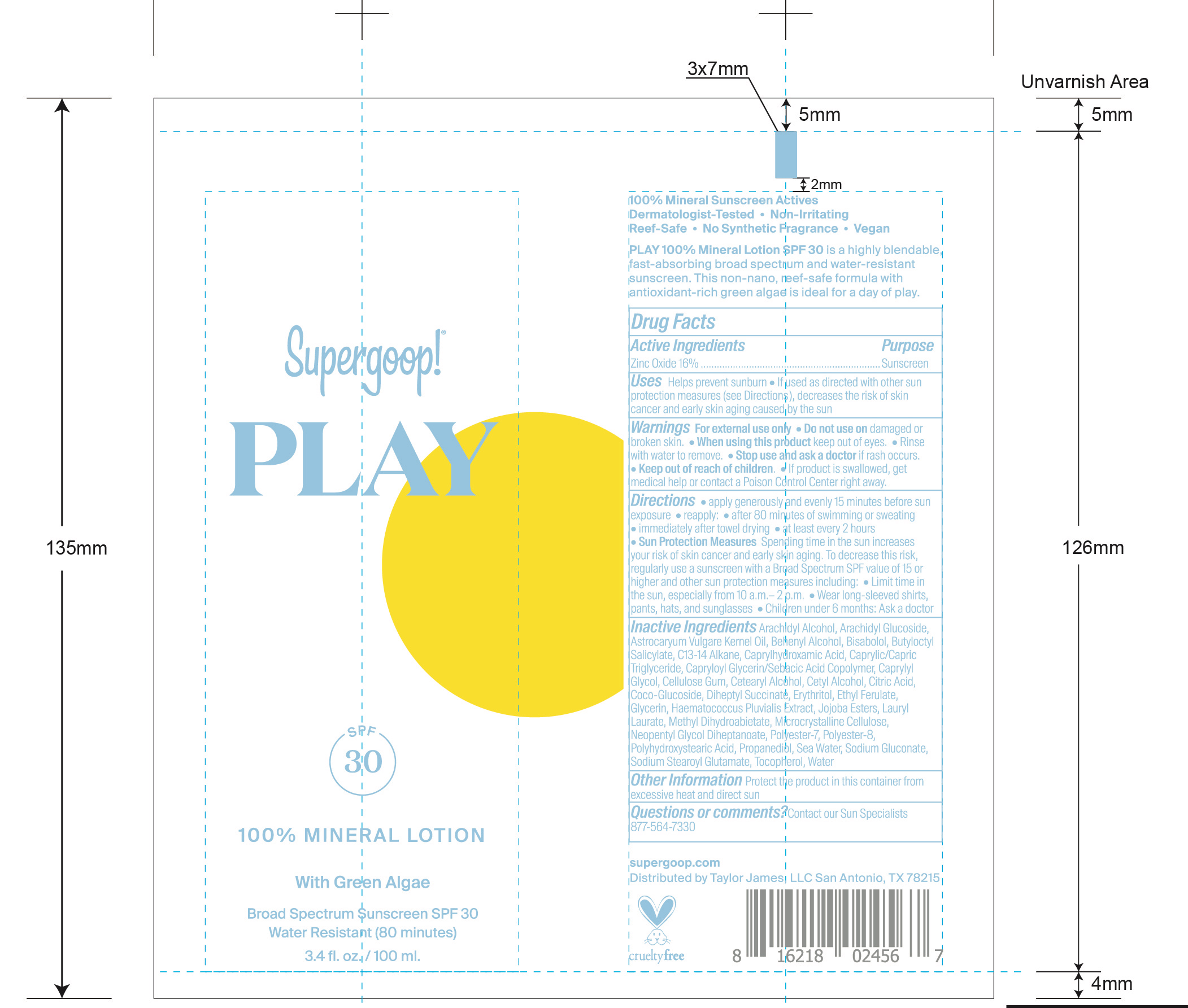
100% Mineral Broad Spectrum Sunscreen SPF 30 Titanium Dioxide, Zinc Oxide 16 g/100mL Lotion, 100 mL
Other active recalls for Titanium Dioxide, Zinc Oxide (different manufacturers) — 1 · tap to view
🆔 Identity & classification
Where does this data come from?
🏭 Manufacturer & labeler
Where does this data come from?
🩺 Clinical
This is a mineral sunscreen lotion applied to the skin to help protect against sun damage. It contains zinc oxide, a physical UV filter that works by sitting on the skin surface and reflecting ultraviolet rays. The product is marketed as an over-the-counter sunscreen under FDA's monograph rules for sunscreen products and is labeled with a broad-spectrum SPF 30 rating.
Patient education
Supplement & herbal interactions
Where does this data come from?
Ask a licensed pharmacist directly — free, answered by our team.
🧪 Inactive Ingredients / Excipients
Inactive ingredients, also called excipients, are components of the drug product other than the active ingredient. They may include fillers, dyes, coatings, preservatives, flavors, or other formulation ingredients.
💡 Tap an ingredient (hover on desktop) to see what it is and why it’s used.
-
UNII 1QR1QRA9BU
A fatty alcohol derived from peanut oil or made synthetically. It serves as an emollient and thickener in creams and ointments, helping create smooth texture and improve product consistency.
-
UNII 6JVW35JOOJ
Arachidyl glucoside is a plant-derived emulsifier and skin-conditioning agent made from arachidyl alcohol and glucose. It helps mix oil and water-based ingredients together in formulations and improves product texture and spreadability.
-
UNII 1IQY04O559
A plant-based oil derived from the kernels of the Astrocaryum vulgare palm tree. It functions as an emollient and texture enhancer in formulations, helping to soften and smooth the product while improving how it spreads or absorbs.
-
UNII 2EH13UN8D3
A synthetic compound used as a solvent and penetration enhancer in topical formulations. It helps dissolve active ingredients and allows them to penetrate the skin more effectively.
-
UNII UPY805K99W
A synthetic compound derived from caprylic acid that works as a preservative and antimicrobial agent to help prevent bacterial and fungal growth in the medicine.
-
UNII N7YC58165T
A synthetic polymer made from glycerin and sebacic acid, used as a film-former and binder in medications. It helps hold tablet or capsule ingredients together and may coat the product for controlled release.
-
UNII 00YIU5438U
Caprylyl glycol is a clear liquid derived from coconut oil. In medicines, it acts as a humectant to retain moisture, a preservative booster to prevent microbial growth, and a solvent to help dissolve or mix other ingredients.
-
UNII K679OBS311
Carboxymethylcellulose sodium is a plant-derived thickening agent made from cellulose. In medicines, it acts as a binder to hold ingredients together, a disintegrant to help the tablet break apart, or a thickener in liquids.
-
UNII 2DMT128M1S
A waxy solid derived from plant or animal sources. It acts as an emulsifier to blend oil and water components, and also thickens the medicine to give it the right texture and consistency.
-
UNII 936JST6JCN
Cetyl alcohol is a waxy, fatty substance derived from plant or animal sources. It acts as an emulsifier and thickener in medicines, helping blend oil and water components and giving products a smooth, creamy texture.
-
UNII 2968PHW8QP
A weak organic acid derived from citrus fruits or made through fermentation. It works as a buffer to control pH, a preservative to extend shelf life, and a flavoring agent in medications.
-
UNII ICS790225B
A plant-derived cleaning agent made from coconut oil and glucose. It works as a surfactant and emulsifier to help mix oil and water-based ingredients together in the formulation.
-
UNII 057N7SS26Y
A clear, oily liquid derived from succinic acid and alcohol chains. It functions as a plasticizer and solvent in formulations, helping soften coatings and improve flexibility of film-coated tablets.
-
UNII 9G1OE216XY
Docosanol is a waxy, fatty alcohol derived from plant sources. It acts as an emollient and thickener in topical medicines, helping to soften the skin and improve product texture and stability.
-
UNII RA96B954X6
Erythritol is a sugar alcohol derived from fermented fruits or grains. It's used as a sweetener and bulking agent in medicines to improve taste without adding significant calories.
-
UNII 5B8915UELW
A plant-derived compound used as an antioxidant in medicines. It helps prevent spoilage and degradation of active ingredients during storage by protecting them from oxidative damage.
-
UNII PDC6A3C0OX
Glycerin is a clear, thick liquid derived from plant oils or fats. It acts as a humectant to retain moisture, a sweetener, and a solvent in medications.
-
UNII 31T0FF0472
A red microalgae used as a natural colorant and source of astaxanthin pigment in medications and supplements. It adds color to tablets and capsules.
-
UNII GPW77G0937
Lauryl laurate is a synthetic oily compound made from lauric acid and lauryl alcohol. It acts as an emollient and lubricant in medicines, helping to soften formulations and reduce friction during manufacturing and use.
-
UNII 24WE03BX2T
Levomenol is a naturally derived alcohol compound used as a skin-conditioning and anti-inflammatory agent in topical formulations. It helps soothe and protect the skin while improving product texture and absorption.
-
UNII C9H2L21V7U
A fat derived from coconut or palm oil containing shorter fatty acid chains. It serves as a solvent and carrier to help dissolve or suspend active ingredients, improving absorption and stability in liquid formulations.
-
UNII 7666FJ0J9F
A rosin-derived compound used as a film-coating agent and binder in tablets and capsules. It helps create a protective layer around the medication and improves tablet hardness.
-
UNII OP1R32D61U
Microcrystalline cellulose is a purified form of cellulose, a natural fiber from plant sources. It acts as a binder and filler in tablets and capsules, helping hold ingredients together and give the medicine its shape and size.
-
UNII 5LKW3C543X
A synthetic oily liquid derived from neopentyl glycol and heptanoic acid. It serves as an emollient and solvent in formulations, helping to dissolve or suspend active ingredients and improve the texture and spreadability of topical products.
-
UNII 0841698D2F
A synthetic polymer used as a film-coating agent to protect tablets and capsules. It helps control how quickly the medicine dissolves and improves the appearance of the finished product.
-
UNII T9296U138P
A synthetic polymer derived from polyester chemistry, modified with a cyanodiphenylpropenoyl cap. It serves as a film-former and binder in pharmaceutical formulations, helping create protective coatings on tablets or improving product consistency.
-
UNII YXH47AOU0F
A synthetic fatty acid used as a thickener and stabilizer in medicines. It helps create the right texture and prevents separation of ingredients in liquid or semi-solid formulations.
-
UNII 5965N8W85T
Propanediol is a clear liquid organic compound derived from vegetable sources or synthesized chemically. It acts as a humectant to retain moisture, a solvent to dissolve active ingredients, and a preservative booster in liquid medications and supplements.
-
UNII 451W47IQ8X
Sodium chloride is common table salt. It's used in medicines as a buffer to maintain proper pH, as a filler to add bulk, or to adjust the osmotic balance in liquid formulations.
-
UNII R6Q3791S76
Sodium gluconate is a salt derived from gluconic acid, a naturally occurring compound. In medicines, it functions as a buffering agent to help maintain stable pH and as a chelating agent that can bind minerals in formulations.
-
UNII 65A9F4P024
A synthetic compound derived from the amino acid glutamate and stearic acid. It acts as an emulsifier and surfactant to help mix oil and water-based ingredients, keeping the medicine uniform throughout.
-
UNII R0ZB2556P8
Tocopherol is a form of vitamin E derived from plant oils. It acts as an antioxidant in medicines to prevent oils and fats from breaking down and spoiling during storage.
-
UNII 059QF0KO0R
Water is a liquid solvent that dissolves and mixes ingredients together in liquid medicines, syrups, and injections. It helps distribute the active drug evenly throughout the product.
33 inactive ingredients listed in the exact product block matched to this NDC.
Label-section wording can be broader than the structured product block and may mention additional formulation ingredients.
Where does this data come from?
ingredient classCode="IACT" elements from the exact product block matched by this NDC. Label-section narrative from DailyMed / the openFDA label index is shown separately when available.Inactive ingredient FAQ
Are inactive ingredients the same for every manufacturer?
Why might an inactive ingredient be missing?
Can inactive ingredients matter?
💲 Pricing
A drug doesn't have one price. Each row is a different public payment system, and none is what you'd pay at the counter — that depends on your insurance. The ⓘ on each row explains what it measures.
| Price system | Per g | Per package |
|---|---|---|
| Retail pharmacies payNADAC · weekly | Not in the retail survey — common for institutional, discontinued, or low-volume packs. | |
| Medicaid paysCMS SDUD · 12 mo | No recent Medicaid claims on file for this NDC — rare and low-volume NDCs are suppressed in the public data. | |
| Medicare drug plans payPart D · quarterly | No Part D plan price is available for this NDC in our data. | |
Where does this data come from?
🔁 Therapeutic equivalents
| Product | Labeler | Pack | NADAC/unit | TE | Status | Price vs. this |
|---|---|---|---|---|---|---|
| 100% Mineral Broad Spectrum Sunscreen SPF 30 16 g/100mLthis 75936-0363-02 | Supergoop | 100 ml | — | — | FDA listed | — |
Where does this data come from?
⏳ Availability & generic status
We did not find an FDA-approved generic match for this exact strength, form and route.
Where does this data come from?
🔬 Reported adverse events (FAERS)
Top reported reactions
Reporter sex
Serious outcomes
Where does this data come from?
📦 Packaging — all sizes for this product
| Package NDC | Description | Marketing start | Status |
|---|---|---|---|
| 75936-0363-01 | 30 mL in 1 TUBE (75936-363-01) | 2022-02-04 | Active |
| 75936-0363-02 You're viewing this | 100 mL in 1 TUBE (75936-363-02) | 2022-02-04 | Active |
You're viewing the largest of 2 pack sizes for this product.
Pack size FAQ
What quantity is in NDC 75936-0363-02?
What is the difference between NDC 75936-0363-02 and NDC 75936-0363-01?
What NDC number is used to bill for this package of 100% Mineral Broad Spectrum Sunscreen SPF 30 Titanium Dioxide, Zinc Oxide 16 g/100mL Lotion?
🧭 About this NDC listing & data coverage
What data is (and isn’t) available for this NDC — tap to expand
| NDC identity (package / product / labeler codes) | ✓ Available |
| Labeler | ✓ Available |
| Product & package description | ✓ Available |
| Marketing category & status | ✓ Available |
| Active ingredient / dosage form / route | ✓ Available |
| FDA label (SPL via DailyMed) | ✓ Available |
| Package photos | ✓ Available |
| Inactive ingredients (structured) | ✓ Available |
| NADAC pharmacy acquisition price (CMS) | — Not published for this NDC CMS publishes NADAC only for NDCs reported in its retail-pharmacy survey. |
| Orange Book / therapeutic-equivalence data | — Not published for this NDC Applies only to products approved under an NDA/ANDA; many listings are out of scope. |
| HCPCS J-code billing crosswalk | — Not published for this NDC Most self-administered / retail products have no J-code — that is normal. |
| Medicaid utilization (CMS SDUD) | — Not published for this NDC CMS reports utilization only for NDCs with Medicaid claims above its privacy threshold. |
Questions about this listing
Is this NDC FDA-approved?
Why is there no price listed?
Is the NDC printed on the package the same as the 11-digit billing NDC?
What do the three segments of this NDC mean?
Is this package still being marketed?
Does this product come in other package sizes?
Who lists this product with the FDA?
Do I need a prescription for this product?
Where does this data come from?
📄 FDA label — Drug Facts FDA SPL
🎯 Indications and Usage ▾
Stop use and ask a doctor if rash occurs.
⏱️ Dosage and Administration ▾
Directions apply generously and evenly 15 minutes before sun exposure reapply after80 minutes of swimming or sweating immediately after towel drying at least every 2 hours Sun Protection Measures Spending time in the sun increases your risk of skin cancer and early skin aging. To decrease this risk, regularly use a sunscreen with a Broad Spectrum SPF value of 15 or higher and other sub and other sun protection measures including: Limit time in the sun, especially from 10 a.m.- 2 p.m. Wear long-sleeved shirts, pants, hats and sunglasses Children under 6 months: Ask a doctor
⚠️ Warnings ▾
Warnings For external use only Do not use on damaged or broken skin When using this product keep out of eyes Rinse with water to remove. If product is swallowed, get medical help or contact a Poison Control right away.
🧪 Active Ingredient ▾
Active Ingredients Purpose Zinc Oxide 16% Sunscreen
🧪 Inactive Ingredients ▾
Inactive Ingredients Arachidyl Alcohol, Arachidyl Glucoside, Astrocaryum Vulgare Kernel Oil, Behenyl Alcohol, Bisabolol, Butyloctyl Salicylate, C13-14 Alkane, Caprylhydroxamic Acid, Caprylic/Capric Triglyceride, Capryloyl Glycerin/Sebacic Acid Copolymer, Caprylyl Glycol, Cellulose Gum, Cetearyl Alcohol, Cetyl Alcohol, Citric Acid, Coco-Glucosde, Diheptyl Succinate, Erythritol, Ethyl Ferulate, Glycerin, Haematococcus Pluvialis Extract, Jojoba Esters, Lauryl Laurate, Methyl dihydroabietate, Microcrystalline Cellulose, Neopentyl Glycol Diheptanoate, Polyester-7, Polyester-8, Polyhydroxystearic Acid, Propanediol, Sea Water, Sodium Gluconate, Sodium Stearoyl Glutamate, Tocopherol, Water
🎯 Purpose ▾
Uses Helps prevent sunburn If used as directed with other sun protection measures (see Directions), decreases the risk of skincancer and early skin aging caused by the sun