
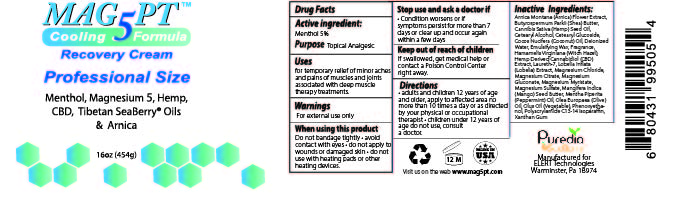
Mag 5 PT Cooling Formula Recovery Cream Menthol 22.7 g/454g Cream, 454 g — NDC 76348-510-16 (Billing 76348-0510-16)
This is a package of 454 g of Mag 5 PT Cooling Formula Recovery Cream Menthol 22.7 g/454g Cream from RENU LABORATORIES, LLC, marketed since Mar 2019 and currently FDA-listed.
NDC database record
One package, one record: these facts belong to NDC 76348-510-16 alone.
- Record
- FDA NDC Directory package listing · Human OTC drug
- Code segments
- 76348 labeler · 510 product · 16 package
- Package marketed since
- Mar 19, 2019
- Sample package
- No — commercial package
- Listing certified through
- Dec 31, 2026
- Barcode (UPC-A, from the NDC)
- 3 7634851016 8
- FDA record last changed
- Jul 24, 2026
Other active recalls for Menthol (different manufacturers) — 1 · tap to view
Identity & classification
Regulatory identifiers FDA, NLM and CMS codes for this package
Where does this data come from?
- FDA openFDA NDC Directory · synced Oct 8, 2026
- FDA label on DailyMed · label index refreshed Oct 8, 2026
- RxNorm (NLM RxNav) · catalog refreshed Oct 8, 2026
- Medi-Span GPI (licensed)
- First Databank (licensed) · refreshed Oct 8, 2026
Clinical
- Mostly for temporary relief of minor aches and pains in muscles and joints, like those from arthritis, backache, strains, sprains and bruises. Some products are for other things, s...
- It depends on the product. Many creams, gels and patches are limited to about 3 to 4 times a day, and patches also have a time limit, often 8 hours. Follow your product label and a...
- A brief burning feeling can happen when you first apply it and usually fades in several days. But if you get severe burning pain, swelling or blistering, stop using it and call you...
- No. Don't use menthol products with a heating pad, and avoid local heat or direct sunlight on the area. Rare cases of serious burns have been reported.
Patient education
Supplement & herbal interactions
Where does this data come from?
- MedlinePlus (NLM) · refreshed Oct 8, 2026
- FDA label on DailyMed · label index refreshed Oct 8, 2026
Ask a licensed pharmacist directly — free, answered by our team.
Pricing
A drug doesn't have one price. Each row is a different public payment system, and none is what you'd pay at the counter — that depends on your insurance. The ⓘ on each row explains what it measures.
| Price system | Per g | Per package |
|---|---|---|
| Retail pharmacies payNADAC · weekly | Not in the retail survey — common for institutional, discontinued, or low-volume packs. | |
| Medicaid paysCMS SDUD · 12 mo | No recent Medicaid claims on file for this NDC — rare and low-volume NDCs are suppressed in the public data. | |
| Medicare drug plans payPart D · quarterly | No Part D plan price is available for this NDC in our data. | |
Where does this data come from?
- CMS NADAC weekly file
- CMS ASP pricing files · refreshed Sep 20, 2026
- CMS Medicaid State Drug Utilization Data · refreshed Oct 9, 2026
- CMS Part D plan pricing files · refreshed Sep 24, 2026
- VA National Acquisition Center price file
Packaging — all sizes for this product
| Package NDC | Description | Marketing start | Marketing end | Status |
|---|---|---|---|---|
| 76348-0510-16 You're viewing this | 454 g in 1 JAR | 2019-03-19 | — | Active |
| 76348-0510-05 76348-510-05 Main listing | 1 JAR in 1 BOX / 112 g in 1 JAR | 2019-03-19 | — | Active |
Pack size FAQ
What quantity is in this package?
What NDC number is used to bill for this package of Mag 5 PT Cooling Formula Recovery Cream Menthol 22.7 g/454g Cream?
Therapeutic equivalents
| Product | Labeler | Pack | NADAC/unit | TE | Status | Price vs. this |
|---|---|---|---|---|---|---|
| Mag 5 PT Cooling Formula Recovery Cream 22.7 g/454gthis 76348-0510-16 | RENU | 454 g | — | — | FDA listed | — |
Where does this data come from?
- FDA openFDA NDC Directory · synced Oct 8, 2026
- FDA Orange Book · refreshed Oct 9, 2026
- CMS NADAC weekly file
Availability & generic status
We did not find an FDA-approved generic match for this exact strength, form and route.
Where does this data come from?
- FDA Orange Book · refreshed Oct 9, 2026
Inactive Ingredients / Excipients
Inactive ingredients, also called excipients, are components of the drug product other than the active ingredient. They may include fillers, dyes, coatings, preservatives, flavors, or other formulation ingredients.
🧪 Avoiding an ingredient? See Menthol inactive ingredients by manufacturer: every current product's list side by side, so you can ask your pharmacy for the version that does not list it.
💡 Tap an ingredient (hover on desktop) to see what it is and why it’s used.
-
UNII OZ0E5Y15PZ
A plant extract from arnica flowers, used as a flavoring agent or fragrance component in medicines. It may also provide mild soothing properties to certain topical formulations.
-
UNII E4F12ROE70
A refined mineral oil derived from crude petroleum containing 13 to 14 carbon chains. It acts as a solvent, emollient, and carrier in topical formulations to help dissolve active ingredients and improve product texture and spreadability.
-
UNII 19GBJ60SN5
A naturally derived compound from cannabis plants used as an active pharmaceutical ingredient in certain FDA-approved medications. It is included to deliver the therapeutic substance rather than serve a traditional formulation role like binding or flavoring.
-
UNII 69VJ1LPN1S
Cannabis sativa seed oil is a plant-based oil derived from hemp seeds. It's used in medicines as a carrier or emollient to help deliver active ingredients and improve product texture and absorption.
-
UNII 09FUA47KNA
Cetearyl glucoside is a plant-derived surfactant made from vegetable oils and glucose. It helps oils and water mix together in creams and lotions, and can also soften and smooth the skin feel of the product.
-
UNII 2DMT128M1S
A waxy solid derived from plant or animal sources. It acts as an emulsifier to blend oil and water components, and also thickens the medicine to give it the right texture and consistency.
-
UNII Q9L0O73W7L
Coconut oil is a natural fat extracted from coconut fruit. It's used in medicines as a lubricant, emollient, or carrier to help dissolve or deliver active ingredients smoothly through the formulation.
-
UNII 8470G57WFM
Corn oil is a vegetable oil extracted from corn kernels. It's used in medicines as a solvent to dissolve active ingredients and help the body absorb them, and sometimes as a lubricant in capsules.
-
UNII 230OU9XXE4
A waxy substance made from glycerin and stearic acid that acts as an emulsifier to blend oily and watery ingredients together. It also helps thicken and stabilize the medicine's texture.
-
UNII TA4JCF9S1J
A plant oil derived from sea buckthorn berries used as a skin-conditioning agent and emollient in topical formulations to help soften and protect the skin.
-
UNII T53SBG6741
A plant-based oil extracted from sea buckthorn seeds. It's used as an emollient and skin-conditioning agent to soften the medicine's texture and improve how it feels or spreads on skin.
-
UNII Z95S6G8201
A synthetic surfactant derived from lauryl alcohol and ethylene oxide. It helps dissolve and mix oily and watery ingredients in liquid formulations, and may improve how the medicine spreads or is absorbed.
-
UNII 7QFT17RLRG
A plant-derived ingredient from the lobelia plant. It may be used in formulations for its potential flavoring or traditional herbal properties, though its specific role in this product depends on the formulation type.
-
UNII 02F3473H9O
A mineral salt used in medications as a source of magnesium. It helps bind ingredients together, improve texture, and maintain the product's stability during storage.
-
UNII T42NAD2KHC
A mineral salt derived from magnesium and gluconic acid. It's used as a binder and filler to help hold tablet or capsule ingredients together and add bulk to the formulation.
-
UNII Z1917F0578
Magnesium myristate is a salt made from magnesium and myristic acid, a fatty acid. It acts as a lubricant and anti-caking agent in tablets and capsules to improve how they flow during manufacturing and prevent clumping.
-
UNII GI96W46M5A
Magnesium orotate is a magnesium salt compound used as a mineral supplement ingredient and binder in tablets and capsules. It helps hold the medicine's ingredients together and may be included to provide supplemental magnesium.
-
UNII DE08037SAB
Magnesium sulfate is a mineral salt that acts as an osmotic agent in medications. It draws water into the intestines to soften stool or is used as a filler and processing aid in some solid dosage forms.
-
UNII 4OXD9M35X2
A natural fat extracted from mango seeds, used as an emollient and binder to soften the medicine and help hold ingredients together in creams, lotions, and solid formulations.
-
UNII 25X51I8RD4
Niacinamide is a form of vitamin B3, a water-soluble nutrient. In medicines, it may be added as a nutritional supplement or to support skin health, though its primary role here is as an active ingredient rather than a traditional inactive filler.
-
UNII 6UYK2W1W1E
A natural oil extracted from olives. It acts as an emollient and lubricant in formulations, helping to soften ingredients and improve how the medicine spreads or flows.
-
UNII YD01N1999R
A waxy substance made from polyethylene glycol and stearic acid. It helps mix oil and water-based ingredients together and serves as an emulsifier and solubilizer in liquid and semi-solid medicines.
-
UNII AV092KU4JH
A natural oil extracted from peppermint plants. It's used as a flavoring agent to mask bitter tastes and add a refreshing mint flavor to medicines, making them easier to take.
-
UNII HIE492ZZ3T
Phenoxyethanol is a synthetic preservative and antimicrobial agent used to prevent bacterial and fungal growth in medicines and cosmetic products, extending shelf life and maintaining product safety.
-
UNII E2KR9C9V2I
Polyacrylamide is a synthetic polymer used as a thickening agent and binder in medications. It helps create the proper texture and hold ingredients together in the formulation.
-
UNII K49155WL9Y
Shea butter is a fat extracted from shea tree nuts. It's used in medicines as an emollient and lubricant to soften the product, improve texture, and help ingredients blend smoothly together.
-
UNII 4ELV7Z65AP
Stearic acid is a fatty acid derived from plant or animal sources. It acts as a binder and lubricant in tablets and capsules, helping them hold together and flow smoothly during manufacturing.
-
UNII 059QF0KO0R
Water is a liquid solvent that dissolves and mixes ingredients together in liquid medicines, syrups, and injections. It helps distribute the active drug evenly throughout the product.
-
UNII 7G1J5DA97F
White wax is a refined, bleached plant-based or mineral wax that serves as a coating and hardening agent in medicines. It helps control how fast the drug dissolves and improves the product's texture and appearance.
-
UNII 101I4J0U34
Witch hazel is a plant extract obtained from the leaves and bark of the North American shrub Hamamelis virginiana. It functions as an astringent and skin-conditioning agent in topical products, helping to tone and prepare the skin.
30 inactive ingredients listed in the exact product block matched to this NDC.
Label-section wording can be broader than the structured product block and may mention additional formulation ingredients.
Where does this data come from?
ingredient classCode="IACT" elements from the exact product block matched by this NDC. Label-section narrative from DailyMed / the openFDA label index is shown separately when available.- FDA label on DailyMed · label index refreshed Oct 8, 2026
- FDA openFDA NDC Directory · synced Oct 8, 2026
Inactive ingredient FAQ
Are inactive ingredients the same for every manufacturer?
Why might an inactive ingredient be missing?
Can inactive ingredients matter?
Manufacturer & labeler
More NDCs from RENU LABORATORIES, LLC labeler code 76348
- Dr CANUSO fungal nail eraser Tolnaftate Oil .3 g/28g Oil NDC 76348-410-02
- Margarite Zinc Cream 1.12 g/28g Cream NDC 76348-413-02
- ARCTIC HEAT Menthol, Methyl Salicylate 11.2 g/112g; 2.24 g/112g Cream NDC 76348-414-01
- Renu Laboratories Acne Sulphur L Acne Sulfur Lotion 1.4 g/14g Suspension NDC 76348-450-02
- Mg plus Menthol with Hemp 5.6 g/112g Cream NDC 76348-471-04
- EXTREME EMU Menthol, Methyl Salicylate 11.2 g/112g; 2.24 g/112g Cream NDC 76348-495-04
- MAG 5 PT WARMING FORMULA Menthol 5.6 g/112g Cream NDC 76348-511-05
- MAG 5 PT ROLL-ON PAIN RELIEF COOLING Menthol 4.2 g/84g Liquid NDC 76348-517-01
- Pediadermics eczema 3 Colloidal Oatmeal, Dimethicone 3.36 g/168g; .168 g/168g Cream NDC 76348-580-06
- PEDIADERMICS ECZEMA 2 Hydrocortisone 1.12 g/112g Spray NDC 76348-585-04
- Electrum Numb Foam Lidocaine HCI 1.92 g/48mL Soap NDC 76348-596-17
- Impact Melanoma SPF 30 ZINC OXIDE 17.5 g/1000g; 70 g/1000g; 10 g/1000g; 12.5 g/1000g Lotion NDC 76348-598-01
Where does this data come from?
- FDA openFDA NDC Directory · synced Oct 8, 2026
- Drugs@FDA
FDA label — Drug Facts FDA SPL
🎯 Indications and Usage ▾
For temporary relief of minor aches and pains of muscles and joints associated with deep muscle therapy treatments.
⏱️ Dosage and Administration ▾
Directions Adults and children 12 years of age and older, apply to affected area no more than three times a day or as directed by your physical or occupational therapist children under 12 years of age: consult your physical or occupational therapist.
⚠️ Warnings ▾
For external use only
🧪 Active Ingredient ▾
Menthol 5%
🧪 Inactive Ingredients ▾
Arnica Montana (Arnica) Flower Extract, Butyrospermum Parkii (Shea Butter), Cannabis Sativa (Hemp) Seed Oil and Hemp-Derived Cannabidiol (CBD) Extract, Cetearyl Alcohol, Cetearyl Glucoside, Citrus Paradisi (Grapefruit) Extract, Cocos Nucifera (Coconut) Oil, C13-14 Isoparaffin, Deionized Water, Emulsifying Wax, Hamamelis Virginiana (Witch Hazel), Hippophae Rhamnoides (Sea Berry) Fruit Oil, Hippophae Rhamnoides (Sea Berry) Seed Oil, Laureth-7, Lobelia Flower Extract, Magnesium Chloride, Magnesium Gluconate, Magnesium Myristate, Magnesium Orotate, Magnesium Sulfate, Mangifera Indica (Mango) Seed Butter, Mentha piperita (Peppermint) Leaf Oil, Olea Europaea (Olive) Oil, Olus Oil (vegetable), Phenoxyethanol, Polyacrylamide, Xanthan Gum
🎯 Purpose ▾
Topical Analgesic
📄 When Using This Product ▾
Do not bandage tightly avoid contact with eyes do not apply to wounds or damaged skin do not use with heating pads or other heatng devices
📄 Stop Use and Ask a Doctor If ▾
Stop use and ask a doctor if Condition worsens or if symptoms persist for more than 7 days or clear up and occur again within a few days.
📄 Keep Out of Reach of Children ▾
If swallowed, get medical help or contact a Poison Control Center right away.
📄 Questions or Comments ▾
Visit us on the web www.mag5pt.com
📄 Package Label / Principal Display Panel ▾
MAG 5 PT
16.0OZ. LABEL 16 OZ. COOLING LABEL
Reported adverse events (FAERS)
Top reported reactions
Age at onset
Reporter sex
Serious outcomes
Where does this data come from?
About this NDC listing & data coverage
What data is (and isn’t) available for this NDC — tap to expand
| NDC identity (package / product / labeler codes) | ✓ Available |
| Labeler | ✓ Available |
| Product & package description | ✓ Available |
| Marketing category & status | ✓ Available |
| Active ingredient / dosage form / route | ✓ Available |
| FDA label (SPL via DailyMed) | ✓ Available |
| Package photos | ✓ Available |
| Inactive ingredients (structured) | ✓ Available |
| NADAC pharmacy acquisition price (CMS) | — Not published for this NDC CMS publishes NADAC only for NDCs reported in its retail-pharmacy survey. |
| Orange Book / therapeutic-equivalence data | — Not published for this NDC Applies only to products approved under an NDA/ANDA; many listings are out of scope. |
| HCPCS J-code billing crosswalk | — Not published for this NDC Most self-administered / retail products have no J-code — that is normal. |
| Medicaid utilization (CMS SDUD) | — Not published for this NDC CMS reports utilization only for NDCs with Medicaid claims above its privacy threshold. |