
TRYVIO Aprocitentan 12.5 mg Tablet, Film Coated, 10-count — NDC 80491-8012-8 (Billing 80491-8012-08)
This is a package of 10 tablets of TRYVIO Aprocitentan 12.5 mg Tablet, Film Coated from Idorsia Pharmaceuticals Ltd, marketed since Mar 2024 and currently FDA-listed.
NDC database record
One package, one record: these facts belong to NDC 80491-8012-8 alone.
- Record
- FDA NDC Directory package listing · Human prescription drug
- Code segments
- 80491 labeler · 8012 product · 8 package
- Package marketed since
- Mar 20, 2024
- Sample package
- No — commercial package
- Listing certified through
- Dec 31, 2027
- Barcode (UPC-A, from the NDC)
- 3 8049180128 8
- FDA record last changed
- Sep 3, 2026
Identity & classification
Regulatory identifiers FDA, NLM and CMS codes for this package
Drug-database identifiers Medi-Span GPI and First Databank GCN / HICL / AHFS classification
- GSN (GCN sequence number): 085865
- GCN: 55448
- HICL (First Databank): 049465
- AHFS class code: 24:52.00.00
- RxCUI (RxNorm): 2679064
Where does this data come from?
- FDA openFDA NDC Directory · synced Oct 1, 2026
- FDA label on DailyMed · label index refreshed Oct 3, 2026
- RxNorm (NLM RxNav) · catalog refreshed Oct 1, 2026
- Medi-Span GPI (licensed)
- First Databank (licensed) · refreshed Oct 1, 2026
RxNorm drug class
This medicine belongs to the Endothelin Receptor Antagonist class.
Where does this data come from?
- RxClass (NLM) · catalog refreshed Oct 1, 2026
Clinical
- Tryvio is used to help lower blood pressure that hasn't been brought under control with other medications. It's always added on top of your existing blood pressure treatment — it's...
- What exactly is Tryvio for — and will it replace my other blood pressure medications?
- Take Tryvio once a day, at whatever time works best for your routine. You can take it with or without food — it doesn't matter. Swallow the tablet whole. If you forget a dose, just...
- The most common side effects are swelling or fluid buildup (especially in your legs or ankles) and anemia, which can make you feel tired or weak. These are worth mentioning to your...
Patient education
Supplement & herbal interactions
Some supplements/herbs that may interact with Aprocitentan — tap one for details:
Aprocitentan may be associated with lower levels of 1 nutrient — worth a chat with your pharmacist, not a cause for alarm.
Where does this data come from?
- MedlinePlus (NLM) · refreshed Oct 1, 2026
- FDA label on DailyMed · label index refreshed Oct 3, 2026
Ask a licensed pharmacist directly — free, answered by our team.
Pricing
A drug doesn't have one price. Each row is a different public payment system, and none is what you'd pay at the counter — that depends on your insurance. The ⓘ on each row explains what it measures.
| Price system | Per each | Per package |
|---|---|---|
| Retail pharmacies payNADAC · weekly | Not in the retail survey — common for institutional, discontinued, or low-volume packs. | |
| Medicaid paysCMS SDUD · 12 mo | No recent Medicaid claims on file for this NDC — rare and low-volume NDCs are suppressed in the public data. | |
| Medicare drug plans payPart D · Q2 2026 | $26.33 | $263.30 / 10 tablets |
Where does this data come from?
- CMS NADAC weekly file
- CMS ASP pricing files · refreshed Sep 20, 2026
- CMS Medicaid State Drug Utilization Data · refreshed Oct 4, 2026
- CMS Part D plan pricing files · refreshed Sep 24, 2026
- VA National Acquisition Center price file
Packaging — all sizes for this product
| Package NDC | Description | Marketing start | Marketing end | Status |
|---|---|---|---|---|
| 80491-8012-03 80491-8012-3 Main listing | 1 BOTTLE in 1 CARTON / 30 TABLET, FILM COATED in 1 BOTTLE | 2024-10-01 | — | Active |
| 80491-8012-08 You're viewing this | 1 BLISTER PACK in 1 CARTON / 10 TABLET, FILM COATED in 1 BLISTER PACK | 2024-03-20 | — | Active |
Pack size FAQ
What quantity is in this package?
How does this package differ from NDC 80491-8012-03?
What NDC number is used to bill for this package of TRYVIO Aprocitentan 12.5 mg Tablet, Film Coated?
Therapeutic equivalents
| Product | Labeler | Pack | NADAC/unit | TE | Status | Price vs. this |
|---|---|---|---|---|---|---|
| Tryvio 12.5 mgthis 80491-8012-08 | Idorsia | 10 tablets | — | — | FDA listed | — |
Where does this data come from?
- FDA openFDA NDC Directory · synced Oct 1, 2026
- FDA Orange Book · refreshed Oct 3, 2026
- CMS NADAC weekly file
Availability & generic status
We did not find an FDA-approved generic match for this exact strength, form and route. Patent/protection dates below may affect future generic timing.
Why the date isn’t exact: Generic timing can change because patents may be challenged, settled, licensed, added, removed, or worked around with a narrower label — and FDA approval does not always mean a pharmacy can get the generic today.
🛈 What do these terms mean?
- Patent
- Legal protection listed in the Orange Book that may delay generic approval or launch. Issued by the U.S. Patent & Trademark Office.
- Substance patent
- Covers the active drug molecule itself — the hardest to design around. A generic generally can’t launch until it expires.
- Formulation (product) patent
- Covers a specific formulation or dosage form. A generic can sometimes work around it with a different formulation.
- Method-of-use patent
- A patent covering one specific approved use of the drug — not necessarily the whole molecule. A generic can sometimes launch with a “skinny label” that carves out the protected use and keeps the others.
- Skinny label
- A generic label that omits a still-patented use when the FDA allows it — letting a generic reach the market for the unprotected uses.
- Exclusivity
- FDA-granted marketing protection, separate from patents — e.g. 5-yr new chemical entity, 7-yr orphan drug, or a +6-month pediatric extension.
- Paragraph IV
- A generic applicant’s formal challenge to a listed patent. It can potentially lead to earlier generic entry, but often involves litigation or a settlement.
- RLD / RS
- Reference Listed Drug — the brand product the FDA uses as the reference for generic applications. Reference Standard — the product the FDA expects generics to compare against in bioequivalence testing.
- TE / AB rating
- FDA therapeutic-equivalence rating. An AB rating generally means the FDA considers a generic therapeutically equivalent to — and substitutable for — the brand.
- LOE (loss of exclusivity)
- The latest patent or exclusivity currently listed — the loss-of-exclusivity / latest-listed-protection date shown on this page. Paragraph-IV challenges and settlements can move the real date earlier; FDA approval and a manufacturer’s decision to market can move it later.
Built from the FDA Orange Book. The bars above are scaled to each protection’s expiry; the red LOE marker is the last one to lapse.
| Patent | Type | Use code | Expires |
|---|---|---|---|
| US 11787782 ↗ | Method of use | U-3877 | Mar 2, 2038 |
| US 11680058 ↗ | Method of use | U-3878 | Jul 26, 2038 |
| US 11174247 ↗ | Method of use | U-3879 | Nov 6, 2037 |
| US 8324232 ↗ | Drug substance | U-3878 | Sep 21, 2029 |
| US 12297189 ↗ | Drug product | — | Feb 26, 2038 |
| US 10919881 ↗ | Drug substance | — | Feb 26, 2038 |
| Code | What it grants | Expires |
|---|---|---|
| NCE | New Chemical Entity (5-year) | Mar 22, 2029 |
Is there a generic version of TRYVIO 12.5 MG TABLET?
The FDA approved a generic — why can’t I get it at my pharmacy yet?
Why do different websites show different generic release dates?
What does “FDA listed” mean?
What does a patent or protection date mean here?
What does “current Orange Book estimate” mean?
Can a generic come out before the last patent expires?
Can a generic come out after the listed dates?
What is the difference between patents and exclusivity?
Why are there multiple patent dates?
Where does this data come from?
- FDA Orange Book · refreshed Oct 3, 2026
What it looks like
Where does this data come from?
- FDA label on DailyMed · label index refreshed Oct 3, 2026
Inactive Ingredients / Excipients
Inactive ingredients, also called excipients, are components of the drug product other than the active ingredient. They may include fillers, dyes, coatings, preservatives, flavors, or other formulation ingredients.
💡 Tap an ingredient (hover on desktop) to see what it is and why it’s used.
-
UNII M28OL1HH48
Croscarmellose sodium is a plant-based substance derived from cellulose. It acts as a disintegrant, helping tablets and capsules break down quickly in the digestive system so the medicine can be absorbed.
-
UNII 1K09F3G675
Ferric oxide red is an inorganic iron compound used as a colorant in medicines. It gives tablets, capsules, or other dosage forms a red or reddish tint for identification and appearance.
-
UNII EX438O2MRT
Ferric oxide yellow is a naturally occurring iron compound used as a colorant in medications. It gives tablets, capsules, and other forms a yellow or golden hue for identification and appearance.
-
UNII XM0M87F357
A dark iron oxide compound that gives medicines their black or dark color. It's used as a colorant in tablets and capsules to help identify the product and make it visually distinctive.
-
UNII Y6O7T4G8P9
Hydrated silica is a fine powder form of silicon dioxide with absorbed water. It works as an anti-caking agent and absorbent in medicines, helping powders stay free-flowing and preventing clumping.
-
UNII 9XZ8H6N6OH
A plant-based cellulose derivative used as a binder to hold tablet ingredients together, a thickener in liquids, and a coating agent to control how fast the medicine dissolves.
-
UNII EWQ57Q8I5X
Lactose monohydrate is a natural sugar derived from milk. It serves as a filler and binder in tablets and capsules, helping create the proper size, texture, and consistency of the medicine.
-
UNII 70097M6I30
Magnesium stearate is a salt made from magnesium and stearic acid, a fatty substance. It's used in tablets and capsules as a lubricant and glidant to help ingredients flow smoothly during manufacturing and prevent sticking.
-
UNII OP1R32D61U
Microcrystalline cellulose is a purified form of cellulose, a natural fiber from plant sources. It acts as a binder and filler in tablets and capsules, helping hold ingredients together and give the medicine its shape and size.
-
UNII 532B59J990
Polyvinyl alcohol is a synthetic polymer made from plant-derived materials. It's used as a binder to hold ingredients together, a film-former in coatings, and a thickener in liquid formulations.
-
UNII 7SEV7J4R1U
A powder made from a naturally occurring mineral. In medicines, talc works as a glidant and anti-caking agent, helping tablets and capsules flow smoothly during manufacturing and preventing clumping.
-
UNII 15FIX9V2JP
Titanium dioxide is a bright white mineral powder commonly used as a colorant and opacifying agent. It makes pills and tablets white or lighter in color and helps make coatings non-transparent.
-
UNII 8Z96QXD6UM
Triethyl citrate is a clear liquid derived from citric acid. It acts as a plasticizer and solvent in tablet coatings and film formulations, helping the coating remain flexible and adhere properly to the medicine.
13 inactive ingredients listed in the exact product block matched to this NDC.
Where does this data come from?
ingredient classCode="IACT" elements from the exact product block matched by this NDC. Label-section narrative from DailyMed / the openFDA label index is shown separately when available.- FDA label on DailyMed · label index refreshed Oct 3, 2026
- FDA openFDA NDC Directory · synced Oct 1, 2026
Inactive ingredient FAQ
Are inactive ingredients the same for every manufacturer?
Why might an inactive ingredient be missing?
Can inactive ingredients matter?
Manufacturer & labeler
More NDCs from Idorsia Pharmaceuticals Ltd labeler code 80491
Where does this data come from?
- FDA openFDA NDC Directory · synced Oct 1, 2026
- Drugs@FDA
Full prescribing information FDA SPL
🚨 Boxed Warning ▾
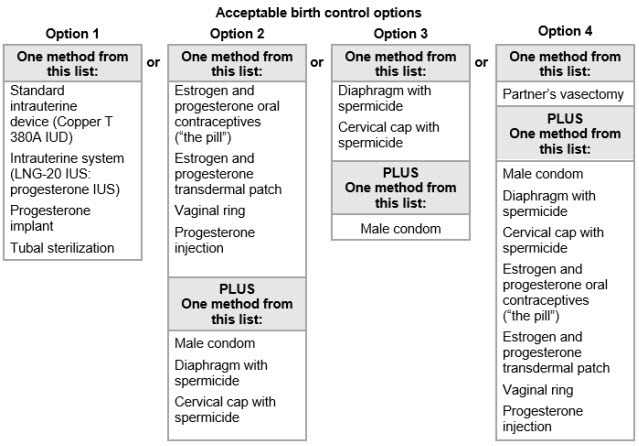
WARNING: EMBRYO-FETAL TOXICITY TRYVIO is contraindicated for use during pregnancy because it may cause fetal harm if used by pregnant patients. Therefore in patients who can become pregnant, exclude pregnancy prior to initiation of TRYVIO. Advise use of effective contraception before the start of TRYVIO, during treatment and for one month after stopping treatment.
When pregnancy is detected, discontinue TRYVIO as soon as possible [see Dosage and Administration (2.2) , Contraindications (4.1) , Warnings and Precautions (5.1) , Use in Specific Populations (8.1) ] . WARNING: EMBRYO–FETAL TOXICITY See full prescribing information for complete boxed warning. Based on animal data TRYVIO may cause fetal harm if used by pregnant patients and is contraindicated in pregnancy.
( 4.1 , 5.1 , 8.1 ) For patients who can become pregnant, exclude pregnancy prior to initiation of treatment with TRYVIO. ( 2.2 , 5.1 , 8.3 ) Use effective contraception prior to initiation of treatment, during treatment, and for one month after stopping TRYVIO. ( 2.2 , 4.1 , 5.1 , 8.3 ) When pregnancy is detected, discontinue TRYVIO as soon as possible ( 5.1 )
🎯 Indications and Usage ▾
1 INDICATIONS AND USAGE TRYVIO, in combination with other antihypertensive drugs, is indicated for the treatment of hypertension, to lower blood pressure (BP) in adult patients who are not adequately controlled on other drugs. Lowering BP reduces the risk of fatal and non-fatal cardiovascular events, primarily strokes and myocardial infarctions. These benefits have been seen in controlled trials of antihypertensive drugs from a wide variety of pharmacologic classes.
There are no controlled trials demonstrating reduction of risk of these events with TRYVIO. Control of high BP should be part of comprehensive cardiovascular risk management, including, as appropriate, lipid control, diabetes management, antithrombotic therapy, smoking cessation, exercise, and limited sodium intake. Many patients will require more than one drug to achieve BP goals.
For specific advice on goals and management, see published guidelines, such as those of the National High Blood Pressure Education Program's Joint National Committee on Prevention, Detection, Evaluation, and Treatment of High Blood Pressure (JNC). Numerous antihypertensive drugs, from a variety of pharmacologic classes and with different mechanisms of action, have been shown in randomized controlled trials to reduce cardiovascular morbidity and mortality, and it can be concluded that it is BP reduction, and not some other pharmacologic property of the drugs, that is largely responsible for those benefits.
The largest and most consistent cardiovascular outcome benefit has been a reduction in the risk of stroke, but reductions in myocardial infarction and cardiovascular mortality also have been seen regularly. Elevated systolic or diastolic pressure causes increased cardiovascular risk, and the absolute risk increase per mmHg is greater at higher BPs, so that even modest reductions of severe hypertension can provide substantial benefit. Relative risk reduction from BP reduction is similar across populations with varying absolute risk, so the absolute benefit is greater in patients who are at higher risk independent of their hypertension (for example, patients with diabetes or hyperlipidemia), and such patients would be expected to benefit from more aggressive treatment to a lower BP goal.
TRYVIO is an endothelin receptor antagonist indicated for the treatment of hypertension in combination with other antihypertensive drugs, to lower blood pressure in adult patients who are not adequately controlled on other drugs. Lowering blood pressure reduces the risk of fatal and non-fatal cardiovascular events, primarily strokes and myocardial infarctions. ( 1 )
⏱️ Dosage and Administration ▾
2 DOSAGE AND ADMINISTRATION The recommended dosage of TRYVIO is 12.5 mg orally once daily, with or without food. ( 2.1 )
2.1Recommended Dosage The recommended dosage of TRYVIO is 12.5 mg orally once daily. Swallow tablets whole. TRYVIO may be taken with or without food. If a dose is missed, skip the missed dose and take the next dose at the regular time. Do not take two doses on the same day.
2.2Pregnancy Testing in Females of Reproductive Potential Exclude pregnancy before initiating treatment with TRYVIO in females of reproductive potential [see Boxed Warning , Contraindications (4.1) , Warnings and Precautions (5.1) , Use in Specific Populations (8.3) ] .
💊 Dosage Forms and Strengths ▾
3 DOSAGE FORMS AND STRENGTHS TRYVIO (aprocitentan) tablets are available as: 12.5 mg: yellow to orange round, film-coated tablet, debossed with "AN" on one side and plain on the other side. Tablets: 12.5 mg ( 3 )
⛔ Contraindications ▾
4 CONTRAINDICATIONS Pregnancy ( 4.1 ) Hypersensitivity ( 4.2 )
4.1Pregnancy Use of TRYVIO is contraindicated in patients who are pregnant [see Dosage and Administration (2.2) , Warnings and Precautions (5.1) and Use in Specific Populations (8.1) ] .
4.2Hypersensitivity TRYVIO is contraindicated in patients who are hypersensitive to aprocitentan or any of its excipients [see Adverse Reactions (6.1) ] .
⚠️ Warnings and Cautions ▾
5 WARNINGS AND PRECAUTIONS ERAs cause hepatotoxicity and liver failure. Measure serum aminotransferase levels and total bilirubin prior to initiation of treatment and repeat periodically during treatment and as clinically indicated. ( 5.2 ) Fluid retention may require intervention ( 5.3 ) Decreases in hemoglobin ( 5.4 ) Decreased sperm counts ( 5.5 )
5.1Embryo-Fetal Toxicity Based on data from animal reproduction studies with endothelin receptor antagonists (ERAs), TRYVIO may cause fetal harm when administered during pregnancy and is contraindicated for use in patients who are pregnant. The available human data for endothelin receptor antagonists do not establish the presence or absence of fetal harm related to the use of TRYVIO. Counsel patients who can become pregnant about the potential risk to a fetus.
Obtain a pregnancy test prior to initiation of treatment with TRYVIO. Advise patients who can become pregnant to use effective contraception prior to initiation of treatment with TRYVIO, during treatment, and for one month after the final dose of TRYVIO. When pregnancy is detected, discontinue TRYVIO as soon as possible [see Dosage and Administration (2.2) , Contraindications (4.1) , Use in Specific Populations (8.1 , 8.3) ] .
5.2Hepatotoxicity Elevations of aminotransferases and hepatotoxicity are known effects of ERAs, including TRYVIO. Elevations in alanine transaminase (ALT) or aspartate aminotransferase (AST) of greater than 5-fold upper limit of normal (ULN) were observed rarely in patients treated with aprocitentan in the clinical trial, including cases with positive rechallenge. There were no reports of patients with ALT and/or AST >3 × ULN and total bilirubin >2 × ULN or cases of liver failure observed in TRYVIO-treated patients in the clinical trials.
To reduce the risk of potential serious hepatotoxicity, measure serum aminotransferase levels and total bilirubin prior to initiation of treatment and repeat during treatment periodically and as clinically indicated. Do not initiate TRYVIO in patients with elevated aminotransferases (>3 × ULN) or moderate to severe hepatic impairment. Advise patients with symptoms suggesting hepatotoxicity (nausea, vomiting, right upper quadrant pain, fatigue, anorexia, scleral icterus, jaundice, dark urine, fever, or itching) to immediately stop treatment with TRYVIO and seek medical attention.
If sustained, unexplained, clinically relevant aminotransferase elevations occur, or if elevations are accompanied by an increase in bilirubin >2 × ULN, or if clinical symptoms of hepatotoxicity occur, discontinue TRYVIO.
5.3Fluid Retention Fluid retention and peripheral edema are known effects of ERAs, including TRYVIO [see Adverse Reactions (6.1) ] . Edema/fluid retention was reported in 9% of TRYVIO-treated patients compared with 18% of patients receiving aprocitentan 25 mg (twice the recommended dose) and 2% on placebo in the clinical trial, requiring additional diuretic use in some patients. Older age and chronic kidney disease are risk factors for edema/fluid retention with TRYVIO.
TRYVIO has not been studied in patients with heart failure New York Heart Association stage III–IV, unstable cardiac function, or with NTproBNP ≥500 pg/mL. TRYVIO is not recommended in these patients. Monitor for signs and symptoms of fluid retention, weight gain, and worsening heart failure.
If clinically significant fluid retention develops, treat appropriately, and consider discontinuation of TRYVIO.
5.4Hemoglobin Decrease Decreases in hemoglobin concentration and hematocrit have occurred following administration of other ERAs and were observed in the clinical trial with TRYVIO. Hemoglobin decreases usually presented early, stabilized thereafter, and were reversible after discontinuation. A decrease in hemoglobin of >2 g/dL from baseline was observed in 7% of patients compared to 1% of placebo patients.
A decrease to below 10.0 g/dL was observed in 3% of TRYVIO-treated patients compared to 0 patients ta… [Excerpted — this section continues on DailyMed.]
🤒 Adverse Reactions ▾
6 ADVERSE REACTIONS Clinically significant adverse reactions that appear in other sections of the labeling include: Embryo-fetal toxicity [see Warnings and Precautions (5.1) ] Hepatotoxicity [see Warnings and Precautions (5.2) ] Fluid retention [see Warnings and Precautions (5.3) ] Hemoglobin decrease [see Warnings and Precautions (5.4) ] Decreased sperm counts [see Warnings and Precautions (5.5) ] Most common adverse reactions (more frequent than placebo and ≥ 2% in TRYVIO-treated patients) are edema/fluid retention and anemia.
( 6.1 ) To report SUSPECTED ADVERSE REACTIONS, contact Idorsia Pharmaceuticals Ltd at 1-833-400-9611 or FDA at 1-800-FDA-1088 or www.fda.gov/medwatch.
6.1Clinical Trials Experience Because clinical trials are conducted under widely varying conditions, adverse reaction rates observed in the clinical trials of a drug cannot be directly compared to rates in the clinical trials of another drug and may not reflect the rates observed in practice. The safety of TRYVIO was evaluated in a placebo-controlled phase 3 clinical study (PRECISION, NCT03541174) in adults with uncontrolled BP (systolic blood pressure [SBP] ≥140 mmHg) despite the use of at least three antihypertensive medications.
In this study, 724 patients received any dose of aprocitentan, with 633 patients treated for at least 26 weeks, 192 patients for at least 47 weeks, and 99 patients for at least 48 weeks. The most frequently reported adverse reactions to TRYVIO during the 4-week double-blind placebo-controlled treatment period (part 1) of the PRECISION study are presented in Table 1. Table 1 Adverse reactions reported with a frequency of ≥2% in TRYVIO-treated patients and greater (≥1%) than in placebo-treated patients during the initial 4-week double-blind placebo-controlled treatment (part 1) Adverse Reaction 12.5 mg N = 243 % Placebo N = 242 % Edema/fluid retention 9.1
2.1Anemia 3.7 0 Hypersensitivity Reactions During the initial 4-week double-blind placebo-controlled treatment period (part 1), 0.8% of patients experienced an adverse reaction of hypersensitivity (i.e., rash, erythema, allergic edema) on TRYVIO compared to no reports in patients treated with placebo. One patient experienced allergic dermatitis requiring hospitalization while receiving aprocitentan 25 mg. Laboratory Tests Initiation of TRYVIO may cause an initial small decrease in estimated glomerular filtration rate (eGFR) that occurs within the first 6 weeks of starting therapy and then stabilizes.
In the initial 4-week double-blind treatment period, TRYVIO 12.5 mg caused a mean decrease of about 0.8 g/dL in hemoglobin compared to no change in the placebo patients.
👥 Use in Specific Populations ▾
8 USE IN SPECIFIC POPULATIONS Lactation: Advise not to breastfeed. ( 8.2 )
8.1Pregnancy Risk Summary Based on animal reproduction studies with other ERAs, TRYVIO can cause embryo-fetal toxicity, including birth defects and fetal death when administered to a pregnant patient and is contraindicated during pregnancy [see Contraindications (4.1) ] . Available data from post-marketing reports and published literature over decades of use with endothelin receptor antagonists in the same class as TRYVIO have not identified an increased risk of fetal harm; however, these data are limited. Methodological limitations of these post-marketing reports and published literature include lack of a control group; limited information regarding dose, duration, and timing of drug exposure; and missing data.
These limitations preclude establishing a reliable estimate of the risk of adverse fetal and neonatal outcomes with maternal endothelin receptor antagonist use. Administration of macitentan, where approximately ≥50% of total exposure was to aprocitentan, was teratogenic in rats and rabbits at all doses tested (see Data ). Available data from reports of pregnancy in clinical trials with TRYVIO are insufficient to rule out a drug-associated risk of major birth defects, miscarriage or other adverse maternal or fetal outcomes.
Advise pregnant patients of the potential risk to a fetus. The background risk of major birth defects and miscarriage for the indicated population is unknown. All pregnancies have a background risk of birth defect, loss, or other adverse outcomes.
In the U.S. general population, the estimated background risk of major birth defects and miscarriage in clinically recognized pregnancies is 2% to 4% and 15% to 20%, respectively. Data Animal Data In embryo-fetal development toxicity studies in pregnant rats and rabbits given macitentan (for which aprocitentan is a major metabolite) during the period of major organogenesis, cardiovascular and mandibular arch fusion malformations were observed at all doses studied. The lowest doses in rats and rabbits produced aprocitentan exposures that were equivalent to and 15-fold, respectively, the clinical exposures at the maximum recommended human dose (MRHD) based on area under the curve (AUC).
In pre- and post-natal development studies, female rats given macitentan (for which aprocitentan is a major metabolite) from late pregnancy through lactation showed reduced pup survival and impairment of the male fertility of the offspring at all doses. The lowest dose produced aprocitentan exposures approximately 2-fold the clinical exposures at the MRHD based on AUC.
8.2Lactation Risk Summary There are no data on the presence of aprocitentan in human milk, the effects on the breastfed infant, or the effect on milk production. In rats, aprocitentan was excreted into milk during lactation (see Data ). When a drug is present in animal milk, it is likely that the drug will be present in human milk.
Because of the potential for serious adverse reactions in breastfed infants, advise women not to breastfeed during treatment with TRYVIO. Data A single 14 C-radiolabeled macitentan dose of 3 mg/kg was given orally to lactating Wistar rats. Aprocitentan was consistently observed in milk samples across all collection times after oral administration.
8.3Females and Males of Reproductive Potential Based on data from animal reproductive toxicity studies with other ERAs, TRYVIO can cause fetal harm, including birth defects and fetal death, when administered to a pregnant patient and is contraindicated during pregnancy [see Contraindications (4.1) , Use in Specific Populations (8.1) ] . Pregnancy Testing Verify that patients who can become pregnant, are not pregnant prior to initiating TRYVIO. The patient should contact their physician immediately if onset of menses is delayed or pregnancy is suspected.
If the pregnancy test is positive, the physician and patient should discuss the risks to the patient, the pregnan… [Excerpted — this section continues on DailyMed.]
🤰 Pregnancy ▾
8.1Pregnancy Risk Summary Based on animal reproduction studies with other ERAs, TRYVIO can cause embryo-fetal toxicity, including birth defects and fetal death when administered to a pregnant patient and is contraindicated during pregnancy [see Contraindications (4.1) ] . Available data from post-marketing reports and published literature over decades of use with endothelin receptor antagonists in the same class as TRYVIO have not identified an increased risk of fetal harm; however, these data are limited. Methodological limitations of these post-marketing reports and published literature include lack of a control group; limited information regarding dose, duration, and timing of drug exposure; and missing data.
These limitations preclude establishing a reliable estimate of the risk of adverse fetal and neonatal outcomes with maternal endothelin receptor antagonist use. Administration of macitentan, where approximately ≥50% of total exposure was to aprocitentan, was teratogenic in rats and rabbits at all doses tested (see Data ). Available data from reports of pregnancy in clinical trials with TRYVIO are insufficient to rule out a drug-associated risk of major birth defects, miscarriage or other adverse maternal or fetal outcomes.
Advise pregnant patients of the potential risk to a fetus. The background risk of major birth defects and miscarriage for the indicated population is unknown. All pregnancies have a background risk of birth defect, loss, or other adverse outcomes.
In the U.S. general population, the estimated background risk of major birth defects and miscarriage in clinically recognized pregnancies is 2% to 4% and 15% to 20%, respectively. Data Animal Data In embryo-fetal development toxicity studies in pregnant rats and rabbits given macitentan (for which aprocitentan is a major metabolite) during the period of major organogenesis, cardiovascular and mandibular arch fusion malformations were observed at all doses studied. The lowest doses in rats and rabbits produced aprocitentan exposures that were equivalent to and 15-fold, respectively, the clinical exposures at the maximum recommended human dose (MRHD) based on area under the curve (AUC).
In pre- and post-natal development studies, female rats given macitentan (for which aprocitentan is a major metabolite) from late pregnancy through lactation showed reduced pup survival and impairment of the male fertility of the offspring at all doses. The lowest dose produced aprocitentan exposures approximately 2-fold the clinical exposures at the MRHD based on AUC.
🧒 Pediatric Use ▾
8.4Pediatric Use The safety and efficacy of TRYVIO in pediatric patients have not been established.
🧓 Geriatric Use ▾
8.5Geriatric Use Of the total number of subjects in the PRECISION study of TRYVIO, 321 (44%) were 65 years and older, while 72 (10%) were 75 years and older. Edema/fluid retention was more common in these patients than younger patients [see Warnings and Precautions (5.3) ] . No dose adjustment is required in patients over the age of 65 years [see Clinical Pharmacology (12.3) ] .
🆘 Overdosage ▾
10 OVERDOSAGE TRYVIO has been administered as a single dose of up to 600 mg, and as multiple doses of up to 100 mg daily, to healthy subjects (48 and 8 times the recommended dose, respectively). Adverse events of headache, nasal congestion, nausea, and upper respiratory tract infection were observed. In the event of an overdose, standard supportive measures should be taken, as required.
Dialysis is unlikely to be effective because aprocitentan is highly protein-bound. Consult a Certified Poison Control Center for the most up-to-date information on the management of overdosage (1-800-222-1222 or www.poison.org).
🧬 Clinical Pharmacology ▾
12 CLINICAL PHARMACOLOGY
12.1Mechanism of Action Aprocitentan is an ERA that inhibits the binding of endothelin (ET)-1 to ET A and ET B receptors. ET-1, via its receptors (ET A and ET B ), mediates a variety of deleterious effects such as vasoconstriction, fibrosis, cell proliferation, and inflammation. In hypertension, ET-1 can cause endothelial dysfunction, vascular hypertrophy and remodeling, sympathetic activation, and increased aldosterone synthesis.
12.2Pharmacodynamics Aprocitentan exposure-response relationships and the time course of pharmacodynamic response are not fully characterized. Cardiac Electrophysiology At eight times the recommended dose, clinically significant QTc interval prolongation was not observed.
12.3Pharmacokinetics The aprocitentan mean (%CV) C max is approximately 1.3 mcg/mL (19) following a single 25 mg dose (twice the recommended dose). The mean (%CV) aprocitentan AUC to the dosing interval (AUC 0-tau ) is approximately 23 mcg∙h/mL (17) following a single 25 mg dose. Aprocitentan plasma concentrations increased in a dose-proportional manner following once-daily administration of 5, 25, and 100 mg (0.4 times the recommended dose to 8 times the recommended dose).
Aprocitentan steady state is reached by Day 8 with approximately 3-fold accumulation following once daily administration. Aprocitentan is primarily unchanged in plasma following oral TRYVIO administration. Absorption The absolute oral bioavailability of aprocitentan is unknown.
The time to reach C max is between 4 and 5 hours after administration of 25 mg aprocitentan (twice the recommended dose). Effect of Food No clinically significant differences in aprocitentan pharmacokinetics were observed following administration of a high-fat, high-calorie meal (approximately 150, 250, and 500–600 calories from protein, carbohydrate, and fat, respectively) in healthy subjects. Distribution The apparent volume of distribution of aprocitentan is approximately 20 L.
Aprocitentan is >99% bound to plasma proteins, primarily albumin. Protein binding is not affected by renal or hepatic impairment. The aprocitentan blood-to-plasma ratio is 0.63.
Elimination The aprocitentan effective half-life is approximately 41 hours, and the apparent clearance is approximately
0.3L/h. Metabolism Aprocitentan is primarily metabolized by UGT1A1- and UGT2B7-mediated N-glucosidation and non-enzymatic hydrolysis. Excretion After a single dose of radiolabeled aprocitentan, approximately 52% of the dose was eliminated via urine (0.2% unchanged) and 25% via feces (6.8% unchanged).
Specific Populations No clinically significant differences in the pharmacokinetics of aprocitentan were observed based on age (18–84 years), sex, race/ethnicity, body weight (44–196 kg), between patients and healthy subjects, mild to severe renal impairment (eGFR ≥15 mL/min), or mild to moderate hepatic impairment (Child-Pugh class A to B). The effect of kidney failure (eGFR <15 mL/min), dialysis, or severe hepatic impairment (Child-Pugh class C) on aprocitentan pharmacokinetics is unknown. Drug Interaction Studies Clinical Studies and Model-Informed Approaches No clinically significant differences in the pharmacokinetics of the following drugs were observed when used concomitantly with aprocitentan: midazolam (CYP3A4 substrate), rosuvastatin (breast cancer resistance protein [BCRP] substrate) or combined oral contraceptive (ethinyl estradiol and levonorgestrel).
In Vitro Studies UDP-glucuronosyltransferase (UGT) inducers: Concomitant administration of aprocitentan with UGT inducers may decrease aprocitentan exposure. CYP450 enzymes: Aprocitentan inhibits CYP3A4 and all members of the CYP2C family, but did not inhibit CYP1A2, CYP2A6, CYP2B6, CYP2D6, and CYP2E1. Aprocitentan is an inducer of CYP3A4 but did not induce CYP1A2 or CYP2C9.
UGT enzymes: Aprocitentan is a substrate and inhibitor of UGT1A1 and UGT2B7. Transporter systems: Aprocitentan is a substrate of P-glycoprotein (P-gp) and BCRP. Howe… [Excerpted — this section continues on DailyMed.]
🧬 Mechanism of Action ▾
12.1Mechanism of Action Aprocitentan is an ERA that inhibits the binding of endothelin (ET)-1 to ET A and ET B receptors. ET-1, via its receptors (ET A and ET B ), mediates a variety of deleterious effects such as vasoconstriction, fibrosis, cell proliferation, and inflammation. In hypertension, ET-1 can cause endothelial dysfunction, vascular hypertrophy and remodeling, sympathetic activation, and increased aldosterone synthesis.
📦 How Supplied / Storage and Handling ▾
16 HOW SUPPLIED/STORAGE AND HANDLING
16.1How Supplied TRYVIO tablets are available as: 12.5 mg: yellow to orange round, film-coated tablet, debossed with "AN" on one side and plain on the other side. – NDC 80491-8012-8, each blister contains 10 tablets – NDC 80491-8012-3, each bottle contains 30 tablets and has a child-resistant closure
16.2Storage and Handling Store at 20°C to 25°C (68°F to 77°F); excursions permitted from 15°C to 30°C (59°F to 86°F) [see USP Controlled Room Temperature] . Store in the original package. Dispense to patient in original container only. Replace cap securely each time after opening. Do not discard desiccant. Protect from light and moisture.
📦 Storage and Handling ▾
16.2Storage and Handling Store at 20°C to 25°C (68°F to 77°F); excursions permitted from 15°C to 30°C (59°F to 86°F) [see USP Controlled Room Temperature] . Store in the original package. Dispense to patient in original container only. Replace cap securely each time after opening. Do not discard desiccant. Protect from light and moisture.
📋 Description ▾
11 DESCRIPTION TRYVIO (aprocitentan) is an endothelin receptor antagonist. The chemical name of aprocitentan is N-[5-(4-bromophenyl)-6- [2-[(5-bromo-2-pyrimidinyl)oxy]ethoxy]-4-pyrimidinyl]-sulfamide. It has a molecular formula of C 16 H 14 Br 2 N 6 O 4 S and a molecular weight of 546.2 g/mol.
The structural formula is: Aprocitentan is a white to off-white powder that is insoluble in water. TRYVIO is available as film-coated 12.5 mg strength tablets for oral administration. The inactive ingredients in TRYVIO are croscarmellose sodium, hydroxypropyl cellulose, lactose monohydrate, magnesium stearate, and microcrystalline cellulose.
The film coating contains the following inactive ingredients: hydroxypropyl cellulose, iron oxide black, iron oxide red, iron oxide yellow, polyvinyl alcohol, silica colloidal hydrated, talc, titanium dioxide, and triethyl citrate. Chemical Structure
💬 Information for Patients ▾
17 PATIENT COUNSELING INFORMATION Advise the patient to read the FDA-approved patient labeling (Medication Guide). Embryo-Fetal Toxicity Counsel patients who can become pregnant to use effective methods of contraception before treatment with TRYVIO, during treatment with TRYVIO, and for one month after treatment discontinuation. Patients who can become pregnant should have a negative pregnancy test prior to initiation of TRYVIO, [see Warnings and Precautions (5.1) and Use in Specific Populations (8.1 , 8.3) ] .
Patients should be instructed to contact their healthcare provider if they suspect they may be pregnant. Patients should seek additional contraceptive advice from a gynecologist or similar expert as needed. Educate and counsel patients who can become pregnant on the use of emergency contraception in the event of unprotected sex or contraceptive failure.
Advise pre-pubertal females and/or their guardian(s) to report any changes in their reproductive status immediately to their prescriber. Lactation Advise females not to breastfeed during treatment with TRYVIO [see Use in Specific Populations (8.2) ] . Hepatotoxicity Educate patients on signs of hepatotoxicity.
Advise patients that they should contact their healthcare provider if they have unexplained nausea, vomiting, right upper quadrant pain, fatigue, anorexia, jaundice, dark urine, fever, or itching. Fluid Retention Educate patients on signs of fluid retention. Advise patients that they should contact their healthcare provider if they have unusual weight increase or swelling of the ankles or legs.
💬 Medication Guide ▾
MEDICATION GUIDE TRYVIO™ (try-vee-oh) (aprocitentan) tablets, for oral use This Medication Guide has been approved by the U.S. Food and Drug Administration. Issued: 4/2025 IDRSTRMG03272025 Read this Medication Guide before you start taking TRYVIO and each time you get a refill.
There may be new information. This Medication Guide does not take the place of talking to your healthcare provider about your medical condition or your treatment. What is the most important information I should know about TRYVIO?
TRYVIO may cause serious side effects, including: Serious birth defects. TRYVIO may cause serious birth defects if taken during pregnancy. Females who can become pregnant should not be pregnant when they start taking TRYVIO or become pregnant during treatment with TRYVIO or for 1 month after stopping treatment with TRYVIO.
Females who can become pregnant should have a negative pregnancy test before starting treatment with TRYVIO. Females who can become pregnant are females who: have entered puberty, even if they have not started their menstrual period, and have a uterus, and have not gone through menopause. Menopause means that you have not had a menstrual period for at least 12 months for natural reasons, or that you have had your ovaries removed.
Females who cannot become pregnant are females who: have not yet entered puberty, or do not have a uterus, or have gone through menopause. Menopause means that you have not had a menstrual period for at least 12 months for natural reasons, or that you have had your ovaries removed, or are infertile for other medical reasons and this infertility is permanent and cannot be reversed. Females who can become pregnant should use effective birth control before starting treatment with TRYVIO, during treatment with TRYVIO, and for 1 month after stopping TRYVIO because the medicine may still be in your body.
Talk with your healthcare provider or gynecologist (a healthcare provider who specializes in female reproduction) to find out about options for effective birth control that you may use to prevent pregnancy during treatment with TRYVIO. If you decide that you want to change the form of birth control that you use, talk with your healthcare provider or gynecologist to be sure that you choose another acceptable form of birth control. Do not have unprotected sex.
Talk to your healthcare provider or pharmacist right away if you have unprotected sex or if you think your birth control has failed. Your healthcare provider may talk with you about using emergency birth control. Tell your healthcare provider right away if you miss a menstrual period or you think you might be pregnant.
See " What are the possible side effects of TRYVIO? " for more information about side effects. What is TRYVIO? TRYVIO is a prescription medicine used to treat high blood pressure (hypertension) in adults who are taking other high blood pressure medicines and whose blood pressure is not well controlled.
It is not known if TRYVIO is safe and effective in children. Who should not take TRYVIO? Do not take TRYVIO if you are: pregnant or currently trying to become pregnant.
See " What is the most important information I should know about TRYVIO? ". allergic to aprocitentan or any of the ingredients in TRYVIO. See the end of this Medication Guide for a complete list of ingredients in TRYVIO. Before taking TRYVIO, tell your healthcare provider about all of your medical conditions, including if you: have liver problems have heart failure have anemia have kidney problems or get dialysis are pregnant or plan to become pregnant during treatment with TRYVIO.
TRYVIO can cause serious birth defects. See " What is the most important information I should know about TRYVIO? " are breastfeeding or plan to breastfeed. It is not known if TRYVIO passes into your breastmilk.
Do not breastfeed if you take TRYVIO. Talk to your healthcare provider about the best way to feed your baby if you take TRYVIO. Tell your healthcare provider about all the… [Excerpted — this section continues on DailyMed.]
🧬 Pharmacokinetics ▾
12.3Pharmacokinetics The aprocitentan mean (%CV) C max is approximately 1.3 mcg/mL (19) following a single 25 mg dose (twice the recommended dose). The mean (%CV) aprocitentan AUC to the dosing interval (AUC 0-tau ) is approximately 23 mcg∙h/mL (17) following a single 25 mg dose. Aprocitentan plasma concentrations increased in a dose-proportional manner following once-daily administration of 5, 25, and 100 mg (0.4 times the recommended dose to 8 times the recommended dose).
Aprocitentan steady state is reached by Day 8 with approximately 3-fold accumulation following once daily administration. Aprocitentan is primarily unchanged in plasma following oral TRYVIO administration. Absorption The absolute oral bioavailability of aprocitentan is unknown.
The time to reach C max is between 4 and 5 hours after administration of 25 mg aprocitentan (twice the recommended dose). Effect of Food No clinically significant differences in aprocitentan pharmacokinetics were observed following administration of a high-fat, high-calorie meal (approximately 150, 250, and 500–600 calories from protein, carbohydrate, and fat, respectively) in healthy subjects. Distribution The apparent volume of distribution of aprocitentan is approximately 20 L.
Aprocitentan is >99% bound to plasma proteins, primarily albumin. Protein binding is not affected by renal or hepatic impairment. The aprocitentan blood-to-plasma ratio is 0.63.
Elimination The aprocitentan effective half-life is approximately 41 hours, and the apparent clearance is approximately
0.3L/h. Metabolism Aprocitentan is primarily metabolized by UGT1A1- and UGT2B7-mediated N-glucosidation and non-enzymatic hydrolysis. Excretion After a single dose of radiolabeled aprocitentan, approximately 52% of the dose was eliminated via urine (0.2% unchanged) and 25% via feces (6.8% unchanged).
Specific Populations No clinically significant differences in the pharmacokinetics of aprocitentan were observed based on age (18–84 years), sex, race/ethnicity, body weight (44–196 kg), between patients and healthy subjects, mild to severe renal impairment (eGFR ≥15 mL/min), or mild to moderate hepatic impairment (Child-Pugh class A to B). The effect of kidney failure (eGFR <15 mL/min), dialysis, or severe hepatic impairment (Child-Pugh class C) on aprocitentan pharmacokinetics is unknown. Drug Interaction Studies Clinical Studies and Model-Informed Approaches No clinically significant differences in the pharmacokinetics of the following drugs were observed when used concomitantly with aprocitentan: midazolam (CYP3A4 substrate), rosuvastatin (breast cancer resistance protein [BCRP] substrate) or combined oral contraceptive (ethinyl estradiol and levonorgestrel).
In Vitro Studies UDP-glucuronosyltransferase (UGT) inducers: Concomitant administration of aprocitentan with UGT inducers may decrease aprocitentan exposure. CYP450 enzymes: Aprocitentan inhibits CYP3A4 and all members of the CYP2C family, but did not inhibit CYP1A2, CYP2A6, CYP2B6, CYP2D6, and CYP2E1. Aprocitentan is an inducer of CYP3A4 but did not induce CYP1A2 or CYP2C9.
UGT enzymes: Aprocitentan is a substrate and inhibitor of UGT1A1 and UGT2B7. Transporter systems: Aprocitentan is a substrate of P-glycoprotein (P-gp) and BCRP. However, inhibitors of these transporters are not anticipated to influence the PK of aprocitentan.
Aprocitentan is an inhibitor of BCRP, bile salt export pump (BSEP), and sodium taurocholate co-transporting polypeptide (NTCP), but does not inhibit P-gp, organic cationic transporter (OCT)1, OCT2, human multi-drug and toxin compound extrusion (MATE)1, or MATE2K. Aprocitentan does not inhibit organic anion transporter (OAT)1, OAT3, OATP1B1, or OATP1B3 at therapeutic concentrations.
🔬 Clinical Studies ▾
14 CLINICAL STUDIES The efficacy of TRYVIO (aprocitentan) was evaluated in a multipart, phase 3 multicenter study (PRECISION, NCT03541174) in adults with SBP ≥140 mmHg who were prescribed at least three antihypertensive medications. The trial included a placebo run-in period, which was followed by three parts as described below. Prior to the placebo run-in period, all patients were switched to standard background antihypertensive therapy consisting of an angiotensin receptor blocker, a calcium channel blocker, and a diuretic, which was continued throughout the study.
Patients with concomitant use of beta-blockers continued this treatment throughout the study. Following the 4-week placebo run-in period, 730 patients were randomized equally to aprocitentan at either 12.5 mg, 25 mg, or placebo once daily during the initial 4-week double-blind (DB) treatment period (part 1). At the end of 4 weeks, all patients entered the single-blind treatment period (part 2) where they received 25 mg aprocitentan once daily for 32 weeks.
At the end of the 32 weeks, patients were re-randomized to receive either 25 mg aprocitentan or placebo, once daily, during a 12-week DB-withdrawal period (part 3). The primary efficacy endpoint was the change in sitting SBP (SiSBP) from baseline to Week 4 during part 1, measured at trough by unattended automated office blood pressure (uAOBP). The key secondary endpoint was the change in SiSBP measured at trough by uAOBP from Week 36 (i.e., prior to randomized withdrawal to 25 mg aprocitentan or placebo in part 3) to Week 40.
Patients had a mean age of 62 years (range 24 to 84 years) and 60% were male. Patients were White (83%), African American (11%) or Asian (5%). Approximately 10% were Hispanic.
The mean body mass index (BMI) was 34 kg/m 2 (range 18 to 64 kg/m 2 ). At baseline, 19% of patients had an eGFR 30–59 mL/min/1.73 m 2 and 3% had an eGFR 15–29 mL/min/1.73 m 2 . At baseline, 24% of patients had a urine albumin-to-creatinine ratio (UACR) of 30–300 mg/g and 13% had a UACR >300 mg/g.
Approximately 54% of patients had a medical history of diabetes mellitus, 31% ischemic heart disease, and 20% congestive heart failure. At baseline, 63% of patients reported taking four or more antihypertensive medications. BP reductions compared to placebo based on uAOBP measurements at trough are shown in Table 2.
TRYVIO 12.5 mg was statistically superior to placebo in reducing SiSBP at Week 4 (part 1). The treatment effect was consistent for sitting diastolic BP (SiDBP) (Table 2). Table 2 Reduction in sitting trough BP (mmHg) at Week 4 of DB treatment Difference to placebo Treatment group N Baseline Observed baseline value.
Mean LS Mean LS Mean p-value SiSBP (primary endpoint) LS Mean (97.5% CL) LS Mean (97.5% CL) BP = blood pressure; CL = confidence limits; DB = double-blind; LS Mean = least squares mean; SiDBP = sitting diastolic blood pressure; SiSBP = sitting systolic blood pressure. 12.5 mg 243 153.2 −15.4 (−17.5, −13.3) −3.8 (−6.8, −0.8) 0.0043 Statistically significant at the 2.5% level as prespecified in the testing strategy. Placebo 244 153.3 −11.6 (−13.7, −9.5) – – SiDBP LS Mean (97.5% CL) LS Mean (97.5% CL) 12.5 mg 243 87.9 −10.4 (−11.7, −9.1) −4.0 (−5.8, −2.1) _ Placebo 244 87.1 −6.4 (−7.8, −5.1) – – The persistence of the BP-lowering effect of TRYVIO was demonstrated in part 3 of the trial, in which patients on aprocitentan were re-randomized to placebo or 25 mg aprocitentan following a period during which all patients were treated with 25 mg.
In patients re-randomized to placebo, the mean SiSBP increased, whereas in patients re-randomized to 25 mg aprocitentan the mean effect on SiSBP was maintained and was statistically superior to placebo at Week 40. The treatment effect was consistent for SiDBP. Most of the BP-lowering effect occurred within the first two weeks of treatment with TRYVIO.
TRYVIO is not approved for use at a 25 mg dose. The 25 mg dose has not demonstrated a meaningful improvement in blood pre… [Excerpted — this section continues on DailyMed.]
🧪 Nonclinical Toxicology ▾
13 NONCLINICAL TOXICOLOGY
13.1Carcinogenesis, Mutagenesis, Impairment of Fertility Carcinogenesis Two-year carcinogenicity studies with macitentan (for which aprocitentan is a major metabolite) did not identify any carcinogenic potential at doses up to 100 mg/kg/day and 250 mg/kg/day in mice and rats, which produced aprocitentan exposures approximately 30-fold and 11-fold, respectively, the clinical aprocitentan exposure at the MRHD based on AUC. Mutagenesis Aprocitentan did not induce mutagenicity or genotoxicity in a standard battery of in vitro and in vivo assays that included a bacterial reverse mutation assay, a chromosome aberration test in human lymphocytes, and an in vivo bone marrow micronucleus test in rats.
Impairment of Fertility In a fertility study in male rats given aprocitentan for 15 weeks at doses up to 250 mg/kg/day, no effect on fertility or spermatogenesis was observed at 52-fold the clinical exposure at the MRHD based on AUC. In repeated dose toxicity studies, treatment with aprocitentan resulted in testicular tubular degeneration/atrophy in male rats and dogs at high doses of 250 mg/kg/day and 25 mg/kg/day, respectively, which represents approximately 41- and 52-fold the clinical exposure at the MRHD, based on AUC, respectively.
The testicular toxicity was not evident in male rats and dogs at 50 mg/kg/day and 5 mg/kg/day, respectively, which represents approximately 14- and 10-fold the clinical exposure at the MRHD based on AUC. In female rats given aprocitentan prior to mating, minimally increased pre-implantation loss was observed at doses ≥50 mg/kg/day, which represent ≥23-fold the clinical exposure at the MRHD based on AUC. No impact on fertility was observed at 10 mg/kg/day, which represents 5-fold the clinical exposure at the MRHD based on AUC.
📄 Carcinogenesis, Mutagenesis, Impairment of Fertility ▾
13.1Carcinogenesis, Mutagenesis, Impairment of Fertility Carcinogenesis Two-year carcinogenicity studies with macitentan (for which aprocitentan is a major metabolite) did not identify any carcinogenic potential at doses up to 100 mg/kg/day and 250 mg/kg/day in mice and rats, which produced aprocitentan exposures approximately 30-fold and 11-fold, respectively, the clinical aprocitentan exposure at the MRHD based on AUC. Mutagenesis Aprocitentan did not induce mutagenicity or genotoxicity in a standard battery of in vitro and in vivo assays that included a bacterial reverse mutation assay, a chromosome aberration test in human lymphocytes, and an in vivo bone marrow micronucleus test in rats.
Impairment of Fertility In a fertility study in male rats given aprocitentan for 15 weeks at doses up to 250 mg/kg/day, no effect on fertility or spermatogenesis was observed at 52-fold the clinical exposure at the MRHD based on AUC. In repeated dose toxicity studies, treatment with aprocitentan resulted in testicular tubular degeneration/atrophy in male rats and dogs at high doses of 250 mg/kg/day and 25 mg/kg/day, respectively, which represents approximately 41- and 52-fold the clinical exposure at the MRHD, based on AUC, respectively.
The testicular toxicity was not evident in male rats and dogs at 50 mg/kg/day and 5 mg/kg/day, respectively, which represents approximately 14- and 10-fold the clinical exposure at the MRHD based on AUC. In female rats given aprocitentan prior to mating, minimally increased pre-implantation loss was observed at doses ≥50 mg/kg/day, which represent ≥23-fold the clinical exposure at the MRHD based on AUC. No impact on fertility was observed at 10 mg/kg/day, which represents 5-fold the clinical exposure at the MRHD based on AUC.
📄 Recent Major Changes ▾
Boxed Warning 4/2025 Contraindications ( 4.1 ) 4/2025 Warnings and Precautions ( 5.1 ) 4/2025
📄 Package Label / Principal Display Panel ▾
PRINCIPAL DISPLAY PANEL - 30 Tablet Bottle Carton NDC 80491-8012-3 TRYVIO™ (aprocitentan) tablets 12.5 mg Attention: Dispense the enclosed Medication Guide to each patient. Rx only 30 film-coated tablets idorsia PRINCIPAL DISPLAY PANEL - 30 Tablet Bottle Carton
Medicare Part D spend CMS · PART D · 2026 (Q1)
Reported adverse events (FAERS)
Top reported reactions
Reporter sex
Where does this data come from?
About this NDC listing & data coverage
What data is (and isn’t) available for this NDC — tap to expand
| NDC identity (package / product / labeler codes) | ✓ Available |
| Labeler | ✓ Available |
| Product & package description | ✓ Available |
| Marketing category & status | ✓ Available |
| Active ingredient / dosage form / route | ✓ Available |
| FDA label (SPL via DailyMed) | ✓ Available |
| Package photos | ✓ Available |
| Inactive ingredients (structured) | ✓ Available |
| NADAC pharmacy acquisition price (CMS) | — Not published for this NDC CMS publishes NADAC only for NDCs reported in its retail-pharmacy survey. |
| Orange Book / therapeutic-equivalence data | ✓ Available |
| HCPCS J-code billing crosswalk | — Not published for this NDC Most self-administered / retail products have no J-code — that is normal. |
| Medicaid utilization (CMS SDUD) | — Not published for this NDC CMS reports utilization only for NDCs with Medicaid claims above its privacy threshold. |