
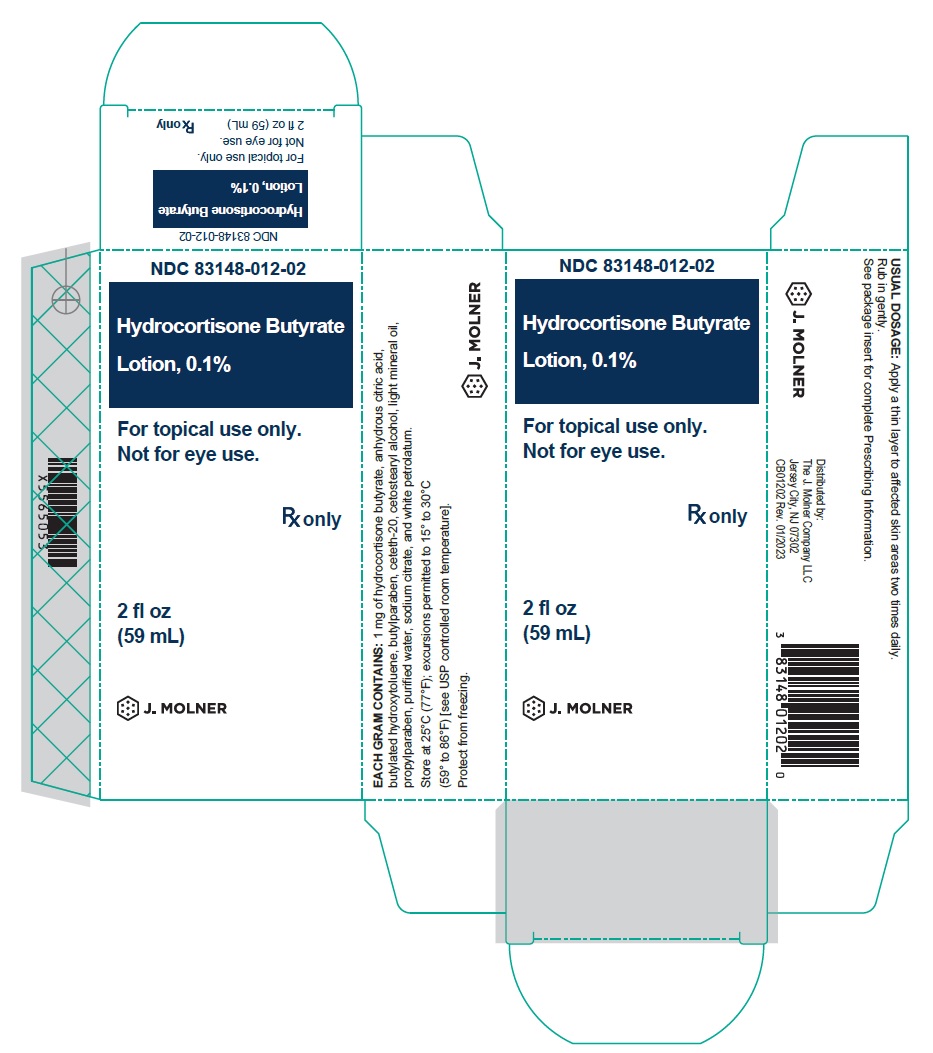
Hydrocortisone Butyrate 1 mg/mL Lotion
🆔 Identity & classification
Where does this data come from?
🏷️ RxNorm drug class
This medicine belongs to the Corticosteroid class.
Where does this data come from?
🏭 Manufacturer & labeler
Where does this data come from?
🩺 Clinical
- It's mainly used to calm inflammation, itching, and redness from a variety of skin conditions — things like eczema (atopic dermatitis) are a common example. Hydrocortisone Butyrate...
- What skin conditions can hydrocortisone topical actually treat?
- Apply a thin layer to the affected skin only, exactly as often as your doctor directed. A key thing to avoid: don't wrap the treated area tightly or cover it with plastic wrap unle...
- How do I apply it correctly — is there anything I should know?
Patient education
Supplement & herbal interactions
Where does this data come from?
Ask a licensed pharmacist directly — free, answered by our team.
🧪 Inactive Ingredients / Excipients
Inactive ingredients, also called excipients, are components of the drug product other than the active ingredient. They may include fillers, dyes, coatings, preservatives, flavors, or other formulation ingredients.
💡 Tap an ingredient (hover on desktop) to see what it is and why it’s used.
-
UNII XF417D3PSL
Anhydrous citric acid is a sour, crystalline powder derived from citric acid with water removed. In medicines, it acts as a buffer to control pH, adds tartness to improve taste, and helps tablets disintegrate.
-
UNII 1P9D0Z171K
BHT is a synthetic antioxidant that prevents fats and oils in medicines from breaking down and becoming rancid. It helps keep the product stable and effective during storage.
-
UNII 3QPI1U3FV8
A preservative derived from benzoic acid that prevents bacterial and fungal growth in medicines. It helps extend shelf life and maintain product safety during storage and use.
-
UNII I835H2IHHX
A waxy substance derived from plant oils, used as an emulsifier and solubilizer to help mix oil and water ingredients together and keep them blended throughout the product's shelf life.
-
UNII 2DMT128M1S
A waxy solid derived from plant or animal sources. It acts as an emulsifier to blend oil and water components, and also thickens the medicine to give it the right texture and consistency.
-
UNII N6K5787QVP
Light mineral oil is a clear, odorless liquid derived from petroleum. In medicines, it acts as a lubricant and emollient to help the product spread smoothly and improve texture.
-
UNII Z8IX2SC1OH
Propylparaben is a chemical preservative used to prevent bacterial and fungal growth in medicines and personal care products. It helps extend shelf life and maintain product safety during storage.
-
UNII 1Q73Q2JULR
Sodium citrate is a salt derived from citric acid. It works as a buffer to maintain the medicine's pH level and may also help improve taste or act as a preservative in the formulation.
-
UNII 059QF0KO0R
Water is a liquid solvent that dissolves and mixes ingredients together in liquid medicines, syrups, and injections. It helps distribute the active drug evenly throughout the product.
-
UNII B6E5W8RQJ4
White petrolatum is a purified mineral oil product used as a lubricant and skin protectant in medications. It helps pills slide through manufacturing equipment and can soften or protect the skin when applied topically.
10 inactive ingredients listed in the exact product block matched to this NDC.
Where does this data come from?
ingredient classCode="IACT" elements from the exact product block matched by this NDC. Label-section narrative from DailyMed / the openFDA label index is shown separately when available.Inactive ingredient FAQ
Are inactive ingredients the same for every manufacturer?
Why might an inactive ingredient be missing?
Can inactive ingredients matter?
💲 Pricing
A drug doesn't have one price. Each row is a different public payment system, and none is what you'd pay at the counter — that depends on your insurance. The ⓘ on each row explains what it measures.
| Price system | Per mL | Per package |
|---|---|---|
| Retail pharmacies payNADAC · weekly | $0.700 | $82.60 / 118 ml |
| Medicaid paysCMS SDUD · 12 mo | $2.48 | $292.31 / 118 ml |
| Medicare drug plans payPart D · Q2 2026 | $3.76 | $443.43 / 118 ml |
Where does this data come from?
🔁 Therapeutic equivalents
| Product | Labeler | Pack | NADAC/unit | TE | Status | Price vs. this |
|---|---|---|---|---|---|---|
| Hydrocortisone Butyrate 1 mg/mLthis 83148-0012-04 | The | 1 bottle | $0.700 | AB | Availability likely | — |
| Hydrocortisone Butyrate 1 mg/mL 68180-0951-01 | Lupin | 1 bottle | — | AB | FDA listed | — |
| Hydrocortisone Butyrate 1 mg/mL 68682-0392-02 | Oceanside | 1 bottle | — | — | Discontinued | — |
| Hydrocortisone Butyrate 1 mg/mL 72162-2630-02 | Bryant | 1 bottle | — | AB | FDA listed | — |
| Evesse 1 mg/mL 87143-0420-04 | Perfero | 118 ml | — | AB | FDA listed | — |
Where does this data come from?
⏳ Availability & generic status
This product is an FDA-approved generic. Other versions of the same drug are listed under Therapeutic equivalents, least expensive first.
Where does this data come from?
🗺️ Medicaid utilization & spend
💊 Medicaid utilization by pack size
📊 Medicare Part D spend CMS · PART D · 2026 (Q1)
📦 Packaging — all sizes for this product
| Package NDC | Description | Per unit | Per pack | Marketing start | Status |
|---|---|---|---|---|---|
| 83148-0012-02 | 1 BOTTLE in 1 CARTON (83148-012-02) / 59 mL in 1 BOTTLE | — | — | 2023-11-06 | Active |
| 83148-0012-04 You're viewing this | 1 BOTTLE in 1 CARTON (83148-012-04) / 118 mL in 1 BOTTLE | $0.7000 / mL | $82.59 | 2023-11-06 | Active |
In Medicaid, this is the most-dispensed pack of this product — about 58% of fills over the last four reported quarters. See all packs ↓
Pack size FAQ
What quantity is in NDC 83148-0012-04?
What NDC number is used to bill for this package of Hydrocortisone Butyrate 1 mg/mL Lotion?
Prices are the latest CMS NADAC pharmacy acquisition cost per NDC; per-pack figures are per-unit × pack quantity, shown only when the pack is denominated in the same measure NADAC prices.
📄 Full prescribing information FDA SPL
🎯 Indications and Usage ▾
1 INDICATIONS AND USAGE Hydrocortisone Butyrate Lotion is indicated for the topical treatment of mild to moderate atopic dermatitis in patients 3 months of age and older. Hydrocortisone Butyrate Lotion is a corticosteroid indicated for the topical treatment of mild to moderate atopic dermatitis in patients 3 months of age and older. ( 1 )
⏱️ Dosage and Administration ▾
2 DOSAGE AND ADMINISTRATION Apply Hydrocortisone Butyrate Lotion for up to 2 weeks as a thin layer to the affected skin two times daily and rub in gently. Discontinue Hydrocortisone Butyrate Lotion when control is achieved. If no improvement is seen within 2 weeks, consider reassessment of the diagnosis.
Before prescribing for more than 2 weeks, the additional benefits of extending treatment up to 4 weeks should be weighed against the risk of endocrine system adverse reactions and local adverse reactions [ see Warnings and Precautions (5.1), Adverse Reactions (6.1, 6.2) ]. Hydrocortisone Butyrate Lotion is not for oral, ophthalmic, or intravaginal use. Do not use Hydrocortisone Butyrate Lotion [ see Warnings and Precautions (5.1) ]: o With occlusive dressings unless directed by a healthcare provider.
Avoid use in the diaper area, as diapers or plastic pants may constitute occlusive dressings. o On the face, underarms, or groin areas unless directed by a healthcare provider. Apply a thin layer to the affected skin two times daily. ( 2 ) Rub in gently.
( 2 ) Discontinue Hydrocortisone Butyrate Lotion when control is achieved. ( 2 ) Reassess diagnosis if no improvement is seen within 2 weeks. Before prescribing for more than 2 weeks, any additional benefits of extending treatment to 4 weeks should be weighed against the risk of HPA axis suppression and local adverse reactions.( 2 ) Avoid use under occlusion or in the diaper area.
( 2 ) Hydrocortisone Butyrate Lotion is not for oral, ophthalmic, or intravaginal use. ( 2 )
💊 Dosage Forms and Strengths ▾
3 DOSAGE FORMS AND STRENGTHS Lotion: Each gram contains 1 mg of hydrocortisone butyrate (0.1%) in a white to off-white lotion base. Lotion: 0.1% (1 mg/g) ( 3 )
⛔ Contraindications ▾
4 CONTRAINDICATIONS None. None. ( 4 )
⚠️ Warnings and Cautions ▾
5 WARNINGS AND PRECAUTIONS • Endocrine System Adverse Reactions: o Reversible hypothalamic-pituitary-adrenal (HPA) axis suppression may occur, with the potential for glucocorticosteroid insufficiency. Consider periodic evaluations for HPA axis suppression if Hydrocortisone Butyrate Lotion is applied to large surface areas or used under occlusion. If HPA axis suppression is noted, reduce the application frequency, discontinue use, or switch to a lower potency corticosteroid.
(5.1, 8.4) o Systemic effects of topical corticosteroids may also include manifestations of Cushing’s syndrome, hyperglycemia, and glucosuria. (5.1, 8.4) o Pediatric patients may be more susceptible to systemic toxicity due to their larger skin-surface-to-body-mass ratios. (5.1, 8.4) • Ophthalmic Adverse Reactions: Topical corticosteroids, including Hydrocortisone Butyrate Lotion, may increase the risk of cataracts and glaucoma.
If visual symptoms occur, consider referral to an ophthalmologist. (5.2) • Skin Infections: Initiate appropriate therapy if concomitant skin infections develop. (5.3)
5.1Endocrine System Adverse Reactions Hypothalamic-Pituitary-Adrenal (HPA) Axis Suppression Use of topical corticosteroids, including Hydrocortisone Butyrate Lotion, can cause systemic adverse reactions including reversible hypothalamic-pituitary-adrenal (HPA) axis suppression with the potential for clinical glucocorticosteroid insufficiency. Factors that predispose a patient to HPA axis suppression include the use of high-potency steroids, large treatment surface areas, prolonged use, use of occlusive dressings, altered skin barrier, liver failure, and young age.
Such patients should be considered for periodic evaluation of the HPA axis. This may be done by using cosyntropin (ACTH 1-24 ) stimulation testing (CST). If HPA axis suppression is noted, reduce the frequency of application or discontinue Hydrocortisone Butyrate Lotion, or substitute with a less potent corticosteroid.
Signs and symptoms of glucocorticosteroid insufficiency may occur, requiring supplemental systemic corticosteroids [see Adverse Reactions (6)] . Studies conducted in pediatric subjects demonstrated reversible HPA axis suppression after use of Hydrocortisone Butyrate Lotion. Pediatric patients may be more susceptible than adults to systemic toxicity from equivalent doses of Hydrocortisone Butyrate Lotion due to their larger skin-surface-to-body-mass ratios [see Use in Specific Populations (8.4)].
Cushing's Syndrome, Hyperglycemia, and Glucosuria Systemic adverse reactions of topical corticosteroids, including Hydrocortisone Butyrate Lotion, may also include manifestations of Cushing’s syndrome, hyperglycemia, and glucosuria. Additional Considerations for Endocrine Adverse Reactions Use of more than one corticosteroid-containing product at the same time may increase total systemic corticosteroid exposure. Minimize systemic corticosteroid adverse reactions by mitigating the risk factors for increased systemic absorption and using Hydrocortisone Butyrate Lotion as recommended [see Dosage and Administration (2)] .
5.2Ophthalmic Adverse Reactions Use of topical corticosteroids, including Hydrocortisone Butyrate Lotion, may increase the risk of posterior subcapsular cataracts and glaucoma. Cataracts and glaucoma have been reported in post-marketing experience with the use of topical corticosteroid products [see Adverse Reactions (6.2)] . Avoid contact of Hydrocortisone Butyrate Lotion with eyes.
Advise patients to report any visual symptoms and consider referral to an ophthalmologist for evaluation.
5.3Skin Infections Use of topical corticosteroids, including Hydrocortisone Butyrate Lotion, may delay healing or worsen concomitant skin infections. If skin infections are present or develop, an appropriate antimicrobial agent should be used. If a favorable response does not occur promptly, use of Hydrocortisone Butyrate Lotion should be discontinued until the infection has been adequately controlled [s…
🤒 Adverse Reactions ▾
6 ADVERSE REACTIONS The following adverse reactions are discussed in greater detail in other sections of the labeling: • HPA axis suppression [see Warnings and Precautions (5.1), Use in Specific Populations (8.4)] • Ophthalmic Adverse Reactions [see Warnings and Precautions ( 5. 2)] • Skin infections [see Warnings and Precautions (5.3)] • Allergic contact dermatitis [see Warnings and Precautions (5.4)] The most common adverse reactions (> 1%) are application site reactions. ( 6 ) To report SUSPECTED ADVERSE REACTIONS, contact The J.
Molner Company LLC at 1-800-552-8750 and/or FDA at 1-800-FDA-1088 or www.fda.gov/medwatch . See 17 for PATIENT COUNSELING INFORMATION. Revised: 11/2023
6.1Clinical Trials Experience Because clinical trials are conducted under widely varying conditions, adverse reaction rates observed in the clinical trials of the drug cannot be directly compared to rates in the clinical trials of another drug and may not reflect the rates observed in practice. The safety data described below reflect Hydrocortisone Butyrate Lotion applied topically twice daily for up to 4 weeks in vehicle-controlled clinical trials of 284 pediatric subjects 3 months to 18 years of age and 301 adult subjects with mild to moderate atopic dermatitis [see Clinical Studies (14)].
The incidence of selected adverse reactions reported by ≥1% of subjects during the studies is presented in Table 1 and Table 2 . TABLE 1. Frequency of adverse reactions in pediatric subjects with mild to moderate atopic dermatitis Hydrocortisone Butyrate Lotion (n=139) n (%) Vehicle (n=145) n (%) Application site reactions, including application site burning, pruritus, dermatitis, erythema, eczema, inflammation, or irritation 2 (1) 20 (14) Infantile acne 1 (1) 0 (0) Skin depigmentation 1 (1) 0 (0) TABLE 2.
Frequency of adverse reactions in adult subjects with mild to moderate atopic dermatitis Hydrocortisone Butyrate Lotion (n=151) n (%) Vehicle (n=150) n (%) Application site reactions, including application site burning, dermatitis, eczema, erythema, or pruritus 5 (3) 7 (5)
6.2Postmarketing Experience The following adverse reactions have been identified during postapproval use of topical corticosteroids, including Hydrocortisone Butyrate Lotion. Because these reactions are reported voluntarily from a population of uncertain size, it is not always possible to reliably estimate their frequency or establish a causal relationship to drug exposure. Local Adverse Reactions : folliculitis, acneiform eruptions, perioral dermatitis, allergic contact dermatitis, secondary infection, skin atrophy, striae, miliaria, and telangiectasia.
Ophthalmic Adverse Reactions: blurred vision, cataracts, glaucoma, and increased intraocular pressure.
👥 Use in Specific Populations ▾
8 USE IN SPECIFIC POPULATIONS
8.1Pregnancy Risk Summary There are no controlled or large-scale epidemiologic studies with Hydrocortisone Butyrate Lotion in pregnant women, and available data on hydrocortisone butyrate use in pregnant women have not identified a drug associated risk for major birth defects, miscarriages, or adverse maternal or fetal outcomes. In animal reproduction studies, when administered subcutaneously or topically to pregnant rats, rabbits, and mice, hydrocortisone butyrate induced adverse reproductive and developmental outcomes, including abortion, fetal death, malformation, delayed ossification, decrease in fetal weight, and delay in sexual maturation (see Data) .
The available data do not allow the calculation of relevant comparisons between the systemic exposure of hydrocortisone butyrate observed in animal studies and the systemic exposure that would be expected in humans after topical use of Hydrocortisone Butyrate Lotion. The background risk of major birth defects and miscarriage for the indicated population is unknown. All pregnancies have a background risk of birth defect, loss, or other adverse outcomes.
In the U.S. general population, the estimated background risk of major birth defects and miscarriage in clinically recognized pregnancies is 2-4% and 15-20%, respectively. Data Animal Data Systemic embryofetal development studies were conducted in rats and rabbits. Subcutaneous doses of 0.6, 1.8, and 5.4 mg/kg/day hydrocortisone butyrate were administered to pregnant female rats during gestation days 6 – 17.
In the presence of maternal toxicity, fetal effects noted at 5.4 mg/kg/day included increased ossification variations and unossified sternebra. No treatment-related embryofetal toxicity or malformation were noted at 5.4 and 1.8 mg/kg/day, respectively. Subcutaneous doses of 0.1, 0.2 and 0.3 mg/kg/day hydrocortisone butyrate were administered to pregnant female rabbits during gestation days 7 – 20.
Increased abortion was noted at 0.3 mg/kg/day. In the absence of maternal toxicity, a dose-dependent decrease in fetal body weight was noted at doses ≥0.1 mg/kg/day. Embryofetal toxicities (reduction in litter size, decreased number of viable fetuses, and increased post-implantation loss) were noted at doses ≥0.2 mg/kg/day.
Additional fetal effects included delayed ossification noted at doses ≥0.1 mg/kg/day and increased fetal malformations (primarily skeletal malformations) noted at doses ≥0.2 mg/kg/day. A dose at which no embryofetal toxicity or malformation was observed was not established in this study. Additional systemic embryofetal development studies were conducted in rats and mice.
Subcutaneous doses of 0.1 and 9 mg/kg/day hydrocortisone butyrate were administered to pregnant female rats during gestation days 9 – 15. In the presence of maternal toxicity, an increase in fetal death and fetal resorption and an increase in ossification of caudal vertebrae were noted at 9 mg/kg/day. No treatment-related embryofetal toxicity or malformation was noted at 0.1 mg/kg/day.
Subcutaneous doses of 0.2 and 1 mg/kg/day hydrocortisone butyrate were administered to pregnant female mice during gestation days 7 – 13. In the absence of maternal toxicity, an increased number of cervical ribs and one fetus with clubbed legs were noted at 1 mg/kg/day. No treatment-related embryofetal toxicity or malformation was noted at 1 and 0.2 mg/kg/day.
No topical embryofetal development studies were conducted with hydrocortisone butyrate lotion. However, topical embryofetal development studies were conducted in rats and rabbits with a hydrocortisone butyrate ointment formulation. Topical doses of 1% and 10% hydrocortisone butyrate ointment were administered to pregnant female rats during gestation days 6 – 15 or pregnant female rabbits during gestation days 6 – 18.
A dose-dependent increase in fetal resorption was noted in rabbits and fetal resorptions were noted in rats at the 10% hydrocortisone butyrate ointment dose. No…
🤰 Pregnancy ▾
8.1Pregnancy Risk Summary There are no controlled or large-scale epidemiologic studies with Hydrocortisone Butyrate Lotion in pregnant women, and available data on hydrocortisone butyrate use in pregnant women have not identified a drug associated risk for major birth defects, miscarriages, or adverse maternal or fetal outcomes. In animal reproduction studies, when administered subcutaneously or topically to pregnant rats, rabbits, and mice, hydrocortisone butyrate induced adverse reproductive and developmental outcomes, including abortion, fetal death, malformation, delayed ossification, decrease in fetal weight, and delay in sexual maturation (see Data) .
The available data do not allow the calculation of relevant comparisons between the systemic exposure of hydrocortisone butyrate observed in animal studies and the systemic exposure that would be expected in humans after topical use of Hydrocortisone Butyrate Lotion. The background risk of major birth defects and miscarriage for the indicated population is unknown. All pregnancies have a background risk of birth defect, loss, or other adverse outcomes.
In the U.S. general population, the estimated background risk of major birth defects and miscarriage in clinically recognized pregnancies is 2-4% and 15-20%, respectively. Data Animal Data Systemic embryofetal development studies were conducted in rats and rabbits. Subcutaneous doses of 0.6, 1.8, and 5.4 mg/kg/day hydrocortisone butyrate were administered to pregnant female rats during gestation days 6 – 17.
In the presence of maternal toxicity, fetal effects noted at 5.4 mg/kg/day included increased ossification variations and unossified sternebra. No treatment-related embryofetal toxicity or malformation were noted at 5.4 and 1.8 mg/kg/day, respectively. Subcutaneous doses of 0.1, 0.2 and 0.3 mg/kg/day hydrocortisone butyrate were administered to pregnant female rabbits during gestation days 7 – 20.
Increased abortion was noted at 0.3 mg/kg/day. In the absence of maternal toxicity, a dose-dependent decrease in fetal body weight was noted at doses ≥0.1 mg/kg/day. Embryofetal toxicities (reduction in litter size, decreased number of viable fetuses, and increased post-implantation loss) were noted at doses ≥0.2 mg/kg/day.
Additional fetal effects included delayed ossification noted at doses ≥0.1 mg/kg/day and increased fetal malformations (primarily skeletal malformations) noted at doses ≥0.2 mg/kg/day. A dose at which no embryofetal toxicity or malformation was observed was not established in this study. Additional systemic embryofetal development studies were conducted in rats and mice.
Subcutaneous doses of 0.1 and 9 mg/kg/day hydrocortisone butyrate were administered to pregnant female rats during gestation days 9 – 15. In the presence of maternal toxicity, an increase in fetal death and fetal resorption and an increase in ossification of caudal vertebrae were noted at 9 mg/kg/day. No treatment-related embryofetal toxicity or malformation was noted at 0.1 mg/kg/day.
Subcutaneous doses of 0.2 and 1 mg/kg/day hydrocortisone butyrate were administered to pregnant female mice during gestation days 7 – 13. In the absence of maternal toxicity, an increased number of cervical ribs and one fetus with clubbed legs were noted at 1 mg/kg/day. No treatment-related embryofetal toxicity or malformation was noted at 1 and 0.2 mg/kg/day.
No topical embryofetal development studies were conducted with hydrocortisone butyrate lotion. However, topical embryofetal development studies were conducted in rats and rabbits with a hydrocortisone butyrate ointment formulation. Topical doses of 1% and 10% hydrocortisone butyrate ointment were administered to pregnant female rats during gestation days 6 – 15 or pregnant female rabbits during gestation days 6 – 18.
A dose-dependent increase in fetal resorption was noted in rabbits and fetal resorptions were noted in rats at the 10% hydrocortisone butyrate ointment dose. No treatment-related embryofetal…
🧒 Pediatric Use ▾
8.4Pediatric Use The safety and effectiveness of Hydrocortisone Butyrate Lotion for the topical treatment of mild to moderate atopic dermatitis have been established in pediatric patients 3 months of age and older. Use of Hydrocortisone Butyrate Lotion for this indication is supported by evidence from an adequate and well-controlled trial in 284 pediatric patients 3 months to 18 years of age with mild to moderate atopic dermatitis. The safety and effectiveness of Hydrocortisone Butyrate Lotion have not been established in pediatric patients younger than 3 months of age.
Endocrine Adverse Reactions Eighty-four (84) pediatric subjects (3 months to less than 18 years of age) with moderate to severe atopic dermatitis affecting at least 25% of body surface area (BSA) treated with Hydrocortisone Butyrate Lotion three times daily for up to 4 weeks were assessed for HPA axis suppression. The disease severity (moderate to severe atopic dermatitis) and the dosing regimen (three times daily) in this HPA axis trial were different from the subject population (mild to moderate atopic dermatitis) and the dosing regimen (twice daily) for which Hydrocortisone Butyrate Lotion is indicated.
Seven of the 82 evaluable subjects (8.5%) demonstrated laboratory evidence of HPA axis suppression, where the criterion for defining HPA axis suppression was a serum cortisol level of less than or equal to 18 mcg/dL after cosyntropin stimulation. Subjects with HPA axis suppression ranged from 1 to 12 years of age and, at the time of enrollment, had 35% to 90% BSA involvement. These subjects did not develop any other signs or symptoms of HPA axis suppression.
At the first follow-up visit, approximately 1 month after the conclusion of treatment, cosyntropin stimulation results of all subjects had returned to normal, with the exception of one subject. This last subject recovered adrenal function by the second post-treatment visit, 55 days post-treatment [see Clinical Pharmacology (12.2)] . Because of higher skin-surface-to-body-mass ratios, pediatric patients are at a greater risk than adults of HPA axis suppression when they are treated with topical corticosteroids [see Warnings and Precautions (5.1)] .
They are therefore also at a greater risk of glucocorticosteroid insufficiency after withdrawal of treatment and of Cushing’s syndrome while on treatment. Cushing’s syndrome, linear growth retardation, delayed weight gain, and intracranial hypertension have been reported in pediatric patients receiving topical corticosteroids. Manifestations of adrenal suppression in pediatric patients include low plasma cortisol levels to an absence of response to ACTH stimulation.
Manifestations of intracranial hypertension include bulging fontanelles, headaches, and bilateral papilledema.
🧓 Geriatric Use ▾
8.5Geriatric Use Clinical studies of Hydrocortisone Butyrate Lotion did not include sufficient numbers of subjects aged 65 and over to determine whether they respond differently from younger subjects.
🧬 Clinical Pharmacology ▾
12 CLINICAL PHARMACOLOGY
12.1Mechanism of Action Corticosteroids play a role in cellular signaling, immune function, inflammation, and protein regulation; however, the precise mechanism of action in atopic dermatitis is unknown.
12.2Pharmacodynamics Pharmacodynamics of Hydrocortisone Butyrate Lotion is unknown. Hypothalamic-Pituitary-Adrenal (HPA) Axis Suppression Eighty-four (84) pediatric subjects (3 months to less than 18 years of age) with moderate to severe atopic dermatitis affecting at least 25% of body surface area (BSA) treated with Hydrocortisone Butyrate Lotion three times daily for up to 4 weeks were assessed for HPA axis suppression. The disease severity (moderate to severe atopic dermatitis) and the dosing regimen (three times daily) in this HPA axis trial were different from the subject population (mild to moderate atopic dermatitis) and the dosing regimen (twice daily) for which Hydrocortisone Butyrate Lotion is indicated.
Seven of the 82 evaluable subjects (8.5%) demonstrated laboratory evidence of HPA axis suppression, where the criterion for defining HPA axis suppression was a serum cortisol level of less than or equal to 18 mcg/dL after cosyntropin stimulation. Subjects with HPA axis suppression ranged from 1 to 12 years of age and, at the time of enrollment, had 35% to 90% BSA involvement. These subjects did not develop any other signs or symptoms of HPA axis suppression.
At the first follow-up visit, approximately 1 month after the conclusion of treatment, cosyntropin stimulation results of all subjects had returned to normal, with the exception of one subject. This last subject recovered adrenal function by the second post-treatment visit, 55 days post-treatment [see Warnings and Precautions (5.1), Use in Specific Populations (8.4)].
12.3Pharmacokinetics No studies were conducted to determine the pharmacokinetics of Hydrocortisone Butyrate Lotion. The extent of percutaneous absorption of topical corticosteroids is determined by many factors, including the vehicle, the integrity of the epidermal barrier, and the use of occlusive dressings. Topical corticosteroids can be absorbed through normal intact skin.
Inflammation and/or other disease processes in the skin, occlusive dressings, or widespread application may increase percutaneous absorption. Once absorbed through the skin, topical corticosteroids are handled through pharmacokinetic pathways similar to systemically administered corticosteroids.
🧬 Mechanism of Action ▾
12.1Mechanism of Action Corticosteroids play a role in cellular signaling, immune function, inflammation, and protein regulation; however, the precise mechanism of action in atopic dermatitis is unknown.
📦 How Supplied / Storage and Handling ▾
16 HOW SUPPLIED/STORAGE AND HANDLING How Supplied Hydrocortisone Butyrate Lotion, 0.1% is white to off-white in color and supplied in: 2 fl. oz. bottle: NDC 83148-012-02 4 fl. oz. bottle: NDC 83148-012-04 Storage and Handling Store at 25°C (77°F); excursions permitted to 15° to 30°C (59° to 86°F) [see USP Controlled Room Temperature]. Protect from freezing.
📋 Description ▾
11 DESCRIPTION Hydrocortisone Butyrate Lotion, 0.1% contains hydrocortisone butyrate, a non-fluorinated hydrocortisone ester, for topical use. Hydrocortisone butyrate is a corticosteroid. The chemical name of hydrocortisone butyrate is Pregn-4-ene-3,20-dione, 11,21-dihydroxy-17-[(1-oxobutyl)oxy(11β)-].
It has the following structural formula: Hydrocortisone butyrate is a white to off-white powder with a molecular weight of 432.56, and a molecular formula of C 25 H 36 O 6 . It is practically insoluble in water, slightly soluble in ether, soluble in methanol, alcohol, and acetone, and freely soluble in chloroform. Each gram of Hydrocortisone Butyrate Lotion contains 1 mg of hydrocortisone butyrate in a white to off-white lotion base consisting of anhydrous citric acid, ceteth-20, cetostearyl alcohol, butylated hydroxytoluene (BHT), butylparaben, light mineral oil, propylparaben, purified water, sodium citrate, and white petrolatum.
Structural formula
💬 Information for Patients ▾
17 PATIENT COUNSELING INFORMATION Patients using Hydrocortisone Butyrate Lotion should receive the following information and instructions: Administration Instructions Instruct patients to apply a thin layer to the affected skin two times daily and rub in gently [ see Dosage and Administration (2) ]. Advise patients to discontinue Hydrocortisone Butyrate Lotion when control is achieved [ see Dosage and Administration (2) ]. Advise patients to avoid use for longer than 2 weeks.
Instruct patients to contact their healthcare provider if no improvement is seen within 2 weeks [ see Dosage and Administration (2) ]. Advise patients to NOT [see Dosage and Administration (2) and Warnings and Precautions (5.1)] : Bandage, otherwise cover, or wrap the affected skin area unless directed by their healthcare provider. Use Hydrocortisone Butyrate Lotion in the diaper area, as diapers or plastic pants may constitute occlusive dressings.
Use Hydrocortisone Butyrate Lotion on the face, underarms, or groin areas unless directed by their healthcare provider. Endocrine System Adverse Reactions Instruct patients not to use other corticosteroid-containing products while using Hydrocortisone Butyrate Lotion without first consulting their healthcare provider [see Warnings and Precautions (5.1)]. Ophthalmic Adverse Reactions Advise patients to avoid contact with the eyes.
Instruct patients to report any visual symptoms to their healthcare providers [see Warnings and Precautions (5.4)]. Lactation Advise breastfeeding women to use Hydrocortisone Butyrate Lotion on the smallest area of skin and for the shortest duration possible while breastfeeding. Advise to wash off prior to breastfeeding any Hydrocortisone Butyrate Lotion that has been applied to the areas at risk for direct infant contact. [see Use in Specific Populations (8.2)].
Distributed by: The J. Molner Company LLC, Jersey City, NJ 07302 Revised: 11/2023 PI012