
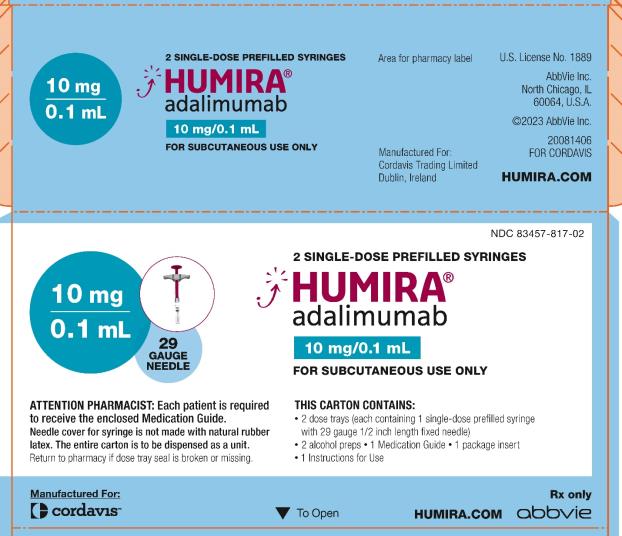
Humira Adalimumab Kit — NDC 83457-124-02 (Billing 83457-0124-02)
This is a package of Humira Adalimumab Kit from Cordavis Limited, marketed since Feb 2024 and currently FDA-listed. It is this product's only package size.
NDC database record
One package, one record: these facts belong to NDC 83457-124-02 alone.
- Record
- FDA NDC Directory package listing · Human prescription drug
- Code segments
- 83457 labeler · 124 product · 02 package
- Package marketed since
- Feb 14, 2024
- Sample package
- No — commercial package
- Listing certified through
- Dec 31, 2027
- Barcode (UPC-A, from the NDC)
- 3 8345712402 5
- FDA record last changed
- Jul 24, 2026
Identity & classification
Regulatory identifiers FDA, NLM and CMS codes for this package
Drug-database identifiers Medi-Span GPI and First Databank GCN / HICL / AHFS classification
- GSN (GCN sequence number): 077870
- GCN: 44014
- HICL (First Databank): 024800
- AHFS class code: 90:24.16.92
- RxCUI (RxNorm): 797544
Where does this data come from?
- FDA openFDA NDC Directory · synced Oct 8, 2026
- FDA label on DailyMed · label index refreshed Oct 8, 2026
- RxNorm (NLM RxNav) · catalog refreshed Oct 1, 2026
- Medi-Span GPI (licensed)
- First Databank (licensed) · refreshed Oct 8, 2026
RxNorm drug class
This medicine belongs to the Other antiseptics and disinfectants class.
Where does this data come from?
- RxClass (NLM) · catalog refreshed Oct 1, 2026
Clinical
Adalimumab injection is to relieve the symptoms of certain autoimmune disorders (conditions in which the immune system attacks healthy parts of the body and causes pain, swelling, and damage) including the following: rheumatoid arthritis (a condition in which the body attacks its own joints, causing pain, swelling, and loss of function) in adults juvenile idiopathic arthritis (JIA; a condition that affects children in which the body attacks its own joints, causing pain, swelling, loss of function, and delays in growth and development) Crohn's disease (a condition in which the body attacks...
Read the full MedlinePlus article ↗- It calms inflammation in conditions like rheumatoid arthritis, psoriatic arthritis, Crohn's disease, ulcerative colitis, plaque psoriasis, hidradenitis suppurativa and uveitis. Whi...
- It goes under the skin of your thigh or abdomen. Rotate sites and avoid tender, bruised or red skin. You can let it warm up for 15 to 30 minutes first, with the cap on. If you miss...
- Injection site redness, itching or pain is the most common. Colds, sinus infections, headache and rash are also common. These are usually mild.
- Call right away for fever, chills, cough or any sign of infection, since serious infections can happen. Also call for signs of allergic reaction, new nerve or vision problems, unus...
Patient education
Supplement & herbal interactions
Some supplements/herbs that may interact with Adalimumab — tap one for details:
Where does this data come from?
- MedlinePlus (NLM) · refreshed Oct 8, 2026
- FDA label on DailyMed · label index refreshed Oct 8, 2026
Ask a licensed pharmacist directly — free, answered by our team.
Pricing
A drug doesn't have one price. Each row is a different public payment system, and none is what you'd pay at the counter — that depends on your insurance. The ⓘ on each row explains what it measures.
| Price system | Per each | Per package |
|---|---|---|
| Retail pharmacies payNADAC · weekly | Not in the retail survey — common for institutional, discontinued, or low-volume packs. | |
| Medicaid paysCMS SDUD · 12 mo | No recent Medicaid claims on file for this NDC — rare and low-volume NDCs are suppressed in the public data. | |
| Medicare drug plans payPart D · Q2 2026 | $3,473.50 | — |
| Medicare Part B allowsASP · J0139 | No ASP payment limit on file for J0139 this quarter. | |
Where does this data come from?
- CMS NADAC weekly file
- CMS ASP pricing files · refreshed Sep 20, 2026
- CMS Medicaid State Drug Utilization Data · refreshed Oct 8, 2026
- CMS Part D plan pricing files · refreshed Sep 24, 2026
- VA National Acquisition Center price file
Billing & reimbursement
Where does this data come from?
- CMS ASP NDC-HCPCS crosswalk · refreshed Sep 22, 2026
- DMEPDAC NDC-HCPCS crosswalk
- openFDA NSDE billing units · refreshed Oct 7, 2026
Packaging — all sizes for this product
| Package NDC | Description | Marketing start | Marketing end | Status |
|---|---|---|---|---|
| 83457-0124-02 You're viewing this Main listing | 2 KIT in 1 CARTON / 1 KIT in 1 KIT * 1 SYRINGE in 1 TRAY / .8 mL in 1 SYRINGE * 1 mL in 1 PACKET | 2024-02-14 | — | Active |
Therapeutic equivalents
| Product | Labeler | Pack | NADAC/unit | TE | Status | Price vs. this |
|---|---|---|---|---|---|---|
| Humira 00074-0616-02 | AbbVie | 2 kits | $3,366.120 | — | Availability likely | — |
| Humira 00074-0243-02 | AbbVie | 2 kits | $3,367.180 | — | Availability likely | — |
| Humira 00074-3799-02 | AbbVie | 2 kits | $3,369.090 | — | Availability likely | — |
| Humira 00074-1539-03 | AbbVie | 3 kits | $4,441.470 | — | FDA listed | — |
| Humira 00074-0124-01 | AbbVie | 1 kit | — | — | FDA listed | — |
| Humirathis 83457-0124-02 | Cordavis | 2 kits | — | — | FDA listed | — |
| Humira 00074-0817-02 | AbbVie | 2 kits | — | — | FDA listed | — |
| Humira 00074-2540-01 | AbbVie | 1 kit | — | — | FDA listed | — |
| Humira 50090-4487-00 | A-S | 2 kits | — | — | FDA listed | — |
| Humira 83457-0243-02 | Cordavis | 2 kits | — | — | FDA listed | — |
| Humira 83457-0817-02 | Cordavis | 2 kits | — | — | FDA listed | — |
| Humira 00074-4339-01 | AbbVie | 1 kit | — | — | Discontinued | — |
| Humira 00074-0554-01 | AbbVie | 1 kit | — | — | FDA listed | — |
| Humira 83457-0554-02 | Cordavis | 2 kits | — | — | FDA listed | — |
| Humira 83457-0616-02 | Cordavis | 2 kits | — | — | FDA listed | — |
Where does this data come from?
- FDA openFDA NDC Directory · synced Oct 8, 2026
- FDA Purple Book · refreshed Oct 5, 2026
- CMS NADAC weekly file
Availability & biosimilar status
2 biosimilars and 8 interchangeables are FDA-licensed for this reference biologic — see the list below. (Biologics have no small-molecule generics.)
Why the date isn’t exact: Biosimilar timing can change because patents may be challenged, settled, licensed, added or removed, and litigation can move the real date earlier or later.
🛈 What do these terms mean?
- Biologic patent
- A patent the reference product’s maker has publicly listed. A biosimilar generally can’t launch until these expire — unless they’re invalidated or resolved in a settlement.
- Reference-product exclusivity
- A flat 12 years of FDA market protection from the biologic’s first licensure (the BPCIA). No biosimilar can be licensed before it ends, regardless of patents.
- Interchangeable exclusivity
- The first interchangeable biosimilar can earn a period as the only interchangeable version (pharmacists can substitute it without the prescriber).
- Earliest biosimilar (LOE)
- The latest of all the dates above — the soonest a biosimilar can realistically reach the market. Litigation and settlements can move it earlier.
Biologics have no small-molecule “generics” — competition comes from FDA-licensed biosimilars, tracked in the FDA Purple Book.
| Patent | Type | Use code | Expires |
|---|---|---|---|
| US 11,083,792 ↗ | Biologic patent | — | Apr 4, 2027 |
| US 11,191,834 ↗ | Biologic patent | — | Nov 28, 2028 |
| US 11,167,030 ↗ | Biologic patent | — | Nov 28, 2028 |
| US 8,916,153 ↗ | Biologic patent | — | Apr 4, 2027 |
| US 9,090,689 ↗ | Biologic patent | — | Jul 18, 2023 |
| US 9,090,688 ↗ | Biologic patent | — | Apr 26, 2032 |
| US 9,085,620 ↗ | Biologic patent | — | Jul 18, 2023 |
| US 9,085,619 ↗ | Biologic patent | — | Nov 28, 2028 |
| US 9,085,618 ↗ | Biologic patent | — | Mar 14, 2033 |
| US 9,067,992 ↗ | Biologic patent | — | Jul 18, 2023 |
| US 9,062,106 ↗ | Biologic patent | — | Apr 26, 2032 |
| US 9,061,005 ↗ | Biologic patent | — | Apr 11, 2025 |
| US 8,999,337 ↗ | Biologic patent | — | Feb 6, 2031 |
| US 8,992,926 ↗ | Biologic patent | — | Jun 5, 2022 |
| US 8,986,693 ↗ | Biologic patent | — | Apr 11, 2025 |
| US 8,974,790 ↗ | Biologic patent | — | Jun 5, 2022 |
| US 8,961,974 ↗ | Biologic patent | — | Apr 11, 2025 |
| US 8,961,973 ↗ | Biologic patent | — | Apr 11, 2025 |
| US 8,926,975 ↗ | Biologic patent | — | Jun 8, 2027 |
| US 9,957,318 ↗ | Biologic patent | — | Apr 26, 2032 |
| US 8,911,964 ↗ | Biologic patent | — | Sep 13, 2027 |
| US 8,911,737 ↗ | Biologic patent | — | Jun 5, 2022 |
| US 8,906,646 ↗ | Biologic patent | — | Sep 13, 2027 |
| US 8,906,373 ↗ | Biologic patent | — | Jul 18, 2023 |
| US 8,906,372 ↗ | Biologic patent | — | Apr 4, 2027 |
| US 8,895,009 ↗ | Biologic patent | — | Apr 4, 2027 |
| US 8,889,136 ↗ | Biologic patent | — | Oct 9, 2027 |
| US 8,883,156 ↗ | Biologic patent | — | Apr 4, 2027 |
| US 8,808,700 ↗ | Biologic patent | — | May 16, 2026 |
| US 8,715,664 ↗ | Biologic patent | — | Jul 24, 2027 |
| US 8,708,968 ↗ | Biologic patent | — | Jan 24, 2032 |
| US 8,663,945 ↗ | Biologic patent | — | Sep 13, 2027 |
| US 8,420,081 ↗ | Biologic patent | — | Jan 13, 2030 |
| US 8,231,876 ↗ | Biologic patent | — | Apr 4, 2027 |
| US 6,805,686 ↗ | Biologic patent | — | May 6, 2023 |
| US 9,096,666 ↗ | Biologic patent | — | Apr 4, 2027 |
| US 9,090,867 ↗ | Biologic patent | — | Sep 13, 2027 |
| US 9,913,902 ↗ | Biologic patent | — | Apr 4, 2027 |
| US 9,708,400 ↗ | Biologic patent | — | Mar 14, 2033 |
| US 9,683,033 ↗ | Biologic patent | — | Apr 26, 2032 |
| US 9,669,093 ↗ | Biologic patent | — | Jun 10, 2028 |
| US 9,624,295 ↗ | Biologic patent | — | Mar 31, 2031 |
| US 9,550,826 ↗ | Biologic patent | — | Nov 14, 2034 |
| US 9,546,212 ↗ | Biologic patent | — | Jun 5, 2022 |
| US 9,522,953 ↗ | Biologic patent | — | Apr 26, 2032 |
| US 9,512,216 ↗ | Biologic patent | — | Apr 11, 2025 |
| US 9,505,834 ↗ | Biologic patent | — | Apr 26, 2032 |
| US 9,499,616 ↗ | Biologic patent | — | Mar 14, 2033 |
| US 9,499,614 ↗ | Biologic patent | — | Mar 14, 2034 |
| US 9,359,434 ↗ | Biologic patent | — | Mar 14, 2033 |
| US 9,346,879 ↗ | Biologic patent | — | Mar 14, 2033 |
| US 9,334,319 ↗ | Biologic patent | — | Mar 14, 2033 |
| US 9,339,610 ↗ | Biologic patent | — | Jan 24, 2032 |
| US 9,102,723 ↗ | Biologic patent | — | Apr 4, 2027 |
| US 9,150,645 ↗ | Biologic patent | — | May 13, 2033 |
| US 9,181,337 ↗ | Biologic patent | — | Mar 14, 2033 |
| US 9,181,572 ↗ | Biologic patent | — | Mar 14, 2033 |
| US 9,187,559 ↗ | Biologic patent | — | Apr 11, 2025 |
| US 9,234,032 ↗ | Biologic patent | — | Sep 13, 2027 |
| US 9,273,132 ↗ | Biologic patent | — | Apr 4, 2027 |
| US 9,284,370 ↗ | Biologic patent | — | Jun 10, 2028 |
| US 9,284,371 ↗ | Biologic patent | — | Sep 13, 2027 |
| US 9,290,568 ↗ | Biologic patent | — | Mar 14, 2033 |
| US 9,315,574 ↗ | Biologic patent | — | Apr 21, 2033 |
| US 9,328,165 ↗ | Biologic patent | — | Apr 4, 2027 |
| US 9,266,949 ↗ | Biologic patent | — | May 13, 2033 |
Is there a biosimilar for CDV HUMIRA(CF) PEN 80 MG/0.8ML?
Why do different websites show different biosimilar dates?
Can a biosimilar launch before the last patent expires?
What does “current Purple Book estimate” mean?
What does “FDA listed” mean?
What does a patent or protection date mean here?
Where does this data come from?
- FDA Purple Book · refreshed Oct 5, 2026
Inactive Ingredients / Excipients
Inactive ingredients, also called excipients, are components of the drug product other than the active ingredient. They may include fillers, dyes, coatings, preservatives, flavors, or other formulation ingredients.
🧪 Avoiding an ingredient? See Adalimumab Injection inactive ingredients by manufacturer: every current product's list side by side, so you can ask your pharmacy for the version that does not list it.
Where does this data come from?
IACT rows and label-wide narrative are kept separate; availability and product-level specificity depend on the submitted label.- FDA label on DailyMed · label index refreshed Oct 8, 2026
- FDA openFDA NDC Directory · synced Oct 8, 2026
Inactive ingredient FAQ
Are inactive ingredients the same for every manufacturer?
Why might an inactive ingredient be missing?
Can inactive ingredients matter?
Manufacturer & labeler
More NDCs from Cordavis Limited labeler code 83457
- HYRIMOZ adalimumab-adaz 40 mg/.8mL Injection, Solution NDC 83457-102-01
- HYRIMOZ adalimumab-adaz 40 mg/.8mL Injection, Solution NDC 83457-103-01
- HYRIMOZ adalimumab-adaz 80 mg/.8mL Injection, Solution NDC 83457-107-01
- HYRIMOZ adalimumab-adaz 20 mg/.2mL Injection, Solution NDC 83457-108-01
- HYRIMOZ adalimumab-adaz Kit NDC 83457-112-01
- HYRIMOZ adalimumab-adaz 80 mg/.8mL Injection, Solution NDC 83457-113-01
- Adalimumab-bwwd 40 mg/.4mL Solution NDC 83457-186-01
- Adalimumab-bwwd 40 mg/.4mL Solution NDC 83457-187-01
- Humira Adalimumab Kit NDC 83457-243-02
- Humira Adalimumab Kit NDC 83457-554-02
- Humira Adalimumab Kit NDC 83457-616-02
- PYZCHIVA ustekinumab-ttwe 45 mg/.5mL Injection, Solution NDC 83457-651-01
Where does this data come from?
- FDA openFDA NDC Directory · synced Oct 8, 2026
- Drugs@FDA
Full prescribing information FDA SPL
🚨 Boxed Warning ▾
WARNING: SERIOUS INFECTIONS AND MALIGNANCY SERIOUS INFECTIONS Patients treated with HUMIRA are at increased risk for developing serious infections that may lead to hospitalization or death [see Warnings and Precautions ( 5.1 )]. Most patients who developed these infections were taking concomitant immunosuppressants such as methotrexate or corticosteroids. Discontinue HUMIRA if a patient develops a serious infection or sepsis.
Reported infections include: Active tuberculosis (TB), including reactivation of latent TB. Patients with TB have frequently presented with disseminated or extrapulmonary disease. Test patients for latent TB before HUMIRA use and during therapy.
Initiate treatment for latent TB prior to HUMIRA use. Invasive fungal infections, including histoplasmosis, coccidioidomycosis, candidiasis, aspergillosis, blastomycosis, and pneumocystosis. Patients with histoplasmosis or other invasive fungal infections may present with disseminated, rather than localized, disease.
Antigen and antibody testing for histoplasmosis may be negative in some patients with active infection. Consider empiric anti-fungal therapy in patients at risk for invasive fungal infections who develop severe systemic illness. Bacterial, viral and other infections due to opportunistic pathogens, including Legionella and Listeria.
Carefully consider the risks and benefits of treatment with HUMIRA prior to initiating therapy in patients with chronic or recurrent infection. Monitor patients closely for the development of signs and symptoms of infection during and after treatment with HUMIRA, including the possible development of TB in patients who tested negative for latent TB infection prior to initiating therapy [see Warnings and Precautions ( 5.1 ) and Adverse Reactions ( 6.1 )]. MALIGNANCY Lymphoma and other malignancies, some fatal, have been reported in children and adolescent patients treated with TNF blockers including HUMIRA [see Warnings and Precautions ( 5.2 )].
Post-marketing cases of hepatosplenic T-cell lymphoma (HSTCL), a rare type of T-cell lymphoma, have been reported in patients treated with TNF blockers including HUMIRA. These cases have had a very aggressive disease course and have been fatal. The majority of reported TNF blocker cases have occurred in patients with Crohn's disease or ulcerative colitis and the majority were in adolescent and young adult males.
Almost all these patients had received treatment with azathioprine or 6-mercaptopurine (6–MP) concomitantly with a TNF blocker at or prior to diagnosis. It is uncertain whether the occurrence of HSTCL is related to use of a TNF blocker or a TNF blocker in combination with these other immunosuppressants [see Warnings and Precautions ( 5.2 )]. WARNING: SERIOUS INFECTIONS AND MALIGNANCY See full prescribing information for complete boxed warning.
SERIOUS INFECTIONS ( 5.1 , 6.1 ): Increased risk of serious infections leading to hospitalization or death, including tuberculosis (TB), bacterial sepsis, invasive fungal infections (such as histoplasmosis), and infections due to other opportunistic pathogens. Discontinue HUMIRA if a patient develops a serious infection or sepsis during treatment. Perform test for latent TB; if positive, start treatment for TB prior to starting HUMIRA.
Monitor all patients for active TB during treatment, even if initial latent TB test is negative. MALIGNANCY ( 5.2 ): Lymphoma and other malignancies, some fatal, have been reported in children and adolescent patients treated with TNF blockers including HUMIRA. Post-marketing cases of hepatosplenic T-cell lymphoma (HSTCL), a rare type of T-cell lymphoma, have occurred in adolescent and young adults with inflammatory bowel disease treated with TNF blockers including HUMIRA.
🎯 Indications and Usage ▾
1 INDICATIONS AND USAGE HUMIRA is a tumor necrosis factor (TNF) blocker indicated for: Reducing signs and symptoms, inducing major clinical response, inhibiting the progression of structural damage, and improving physical function in adult patients with moderately to severely active r heumatoid a rthritis . ( 1.1 ) Reducing signs and symptoms of moderately to severely active polyarticular juvenile idiopathic arthritis in patients 2 years of age and older. ( 1.2 ) Reducing signs and symptoms, inhibiting the progression of structural damage, and improving physical function in adult patients with active psoriatic arthritis .
( 1.3 ) Reducing signs and symptoms in adult patients with active ankylosing spondylitis . ( 1.4 ) Treatment of moderately to severely active Crohn’s disease in adults and pediatric patients 6 years of age and older. ( 1.5 ) Treatment of moderately to severely active ulcerative colitis in adults and pediatric patients 5 years of age and older.
( 1.6 ) Limitations of Use: Effectiveness has not been established in patients who have lost response to or were intolerant to TNF blockers. Treatment of adult patients with moderate to severe chronic plaque psoriasis who are candidates for systemic therapy or phototherapy, and when other systemic therapies are medically less appropriate. ( 1.7 ) Treatment of moderate to severe hidradenitis suppurativa in patients 12 years of age and older.
( 1.8 ) Treatment of non-infectious intermediate, posterior, and panuveitis in adults and pediatric patients 2 years of age and older. ( 1.9 )
1.1Rheumatoid Arthritis HUMIRA is indicated for reducing signs and symptoms, inducing major clinical response, inhibiting the progression of structural damage, and improving physical function in adult patients with moderately to severely active rheumatoid arthritis. HUMIRA can be used alone or in combination with methotrexate or other non-biologic disease-modifying anti-rheumatic drugs (DMARDs).
1.2Juvenile Idiopathic Arthritis HUMIRA is indicated for reducing signs and symptoms of moderately to severely active polyarticular juvenile idiopathic arthritis in patients 2 years of age and older. HUMIRA can be used alone or in combination with methotrexate.
1.3Psoriatic Arthritis HUMIRA is indicated for reducing signs and symptoms, inhibiting the progression of structural damage, and improving physical function in adult patients with active psoriatic arthritis. HUMIRA can be used alone or in combination with non-biologic DMARDs.
1.4Ankylosing Spondylitis HUMIRA is indicated for reducing signs and symptoms in adult patients with active ankylosing spondylitis.
1.5Crohn’s Disease HUMIRA is indicated for the treatment of moderately to severely active Crohn’s disease in adults and pediatric patients 6 years of age and older.
1.6Ulcerative Colitis HUMIRA is indicated for the treatment of moderately to severely active ulcerative colitis in adults and pediatric patients 5 years of age and older. Limitations of Use The effectiveness of HUMIRA has not been established in patients who have lost response to or were intolerant to TNF blockers [see Clinical Studies ( 14.7 , 14.8 ) ] .
1.7Plaque Psoriasis HUMIRA is indicated for the treatment of adult patients with moderate to severe chronic plaque psoriasis who are candidates for systemic therapy or phototherapy, and when other systemic therapies are medically less appropriate. HUMIRA should only be administered to patients who will be closely monitored and have regular follow-up visits with a physician [see Warnings and Precautions ( 5 ) ] .
1.8Hidradenitis Suppurativa HUMIRA is indicated for the treatment of moderate to severe hidradenitis suppurativa in patients 12 years of age and older.
1.9Uveitis HUMIRA is indicated for the treatment of non-infectious intermediate, posterior, and panuveitis in adults and pediatric patients 2 years of age and older.
⏱️ Dosage and Administration ▾
2 DOSAGE AND ADMINISTRATION Administer by subcutaneous injection ( 2 ) Rheumatoid Arthritis, Psoriatic Arthritis, Ankylosing Spondylitis ( 2.1 ): Adults: 40 mg every other week. Some patients with RA not receiving methotrexate may benefit from increasing the dosage to 40 mg every week or 80 mg every other week. Juvenile Idiopathic Arthritis or Pediatric Uveitis ( 2.2 ): Pediatric Weight 2 Years of Age and Older Recommended Dosage 10 kg (22 lbs) to less than 15 kg (33 lbs) 10 mg every other week 15 kg (33 lbs) to less than 30 kg (66 lbs) 20 mg every other week 30 kg (66 lbs) and greater 40 mg every other week Crohn's Disease ( 2.3 ): Adults: 160 mg on Day 1 (given in one day or split over two consecutive days); 80 mg on Day 15; and 40 mg every other week starting on Day 29.
Pediatric Patients 6 Years of Age and Older : Pediatric Weight Recommended Dosage Days 1 and 15 Starting on Day 29 17 kg (37 lbs) to less than 40 kg (88 lbs) Day 1: 80 mg Day 15: 40 mg 20 mg every other week 40 kg (88 lbs) and greater Day 1: 160 mg (single dose or split over two consecutive days) Day 15: 80 mg 40 mg every other week Ulcerative Colitis ( 2.4 ) : Adults: 160 mg on Day 1 (given in one day or split over two consecutive days), 80 mg on Day 15 and 40 mg every other week starting on Day 29. Discontinue in patients without evidence of clinical remission by eight weeks (Day 57).
Pediatric Patients 5 Years of Age and Older : Pediatric Weight Recommended Dosage Days 1 through 15 Starting on Day 29* 20 kg (44 lbs) to less than 40 kg (88 lbs) Day 1: 80 mg Day 8: 40 mg Day 15: 40 mg 40 mg every other week or 20 mg every week 40 kg (88 lbs) and greater Day 1: 160 mg (single dose or split over two consecutive days) Day 8: 80 mg Day 15: 80 mg 80 mg every other week or 40 mg every week * Continue the recommended pediatric dosage in patients who turn 18 years of age and who are well-controlled on their HUMIRA regimen.
Plaque Psoriasis or Adult Uveitis ( 2.5 ): Adults : 80 mg initial dose, followed by 40 mg every other week starting one week after initial dose. Hidradenitis Suppurativa ( 2.6 ): Adults : ◦ Day 1: 160 mg (given in one day or split over two consecutive days) ◦ Day 15: 80 mg ◦ Day 29 and subsequent doses: 40 mg every week or 80 mg every other week Adolescents 12 years of age and older: Adolescent Weight Recommended Dosage 30 kg (66 lbs) to less than 60 kg (132 lbs) Day 1: 80 mg Day 8 and subsequent doses: 40 mg every other week 60 kg (132 lbs) and greater Day 1: 160 mg (given in one day or split over two consecutive days) Day 15: 80 mg Day 29 and subsequent doses: 40 mg every week or 80 mg every other week
2.1Recommended Tuberculosis Evaluation Prior to initiating HUMIRA and periodically during therapy, evaluate patients for active tuberculosis and test for latent infection [see Warnings and Precautions ( 5.1 ) ] .
2.2Recommended Dosage in Rheumatoid Arthritis, Psoriatic Arthritis, and Ankylosing Spondylitis The recommended subcutaneous dosage of HUMIRA for adult patients with rheumatoid arthritis (RA), psoriatic arthritis (PsA), or ankylosing spondylitis (AS) [see Indication and Usage ( 1.1 , 1.3 , 1.4 )] is 40 mg administered every other week. Methotrexate (MTX), other non-biologic DMARDS, glucocorticoids, nonsteroidal anti-inflammatory drugs (NSAIDs), and/or analgesics may be continued during treatment with HUMIRA. In the treatment of RA, some patients not taking concomitant MTX may derive additional benefit from increasing the dosage of HUMIRA to 40 mg every week or 80 mg every other week.
2. 3 Recommended Dosage in Juvenile Idiopathic Arthritis or Pediatric Patients with Uveitis The recommended subcutaneous dosage of HUMIRA for pediatric patients 2 years of age and older with polyarticular juvenile idiopathic arthritis (JIA) or pediatric uveitis [see Indications and Usage ( 1.2 , 1.9 )] , based on weight, is shown below. MTX, glucocorticoids, NSAIDs, and/or analgesics may be continued during treatment with HUMIRA.
Pediatric Weight (2 Years o… [Excerpted — this section continues on DailyMed.]
💊 Dosage Forms and Strengths ▾
3 DOSAGE FORMS AND STRENGTHS HUMIRA is a clear and colorless solution available as: Pen (HUMIRA Pen) Injection: 80 mg/0.8 mL in a single-dose pen. Injection: 40 mg/0.8 mL in a single-dose pen. Injection: 40 mg/0.4 mL in a single-dose pen.
Prefilled Syringe Injection: 80 mg/0.8 mL in a single-dose prefilled glass syringe. Injection: 40 mg/0.8 mL in a single-dose prefilled glass syringe. Injection: 40 mg/0.4 mL in a single-dose prefilled glass syringe.
Injection: 20 mg/0.2 mL in a single-dose prefilled glass syringe. Injection: 10 mg/0.1 mL in a single-dose prefilled glass syringe. Injection: Single-dose prefilled pen (HUMIRA Pen): 80 mg/0.8 mL, 40 mg/0.8 mL, and 40 mg/0.4 mL ( 3 ) Single-dose prefilled glass syringe: 80 mg/0.8 mL, 40 mg/0.8 mL, 40 mg/0.4 mL, 20 mg/0.2 mL, 10 mg/0.1 mL ( 3 )
⛔ Contraindications ▾
4 CONTRAINDICATIONS None. None ( 4 )
⚠️ Warnings and Cautions ▾
5 WARNINGS AND PRECAUTIONS Serious infections: Do not start HUMIRA during an active infection. If an infection develops, monitor carefully, and stop HUMIRA if infection becomes serious. ( 5.1 ) Invasive fungal infections: For patients who develop a systemic illness on HUMIRA, consider empiric antifungal therapy for those who reside or travel to regions where mycoses are endemic.
( 5.1 ) Malignancies: Incidence of malignancies was greater in HUMIRA-treated patients than in controls ( 5.2 ) Anaphylaxis or serious hypersensitivity reactions may occur ( 5.3 ) Hepatitis B virus reactivation: Monitor HBV carriers during and several months after therapy. If reactivation occurs, stop HUMIRA and begin anti-viral therapy. ( 5.4 ) Demyelinating disease: Exacerbation or new onset, may occur.
( 5.5 ) Cytopenias, pancytopenia: Advise patients to seek immediate medical attention if symptoms develop, and consider stopping HUMIRA. ( 5.6 ) Heart failure: Worsening or new onset, may occur. ( 5.8 ) Autoimmunity: Stop HUMIRA if lupus-like syndrome or autoimmune hepatitis develops.
( 5.9 )
5.1Serious Infections Patients treated with HUMIRA are at increased risk for developing serious infections involving various organ systems and sites that may lead to hospitalization or death. Opportunistic infections due to bacterial, mycobacterial, invasive fungal, viral, parasitic, or other opportunistic pathogens including aspergillosis, blastomycosis, candidiasis, coccidioidomycosis, histoplasmosis, legionellosis, listeriosis, pneumocystosis and tuberculosis have been reported with TNF blockers. Patients have frequently presented with disseminated rather than localized disease.
The concomitant use of a TNF blocker and abatacept or anakinra was associated with a higher risk of serious infections in patients with rheumatoid arthritis (RA); therefore, the concomitant use of HUMIRA and these biologic products is not recommended in the treatment of patients with RA [see Warnings and Precautions ( 5.7 , 5.11 ) and Drug Interactions ( 7.2 )] . Treatment with HUMIRA should not be initiated in patients with an active infection, including localized infections. Patients 65 years of age and older, patients with co-morbid conditions and/or patients taking concomitant immunosuppressants (such as corticosteroids or methotrexate), may be at greater risk of infection.
Consider the risks and benefits of treatment prior to initiating therapy in patients: with chronic or recurrent infection; who have been exposed to tuberculosis; with a history of an opportunistic infection; who have resided or traveled in areas of endemic tuberculosis or endemic mycoses, such as histoplasmosis, coccidioidomycosis, or blastomycosis; or with underlying conditions that may predispose them to infection. Tuberculosis Cases of reactivation of tuberculosis and new onset tuberculosis infections have been reported in patients receiving HUMIRA, including patients who have previously received treatment for latent or active tuberculosis.
Reports included cases of pulmonary and extrapulmonary (i.e., disseminated) tuberculosis. Evaluate patients for tuberculosis risk factors and test for latent infection prior to initiating HUMIRA and periodically during therapy. Treatment of latent tuberculosis infection prior to therapy with TNF blocking agents has been shown to reduce the risk of tuberculosis reactivation during therapy.
Prior to initiating HUMIRA, assess if treatment for latent tuberculosis is needed; and consider an induration of ≥ 5 mm a positive tuberculin skin test result, even for patients previously vaccinated with Bacille Calmette-Guerin (BCG). Consider anti-tuberculosis therapy prior to initiation of HUMIRA in patients with a past history of latent or active tuberculosis in whom an adequate course of treatment cannot be confirmed, and for patients with a negative test for latent tuberculosis but having risk factors for tuberculosis infection.
Despite prophylactic treatment for tuberculosis, case… [Excerpted — this section continues on DailyMed.]
🤒 Adverse Reactions ▾
6 ADVERSE REACTIONS The following clinically significant adverse reactions are described elsewhere in the labeling: Serious Infections [see Warnings and Precautions ( 5.1 ) ] Malignancies [see Warnings and Precautions ( 5.2 ) ] Hypersensitivity Reactions [see Warnings and Precautions ( 5.3 ) ] Hepatitis B Virus Reactivation [see Warnings and Precautions ( 5.4 ) ] Neurologic Reactions [see Warnings and Precautions ( 5.5 ) ] Hematological Reactions [see Warnings and Precautions ( 5.6 ) ] Heart Failure [see Warnings and Precautions ( 5.8 ) ] Autoimmunity [see Warnings and Precautions ( 5.9 ) ] Most common adverse reactions (>10%) are: infections (e.g. upper respiratory, sinusitis), injection site reactions, headache and rash.
( 6.1 ) To report SUSPECTED ADVERSE REACTIONS, contact AbbVie Inc. at 1-800-633-9110 or FDA at 1-800-FDA-1088 or www.fda.gov/medwatch
6.1Clinical Trials Experience Because clinical trials are conducted under widely varying conditions, adverse reaction rates observed in the clinical trials of a drug cannot be directly compared to rates in the clinical trials of another drug and may not reflect the rates observed in practice. The most common adverse reaction with HUMIRA was injection site reactions. In placebo-controlled trials, 20% of subjects treated with HUMIRA developed injection site reactions (erythema and/or itching, hemorrhage, pain or swelling), compared to 14% of subjects receiving placebo.
Most injection site reactions were described as mild and generally did not necessitate drug discontinuation. The proportion of subjects who discontinued treatment due to adverse reactions during the double-blind, placebo-controlled portion of studies in subjects with RA (i.e., Studies RA-I, RA-II, RA-III and RA-IV) was 7% for subjects taking HUMIRA and 4% for placebo-treated subjects. The most common adverse reactions leading to discontinuation of HUMIRA in these RA studies were clinical flare reaction (0.7%), rash (0.3%) and pneumonia (0.3%).
Infections In the controlled portions of the 39 global HUMIRA clinical trials in adult subjects with RA, PsA, AS, CD, UC, Ps, HS and UV, the rate of serious infections was 4.3 per 100 patient-years in 7973 HUMIRA-treated subjects versus a rate of 2.9 per 100 patient-years in 4848 control-treated subjects. Serious infections observed included pneumonia, septic arthritis, prosthetic and post-surgical infections, erysipelas, cellulitis, diverticulitis, and pyelonephritis [see Warnings and Precautions ( 5.1 ) ] . Tuberculosis and Opportunistic Infections In 52 global controlled and uncontrolled clinical trials in RA, PsA, AS, CD, UC, Ps, HS and UV that included 24,605 HUMIRA-treated subjects, the rate of reported active tuberculosis was 0.20 per 100 patient-years and the rate of positive PPD conversion was 0.09 per 100 patient-years.
In a subgroup of 10,113 U.S. and Canadian HUMIRA-treated subjects, the rate of reported active TB was 0.05 per 100 patient-years and the rate of positive PPD conversion was 0.07 per 100 patient-years. These trials included reports of miliary, lymphatic, peritoneal, and pulmonary TB. Most of the TB cases occurred within the first eight months after initiation of therapy and may reflect recrudescence of latent disease.
In these global clinical trials, cases of serious opportunistic infections have been reported at an overall rate of 0.05 per 100 patient-years. Some cases of serious opportunistic infections and TB have been fatal [see Warnings and Precautions ( 5.1 ) ] . Autoantibodies In the rheumatoid arthritis controlled trials, 12% of subjects treated with HUMIRA and 7% of placebo-treated subjects that had negative baseline ANA titers developed positive titers at week 24.
Two subjects out of 3046 treated with HUMIRA developed clinical signs suggestive of new-onset lupus-like syndrome. The subjects improved following discontinuation of therapy. No subjects developed lupus nephritis or central nervous system symptoms.
The impact of long-term treatme… [Excerpted — this section continues on DailyMed.]
🔄 Drug Interactions ▾
7 DRUG INTERACTIONS Abatacept: Increased risk of serious infection. ( 5.1 , 5.11 , 7.2 ) Anakinra: Increased risk of serious infection. ( 5.1 , 5.7 , 7.2 ) Live vaccines: Avoid use with HUMIRA. ( 5.10, 7.3 )
7.1Methotrexate HUMIRA has been studied in rheumatoid arthritis (RA) patients taking concomitant methotrexate (MTX). Although MTX reduced the apparent adalimumab clearance, the data do not suggest the need for dose adjustment of either HUMIRA or MTX [see Clinical Pharmacology ( 12.3 ) ] .
7.2Biological Products In clinical studies in patients with RA, an increased risk of serious infections has been observed with the combination of TNF blockers with anakinra or abatacept, with no added benefit; therefore, use of HUMIRA with abatacept or anakinra is not recommended in patients with RA [see Warnings and Precautions ( 5.7 , 5.11 )] . A higher rate of serious infections has also been observed in patients with RA treated with rituximab who received subsequent treatment with a TNF blocker. There is insufficient information regarding the concomitant use of HUMIRA and other biologic products for the treatment of RA, PsA, AS, CD, UC, Ps, HS and UV.
Concomitant administration of HUMIRA with other biologic DMARDS (e.g., anakinra and abatacept) or other TNF blockers is not recommended based upon the possible increased risk for infections and other potential pharmacological interactions.
7.3Live Vaccines Avoid the use of live vaccines with HUMIRA [see Warnings and Precautions ( 5.10 ) ] .
7.4Cytochrome P450 Substrates The formation of CYP450 enzymes may be suppressed by increased concentrations of cytokines (e.g., TNFα, IL-6) during chronic inflammation. It is possible for a molecule that antagonizes cytokine activity, such as adalimumab, to influence the formation of CYP450 enzymes. Upon initiation or discontinuation of HUMIRA in patients being treated with CYP450 substrates with a narrow therapeutic index, monitoring of the effect (e.g., warfarin) or drug concentration (e.g., cyclosporine or theophylline) is recommended and the individual dose of the drug product may be adjusted as needed.
👥 Use in Specific Populations ▾
8 USE IN SPECIFIC POPULATIONS
8.1Pregnancy Risk Summary Available studies with use of adalimumab during pregnancy do not reliably establish an association between adalimumab and major birth defects. Clinical data are available from the Organization of Teratology Information Specialists (OTIS)/MotherToBaby HUMIRA Pregnancy Registry in pregnant women with rheumatoid arthritis (RA) or Crohn’s disease (CD). Registry results showed a rate of 10% for major birth defects with first trimester use of adalimumab in pregnant women with RA or CD and a rate of 7.5% for major birth defects in the disease-matched comparison cohort.
The lack of pattern of major birth defects is reassuring and differences between exposure groups may have impacted the occurrence of birth defects (see Data) . Adalimumab is actively transferred across the placenta during the third trimester of pregnancy and may affect immune response in the in-utero exposed infant (see Clinical Considerations) . In an embryo-fetal perinatal development study conducted in cynomolgus monkeys, no fetal harm or malformations were observed with intravenous administration of adalimumab during organogenesis and later in gestation, at doses that produced exposures up to approximately 373 times the maximum recommended human dose (MRHD) of 40 mg subcutaneous without methotrexate (see Data) .
The estimated background risk of major birth defects and miscarriage for the indicated populations is unknown. All pregnancies have a background risk of birth defect, loss, or other adverse outcomes. In the U.S. general population, the estimated background risk of major birth defects and miscarriage in clinically recognized pregnancies is 2-4% and 15-20%, respectively.
Clinical Considerations Disease-associated maternal and embryo/fetal risk Published data suggest that the risk of adverse pregnancy outcomes in women with RA or inflammatory bowel disease (IBD) is associated with increased disease activity. Adverse pregnancy outcomes include preterm delivery (before 37 weeks of gestation), low birth weight (less than 2500 g) infants, and small for gestational age at birth. Fetal/Neonatal Adverse Reactions Monoclonal antibodies are increasingly transported across the placenta as pregnancy progresses, with the largest amount transferred during the third trimester (see Data) .
Risks and benefits should be considered prior to administering live or live-attenuated vaccines to infants exposed to HUMIRA in utero [see Use in Specific Populations ( 8.4 ) ] . Data Human Data A prospective cohort pregnancy exposure registry conducted by OTIS/MotherToBaby in the U.S. and Canada between 2004 and 2016 compared the risk of major birth defects in live-born infants of 221 women (69 RA, 152 CD) treated with adalimumab during the first trimester and 106 women (74 RA, 32 CD) not treated with adalimumab. The proportion of major birth defects among live-born infants in the adalimumab-treated and untreated cohorts was 10% (8.7% RA, 10.5% CD) and 7.5% (6.8% RA, 9.4% CD), respectively.
The lack of pattern of major birth defects is reassuring and differences between exposure groups may have impacted the occurrence of birth defects. This study cannot reliably establish whether there is an association between adalimumab and major birth defects because of methodological limitations of the registry, including small sample size, the voluntary nature of the study, and the non-randomized design. In an independent clinical study conducted in ten pregnant women with IBD treated with HUMIRA, adalimumab concentrations were measured in maternal serum as well as in cord blood (n=10) and infant serum (n=8) on the day of birth.
The last dose of HUMIRA was given between 1 and 56 days prior to delivery. Adalimumab concentrations were 0.16-19.7 µg/mL in cord blood, 4.28-17.7 µg/mL in infant serum, and 0-16.1 µg/mL in maternal serum. In all but one case, the cord blood concentration of adalimumab was higher than the maternal serum concentration, s… [Excerpted — this section continues on DailyMed.]
🤰 Pregnancy ▾
8.1Pregnancy Risk Summary Available studies with use of adalimumab during pregnancy do not reliably establish an association between adalimumab and major birth defects. Clinical data are available from the Organization of Teratology Information Specialists (OTIS)/MotherToBaby HUMIRA Pregnancy Registry in pregnant women with rheumatoid arthritis (RA) or Crohn’s disease (CD). Registry results showed a rate of 10% for major birth defects with first trimester use of adalimumab in pregnant women with RA or CD and a rate of 7.5% for major birth defects in the disease-matched comparison cohort.
The lack of pattern of major birth defects is reassuring and differences between exposure groups may have impacted the occurrence of birth defects (see Data) . Adalimumab is actively transferred across the placenta during the third trimester of pregnancy and may affect immune response in the in-utero exposed infant (see Clinical Considerations) . In an embryo-fetal perinatal development study conducted in cynomolgus monkeys, no fetal harm or malformations were observed with intravenous administration of adalimumab during organogenesis and later in gestation, at doses that produced exposures up to approximately 373 times the maximum recommended human dose (MRHD) of 40 mg subcutaneous without methotrexate (see Data) .
The estimated background risk of major birth defects and miscarriage for the indicated populations is unknown. All pregnancies have a background risk of birth defect, loss, or other adverse outcomes. In the U.S. general population, the estimated background risk of major birth defects and miscarriage in clinically recognized pregnancies is 2-4% and 15-20%, respectively.
Clinical Considerations Disease-associated maternal and embryo/fetal risk Published data suggest that the risk of adverse pregnancy outcomes in women with RA or inflammatory bowel disease (IBD) is associated with increased disease activity. Adverse pregnancy outcomes include preterm delivery (before 37 weeks of gestation), low birth weight (less than 2500 g) infants, and small for gestational age at birth. Fetal/Neonatal Adverse Reactions Monoclonal antibodies are increasingly transported across the placenta as pregnancy progresses, with the largest amount transferred during the third trimester (see Data) .
Risks and benefits should be considered prior to administering live or live-attenuated vaccines to infants exposed to HUMIRA in utero [see Use in Specific Populations ( 8.4 ) ] . Data Human Data A prospective cohort pregnancy exposure registry conducted by OTIS/MotherToBaby in the U.S. and Canada between 2004 and 2016 compared the risk of major birth defects in live-born infants of 221 women (69 RA, 152 CD) treated with adalimumab during the first trimester and 106 women (74 RA, 32 CD) not treated with adalimumab. The proportion of major birth defects among live-born infants in the adalimumab-treated and untreated cohorts was 10% (8.7% RA, 10.5% CD) and 7.5% (6.8% RA, 9.4% CD), respectively.
The lack of pattern of major birth defects is reassuring and differences between exposure groups may have impacted the occurrence of birth defects. This study cannot reliably establish whether there is an association between adalimumab and major birth defects because of methodological limitations of the registry, including small sample size, the voluntary nature of the study, and the non-randomized design. In an independent clinical study conducted in ten pregnant women with IBD treated with HUMIRA, adalimumab concentrations were measured in maternal serum as well as in cord blood (n=10) and infant serum (n=8) on the day of birth.
The last dose of HUMIRA was given between 1 and 56 days prior to delivery. Adalimumab concentrations were 0.16-19.7 µg/mL in cord blood, 4.28-17.7 µg/mL in infant serum, and 0-16.1 µg/mL in maternal serum. In all but one case, the cord blood concentration of adalimumab was higher than the maternal serum concentration, suggesting adalimumab actively… [Excerpted — this section continues on DailyMed.]
🧒 Pediatric Use ▾
8.4Pediatric Use The safety and effectiveness of HUMIRA have not been established in pediatric patients with psoriatic arthritis, ankylosing spondylitis, or plaque psoriasis. The safety and effectiveness of HUMIRA have been established for: reducing signs and symptoms of moderately to severely active polyarticular JIA in pediatric patients 2 years of age and older. the treatment of moderately to severely active Crohn’s disease in pediatric patients 6 years of age and older. the treatment of moderately to severely active ulcerative colitis in pediatric patients 5 years of age and older. the treatment of moderate to severe hidradenitis suppurativa in patients 12 years of age and older. the treatment of non-infectious intermediate, posterior, and panuveitis in pediatric patients 2 years of age and older.
Due to its inhibition of TNFα, HUMIRA administered during pregnancy could affect immune response in the in utero -exposed newborn and infant. Data from eight infants exposed to HUMIRA in utero suggest adalimumab crosses the placenta [see Use in Specific Populations ( 8.1 )] . The clinical significance of elevated adalimumab concentrations in infants is unknown.
The safety of administering live or live-attenuated vaccines in exposed infants is unknown. Risks and benefits should be considered prior to vaccinating (live or live-attenuated) exposed infants. Post-marketing cases of lymphoma, including hepatosplenic T-cell lymphoma and other malignancies, some fatal, have been reported among children, adolescents, and young adults who received treatment with TNF-blockers including HUMIRA [see Warnings and Precautions ( 5.2 ) ] .
Juvenile Idiopathic Arthritis The safety and effectiveness of HUMIRA for the treatment of moderately to severely active polyarticular JIA have been established in pediatric patients 2 years of age and older. Use for this indication is supported by evidence from an adequate and well-controlled study (Study JIA-I) in patients 4 to 17 years of age [see Clinical Studies ( 14.2 ) ] and a safety study (Study JIA-II) in patients 2 to <4 years of age where the safety profile was similar to patients 4 to 17 years of age [see Adverse Reactions ( 6.1 ) ] .
HUMIRA has not been studied in patients with polyarticular JIA less than 2 years of age or in patients with a weight below 10 kg. The safety of HUMIRA in pediatric patients in the polyarticular JIA trials was generally similar to that observed in adults with certain exceptions [see Adverse Reactions ( 6.1 ) ] . The safety and effectiveness of HUMIRA have not been established in pediatric patients with JIA less than 2 years of age.
Pediatric Crohn’s Disease The safety and effectiveness of HUMIRA for the treatment of moderately to severely active Crohn’s disease have been established in pediatric patients 6 years of age and older. Use of HUMIRA for this indication is supported by evidence from adequate and well-controlled studies in adults with additional data from a randomized, double-blind, 52-week clinical study of two dose concentrations of HUMIRA in 192 pediatric patients (6 years to 17 years of age) [see Adverse Reactions ( 6.1 ) , Clinical Pharmacology ( 12.2 , 12.3 ), Clinical Studies ( 14.6 ) ] .
The adverse reaction profile in patients 6 years to 17 years of age was similar to adults. The safety and effectiveness of HUMIRA have not been established in pediatric patients with Crohn’s disease less than 6 years of age. Pediatric Ulcerative Colitis The safety and effectiveness of HUMIRA for the treatment of moderately to severely active ulcerative colitis have been established in pediatric patients 5 years of age and older.
Use of HUMIRA for this indication is supported by evidence from adequate and well-controlled studies in adults with additional data from a randomized, double-blind, 52-week clinical study of two dose concentrations of HUMIRA in 93 pediatric patients (5 years to 17 years of age) [see Adverse Reactions ( 6.1 ) , Clinical Pharmacology ( 12.3 ) , Cl… [Excerpted — this section continues on DailyMed.]
🧓 Geriatric Use ▾
8.5Geriatric Use In clinical studies of RA (Studies RA-I, RA-II, RA-III, and RA-IV), a total of 519 subjects 65 years of age and older, including 107 subjects 75 years of age and older, received HUMIRA. No overall difference in effectiveness was observed between these subjects and younger adult subjects. The frequency of serious infection and malignancy among HUMIRA treated subjects 65 years of age and older was higher than for those less than 65 years of age.
Consider the benefits and risks of HUMIRA in patients 65 years of age and older. In patients treated with HUMIRA, closely monitor for the development of infection or malignancy [see Warnings and Precautions ( 5.1 , 5.2 )] .
🆘 Overdosage ▾
10 OVERDOSAGE Doses up to 10 mg/kg have been administered to patients in clinical trials without evidence of dose-limiting toxicities. In case of overdosage, it is recommended that the patient be monitored for any signs or symptoms of adverse reactions or effects and appropriate symptomatic treatment instituted immediately. Consider contacting the Poison Help line (1-800-222-1222) or medical toxicologist for additional overdose management recommendations.
🧬 Clinical Pharmacology ▾
12 CLINICAL PHARMACOLOGY
12.1Mechanism of Action Adalimumab binds specifically to TNF-alpha and blocks its interaction with the p55 and p75 cell surface TNF receptors. Adalimumab also lyses surface TNF expressing cells in vitro in the presence of complement. Adalimumab does not bind or inactivate lymphotoxin (TNF-beta).
TNF is a naturally occurring cytokine that is involved in normal inflammatory and immune responses. Elevated concentrations of TNF are found in the synovial fluid of patients with RA, JIA, PsA, and AS and play an important role in both the pathologic inflammation and the joint destruction that are hallmarks of these diseases. Increased concentrations of TNF are also found in psoriasis plaques.
In Ps, treatment with HUMIRA may reduce the epidermal thickness and infiltration of inflammatory cells. The relationship between these pharmacodynamic activities and the mechanism(s) by which HUMIRA exerts its clinical effects is unknown. Adalimumab also modulates biological responses that are induced or regulated by TNF, including changes in the concentrations of adhesion molecules responsible for leukocyte migration (ELAM-1, VCAM-1, and ICAM-1 with an IC 50 of 1-2 X 10 -10 M).
12.2Pharmacodynamics After treatment with HUMIRA, a decrease in concentrations of acute phase reactants of inflammation (C-reactive protein [CRP] and erythrocyte sedimentation rate [ESR]) and serum cytokines (IL-6) was observed compared to baseline in patients with rheumatoid arthritis. A decrease in CRP concentrations was also observed in patients with Crohn’s disease, ulcerative colitis and hidradenitis suppurativa. Serum concentrations of matrix metalloproteinases (MMP-1 and MMP-3) that produce tissue remodeling responsible for cartilage destruction were also decreased after HUMIRA administration.
For pediatric patients 5 years to 17 years with ulcerative colitis, the recommended dosage of HUMIRA is based on modeled dose/exposure-efficacy relationships and pharmacokinetic data. There are no anticipated clinically relevant differences in efficacy between the studied higher dosage administered in the clinical trial (Weeks 0 to 52 in Study PUC-I) [see Clinical Studies ( 14.8 ) ] and the recommended dosage [see Dosage and Administration ( 2.4 ) ].
12.3Pharmacokinetics The pharmacokinetics of adalimumab were linear over the dose range of 0.5 to 10 mg/kg following administration of a single intravenous dose (HUMIRA is not approved for intravenous use). Following 20, 40, and 80 mg every other week and every week subcutaneous administration, adalimumab mean serum trough concentrations at steady state increased approximately proportionally with dose in RA patients. The mean terminal half-life was approximately 2 weeks, ranging from 10 to 20 days across studies.
Healthy subjects and patients with RA displayed similar adalimumab pharmacokinetics. Adalimumab exposure in patients treated with 80 mg every other week is estimated to be comparable with that in patients treated with 40 mg every week. Absorption The average absolute bioavailability of adalimumab following a single 40 mg subcutaneous dose was 64%.
The mean time to reach the maximum concentration was 5.5 days (131 ± 56 hours) and the maximum serum concentration was 4.7 ± 1.6 mcg/mL in healthy subjects following a single 40 mg subcutaneous administration of HUMIRA. Distribution The distribution volume (V ss ) ranged from 4.7 to
6.0L following intravenous administration of doses ranging from 0.25 to 10 mg/kg in RA patients. Elimination The single dose pharmacokinetics of adalimumab in RA patients were determined in several studies with intravenous doses ranging from 0.25 to 10 mg/kg. The systemic clearance of adalimumab is approximately 12 mL/hr.
In long-term studies with dosing more than two years, there was no evidence of changes in clearance over time in RA patients. Patient Population Rheumatoid Arthritis and Ankylosing Spondylitis: In patients receiving 40 mg HUMIRA every other week, adalim… [Excerpted — this section continues on DailyMed.]
🧬 Mechanism of Action ▾
12.1Mechanism of Action Adalimumab binds specifically to TNF-alpha and blocks its interaction with the p55 and p75 cell surface TNF receptors. Adalimumab also lyses surface TNF expressing cells in vitro in the presence of complement. Adalimumab does not bind or inactivate lymphotoxin (TNF-beta).
TNF is a naturally occurring cytokine that is involved in normal inflammatory and immune responses. Elevated concentrations of TNF are found in the synovial fluid of patients with RA, JIA, PsA, and AS and play an important role in both the pathologic inflammation and the joint destruction that are hallmarks of these diseases. Increased concentrations of TNF are also found in psoriasis plaques.
In Ps, treatment with HUMIRA may reduce the epidermal thickness and infiltration of inflammatory cells. The relationship between these pharmacodynamic activities and the mechanism(s) by which HUMIRA exerts its clinical effects is unknown. Adalimumab also modulates biological responses that are induced or regulated by TNF, including changes in the concentrations of adhesion molecules responsible for leukocyte migration (ELAM-1, VCAM-1, and ICAM-1 with an IC 50 of 1-2 X 10 -10 M).
📦 How Supplied / Storage and Handling ▾
16 HOW SUPPLIED/STORAGE AND HANDLING HUMIRA ® (adalimumab) is supplied as a preservative-free, sterile, clear and colorless solution for subcutaneous administration. The following packaging configurations are available. HUMIRA Pen Carton - 40 mg/0.4 mL HUMIRA is supplied in a carton containing two alcohol preps and two dose trays.
Each dose tray consists of a single-dose pen, containing a 1 mL prefilled glass syringe with a fixed thin wall, ½ inch needle, providing 40 mg/0.4 mL of HUMIRA. The black needle cover is not made with natural rubber latex. The NDC number is 83457-554-02 HUMIRA Pen Carton – 80 mg/0.8 mL HUMIRA is supplied in a carton containing two alcohol preps and two dose trays.
Each dose tray consists of a single-dose pen, containing a 1 mL prefilled glass syringe with a fixed thin wall, ½ inch needle, providing 80 mg/0.8 mL of HUMIRA. The black needle cover is not made with natural rubber latex. The NDC number is 83457-124-02.
Prefilled Syringe Carton - 40 mg/0.4 mL HUMIRA is supplied in a carton containing two alcohol preps and two dose trays. Each dose tray consists of a single-dose, 1 mL prefilled glass syringe with a fixed thin wall, ½ inch needle, providing 40 mg/0.4 mL of HUMIRA. The black needle cover is not made with natural rubber latex.
The NDC number is 83457-243-02. Prefilled Syringe Carton - 20 mg/0.2 mL HUMIRA is supplied in a carton containing two alcohol preps and two dose trays. Each dose tray consists of a single-dose, 1 mL prefilled glass syringe with a fixed thin wall, ½ inch needle, providing 20 mg/0.2 mL of HUMIRA.
The black needle cover is not made with natural rubber latex. The NDC number is 83457-616-02. Prefilled Syringe Carton - 10 mg/0.1 mL HUMIRA is supplied in a carton containing two alcohol preps and two dose trays.
Each dose tray consists of a single-dose, 1 mL prefilled glass syringe with a fixed thin wall, ½ inch needle, providing 10 mg/0.1 mL of HUMIRA. The black needle cover is not made with natural rubber latex. The NDC number is 83457-817-02.
Storage and Stability Do not use beyond the expiration date on the container. HUMIRA must be refrigerated at 36°F to 46°F (2°C to 8°C). DO NOT FREEZE.
Do not use if frozen even if it has been thawed. Store in original carton until time of administration to protect from light. If needed, for example when traveling, HUMIRA may be stored at room temperature up to a maximum of 77°F (25°C) for a period of up to 14 days, with protection from light.
HUMIRA should be discarded if not used within the 14-day period. Record the date when HUMIRA is first removed from the refrigerator in the spaces provided on the carton and dose tray. Do not store HUMIRA in extreme heat or cold.
📋 Description ▾
11 DESCRIPTION Adalimumab is a tumor necrosis factor blocker. Adalimumab is a recombinant human IgG1 monoclonal antibody created using phage display technology resulting in an antibody with human derived heavy and light chain variable regions and human IgG1:k constant regions. Adalimumab is produced by recombinant DNA technology in a mammalian cell (Chinese Hamster Ovary (CHO)) expression system and is purified by a process that includes specific viral inactivation and removal steps.
It consists of 1330 amino acids and has a molecular weight of approximately 148 kilodaltons. HUMIRA (adalimumab) injection is supplied as a sterile, preservative-free solution for subcutaneous administration. The drug product is supplied as either a single-dose, prefilled pen (HUMIRA Pen) or as a single-dose, 1 mL prefilled glass syringe.
Enclosed within the pen is a single-dose, 1 mL prefilled glass syringe. The solution of HUMIRA is clear and colorless, with a pH of about 5.2. Each 80 mg/0.8 mL prefilled syringe or prefilled pen delivers 0.8 mL (80 mg) of drug product.
Each 0.8 mL of HUMIRA contains adalimumab (80 mg), mannitol (33.6 mg), polysorbate 80 (0.8 mg), and Water for Injection, USP. Each 40 mg/0.4 mL prefilled syringe or prefilled pen delivers 0.4 mL (40 mg) of drug product. Each 0.4 mL of HUMIRA contains adalimumab (40 mg), mannitol (16.8 mg), polysorbate 80 (0.4 mg), and Water for Injection, USP.
Each 40 mg/0.8 mL prefilled syringe or prefilled pen delivers 0.8 mL (40 mg) of drug product. Each 0.8 mL of HUMIRA contains adalimumab (40 mg), citric acid monohydrate (1.04 mg), dibasic sodium phosphate dihydrate (1.22 mg), mannitol (9.6 mg), monobasic sodium phosphate dihydrate (0.69 mg), polysorbate 80 (0.8 mg), sodium chloride (4.93 mg), sodium citrate (0.24 mg) and Water for Injection, USP. Sodium hydroxide is added as necessary to adjust pH.
Each 20 mg/0.2 mL prefilled syringe delivers 0.2 mL (20 mg) of drug product. Each 0.2 mL of HUMIRA contains adalimumab (20 mg), mannitol (8.4 mg), polysorbate 80 (0.2 mg), and Water for Injection, USP. Each 10 mg/0.1 mL prefilled syringe delivers 0.1 mL (10 mg) of drug product.
Each 0.1 mL of HUMIRA contains adalimumab (10 mg), mannitol (4.2 mg), polysorbate 80 (0.1 mg), and Water for Injection, USP.
💬 Information for Patients ▾
17 PATIENT COUNSELING INFORMATION Advise the patient or caregiver to read the FDA-approved patient labeling ( Medication Guide and Instructions for Use ). Infections Inform patients that HUMIRA may lower the ability of their immune system to fight infections. Instruct patients of the importance of contacting their doctor if they develop any symptoms of infection, including tuberculosis, invasive fungal infections, and reactivation of hepatitis B virus infections [see Warnings and Precautions ( 5.1 , 5.2 , 5.4 )] .
Malignancies Counsel patients about the risk of malignancies while receiving HUMIRA [see Warnings and Precautions ( 5.2 ) ] Hypersensitivity Reactions Advise patients to seek immediate medical attention if they experience any symptoms of severe hypersensitivity reactions. Advise latex-sensitive patients that the needle cap of the HUMIRA 40 mg/0.8 mL Pen and 40 mg/0.8 mL prefilled syringe may contain natural rubber latex [see Warnings and Precautions ( 5.3 ) , How Supplied/Storage and Handling ( 16 ) ] . Other Medical Conditions Advise patients to report any signs of new or worsening medical conditions such as congestive heart failure, neurological disease, autoimmune disorders, or cytopenias.
Advise patients to report any symptoms suggestive of a cytopenia such as bruising, bleeding, or persistent fever [see Warnings and Precautions ( 5.5 , 5.6 , 5.8 , 5.9 )] . Instructions on Injection Technique Inform patients that the first injection is to be performed under the supervision of a qualified health care professional. If a patient or caregiver is to administer HUMIRA, instruct them in injection techniques and assess their ability to inject subcutaneously to ensure the proper administration of HUMIRA [see Instructions for Use ].
For patients who will use the HUMIRA Pen, tell them that they: Will hear a loud ‘click’ when the plum-colored activator button is pressed. The loud click means the start of the injection. Must keep holding the HUMIRA Pen against their squeezed, raised skin until all of the medicine is injected.
This can take up to 15 seconds. Will know that the injection has finished when the yellow marker fully appears in the window view and stops moving. Instruct patients to dispose of their used needles and syringes or used Pen in a FDA-cleared sharps disposal container immediately after use.
Instruct patients not to dispose of loose needles and syringes or Pen in their household trash. Instruct patients that if they do not have a FDA-cleared sharps disposal container, they may use a household container that is made of a heavy-duty plastic, can be closed with a tight-fitting and puncture-resistant lid without sharps being able to come out, upright and stable during use, leak-resistant, and properly labeled to warn of hazardous waste inside the container. Instruct patients that when their sharps disposal container is almost full, they will need to follow their community guidelines for the correct way to dispose of their sharps disposal container.
Instruct patients that there may be state or local laws regarding disposal of used needles and syringes. Refer patients to the FDA’s website at http://www.fda.gov/safesharpsdisposal for more information about safe sharps disposal, and for specific information about sharps disposal in the state that they live in. Instruct patients not to dispose of their used sharps disposal container in their household trash unless their community guidelines permit this.
Instruct patients not to recycle their used sharps disposal container. AbbVie Inc. North Chicago, IL 60064, U.S.A.
US License Number 1889 20099010 12/2025 Manufactured for: Cordavis Trading Limited Dublin, Ireland
💬 Medication Guide ▾
MEDICATION GUIDE HUMIRA ® (Hu-MARE-ah) (adalimumab) injection , for subcutaneous use Read the Medication Guide that comes with HUMIRA before you start taking it and each time you get a refill. There may be new information. This Medication Guide does not take the place of talking with your doctor about your medical condition or treatment.
What is the most important information I should know about HUMIRA? HUMIRA is a medicine that affects your immune system. HUMIRA can lower the ability of your immune system to fight infections.
Serious infections have happened in people taking HUMIRA. These serious infections include tuberculosis (TB) and infections caused by viruses, fungi or bacteria that have spread throughout the body. Some people have died from these infections.
Your doctor should test you for TB before starting HUMIRA. Your doctor should check you closely for signs and symptoms of TB during treatment with HUMIRA. You should not start taking HUMIRA if you have any kind of infection unless your doctor says it is okay.
Before starting HUMIRA, tell your doctor if you: think you have an infection or have symptoms of an infection such as: fever, sweats, or chills muscle aches cough shortness of breath blood in phlegm warm, red, or painful skin or sores on your body diarrhea or stomach pain burning when you urinate or urinate more often than normal feel very tired weight loss are being treated for an infection. get a lot of infections or have infections that keep coming back. have diabetes. have TB, or have been in close contact with someone with TB. were born in, lived in, or traveled to countries where there is more risk for getting TB.
Ask your doctor if you are not sure. live or have lived in certain parts of the country (such as the Ohio and Mississippi River valleys) where there is an increased risk for getting certain kinds of fungal infections (histoplasmosis, coccidioidomycosis, or blastomycosis). These infections may happen or become more severe if you use HUMIRA. Ask your doctor if you do not know if you have lived in an area where these infections are common. have or have had hepatitis B. use the medicine ORENCIA (abatacept), KINERET (anakinra), RITUXAN (rituximab), IMURAN (azathioprine), or PURINETHOL (6–mercaptopurine, 6-MP). are scheduled to have major surgery.
After starting HUMIRA, call your doctor right away if you have an infection, or any sign of an infection. HUMIRA can make you more likely to get infections or make any infection that you may have worse. Cancer For children and adults taking Tumor Necrosis Factor (TNF)-blockers, including HUMIRA, the chances of getting cancer may increase.
There have been cases of unusual cancers in children, teenagers, and young adults using TNF-blockers. People with rheumatoid arthritis (RA), especially more serious RA, may have a higher chance for getting a kind of cancer called lymphoma. If you use TNF blockers including HUMIRA your chance of getting two types of skin cancer may increase (basal cell cancer and squamous cell cancer of the skin).
These types of cancer are generally not life-threatening if treated. Tell your doctor if you have a bump or open sore that does not heal. Some people receiving TNF blockers including HUMIRA developed a rare type of cancer called hepatosplenic T-cell lymphoma.
This type of cancer often results in death. Most of these people were male teenagers or young men. Also, most people were being treated for Crohn’s disease or ulcerative colitis with another medicine called IMURAN (azathioprine) or PURINETHOL (6-mercaptopurine, 6–MP).
What is HUMIRA? HUMIRA is a medicine called a Tumor Necrosis Factor (TNF) blocker. HUMIRA is used: To reduce the signs and symptoms of: moderate to severe RA in adults.
HUMIRA can be used alone, with methotrexate, or with certain other medicines. moderate to severe polyarticular juvenile idiopathic arthritis (JIA) in children 2 years and older. HUMIRA can be used alone or with methotrexate. psoriatic arthritis (… [Excerpted — this section continues on DailyMed.]
🧬 Pharmacokinetics ▾
12.3Pharmacokinetics The pharmacokinetics of adalimumab were linear over the dose range of 0.5 to 10 mg/kg following administration of a single intravenous dose (HUMIRA is not approved for intravenous use). Following 20, 40, and 80 mg every other week and every week subcutaneous administration, adalimumab mean serum trough concentrations at steady state increased approximately proportionally with dose in RA patients. The mean terminal half-life was approximately 2 weeks, ranging from 10 to 20 days across studies.
Healthy subjects and patients with RA displayed similar adalimumab pharmacokinetics. Adalimumab exposure in patients treated with 80 mg every other week is estimated to be comparable with that in patients treated with 40 mg every week. Absorption The average absolute bioavailability of adalimumab following a single 40 mg subcutaneous dose was 64%.
The mean time to reach the maximum concentration was 5.5 days (131 ± 56 hours) and the maximum serum concentration was 4.7 ± 1.6 mcg/mL in healthy subjects following a single 40 mg subcutaneous administration of HUMIRA. Distribution The distribution volume (V ss ) ranged from 4.7 to
6.0L following intravenous administration of doses ranging from 0.25 to 10 mg/kg in RA patients. Elimination The single dose pharmacokinetics of adalimumab in RA patients were determined in several studies with intravenous doses ranging from 0.25 to 10 mg/kg. The systemic clearance of adalimumab is approximately 12 mL/hr.
In long-term studies with dosing more than two years, there was no evidence of changes in clearance over time in RA patients. Patient Population Rheumatoid Arthritis and Ankylosing Spondylitis: In patients receiving 40 mg HUMIRA every other week, adalimumab mean steady-state trough concentrations were approximately 5 mcg/mL and 8 to 9 mcg/mL, without and with MTX concomitant treatment, respectively. Adalimumab concentrations in the synovial fluid from five rheumatoid arthritis patients ranged from 31 to 96% of those in serum.
The pharmacokinetics of adalimumab in patients with AS were similar to those in patients with RA. Psoriatic Arthritis : In patients receiving 40 mg every other week, adalimumab mean steady-state trough concentrations were 6 to 10 mcg/mL and 8.5 to 12 mcg/mL, without and with MTX concomitant treatment, respectively. Plaque Psoriasis : Adalimumab mean steady-state trough concentration was approximately 5 to 6 mcg/mL during HUMIRA 40 mg every other week treatment.
Adult Uveitis : Adalimumab mean steady concentration was approximately 8 to 10 mcg/mL during HUMIRA 40 mg every other week treatment. Adult Hidradenitis Suppurativa : Adalimumab trough concentrations were approximately 7 to 8 mcg/mL at Week 2 and Week 4, respectively, after receiving 160 mg on Week 0 followed by 80 mg on Week 2. Mean steady-state trough concentrations at Week 12 through Week 36 were approximately 7 to 11 mcg/mL during HUMIRA 40 mg every week treatment.
Adult Crohn’s Disease: Adalimumab mean trough concentrations were approximately 12 mcg/mL at Week 2 and Week 4 after receiving 160 mg on Week 0 followed by 80 mg on Week 2. Mean steady-state trough concentrations were 7 mcg/mL at Week 24 and Week 56 during HUMIRA 40 mg every other week treatment. Adult Ulcerative Colitis : Adalimumab mean trough concentrations were approximately 12 mcg/mL at Week 2 and Week 4 after receiving 160 mg on Week 0 followed by 80 mg on Week 2.
Mean steady-state trough concentrations were approximately 8 mcg/mL and 15 mcg/mL at Week 52 after receiving a dose of HUMIRA 40 mg every other week and 40 mg every week, respectively. Anti-Drug Antibody Effects on Pharmacokinetics Rheumatoid Arthritis : A trend toward higher apparent clearance of adalimumab in the presence of anti-adalimumab antibodies was identified. Pediatric Ulcerative Colitis: Antibodies to adalimumab by ECL assay were associated with reduced serum adalimumab concentrations in pediatric patients with moderately to severely active ulcerative colit… [Excerpted — this section continues on DailyMed.]
🧬 Pharmacodynamics ▾
12.2Pharmacodynamics After treatment with HUMIRA, a decrease in concentrations of acute phase reactants of inflammation (C-reactive protein [CRP] and erythrocyte sedimentation rate [ESR]) and serum cytokines (IL-6) was observed compared to baseline in patients with rheumatoid arthritis. A decrease in CRP concentrations was also observed in patients with Crohn’s disease, ulcerative colitis and hidradenitis suppurativa. Serum concentrations of matrix metalloproteinases (MMP-1 and MMP-3) that produce tissue remodeling responsible for cartilage destruction were also decreased after HUMIRA administration.
For pediatric patients 5 years to 17 years with ulcerative colitis, the recommended dosage of HUMIRA is based on modeled dose/exposure-efficacy relationships and pharmacokinetic data. There are no anticipated clinically relevant differences in efficacy between the studied higher dosage administered in the clinical trial (Weeks 0 to 52 in Study PUC-I) [see Clinical Studies ( 14.8 ) ] and the recommended dosage [see Dosage and Administration ( 2.4 ) ].
🔬 Clinical Studies ▾
14 CLINICAL STUDIES Figure 1. Study RA-III ACR 20 Responses over 52 Weeks Figure 2. ASAS 20 Response By Visit, Study AS-I Figure 3: Kaplan-Meier Curves Summarizing Time to Treatment Failure on or after Week 6 (Study UV I) or Week 2 (Study UV II) Study UV I Figure 4: Kaplan-Meier Curves Summarizing Time to Treatment Failure (Study PUV-I)
14.1Clinical Studies in Rheumatoid Arthritis The efficacy and safety of HUMIRA were assessed in five randomized, double-blind studies in subjects ≥18 years of age with active rheumatoid arthritis (RA) diagnosed according to American College of Rheumatology (ACR) criteria. Subjects had at least 6 swollen and 9 tender joints. HUMIRA was administered subcutaneously in combination with methotrexate (MTX) (12.5 to 25 mg, Studies RA-I, RA-III and RA-V) or as monotherapy (Studies RA-II and RA-V) or with other disease-modifying anti-rheumatic drugs (DMARDs) (Study RA-IV).
Study RA-I evaluated 271 subjects who had failed therapy with at least one but no more than four DMARDs and had inadequate response to MTX. Doses of 20, 40 or 80 mg of HUMIRA or placebo were given every other week for 24 weeks. Study RA-II evaluated 544 subjects who had failed therapy with at least one DMARD.
Doses of placebo, 20 or 40 mg of HUMIRA were given as monotherapy every other week or weekly for 26 weeks. Study RA-III evaluated 619 subjects who had an inadequate response to MTX. Subjects received placebo, 40 mg of HUMIRA every other week with placebo injections on alternate weeks, or 20 mg of HUMIRA weekly for up to 52 weeks.
Study RA-III had an additional primary endpoint at 52 weeks of inhibition of disease progression (as detected by X-ray results). Upon completion of the first 52 weeks, 457 subjects enrolled in an open-label extension phase in which 40 mg of HUMIRA was administered every other week for up to 5 years. Study RA-IV assessed safety in 636 subjects who were either DMARD-naive or were permitted to remain on their pre-existing rheumatologic therapy provided that therapy was stable for a minimum of 28 days.
Subjects were randomized to 40 mg of HUMIRA or placebo every other week for 24 weeks. Study RA-V evaluated 799 subjects with moderately to severely active RA of less than 3 years duration who were ≥18 years old and MTX naïve. Subjects were randomized to receive either MTX (optimized to 20 mg/week by week 8), HUMIRA 40 mg every other week or HUMIRA/MTX combination therapy for 104 weeks.
Subjects were evaluated for signs and symptoms, and for radiographic progression of joint damage. The median disease duration among subjects enrolled in the study was 5 months. The median MTX dose achieved was 20 mg.
Clinical Response The percent of HUMIRA treated subjects achieving ACR 20, 50 and 70 responses in Studies RA-II and III are shown in Table 3. Table 3. ACR Responses in Studies RA-II and RA-III (Percent of Subjects) Study RA-II Monotherapy (26 weeks) Study RA-III Methotrexate Combination (24 and 52 weeks) Response Placebo HUMIRA HUMIRA Placebo/MTX HUMIRA/MTX 40 mg every 40 mg weekly 40 mg every other week other week N=110 N=113 N=103 N=200 N=207 ACR20 Month 6 19% 46%* 53%* 30% 63%* Month 12 NA NA NA 24% 59%* ACR50 Month 6 8% 22%* 35%* 10% 39%* Month 12 NA NA NA 10% 42%* ACR70 Month 6 2% 12%* 18%* 3% 21%* Month 12 NA NA NA 5% 23%* * p<0.01, HUMIRA vs. placebo The results of Study RA-I were similar to Study RA-III; subjects receiving HUMIRA 40 mg every other week in Study RA-I also achieved ACR 20, 50 and 70 response rates of 65%, 52% and 24%, respectively, compared to placebo responses of 13%, 7% and 3% respectively, at 6 months (p<0.01).
The results of the components of the ACR response criteria for Studies RA-II and RA-III are shown in Table 4. ACR response rates and improvement in all components of ACR response were maintained to week 104. Over the 2 years in Study RA-III, 20% of HUMIRA subjects receiving 40 mg every other week achieved a major clinical response, defined as maintenance of an ACR 70 response over a… [Excerpted — this section continues on DailyMed.]
🧪 Nonclinical Toxicology ▾
13 NONCLINICAL TOXICOLOGY
13.1Carcinogenesis, Mutagenesis, Impairment of Fertility Long-term animal studies of HUMIRA have not been conducted to evaluate the carcinogenic potential or its effect on fertility.
📄 Carcinogenesis, Mutagenesis, Impairment of Fertility ▾
13.1Carcinogenesis, Mutagenesis, Impairment of Fertility Long-term animal studies of HUMIRA have not been conducted to evaluate the carcinogenic potential or its effect on fertility.
📚 References ▾
15 REFERENCES National Cancer Institute. Surveillance, Epidemiology, and End Results Database (SEER) Program. SEER Incidence Crude Rates, 17 Registries, 2000-2007.
📖 Instructions for Use ▾
INSTRUCTIONS FOR USE HUMIRA ® [ Hu-MARE-ah ] (adalimumab) i njection, for subcutaneous use 40 mg/0.4 mL Single-Dose Pen This Instructions for Use contains information on how to inject HUMIRA. Before Injecting: Your healthcare provider should show you how to use HUMIRA before you use it for the first time. Call your healthcare provider or 1-800-4HUMIRA (1-800-448-6472) if you need help.
Important Information You Need to Know Before Injecting H UMIRA Do not use the Pen and call your healthcare provider or pharmacist if: Liquid is cloudy, discolored, or has flakes or particles in it Expiration date has passed Liquid has been frozen (even if thawed) or left in direct sunlight The seals of the carton are broken or missing or if the Pen has been dropped or crushed Keep the caps on until right before your injection. How should I store HUMIRA? Store HUMIRA in the refrigerator between 36°F to 46°F (2°C to 8°C).
Store HUMIRA in the original carton until use to protect it from light. Do not freeze Refrigerated HUMIRA may be used until the expiration date printed on the HUMIRA carton, dose tray or Pen. If needed, for example when you are traveling, you may also store HUMIRA at room temperature up to 77°F (25°C) for up to 14 days.
Throw away HUMIRA if it has been kept at room temperature and not used within 14 days. Record the date you first remove HUMIRA from the refrigerator in the spaces provided on the carton and dose tray. Do not store HUMIRA in extreme heat or cold.
Keep HUMIRA, injection supplies, and all other medicines out of the reach of children. Read Instructions on All Pages Before Using the HUMIRA Pen Take HUMIRA out of the refrigerator. Leave HUMIRA at room temperature for 15 to 30 minutes before injecting.
Do not remove the Gray Cap #1 or Plum-colored Cap #2 while allowing HUMIRA to reach room temperature Do not warm HUMIRA in any other way. For example, do not warm it in a microwave or in hot water. Do not use the Pen if liquid has been frozen (even if thawed).
Check expiration date on the Pen label. Do not use the Pen if expiration date has passed. Place the following on a clean, flat surface: 1 single-dose Pen and alcohol swab 1 cotton ball or gauze pad (not included) Puncture-resistant sharps disposal container (not included).
See Step 9 at the end of this Instructions for Use for instructions on how to throw away (dispose of) your HUMIRA Pen Wash and dry your hands. Choose an injection site: On the front of your thighs or Your lower abdomen (belly) at least 2 inches from your navel (belly button) Different from your last injection site Wipe the injection site in a circular motion with the alcohol swab and let it dry. Do not touch or blow on the injection site after it is cleaned.
Allow the skin to dry before injecting. Do not inject through clothes Do not inject into skin that is sore, bruised, red, hard, scarred, has stretch marks, or areas with psoriasis plaques Hold the Pen with the Gray Cap #1 facing up. Check the inspection window.
It is normal to see 1 or more bubbles in the inspection window. Make sure the liquid is clear and colorless. Do not use the Pen if the liquid is cloudy, discolored, or has flakes or particles in it.
Do not use the Pen if it has been dropped or crushed. Pull the Gray Cap #1 straight off. Throw the cap away.
It is normal to see a few drops of liquid come out of the needle. Pull the Plum-colored Cap #2 straight off. Throw the cap away.
Turn the Pen so that the white arrow points toward the injection site. Do not press the plum activator button until you are ready to inject. Squeeze the skin at your injection site to make a raised area and hold it firmly until the injection is complete.
Point the white arrow toward the injection site. Place the white needle sleeve straight (90 - degree angle) against the injection site. Hold the Pen so that you can see the inspection window.
Do not press the plum activator button until you are ready to inject. It is important that you firmly push the Pen do… [Excerpted — this section continues on DailyMed.]
📄 Recent Major Changes ▾
Warnings and Precautions, Autoimmunity ( 5.9 ) 7/2025
📄 Package Label / Principal Display Panel ▾
Principal Display Panel NDC: 83457-554-02 2 SINGLE-DOSE PREFILLED PENS HUMIRA ® PEN adalimumab 40 mg/0.4 mL FOR SUBCUTANEOUS USE ONLY 29 GA U GE NEEDLE ATTENTION PHARMACIST: Each patient is required to receive the enclosed Medication Guide. The entire carton is to be dispensed as a unit. Return to pharmacy if dose tray seal is broken or missing.
THIS CARTON CONTAINS: 2 dose trays (each containing 1 single-dose prefilled pen with 29 gauge ½ inch length fixed needle) 2 alcohol preps • 1 Medication Guide • 1 package insert • 1 Instruction for Use Manufactured For: cordavis ™ HUMIRA.COM Rx only abbvie A close-up of a package Description automatically generated
NDC: 83457-124-02 2 SINGLE-DOSE PREFILLED PENS HUMIRA ® PEN adalimumab 80 mg/0.8 mL FOR SUBCUTANEOUS USE ONLY 29 GAUGE NEEDLE ATTENTION PHARMACIST: Each patient is required to receive the enclosed Medication Guide. Needle cover for syringe is not made with natural rubber latex. The entire carton is to be dispensed as a unit.
Return to pharmacy if dose tray seal is broken or missing. THIS CARTON CONTAINS: 2 dose trays (each containing 1 single-dose prefilled pen with 29 gauge ½ inch length fixed needle) 2 alcohol preps • 1 Medication Guide • 1 package insert • 1 Instruction for Use Manufactured For: cordavis ™ HUMIRA.COM Rx only a bbvie A close-up of a prescription medicine Description automatically generated
NDC: 83457-817-02 2 SINGLE-DOSE PREFILLED SYRINGES HUMIRA ® adalimumab 10 mg/0.1 mL FOR SUBCUTANEOUS USE ONLY 29 GAUGE NEEDLE ATTENTION PHARMACIST: Each patient is required to receive the enclosed Medication Guide. Needle cover for syringe is not made with natural rubber latex. The entire carton is to be dispensed as a unit.
Return to pharmacy if dose tray seal is broken or missing. THIS CARTON CONTAINS: 2 dose trays (each containing 1 single-dose prefilled pen with 29 gauge ½ inch length fixed needle) 2 alcohol preps • 1 Medication Guide • 1 package insert 1 Instruction for Use Manufactured For: cordavis ™ HUMIRA.COM Rx only a bbvie A label of a medicine Description automatically generated with medium confidence
NDC: 83457-616-02 2 SINGLE-DOSE PREFILLED SYRINGES HUMIRA ® adalimumab 20 mg/0.2 mL FOR SUBCUTANEOUS USE ONLY 29 GAUGE NEEDLE ATTENTION PHARMACIST: Each patient is required to receive the enclosed Medication Guide. Needle cover for syringe is not made with natural rubber latex. The entire carton is to be dispensed as a unit.
Return to pharmacy if dose tray seal is broken or missing. THIS CARTON CONTAINS: 2 dose trays (each containing 1 single-dose prefilled pen with 29 gauge ½ inch length fixed needle) 2 alcohol preps • 1 Medication Guide • 1 package insert 1 Instruction for Use Manufactured For: cordavis ™ HUMIRA.COM Rx only a bbvie A close-up of a label Description automatically generated
NDC: 83457-243-02 2 SINGLE-DOSE PREFILLED SYRINGES HUMIRA ® adalimumab 40 mg/0.4 mL FOR SUBCUTANEOUS USE ONLY 29 GAUGE NEEDLE ATTENTION PHARMACIST: Each patient is required to receive the enclosed Medication Guide. Needle cover for syringe is not made with natural rubber latex THIS CARTON CONTAINS: 2 dose trays (each containing 1 single-dose prefilled pen with 29 gauge ½ inch length fixed needle) 2 alcohol preps • 1 Medication Guide • 1 package insert 1 Instruction for Use Manufactured For: cordavis ™ HUMIRA.COM Rx only a bbvie A label of a medicine Description automatically generated
Medicare Part D spend CMS · PART D · 2026 (Q1)
About this NDC listing & data coverage
Kit / multi-component package
This NDC identifies a kit — a package containing more than one component. Structured data (pricing, ingredients, equivalents) is often reported per component rather than for the kit NDC itself, which can make this page look thinner than the components' own pages.
What data is (and isn’t) available for this NDC — tap to expand
| NDC identity (package / product / labeler codes) | ✓ Available |
| Labeler | ✓ Available |
| Product & package description | ✓ Available |
| Marketing category & status | ✓ Available |
| Active ingredient / dosage form / route | ✓ Available |
| FDA label (SPL via DailyMed) | ✓ Available |
| Package photos | ✓ Available |
| Inactive ingredients (structured) | — Not published for this NDC The labeler did not submit a structured excipient list, or no SPL is available. |
| NADAC pharmacy acquisition price (CMS) | — Not published for this NDC CMS publishes NADAC only for NDCs reported in its retail-pharmacy survey. |
| Orange Book / therapeutic-equivalence data | ✓ Available |
| HCPCS J-code billing crosswalk | ✓ Available |
| Medicaid utilization (CMS SDUD) | — Not published for this NDC CMS reports utilization only for NDCs with Medicaid claims above its privacy threshold. |