
Huey Daily Mineral Titanium dioxide, Zinc Oxide 9.7 mg/mL; 19.4 mg/mL Lotion
Other active recalls for Titanium Dioxide, Zinc Oxide (different manufacturers) — 1 · tap to view
🆔 Identity & classification
Where does this data come from?
🏭 Manufacturer & labeler
Where does this data come from?
🩺 Clinical
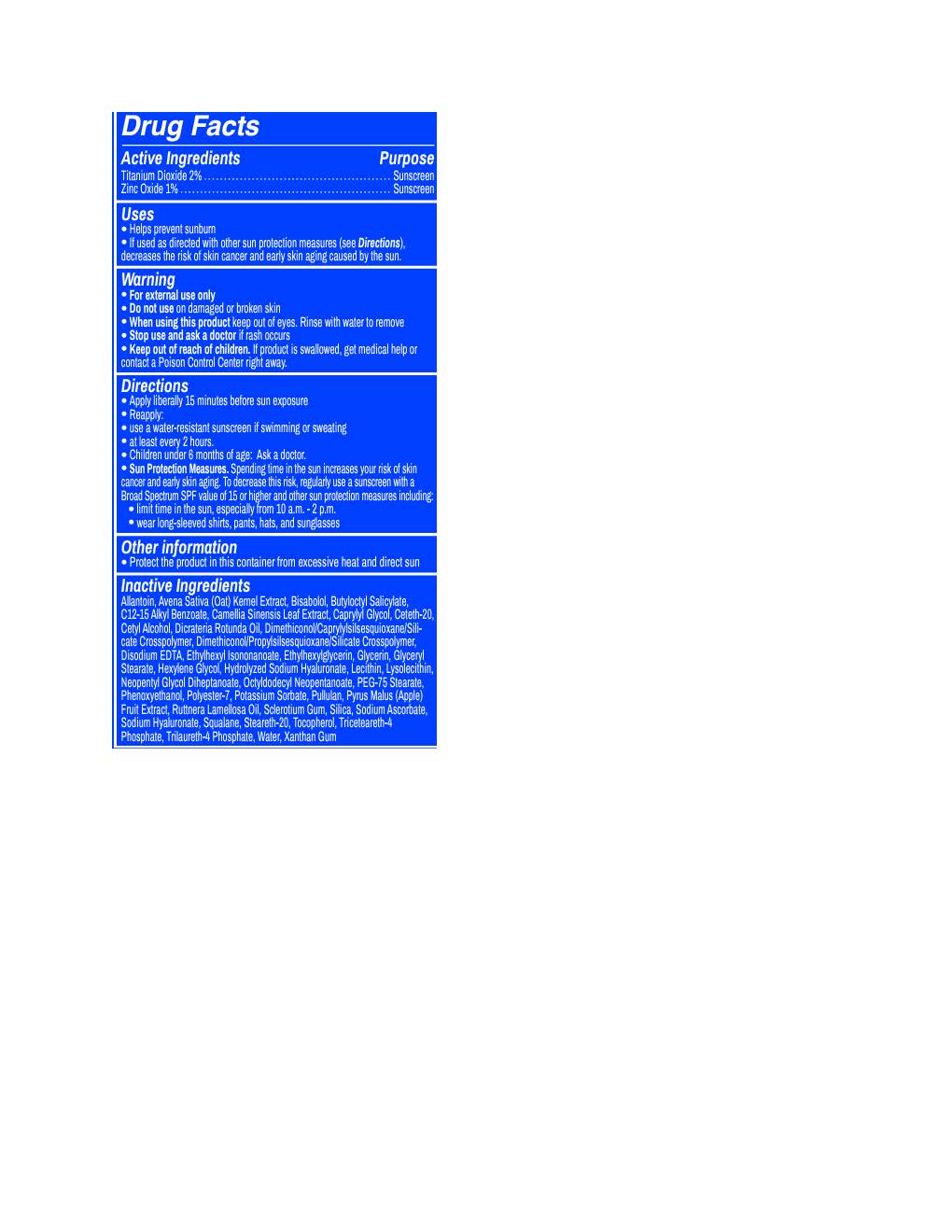
Huey Daily Mineral is a topical lotion containing titanium dioxide and zinc oxide, two mineral ingredients commonly used in sunscreen products. These active ingredients function as physical UV filters that reflect and scatter ultraviolet light away from the skin. This product is marketed as an over-the-counter drug under FDA's monograph rules for the sunscreen category, rather than as an individually approved application.
Patient education
Supplement & herbal interactions
Where does this data come from?
Ask a licensed pharmacist directly — free, answered by our team.
💊 What it looks like
Where does this data come from?
🧪 Inactive Ingredients / Excipients
Inactive ingredients, also called excipients, are components of the drug product other than the active ingredient. They may include fillers, dyes, coatings, preservatives, flavors, or other formulation ingredients.
💡 Tap an ingredient (hover on desktop) to see what it is and why it’s used.
-
UNII 105S6I733Z
A natural oil extracted from chamomile and other plants. It acts as a fragrance and flavoring agent to improve the taste and smell of the medicine.
-
UNII A9EJ3J61HQ
A synthetic liquid derived from benzoic acid and long-chain alcohols. It functions as a solvent and penetration enhancer in topical formulations, helping active ingredients dissolve and absorb into the skin.
-
UNII 344S277G0Z
Allantoin is a naturally derived compound that helps soften and soothe skin. In medicines, it works as a skin-conditioning agent and may help support wound healing and reduce irritation in topical formulations.
-
UNII 5P8D0Z74RG
A finely ground grain from oats. Used as a filler and natural thickening agent to add bulk to the medicine and help it hold together in solid forms.
-
UNII 2EH13UN8D3
A synthetic compound used as a solvent and penetration enhancer in topical formulations. It helps dissolve active ingredients and allows them to penetrate the skin more effectively.
-
UNII C5M4585ZBZ
A plant extract from tea leaves that acts as an antioxidant ingredient. It helps protect the medicine from degradation and may improve stability during storage.
-
UNII 00YIU5438U
Caprylyl glycol is a clear liquid derived from coconut oil. In medicines, it acts as a humectant to retain moisture, a preservative booster to prevent microbial growth, and a solvent to help dissolve or mix other ingredients.
-
UNII I835H2IHHX
A waxy substance derived from plant oils, used as an emulsifier and solubilizer to help mix oil and water ingredients together and keep them blended throughout the product's shelf life.
-
UNII 936JST6JCN
Cetyl alcohol is a waxy, fatty substance derived from plant or animal sources. It acts as an emulsifier and thickener in medicines, helping blend oil and water components and giving products a smooth, creamy texture.
-
UNII Z0DWU9R4GM
A plant-derived oil from Dicrateria rotunda algae, used as an emollient and skin-conditioning agent in topical formulations to help soften and smooth the product texture.
-
UNII 9KB5R958PB
A silicone-based polymer that forms a protective barrier on skin or mucous membranes. Used in topical formulations as an emollient, water-repellent coating, and skin protectant to reduce moisture loss and irritation.
-
UNII 6V475AX06U
A chelating agent derived from ethylenediaminetetraacetic acid (EDTA) combined with copper. It binds metals in formulations to prevent discoloration and degradation, helping preserve the medicine's stability and appearance.
-
UNII I6KB4GE3K4
A synthetic oil derived from petrochemicals, used as an emollient and solvent in topical formulations. It helps dissolve active ingredients and improve the texture and spreadability of creams, lotions, and ointments.
-
UNII 147D247K3P
Ethylhexylglycerin is a synthetic preservative used to prevent bacteria and mold from growing in medicines and personal care products. It helps keep the product safe and stable throughout its shelf life.
-
UNII PDC6A3C0OX
Glycerin is a clear, thick liquid derived from plant oils or fats. It acts as a humectant to retain moisture, a sweetener, and a solvent in medications.
-
UNII FCZ5MH785I
A waxy substance made from glycerin and stearic acid. It works as an emulsifier to help mix oil and water ingredients together, and as a thickener to give the medicine its proper texture and consistency.
-
UNII KEH0A3F75J
Hexylene glycol is a clear liquid alcohol used as a solvent and preservative in medicines. It helps dissolve other ingredients and keeps the product stable during storage.
-
UNII 1DI56QDM62
A natural fatty substance from soybeans that helps mix oil and water-based ingredients together. It acts as an emulsifier and lubricant in medicines to improve texture and help the product break down properly in your body.
-
UNII 5LKW3C543X
A synthetic oily liquid derived from neopentyl glycol and heptanoic acid. It serves as an emollient and solvent in formulations, helping to dissolve or suspend active ingredients and improve the texture and spreadability of topical products.
-
UNII X8725R883T
A synthetic oily liquid derived from branched carboxylic acids, used as an emollient and skin-conditioning agent in topical formulations. It helps soften and smooth the product's texture while improving how it spreads on skin.
-
UNII OT38R0N74H
PEG-75 stearate is a synthetic compound made by combining polyethylene glycol with stearic acid. It acts as an emulsifier and surfactant to help mix oils and water in the medicine and improve how the product dissolves and absorbs in the body.
-
UNII HIE492ZZ3T
Phenoxyethanol is a synthetic preservative and antimicrobial agent used to prevent bacterial and fungal growth in medicines and cosmetic products, extending shelf life and maintaining product safety.
-
UNII 0841698D2F
A synthetic polymer used as a film-coating agent to protect tablets and capsules. It helps control how quickly the medicine dissolves and improves the appearance of the finished product.
-
UNII 1VPU26JZZ4
Potassium sorbate is a salt derived from sorbic acid, a naturally occurring preservative. It prevents growth of mold, yeast, and some bacteria, extending the medicine's shelf life.
-
UNII 8ZQ0AYU1TT
Pullulan is a natural polysaccharide, a type of carbohydrate made from yeast. It acts as a binder and film-former to hold tablet ingredients together and create protective coatings on capsules.
-
UNII 5XZ38R4SUT
A plant-derived oil used as an emollient and skin-conditioning agent in topical medicines. It helps soften the skin and improve the spreadability and texture of the formulation.
-
UNII ETJ7Z6XBU4
Silicon dioxide is a naturally occurring mineral used as a glidant and anti-caking agent. It helps powder ingredients flow smoothly and prevents clumping during manufacturing and storage.
-
UNII S033EH8359
Sodium ascorbate is a salt form of vitamin C. It serves as an antioxidant to prevent degradation of other ingredients and as a pH buffer to maintain stable acidity in the medicine.
-
UNII GW89575KF9
Squalane is a lightweight oil derived from plant sources or synthesized. It acts as an emollient and lubricant in formulations, helping ingredients blend smoothly and improving product texture and spreadability.
-
UNII L0Q8IK9E08
A synthetic compound made from stearic acid and polyethylene glycol. It acts as an emulsifier and solubilizer, helping mix oil and water-based ingredients and keeping them blended throughout the medicine's shelf life.
-
UNII R0ZB2556P8
Tocopherol is a form of vitamin E derived from plant oils. It acts as an antioxidant in medicines to prevent oils and fats from breaking down and spoiling during storage.
-
UNII 69534Y66NO
A synthetic compound made from fatty alcohol derivatives. It works as an emulsifier and surfactant to help blend oil and water-based ingredients together in the medicine formulation.
-
UNII M96W2OLL2V
A synthetic cleaning agent derived from lauryl alcohol. In medicines, it acts as a surfactant and emulsifier to help mix oil and water-based ingredients and improve product texture and stability.
-
UNII TTV12P4NEE
Xanthan gum is a thickening and stabilizing ingredient made from fermented corn or other sugars. It's added to medicines to improve texture, prevent separation of liquids and solids, and help the product stay consistent.
34 inactive ingredients listed in the exact product block matched to this NDC.
Where does this data come from?
ingredient classCode="IACT" elements from the exact product block matched by this NDC. Label-section narrative from DailyMed / the openFDA label index is shown separately when available.Inactive ingredient FAQ
Are inactive ingredients the same for every manufacturer?
Why might an inactive ingredient be missing?
Can inactive ingredients matter?
💲 Pricing
A drug doesn't have one price. Each row is a different public payment system, and none is what you'd pay at the counter — that depends on your insurance. The ⓘ on each row explains what it measures.
| Price system | Per g | Per package |
|---|---|---|
| Retail pharmacies payNADAC · weekly | Not in the retail survey — common for institutional, discontinued, or low-volume packs. | |
| Medicaid paysCMS SDUD · 12 mo | No recent Medicaid claims on file for this NDC — rare and low-volume NDCs are suppressed in the public data. | |
| Medicare drug plans payPart D · quarterly | No Part D plan price is available for this NDC in our data. | |
Where does this data come from?
🔁 Therapeutic equivalents
| Product | Labeler | Pack | NADAC/unit | TE | Status | Price vs. this |
|---|---|---|---|---|---|---|
| Alpha-H Total Eclipse 9.7 mg/mL; 19.4 mg/mL 55528-0400-02 | Alpha-H | 1 tube | — | — | FDA listed | — |
| Glo Skin 9.7 mg/mL; 19.4 mg/mL 60541-0391-02 | Glo | 1 bottle | — | — | FDA listed | — |
| Yay Novelty All-In-One 9.7 mg/mL; 19.4 mg/mL 83336-0391-02 | YAY | 1 tube | — | — | FDA listed | — |
| Daily Essential Eye Cream 9.7 mg/mL; 19.4 mg/mL 84891-2409-02 | Solarium | 1 tube | — | — | FDA listed | — |
| Thu Brule Free Spirit Correct and Protect 9.7 mg/mL; 19.4 mg/mL 83859-0400-02 | Laughing | 1 bottle | — | — | FDA listed | — |
| Hell on Earth The Resistance Daily Face Moisturizer 9.7 mg/mL; 19.4 mg/mL 85275-0391-02 | Hell | 1 bottle | — | — | FDA listed | — |
| Ware Sonny Universal 9.7 mg/mL; 19.4 mg/mL 83510-0400-02 | Ware | 1 bottle | — | — | FDA listed | — |
| Huey Daily Mineral 9.7 mg/mL; 19.4 mg/mLthis 83599-0391-02 | Huey | 1 tube | — | — | FDA listed | — |
Where does this data come from?
⏳ Availability & generic status
We did not find an FDA-approved generic match for this exact strength, form and route.
Where does this data come from?
🔬 Reported adverse events (FAERS)
Top reported reactions
Reporter sex
Serious outcomes
Where does this data come from?
📦 Packaging — all sizes for this product
| Package NDC | Description | Marketing start | Status |
|---|---|---|---|
| 83599-0391-02 You're viewing this | 1 TUBE in 1 CARTON (83599-391-02) / 60 mL in 1 TUBE (83599-391-01) | 2024-02-09 | Active |
🧭 About this NDC listing & data coverage
What data is (and isn’t) available for this NDC — tap to expand
| NDC identity (package / product / labeler codes) | ✓ Available |
| Labeler | ✓ Available |
| Product & package description | ✓ Available |
| Marketing category & status | ✓ Available |
| Active ingredient / dosage form / route | ✓ Available |
| FDA label (SPL via DailyMed) | ✓ Available |
| Package photos | ✓ Available |
| Inactive ingredients (structured) | ✓ Available |
| NADAC pharmacy acquisition price (CMS) | — Not published for this NDC CMS publishes NADAC only for NDCs reported in its retail-pharmacy survey. |
| Orange Book / therapeutic-equivalence data | — Not published for this NDC Applies only to products approved under an NDA/ANDA; many listings are out of scope. |
| HCPCS J-code billing crosswalk | — Not published for this NDC Most self-administered / retail products have no J-code — that is normal. |
| Medicaid utilization (CMS SDUD) | — Not published for this NDC CMS reports utilization only for NDCs with Medicaid claims above its privacy threshold. |
Questions about this listing
Is this NDC FDA-approved?
Why is there no price listed?
Is the NDC printed on the package the same as the 11-digit billing NDC?
What do the three segments of this NDC mean?
Is this package still being marketed?
Who lists this product with the FDA?
Do I need a prescription for this product?
Where does this data come from?
📄 FDA label — Drug Facts FDA SPL
🎯 Indications and Usage ▾
Huey Daily Mineral Indication and Usage
⏱️ Dosage and Administration ▾
Huey Daily Mineral Dosage and Administration
⚠️ Warnings ▾
Huey Daily Mineral Warning Label
🧪 Active Ingredient ▾
Huey Daily Mineral Active Ingredients
🧪 Inactive Ingredients ▾
Huey Daily Mineral Inactive ingredients
🎯 Purpose ▾
Huey Daily Mineral purpose